China Ornamental Fish Wholesale Market: An Import Buyer's Guide
Where is the world's largest ornamental fish distribution hub? Why do international buyers from every continent source here? And how does a single fish travel from a Chinese farm to aquariums around the globe? This is an objective, practical market introduction and first-buyer sourcing guide, written with international logistics in mind.
400+Years of goldfish exports through the port of Guangzhou
150,000 m²Operating area of Guangzhou Baiyi City (Fangcun)
2,000+Merchants gathered under one roof
RMB 10 BnApprox. industry value driven by Guangzhou's ornamental fish sector
Objective market guide — not a sales promotion for any merchant. Prices and figures are reference ranges based on public reporting; confirm current market and official data before purchase.
01
Why This Ornamental Fish Wholesale Market Is Different
To answer "why buy ornamental fish from China," you first need to see how China's ornamental fish industry differs structurally from other countries and other markets.
China is one of the world's most important producers and trading centers for ornamental fish. With Guangzhou at its core, the industry has formed a full-chain ecosystem of seed stock, farming, distribution, logistics, equipment and aquascaping. In other words, what you buy at this market is not just a tank of fish — it is a mature, dense and fast-responding supply network.
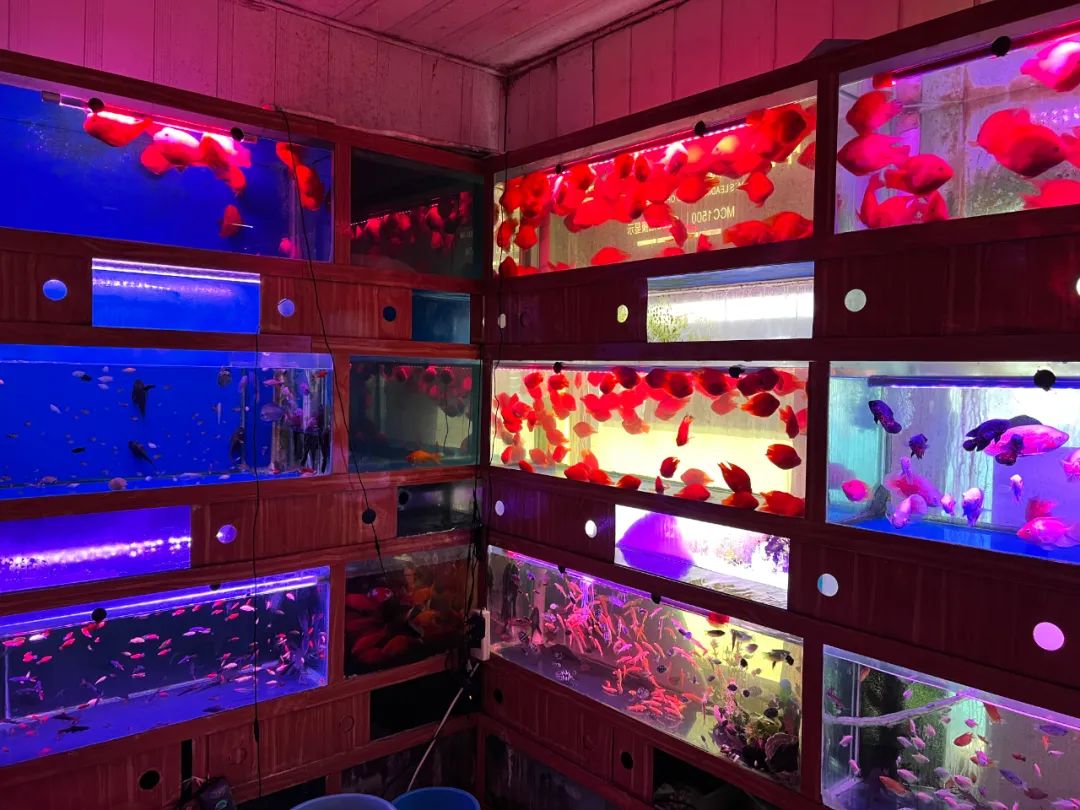
Tiered display tanks inside a wholesale market: fish are kept by species so buyers can inspect stock in person.
Largest in scale, widest in variety
Guangzhou Baiyi City inherited all the merchant resources of the former Huadiwan market: roughly 150,000 m², 2,000+ merchants, and live fish, aquatic plants, equipment and aquascaping all under one roof — "if you can think of it, it's here." Huadiwan was historically China's (and Asia's) largest and most complete ornamental fish trading center.
One-stop, full supply-chain clustering
Unlike Western markets, where upstream and downstream retail shops are scattered, China's wholesale market compresses farming, gathering, packing, logistics, equipment and aquascaping into a single space. A buyer can compare prices, select stock, pack and dispatch within one day — extremely efficient.
A 400-year export heritage
About four centuries ago, goldfish reached Europe through the port of Guangzhou, into the garden ponds of Amsterdam and London. Pearl-Scale goldfish and White Cloud Mountain minnows are globally renowned Chinese originals. At its peak in the 1990s, Guangzhou handled more than 95% of China's ornamental fish import and export trade.
The "central kitchen" of the livestream era
When an aquatic plant or species goes viral through livestreaming, Guangzhou's gathering, sorting and logistics capacity absorbs the demand spike and becomes the stable supply backend for online bestsellers — a capability that many retail-only overseas markets cannot easily replicate.
A hub over a nationwide farming network
Behind the market sit producing regions across the country: Fuzhou is "China's Goldfish Capital" (2024 goldfish sales of about RMB 1.2 billion, #1 nationally), Weifang in Shandong is a premium koi base, and Guangdong and Shanghai handle large-scale tropical fish. Farms plus a distribution hub means far more choice than a single-origin market.
Backed by an international trade fair
The China International Pet & Aquarium Show (CIPS, the "Great Wall Show") has been held in Guangzhou every year since 2024. The 2025 edition gathered 1,200+ exhibitors and about 100,000 professional visitors from 165 countries and regions. Buyers can combine market visits with the fair to reach producers directly.
In short: China's ornamental fish wholesale market is different because it is a "production + distribution + export" global hub — large scale, full variety, complete supply chain, fast response and clear price tiers. For overseas buyers who need stable, high-volume and diverse supply, this means strong negotiating power and real freedom of choice.
02
Main Wholesale Markets & Producing Regions
"China's ornamental fish wholesale market" is not a single place — it is a network centered on Guangzhou and spanning the country's producing regions. The table below helps a first-time buyer get oriented.
Key distribution hubs and producing regions for ornamental fish in China (objective overview, not advertising; scale and figures are public-reporting reference ranges)
Market / Region
City
Position & Scale
Best For
Baiyi City Fangcun Flower-Bird-Fish-Insect New World
Guangzhou
One of China's largest flower-bird-fish markets: about 150,000 m², 2,000+ merchants, one-stop live fish, plants, equipment and aquascaping; inherited the full industry resources of the former Huadiwan market.
All categories, bulk buying, export agencies, one-stop sourcing
Huadiwan (historic) Yuehe Market
Guangzhou
Once China's largest ornamental fish market — first in operating area, shops, turnover and variety. Closed in 2020; merchants moved to Baiyi City.
Understanding the industry's history; shop at Baiyi City today
Fuzhou goldfish cluster Minhou County
Fuzhou
"China's Goldfish Capital": 2024 goldfish sales of about RMB 1.2 billion, #1 nationally; Minhou produces about 80% of China's high-end goldfish, with about 20% of premium fish exported.
Direct sourcing of premium goldfish (Ranchu, Thai Oranda, Pearl Scale, etc.)
Weifang Changle Koi farming base
Shandong, Weifang
Located on the 36°N latitude belt similar to Japan's core koi region; water and climate favor koi farming. A leading professional koi base in northern China.
Direct sourcing of quality and show-grade koi
Shanghai & other city markets Regional markets
Shanghai / Beijing / Tianjin, etc.
Regional wholesale + retail aquarium markets for small-to-medium top-ups; Shanghai alone has produced hundreds of millions of ornamental fish (fry and brood stock) per year.
Small-batch top-ups, nearby sourcing
Tip: for first-time overseas buyers, industry practice usually recommends Guangzhou (Baiyi City) as the first stop — the largest wholesale volume, the widest variety, and the most mature export logistics and agencies.
Reference wholesale price range by common category (log scale, CNY per unit; illustrative only, not live quotes — confirm current market conditions)
03
First-Time Buyer: How to Source and Select Fish
Inexperience is fine; going in unprepared is not. Follow this ten-step process and you will go from "first time in the market" to "a buyer who can place an order."
1
Prepare before you travel
Decide "what, how much and how much to spend" first
Before you land at the market, write down three things: target species and size (adult or fry? what size? what grade?), planned quantity (with a transport-loss buffer — budget 5%–15% for loss), and a budget cap. Also research your country's import requirements: whether you need a health certificate, import permit or CITES permit, and which species are prohibited at home — this decides whether you can legally bring the fish back.
2
Pick the right time
Wholesale runs on the "morning market" — don't sleep in
The golden hours of China's wholesale markets are early to late morning (the Guangzhou Huadiwan/Baiyi City early market starts around 7–8 a.m.; good stock tends to be picked over by afternoon). Arrive early when supply is fullest and wholesale prices are best; afternoons are mostly retail — small quantity, higher prices, fewer good fish. Avoid holidays and extreme weather such as heavy rain or heat.
3
Walk before you buy
Tour the market to learn prices, then commit
Don't rush to pay the first time. Walk the market and compare quotes and quality for the same species across different stalls until you have a mental "price range," then negotiate. The same fish can differ by several to dozens of times in price depending on quality, size and grade — know the market before you bargain.
4
Learn to grade fish
Use a "health checklist" point by point
Key signs of a healthy fish: clear bright eyes, steady, energetic swimming (not lying on the bottom, not sinking, not gasping at the surface), intact fins without tears, no white spots / fuzzy fungus / ulcers / abrasions on the body, a belly not abnormally sunken or bloated, and a normal reaction when approached. Note: if you see one sick fish in a tank, skip the whole tank — pathogens spread fast. Also ask about the sex ratio, whether the fish are feeding, and whether they have been quarantined or acclimated. If you cannot see it clearly, don't buy it.
5
Pin down the specs
Ask exactly how size and price are measured
Wholesale quotes are usually per "bag/box count" or per "fish/centimeter", and the grade sets the unit price. Always clarify: the size basis (body length or total length?), the grade (standard / premium / show), the count tolerance (how much shortage is allowed), and the pricing unit. Put all of this into the order to avoid "shrinkage on arrival."
6
Lock terms in writing
Agree on live-arrival responsibility, in the contract
Live cargo is high-risk, so confirm the terms in writing before paying: transport mode and expected transit time, whether heat/cool packs are used, the live-arrival policy (how long alive and how it is defined), the claim ratio and reporting window (usually photos within X hours of arrival), and who bears delays or customs issues. Verbal promises are worthless.
7
Packing & transport
Half of transport survival comes from packing
The professional standard: dedicated transport bags + plenty of pure oxygen + enough water (enough to cover the fish without excessive sloshing), placed in an insulated foam box (heat pack in winter, cool pack in summer), with the outer box labeled with the exporter, the registered farm/transit-facility number, species, quantity and size. Packing density and fasting (fish are usually fasted 24–48 hours before shipping to reduce waste) directly affect survival. Insist that the seller pack to export standard — never skip this step.
8
Quarantine & export documents
Treat paperwork as part of the cargo
Under China Customs rules, outbound aquatic animals are declared by a registered farm or transit facility about 7 days before departure, with documents such as the contract, invoice and packing list; CITES-listed species (e.g., certain arowana) need extra permits. Confirm that the exporter has export qualification, the documents are complete, and they meet your destination country's quarantine requirements. Missing documents can mean cargo held, destroyed, or legal liability.
9
Payment & order
Pay in stages, keep records, start with a small trial order
For a first partnership, place a small trial order to verify quality, packing and survival before scaling up. Prefer corporate transfers, letters of credit or third-party escrow, and keep the contract, invoice, bank receipts and chat records; avoid large cash deals and paying individual accounts. Be very cautious with any premium item that requires full payment upfront before you see the goods.
10
Arrival & acceptance
Don't rush the fish into the tank
On receipt, first check the bags for damage, leaks or lack of oxygen; then float the bag in the target tank for 15–30 minutes so temperatures equalize, drip-acclimate by adding tank water gradually, and only then transfer the fish and quarantine in isolation for 1–2 weeks. Document everything with photos; if anything is abnormal, report it to the seller immediately per the contract.
Illustrative supply chain from farm to destination country
04
Main Products Sold Here
China's market covers everything from freshwater to marine, small to large, live animals to aquascaping. Below are the nine categories most commonly bought by overseas buyers, with sourcing notes.
Goldfish Goldfish
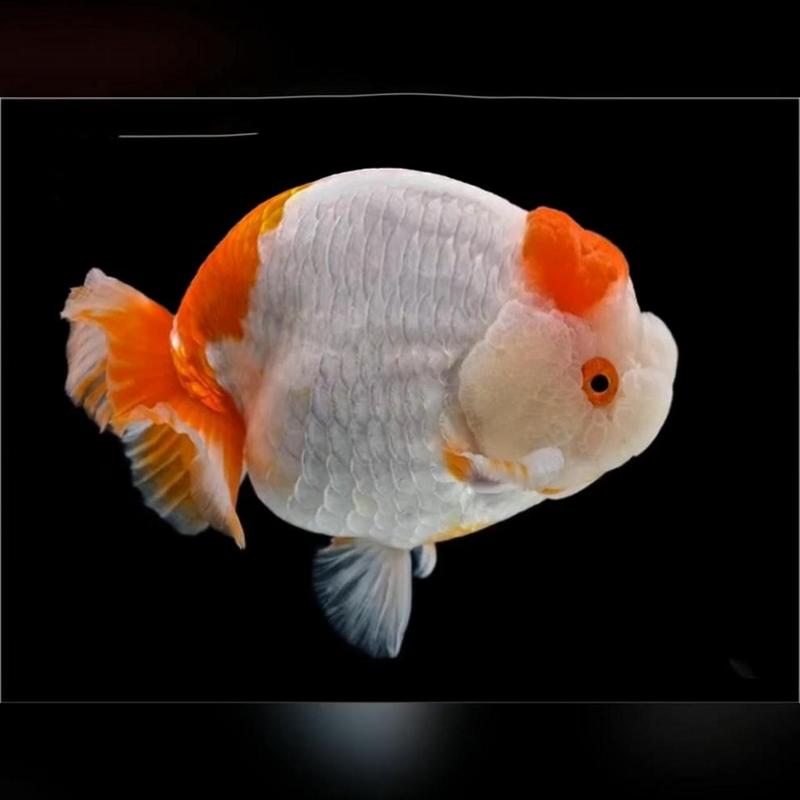
China's national-treasure ornamental fish and among the world's oldest domesticated aquarium fish. Popular types: Ranchu, Thai Oranda, Pearl Scale, Ryukin and Veiltail. Fuzhou is the core premium region. Grading is meticulous: head growth, body shape, tail, color and swimming style all set the price.
Sourcing: go to Fuzhou for premium lines; decide standard / premium / show grade first; check body symmetry and head development.
Koi Koi
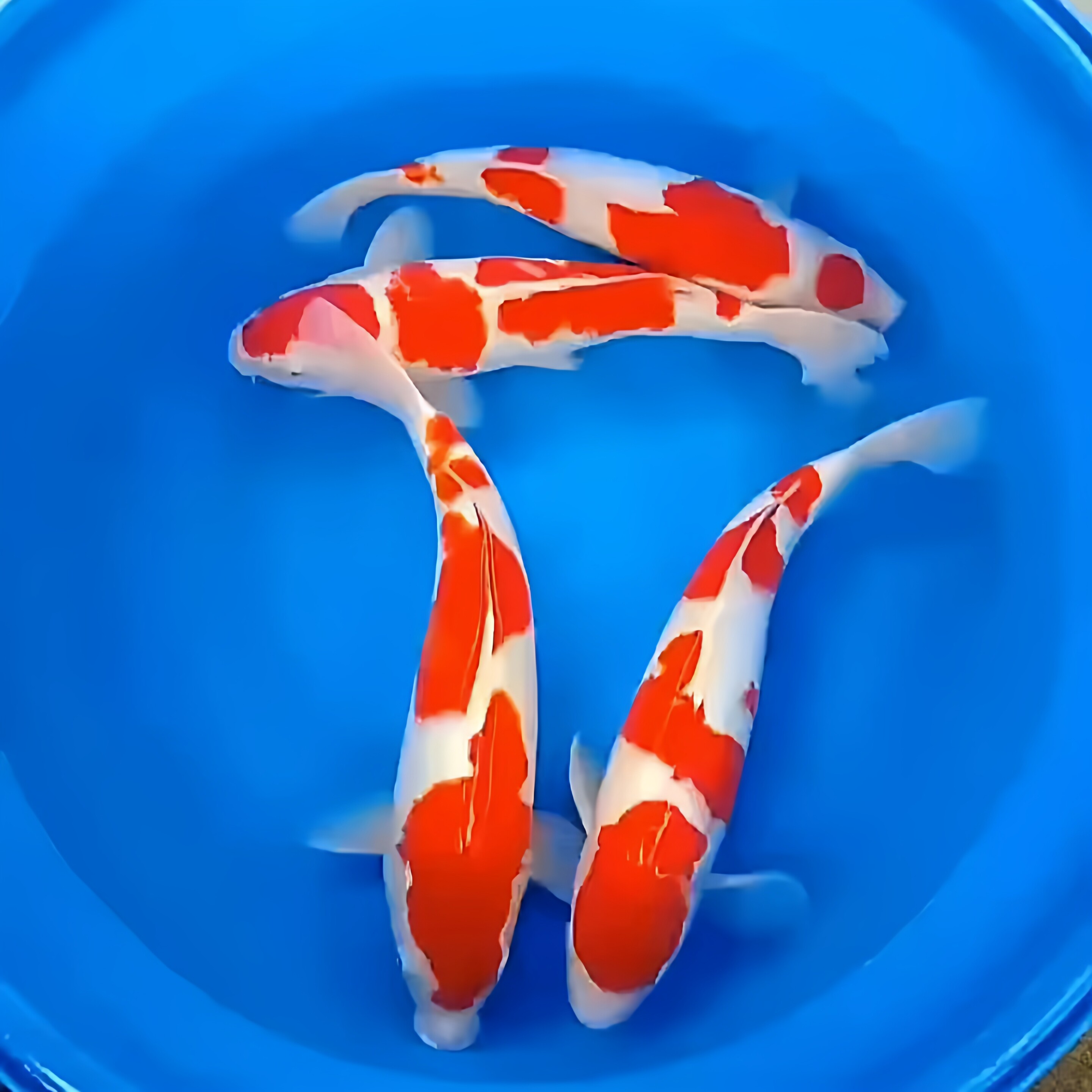
Beloved large coldwater fish worldwide; Kohaku, Taisho Sanke and Showa are classic varieties. Shandong (on the 36°N belt), Guangdong and other regions farm at scale, and the price span from standard to show grade can be enormous.
Sourcing: priced by body length (e.g., 10 / 20 / 30 cm+) and pattern quality; pond vs. aquarium determines the size you choose.
Arowana Arowana
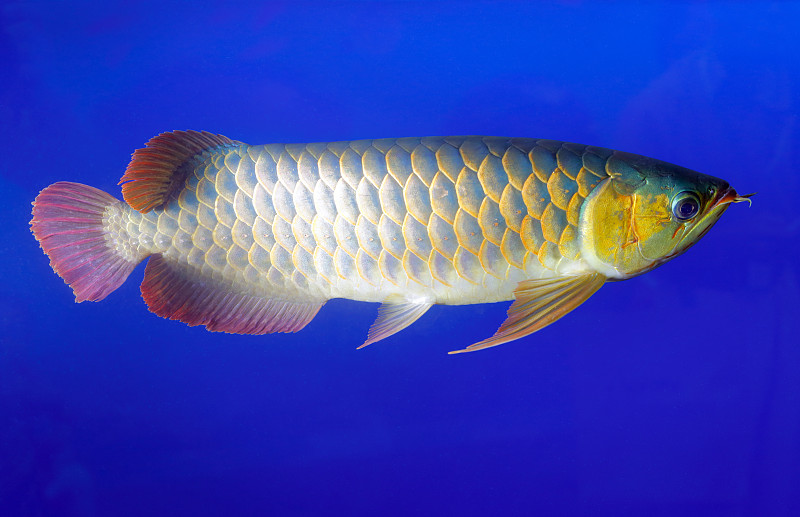
A premium species — Gold, Red and Silver are well known. High value with a huge price span (from a few hundred to tens of thousands of RMB or more). Some varieties are CITES-regulated and need extra permits plus legal origin proof.
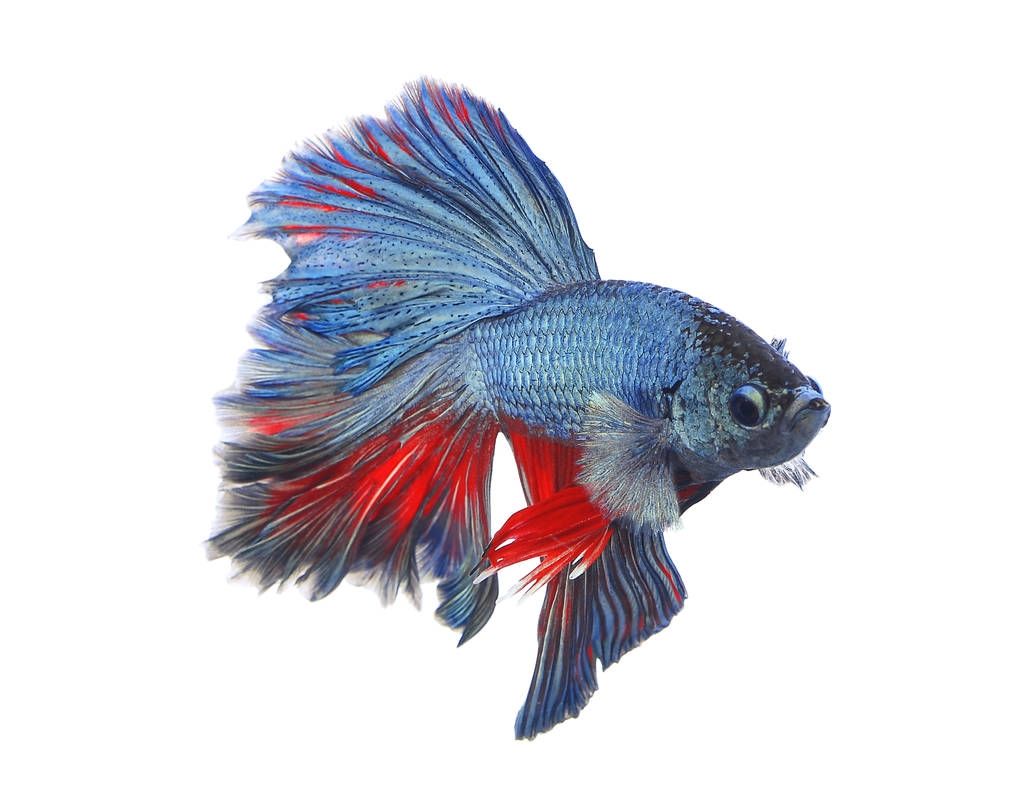
Colorful, small and transport-tolerant — a hot international item. Thai bettas (halfmoon, crowntail, plakat) and Chinese native bettas both trade. Small size and small package volume make them ideal for small air-freight lots.
Sourcing: males cost more, females are cheaper; keep singly — bettas are aggressive and must not be mixed.
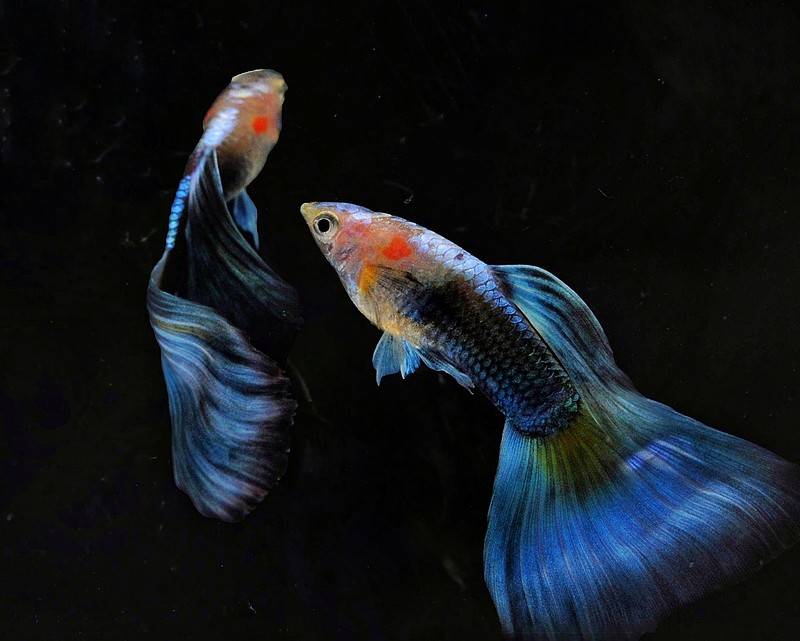
Guppy Guppy
Many varieties, fast breeding, high volume and low price — the classic "starter + volume" species. Fancy, Blue Fancy, Moscow Blue and Endler's are popular. Sex, body color and tail shape set the price; a good way to validate a supply chain.
Sourcing: specify the sex ratio and strain; sold per fish / bag; ideal for trial orders.
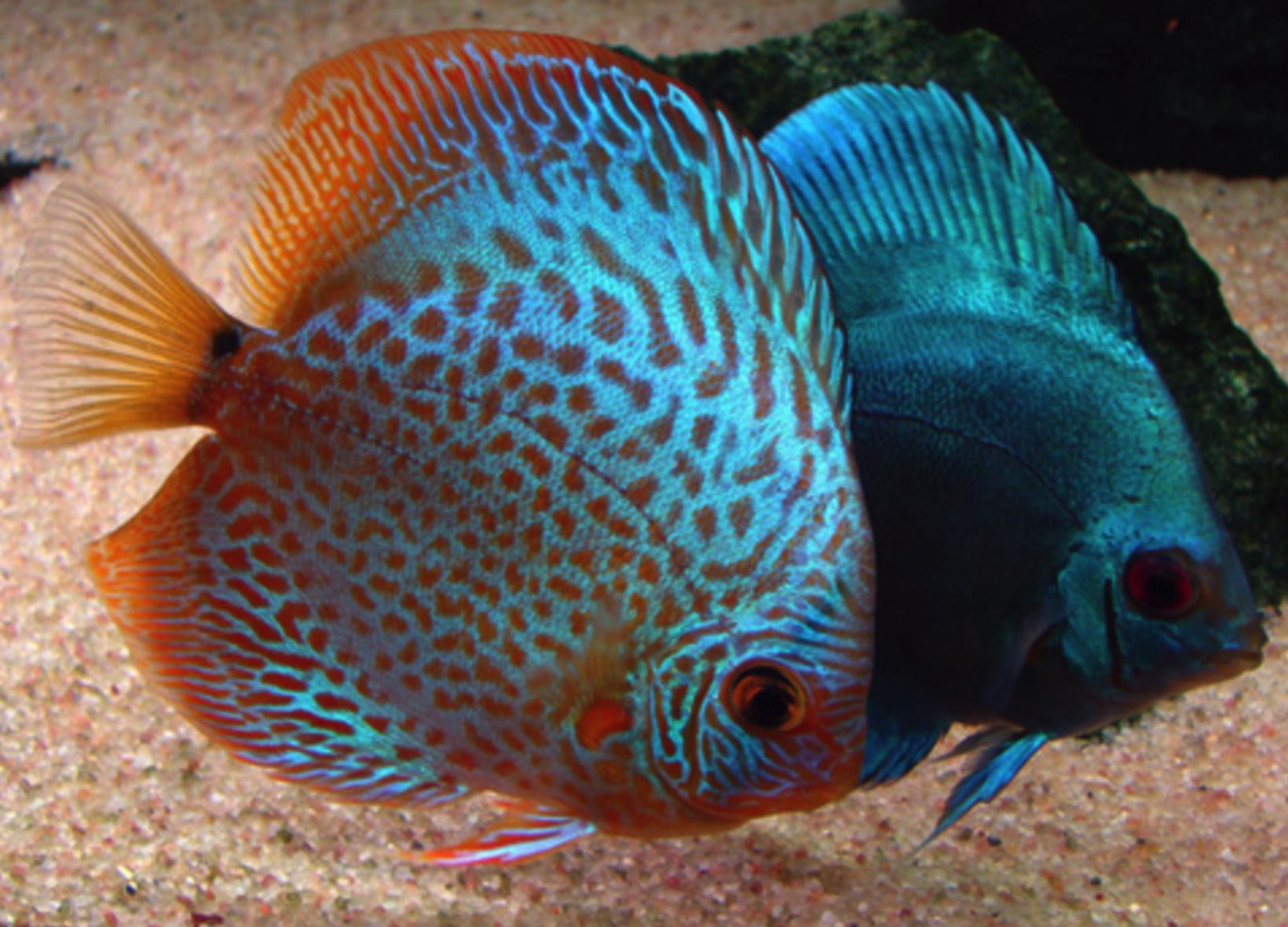
Discus Discus
Known as the "King of Tropical Fish" — disc-shaped with variable colors; a mid-to-high-end species with demanding water and care requirements. Mass-bred in China; best for buyers with some experience.
Sourcing: check a round body, clear striping and no white film; adults and sub-adults differ widely in price.
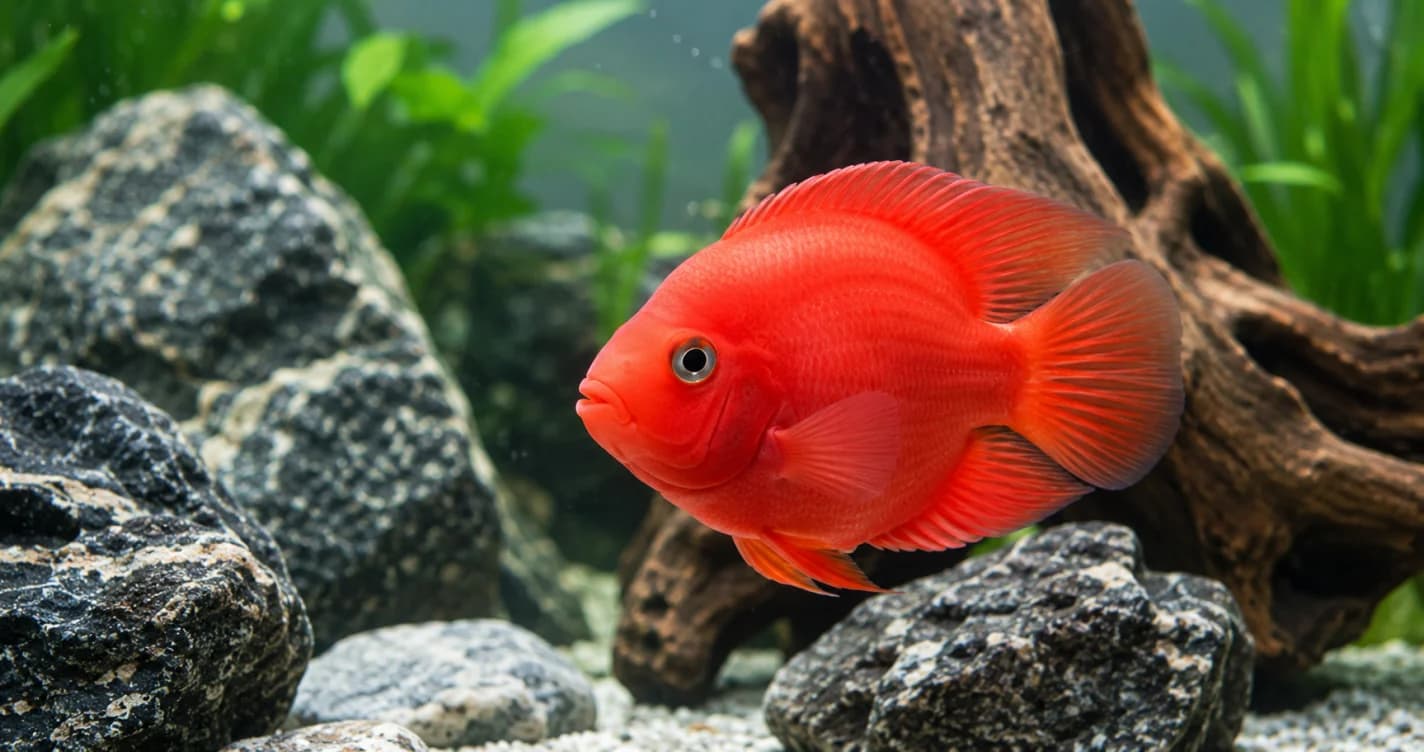
Blood Parrot / Oscar / Flowerhorn Cichlids
Medium-to-large freshwater fish with festive, "lucky red" colors — popular in public aquariums and home tanks. Blood parrots are solid red, oscars have patterns, and flowerhorns develop head growths. Priced by size, body shape and head development.
Sourcing: check body proportion and whether the color is "real" (not short-term dyed by color-enhancing feed).
Tetra & Nano Fish Tetra & Nano
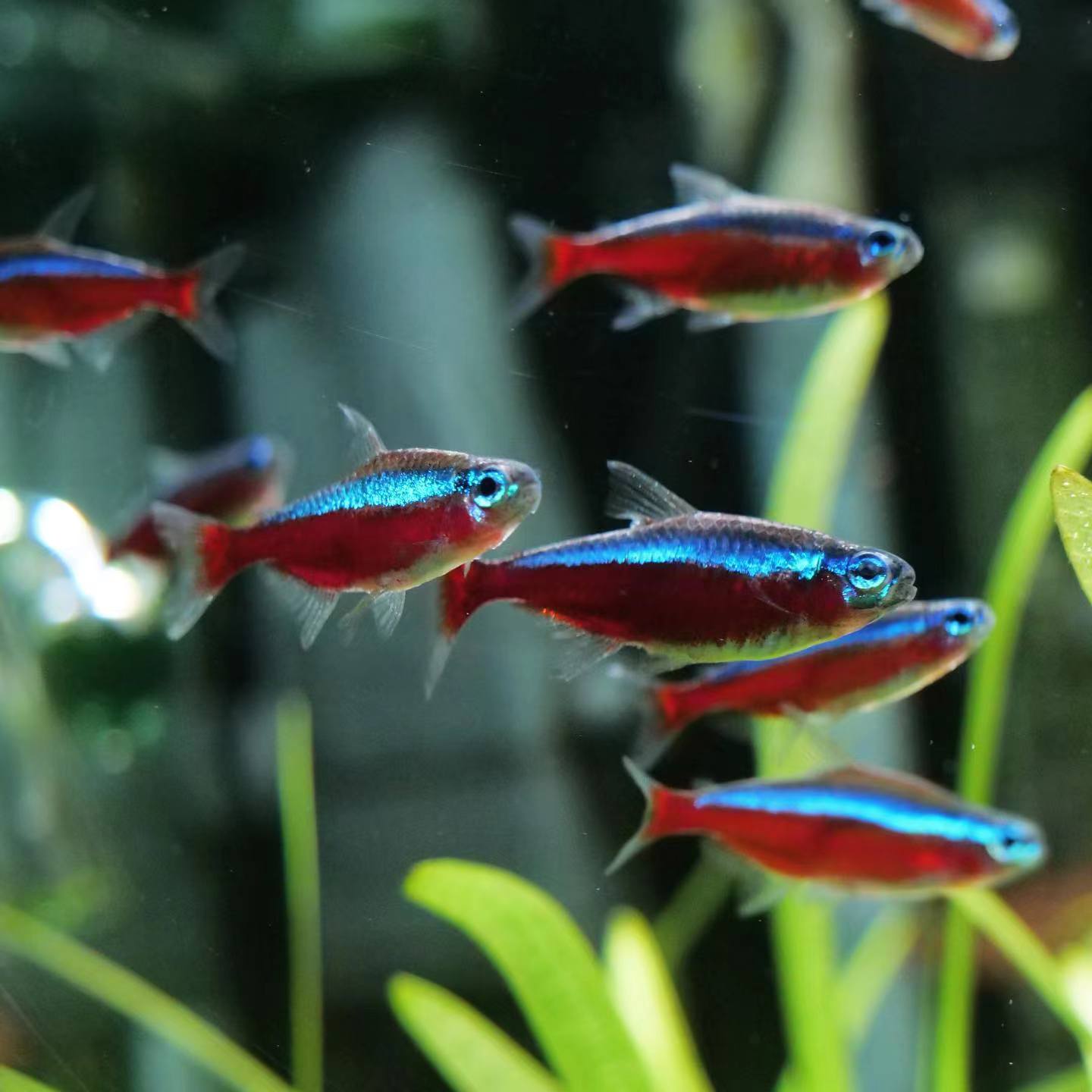
Cardinal tetra, neon tetra, black phantom and other small schooling fish — famous for "schooling" displays, the planted-tank staple and one of the highest-volume categories. Tiny and low-priced per unit, sold by bag / hundreds.
Sourcing: confirm packing density and feeding state; the larger the volume, the cheaper per fish.
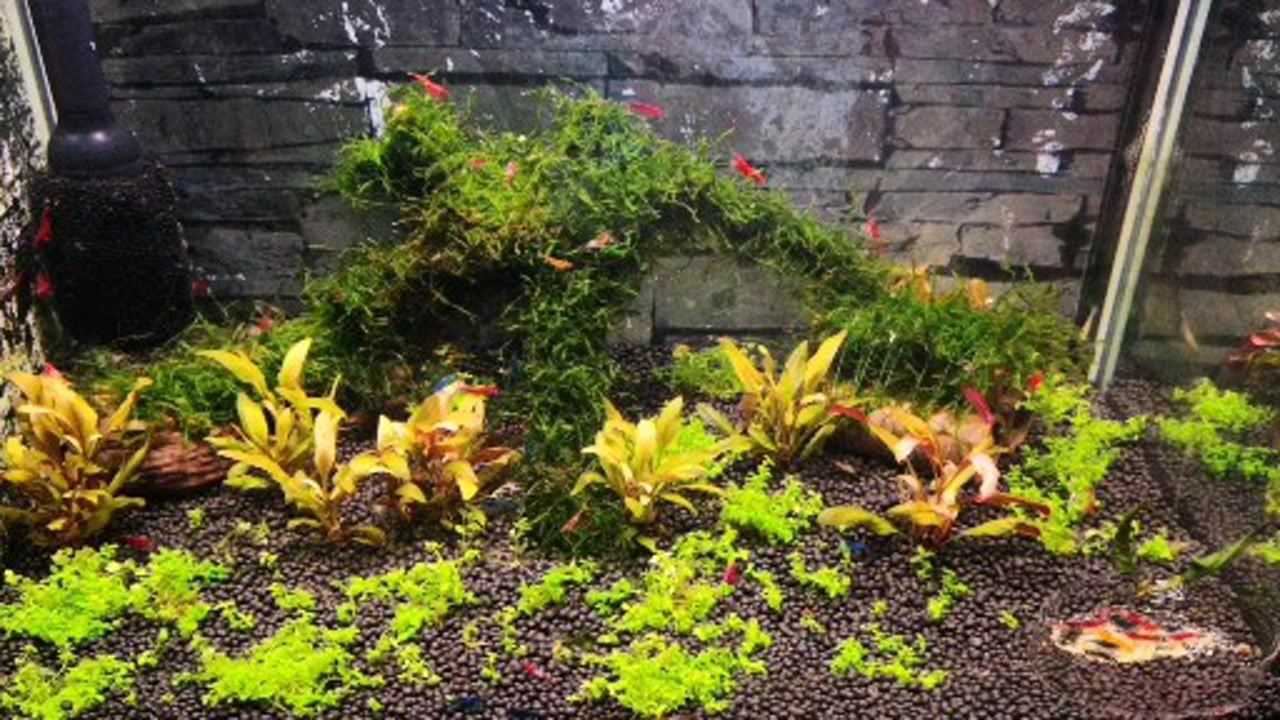
A fast-growing niche: cherry, crystal and fire-red shrimp, together with moss, Anubias, driftwood and hardscape, form the "aquascape economy." Guangzhou Baiyi City has become the shipping hub for plants and hardscape under livestream demand.
Sourcing: shrimp — watch the molting period and transport temperature; plants — confirm pest/quarantine status; hardscape priced by weight / piece.
Besides live fish, the market also wholesales tanks, filters, heaters, feed, water-treatment chemicals and aquascaping wood and stone — everything can be sourced in one trip.
05
Common Pitfalls to Watch For
Ornamental fish is a "live goods" business with higher risk than ordinary merchandise. Reading these pitfalls in advance will save you a lot of costly tuition.
!
Lower grade passed off as premium, mixed lots
Using standard stock to pose as "premium" and mixing inferior fish into higher-grade lots is the most common trick in the live market. Counter: inspect each fish in person, photograph everything, and put "grade, size and count" into the order.
!
Inflated counts and short quantities
A "bag of one hundred" may actually hold 80–90, or the fish run smaller than promised. Counter: agree on a count-tolerance limit (e.g., ±5%), re-count per bag on arrival, and reject or discount large shortfalls.
!
Unclear transit-loss liability ("alive but not in condition")
A seller may say "guaranteed alive" verbally but the terms say "alive but not condition," so a fish that arrives alive yet listless, off its feed or sick is hard to claim. Counter: put a written "live-arrival standard" and "condition clause" in the contract, with a feedback window (e.g., within X hours) and proportional compensation.
!
Poor packing causes deaths in transit
Flimsy plastic bags, too little water, insufficient oxygen or overcrowding lead to mass losses on long hauls. Counter: insist on "dedicated transport bags + pure oxygen + insulated foam box + fasting" and put the packing standard in the contract.
!
Missing quarantine and documents — held or destroyed at the port
If the exporter has no registered farm / transit facility qualification, or lacks quarantine documents or CITES permits, the cargo can be held or destroyed at the destination port, with fines. Counter: verify the exporter's qualifications and the document checklist before ordering; don't rely on luck.
!
Price traps (absurdly cheap or inflated)
"Premium arowana for a few dozen yuan" or "guaranteed alive and free shipping at rock-bottom prices" is usually sick fish, inferior stock or a scam; conversely, passing ordinary quality off as "show grade" to inflate the price is also common. Counter: learn the market, compare several sellers, and stay alert to quotes that clearly deviate from the norm.
!
Online "not as shown" — stock photos and livestream filters
Some online suppliers show only stock photos or web images instead of the day's real stock, or use lighting and filters in livestreams to hide quality problems. Counter: ask for "same-day real photos with tank/batch number" and support video inspection; don't place large orders based on web images alone.
!
Vague language and contracts cause disputes
When quality, size, grade and live-arrival terms rely on "verbal agreement," each side tells a different story when problems arise. Counter: use a written order / contract (bilingual if possible) and pin down key terms; distrust "pay first, contract later."
!
Temperature and season risk (winter / summer transit)
Stifling heat in summer and freezing in winter are the two great killers of live fish in transit. Counter: require heat packs in winter and cool packs in summer, avoid shipping in extreme weather or peak logistics season, and compress transit time.
Some species (e.g., certain arowana, rare shrimp) are restricted under CITES or prohibited by your country — importing them is illegal. Counter: check your destination customs / animal-plant quarantine authority's "allowed species list and document requirements" before purchasing.
!
Cash transactions and no paperwork
Large cash payments, personal-account collection, and no contract or invoice leave you with nothing to claim later. Counter: use corporate transfers, letters of credit or third-party escrow, and keep the contract, invoice and communication records.
06
First-Timer FAQ: The 14 Questions Buyers Ask Most
These questions are organized specifically for people outside the trade who are visiting for the first time. Click any question to expand the answer.
Q1I'm a first-time buyer and have no idea what to buy. What should I do?
Don't rush. Treat day one as a research day: walk the market, only look, and note species, sizes, quotes and quality at each stall. Prepare a checklist (target species, size, quantity, budget) and ask an experienced stall owner, or a translator or sourcing agent, to help you inspect. Start with a trial order of high-volume, easy-to-keep, low-price species such as guppies, tetras or goldfish to validate the process before moving up to premium fish.
Q2What's the difference between wholesale and retail? Is wholesale always cheaper?
Wholesale targets bulk: it usually has a minimum order (a bag, a box, or a set count), a lower unit price and more room to negotiate; retail is per-fish at higher unit prices. But "wholesale is cheaper" only holds if you reach the minimum order and know the market: if you buy just a few fish as a new customer, you may not get a true wholesale price and could even be quoted higher as an inexperienced buyer.
Q3How do I confirm a fish is healthy? How do I choose?
Use a health checklist: clear bright eyes, steady active swimming (no lying on the bottom, sinking or gasping), intact fins without tears, no white spots, white fuzz, ulcers or abrasions on the body, a belly not abnormally sunken or bloated, and a normal reaction when approached. Also check whether the tank holds sick or dead fish — if one is sick, don't buy the whole tank. After choosing, ask the seller to re-bag with fresh water and watch for about 10 minutes before you leave.
Q4The seller says 'guaranteed alive.' Should I trust it? How should the clause read?
"Guaranteed alive" only counts in writing. In the order or contract, specify: transport mode and expected transit time, whether heat or cool packs are used, the definition of "live arrival" (alive at destination), how many hours after arrival to report, the claim ratio and calculation for death or damage, and who bears delay or customs issues. A verbal "guaranteed alive" promise is almost impossible to prove in a dispute.
Q5How long will the fish live? Will fish die in transit?
Ornamental fish live from a few years to decades (koi can live for decades). Transit — especially long-haul air freight — always carries some loss rate. Survival depends mainly on three things: the fish's condition before departure (healthy? fasted?), professional packing (oxygen, density, insulation), and how you handle them on arrival (correct acclimation and quarantine). So budget 5%–15% for loss and write the acceptable loss rate into the supply agreement.
Q6What procedures do I need to bring fish back to my country?
Typically three things: ① China export procedures — a registered farm or transit facility declares to Customs about 7 days before departure and issues a health certificate and export documents; ② a destination-country import permit — most countries require an import quarantine permit, and some species need CITES permits; ③ transport documents — contract, invoice, packing list and flight information. Requirements differ by country, so always follow your destination country's customs and plant-and-animal quarantine authority current list.
Q7Which fish cannot be exported or need special permits?
Species on the CITES appendices (certain arowana, rare turtles, some ornamental shrimp, etc.) need extra export/import permits and legal origin proof. China also manages an import/export catalog for certain aquatic seed stocks, some of which require approval. To know whether a specific species can be exported, send the scientific name to your exporter or customs broker before ordering and get written confirmation.
Q8How do I pay? Can I use a letter of credit? How do I avoid scams?
Common foreign-trade methods: TT wire transfer (prefer installments or a deposit plus balance), letter of credit (L/C), and third-party escrow such as platform-protected payment. Anti-fraud points: ① verify the exporter's business qualification (business license, export filing), ② don't send large sums to personal accounts, ③ start with a small trial order, ④ keep the contract, invoice, bank receipts and chat records, and ⑤ be wary of "suspiciously cheap + rush full payment."
Q9What size fish should I buy: fry or adults?
It depends on your use and budget: fry cost the least but have higher loss and need time to grow — suitable for buyers with breeding or farming ability who want cost control; sub-adults and adults have settled quality and better transport tolerance — suitable for direct resale or display. Large fish (koi, arowana, cichlids) are usually priced by body length (cm), so bigger costs more; small fish are sold in bulk per bag or count.
Q10When is the best time to visit the market? Why morning?
Wholesale markets generally open early with the wholesale peak in the morning (Guangzhou's early market starts around 7–8 a.m.): fresh stock arrives, supply is fullest, wholesale prices are best, and the good fish get picked first. Afternoons are mostly retail — small quantity, higher prices, fewer good fish. So go early and finish selection by late morning, and avoid holidays and extreme weather.
Q11How much do I need to buy to get wholesale pricing? Is there a minimum order?
There is no uniform standard — it varies by species: small fish (tetras, guppies, bettas) are usually quoted by "one bag" or "one hundred"; medium and large fish may require "one box" or a set count; premium fish (arowana, show-grade koi) are usually negotiated per fish with no strict minimum. Negotiating power rises with volume and a stable relationship — start with a small trial order, build trust, then talk about lower wholesale rates.
Q12How do I judge whether a fish's quality is worth the price?
Quality is the core of ornamental-fish pricing, but "worth it" needs a reference: ① compare the same species across several stalls to build a price range; ② ask an experienced stall owner or an independent expert to inspect; ③ focus on hard indicators — body symmetry, whether the color is "real" (not short-term dyed by color-enhancing feed), head growth / pattern / tail shape, and any injuries; ④ check reference price bands for the strain online. If a seller's claims are exaggerated and they refuse on-site inspection, be doubtful.
Q13Can I negotiate prices in the market? How?
Yes, but negotiate smartly. Effective approaches: ① trade volume for price (the more you buy, the more room); ② compare multiple stalls, then return with a reference price; ③ don't bargain away quality — hold the grade you want; ④ negotiate a total or package price (fish + packing + freight together); ⑤ signal a long-term, repeat-order relationship. Don't blindly haggle over species you don't know, or you may lose the good fish or end up with inferior stock.
Q14If fish die on arrival, who is responsible?
It depends on what the terms say and where the failure happened. If packing was non-compliant or the fish were not healthy before dispatch, the seller is responsible; if there were transit delays, temperature loss or destination-port issues, the liability may sit with the forwarder, the carrier or the buyer. That is why a "live-arrival policy" should be in the contract: who is responsible, to what extent, how claims are paid, and within what time to report. Standard practice is to report with photos within a set window (e.g., 2–24 hours) after arrival and receive a proportional refund or replacement for deaths or damage.
07
Shipping Live Fish from China with GoodHope Freight
You have sourced the fish — now move them safely. As an experienced international freight forwarder based in Shenzhen, GoodHope Freight coordinates the entire chain so your live cargo arrives alive and compliant.
Live aquatic animal logistics, end to end
We arrange everything between the market and your door, in close coordination with your supplier and the airlines:
Export-standard live-animal packing — oxygen bags, insulated foam boxes, heat/cool packs and proper density, with fasting and labeling handled.
Export documentation & quarantine — coordination with registered farms and quarantine inspection, health certificates, and export declarations about 7 days before departure.
Air freight for live aquatic animals — priority, temperature-aware handling to shorten transit time and reduce loss.
Customs clearance and CITES coordination for regulated species, plus import-side support for your destination country.
Cargo insurance to protect your investment against in-transit losses.
Express, LCL and FCL options for plants, hardscape, equipment and non-live aquarium supplies.
Tell us your species, quantity, origin market and destination — we will confirm routing, transit time and documentation feasibility before you commit.
"Seeing is believing." Below are real filmed videos of China's main ornamental fish wholesale markets from public platforms, so you can get a direct feel for the scale, pricing and morning-market atmosphere.
Morning prices
How cheap are ornamental fish wholesale prices at Guangzhou Huadiwan's morning market?
Note: video links open on a public platform and play on that platform's page. Video content and prices reflect only what was filmed at the time and do not represent long-term market conditions.