
Goodhope Freight runs export quarantine treatment at every Guangdong gateway we serve: heat treatment (HT) for wood packaging, methyl bromide and sulfuryl fluoride fumigation, dielectric heating, plus IPPC marking and fumigation or disinfection certificates. Coverage takes in Yantian, Shekou (including Chiwan), Dachan Bay and Mawan in Shenzhen, Nansha and Huangpu in Guangzhou, and Dongguan, Foshan, Zhongshan, Zhuhai, Jiangmen, Huizhou, Shantou, Zhanjiang and Zhaoqing. Air cargo is handled around Shenzhen Bao'an (SZX) and Guangzhou Baiyun (CAN).
The treatment parameters are the same nationwide. ISPM 15 recognises a 56°C core temperature held for 30 minutes or more; methyl bromide calls for 24 hours of closed exposure at 10°C and above. Nobody in Guangdong gets to negotiate those numbers.
What differs is the local rhythm. Factories sit in Dongguan, Shenzhen, Huizhou, Foshan and Zhongshan, while the approved yard is often in another city. The container has to be dragged out, treated, dragged back and gated in before cut-off. LCL cargo goes through a CFS before it can be consolidated. Air cargo has to be treated before it is handed to the terminal. One identical treatment step can cost a full day more at one gateway than at another.
So this page is written as a working manual rather than an explainer: which gateways can treat, who drags the box, how much time to hold before cut-off, and where the certificate joins the document chain.
Parameters below follow ISPM 15 and the published quarantine requirements of destination countries. Yard availability and gate windows change weekly, so each shipment is confirmed against the current roster.
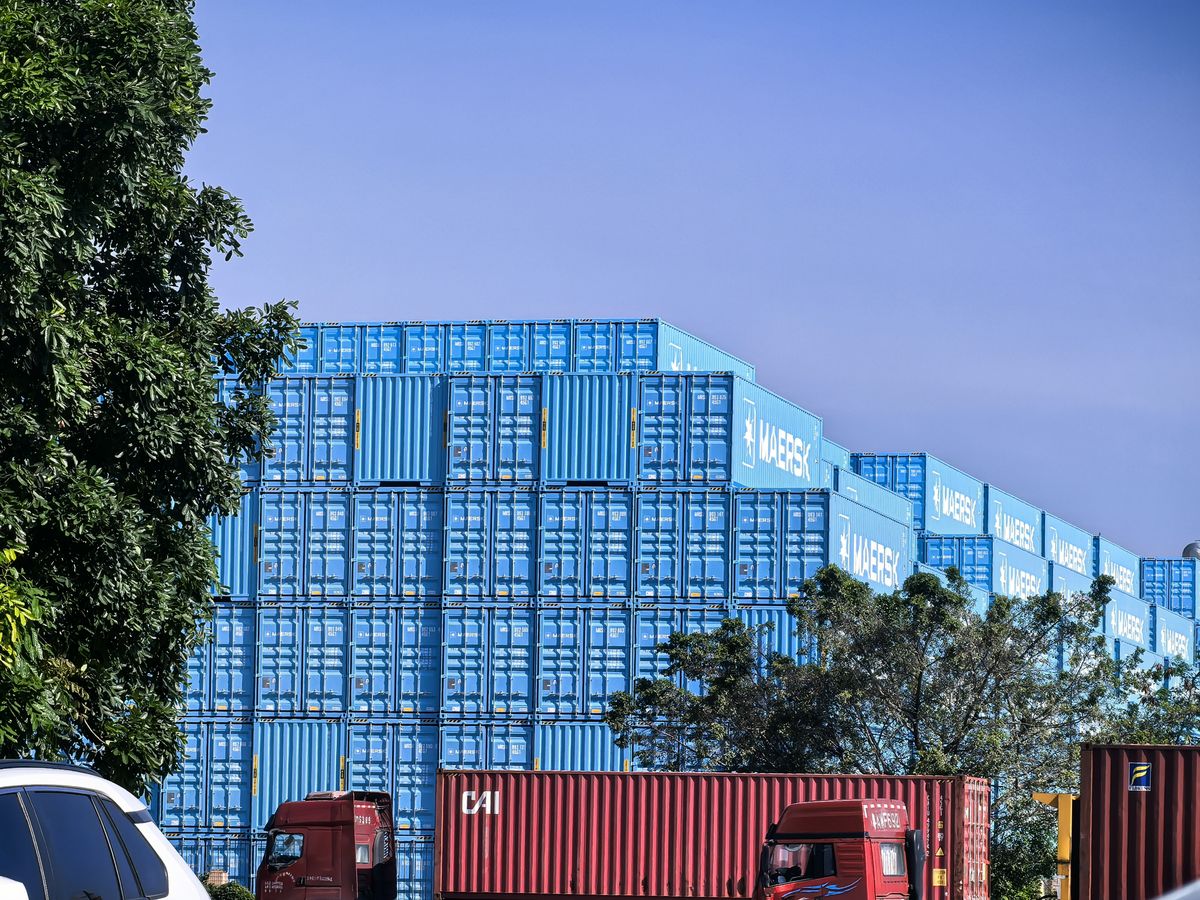
The table lists working points and normal truck times. Actual slots follow the yard roster for the week. Where a cross-city drag runs beyond three hours, the usual answer is to treat at the nearer gateway instead of hauling both ways.
| City | Port / airport | Yard and treatment mode | Factory to yard | Scheduling note |
|---|---|---|---|---|
| Shenzhen | Yantian terminal; Shekou, Chiwan; Dachan Bay; Mawan; Bao'an airport (SZX) | Quarantine yards around Yantian and Shekou, terminal yards, factory-side work; air cargo treated at yards near the airport | 40–90 minutes within the city | Yantian cut-off usually falls 1–2 days before sailing, so the box has to gate in early. Shekou runs heavy feeder traffic: leave time for relay after treatment. |
| Guangzhou | Nansha terminal; Huangpu old port and new port; Baiyun airport (CAN) | Yards and treatment sites around Nansha terminal; Huangpu barge cargo treated locally; air cargo near the airport | Within 1 hour around Nansha; 1.5–2 hours from the city | Nansha mother-vessel cut-off is early, so treatment must sit ahead of the drag. Huangpu barge cargo needs a relay window after treatment. |
| Dongguan | Humen (Taiping), Mayong; or relay through Shenzhen and Guangzhou | Mostly factory-side; otherwise drag to Yantian, Shekou or Nansha yards | 1.5–2.5 hours to Yantian or Shekou; 1.5–2 hours to Nansha | Factory work saves one haul leg, but the site has to be fenced off and cordoned. |
| Foshan | Nanhai Sanshan, Shunde, Gaoming | Factory-side, or barge or drag to Nansha and Shekou | 1–2 hours to Nansha | Ceramics and furniture bring plenty of timber crating; allow time to open the box and check for bark and soil. |
| Zhongshan | Zhongshan port, Huangpu, Xiaolan | Mostly factory-side, or relay through Nansha and Shekou | 1–1.5 hours to Nansha or western Shenzhen | Lighting and appliance pallets come in small lots and many bookings; scheduling per shipment beats scheduling per container. |
| Zhuhai | Gaolan, Hongwan, Hengqin; Jinwan airport | Terminal yards combined with factory-side work | 1–2 hours to Gaolan; over 2 hours to Nansha | Gaolan sailings are comparatively sparse, so the treatment date is back-planned from the vessel. |
| Jiangmen | Gaosha, Gaoxin, Heshan | Factory-side or the nearest gateway | 1.5–2 hours to Nansha; 1.5 hours to Gaolan | Hardware and motorcycle parts travel in timber cases; the bracing timber inside must be treated too. |
| Huizhou | Huizhou port (Quanwan, Dongma), Bijia | Gateway yards; petrochemical zone bookings follow park rules | 1.5–2.5 hours to Yantian | Entry into the petrochemical park requires park registration, with personnel and vehicle lists filed in advance. |
| Shantou | Guang'ao terminal, Zhuchi; Jieyang Chaoshan airport (SWA) | Local gateway yards; nearby factories can be treated on site | Cross-region drag exceeds 5 hours — not advisable | Eastern Guangdong cargo is treated where it is. Hauling it to Shenzhen is not a realistic plan. |
| Zhanjiang | Zhanjiang port (Baoman, Xiashan); Wuchuan airport | Local gateway yards | Cross-region drag is impractical | Seafood and agricultural cargo dominate; goods description and packing details on the certificate need to be specific. |
| Zhaoqing | Sanrong, Zhaoqing new port; relay via Guangzhou or Shenzhen | Factory-side, or barge to Nansha | Over 2 hours to Nansha | Bamboo and timber products are common and sit on quarantine watch lists; whole-shipment treatment is frequent. |
Truck times are normal ranges. Pre-holiday peaks, typhoons and highway restrictions stretch them. Peak-season bookings stand or fall on the slots the yard has that week.
The treatment is the same, but FCL, LCL and air cargo run in a different order. The rows below place each step on a day from T-4 to T-0 so they can be dropped straight into a booking sheet.
| Milestone | FCL — Yantian / Shekou / Nansha | LCL — CFS receiving | Air cargo — SZX / CAN |
|---|---|---|---|
| T-4 | Confirm destination requirements, container type and cut-off; book the yard | Confirm per shipment whether the whole lot is fumigated or only the pallets | Check whether crates and pallets already carry compliant marks; book treatment if not |
| T-3 | Document pre-check: description, packages, volume and packing detail aligned with the customs entry | Confirm the split list and warehouse receiving number; book a CFS work slot | Crates moved to the yard or treated on site; treatment report issued |
| T-2 | Empty or loaded box into the yard; open and check for bark, soil and mould | Cargo received at the CFS; treated per shipment, cartons pierced and stretch film perforated | Treated crates returned or sent to a warehouse near the airport; marks verified |
| T-1 | Dosing, 24 hours closed; concentration read at 2, 4, 12 and 24 hours | Dosed and sealed per shipment; temperature and concentration logged | Whole-lot fumigation completes today, leaving time to ventilate |
| T-0 | Ventilate for 6 hours or more, certificate issued, loaded box dragged to the terminal and held for cut-off | Ventilated, then consolidated at the CFS; certificate handed over with the split list | Ventilated and delivered to the terminal, ahead of flight cut-off and screening |
| Watch point | Gate queue and terminal congestion | A missed lot discovered after consolidation — the only fix is to deconsolidate | Terminal cut-off is early; a treatment delay loses the flight outright |
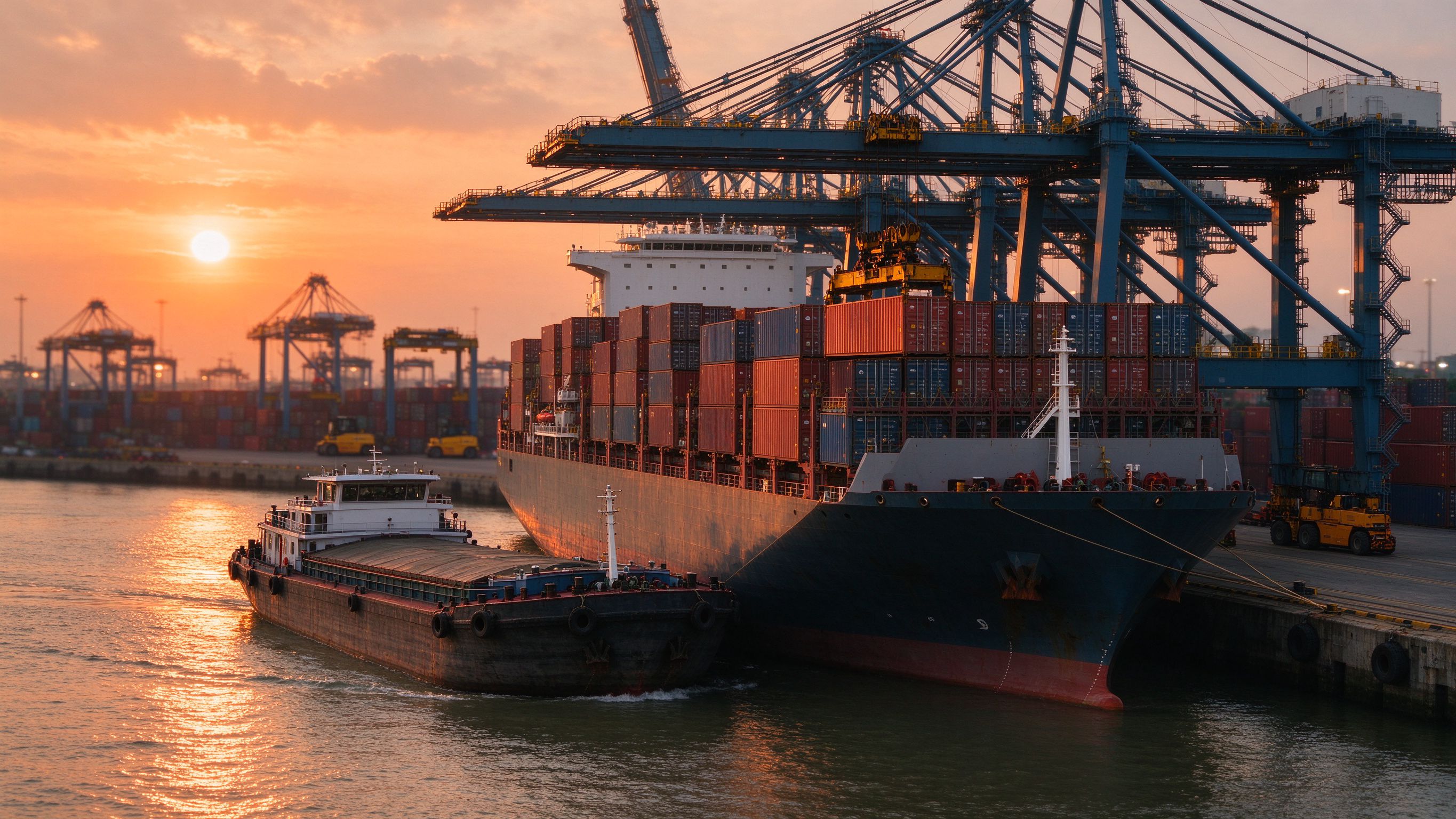
Run a new booking against this table and the answer is usually clear: add marks, issue a certificate, or treat the whole lot.
| Packing or cargo form | US, Canada, EU, UK (ISPM 15 applies) | Australia, New Zealand, selected farm markets | Treatment |
|---|---|---|---|
| Solid wood pallets, crates, skids, dunnage | Treatment required, with IPPC mark applied | Same, and a certificate is often required as well | HT or methyl bromide, plus marking |
| Plywood, particle board, fibreboard pallets | Exempt, no mark needed | Generally no extra requirement | No treatment, provided the whole unit is processed wood |
| Solid wood furniture, timber products as a lot | Depends on the buyer and the gateway | Mostly whole-lot fumigation with a certificate | Closed treatment of the lot; certificate per shipment |
| Rattan, willow and bamboo products | Some countries treat them as plant products | Usually treatment plus certificate | Chemical and duration set by the destination protocol |
| Air cargo crates and pallets | IPPC mark required | Depends on the commodity; a certificate may be needed | Mostly HT; whole-lot fumigation booked early |
| Empty container, inner walls, outer packing disinfection | Per buyer and destination requirements | Food-contact surfaces carry separate rules | Disinfection, certified separately from fumigation |
These are the common readings. A specific lot follows the destination's latest official notice, the buyer's clearance requirements and the treatment provider's protocol.
The same dose behaves differently in March and in August. Sun on the yard, monsoon moisture and typhoon wind all push the concentration curve away from the plan.
In summer the yard surface runs hot and a box interior can pass 50°C. The chemical volatilises fast: concentration peaks early, then decays quickly. Ventilation time is set by measured residue, not by habit.
Cartons and timber absorb water and adsorb the gas noticeably, so concentration drops faster at the same dose. Sulfuryl fluoride should not be used above 75% timber moisture content. In sustained rain, reschedule or change method.
From June to September, tarpaulin work depends on the wind forecast and normally stops at force 6. Edges have to be weighted; a sheet lifted mid-exposure leaks, and the treatment has to be repeated.
Most terminal yards will not release a work bay for a full daytime occupancy. Night and weekend slots are booked separately and charged as overtime. Ask for the slot before fixing the dosing time.
Cargo pressed against the walls and stacked at the door leaves dead zones where gas never circulates, and the monitoring point then fails. Leaving a corridor and air gaps is part of loading, not an afterthought.
A treated box left in the open can be re-infested. This matters most on Australia and New Zealand lanes: do not leave a gap between treatment day and loading day.
Issuing the certificate is not difficult. Getting it to line up word for word with the customs entry and the bill of lading is. These are the fields that fail most often.
| Field | On the certificate | Customs entry / packing list | What has to line up |
|---|---|---|---|
| Description | The specific name of the actual cargo | Declared description matching the HS code | Avoid catch-all wording such as general goods or daily necessities; that is the slowest field to amend |
| Packages | The number actually treated | Package count on the packing list | Estimates will be caught when the box is opened at destination |
| Volume / weight | Measured at treatment | Packing list and bill of lading | LCL split lots need particular care; mixed lots fail most often here |
| Port of departure | The gateway where treatment happened | Place of declaration | Treated at Nansha but shown as Yantian is a substantive mismatch |
| Port of discharge | The final discharge port | Discharge port on the bill of lading | A transshipment port cannot stand in as the destination |
| Treatment date | The day dosing finished | Consistent with the sailing and the 21-day window | A date detached from the sailing gets challenged on AU/NZ lanes |
| Chemical and dose | MB, SF, HT or DH with the dose applied | Consistent with the treatment code on the mark | A mark reading HT with a certificate reading MB contradicts itself |
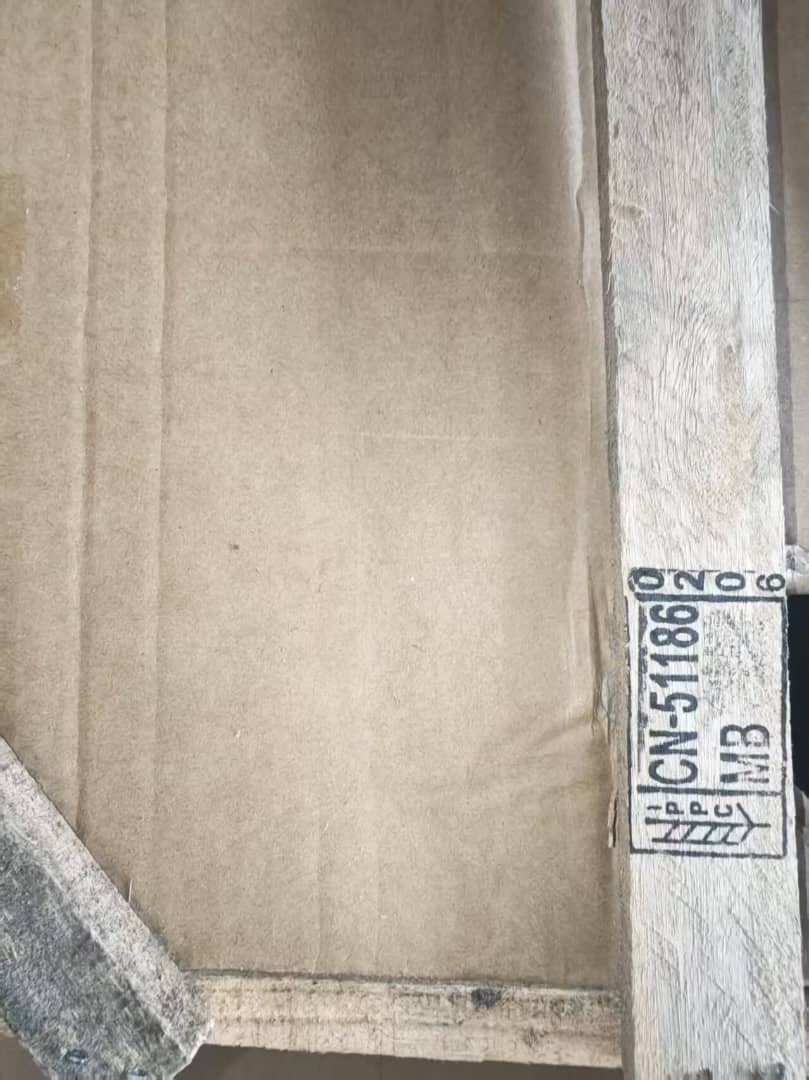
The same shipment treated in the factory and treated at the terminal produces a completely different cost structure. Pricing by segment lets a shipper see which segment is worth removing.
| Charge | Basis | When it arises |
|---|---|---|
| Short haul and container drag | Per truck, per box, by distance | Factory to yard and yard to terminal are charged separately; cross-city work follows actual mileage |
| Yard treatment | Per box, or per shipment by volume | FCL by container type; LCL by cubic metre and shipment count, including bay occupancy |
| Chemical and labour | By container type or volume, and by temperature band | Low temperature and highly adsorbent cargo raise both dose and labour hours |
| Certificate | Per certificate; urgent handling extra | Issued per shipment; amendments and reissues are charged as new certificates |
| Mark application | Per piece of wood packaging | When a mark has to be added, re-stamped or verified |
| Overtime and waiting | Per hour | Night or weekend work, or a truck waiting on site for the box to be opened |
Each quotation lists these segments individually. Destination charges and amendment fees caused by incorrect documents are not included.
These are not textbook questions. They are the ones that surface while scheduling, gating in and amending bookings.
At most gateways, yes, provided 24 hours of closed exposure and at least 6 hours of ventilation fit before cut-off. Whether the yard accepts it depends on that day's bays and roster, so book a day ahead. Pulling a gated-in box back out for treatment adds drag and storage charges.
Factory-side works, on condition that the site has a level hardstanding, can be enclosed, can be cordoned with a safe distance, and the box can go straight to the terminal afterwards. FCL exports commonly use factory treatment; LCL cargo is usually treated before it leaves the CFS.
The three terminals sit next to each other but belong to different operators and yards, with different gates and booking desks. Scheduling follows the actual terminal gate and the yard holding the box, not the district name.
Normally 1–2 days. In peak season, before holidays and after a typhoon when everyone ships at once, yards run tight: lock the slot 3 days or more ahead. Special equipment or night work needs longer still.
Per shipment, at the CFS or a designated yard, before consolidation. Fumigating a whole container after consolidation reaches other shippers' cargo in the same box and can disturb their certificates and sailings, so it is not done in practice.
Terminals at Shenzhen Bao'an and Guangzhou Baiyun generally lack the conditions for a long closed exposure. Whole-lot fumigation is done at yards around the airport; crates and pallets mostly take heat treatment with IPPC marks, finished before the cargo is handed to the terminal so the flight cut-off is not lost.
It follows the wind forecast. Open-air work normally stops at force 6 and moves indoors or is postponed. Sheets need weighted edges; if wind lifts one mid-exposure the gas escapes, concentration falls and the treatment has to be redone.
It is corrected against measured temperature and moisture. Wet cartons and timber adsorb the gas and concentration falls faster at the same dose; sulfuryl fluoride is not suitable above 75% timber moisture content. Dose cannot be set from container type alone.
Yes, with each description on its own line and package counts, volume and weight matching the customs entry item by item. If the two commodities need different treatments under the destination protocol, or one of them is restricted there, they have to be treated and certified separately.
The certificate is normally issued 2–3 working days after documents and cargo are ready, then 3–5 days by international courier. Most customers clear customs on a scan and take the original later; where the original must travel with the cargo, those days belong in the booking.
Only after ventilation is complete and residue has fallen into the safe range, with the crew following the safety procedure. Once open, do not add untreated wood packaging: the certificate and the marks both become void.
Barge cargo for Huangpu old port and new port can be treated at yards around Huangpu before loading, or relayed to Nansha or Shekou for treatment and then loaded onto the mother vessel. Either way, allow 24 hours of closed exposure plus the relay window; do not leave treatment until the day before departure.
Tell us the commodity, the packing, the container type or volume, the town where the factory sits, the gateway of departure and the destination port. The reply states which day the box gates in, where it is treated, when the certificate issues, and what each segment costs.
Goodhope Logistics (China) Limited
Shenzhen Weihang Yunda International Freight Forwarding Co., Ltd.
NVOCC GD20230925153335
Quotations are itemised. Destination charges, demurrage and amendment fees caused by incorrect documents are excluded.
Request a quotation Call the desk