
Home / Shipping to Eritrea / How to Ship from China to Eritrea
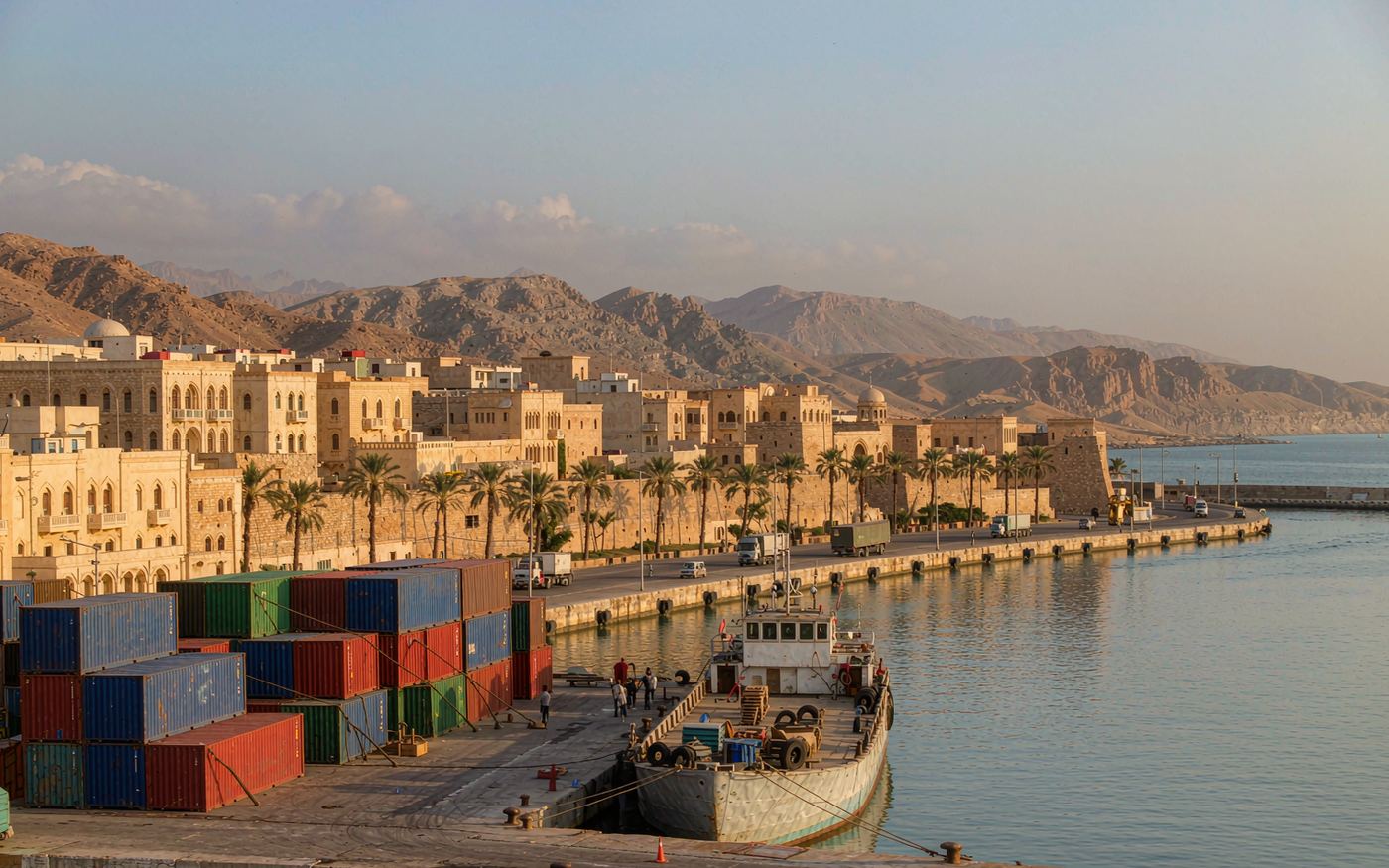
How to Ship from China to Eritrea
Eritrea is a Red Sea market with two working ports, a small number of sailings and a document-heavy clearance process. Importers here plan further ahead than almost anywhere else in East Africa: space gets booked weeks in advance, permits come from the Ministry of Trade and Industry, and payment has to be arranged through the banking system.
This guide describes the operational steps only — which port, which permits, which documents, and what the wait looks like. It does not comment on politics. What matters commercially is that the route works for routine cargo when the paperwork is prepared properly and in advance.
At a glance
Main port: Massawa (six berths, about 907 m of quay, maximum depth around 9.1 m, vessels to roughly 12,000 DWT; expansion under way). Second port: Assab. Air gateway: Asmara International Airport. An import permit from the Ministry of Trade and Industry is required for most commercial goods. Duty: quoted across a wide range by HS code, roughly 0 to 30 per cent. Taxes on imports vary by source — figures of 4, 5 and 15 per cent are all published — so confirm the current rate with your broker before committing. Advance cargo information is expected shortly before arrival, commonly quoted at 24 hours. Sea transit is typically 30 to 45 days with transshipment.
How your cargo moves: China to Eritrea
Eight steps from your supplier's door to yours. The last four are the ones shaped by local rules.
- Pickup from your supplierWe collect the goods anywhere in China and bring them to our consolidation point.
- Export clearanceChina customs declaration filed and released before the goods move to the port.
- Loading and departureContainer loaded, sealed and handed to the carrier at the Chinese port.
- Main carriageOcean, air or rail movement booked on the route agreed for your cargo.
- Arrival at the gatewayDischarge at the port or airport of entry, recorded on the carrier's manifest.
- Import clearanceCustoms declaration filed locally, with duty and tax assessed on the declared value.
- Customs releaseGoods released into free circulation once duty and tax are settled.
- Final deliveryOnward movement to your delivery address, warehouse or nominated depot.
Duty rates, VAT rates and clearance times move, and the figure that applies to your goods is the one set for your commodity code on the day of clearance. We check the current position against your code before your goods sail and confirm it to you in writing — ask for that check when you request a quote.
What importing into Eritrea asks of a first-time buyer
Three things distinguish this route from a more routine African destination. Bookings have to be made early because services are infrequent. Permits and licences are applied for in-country before the goods move, and some of them take weeks. And the commercial terms have to be settled with your supplier and your bank before shipping, because foreign currency is administered rather than freely available.
None of that makes the route impossible. It makes it a route where preparation matters more than rate negotiation. A shipper who has their permits, their documents and their payment arrangement in place three weeks before loading will have a routine shipment; one who starts after loading will not.
Start by confirming that your Eritrean consignee is registered as an importer and holds or can obtain the permits your goods need. Without that, no amount of freight planning helps.
Massawa or Assab, and what each port serves
Massawa is the working port for most commercial cargo. It has six berths with roughly 907 metres of quay and a maximum depth of about 9.1 metres, taking vessels up to approximately 12,000 DWT, and an expansion programme is under way to add bulk and multi-purpose berths and raise annual throughput substantially.
Assab, further south, is the country's other port. Which one your carrier serves depends on the service and on the cargo, and it is worth confirming explicitly rather than assuming Massawa.
Both are smaller than the regional hubs your goods will have passed through on the way. Expect fewer berths, less equipment and a slower discharge than at Djibouti or Jebel Ali, and plan the collection accordingly.
Booking space early when sailings are infrequent
Services to Eritrea are limited and often involve transshipment. The practical advice on this route is to book space two to three weeks ahead of the loaded date, and to treat a booked sailing as a commitment rather than a placeholder.
Missing a sailing here costs more than it would on a busy trade lane, because the next one may be a fortnight away. If your goods have a deadline, work backwards from it and book before the goods are finished rather than after.
Ask your forwarder which transshipment hub the service uses and how often it runs. Two quotes that look similar on price can differ by weeks on the actual arrival date.
Import permits and the documents customs will not bend on
Most commercial goods need an import permit from the Ministry of Trade and Industry, obtained by the Eritrean importer before shipment. Regulated categories need more: telecommunications equipment, medical supplies and certain electronics each have their own approval, and those approvals can take weeks.
The document set is strict and is examined closely. Expect to provide the commercial invoice, a detailed packing list, the original bill of lading or air waybill, a certificate of origin, and in many cases a combined certificate of value and origin. The importer needs a tax identification number and to be registered as an importer, and the customs broker needs a power of attorney to act on the file. Phytosanitary certification applies to plant products.
Descriptions have to be precise and consistent across every document. Eritrean customs is known for returning documents over detail, including formatting, so have your broker review the full set before it is couriered.
Tariffs set ten digits deep, then taxes on CIF
Import duty is assessed on the CIF value by HS code, with published rates spanning a wide range — commonly quoted from 0 per cent on essentials up to roughly 30 per cent on finished and luxury goods. Raw materials and machinery sit in the middle of the range.
On top of duty, taxes are applied to the CIF value plus duty. This is where you should be careful: published figures for Eritrea differ considerably, with rates of 4, 5 and 15 per cent all appearing in current material, and some sources also quote an additional surcharge. Treat any single number as provisional and confirm the current rate with your broker or the customs authority before you commit to a landed cost.
Excise applies to a short list including tobacco and alcohol. As elsewhere, the headline duty rate is not the total tax burden.
Paying in foreign currency, and confirming terms before shipping
Foreign exchange is administered in Eritrea, and access to convertible currency for imports is arranged through the banking system rather than assumed. In practice that means your Eritrean counterpart has to have the foreign exchange side arranged as part of the transaction, and you should confirm it before the goods ship rather than after they arrive.
It also argues for clarity on trade terms. State the Incoterms on the quotation and on the commercial invoice, and make sure both sides understand who pays the freight, the insurance and the destination charges. Ambiguity here turns into delay at the port, where the goods are accruing storage.
Confirm how your own payment from the Eritrean buyer will reach you as well. This is a commercial question rather than a customs one, but it belongs in the same pre-shipping checklist.
Asmara by air when the sea leg is too slow
Air freight into Asmara International Airport is the alternative when the sea transit is too long or the cargo is urgent, light or high value. There is no direct service from China; cargo transships through Middle Eastern hubs, and the flight itself is a matter of hours with the connection adding a few days.
Air does not remove the paperwork. Permits, licences and the same document set apply, and clearance still takes its time at the airport. What it removes is several weeks of sea transit and the transshipment wait.
Express courier covers documents and small parcels and is the only mode with genuine door-to-door delivery. For anything bulky or heavy, sea freight to Massawa remains the only economical option.
Private consignees and licensed Eritrean traders
Commercial importing requires registration as an importer, a tax identification number, and in many cases a trade or company patent evidencing that the business is engaged in importing. A licensed customs broker holding a power of attorney lodges the declaration.
Private individuals can import personal effects, and temporary imports — exhibition samples, construction equipment — can be handled under an ATA carnet or against a deposit. Temporary imports have to be re-exported within the allowed period, commonly quoted at six months, or the deposit is forfeit and full duty becomes payable.
Because the process is slow and the file is examined closely, first-time importers are well advised to use an established local broker rather than attempting clearance directly.
What your Chinese forwarder arranges and what Asmara expects
In China your forwarder books space early, arranges collection and export customs clearance, issues the bill of lading, and prepares the commercial documents so they will survive scrutiny at destination — precise descriptions, consistent values, HS codes stated, and a certificate of origin.
In Eritrea the importer obtains the permits, registers where required, and appoints a broker who lodges the declaration, answers queries, arranges examination if the container is selected, and assesses and pays duty and tax.
The handover that matters is timing: the permits and the documents have to be in place before the vessel sails, not before it arrives. Send the document set as soon as it exists, by a tracked service, and confirm receipt.
Three typical consignments into Massawa
Construction materials, full container, for a contractor. Cement additives, steel and fittings. Permit obtained by the importer in advance, space booked three weeks out, sea transit with transshipment quoted at roughly 30 to 45 days, then clearance at Massawa and road delivery inland. Road is the main domestic distribution method, so plan truck availability before the container lands to avoid detention.
Medical supplies, air freight, for a health facility. Approved by the relevant authority first, flown via a Gulf hub, cleared at Asmara. Air removes weeks from the plan but not the permit lead time.
Telecommunications equipment, container, with type approval. The approval is the long lead item, so it starts when the order is placed. Everything else — booking, documents, payment terms — is arranged around it.
Port storage, inspection rates and the cost of a slow file
Clearance in Eritrea is slower than at the regional hubs. Physical inspection happens on a meaningful share of shipments, with rates commonly quoted in the range of 15 to 20 per cent, and first-time importers and high-value goods are examined more often.
Every day of delay costs money, because container detention and port storage start after a short free period, and a container examined at a small port takes longer to open and reseal than it would at a large terminal. Advance cargo information, commonly expected about 24 hours before arrival, is worth filing properly for exactly this reason.
If you disagree with an assessment, there is an appeal route, but it has to be started within a short window and in writing. Better to get the file right the first time.
A realistic sequence from order to delivery
Start permits and approvals when the order is placed — they are the longest lead item by a distance. Confirm foreign exchange and trade terms at the same time. Book space two to three weeks before the goods are ready, and prepare the document set while production is finishing.
Then allow the sea transit with transshipment, a clearance window that is measured in weeks rather than days unless the file is clean, and road delivery inland with a truck arranged in advance.
Shippers who plan in that order find the route routine. Shippers who book first and permit afterwards find it expensive.
Why importers use Goodhope on this lane
Six things that are different about working with us on China to Eritrea shipments.
Planning an Eritrean shipment when carrier choice is the constraint
Tell us the goods and the delivery town. We will confirm the port, the booking lead time, and the documents your Eritrean consignee needs to have in place before the vessel sails.
Get a quote Talk to usRelated pages
Frequently asked questions
Which ports serve Eritrea?
Massawa is the main commercial port, with six berths, roughly 907 m of quay, a maximum depth of about 9.1 m and capacity for vessels of around 12,000 DWT; expansion work is under way. Assab, to the south, is the second port. Confirm which one your carrier serves rather than assuming.
How far ahead should I book space?
Two to three weeks before the loaded date is the usual advice. Services are infrequent and often involve transshipment, so a missed sailing can cost a fortnight rather than a few days.
Do I need an import permit?
Yes for most commercial goods, issued by the Ministry of Trade and Industry to the Eritrean importer before shipment. Telecommunications equipment, medical supplies and certain electronics need their own approvals, which can take weeks.
What documents are required?
Commercial invoice with precise descriptions, detailed packing list, original bill of lading or air waybill, certificate of origin, often a combined certificate of value and origin, phytosanitary certification for plant products, the importer's tax identification number and registration, and a power of attorney for the customs broker.
What are the duty and tax rates?
Duty is assessed on the CIF value by HS code, commonly quoted across a range from 0 per cent on essentials to roughly 30 per cent on finished and luxury goods. Taxes applied on top vary considerably between published sources, with 4, 5 and 15 per cent all appearing. Confirm the current rate with your broker before committing to a landed cost.
Is foreign exchange a problem?
Foreign exchange is administered and access to convertible currency for imports is arranged through the banking system. Confirm that your Eritrean counterpart has this arranged, and settle the trade terms and payment route, before the goods ship rather than after they arrive.
Can I ship by air?
Yes, into Asmara International Airport, with transshipment through Middle Eastern hubs. Air removes several weeks of sea transit but not the permit lead time or the clearance. Express courier is the only mode with true door-to-door delivery, for parcels and documents.
How long does clearance take?
Longer than at the regional hubs. Physical inspection is carried out on a meaningful share of shipments, commonly quoted at 15 to 20 per cent, and first-time importers are examined more often. Container detention and port storage make every day of delay expensive.
Can I import temporarily?
Yes. Exhibition samples and construction equipment can move under an ATA carnet or against a deposit, and must be re-exported within the allowed period, commonly quoted at six months, or the deposit is forfeit and full duty becomes payable.
Do you deliver door to door?
Sea freight ends at the port and air freight ends at the airport; the consignee arranges import clearance and final delivery, with road being the main domestic distribution method. Express courier delivers to the door for parcels and documents. DDP arrangements can be quoted for sea, air and express.