
Home / Shipping to Turkmenistan / How to Ship from China to Turkmenistan
How to Ship from China to Turkmenistan: Turkmenbashi, the Import Permit & the 15% VAT
Before you ask what it costs, ask whether it can be done. Published guidance describes Turkmenistan as one of the world's most closed economies: the state controls most trade, state trading enterprises are the primary importers, import licences are required for most goods, and private importing is described as extremely limited. On most lanes feasibility is assumed; on this one it is the first question.
The second thing is that the permit file is bigger than the freight file. Alongside the import permit, published guidance for equipment shipments lists equipment specifications and end-user documentation as typically required — identifying who will use the goods and for what. Where the buyer is a state enterprise or the cargo is for a named project, expect this to be checked rather than filed.
The third is money movement. Duties and taxes must be paid in manat, or in convertible currency where the rules allow, at a bank designated by customs, and proof of payment is a condition of release. Foreign currency is described as rationed, with central bank allocation required. Currency is therefore a schedule item, not a formality.
At a glance
Country: in Central Asia with the Caspian Sea to the west, bordered by Kazakhstan, Uzbekistan, Iran and Afghanistan; capital Ashgabat. · Currency: the Turkmen manat, with the official rate reported as differing materially from the parallel market. · Customs regime: independent — not an EAEU member. · Duty: by HS code, commonly quoted at roughly 0–15 percent, with some sources citing far higher rates for particular codes. · VAT: 15 percent on the customs value plus the customs duty. · Excise: specified goods such as alcohol and tobacco. · De minimis: sources differ, quoting around USD 50 or no threshold; not meaningful for commercial imports. · Customs: the State Customs Service, with electronic declaration. · Gateways: Turkmenbashi on the Caspian, Ashgabat airport, and land borders with Iran, Kazakhstan and Uzbekistan.
How your cargo moves: China to Turkmenistan
Eight steps from your supplier's door to yours. The last four are the ones shaped by local rules.
- Pickup from your supplierWe collect the goods anywhere in China and bring them to our consolidation point.
- Export clearanceChina customs declaration filed and released before the goods move to the port.
- Loading and departureContainer loaded, sealed and handed to the carrier at the Chinese port.
- Main carriageOcean, air or rail movement booked on the route agreed for your cargo.
- Arrival at the gatewayDischarge at the port or airport of entry, recorded on the carrier's manifest.
- Import clearanceCustoms declaration filed locally, with duty and tax assessed on the declared value.
- Customs releaseGoods released into free circulation once duty and tax are settled.
- Final deliveryOnward movement to your delivery address, warehouse or nominated depot.
Duty rates, VAT rates and clearance times move, and the figure that applies to your goods is the one set for your commodity code on the day of clearance. We check the current position against your code before your goods sail and confirm it to you in writing — ask for that check when you request a quote.
A closed import regime, and what that means for a private buyer
Everything on this lane follows from one fact: the state controls most trade. Published guidance describes import licences as required for most goods, state trading enterprises as the primary importers, and private import as extremely restricted. Foreign currency is rationed and central bank allocation is required for payments.
For a supplier in China the practical consequence is that the counterparty question comes first. Establish who the importer of record is and whether that party can obtain the permit, in writing, before you accept an order. A perfectly documented shipment with no permit behind it does not get released, and a container waiting at a border while a licence is applied for is the most expensive outcome available on this lane.
Order of operations: permit feasibility → end-user documentation → currency allocation → routing and booking. Everything downstream of the permit is freight, and freight is the easy part here.
Getting to Turkmenbashi, Ashgabat and the land borders
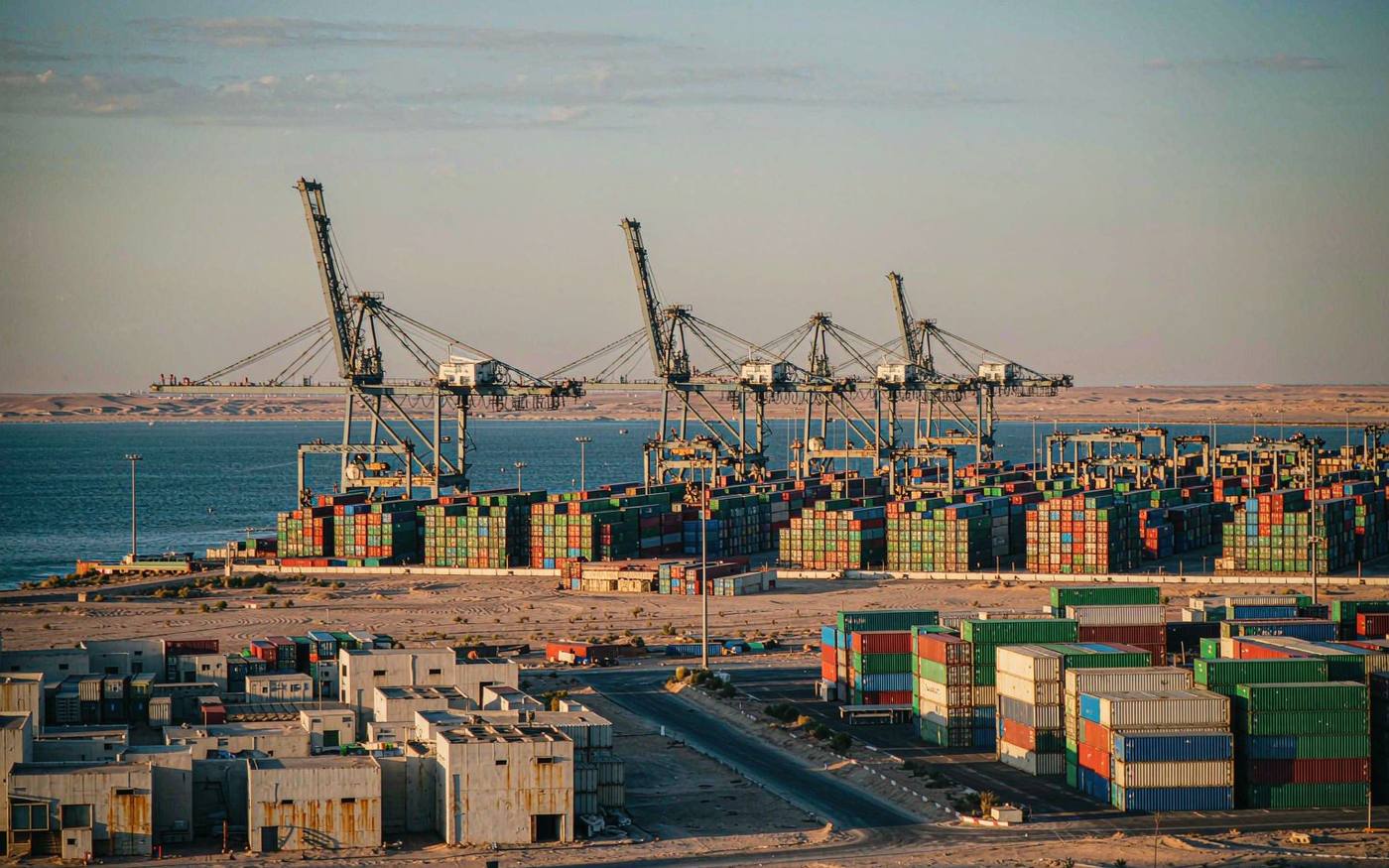
The country is landlocked with the Caspian to the west. Turkmenbashi is the main sea port and Ashgabat airport handles air cargo. Most container traffic, however, reaches Turkmenistan overland through a neighbour — commonly via Iran, or through Kazakhstan and Uzbekistan — or by a Caspian leg into Turkmenbashi after a sea or rail movement to a regional port.
Published references put project cargo transits at roughly 35 to 50 days, and the variance is wide because the route has several legs and at least one border that is not yours. For heavy equipment, RoRo, flat rack and breakbulk options are described alongside containers, and oversize movements need their own approvals. Choose the route on total time and total handling, not on the freight rate for the longest leg.
Modes in plain terms
| Mode | Fits | Watch |
|---|---|---|
| Rail via Kazakhstan and Uzbekistan | Regular commercial cargo, containers | Multiple gauges and border handling |
| Road via Iran | Flexible door-to-door, machinery | Border conditions and season |
| Sea plus Caspian leg into Turkmenbashi | Heavy and project cargo | Extra transhipment and a longer schedule |
| Air to Ashgabat | Urgent, high-value, samples | Capacity and limited courier coverage |
The import permit and the end-user certificate
The permit is the gate. Published guidance describes import permits as required through government agencies, with specific authorisation from the relevant ministry for categories such as medical devices, pharmaceuticals, chemicals and agricultural goods.
The end-user certificate is the part that surprises equipment suppliers. Published guidance for this market lists end-user documentation as typically required alongside the import permit and equipment specifications. It states who will use the goods and for what purpose, and where the buyer is a state enterprise or the goods are destined for a named project, it will be read rather than filed.
Permit file
- Import permit from the relevant agency
- Equipment specifications
- End-user certificate
- Sector authorisation for medical, chemical or agricultural goods
- Conformity certificate where the product requires one
Shipment file
- Commercial invoice with value and HS code
- Packing list with dimensions and weights
- Bill of lading or railway waybill
- Certificate of origin
- Insurance certificate
- Customs declaration, filed electronically
Duty, the 15 percent VAT and paying in manat
Customs duty is set by HS code, with published references commonly quoting a band of roughly zero to fifteen percent — though other sources note that particular codes can run far higher, so check your own rather than the average. VAT is charged at 15 percent on the customs value plus the customs duty, and excise applies to specified goods such as alcohol and tobacco.
Customs value
Based on the actual transaction price, generally the CIF figure, supported by the contract, payment records and freight invoices.
Customs duty
By HS code. Commonly quoted around 0–15 percent, with higher rates possible for specific codes.
Excise
Specified goods only — alcohol and tobacco are the usual examples. Otherwise this step drops out.
VAT at 15 percent
On the customs value plus the duty. Then payment, in manat or permitted convertible currency, at a designated bank.
Published guidance is specific about settlement: duties and taxes must be paid in manat, or in convertible currency where the rules allow, at a bank designated by customs, and proof of payment is a condition of release. Arrange the foreign exchange before the goods arrive, not at assessment.
Translation and notarisation, where files actually break
Documents not already in Russian are described as needing translation into Russian or Turkmen with notarised certification. Published guidance is unusually emphatic about why this matters: a single mistranslated technical term can lead customs to reclassify the goods or challenge the declared value.
That makes translation a technical task rather than a linguistic one. Have it done by a body your broker accepts, and check the technical terms against the HS description rather than translating them loosely. Where the invoice says one thing in English and another in Russian, the Russian version is the one that will be assessed.
Conformity certification and the standards authority
Turkmenistan enforces quality and safety standards on imports, and a certificate of conformity may be required depending on the product. The national standards authority, Turkmenstandartlary, is the body named in published guidance, and certification may be applied for before or on arrival at the checkpoint.
Do not take the second option. As on every lane in this series, the cost of missing certification is not a penalty — it is dwell. Goods without the certificate sit, and storage accrues while the paperwork is created. Determine the requirement by HS code during production and have the certificate in the file before the goods move.
Filing electronically, and the inspection that follows
The customs declaration is submitted through Turkmenistan's electronic system, normally by a licensed customs broker acting as the declarant, with the supporting documents uploaded. Published guidance stresses that the data must match the paper documents exactly, because any inconsistency interrupts the process.
After submission the system may release automatically, or the consignment may move to manual review or examination. Customs may inspect on a documentary basis or by opening the consignment, checking quantity, model, markings and composition against the declaration. Keeping the goods consistent with the documents is the whole defence — and where an inspection is scheduled, the consignee or their representative may need to be present.
Currency allocation and the payment sequence
Foreign currency is described as rationed, with central bank allocation required for payments. That has two consequences worth planning around.
First, the buyer's ability to pay is a real constraint, and it should be established as a fact rather than assumed from the order value. Second, because duties and taxes are payable at a designated bank before release, the importer needs the currency at assessment, not later. Sequence the allocation against the arrival date, and build a buffer — a goods-arrived-but-currency-not-allocated gap is a storage bill.
Classification risk and the post-clearance audit
Published guidance is blunt about classification here: the HS code determines the duty rate, the VAT treatment and whether a licence is needed, and an error can lead to additional duty, fines, and in serious cases allegations of smuggling. Turkmenistan uses the international six-digit HS base with possible national subdivisions.
Determine the code rigorously with a broker or adviser against the material, function and intended use, before you ship. And keep the file: importers who trade regularly are described as exposed to post-clearance audits covering past declarations, so a classification defended at the border may have to be defended again a year later.
Turkmen-side work worth doing during production
- Confirm the importer can obtain the permit — feasibility before freight.
- Prepare the end-user certificate and equipment specifications as part of the licence file.
- Fix the HS code rigorously against material, function and use.
- Commission the certified Russian or Turkmen translation with technical terms checked.
- Obtain the conformity certificate where the code requires it.
- Arrange the foreign currency and confirm the designated bank for duty payment.
- Keep the contract, payment records and freight invoices together for post-clearance audit.
- Choose the route on total time and handling, not on the rate for the longest leg.
Why importers use Goodhope on this lane
Six things that are different about working with us on China to Turkmenistan shipments.
Five shipments unpacked: Turkmenistan
Five shipments bought in China and delivered into Turkmenistan, told end to end — where the order came from, how it moved, where it nearly went wrong, and how it finished. Client names are withheld at their request; the situations and the handling are what we deal with on this lane.
The permit · before anything moves · China to Ashgabat
The purchase. A buyer new to importing ordered goods and then looked into what the import required.
The move. Consolidated cargo with the import permit and end-user certificate secured before the supplier was told to ship.
Where it nearly went wrong. The permit and the end-user certificate are prerequisites rather than formalities, and this is a closed import regime. Goods that arrive without them have arrived before the process that admits them has started.
How it finished. We settle both during production. No shipment of his has waited at the border since.
Where files break · translation · Shenzhen to Turkmenbashi
The purchase. A first-time buyer sent a complete English document set and had it rejected.
The move. Consolidated cargo with the document set translated and notarised before it was submitted.
Where it nearly went wrong. Translation and notarisation are where files on this lane actually fail, not classification and not valuation. A complete set in the wrong language is an incomplete set here.
How it finished. We complete the translation chain before shipping. No set of his has been rejected since.
Fifteen per cent · on value plus duty · Ningbo to Turkmenistan
The purchase. A buyer calculated value-added tax on the invoice alone.
The move. Consolidated cargo with value-added tax assessed on customs value plus duty, as the rule requires.
Where it nearly went wrong. Value-added tax at fifteen per cent is assessed on the customs value plus the duty, not on what you paid the supplier. The base is larger than buyers expect and so is the tax.
How it finished. We model on the correct base now. His landed costs have been accurate every time since.
Currency allocation · the payment sequence · Guangzhou to Turkmenistan
The purchase. A buyer agreed a price in foreign currency without checking how payment would actually be made.
The move. Consolidated cargo with the payment route and currency allocation confirmed before the contract was signed.
Where it nearly went wrong. Settlement runs in local currency and allocation is a step in its own right rather than a conversion at the bank. Agreeing a price without agreeing the payment route is agreeing something that may not be executable.
How it finished. He confirms the route before signing. No payment of his has stalled since.
Post-clearance audit · classification · Shanghai to Turkmenistan
The purchase. A buyer classified loosely on the assumption that clearance ended the matter.
The move. Consolidated cargo classified carefully, with the file kept for the audit that follows.
Where it nearly went wrong. Classification is examined after clearance here as well as at it, and published rates differ widely between sources. A loose code that passes on the day is a liability that lasts.
How it finished. We classify defensibly and keep the file. Nothing of his has been reassessed since.
Why importers use Goodhope on this lane
Six things that are different about working with us on China to Turkmenistan shipments.
Confirm the permit and the payment route before you ship
Tell us what you are shipping, the HS codes if you have them, the dimensions and gross weight of every package, the pickup city in China and the delivery address in Turkmenistan. We will be plain with you about feasibility first, then quote the overland routes and the Caspian option side by side on total time and total handling, brief your counterparty on the permit, the end-user certificate and the conformity certificate so the file is complete before the goods move, and arrange certified Russian or Turkmen documentation with the technical terms checked. Where a product needs a sector authorisation, we will tell you before you accept the order rather than at the border.
Get a quote Talk to usRelated pages
Frequently asked questions
Can a private company import?
Published guidance describes the state as controlling most trade, with licences required for most goods and private importing extremely limited. Establish the importer of record and permit feasibility first.
How does cargo reach the country?
Turkmenbashi on the Caspian is the main sea port and Ashgabat handles air, but most container traffic comes overland through Iran or via Kazakhstan and Uzbekistan. Project cargo runs about 35–50 days.
What is an end-user certificate?
Documentation identifying who will use the goods and for what, listed in published guidance alongside the import permit and equipment specifications. Expect it to be checked.
How are duty and VAT calculated?
Duty by HS code, commonly quoted around 0–15 percent though some codes run higher, then VAT at 15 percent on the customs value plus duty.
How are duties paid?
In manat, or permitted convertible currency, at a bank designated by customs. Proof of payment is a condition of release — arrange the currency in advance.
Do documents need translation?
Yes — into Russian or Turkmen with notarised certification. A mistranslated term can cause reclassification or a value challenge, so check technical terms against the HS description.
Is conformity certification needed?
Where the product requires it, yes, from the national standards authority Turkmenstandartlary. Obtain it during production rather than on arrival.
How is the declaration filed?
Electronically, normally by a licensed broker, with documents uploaded. Data must match the paper file exactly. Clearance is widely reported at 7–30 days.
What if I get the code wrong?
Published guidance warns of additional duty, fines and in serious cases smuggling allegations. Regular importers may also face post-clearance audits of past declarations.
Is there a duty-free threshold?
Sources differ — around USD 50 or none at all. Either way it is not meaningful for a commercial import.