
China's medicinal herb trade flows through one city. Bozhou's Chinese herbal wholesale market lists more than 2,800 varieties a day, handles roughly a third of the country's herb turnover and exports to over 90 countries — your direct gateway to the world's deepest, highest-volume source of traditional Chinese medicine.
China's medicinal herb wholesale market is not an ordinary produce or dried-goods market. It is built around variety, geo-authenticity, a fine grading system, and strict quality and export-compliance standards. At its center stands Bozhou in Anhui Province, the world's largest traditional Chinese medicine (TCM) market — about 1,000 mu (roughly 67 hectares) of grounds, more than 1.2 million m² of floor space, over 6,000 stalls and some 20,000 licensed traders.
Bozhou has traded and grown herbs for more than a thousand years. It is the hometown of the Han-dynasty physician Hua Tuo, holds state approval as a national TCM inheritance and innovation pilot zone, and supplies famous geo-authentic herbs such as Bozhou peony root, chrysanthemum, moutan bark and trichosanthes. Smaller but important centres fill out the national picture: An'guo in Hebei is the largest northern distribution and export base, while Guangzhou and Chengdu serve their own historic regional markets.
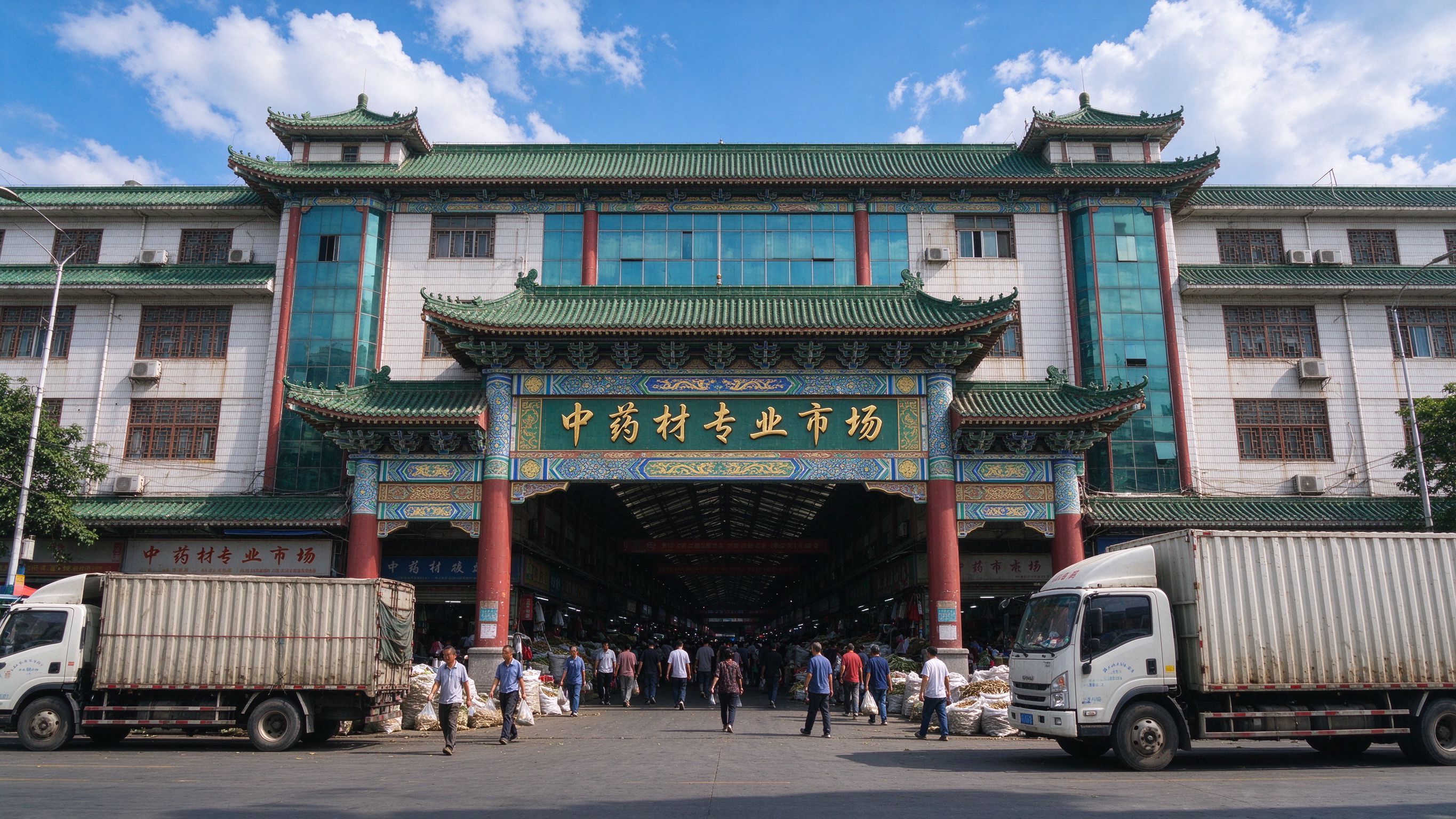
What first-time buyers need to understand: this is not a farmers' market or a dried-goods store. Six differences decide how you buy, check and export here.
Ordinary markets sell dozens of common items; here more than 2,800 varieties trade daily — roots, stems, leaves, flowers, fruits, seeds, barks, fungi and animal parts, all in one place.
The same herb differs by region: Bozhou peony root is a national geographic-indication product. Origin, year and harvest season directly affect potency and price — a concept ordinary markets don't carry.
Herbs are graded by part, cut form (whole/slice/segment/powder), size, cleanliness and processing. One herb can run a dozen specs with several-fold price gaps — check each line item.
Medicinal use demands verifying authenticity, sulfur, pesticide residue and heavy metals. Export requires inspection and quarantine certificates plus destination-country rules — not a surface-level buy.
Large markets run vendor registration and QR traceability, so problems can be traced and reported. Street traders and direct farm pulls usually lack any traceability at all.
From farm-gate collection and standardized processing to customs declaration, the chain is proven — covering 90+ countries — and is far better suited to international procurement.
Geo-authentic and high-volume herbs lead the market. These twelve are the most common on international lists and the easiest for a first-time buyer to encounter, grouped by medicinal part (grade and spec vary with origin and year).
Bozhou's signature geo-authentic herb — long, thick roots with good starchy body; used for nourishing blood and easing pain.
A high-volume tonic; thick slices with a grey-white cross-section and fresh aroma grade highest.
Root bark of tree peony, dug at 3–5 years; thick, firm and starchy bark is preferred.
Bozhou chrysanthemum is a famous medicinal flower; intact heads with natural color grade highest.
A high-volume heat-clearing herb; plump, green, unopened buds are preferred.
The fruit-category star; plump berries with a natural orange-red color are best — beware over-bright, dyed lots.
Renowned for calming; genuine seeds have glossy purple-red coats and white kernels. Many counterfeits — check carefully.
A prized blood-regulating root; authentic pieces are firm ("copper skin, iron bone") with a clear starburst cross-section.
A common qi tonic; thick roots with clear striations and good sugar content are best — beware weight-inflated stock.
A key qi-building herb; golden cross-section and a mild bean aroma signal good quality.
A high-volume blood-activating herb; red-brown outer skin and purple-red cross-section grade best.
A common water-regulating fungus sclerotium; clean white cross-section and firm body are preferred.
Herb wholesale is priced around part and cut form. These four groups are what first-time buyers touch most, with appearance, authentication and spec pointers (no sales pricing included).
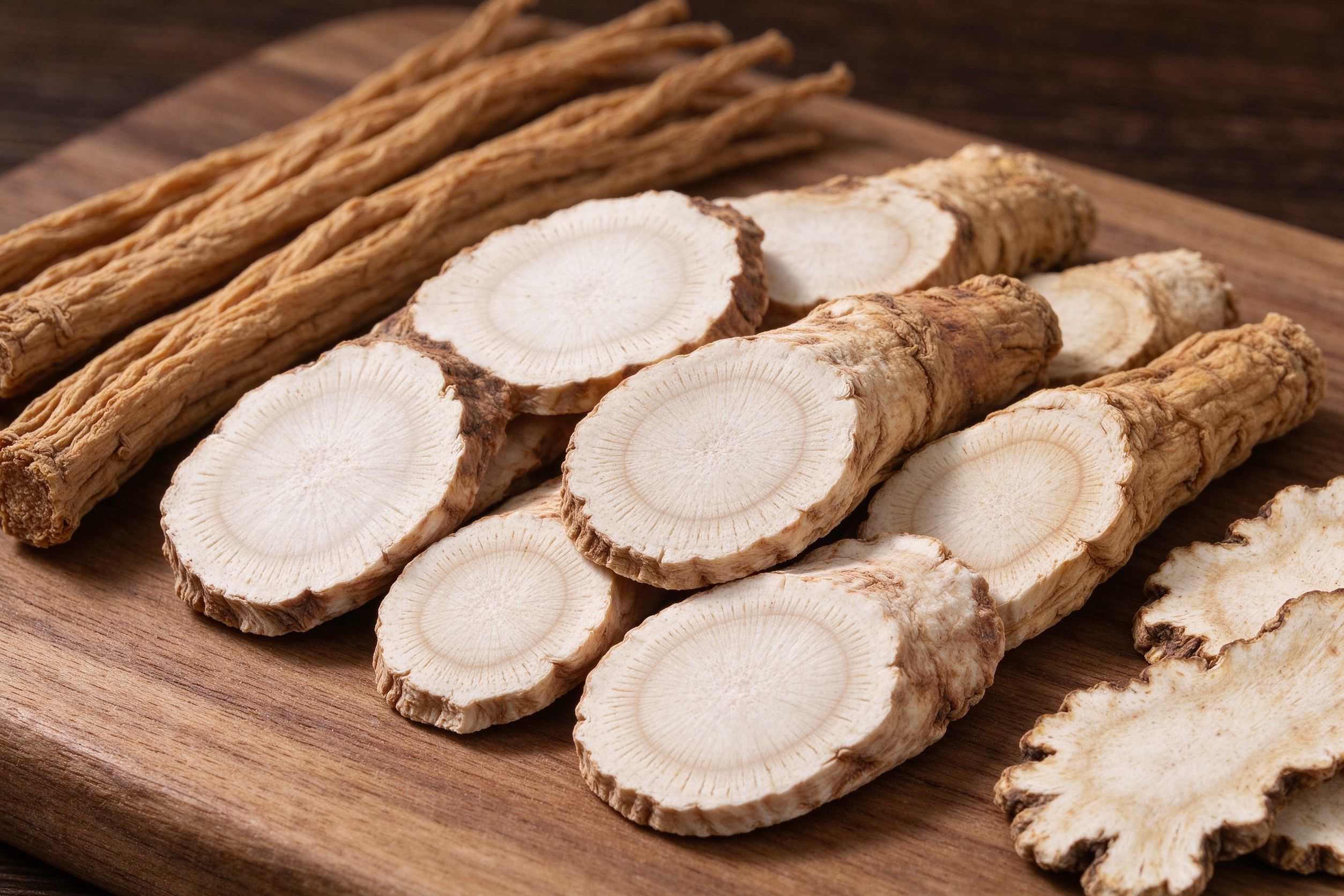
Cleaned, sliced or dried whole. Peony root prefers long, starchy roots; notoginseng should be firm and ring like metal when tapped; codonopsis should be thick with deep lines and sugar. Specs span whole, thick slice, thin slice, segment and powder. Watch for sulfur-bleaching, weight-inflation and passing off low grade as high.
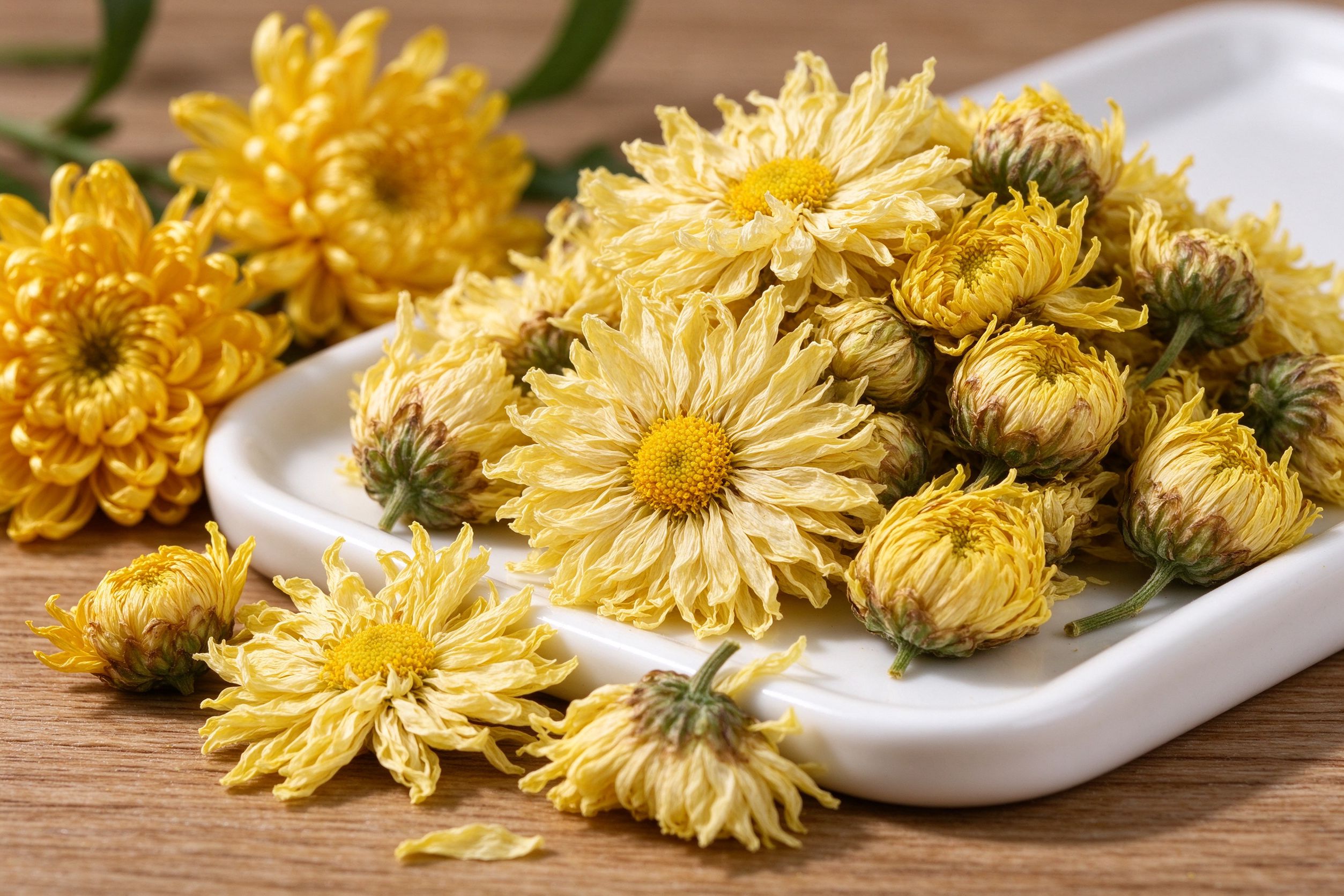
Buds or whole flower heads. Chrysanthemum and honeysuckle grade by intact heads, plump unopened buds and natural color. Flowers crush and absorb moisture easily, so dryness and packing matter. Over-bright color can signal dyeing or sulfur treatment.
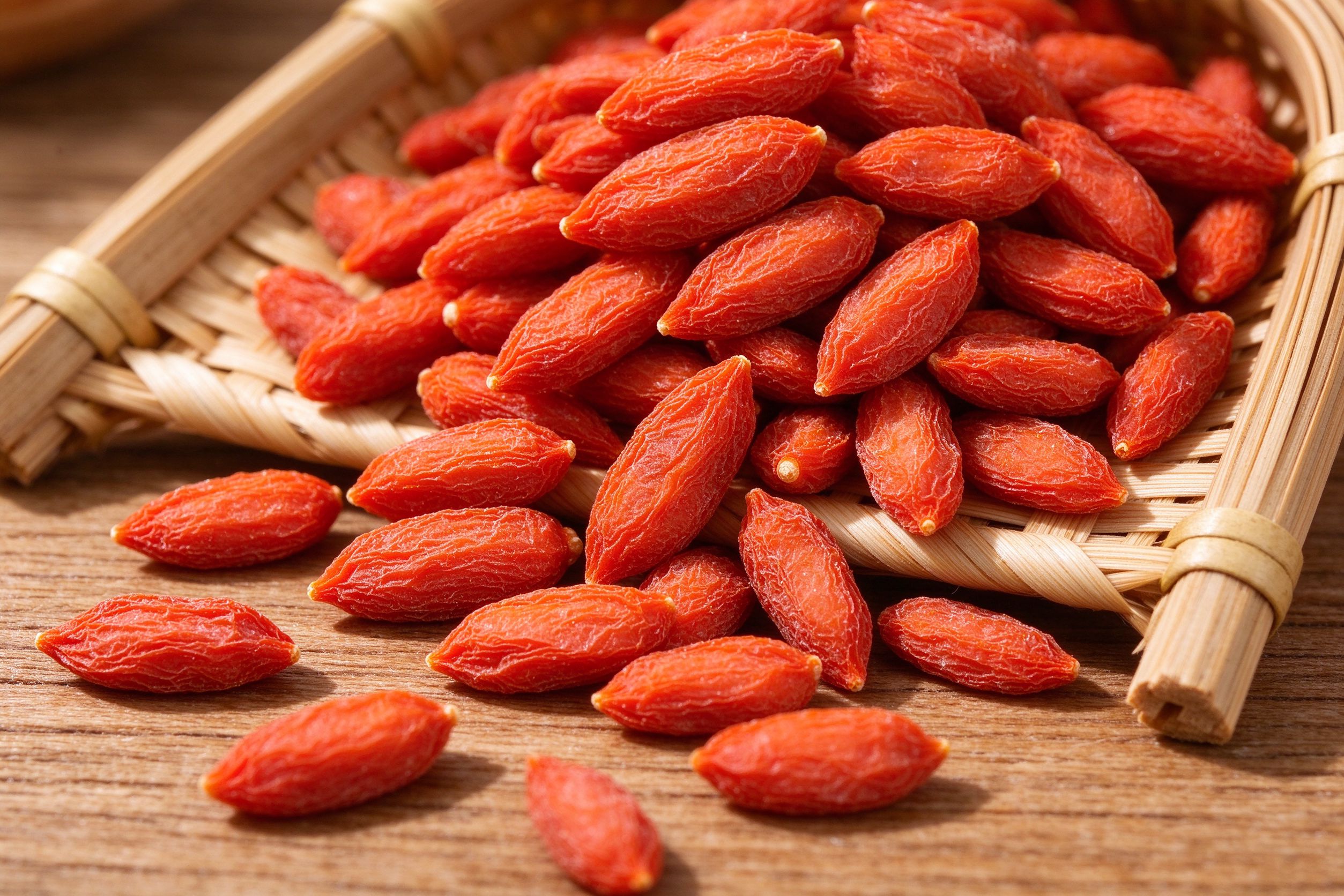
Wolfberry wants plump berries with natural orange-red color; genuine spine date seed has glossy purple-red coat, crisp skin and white kernel, while fakes run smaller and browner. Specs grade by size, fullness and color. Open a seed to check the kernel and weigh for moisture — this group sees the most counterfeits.
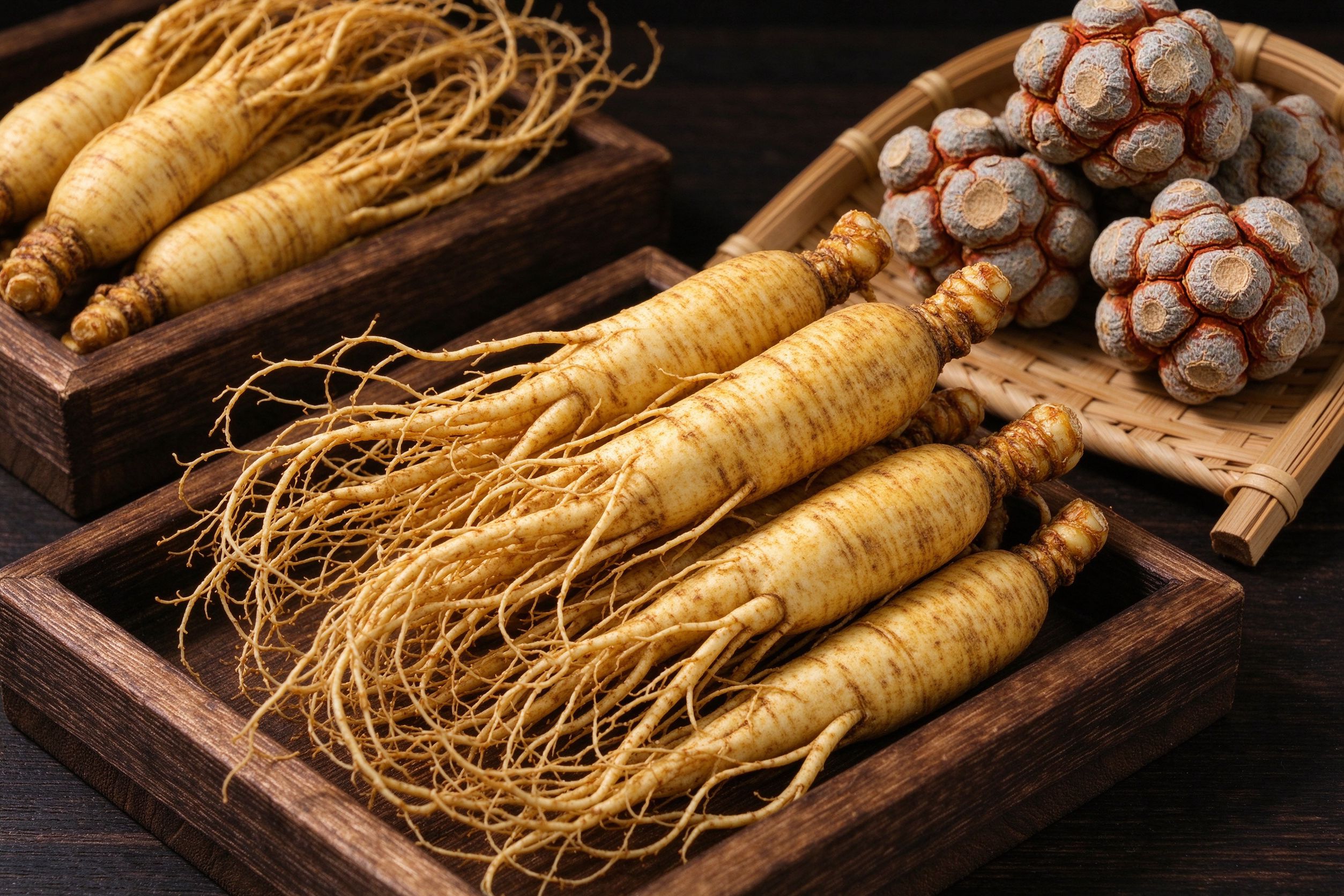
Moutan bark grades by thickness and starch; poria by clean white cross-section and firm body; reishi-type fungi by wild-vs-cultivated and cap condition. Origin and age swing price sharply, so verify provenance before negotiating.
List the herb names, medicinal parts, forms (whole/slice/powder), quantities and uses. Check current price ranges for each so you negotiate from a position of knowledge.
Several stalls sell the same herb. Compare price and quality, look for licensed, QR-traceable vendors, then decide where to talk business.
Inspect color, cross-section, smell and taste; on bulk orders request a sample and a third-party test report for sulfur, pesticide residue and heavy metals.
Wholesale prices are quoted per kg or tonne. Agree grade, spec and quantity first, put them in writing, then do a full-batch recheck of grade and net weight before paying.
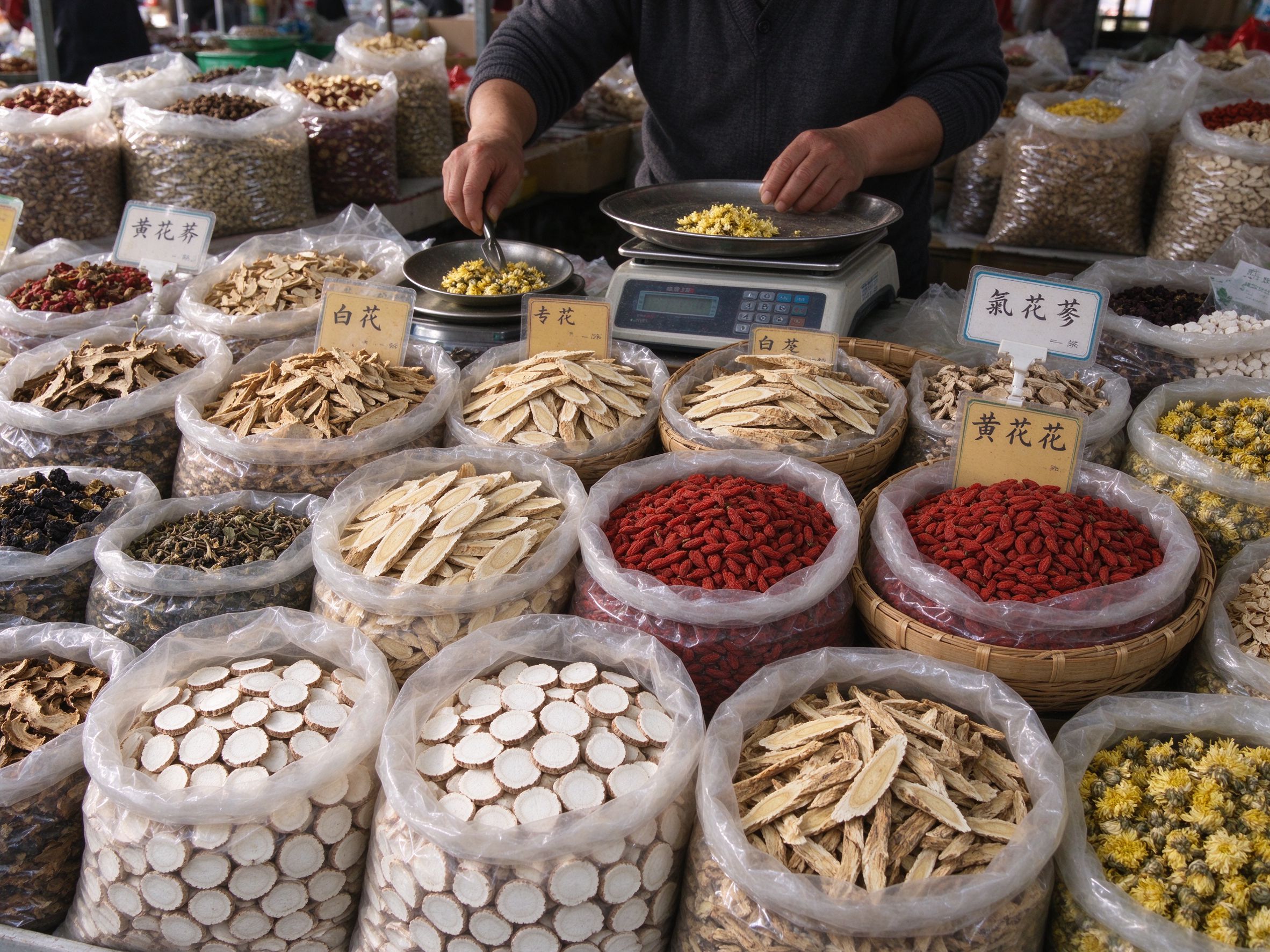
Dried herbs move reliably because the chain is standardized: grading at the stall, moisture-proof packing, quarantine inspection, customs clearance and air freight or ocean freight. Air suits small, high-value and time-sensitive shipments; sea works for volume at lower cost per kilo, typically FCL or LCL consolidation.
Humidity is the enemy of dried herbs. Export packing uses sealed, moisture-proof bags or boxes, and many shipments go under temperature-controlled air or reefers. A licensed forwarder prepares the inspection and quarantine certificate, certificate of origin and import paperwork, and consolidates lots from several stalls into one consignment.
Transit times and rates above are indicative and vary with the season and the carrier. Always confirm the current sailing schedule and quote before booking.
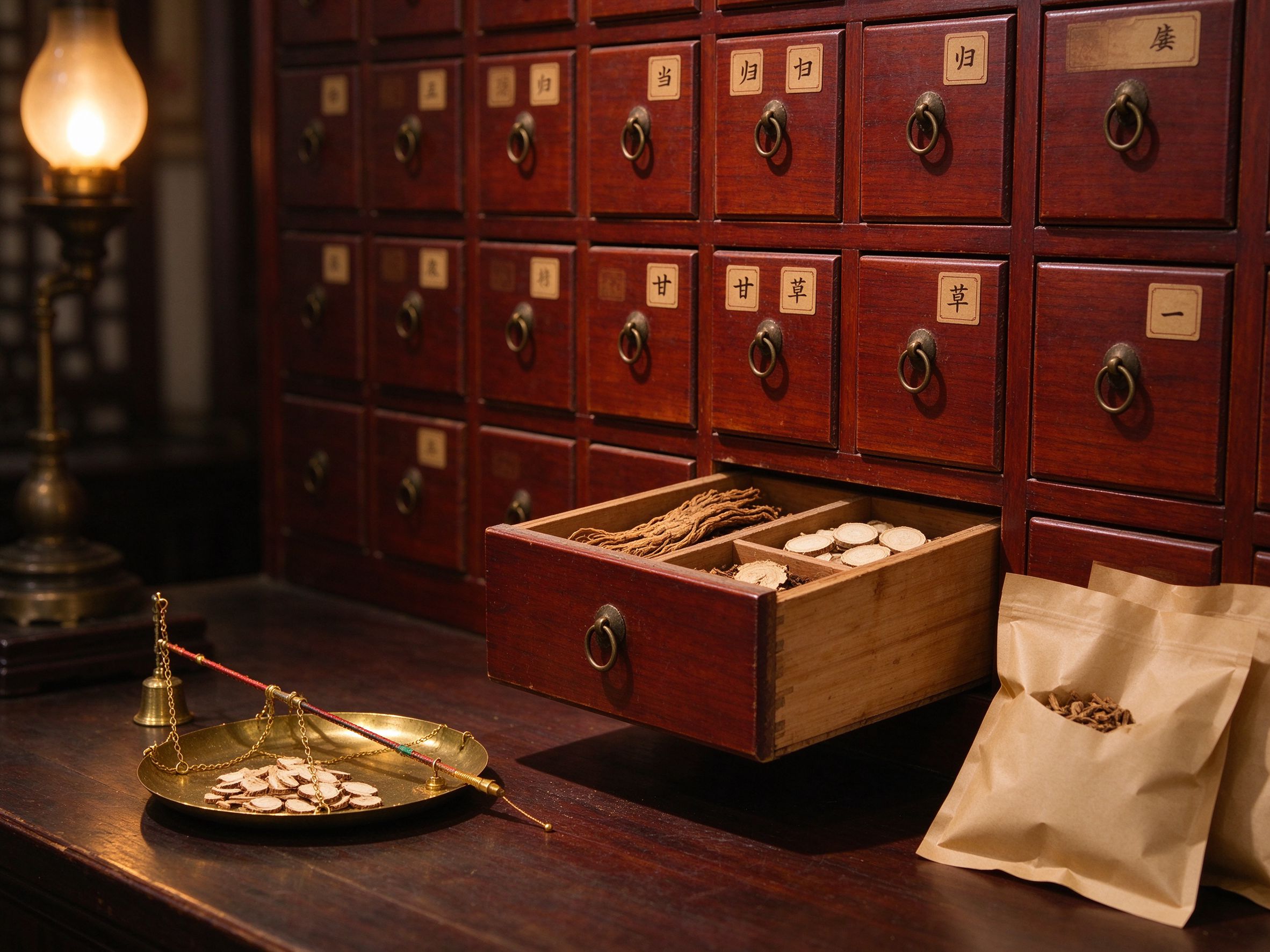
Supply is fragmented and quality varies. A few vendors cut corners, so first-time buyers should watch for these nine common problems.
Sulfur bleaches herbs, adds weight and deters pests, but excess sulfur dioxide residue is harmful. Check for a sharp acidic smell and unnaturally white color, and ask for a residue test report.
Cheap lookalikes stand in for famous herbs — e.g. other date seeds for spine date seed at ten-fold price gaps. Learn the key trait of each herb and compare against pharmacopoeia descriptions.
Brightly colored wolfberry, angelica or similar can be dyed for shelf appeal. Check for natural color and whether water runs color from a soaked sample.
Poor storage or overage leads to mildew and insects, sometimes masked by fumigation. Look for mildew, insect marks and musty smell; insist on fresh, in-season stock.
Small passed as large, broken as whole, slices as raw root — a higher grade for a higher price. Check against your sample and grade standard, and recheck the whole batch.
Non-origin herbs sold as Bozhou peony root or chrysanthemum at a premium. Buy geo-authentic, traceable lots and ask for the actual origin on paper.
Quoted per kilo but net weight falls short, or damp, moisture-heavy goods are sold as dry. Recheck net weight yourself and agree moisture terms in advance.
Unlicensed or unverifiable stock lacks a business license and test reports, so problems are hard to trace. Buy only from licensed, traceable vendors and keep their documents.
Missing inspection certificates, origin certificates or destination requirements can get goods rejected or held at arrival. Confirm compliance and use a regular customs channel.
A short look at the opening-hour atmosphere and trading floor of a Chinese herbal wholesale market (local video — click to play).
Straight answers for buyers who have never been to a Chinese herbal wholesale market before.
You can, but first-time buyers do better with preparation. Walk the halls first, compare several stalls for the same herb, and only buy from licensed, QR-traceable vendors so you can verify quality and get support if a problem comes up.
Learn the key traits of each herb before you arrive: natural color and texture, a clean cross-section, no mildew and the expected smell. Open a sample to check the inside, and ask vendors for third-party test reports (sulfur, pesticide residue, heavy metals) on bulk orders.
Price depends on provenance, harvest year, grade, cut form (whole, slice, segment or powder), size and cleanliness. One herb can be sold in a dozen specs with several-fold price gaps, so always compare like-for-like grade and spec, never just the unit price.
Smell for a sharp acidic odor, look for unnaturally white color, and request a sulfur dioxide residue test report. Deal with licensed vendors and reject any lot that smells of sulfur.
It depends on your use and destination rules. Whole or sliced herbs are easier to inspect and verify; powder is harder to authenticate and stricter to ship. Confirm your market's import requirements before choosing a form.
For a first visit, a Chinese-speaking trader or an in-market licensed agent is strongly recommended. They handle language, stall selection, negotiation and documentation, and they reduce the risk of buying mislabeled stock.
Sometimes on price, but farm-direct lots are harder to grade, less traceable and rarely come with the documents needed for export. The wholesale market gives you centralized variety, grades, verification and an export-ready supply chain.
Confirm grade, spec and quantity before pricing; put the agreed grade, spec and quantity in writing; sample first on large orders; and do a full-batch inspection and net-weight recheck before you pay.
Keep the contract, invoice, quality report and delivery receipt. These are your protection, and they are also required for customs clearance if you export.
Herbs must stay dry and ventilated to prevent mold and insects; avoid humidity and direct sun. For export, dried herbs are usually packed in sealed, moisture-proof bags or boxes and shipped by air or sea with humidity control.
Check your destination's import rules on herbs, and confirm the required inspection and quarantine certificate, certificate of origin and customs documents. A licensed freight forwarder handles quarantine inspection, customs clearance and consolidation.
Most herbs are harvested and freshest in autumn, so supply is largest and prices are usually most favorable in the October–December window. Demand and price also move with seasons and festivals, so check the current market before a bulk order.
Goodhope Freight is a licensed international freight forwarder with deep roots in China's herb and cross-border trade. We handle sourcing coordination, grading support, quarantine inspection, customs clearance, air or ocean space and delivery to your door — one partner, one shipment, one deadline.
sales8015@goodhopefreight.com