
Looking to source fresh-cut flowers, potted plants, landscape stock, bonsai or seedlings from China? Several huge, specialized wholesale markets each play a different role. This guide is written for overseas buyers on a first visit and for newcomers with no prior experience — it maps each market's strengths and differences, how to buy, the main products, common pitfalls and FAQs. No pricing, no sales pitch: understand the landscape first, then order with confidence.
China's nursery and flower industry is highly clustered into a clear pattern: fresh-cut flowers in the south, nursery stock and bonsai in the center, engineering greenery in the north. As a buyer you rarely need to tour each growing region — by choosing the right wholesale distribution market, you can compare dozens or hundreds of suppliers, negotiate, inspect goods and arrange logistics all in a single day.
Sourcing advice: choose the market by the product category you're buying, not by which market is most famous. For fresh cuts head to Dounan or Lingnan; for engineering stock and bonsai head to Shuyang, Xiaoshan, Yanling or Chencun. Each market's strongest suit is different.
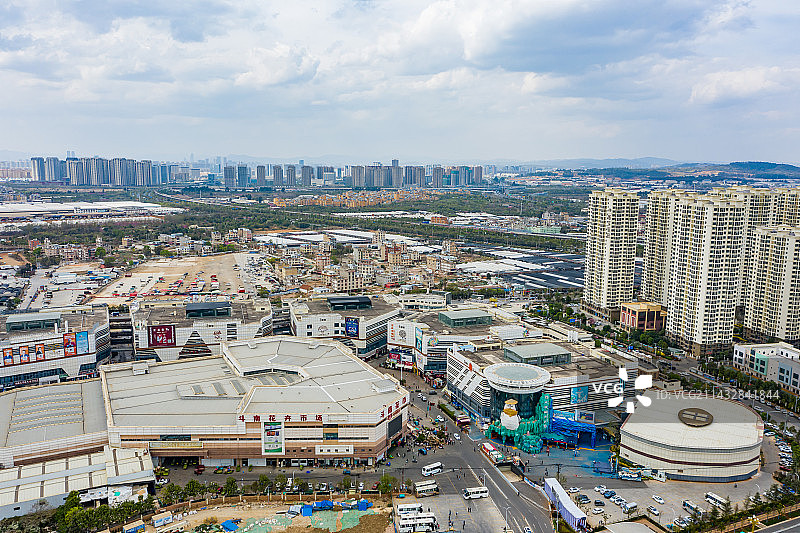
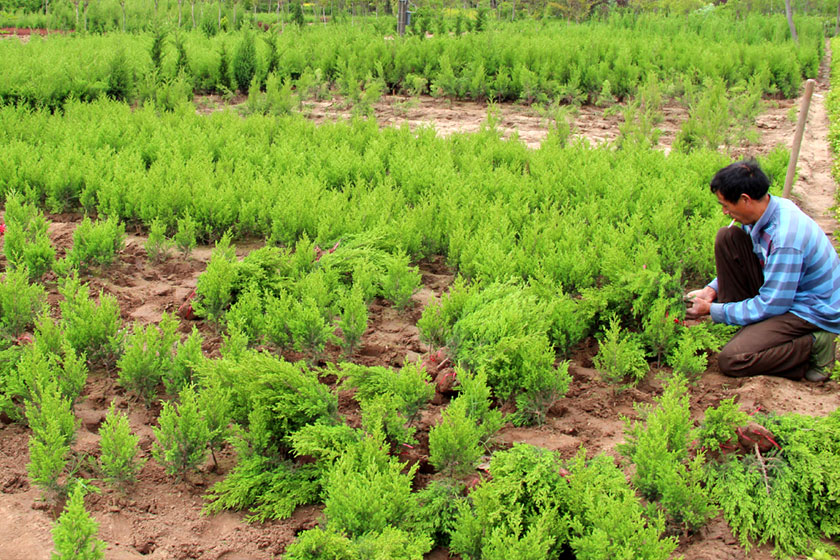
Each market below is described by its signature strength and how it differs from the others, so you can match your needs to the right source.
Yunnan · KunmingAbout 70% of China's fresh-cut flowers move through this market. In 2025 it traded roughly 15.4 billion stems worth about 13.4 billion RMB, first in China by transaction value for many straight years, exporting to more than 50 countries and regions.
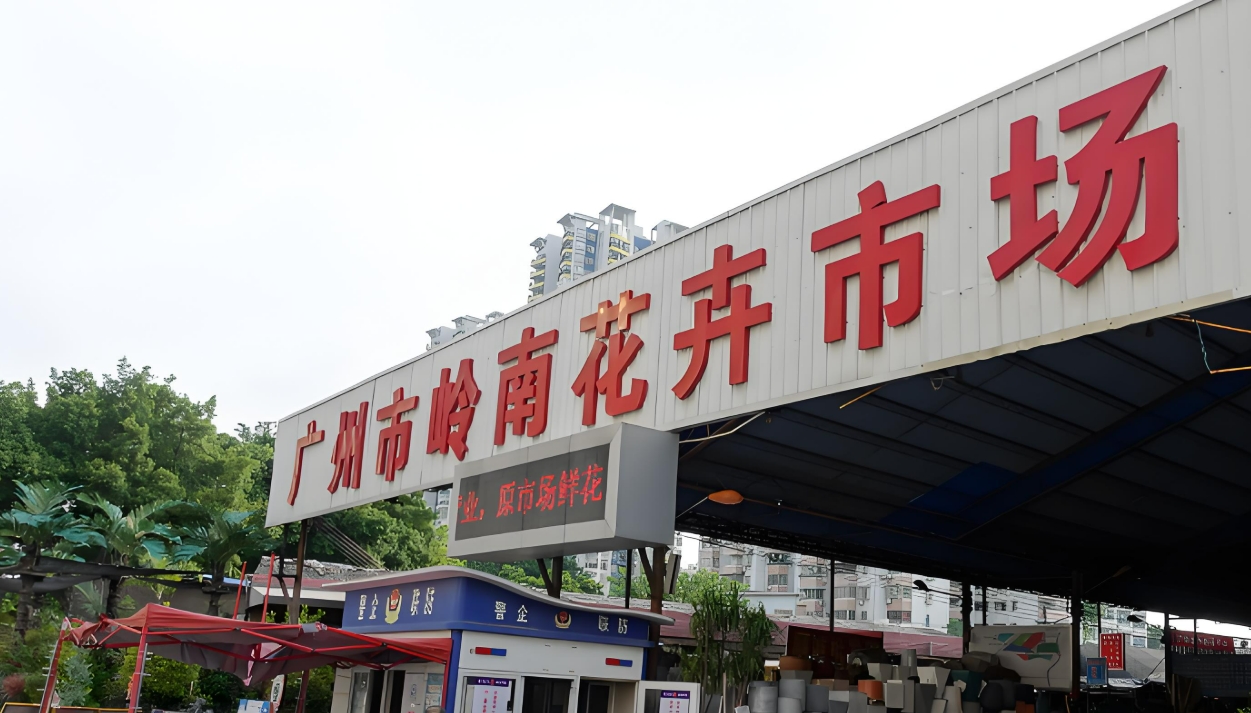 Guangdong · Guangzhou (Fangcun)
Located in the "City of Flowers" district of Liwan, Guangzhou, it is the largest and most functionally complete flower market in South China, nicknamed "China's first flower town" and "the Orient's Amsterdam." Fresh cuts, potted plants, foliage and supplies are all available under one roof.
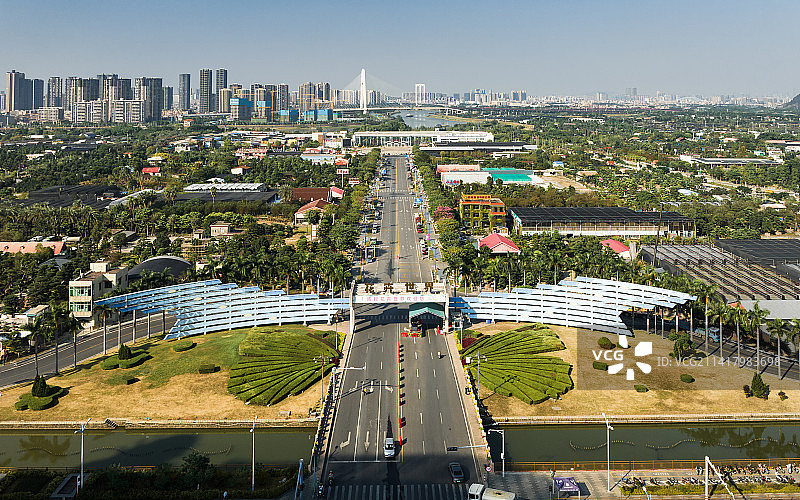 Guangdong · Shunde Chencun
The "thousand-year flower town" of Chencun hosts a Flower World gathering hundreds of enterprises and 5,000+ flower categories (a national 4A scenic area). Its orchid biotechnology park is one of the world's largest orchid seedling supply centers, and bonsai styles from Lingnan, Sichuan, Yangzhou, Suzhou and Shanghai converge here.
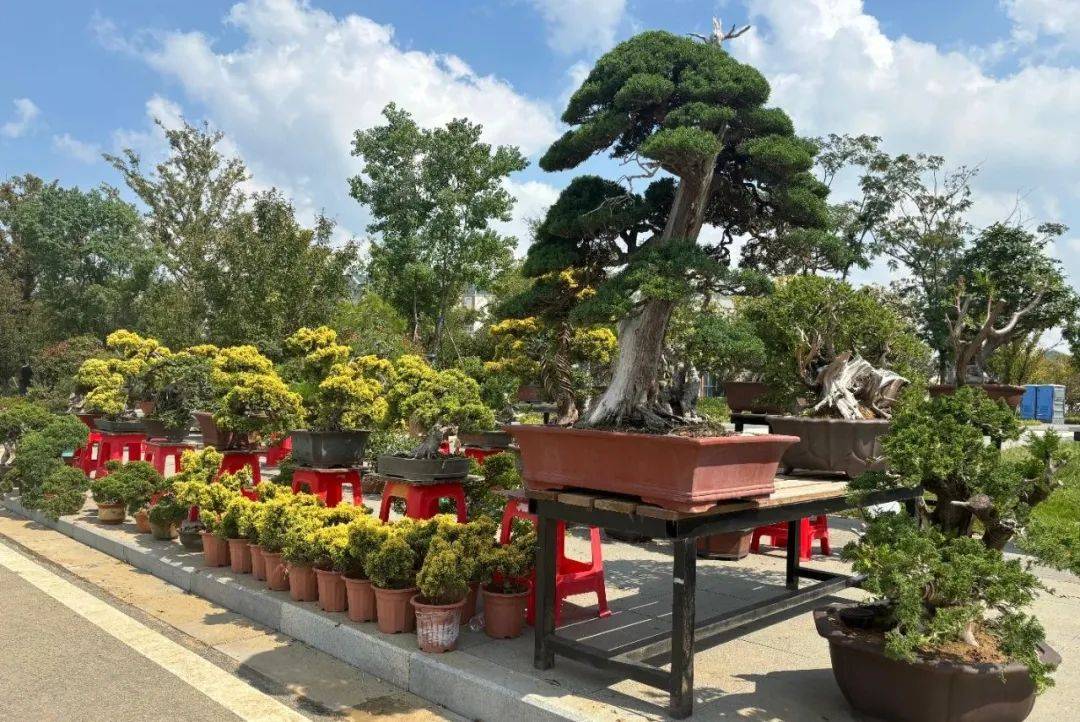 Jiangsu · Shuyang
With about 600,000 mu planted, ~350,000 workers and ~25,000 flower e-commerce sellers, Shuyang grows 3,000+ varieties and hosts China Shuyang International Flower & Plant City plus other large markets — a key East China nursery and seedling breeding center.
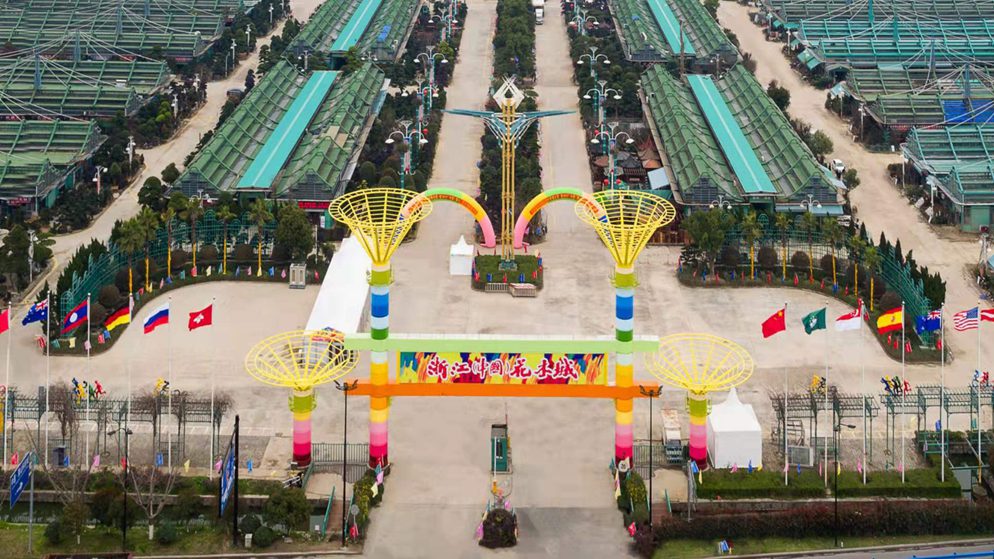 Zhejiang · Hangzhou Xiaoshan
Xiaoshan is a nationally known flower town and distribution hub. Major markets such as Zhongdong International Flower & Plant City trade actively, with whole-industry-chain output value above 10 billion RMB; stock ships nationwide and is exported to the EU, United States, South Korea and Japan.
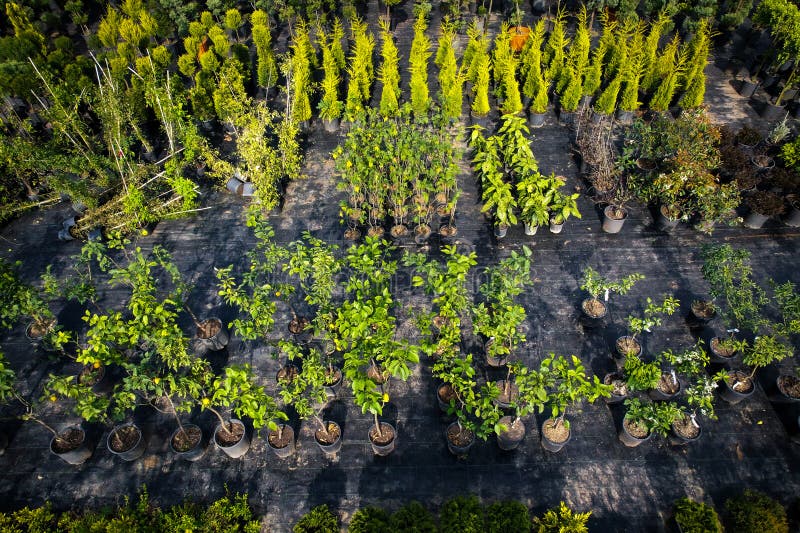 Henan · Xuchang Yanling
With 1,400 years of flower-growing history and over 600,000 mu planted, Yanling gathers 2,400+ varieties of premium southern, northern and world ornamentals — an ideal acclimatization base — and is especially noted for wintersweet and redbud.
Match a market to the product you need and how you buy. Beyond these six, Qingzhou (Shandong), Feixi (Anhui) and Shayang (Hubei) also run sizable flower & plant markets that can serve as supplementary sources.
| Market | Signature category | Best for | Differentiator | Sourcing note |
|---|---|---|---|---|
| Kunming Dounan | Fresh-cut flowers | Flower traders, retail chains | Most mature volume & export setup | Short vase life — ship on cold chain |
| Guangzhou Lingnan (Fangcun) | Fresh cuts + potted plants | One-stop mixed sourcing, port-near buyers | Widest assortment, fair pricing | Many stalls — compare several |
| Shunde Chencun | Bonsai / specimen trees / orchid seedlings | Mid-to-high-end horticulture & bonsai | Nationally leading bonsai craft & quality | Premium prices vary — negotiate on form |
| Jiangsu Shuyang | Landscape stock / bonsai | High volume, engineering & e-commerce | Largest output, strongest e-commerce | Verify online quotes against physical stock |
| Zhejiang Xiaoshan | Engineering stock / specimen trees | Landscape engineering, spec-driven orders | Mature exports, complete specs | Bulk volume — lock specs early |
| Henan Yanling | Landscape stock / wintersweet | Large-scale greenery, cold-tolerant species | Large area, more hardy species | Mostly local stock — plan quarantine for export |
Whatever the market, the core goods fall into six categories. Here is what each one is, what buyers use it for, and what to check when sourcing.
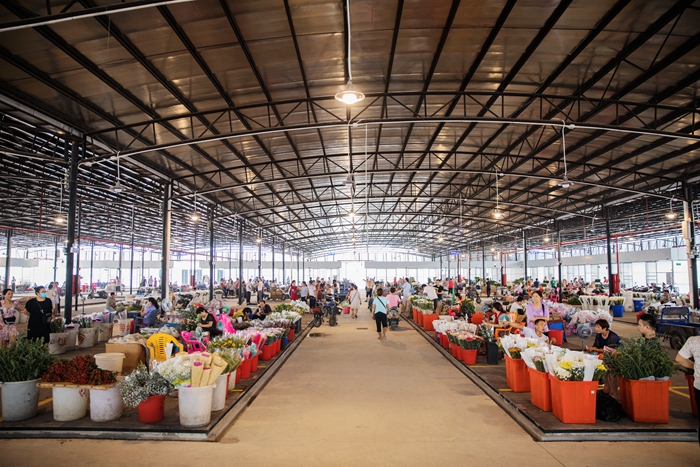
Roses, lilies, carnations, gypsophila and more — stems traded after cutting, all about freshness. Kunming Dounan and Guangzhou Lingnan are the largest hubs, serving florists, wholesalers and export flower traders.
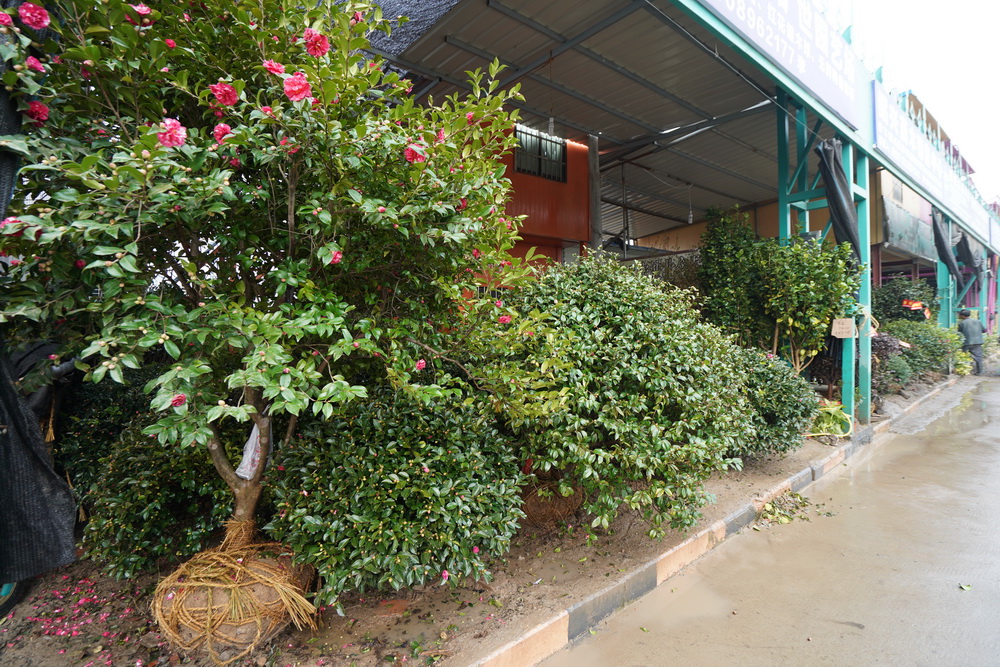
Anthurium, phalaenopsis, pothos, money tree, succulents and more — ornamental plants sold in pots. Guangzhou Lingnan, Chencun and Xiaoshan carry rich assortments; a mainstay of home-gardening and retail channels.
Camphor, ginkgo, crape myrtle, osmanthus, pines — trees and shrubs for landscaping and engineering projects. Shuyang, Xiaoshan and Yanling are the main producers; priced by caliper, diameter, crown and height.
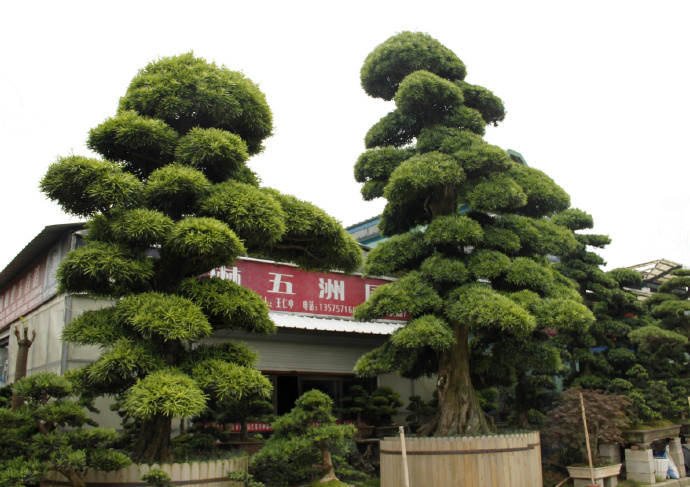
Podocarpus, black pine, five-needle pine, ginkgo — trained and shaped trees. Chencun, Shuyang and Xiaoshan are key hubs; form varies enormously and prices range from a few hundred to over a million RMB.
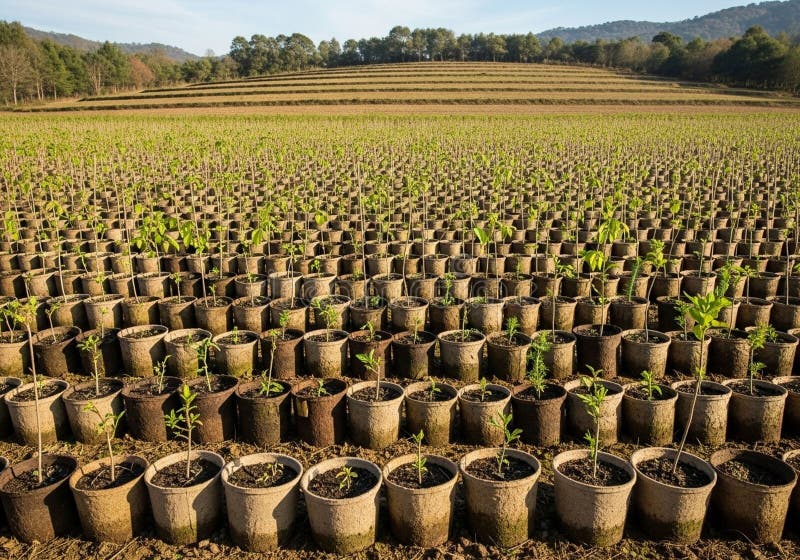
Flower and vegetable seeds, orchid tissue-culture plantlets, young seedlings and bulbs — propagation material. Chencun (orchids) and Shuyang (seedling breeding) are key origins; this is the starting point for new varieties and large-scale planting.
Pots, growing media / potting soil, fertilizer, agrochemicals, tools, packaging and shade netting — supporting materials. Most large markets have a supplies area, so you can buy alongside your plants.
Plants are living cargo: they need the right paperwork, the right packing and the right cold or transit chain. These are the export essentials a first-time importer has to get right.
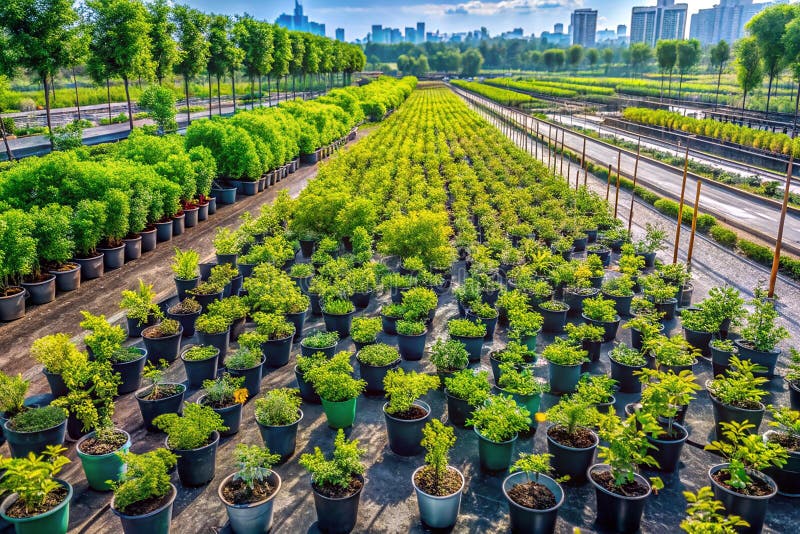
| Cargo type | Typical mode | Reason |
|---|---|---|
| Fresh-cut flowers | Air freight, cold chain | Short vase life; speed wins |
| Potted plants / container stock | Reefer sea (LCL/FCL) or air | Roots protected; steadier in transit |
| Bare-root landscape stock | Sea (LCL/FCL) or air | Compact, cheaper; plan survival window |
| Bonsai / specimen trees | Air or sea, professional packing | High value; protect form and root ball |
| Seeds & tissue-culture | Air, small parcels | Quarantine-sensitive; verified docs |
Export of plants and plant products is regulated at both ends. Most countries require a phytosanitary certificate issued by the exporting country's official plant-protection agency, and many restrict or prohibit soil and growing media — so bare-root, soil-free / washed-root handling, or certified compliant media, is often required. Species on the CITES appendices need a separate permit. Treat these rules as a first-class planning item, not an afterthought.
A freight forwarder with plant-export experience coordinates the certificate, compliant packing, cold-chain trucking to the gateway airport or seaport, customs clearance and consolidation — turning a market purchase into a dependable international delivery that arrives alive.
Write down the product type (fresh cuts / potted / nursery stock / bonsai / seedlings), specification, quantity and destination country. Then match the market to the category as in the comparison table above.
Landscape stock is fullest and survives best in the spring and autumn transplant windows; fresh-cut markets are best at dawn. Watch demand peaks like Lunar New Year flowers, when prices and availability move.
Nursery stock is judged by specification (caliper / diameter, crown, height, root ball) — measure on site. Fresh cuts by freshness (stem firmness, petal openness, damage); plants by vigor (leaf color, roots, pests and disease).
Stock is priced by unit and specification; flowers by bunch or stem; bonsai by form. Put variety, grade, quantity and unit price in a written contract, and seal a sample before you order so "goods match sample."
Confirm the destination's phytosanitary certificate requirements, soil restrictions (bare-root vs. balled), any import permit, and CITES rules — before you commit. A small trial batch de-risks quality, compliance and logistics.
Fresh cuts must move on cold chain (air or reefer sea); bare-root saves freight but risks survival, balled / container is steadier; plan the transit to fit the variety's survival window and your arrival planting schedule.
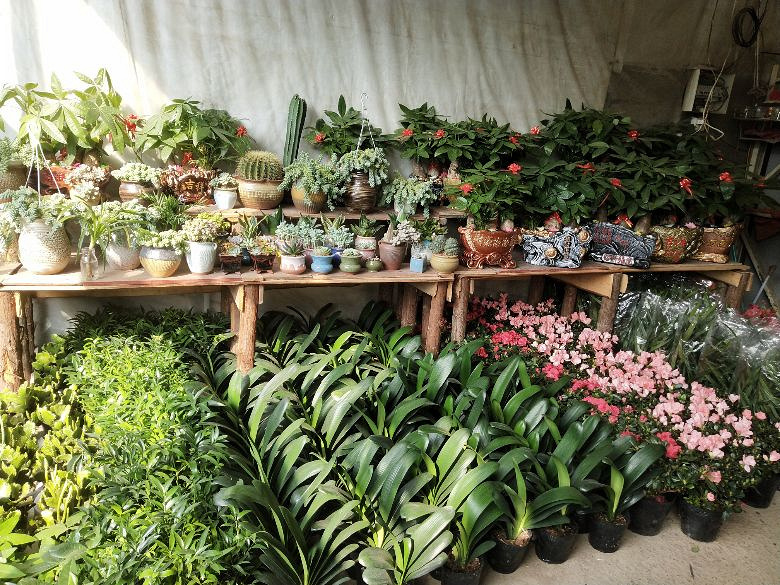
Information asymmetry is high in nursery markets and newcomers are the most exposed. Here are the most common pitfalls and how to handle each one.
Caliper, diameter, crown width, height and root-ball size are quoted larger than the actual goods — the most common plant-market trap.
A premium sample, then sub-standard stock shipped; undersized or weak plants mixed into one lot; grades quietly switched.
Many countries prohibit or restrict imports of plants with soil or soil-based media; balled-with-soil stock can be held, destroyed or returned at the destination port.
Stock carrying pests or pathogens fails export inspection, or is intercepted at destination re-inspection — losing both goods and freight cost.
Bare-root or long-transit stock has no guaranteed survival rate; large die-off on arrival with liability hard to pin down.
Without local knowledge, "guides" or middlemen can layer markups and push prices well above farm-gate levels.
Ordinary varieties passed off as premium, or outside stock presented as a famous origin (e.g., "Chencun bonsai," "Shuyang sabina"), at inflated prices.
Fresh cuts and potted plants that aren't kept cool enough arrive wilted, yellowing, or with high damage rates.
No phytosanitary certificate or import permit, or a CITES-listed species without a permit — goods refused at the port.
Twelve questions aimed at newcomers visiting a Chinese plant market for the first time. Click a question to expand it.
Choose by product: fresh-cut flowers → Kunming Dounan (Asia's largest, export-mature) or Guangzhou Lingnan (widest assortment); landscape / engineering stock → Shuyang, Xiaoshan or Yanling; bonsai & specimen trees → Chencun or Shuyang; seedlings / seeds → Chencun (orchids) or Shuyang (seedling breeding). Don't just chase the most famous name — category fit matters most.
Landscape stock is most abundant and survives best during the spring and autumn transplant windows; fresh-cut flower markets open at dawn when stock is freshest. Also watch demand peaks such as Lunar New Year flowers, when prices and availability fluctuate.
Check specification and vigor: verify caliper / diameter, crown width, height and root ball against your requirements and measure on site; then check leaf color, roots, and any yellowing, dieback, pests or disease. For bare-root stock confirm roots are fresh and moist; for potted stock check plant form and root growth.
Balled / container stock protects the roots and survives better, but is heavier and more costly to ship. Bare-root stock is soil-free, compact and cheaper to ship, but carries higher transit and survival risk. Weigh the variety, distance and the destination country's quarantine rules.
Because soil and growing media can carry pests, pathogens and nematodes with high spread risk. Many countries therefore strictly limit or prohibit soil imports, requiring bare-root, soil-free / washed roots, or certified compliant media, plus a phytosanitary certificate.
Typically a destination-accepted phytosanitary certificate (issued by the exporting country's official plant-protection agency), certificate of origin, commercial invoice and packing list. Some countries require an import permit for specific plants, and CITES-listed species need a separate permit. Confirm the exact list with the destination country before shipping.
Three steps: seal the sample (confirm a sample or photo and keep it), put everything in writing (variety, spec, grade, quantity, unit price), and inspect on arrival (agree return, exchange and compensation terms for mismatches). For large orders, run a small trial batch first.
Compare prices, negotiate by specification, then lock the terms in a written contract. Prefer payment methods that protect both sides — a partial deposit plus balance before shipment, or a letter of credit / third-party guarantee. Don't pay the full amount upfront to an unfamiliar seller.
Fresh cuts have a short vase life and need end-to-end cold chain: pre-cool soon after purchase, ship by air or in a temperature-controlled reefer sea container with clear temperature and timing, avoid stacking, heat and dehydration, and re-cut and condition the stems on arrival.
Not like manufactured goods. Bare-root stock needs heel-in or planting quickly; potted plants and bonsai need moisture and shade from sun. The longer the transit, the higher the survival risk. Plan the purchasing, shipping and planting timeline so you don't over-hold stock.
Most sellers primarily speak Chinese, so on a first visit bring a translator or an experienced agent to handle specifications, pricing and compliance. Walk the market in phases: first make a fast pass by category to build a sense of prices, then return to target stalls for detailed negotiation — don't settle at the first stall.
Some markets support small orders and dropshipping (especially e-commerce-heavy markets like Shuyang), but the freshness and quarantine requirements of plants make small cross-border lots harder than ordinary goods. Run a small trial batch to validate quality, compliance and logistics before scaling up.
Goodhope Freight is a licensed international freight forwarder with deep experience in China's plant and flower trade. We coordinate sourcing, cold-chain trucking to the gateway airport or seaport, air and sea freight, phytosanitary and customs documentation, and delivery to your door — one partner, one shipment, one deadline.
sales8015@goodhopefreight.comInternational plant, flower & cross-border logistics from China.