Since 2012 NVOCC GD20230925153335 24h Response
+86 13392162503 sales8015@goodhopefreight.com
Goodhope Freight
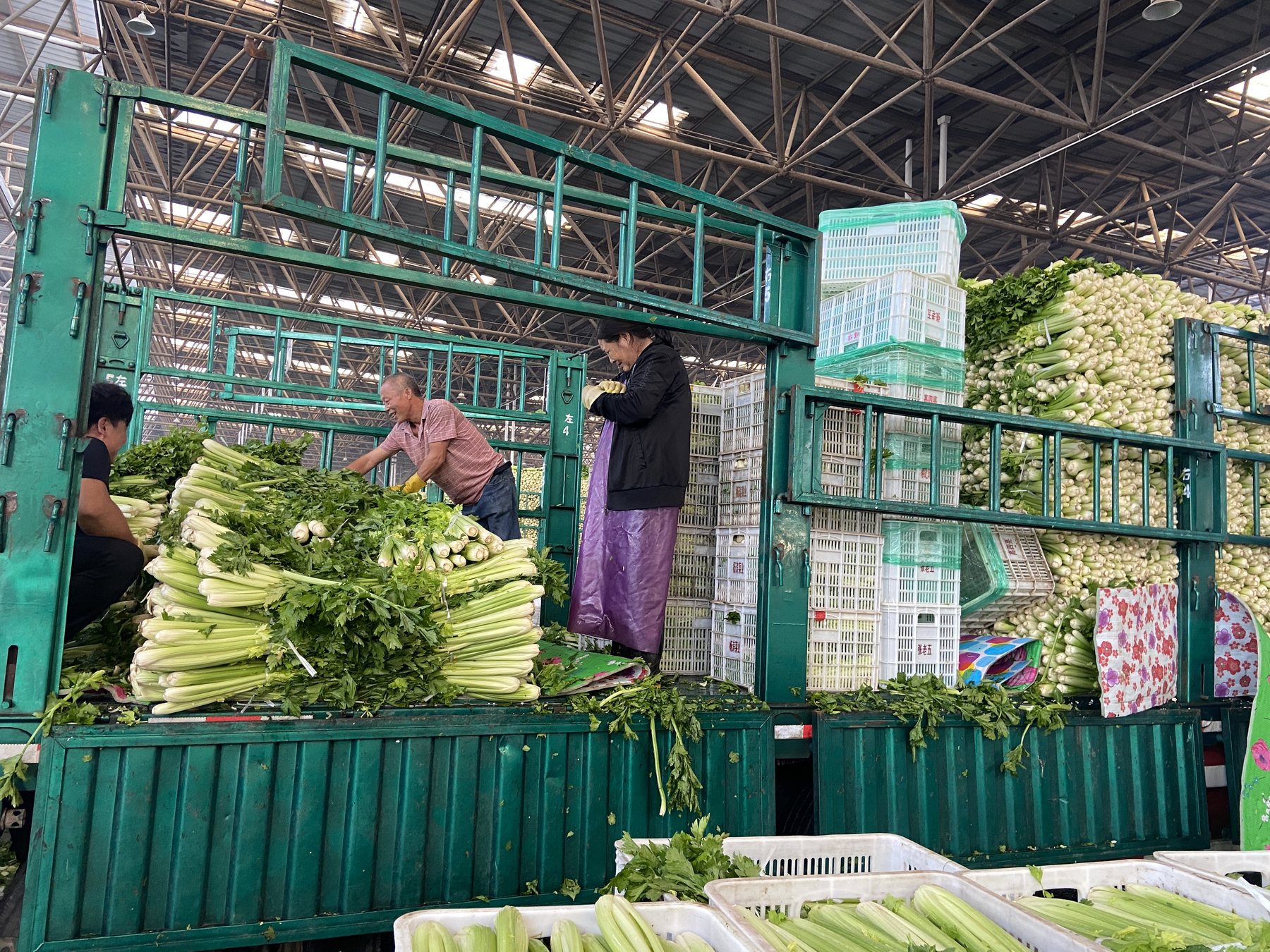
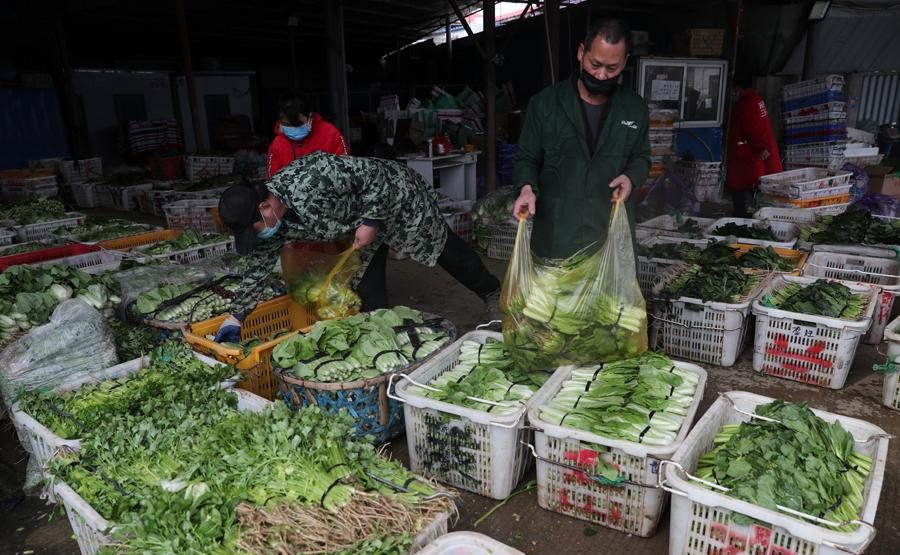
Workers loading bundled celery onto a truck at a Chinese vegetable wholesale market
Sourcing Guide · For Importers & First-Timers

China Vegetable Wholesale Market: A Complete Sourcing Guide

For overseas buyers importing vegetables from China, and for anyone walking into a Chinese produce wholesale market for the first time: how the market is structured, how to buy, what is actually sold, where the traps are, and the questions every newcomer asks.

Goodhope Freight · Logistics KnowledgeUpdated Nov 2026 · 20 FAQs
15.6M tonnes
Xinfadi (Beijing) total volume, 2025
80%
Share of Beijing's produce flow
3.27M tonnes
Shouguang Dili park vegetable volume, 2025
8.4M kg/day
Guangzhou Jiangnan daily vegetables, Sep 2026
Overview

First, it is not "one giant vegetable market"

Vegetable wholesale in China is not a single site — it is a three-tier distribution system. Origin markets aggregate produce from the fields. City-level primary markets break national and imported supply down for a metropolitan area. Secondary markets and wet markets split it again for shops and restaurants. The same cabbage is packed, weighed and priced differently at each tier, and treating a wholesale market like a supermarket is the first mistake most newcomers make.

How to use this guide: it is an objective sourcing reference, not a sales pitch. Vegetable prices move daily with season, weather, origin and grade, so nothing here quotes a rate. All volume figures are public statistics or government releases, shown only as a scale reference — confirm current market conditions with your supplier or forwarder before you commit.

Why it's different

What makes vegetable wholesale different from other markets

Compared with flower, tea or seafood wholesale, vegetables are heavy, fast and fragile: high tonnage, rapid turnover, high loss rates. Almost every rule in this market exists to answer one question — how do you sell a full truckload and move it out within a few dozen hours?

A truck is a stall (truck-bed trading)

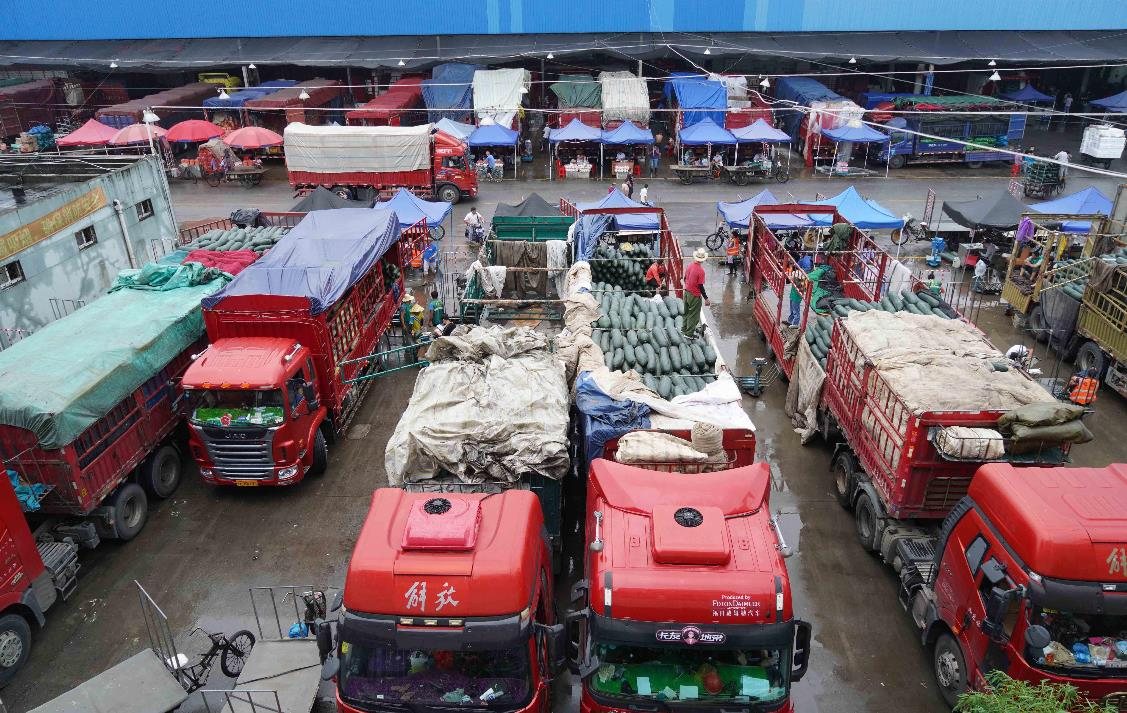
The signature scene of Chinese vegetable wholesale: a loaded truck drives straight into the trading bay, the doors open, and selling starts on the spot. Buyers inspect, argue price and count cases around the trailer. When you "walk the market," you are often walking trucks — once the truck leaves, the stall is gone.

Single-category zones, one street per item

Large city markets zone by category, sometimes down to a "winter melon street," a dedicated cabbage bay or a mushroom hall. Origin markets zone by variety instead. To compare prices, walk one zone end to end — far faster than asking stall by stall in a mixed aisle.

Consignment stalls (dai mai)

Out-of-town owners routinely hand a full truck to a market stall to sell on consignment; the stall takes a commission on sales and settles after the load clears. Useful because you can buy from, or appoint, one stall to source and dispatch for you. Risky because title, credit terms and settlement basis must be written down first.

Opens before dawn, done by mid-morning

Trading at Shouguang starts around 2:00 a.m. City primary markets peak between 1:00 and 6:00 a.m. After 10:00 a.m. you are mostly looking at tail-end and second-grade stock. Arrive at the wrong hour and both the price and the quality you see are unrepresentative.

Prices are comparatively public

Shouguang and Xinfadi both publish daily vegetable price indices, visible on market screens, official sites and trade media. There is a benchmark for what a load should be worth — a first-time buyer is not negotiating purely on instinct.

The support system is a chain, not a few stalls

Around a major market you will usually find, in one place: pesticide residue testing labs, ice plants, foam-box and carton suppliers, pre-cooling rooms, reefer fleets, loading crews, customs brokers and forwarders. Buying the produce is the easy part — stitching these steps together afterwards is the real work.

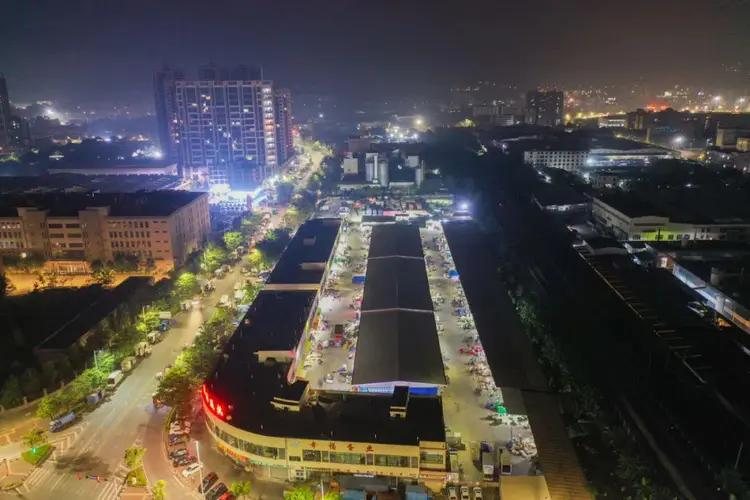
Aerial view of a Chinese produce wholesale market lit up before dawn
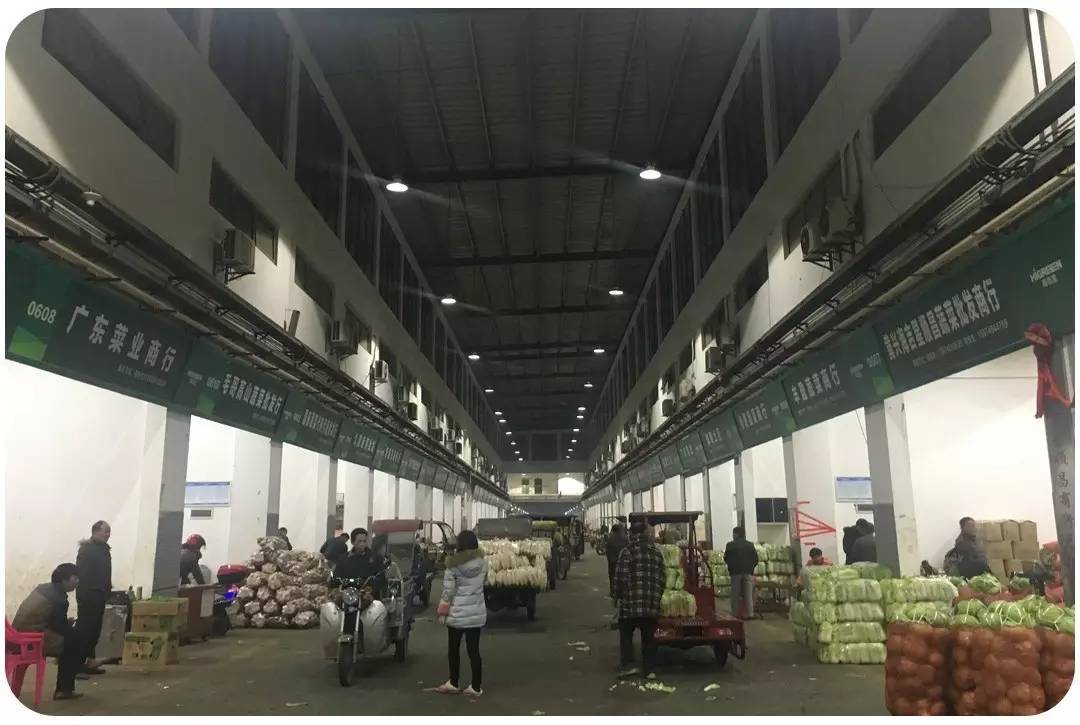
Before dawn at a city market: the peak happens while the city sleeps
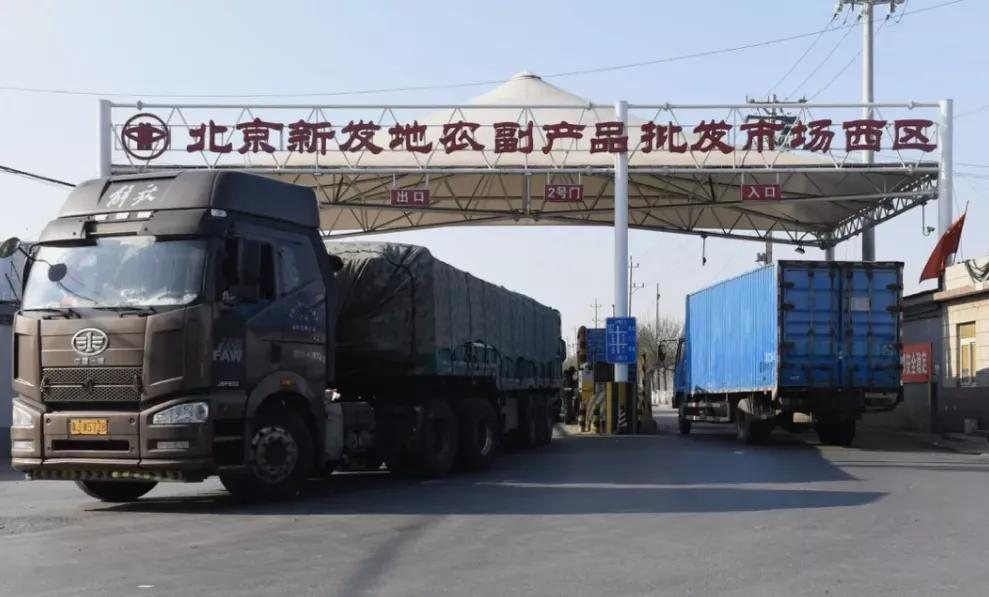
Trucks queuing at the west gate of Xinfadi wholesale market in Beijing
City primary market: tractor-trailers split by gate, each gate serving a category zone
Market film · about 30 seconds From the pre-dawn market to loading, sorting, icing, boxing and dispatch.No voice-over · footage from public news images
Market profiles

Eight large Chinese vegetable markets worth knowing

Together these eight cover China's three node types: origin, inland transshipment and city distribution. Their figures come from different years and different accounting scopes — use them for scale, never as a price reference. Decide first whether you need supply or distribution, then pick two that fit.

Beijing Xinfadi Agricultural Products Wholesale MarketBeijing · Fengtai District

City primary
1,680 muSite area (≈112 ha)
15.6 MtTotal volume, 2025
80%Of Beijing produce flow

The flagship of the capital's food supply and one of China's best-known destination markets. Zones are strictly by category, fine enough to include a dedicated "winter melon street." It runs roughly 2,000 fixed stalls with more than 4,000 registered customers and handles about 18,000 tonnes of vegetables a day. In 2025 total volume reached 15.6 million tonnes and turnover RMB 128.8 billion, above 80% of the capital's produce flow; a new vegetable trading building and expanded cold storage have been added in recent years.

Best forNorthern city distribution, supermarket and restaurant supply; also the place to understand how Chinese vegetable pricing is actually formed, since Xinfadi quotes are the northern benchmark.

Shouguang Dili Agricultural Products Logistics ParkShandong · Weifang (Shouguang)

Origin consolidation
3.27 MtVegetable volume, 2025
300+ varietiesTraded year-round
2:00 a.m.Daily opening time

One of the largest origin consolidation centres in China. In 2025 it moved 3.27 million tonnes of vegetables worth about RMB 9.5 billion, with peak-day volume close to 10,000 tonnes. Behind it sits a procurement network of more than 1,400 village-level "field-edge" markets across Shouguang, where the city's annual vegetable volume is around 9 million tonnes. It is the junction of south-to-north and north-to-south produce flows, supplying more than 20 provinces and exporting to Southeast Asia and Russia.

Best forFirst-hand supply, full-truck buying and export order build-up; also the clearest place to see the chain from field to trailer.

Guangzhou Jiangnan Fruit & Vegetable Wholesale MarketGuangdong · Guangzhou Baiyun

City primary · South hub
5.03 MtFruit & vegetable volume, 2025
8,000+ tVegetables per day
~60%Of China's imported cherries clear here

The South China hub where fruit and vegetables run in parallel. In 2025 it handled 5.03 million tonnes of fruit and vegetables worth RMB 29.1 billion; daily throughput is about 15,000 tonnes, of which vegetables account for more than 8,000 tonnes (8.58 million kg per day in September 2026). Imported fruit concentrates here — roughly 60% of China's imported cherries are distributed through this market — which makes it unusually active on both the import and export sides.

Best forSouth China distribution, north-south cargo swaps, imported produce trading and Hong Kong/Macau supply programmes.

Shenzhen HiGreen International Agricultural Products Logistics ParkGuangdong · Shenzhen Longgang

City primary · HK supply
3.2 MtAnnual volume
6,000 tVegetables per day
~60%Of Hong Kong's vegetable supply

Shenzhen's largest first-tier produce market, with annual volume of 3.2–3.4 million tonnes and turnover around RMB 32 billion. It moves about 6,000 tonnes of vegetables a day and covers roughly 70% of Shenzhen's and 60% of Hong Kong's vegetable supply. Because Hong Kong supply is a core business, testing, traceability, packaging and cold-chain standards sit above those of an ordinary mainland market — and with the port next door, the export chain is shorter.

Best forHong Kong and export orders where quality consistency and compliance documentation matter; the steadiest entry point for a first cross-border vegetable programme.

Shanghai Jiangqiao Wholesale MarketShanghai · Jiading District

City primary · Yangtze Delta
2.373 MtVegetable volume, 2021
400+Resident wholesalers
60%+Of Shanghai's vegetable supply

Shanghai's largest first-tier vegetable market and the source of more than 60% of the city's vegetables. In 2021 it handled 2.373 million tonnes worth RMB 10.48 billion, with over 400 resident wholesalers; daily arrivals fluctuate in the thousands of tonnes and swell sharply during the plum rains, typhoons and pre-holiday peaks (up to around 6,000 tonnes in supply-protection periods). It is strongest on seasonal items — spring bamboo shoots, broad beans, winter shoots and Yunnan leafy greens.

Best forYangtze Delta distribution and steady replenishment of leafy and seasonal vegetables; a good read on East China consumer preferences.

Zhengzhou Wanbang International Agricultural Products Logistics CityHenan · Zhengzhou Zhongmu

Transshipment hub
5,300 muSite area (≈353 ha)
15 MtVolume, 2022
80%Of Zhengzhou fresh produce

The largest comprehensive produce market in central China and one of the biggest single sites in the country: 5,300 mu, over 3 million sqm of floor space, more than 7,000 fixed merchants and 60,000+ mobile traders. In 2022 it handled 15 million tonnes and RMB 100 billion, covering about 80% of Zhengzhou's and over 60% of Henan's fresh produce. Categories span fruit, vegetables, seafood, frozen goods, grain and oils, and condiments — one-stop consolidation.

Best forCentral and western regional distribution and multi-category consolidated loads; the smoothest inland transshipment node between coastal or origin supply and interior markets.

Wuhan Baishazhou Agricultural Products MarketHubei · Wuhan Hongshan

City primary · Central China
~3,000 tVegetables per day
~70%Of Wuhan's daily vegetable trade
3,000+Operating merchants

The largest produce market in central China. Wuhan runs a two-market pattern — "Baishazhou on the south bank, Sijimei on the north" — and Baishazhou alone has more than 3,000 merchants and about 70% of the city's daily vegetable turnover. Per the Wuhan municipal government's 2024 disclosure, daily vegetable volume is around 3,000 tonnes, rising noticeably in extreme weather and supply-protection periods. Around 90% of the goods move within Hubei.

Best forHubei and central China distribution, short-haul regional delivery and emergency supply orders.

Changsha Huangxing HiGreen International Agricultural Products Logistics ParkHunan · Changsha Huangxing

City primary · Central-south leader
12,000 tVegetables per day
RMB 60bnAnnual turnover, multi-year
80%Of Hunan's vegetable supply

The largest produce hub in central-south China, opened in 2016 when the Mawangdui vegetable market relocated here in full. Daily vegetable volume holds around 12,000 tonnes and annual turnover has exceeded RMB 60 billion for several consecutive years. It supplies over 90% of Changsha's and about 80% of Hunan's vegetables, reaches more than 20 provinces including Hubei, Jiangxi and Guangxi, and extends into Southeast Asia. It also functions as the region's price-formation and information centre.

Best forCentral-south distribution and cross-province transfers; as a north-south transit node, Changsha balances distance and transit time well.

Workers unloading baby cabbage at Wanbang market in Zhengzhou
Zhengzhou Wanbang: central China's largest integrated produce park
Rows of trucks unloading at Shanghai Jiangqiao wholesale market
Shanghai Jiangqiao: full-truck arrivals, strict category zones
Crates of leafy greens waiting for trade at Wuhan Baishazhou market
Wuhan Baishazhou: central China's basket, heavy on leafy greens
Rows of wholesale shopfronts inside Changsha HiGreen market
Changsha HiGreen: shopfront-based, first-tier wholesalers concentrated
You need supply
Go to an origin consolidation market such as Shouguang. Supply is concentrated and truckload prices sit closer to the farm gate — right for export build-up and bulk buying. The trade-off: narrower variety per origin, and you assemble the mix yourself.
You need range
Go to a city primary market — Xinfadi, Jiangnan, HiGreen, Jiangqiao, Baishazhou, Changsha HiGreen. One site covers every category and replenishes on demand; the cost is that one distribution margin is already inside the price.
You need inland transit
Use the central hubs — Wanbang and Changsha HiGreen. Coastal or origin cargo lands there first, then fans out across several provinces, removing repeated less-than-truckload transfers.
Hong Kong supply

The Hong Kong channel: the part that has already been filtered

"Hong Kong supply" vegetables are not a different variety. They are the portion of the same crop that is grown, processed and inspected under a stricter standard before it leaves the country. For an overseas buyer this channel is the most useful reference in China: it exposes the full compliance chain, which works as an audit checklist you can copy directly.

~90%Of Hong Kong's fresh vegetables come from the mainland
600+Registered growing bases nationwide
100+Registered processing plants
8.8 haCheung Sha Wan site, 320+ stalls

On the Hong Kong side: how Cheung Sha Wan sells

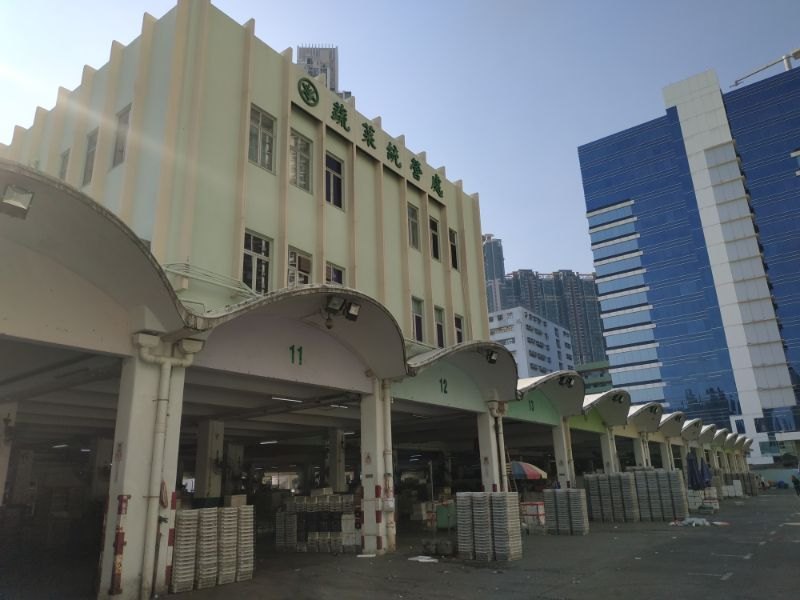
The Cheung Sha Wan Wholesale Food Market sits at 36 Cheung Sha Wan Road, Kowloon, opened in October 1993 on 8.8 hectares with more than 320 stalls — 240 for vegetables, 37 for freshwater fish and 46 for eggs. It is Hong Kong's largest vegetable wholesale market and is managed by the Vegetable Marketing Organization (VMO), a non-profit body established under the Agricultural Products (Marketing) Ordinance. The VMO provides trading space, accounting and pesticide-residue testing, takes a commission of no more than 10% of the transaction value from sellers, and applies the surplus to agricultural research, farmer credit and agricultural scholarships.

Trading works as multi-seller consignment, buyer bidding and central settlement: trucks unload before dawn, goods are checked in, bidding runs on the floor, and stock clears the same day. That rhythm is what makes Hong Kong-bound fresh produce a day-by-day, batch-by-batch business rather than a stock-and-hold one.

On the mainland side: three registrations, none optional

Hong Kong- and Macau-bound vegetables require both a registered growing base and a registered processing plant, plus inspection on every export batch. Customs looks at specifics: whether plots are contiguous with buffer strips, whether soil and irrigation water comply, whether pesticides have a named manager and usage records, whether the plant has hand-washing and disinfection stations and pest controls, whether processing and living areas are separated, and whether basic testing exists. In 2026 the General Administration of Customs issued a dedicated announcement on supervision requirements for Hong Kong/Macau-bound vegetables, with public registration forms and criteria.

If the destination is a country other than Hong Kong or Macau, the route is registration of the export food raw-material growing farm plus registration of the export food production enterprise, on top of destination-market access and quarantine rules. Both paths share one principle: qualification first, orders second — the fastest way to judge whether a Chinese supplier is serious.

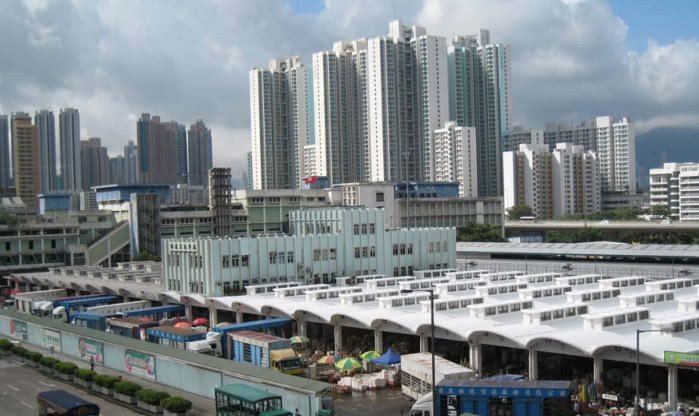
Aerial view of Cheung Sha Wan Wholesale Food Market in Hong Kong
Cheung Sha Wan: long trading sheds, loading platforms, trucks queuing overnight
Vegetable Marketing Organization building in Hong Kong
The VMO: runs the site, the settlement and the residue testing
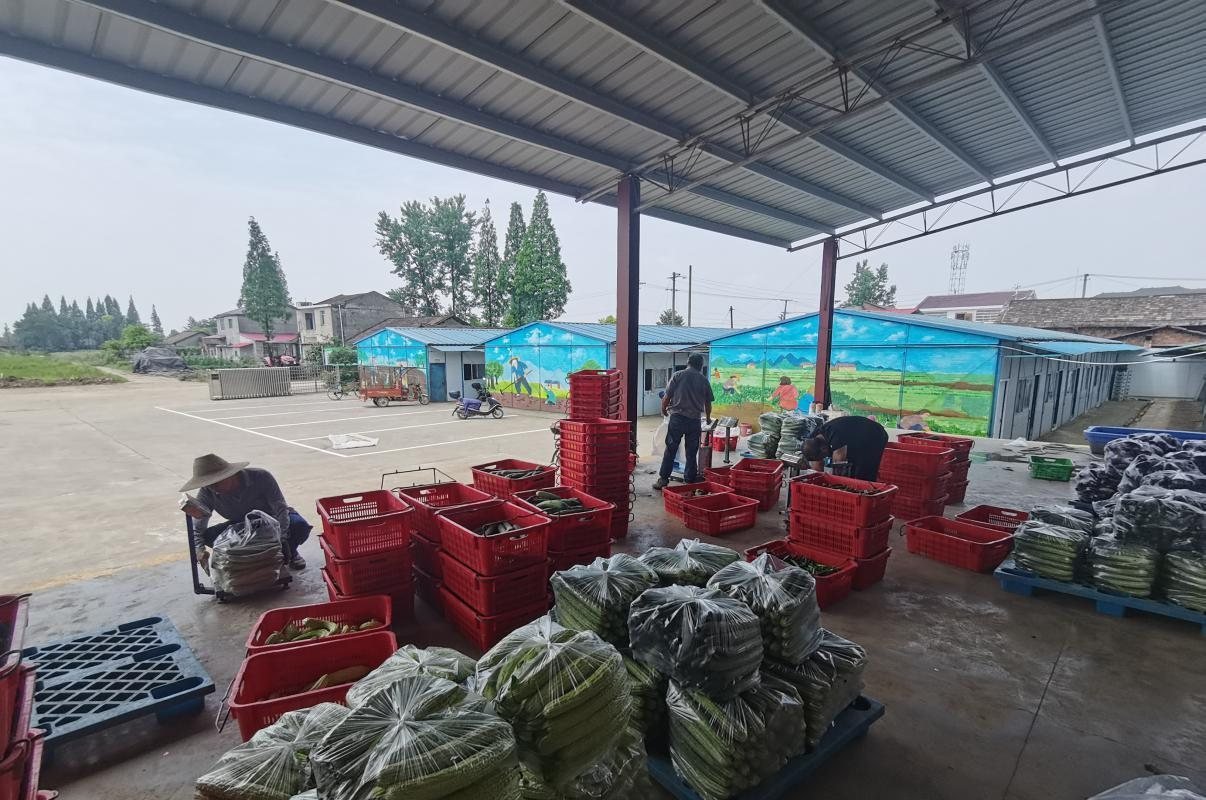
Red crates and bagged vegetables at a mainland cooperative supplying Hong Kong
Mainland Hong Kong-supply cooperative: red crates, bagged packs, batch-by-batch stacking — more standardized than domestic packs

Three notes for buyers: first, a list of Hong Kong-qualified suppliers is effectively a pre-audited list on base, plant and testing, which cuts your due-diligence cost sharply. Second, Hong Kong pack specs, traceability labels and batch retention samples are reusable compliance templates you can drop straight into your own import requirements. Third, Hong Kong supply prices usually run above domestic prices for the same spec — that gap is registration, testing, cold chain and border cost, not padding.

First-time guide

How to buy on your first visit, step by step

Follow this path: prepare before you fly → pick the right market and hour → register and enter → inspect → negotiate and settle the unit of measure → write the order → pre-cool and pack → load and ship. Allow at least two days for a first trip: one to read the market, one to place orders.

Write the spec sheet before you book a flight

Category, grade (premium vs. standard "tong huo"), net weight per case, pack type (foam box, carton, woven bag), total quantity and delivery window — all on paper. The single biggest cause of rework is an unresolved spec: "one box of tomatoes" can mean 5 kg or 15 kg.

Choose the market type deliberately

For first-hand supply and truckload pricing, go to an origin market such as Shouguang. For full range, on-demand replenishment and short dispatch, go to a city primary market — Xinfadi, Jiangnan, HiGreen, Jiangqiao. The two price on different logic; comparing them side by side leads to bad decisions.

Arrive at the right hour — and walk before you buy

Do one full loop empty-handed: note which trucks have just arrived, which stock is a day old, and how each seller packs and grades. Shortlist three to five stalls, then come back once you have a feel for price and volume.

Register at the gate, then go straight to the zone

Large markets require buyer registration or a purchasing card, and vehicles follow separate entry rules. Ask staff which hall or street handles your category instead of wandering — it saves hours.

Inspect on five points

Temperature (is the trailer running cold?), color and sheen, firmness or tightness, cut end and cross-section, and batch uniformity. Leafy greens: white versus browned cut ends. Fruiting vegetables: calyx and firmness. Root crops: skin and sprouting eyes. Mushrooms: condensation and slime.

Nail down the unit of measure

Confirm each item: per case, per jin, per kilo or per tonne; gross or net weight; whether tare (box, crate, ice bottles, wet paper) is counted; kilos per case; and how shrinkage and short counts are handled. These few questions prevent most later disputes.

Write the order with seven fields

Product, grade, spec (net weight per case and case count), unit price and pricing unit, total quantity, delivery method and date, settlement terms. Get a paper or electronic order, signed or stamped. A WeChat voice message is not evidence.

Pre-cool, pack and load as one sequence

Leafy greens and mushrooms should be cooled as soon as they leave the floor. For long haul, foam boxes with ice bottles or crushed ice, wrapped in film and quilts, are standard; cartons suit tomatoes, peppers and melons; woven bags suit potatoes and onions. Load heavy at the bottom, light on top, and put first-drop cargo at the tail.

Recount and document before leaving

Count cases face to face, spot-weigh several, photograph the load and the stack, and record the seal or plate number. Liability on vegetables transfers at the gate — a short count found after departure is almost always your loss.

One rule on weight: in this trade a jin still means 500 g, and quotes may be gross or net. Ask "gross or net, and does it include ice and boxes?" before you discuss price. On foam-box items the difference can exceed 10%.

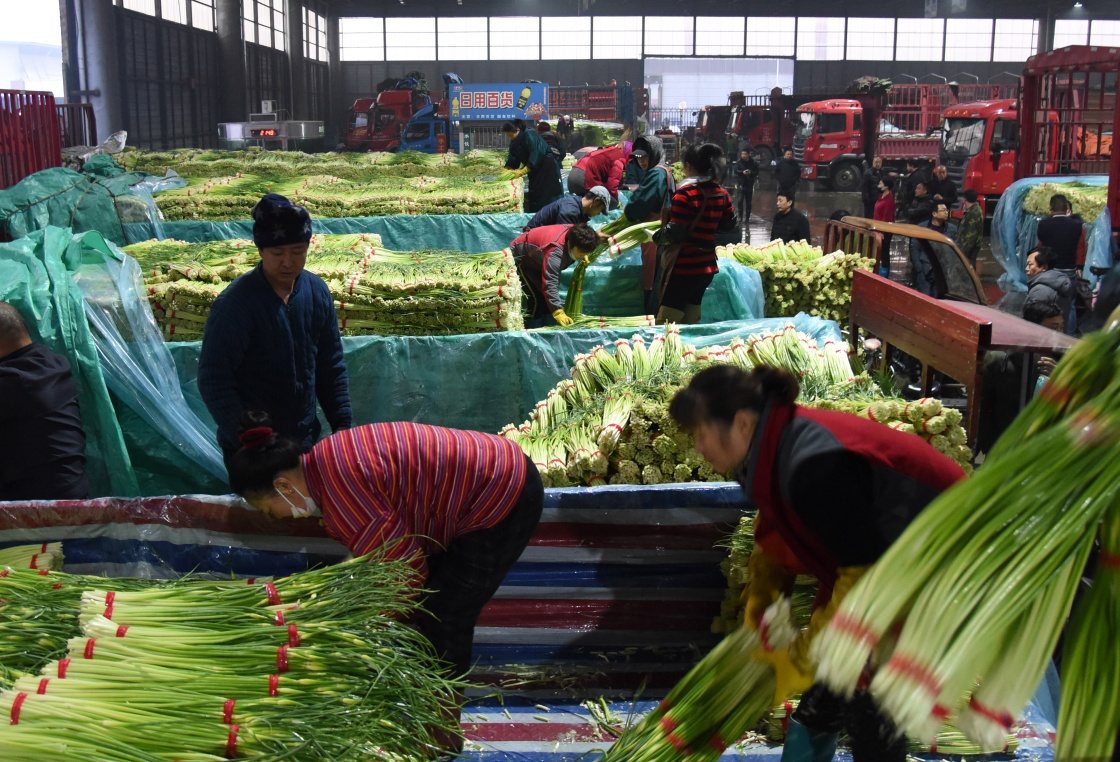
Merchant bundling garlic sprouts at a trading hall
Bundles and cases are the usual units — count the spec on the spot
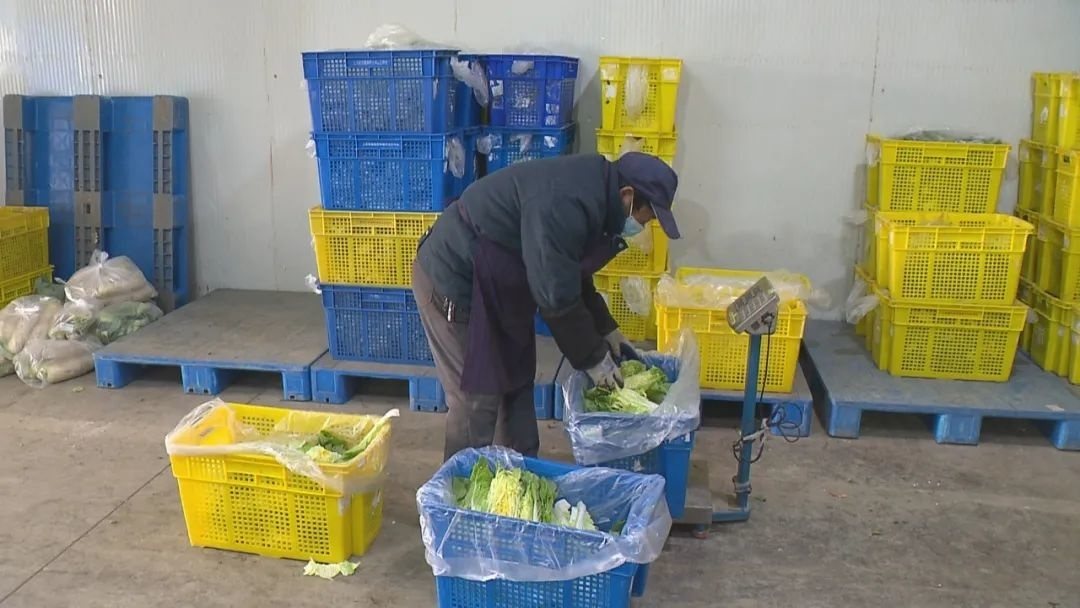
Workers packing leafy greens into crates at a cooperative sorting line
Sorting and crating: grade and case weight are fixed at this step

Packaging and units of measure at a glance

PackTypical produceUsual unitWhat to check
Foam box + iceLeafy greens, broccoli, mushrooms, sweetcornPer case, usually net weightWhether ice bottles, crushed ice and wet paper are counted; whether there is an inner liner
CartonTomatoes, peppers, cucumbers, beansPer case, commonly 5–20 kgWhether top and bottom layers match; whether the base is padded to fake volume
Woven bagPotatoes, onions, carrots, cabbagePer bag or per tonne, often grossTare, dirt, and how mixed the sizes are
Plastic crateLocal leafy greens, supermarket deliveryPer crate, returnableCrate deposit, return liability and who owns the back-haul
Loose / truck-bedBulk volume, processing inputWhole truck, weighbridgeWeighbridge ticket, tare, and who absorbs loading loss
Main products

What this market mainly sells

China grows an enormous range of vegetables, but wholesale volume concentrates in these eight groups. The buying logic inside each group transfers to the varieties around it, so learn one group and you can handle the rest.

Leafy greens

Choy sum, Shanghai bok choy, gai lan, lettuce, spinach, A-choy. Highest volume and the most fragile: they lose water fast and yellow quickly. Check for white, fresh cut ends and upright leaves; buy same-day arrivals and insist on icing.

High volume · Loses water fast

Head and brassica crops

Napa cabbage, cabbage, broccoli, cauliflower. Tolerant of stacking, which makes them the backbone of long-haul and sea freight. Judge weight-to-firmness; on broccoli check that the head is tight with no yellowing or opening florets.

Shipping-tolerant · Sea freight

Fruiting vegetables

Tomatoes, peppers, eggplant, bell peppers. Color and firmness are the grading core, and long-haul cargo should be picked at the breaker stage. Confirm the degree of color break and firmness — fully red fruit is unsuitable for long transit.

Graded by ripeness

Cucurbits

Cucumber, luffa, bitter gourd, winter melon, pumpkin. Winter melon is often traded by the truckload and priced by the tonne. Check cucumber spines and straightness; gourds bruise easily under weight and dislike chilling, so watch stack height and temperature band.

Bulk · Truckload trade

Root and bulb crops

Potatoes, carrots, white radish, onions, ginger, garlic. The most storable group — the steady base for off-season and deep-sea programmes. Check skin integrity, sprouting eyes, greening and rot; keep an eye on soil content.

Most storable · Off-season base

Beans and legumes

Yardlong beans, string beans, snap beans, edamame. Very short shelf life and temperature-sensitive. Check pod fill and snap; avoid swollen beans and rust spots, and sell close to origin or ship by air.

Short shelf life

Mushrooms

Enoki, king oyster, shiitake, oyster, button mushrooms. Mostly factory-cultivated and packed in cartons or foam boxes with very consistent specs. Check dryness, condensation and off-odors, and confirm the cold chain held end to end.

Standardized · Cold-chain critical

Alliums and aromatics

Scallions, garlic sprouts, cilantro, bird's-eye chili. Low unit value but steady demand — usually the filler line in a mixed load. Aromatics wilt quickly: watch bundle tightness and freshness, and never stack them next to ethylene-releasing fruit.

Mixed-load filler
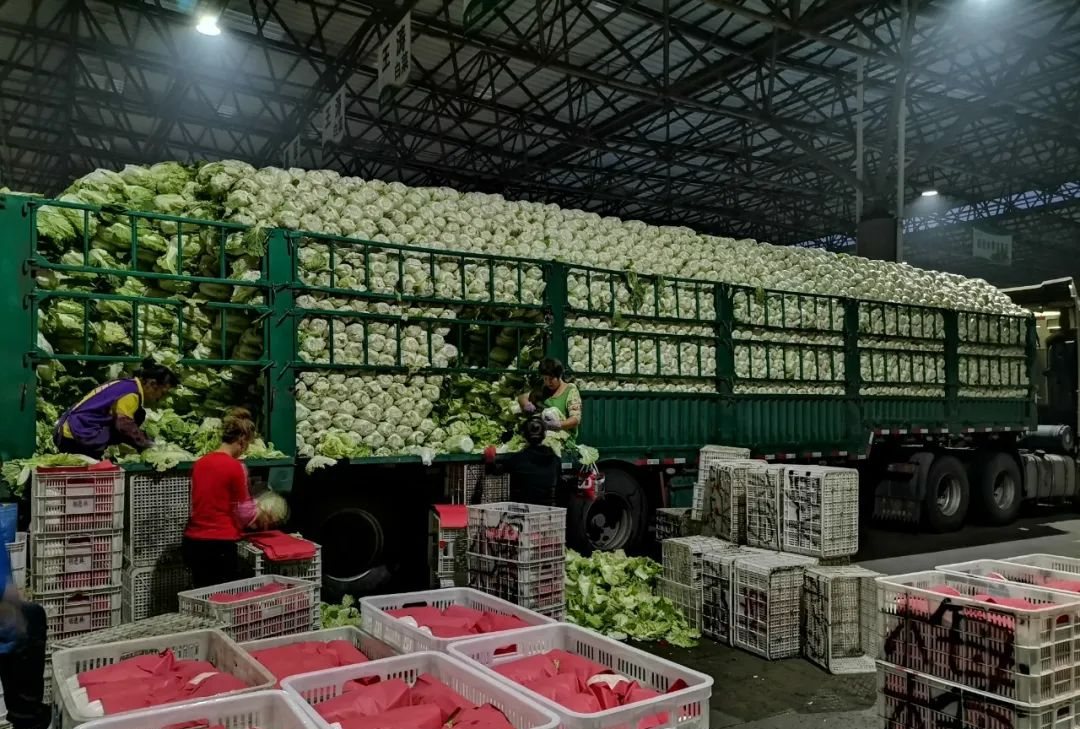
Napa cabbage being unloaded from a truck into crates
Napa cabbage: stackable, commonly traded by the truckload or by the bag
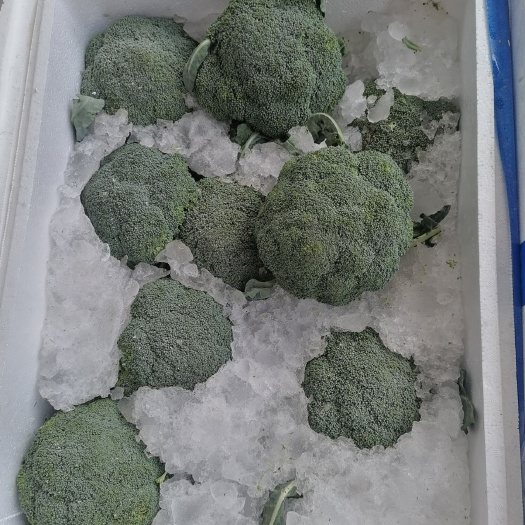
Broccoli packed in a foam box with ice
Broccoli: for crops that lose water fast, packing decides arrival quality

Season moves with the map: Chinese supply runs on two cycles — south-to-north transfer (roughly November to May, with Yunnan, Hainan, Guangdong and Guangxi moving north) and north-to-south transfer (roughly August to November). For counter-season buying, confirm the origin before you discuss spec and transit distance; price volatility is far higher.

Watch out

Ten pitfalls first-time buyers run into

Vegetable wholesale runs on trust, speed and detail. These ten problems are what first-time importers hit most often — each one is avoidable with a question asked at the right moment.

!

Gross weight sold as net

The quote looks attractive, then settlement runs on gross weight — box, ice bottles and wet paper all billed into the vegetable. Fix: ask for net and tare up front, and spot-weigh cases yourself.

!

Premium on top, standard grade underneath

You open the top layer only; during loading the lower cases are swapped or were mixed to begin with. Fix: pull random cases from the middle and bottom, and break them open yourself.

!

Case count or case weight shrinks

Agreed at 10 kg a case, arrives at 8.5 kg. A small per-case gap becomes a large number on a truck. Fix: weigh three to five cases on the spot and write the net weight per case into the order.

!

Wrong ripeness — it ripens in transit

Choosing fully red tomatoes or fully open broccoli for appearance means overripe on arrival. Fix: state transit distance and days to destination, specify breaker-stage stock, and put it in the order.

!

No pre-cooling, broken cold chain

Packed warm, or the reefer is switched off en route. Leafy greens yellow within two days. Fix: ask for pre-cooling records, require continuous cold chain, and check trailer temperature and unit operation at loading.

!

Verbal promises, no documents

"No problem," "I'll top it up tomorrow" — and nobody remembers later. Fix: put grade, quantity, spec and delivery date on an order. Written chat counts; voice messages do not.

!

Consignment price pressure and slow settlement

Goods handed to a stall for consignment sale, then payment drags or the load is dumped at a low price. Fix: start with a small trial, fix the commission rate, settlement cycle and loss allocation, and keep in/out records.

!

Export and market-access eligibility not confirmed

Vegetable exports involve growing-farm and processing-plant registration plus destination access and quarantine rules; Hong Kong/Macau supply has its own base registration. Non-compliant cargo is returned or destroyed. Fix: confirm the origin's registration status before you order.

!

Peak-season shortages and price jumps

Before holidays, in extreme weather or after a crop failure, volume and price move daily. Fix: lock supply early in peak season, keep an alternative origin, and never leave delivery until the last moment.

!

Unsafe payment routes

Large cash payments or transfers to a personal account leave no recourse. Fix: pay through the company account and formal channels, and keep the contract, weighbridge tickets, loading photos and correspondence.

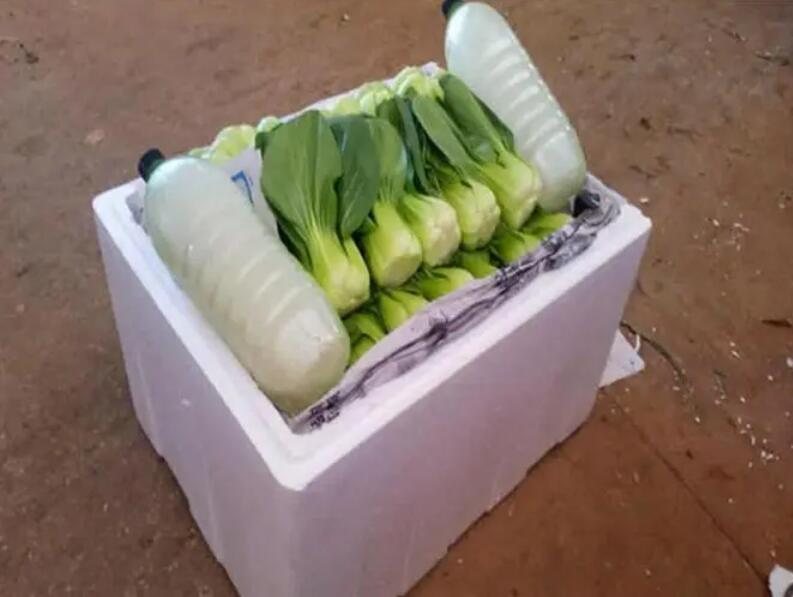
Pak choi packed in a foam box with two ice bottles
Foam box plus ice bottles: the most common long-haul leafy pack — and the easiest place to inflate weight
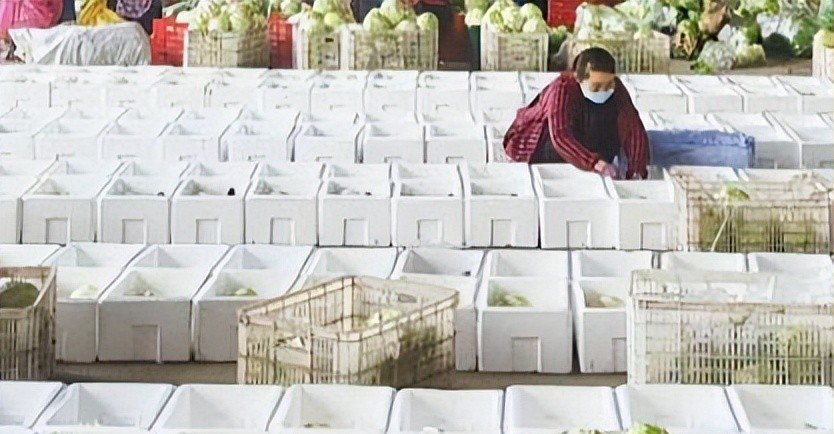
Rows of white foam boxes stacked and ready for loading
Standardized packing cuts transit loss and makes counting verifiable
FAQ

20 questions first-time buyers ask most

Written for people with no prior experience of a Chinese vegetable wholesale market. Click a question to expand the answer.

What should I prepare before my first visit to a vegetable wholesale market?+
Three things: a spec sheet listing category, grade, net weight per case, pack type, quantity and delivery window; a portable scale, or at least the habit of recording spot weights on your phone; and a way to photograph evidence. For cross-border buying, add company documents and a purchasing authorization, and line up a freight forwarder and customs broker before you travel.
What is the best time to go?+
Before dawn. Origin markets such as Shouguang start trading around 2:00 a.m.; city primary markets peak between 1:00 and 6:00 a.m. After 10:00 a.m. you mostly see tail-end and second-grade stock, so neither the price nor the quality is representative. For a first trip, stay near the market the night before.
What unit are vegetables actually sold in?+
Three common ones: by case (box, bag, crate), by weight (jin, kilo, tonne), and by whole truck on the weighbridge. Different stalls may quote the same item in different units. When you hear a price, ask for the unit first, then whether it is gross or net.
How much is a jin, and how do gross and net weight differ?+
In this trade a jin is the market catty: 1 jin = 500 g, so 2 jin = 1 kg. Gross weight includes packaging and ice; net weight is produce only. On foam-box items the gap can exceed 10%, which is why net weight belongs in the order.
Can I buy just a few cases? Is there a minimum order?+
Markets generally sell by the case, and a single stall will usually sell you a few — but at a price close to the top of the wholesale range, not truckload pricing. To get truckload pricing, either fill a truck yourself or consolidate through a stall. Minimums vary by category and market; ask on site.
How do I judge whether a batch is fresh?+
Five checks: temperature (is the trailer and the inside of the case cold?), color (dull or yellowing?), firmness or tightness (softening?), cut end and cross-section (white is fresh, brown or black is old), and uniformity across the batch. On leafy greens, the cut end and leaf posture tell you most.
Can I negotiate, and what works better than haggling?+
Yes — the bigger the volume, the more room. But negotiating the spec beats negotiating the price: for the same money, ask for heavier net weight per case, a better grade, drier goods and later ripeness. Vegetable margins are thin, and forcing the price down usually buys you a downgrade or filler weight.
Do markets test for pesticide residues?+
Large markets generally run a produce-safety testing room with sampling and rapid screening on arrivals; some require origin certificates or conformity certificates. Sampling is not full inspection, so for export orders commission independent third-party testing and keep the reports with the shipment.
How should I pack and preserve the produce after buying?+
Pre-cool first, then pack. Leafy greens and mushrooms go into foam boxes with ice bottles or crushed ice, wrapped in film and quilts. Tomatoes, peppers and gourds go into cartons with vent holes. Potatoes and onions can travel in woven bags. Do not mix categories in one box, and never stack ethylene-releasing fruit against leafy greens.
Can it go by air and by sea?+
Both. Short shelf-life items — leafy greens, beans, mushrooms — move by reefer air freight. Storable items such as potatoes, onions, carrots, cabbage and pumpkin can go by reefer sea freight at a lower cost but longer transit. The choice follows shelf life, delivery window and destination access rules, not freight rate alone.
Where do I start if I want a Hong Kong-supply vegetable supplier?+
Do not look for a seller at Cheung Sha Wan — wholesale there is restricted to registered buyers. Work backwards instead: define the category and spec, then approach a processing plant holding both Hong Kong/Macau growing-base registration and processing-plant registration, and let them bring the base into the conversation. Hong Kong-supply enterprises cluster around Shenzhen, Dongguan, Huizhou, Qingyuan and Hezhou in Guangxi, and registration records are publicly searchable.
What paperwork does vegetable export require?+
The export food raw-material growing farm must register with the local customs office, and the packing/processing plant must register as an export food production enterprise; destination-market access and quarantine requirements also apply. Hong Kong- and Macau-bound vegetables need separate growing-base and processing-plant registration. Use an experienced forwarder or customs broker to run it in parallel.
Can an individual or small company buy at Cheung Sha Wan?+
No. Cheung Sha Wan is a wholesale market and buyers must be registered — wholesalers, retailers or institutional caterers. It does not sell retail to walk-in customers. Individuals wanting small quantities have to buy through a wholesaler or processing plant, and small volumes will not get wholesale pricing.
Why is the Hong Kong channel more expensive than domestic supply?+
Four cost layers: base registration and compliant pesticide practice at the farm; grading, pre-cooling and packing at the plant; batch testing and border clearance; and mandatory end-to-end cold chain. For the same spec it generally prices above domestic supply — but that price is traceable and claimable, not a simple premium.
How do I pay safely, and can I buy on credit?+
For a first transaction, keep it small, pay on shipment or against partial prepayment, and discuss credit only after a track record. Use the company account, and keep the contract, weighbridge tickets, loading photos and correspondence. Large cash payments and transfers to personal accounts leave you with no recourse.
I don't speak Chinese. How do I communicate on site?+
Bring a translation device, or appoint a local sourcing agent or inspection service. The more reliable habit is to write the spec, quantity and unit price on paper or in an electronic order and have the seller confirm it — written numbers fail far less often than spoken ones.
Can I get a VAT invoice and a certificate of origin?+
Yes, but ask early. Many market stalls are individually owned, so whether they can issue an invoice, which type, and at what tax rate must be confirmed in advance. Certificates of origin and test reports also need to be requested when the order is placed — retroactive requests usually come too late.
What loss rate is normal?+
It depends heavily on category, season, transit distance and packing. Storable root crops lose very little; leafy greens and mushrooms lose much more in long transit, especially in summer. Put an acceptable loss rate into the contract and agree how excess loss is handled before shipping.
Can a market stall source and ship on my behalf?+
Many stalls offer sourcing, packing and dispatch services, which suits overseas buyers without staff on the ground. Before using one, fix the commission, inspection standard, loading standard, how documents and photos are reported back, and run a small first order.
If I only need one or two small orders, is a trip worth it?+
For pure trial sales, you can buy small volumes through a stall or trader without traveling. If you intend to build a real programme and control both quality and cost, one trip to see goods, meet people and learn the process is usually the best money you will spend.

Sources & scope

Where the figures come from

Volume and share figures are from public releases by municipal governments, market operators, China Customs and Hong Kong's Agriculture, Fisheries and Conservation Department. Accounting years differ (2021–2026) and are stated with each figure; none of them is a price or a quotation.

Compliance note: this page is an objective sourcing reference prepared by a licensed NVOCC and freight forwarder. It does not quote rates, does not solicit orders and does not guarantee market access for any specific commodity. Import requirements differ by destination; confirm them with your customs broker before booking cargo.

Moving fresh vegetables from a Chinese market to your market?

Goodhope Freight handles reefer air and sea freight, pre-cooling coordination, export documentation, China customs clearance and door-to-door delivery. Tell us the category, volume and delivery window, and we will come back with a routing plan and a quote — typically within 24 hours.

Get a Free Quote