
Supplier Risk
Dual sourcing is not a second quotation. It is a second qualification, and the cost of it sits in tooling, in split volumes and in a certificate that does not transfer.
Contents
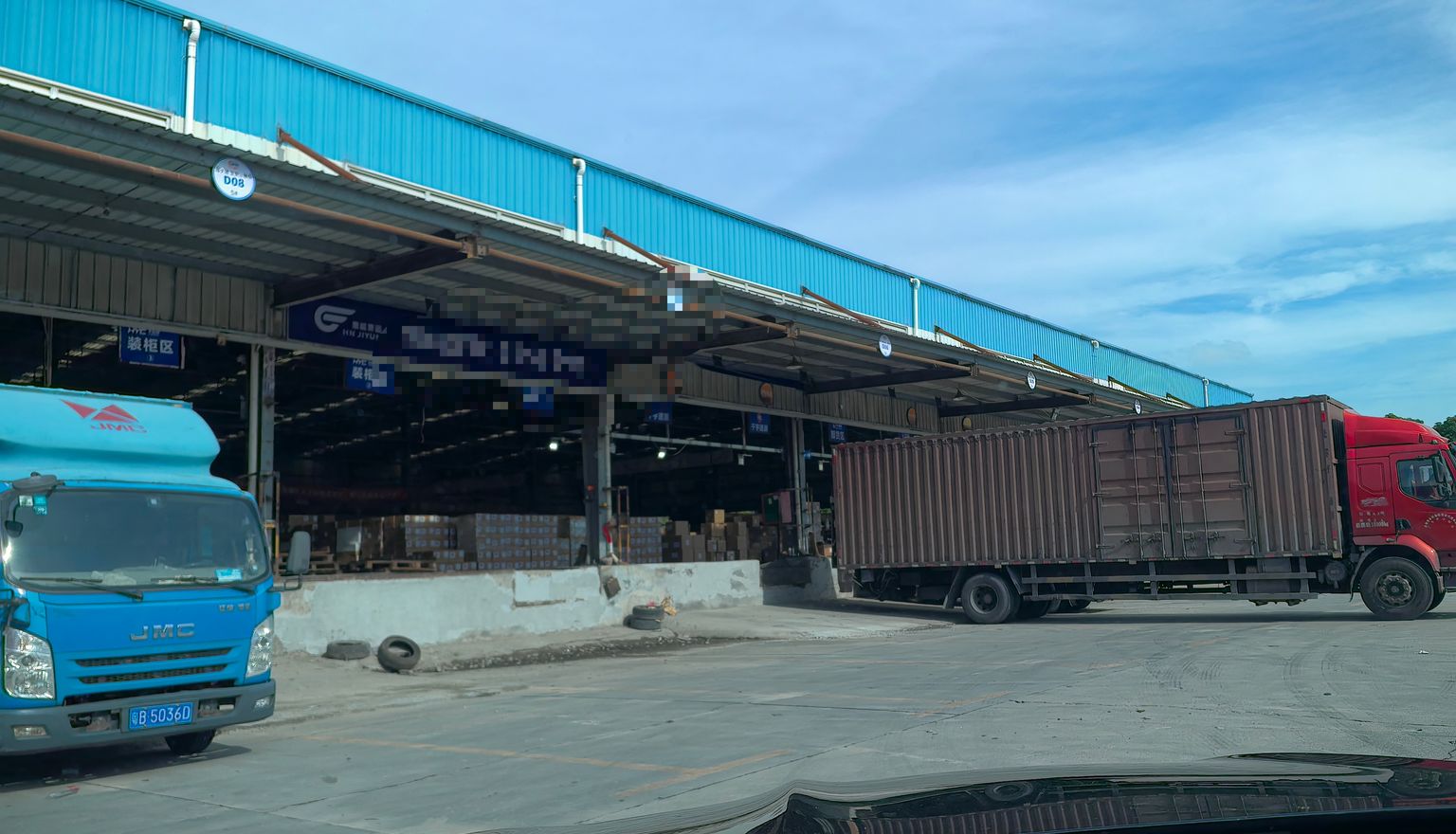
Most buyers collect a second price and call it a backup. A price from a factory that has never made the product tells you what somebody hopes it will cost, not what a second source can deliver in the month you need it.
A real second source has passed a sample, holds the specification, has run at least one production lot, and can take an order inside the lead time you actually work to. The gap between a quotation and that position is weeks of work and a real amount of money, which is why most buyers do not have one and discover the need in the month the first supplier fails.
The trigger is usually one of four: capacity in a peak season, a price that has stopped being competitive, a tariff or origin rule that rewards a different production base, or a single factory fire, flood or labour dispute that removes a quarter of your supply in a week.
Four lines, and only one of them is the unit price.
Set against that: the cost of a month without stock, or a season bought at a spot price. Dual sourcing is insurance with a premium, and like most insurance it looks expensive until the year it is used.
Full duplication is rarely the right answer for a small importer. Three lighter models cover most of the risk.
Dual production. Two qualified factories, with a standing split, commonly 70/30, reviewed each season. The most resilient and the most expensive, appropriate where the product is the business.
Qualified but idle. A second factory has passed a sample, holds the specification and the artwork, and is capable of taking an order but currently receives none. Costs a fraction of dual production and covers the failure case rather than the price case. It requires a small order at least once a year to keep the qualification alive, because a factory that has not run your product for two years has effectively not run it.
Component-level second source. The finished assembly stays with one factory, but a critical component, a motor, a fabric, a printed carton, has an approved second supplier. Cheaper and faster, and it covers the most common single point of failure in Chinese manufacturing, which is usually upstream rather than at the assembly line.
Qualification is a sequence, and each step can fail.
Start with the checks that cost nothing: licence, public record, scope of business, customs registration. Then a sample against the written specification, not against a photograph. Then the compliance step, which is where many second sources stop, because the factory may hold no certificate for the product and no test report for the material. Then an audit, if the order size justifies one. Then a trial order at real volume, inspected, because a sample made by the sample room is not evidence about the production line.
Only after the trial order should the second factory appear on a purchase order as a normal supplier. Twelve to sixteen weeks is a realistic span for that sequence with a cooperative factory and no certification delays. Compressing it is possible and it moves risk rather than removing it.
This single point derails more second-source plans than any other, and it is purely documentary.
A CE marking on most consumer products is a declaration by the manufacturer, supported by a technical file and test reports. A new factory is a new manufacturer, so it needs its own declaration, its own technical file and its own test evidence. The old certificate does not cover the new factory's product even when the design is identical, because the declaration is about who placed it on the market and what they can show.
The same applies to UKCA, to FCC equipment authorisation and to most product safety schemes. Test reports belong to the sample tested and to the laboratory that tested it, so a report on the old factory's sample is evidence about that sample. A second factory's sample has to be tested.
Add the commercial layers: the artwork, the label language, the barcode and any retail customer approval. Each has to be re-approved for the new source, and a retail customer's approval of a factory can take as long as the production itself.
A second factory packs differently, and the difference shows up in the freight rather than in the invoice.
Carton dimensions decide how many cartons fit on a pallet, how many pallets fit in a container, and therefore the cost per unit. A carton five millimetres larger on each side can drop the container load by a pallet, which on a forty-foot container is a measurable sum spread across the shipment. Inner packing changes the carton weight, and carton weight changes the manual handling limit and the pallet stacking height.
The same problem appears in the master data. Two factories producing the same SKU with different carton dimensions are two different freight profiles, two different warehouse slotting decisions and, if you sell online, two different fulfilment calculations. Fix the carton specification as part of the qualification, not after the first shipment arrives.
There is an origin dimension too. A second factory in a different province, or in a different country, can change the origin of the goods and therefore the duty and any preferential rate you were relying on.
A qualified factory that receives no orders becomes an unqualified factory within two years. People leave, lines change, the salesperson who remembers your specification moves to a competitor.
Three habits keep the option alive without paying for full duplication. Place one small order a year at a volume the factory will accept, and inspect it. Send the updated specification and artwork whenever they change, and ask for written confirmation. Keep a named contact and speak to them on a schedule that has nothing to do with a problem.
The cheapest version is honest: tell the second factory that they hold a share of the business and name the review date. Factories allocate capacity to buyers who are straightforward about where they stand, and a supplier who believes they are a real alternative behaves like one when the call comes.
Three cases where the second source costs more than the risk it covers.
Where the product is highly customised and tooling is expensive: duplicating the tool is often the whole margin on the first two orders. Where the annual volume is small enough that splitting it puts both factories below their minimum and raises the unit price on both. And where the real risk is not capacity but quality, because a second factory does not fix a specification problem, it multiplies it.
In those cases the better use of the same money is a deeper relationship with one factory: a longer forecast, a shared quality plan, paid capacity in the peak season, and an inspection regime that catches problems while they are still cheap to fix.
Q How long does it take to qualify a second supplier?
Twelve to sixteen weeks is realistic: sample, compliance documents, audit where justified, and a trial production order that is inspected. Certification of the new manufacturer is often the longest step, and retail customer approval can add more.
Q Can I use the first factory's CE certificate for the second?
No. A CE declaration is made by the manufacturer placing the product on the market, supported by its own technical file and test evidence. A different factory is a different manufacturer and needs its own declaration and testing.
Q Is dual sourcing worth it for a small importer?
Often as a qualified-but-idle arrangement rather than dual production. A second factory that has passed a sample and holds the specification covers the failure case at a fraction of the cost of splitting volume.
Q What does splitting an order cost?
Usually a higher unit price at both factories, because setup and minimums are amortised over less. The premium is the price of the option, and it is worth calculating before deciding how to split.
Q Why does a second factory change my freight cost?
Because carton dimensions and packing method set how many units fit in a container. A different carton is a different cubic volume for the same goods, and on a full container that changes the cost per unit.
Q Should the second factory be in a different country?
Only if duty, origin rules or a specific risk justify it. A different province already diversifies fire, flood and labour risk, and keeps the logistics simpler. A different country changes the origin of the goods and every document that follows from it.
Related pages
Send us the carton specification from both factories. We will show you what the difference does to the container load before you commit the season to either one.
Email sales8015@goodhopefreight.com | WhatsApp & phone +86 133 9216 2503