2026-11-08 · Batch 10 · money, risk and the long game
2026-11-06 · Batch 9 · first-shipment mechanics
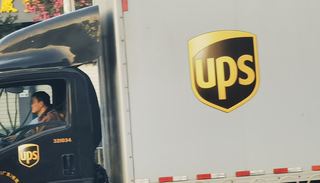
One Carton, Not One Container: What Couriers Cannot DoWhere the express network stops: weight and size limits per piece, clearance rules above the low-value threshold, the four cargo types that fail at the counter, and the point where a parcel has to become a freight shipment. 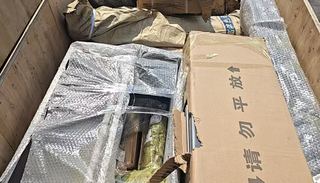
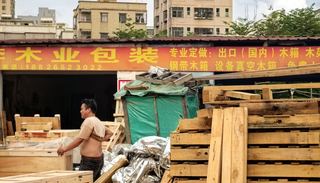
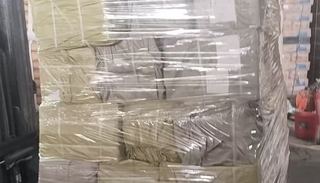
Selling Through Amazon FBA After a Sourcing TripWhat changes when the destination is a fulfilment centre rather than a warehouse: delivery appointments, pallet and label specifications, who is the importer of record, and the calendar that decides your launch date. 
Sending Goods Back: Returns, Repairs and Rework in ChinaThree flows that look identical and clear differently: a return for credit, a repair and re-export, and a rework before reshipment. What customs wants to see, what the freight costs, and when scrapping is the cheaper answer. 
The Account Changed, and the Message Was UrgentWhen the account details change mid-order: why the beneficiary name has to match the contract, the three legitimate reasons for a different payer or payee, how to verify without accusing anyone, and what to do if the money has gone. 
What an NVOCC Is, and Why It Is on Your Bill of LadingA carrier that owns no ships, a bill of lading with a name you have never heard of, and the licence number that decides whether the arrangement is normal or a problem. How to read the document you are asked to accept. 
2026-11-05 · Batch 8 · destination guides


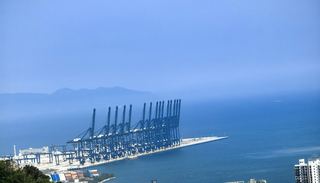
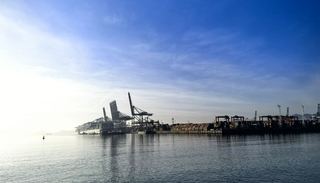
One Region on the Map, Six Different BordersWhy ASEAN is not a customs union, how Singapore, Malaysia, Thailand, Vietnam, Indonesia and the Philippines differ on tax, licences and low-value goods, and where a regional warehouse pays. 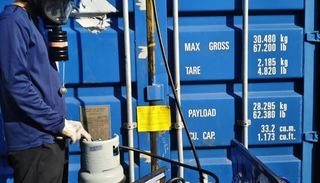
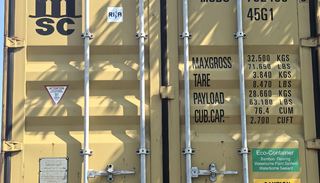
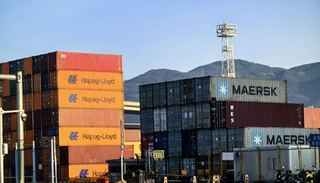
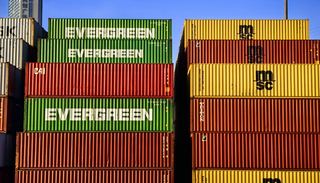

The Port Is Only Half the DistanceCargo tracking notes that must be issued before loading, pre-shipment conformity for Nigeria, Kenya and Tanzania, the ports where containers wait, and what the inland leg really adds.
2026-11-03 · Batch 7 · after the fair
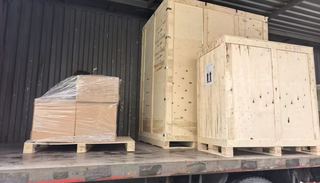
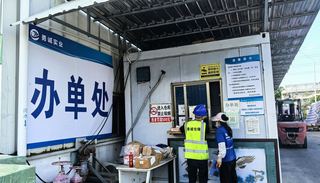
Switching Suppliers Is a Project, Not a DecisionThe signals that justify leaving a Chinese supplier, what switching actually costs in tooling and certification, how to run two sources in parallel, and the exit terms worth agreeing before you need them. 

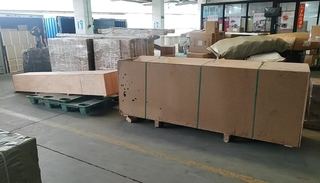

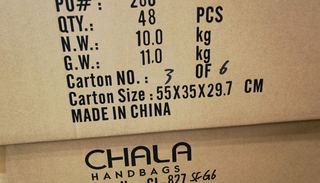
2026-11-02 · Batch 6 · category deep dives

304 or 201 Decides More Than the Price of a PanChoosing cookware and housewares in Guangzhou: how to tell stainless grades apart at a booth, what a food contact declaration has to name, why melamine and glaze matter, and how breakage prices freight. 


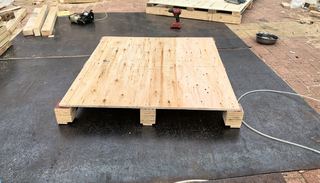

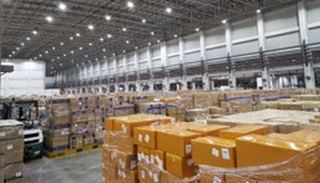
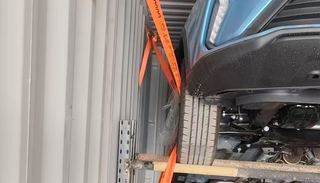
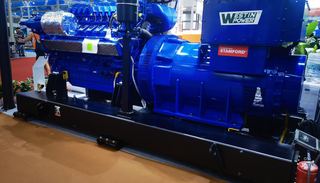
Tools Are Sold by the Piece and Shipped by the KiloHand tools and hardware are dense cargo with a finish problem: what decides the freight, why plating and salt spray hours matter, how tool sets split across tariff lines, and how packing protects an edge.
2026-11-01 · Batch 5 · money and supplier risk

A Letter of Credit Tests Documents, Not GoodsWhat an LC guarantees and what it does not, the four banks in the chain, where the fees accumulate, why first presentations get refused, and when a 30/70 transfer is the better instrument. 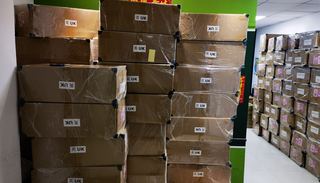
Four Public Checks Before the Deposit LeavesThe business licence, the public credit record, the scope of business and the customs registration: what each proves about a Chinese supplier, what it does not, and how to read a bad result. 


2026-10-29 · Batch 4 · compliance and documents
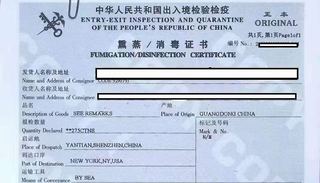
A Certificate of Origin Is Not One DocumentThe difference between preferential and non-preferential origin certificates, which agreement each form belongs to, how rules of origin are actually tested, and the paperwork mismatches that get a claim refused at the border. 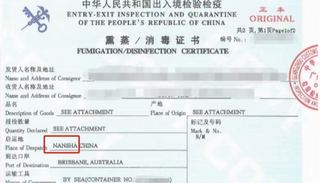
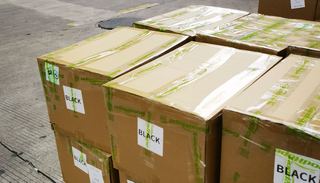
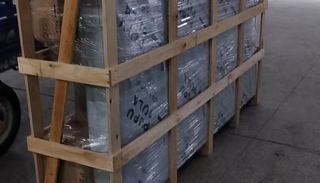
A Pallet Without a Stamp Can Stop a ContainerWhat ISPM 15 covers and what it leaves out, how heat treatment and fumigation differ, how to read the IPPC stamp, and why a repaired or reused pallet is the most common cause of a refused container. 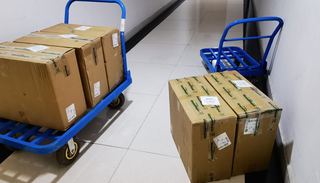
Four Marks, Four Different JobsWhat each conformity mark actually asserts, which market it covers, who signs the declaration, what a test report proves and what it does not, and the documents to collect before the container is booked. 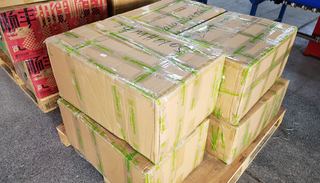
If It Touches Food, It Is Regulated as a MaterialWhich products count as food contact materials, what the EU framework and plastics rules require, how ceramics, glass, metal and bamboo are treated, and which declaration has to travel with the goods. 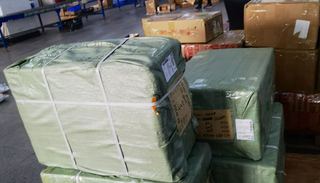
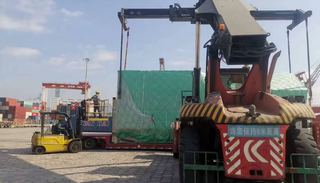

The Mark on the Carton Is a Legal StatementWhich imports must carry a country of origin mark, what legible and permanent mean in practice, where the EU and the US rules differ, and how marking interacts with the description on the invoice. 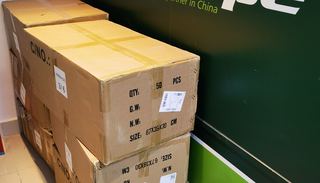
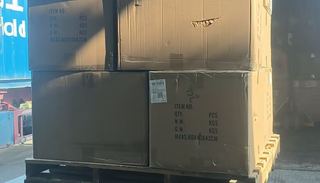
Three Questions Customs Asks, and How to Answer ThemWhat customs is trying to establish when it queries a shipment, how transaction value is built and what gets added to it, why a low declared value is a poor trade, and the records that answer a query in a day. 
Two Documents Decide Whether the Container ClearsThe fields a commercial invoice and packing list must carry, the four mismatches that stop a container, how to declare samples and free goods, and what to fix at origin rather than at destination.
2026-10-28 · Batch 3 · Freight decisions: ports, quotes and what arrives after
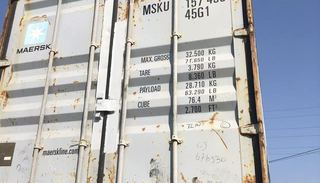

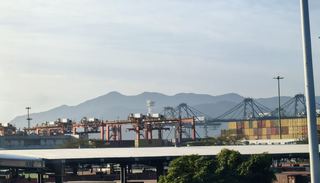
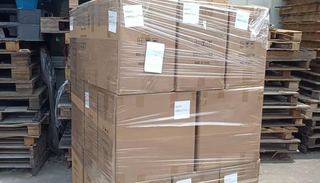
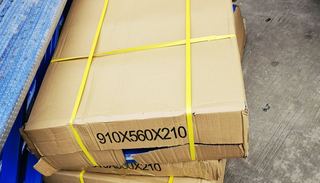
Reading a Freight Quote: Every Line, and What It BuysThe lines that make up an export freight quote, from terminal handling and documentation to VGM, seal and telex release, which charges are optional, and the questions that turn an all-in number into a comparable one. 
Ten Questions, and the Answers That Should Worry YouTen questions that separate a forwarder who can move your cargo from one who can only quote it: licence, inclusions, destination costs, cut-off policy, claims handling and the name of the person who answers at midnight. 
The Invoice That Arrives After the Container DoesTerminal handling, delivery order, documentation, demurrage and detention at the arrival end: what each charge is for, who raises it, why it never appears in a Guangzhou quote, and how to get the number before you book. 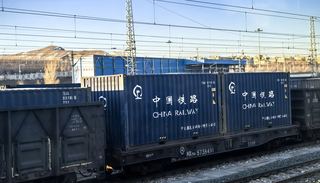
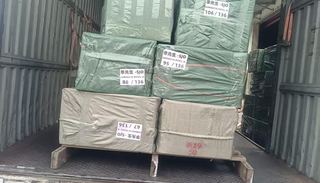
Three Words Buyers Use for Two Different ServicesGroupage shares a container with other shippers; consolidation fills your own container from several factories. What separates them, when each one pays, and the warehouse costs that decide the answer. 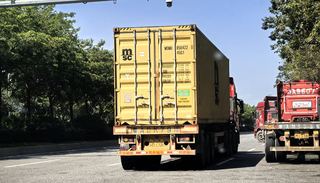
2026-10-28 · Batch 2 · Working the fair: floor, booths, data and money

A Chinese Quotation Is Not a Landed CostWhat sits between an EXW unit price and goods in your warehouse: origin fixed charges, freight, duty, destination fees, and the four lines a supplier quotation usually leaves out. 
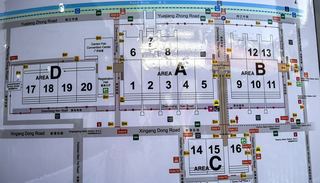
How Money Actually Moves in GuangzhouSetting up Alipay and WeChat Pay with a foreign card, where Visa still works, how much cash to carry, and why a supplier deposit must never leave for a personal account. 
Leaving the Fair With Data You Can Actually UseA capture routine that survives the flight home: booth number first, one page per supplier, the six numbers a quotation needs, and why carton dimensions matter more than the catalogue photo. 


2026-10-27 · Batch 1 · Getting in, getting around, getting cargo out

Booking a Pre-Shipment Inspection Around the Canton FairAn inspection booked after the goods are packed is an inspection that delays the vessel. Covers the three points at which to inspect, what AQL 2.5 actually means in pieces, who performs the check, what it costs, how to write a brief a stranger can work from, and what to do when it fails. 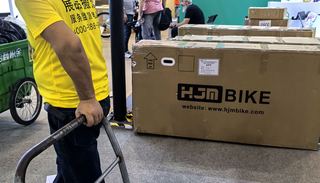
Collecting Samples from Twenty Suppliers and Shipping Them as One ConsignmentSamples from a week of booth visits arrive as twenty small parcels from twenty factories at twenty different times. Covers who pays for samples, how a consolidation warehouse receives and checks them, when to combine and when not to, the channel choice between express, air and sea, and the cargo that breaks the plan. 
FOB, CIF or DDP: Who Pays for What on a Canton Fair OrderMost Canton Fair quotes are FOB and most first-time buyers assume that means delivered. Covers what FOB includes and where risk actually transfers, why CIF insurance is minimum cover, why DDP is not always possible or legal, a line-by-line cost table across the three terms, and the trap in a quote that looks too cheap. 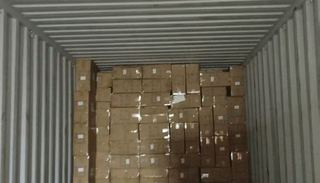
How Long a Canton Fair Order Really TakesA canton fair order does not start when you sign and does not end when the ship sails. Breaks the chain into production, inspection, booking, trucking, export clearance, ocean or air transit, destination clearance and delivery, with realistic day ranges for each and the five things that actually cause delay. 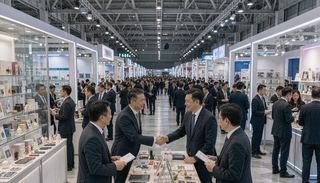

Registering for the Canton Fair as an Overseas BuyerA buyer badge is not a ticket and cannot be bought at the gate. Covers pre-registration on the buyer system step by step, the invitation letter and the M visa, where the badge is actually collected, how to badge a Chinese assistant or interpreter (two per buyer, per phase, RMB 300 a day), and the six reasons applications come back rejected. 
Visiting the Factory While You Are in GuangzhouMost exhibitors sit within two hours of the fair, which makes a factory visit possible between phases. Covers which industrial belts are reachable in a day, realistic drive times from Pazhou, what to look at once you are inside, the questions that reveal a trading company, and why the changeover days are the best factory days of the trip. 
Where to Stay for the Canton FairPazhou Island, Zhujiang New Town, the old city and the outer districts each give a different morning. Covers what each ring costs in travel time to the gates, how rates move across the three phases, when to book, what the metro does at 08:30, and what to do if you are booking late.