
Terms
One number is easier to compare and harder to check. The difference between the two is who owns the shipment.
Contents
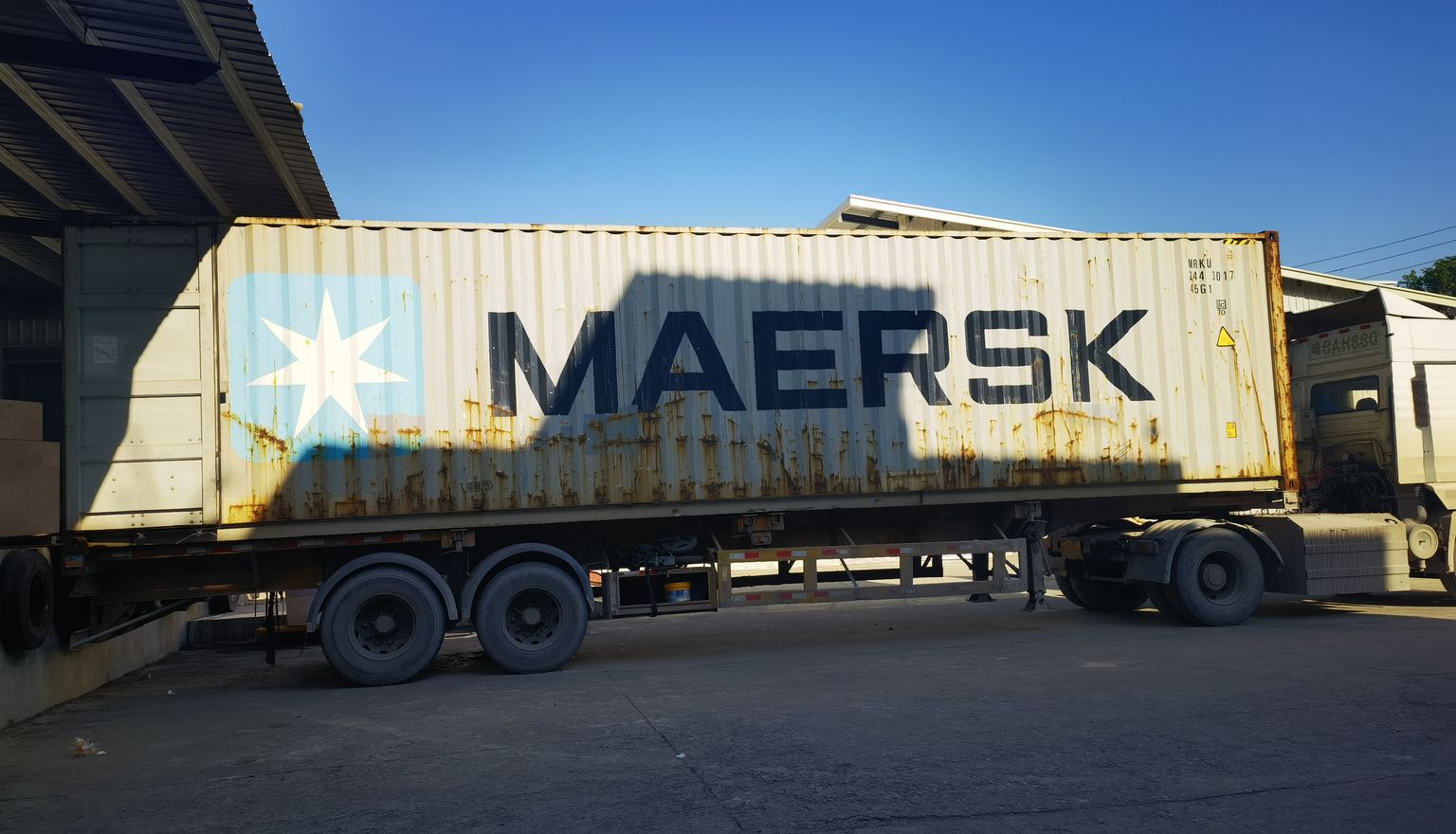
A supplier who quotes a delivered price has removed a decision from your desk. No forwarder to find, no port charges to compare, no argument about who books what. For a first order from a factory you have known for two days, that is genuinely attractive, and it is why the offer works.
The simplicity is bought by giving up visibility. A delivered price bundles four things that were previously separate: the goods, the inland movement, the international freight, and the destination charges. You can compare the total against another total, and that is all you can do with it. You cannot tell whether a difference between two suppliers is a cheaper factory or a cheaper freight arrangement, and those two answers lead to different decisions.
There is also a structural point. A factory is paid to make things. Freight is a secondary activity for most of them, handled by a forwarder they use for everything, sometimes with a markup applied to the whole invoice rather than to a service line. Nothing about that is dishonest. It is simply a cost you have not been shown and cannot check.
The single most consequential line in a supplier-arranged shipment is the shipper field on the bill of lading. If the supplier is named as shipper, they are the carrier's customer. They receive the draft, they approve the release, and they decide when the original set moves. You are the consignee, which means you receive the cargo when the document arrives, not when the container does.
In a dispute, that position is weak. A supplier holding the bill of lading holds the goods, even though you have paid for them and even though the container is already at sea. This is the mechanism behind most of the stories buyers tell about cargo being stuck at destination for reasons nobody will explain.
If the freight moves on your forwarder's booking, the shipper on the bill is usually your forwarder or you, and the supplier appears as the party who delivers to the terminal. The supplier's leverage after loading drops to the documents they still hold, such as the certificate of origin, rather than the transport document itself.
Ask the question before the order, in plain terms: whose name will be in the shipper box, and who approves the release at destination. A supplier who answers both clearly is a supplier who has done this properly before.
Every delivered price contains an Incoterm, whether or not the invoice names one. Usually it is DAP or DDP to your door, sometimes CIF to your port with the inland leg quietly excluded.
That matters because a term decides obligations, not only costs. Under DDP the supplier is the importer of record, which requires a party in your country able to file the entry. Where that party does not exist, the delivered price is really DAP, and the duty, the tax and the customs broker are waiting for you at the border with an invoice attached.
It also decides who carries the risk in transit. Under CIF, risk passes at the origin port even though the seller pays the ocean freight, and the insurance cover is the minimum the rule requires. Under DAP, risk passes at the named place, which is better for you, provided the insurance behind it actually exists and names you as a party who can claim.
Ask for the term in writing, with the named place. An invoice that says delivered, without a term and a place, is a price with the obligations left undefined, and undefined obligations are settled later, by whoever has the cargo.
Forwarders earn a margin. That is not a problem, and pretending otherwise leads buyers to chase a number that does not exist. The question is whether the margin is visible, reasonable and attached to a service you can name.
A normal quotation shows ocean freight, origin charges, destination charges and a documentation fee as separate lines. A bundled quotation shows one ocean freight number that includes the origin handling. Both are legitimate. Only the first lets you compare across forwarders, because you can see which component differs.
When a factory bundles freight into a product price, the margin is invisible and is usually a percentage of the whole invoice rather than a fee. That is what makes the delivered price hard to argue with: there is no freight line to dispute, only a total that either fits your target or does not.
There is a version of this that works in your favour. A factory shipping large volumes on a lane can buy space more cheaply than you can, because it has a volume commitment with a forwarder. On a competitive lane, their all-in number can genuinely beat a one-off spot quote. The way to find out is to price the same order both ways rather than to assume either answer.
A supplier-arranged shipment produces a thinner file at your end. The documents you receive are the ones needed to collect the cargo: the bill of lading, the invoice and the packing list. The documents you do not receive are the ones that explain how the cargo got there.
You will typically not see the master bill of lading, which is the carrier's contract with whoever booked the space, or the house bill, which is the forwarder's contract with the shipper. If a dispute arises about a rollover, a demurrage charge or a port storage fee, those documents hold the dates and the parties, and asking for them three weeks after the event is harder than asking at booking.
You will not see the export declaration, which states the value and the classification the goods left China under. That matters more than it sounds: the declared value at export and the value at import should be consistent, and inconsistency is one of the things a destination customs authority asks about. It is also the record you need if a certificate of origin is ever queried.
You may not see the insurance certificate at all. Under CIF the seller must insure, and the cover they buy is the minimum. A buyer who has never seen the certificate does not know whether the clauses are A or C, or whether the assured is a party who can claim.
Lateness is where the difference between the two arrangements becomes visible, because the information path is different. On your own booking, your forwarder hears about the rollover from the carrier and tells you the same day. On a supplier-arranged shipment, the information reaches the factory's forwarder first, then the factory, then the salesperson, then you, and each step costs a day.
The financial exposure is also different. Destination charges, detention and demurrage accrue against the party who holds the contract with the carrier or the terminal. If that party is the supplier's forwarder, you may find charges appearing on your invoice at delivery without any of the detail behind them.
There is one more asymmetry worth knowing. A supplier who is also the shipper can decide to hold the cargo if a commercial dispute develops, and a container that is already at your port can sit there while the argument runs. On your own bill of lading, that lever does not exist.
None of this means the offer is a trap. It means the offer should be accepted with the questions answered: whose booking, whose bill, which term, which insurance, and who pays a charge that arises after loading.
The cleanest test costs nothing and offends nobody. Ask the supplier for two prices: the delivered price, and the price at the port or at the factory gate with the export declaration handled. Then price the same order with a forwarder of your own, using the same cargo ready date, the same port and the same destination.
What you learn is diagnostic rather than decisive. If the two totals are close, the factory is buying freight competently and there is no reason to move the booking. If the delivered price is materially higher, you have found a margin you can choose to keep. If the delivered price is materially lower, look at what is missing: the insurance, the destination charges, the duty, or the last mile.
Ask for the comparison on the same week. Rates move, and a comparison against a quote from three weeks ago tells you about the market rather than about the supplier.
Then decide on the basis of control rather than price, on a first order. The difference between the two arrangements is usually a small percentage of the order value, and the difference in leverage, information and document access is not small at all. Once the lane is proven and the volume is steady, the calculation changes and the cheaper number deserves to win.
Q Is it bad practice to let a Chinese supplier arrange the shipping?
No, and for a small first order it is often the pragmatic choice. What matters is knowing what you gave up: control of the booking, the shipper position on the bill of lading, and visibility of the freight cost and the insurance. Ask for the term and the shipper name before you accept.
Q Who should be named as shipper on the bill of lading?
Ideally your forwarder or your own company, because the shipper controls the release. Where the supplier is the shipper, the consignee receives the cargo when the document is released, which is a weaker position if a dispute develops after the container has sailed.
Q The supplier says the price includes everything. What should I still expect to pay?
Usually destination-side charges and import duty and tax, unless the term is DDP with a party who can act as importer of record. Ask for the term and the named place, then ask which charges are excluded. Anything described as everything is a description, not a term.
Q Can a supplier really beat my forwarder on freight?
Sometimes, yes. A factory shipping regularly on one lane has volume behind it and can buy space more cheaply than a first-time importer buying a single spot slot. Whether it does in your case is answered by pricing the same order both ways in the same week.
Q What documents should I insist on receiving even if the supplier books?
The bill of lading, the commercial invoice, the packing list, the certificate of origin if the goods qualify, the insurance certificate if CIF applies, and a copy of the export declaration. The last two are the ones most often missing and the ones hardest to obtain later.
Q If the container is late, who pays the storage at destination?
Whoever holds the contract that created the charge, which is usually the party named on the booking. Ask before shipping how post-loading charges are allocated, and get it in writing. A delivered price that does not mention them is not a price that excludes them.
Related pages
Send us the product, the carton count, the cargo ready date and the destination. We will price the same order on our own booking so you can see what the delivered price contains, and what it leaves at your door.
Email sales8015@goodhopefreight.com | WhatsApp & phone +86 133 9216 2503