
First Shipment
A booking is a reservation for space on a named vessel with a container attached. Everything else, the truck, the declaration, the paper, is a separate purchase.
Contents
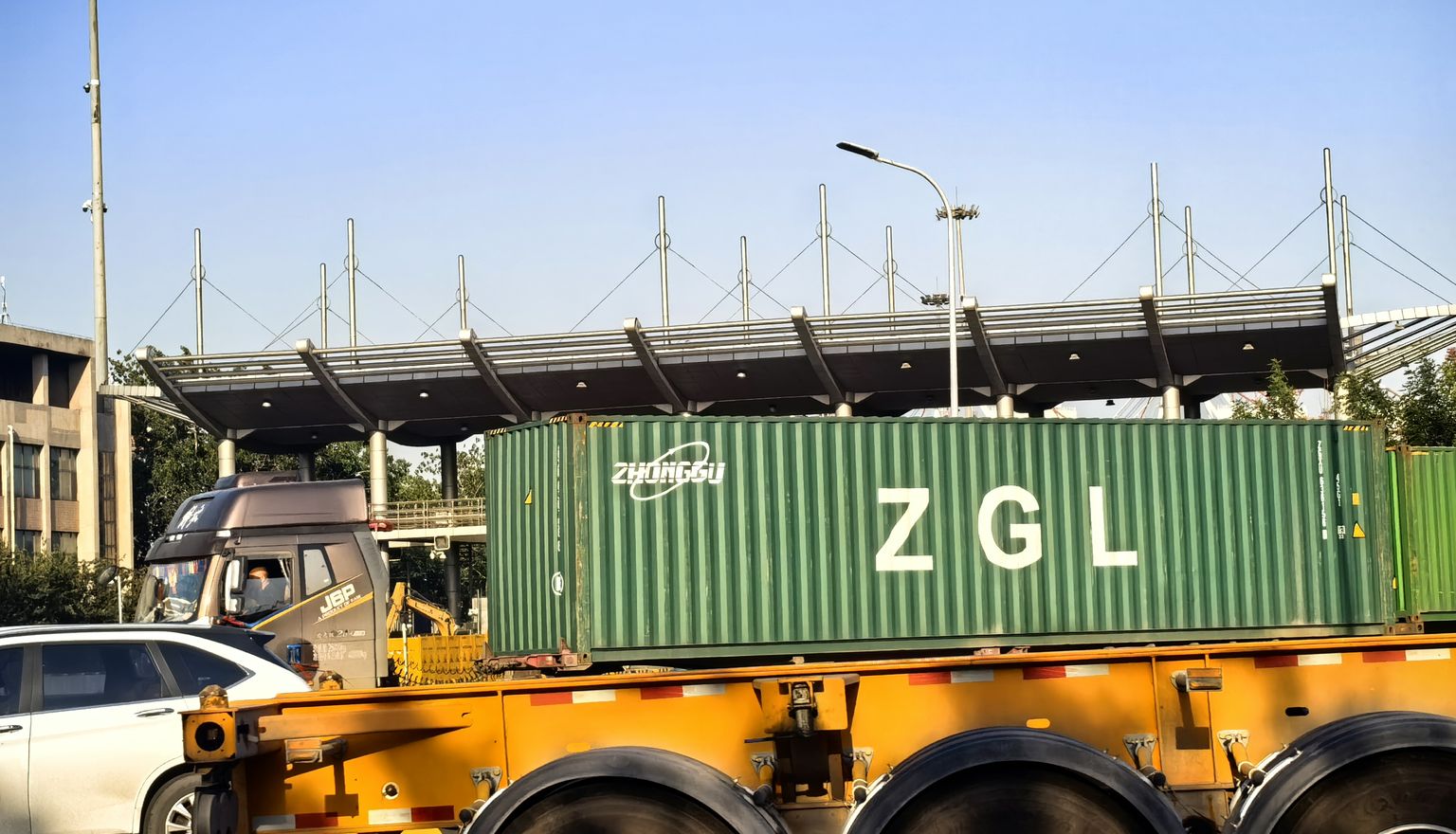
A booking confirmation is a short document. It names the vessel, the voyage, the port pair, the container type and quantity, the commodity, the shipper and consignee, and it states a closing time for documentation and a gate-in deadline for the container. That is the whole promise: space on that ship, if the box arrives before the gate closes.
Everything a first-time importer thinks is included is not. The ocean freight moves the box between two ports. The truck that brings the empty to your factory, the export declaration filed with Chinese customs, the terminal handling, the bill of lading, the telex release and the delivery order at destination are all separate items, and on a direct booking most of them become yours to arrange.
This is why a direct rate often looks dramatically cheaper than a forwarder's all-in quote. The comparison is between one service and six. Put the six on paper before deciding anything, because the missing five are where a first shipment goes wrong.
Carriers are set up to move containers between terminals in volume, and their commercial teams are measured on contracted volume. A shipper moving two containers a year is not a customer they will build a service around.
Specifically, a carrier will not send a truck to collect cargo from a factory, will not file a Chinese export declaration on your behalf, will not consolidate your three suppliers into one box, will not inspect packaging, will not hold your hand through a customs question, and will not re-book you onto the next vessel as a matter of routine when you miss the gate. Some will sell you a few of those as add-ons. None of them are the core business.
They will also not give a small shipper their best rate. Published tariff rates and spot rates quoted to a one-off shipper sit well above what a forwarder with a weekly allocation pays, because the forwarder is buying hundreds of boxes and you are buying two. The direct route is cheaper on service fees and frequently more expensive on the ocean leg.
There is one more limit worth knowing: many carriers will not accept a booking from a shipper without a bill of lading instruction history, a credit arrangement or a deposit. Payment terms are negotiated, not granted.
A forwarder sells the whole chain as one invoice. Underneath, it is doing five things: buying space from carriers in bulk, consolidating several shipments, arranging inland transport at both ends, preparing and filing documents, and absorbing the administrative load when something goes wrong.
The commercial model is a mix. On the ocean leg the forwarder usually earns a margin over its bought rate, and on the ancillary services it charges a fee. On some lanes the margin is a few dollars per container; on others it is substantial. You will not see the split, and asking for it is asking for the wholesale price, which is not a productive conversation on a first order.
What you can see is the total, and the total should be compared with a direct booking plus the five services priced separately. In most first-shipment cases the forwarder's total comes out lower, because the bought rate advantage outweighs the service fees.
The other thing a forwarder sells is a buffer. A forwarder holding a weekly allocation can usually move a rolled container to the next vessel within days. A shipper with a direct booking joins the back of the queue with everyone else.
Two quotes are only comparable when they cover the same scope. Put both against the same list before you look at the bottom line.
The list: pickup from the factory, export declaration, terminal handling at origin, ocean freight, origin documentation, destination terminal handling, destination clearance, delivery to the final address, and the ancillary charges that appear later, such as demurrage risk, inspection attendance and amendment fees.
Quotes rarely align on the last two. A cheap all-in that excludes destination charges is not cheap; it is incomplete. A direct rate that excludes origin trucking and declaration is not a saving; it is a smaller purchase.
Ask each party to state what is excluded, in writing. The list of exclusions is more informative than the total, because it is where the argument will be in six weeks.
Direct booking starts to make sense at a volume where the savings exceed the cost of the staff time. That threshold is not fixed, but the conditions are recognisable.
You ship regularly enough to hold a service contract, which usually means a committed annual volume in the low hundreds of containers or a specific lane commitment a carrier will accept. You have your own customs broker at both ends, or a partner who does. You control your own trucking. Your product is stable, so the booking is routine rather than a project.
Under those conditions the forwarder's margin becomes a visible cost, and the operational capability is already inside your business. The saving is real, and it is usually a few percent of the total landed cost rather than the dramatic figure a rate table suggests.
There is a second case: a buyer with a dedicated logistics team and a single high-volume lane, where the carrier will assign an account manager and the relationship is genuinely bilateral. That is a different business from a first shipment, and it is built over years.
On a first shipment, direct booking usually loses on total cost and always loses on attention.
Multiple suppliers is the clearest case. Three factories in three cities producing for one order means three pickups, three export declarations and one container stuffed at a warehouse. A carrier will not assemble that. An LCL shipment is the same problem: a carrier does not sell space in someone else's box.
Cargo that needs inspection, re-packing, labelling or consolidation before it sails needs a physical place to be handled, and that place is a forwarder's warehouse or a third-party facility. The booking is the easy part of that shipment.
Add the language and time zone problem. A carrier's local office works Chinese hours and answers in Chinese. When the truck is stuck at the gate at eleven at night, the party you want is the one who knows the terminal staff.
None of this is permanent. Most importers start on the forwarder route and move parts of the chain in-house as volume grows, keeping the forwarder for the lanes where consolidation still helps.
There is a middle option that most buyers never ask about: a named-account booking, where the forwarder books against a rate you negotiated, or where your cargo is shipped under a specific carrier contract the forwarder holds on your behalf.
In practice this means the rate is fixed and visible, the forwarder still handles origin and destination services, and you keep the operational cover. Some forwarders will disclose the ocean freight and charge a stated service fee instead of a hidden margin, which is a cleaner arrangement for a buyer who ships enough to negotiate but not enough to contract.
Ask for it directly: can the ocean freight be shown at cost with a fixed fee on top? The answer tells you how the forwarder prices, and a forwarder confident in its service will usually say yes.
The other half of the hybrid is the bill of lading. Whether you book direct or through a forwarder, check whose name appears as carrier on the document and whether the issuing party holds a licence. That question is answered on the paper, not in the rate.
Four questions will tell you what you are actually buying.
Who files the export declaration, and under whose customs registration? Who is the shipper named on the bill of lading? Who books the truck at each end, and who pays the detention if it is late? And what happens, specifically, if the container misses the gate-in deadline?
A carrier will answer the fourth with a rebooking procedure and a fee. A forwarder will answer it with a next-vessel date. Both are acceptable; the difference is whether anyone is watching your cargo or only your slot.
Add a fifth for a first shipment: who do I call at two in the morning in my own time zone? The answer is worth more than the last two percent of freight.
Q Can a small importer book directly with a shipping line?
Sometimes, and rarely on good terms. Most carriers will open an account for a shipper with a registered business and a volume they consider worth servicing, and many will quote a one-off shipment at a published or spot rate. What a small shipper does not get is an allocation, a priority when space is tight, or help with anything outside the port-to-port move.
Q Is booking direct cheaper than using a forwarder?
The ocean freight line can be cheaper and the total usually is not, once trucking, export declaration, documentation and destination handling are priced separately. Forwarders buy space in volume, so their ocean cost is often below what a one-off shipper is quoted.
Q Who issues the bill of lading?
The party you contracted with for carriage. Book direct and the carrier issues its own bill. Book through a forwarder acting as an NVOCC and the forwarder issues a house bill under its own name, with the carrier's bill behind it. Read the letterhead and the signature block, not the logo on the container.
Q Can I keep my own customs broker and still use a forwarder?
Yes, and it is common. You can nominate your broker for the import declaration while the forwarder handles the ocean leg and delivery. Say so at quotation stage, because it changes what the forwarder prices and removes a duplicate charge.
Q Do forwarders add margin to the ocean freight?
Usually, yes, and that is how the business works. Some will quote the ocean at cost with a fixed service fee instead. Ask which model they use; the answer is a fair question at the start of a relationship and an awkward one six months in.
Q What is a service contract with a carrier?
A term agreement, typically a year, in which the shipper commits to a volume or a minimum quantity on a lane and the carrier commits to a rate and, usually, a space allocation. It is the mechanism that gives large shippers stable pricing, and it is the reason their freight does not move with the spot market every week.
Related pages
Send us the factory address, the ready date and the destination port. We will quote the whole chain, name what sits outside it, and tell you which of the two routes is cheaper for the volume you actually have.
Email sales8015@goodhopefreight.com | WhatsApp & phone +86 133 9216 2503