
Replenishment
The first container proves the product exists. The second one shows whether the process does.
Contents
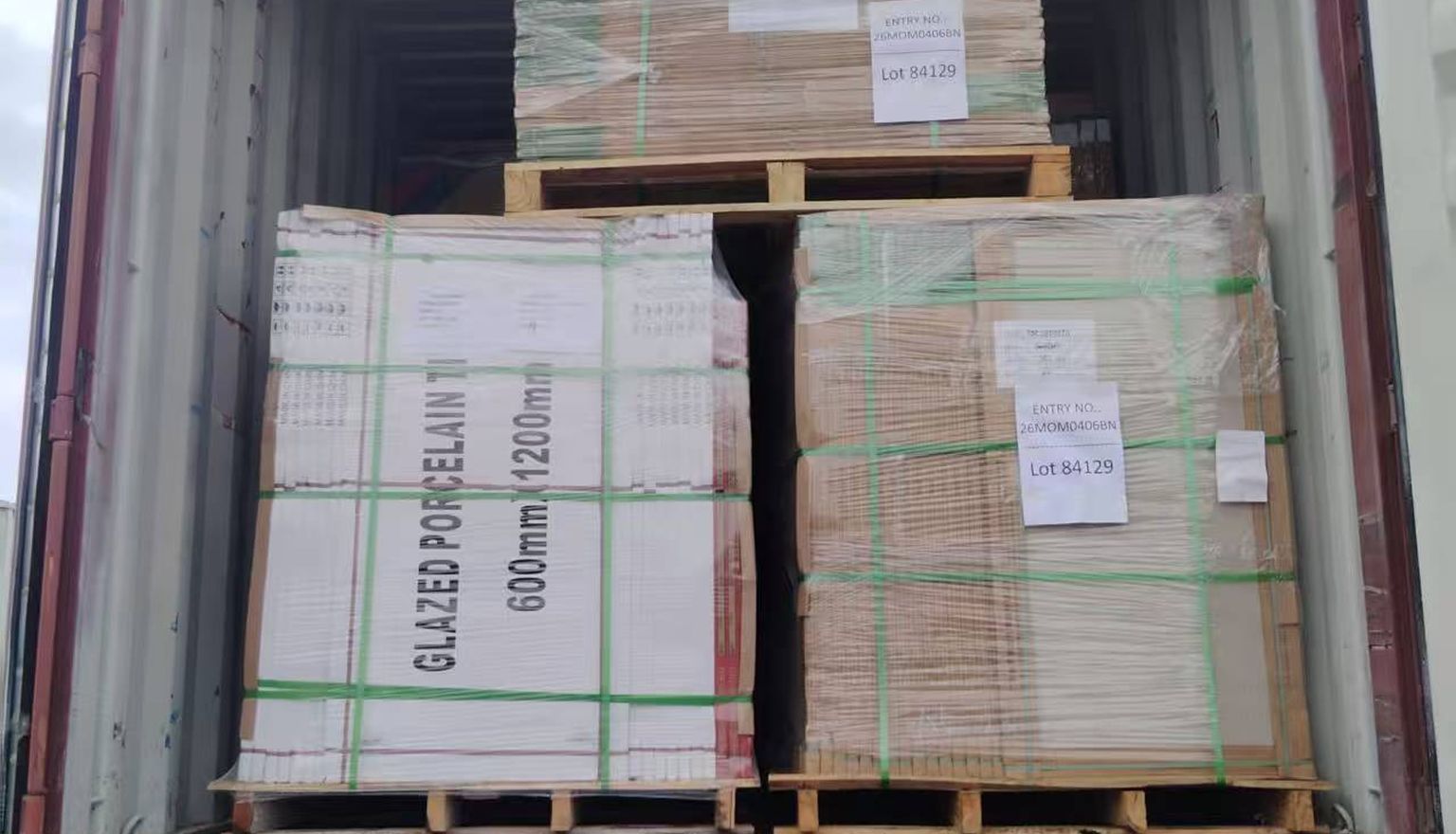
A first order is produced under attention. The factory knows the buyer is new, the salesperson is watching, the sample is on the line as a reference, and the whole thing is treated as a test. A second order is produced under routine, and routine is where the differences appear.
The differences are rarely dramatic. A material is bought from a second supplier because the first was out of stock. A carton is made slightly taller because the box plant changed a die. A component is swapped for one that performs the same function and costs less. None of these look like a decision anyone made about your order, and each of them is a change you did not approve.
That is why the second order deserves its own file rather than a reference to the first. The purchase order should be issued again, not confirmed by email as same as last time, and the specification should be the approved version rather than the one everyone remembers.
The buyers who get consistent second containers are the ones who treated the first one as a specification exercise: approved sample signed, specification written, packaging drawing attached, inspection criteria agreed. Everything in that file is what the repeat order is checked against.
A repeat order should cost less than a first order, and the reasons are specific enough to argue.
Setup has been paid. Tooling, printing plates, cutting dies and the sampling cost were charged once. If they appeared as a separate line on the first invoice, they should not appear on the second. If they were amortised into the unit price, the amortisation should end.
Learning curve. The factory has made the product once. Labour hours per unit usually fall on a second run, though the saving belongs partly to the factory and the negotiation is about how it is shared.
Material purchasing. A factory buying material for a confirmed repeat order can buy in larger quantity or against a forward position, which is cheaper than buying for a single run.
What does not fall, and sometimes rises, is anything tied to a smaller quantity. A second order at half the volume has a higher unit price for real reasons: setup is spread over fewer units, material is bought in a smaller lot, and the factory's margin per unit has to cover the same administrative work. Buyers who expect a discount on a smaller repeat are negotiating against arithmetic.
Ask for the cost breakdown you asked for the first time. A supplier who cannot explain a price on the second order did not explain it on the first either.
The most consequential change between runs is a substitution that nobody announced. It happens for ordinary reasons: a component is out of stock, a supplier raised a price, a material grade became hard to buy, or a production engineer found something that machines faster.
Three substitutions are common enough to watch for. Material grade, where a 304 stainless becomes a 201, or a virgin polymer becomes a regrind blend. Component source, where a switch or a fitting comes from a different factory with the same dimensions. Surface treatment, where a coating is thinner or a plating is a cheaper process that looks identical in a photograph.
Most of these are detectable, and cheaply. A magnet test and a thickness gauge catch a lot of metal substitutions. A weight check catches material changes that look identical. A comparison against the retained approved sample catches finish and colour. None of these require a laboratory, and all of them require someone to actually do them.
The contractual protection is a no-substitution clause: materials, components and subcontractors may not change after sample approval without written consent, and a substitution voids acceptance. Pair it with the clause that names the manufacturing site, because a change of site is the largest substitution of all.
Packaging changes more often than the product, because it is made by a different supplier and because nobody treats it as part of the specification. Four drifts account for most of the damage.
Carton dimensions. A box plant changes a die, and the carton is ten millimetres taller. That single change can break a pallet configuration, reduce the units per container and alter the freight cost. If the carton dimensions are not in the purchase order, they are not protected.
Board grade. A cheaper flute or a lighter liner saves the factory money and shows up as crushed corners after a sea voyage. The compression strength that matters is not visible on arrival at the factory, only at destination.
Marks and labels. Shipping marks, barcodes, warning text, importer address, country of origin. These are legal statements, and a barcode that scans to the wrong number at a fulfilment centre is a chargeback rather than a conversation.
Inner packing. The number of units per inner box, the polybag, the desiccant, the divider. A change here is invisible until the goods are being picked at a warehouse, and by then it is a labour cost you own.
Attach a packaging drawing to the order, with dimensions, board grade, print layout and the label artwork. Then photograph a packed carton at the second inspection and compare it to the first. Two photographs and a tape measure settle it.
The argument for skipping the second inspection is that the first one passed. The argument against is that the first inspection tested a different production event, on a line that has since run other orders, possibly with material from a different lot.
A second inspection usually costs a fraction of the order value, and it catches a different set of failures: the substitutions described above, the packaging drift, and the slow degradation that happens when a process is repeated without the attention the first run received.
It can be lighter than the first. A first order may justify a full inspection at the agreed AQL with a dimensional check. A repeat can be a smaller sample focused on the known risk points, provided it still follows a written plan and still produces a report with numbers. What it cannot be is a visual glance and a message saying looks fine.
Inspect the second run before packing in every case where the packaging changed, where the material source changed, or where the factory has had a gap between runs. Those three conditions cover most repeat-order failures, and each of them is knowable before the goods are loaded.
The second shipment should look like the first one to a customs officer, because consistency is what makes an entry unremarkable. Four details should match unless there is a documented reason to change them.
The classification. The same product should carry the same code. A changed code between two shipments of identical goods is the kind of inconsistency that invites a valuation or classification query, and the query costs more than the duty difference it was meant to save.
The description. Commercial invoice descriptions should be consistent in wording and in the level of detail. A first shipment described as stainless steel vacuum flask and a second as drinkware invites a comparison of the two entries.
The declared value. A materially different unit value on the second shipment needs an explanation that exists in writing, such as a quantity change or a price renegotiation. Where the value genuinely changed, keep the correspondence.
Origin and marks. Country of origin marking on the product and the carton must stay consistent, and any certificate of origin must describe the same goods and the same origin as the first shipment.
The practical habit is to keep the first shipment's document set and build the second one against it. It takes ten minutes and it prevents the most expensive kind of consistency error, which is the one discovered during an audit two years later.
The second order is usually triggered by the first one selling, and that trigger is late. By the time the stock is visibly moving, the production lead time and the sailing have to fit inside the remaining stock, and they rarely do.
Work from a stock cover number instead. If the first container covers three months of sales, the second order should be placed when there are about two months of cover left, which allows for production, inspection, booking and transit. On a route with a long transit or a carrier with poor reliability, the trigger moves earlier again.
There is a second reason to place early: the factory's queue. A supplier who has capacity when you order is not the same supplier who has capacity three weeks later, and a repeat order placed in a busy month takes as long as a first order did in a quiet one.
Where the product is seasonal, the calendar overrides the cover calculation. Promotional goods that miss their window by two weeks are worth less than the freight they consumed, and the second order for a seasonal line should be placed against the retail date rather than against stock cover.
Write the trigger into the first order's file: at what stock level the second order is placed, how much the quantity is, and which sailing it targets. The decision is easier when it is made before anyone is short of stock.
Q Should the second order cost less than the first?
Usually yes, on the same or larger quantity: tooling and setup were paid once, labour hours per unit fall, and material can be bought better for a confirmed repeat. On a smaller second order the unit price often rises, because setup and administration are spread over fewer units.
Q Do I need to inspect a repeat order?
Yes, though it can be lighter than the first. The second run is a different production event on a line that has since made other orders. Focus the sample on the known risk points, keep the written plan, and require a report with numbers rather than an opinion.
Q How do I stop a factory substituting materials on a repeat order?
A no-substitution clause in the purchase order, written consent required for any change, and cheap checks at inspection: weight, magnet test, thickness gauge and a comparison against the retained approved sample. Also name the manufacturing site, because a change of site is the largest substitution.
Q Why does the packaging change when the product does not?
Because packaging is made by a different supplier and usually is not written into the specification. Carton dies change, board grades are substituted, labels get re-laid out. Attach a packaging drawing with dimensions, board grade and artwork, and photograph a packed carton at each inspection.
Q Can I reuse the first shipment's documents for the second?
Use them as a template, not as a copy. Classification, description, origin and marking should stay consistent, while the invoice number, date, quantities and container details change. Consistency in the first four is what keeps the second entry unremarkable.
Q When should I place the second order?
When roughly two months of stock cover remain, allowing for production, inspection, booking and transit. Place earlier if the lane has a long transit, if the carrier is unreliable, or if the order falls near a Chinese holiday. For seasonal goods, work back from the retail date instead of from stock cover.
Related pages
If the second run goes into production soon, give us the ready date and the destination. We will tell you which sailing that window has to catch, and how much slack the booking leaves if the inspection slips by a week.
Email sales8015@goodhopefreight.com | WhatsApp & phone +86 133 9216 2503