
Order
A proforma invoice is the supplier's document. A purchase order is yours, and it is the only paper that records what you actually agreed to buy.
Contents
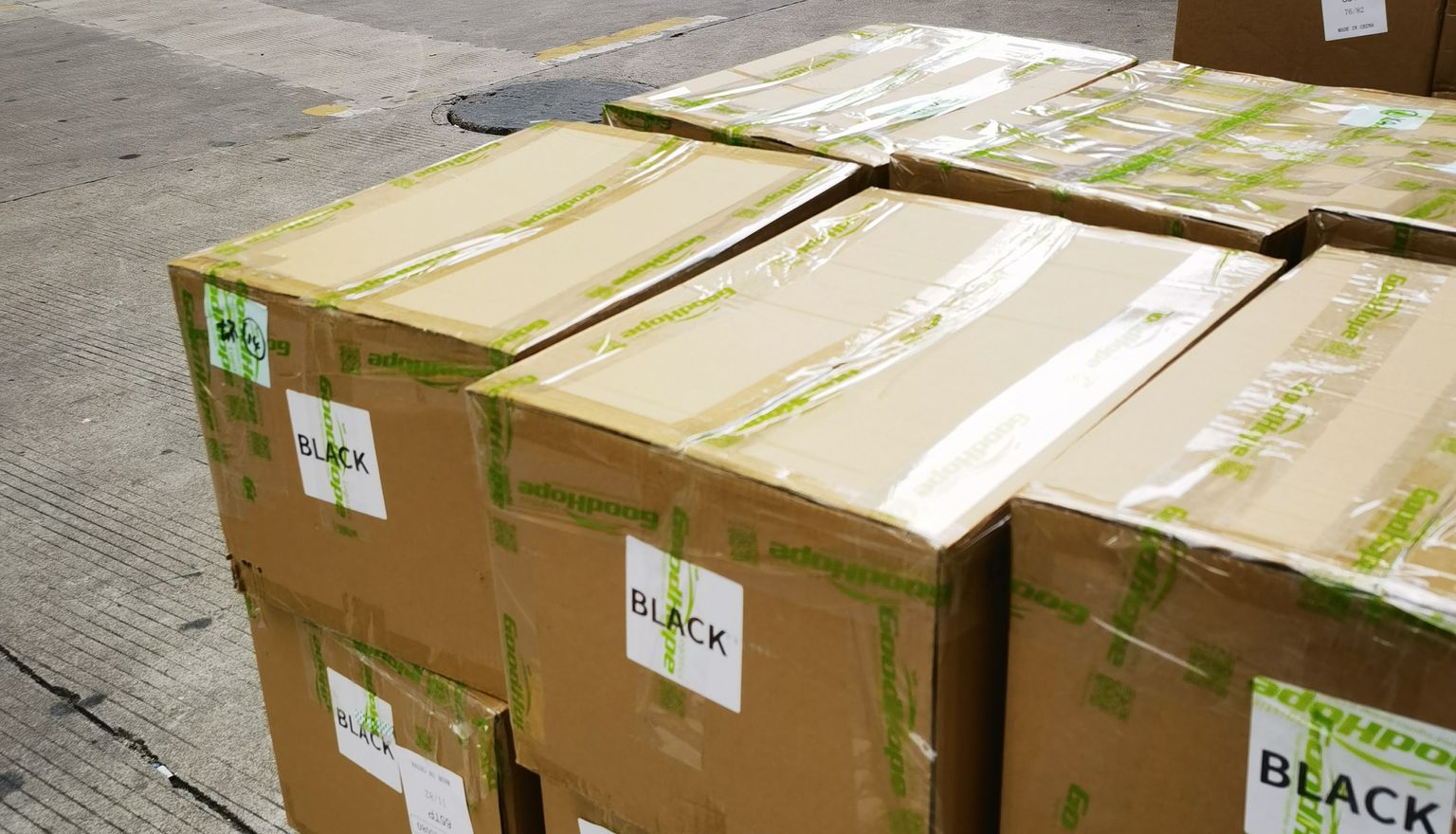
At the end of a fair conversation the supplier sends a proforma invoice. It carries the price, the quantity, the term and the bank details, and most buyers treat it as the agreement. It is not. It is the seller's document, written to protect the seller, and it usually says very little about what the goods must be.
A purchase order is the buyer's document. It carries everything the proforma does, plus the specifications that decide whether the delivery is conforming, the tolerances that decide how close is close enough, and the rights that let you inspect before the balance leaves.
The practical arrangement most suppliers accept is a purchase order issued against their proforma invoice, with the proforma countersigned as the commercial terms and the PO as the technical terms. Two pages, one signature each, and the argument about what was agreed stops before it starts.
A description is usable when two people measuring the same carton reach the same conclusion. Most descriptions fail that test.
Write the material with a grade or a standard rather than a word. Write dimensions with units and a tolerance. Write weight per unit as measured, not as claimed. Name the colour against a reference that travels: a Pantone number for print, a physical approved sample for textiles and coatings, a photographed control sample for anything where lighting changes the answer. State the finish, the hardness, the coating thickness, the load rating, whatever the category measures.
Then attach the drawing and the artwork as controlled files with version numbers and dates, and say in the PO that the version listed is the version to be produced. Files named final-final-2 are how a shipment ends up with last year's logo.
Every production process has a spread, and a PO that implies zero spread is a PO that will be breached by a good factory.
Quantity tolerance is normal on bulk orders, commonly a few percent either way with the price adjusted pro rata. State the band and state who decides which end of it is used. Without that, a short delivery of three percent is arguable in both directions.
Colour tolerance is the one that generates the most disputes, because the buyer compares to a screen and the factory compares to a lab dip. Name the light source for the comparison, keep an approved sample sealed and dated, and say what happens if the batch falls outside the tolerance: reject, rework, or accept at a reduced price.
Weight and dimension tolerances matter for freight as much as for quality. A carton that runs five millimetres over on each dimension changes the pallet count, and the pallet count changes the container.
Packing is a technical specification with a commercial consequence, and it is usually the least written part of a Chinese order.
Specify the carton: dimensions, board grade, burst or edge crush strength for anything stackable, maximum weight per carton so that a warehouse can handle it, and the inner protection. Specify the pallet if there is one: type, dimensions, height including the pallet, and whether it is heat treated and marked for wood packaging rules. Specify the marks: shipping marks, side marks, the barcode and the label language for the destination market.
Then do the arithmetic before signing. Carton dimensions decide how many fit in a forty-foot container, and the difference between a carton optimised for the product and one optimised for the container is often a measurable share of the freight per unit. A factory packs for its own handling unless you tell it otherwise.
The right to inspect before paying the balance is worth more than any warranty clause, because it is exercised while the goods are still in the factory.
Write three things. Access: the supplier permits a third-party inspection of the finished lot at the factory before packing, with a stated notice period. Standard: sampling under ISO 2859-1 at a named inspection level, with an AQL for major and minor defects, commonly 2.5 and 4.0 for consumer goods. Consequence: the balance is released on a passed report, and a failed report triggers rework and re-inspection at the supplier's cost, or cancellation with the deposit returned.
Without the consequence clause, an inspection is information. With it, an inspection is a condition of payment, and the difference in how a factory prepares for the visit is immediate.
Incoterms name the version, the term and a place. All three, or the term is ambiguous. FOB Shenzhen and FOB are not the same statement; the first names a port, the second invites an argument about who pays the trucking.
Name the version as Incoterms 2020, because a contract that does not name a version can be read against an older set. Name the place precisely enough to be found on a map: the port, or the warehouse address for D terms. Then name the date and the consequence of missing it.
A delivery date on a Chinese order is a production commitment plus a booking, and the booking can slip. Write the date as the date goods are ready for collection at the factory, and keep the sailing date in the shipping instructions where it belongs. That way a late booking is a freight conversation rather than a breach of contract.
The payment schedule is a risk allocation, so write it as one. A common first-order structure is a deposit on signature, a balance against a passed inspection and a copy of the transport document, and nothing paid before either.
Name the documents the supplier must provide: commercial invoice, packing list with carton dimensions and weights, the certificate of origin form the destination requires, test reports for the batch, and the transport document. Say who pays for each.
Then say what happens on cancellation. A deposit is normally non-refundable once production starts, and an order cancelled after materials are cut is a supplier holding stock they cannot sell. Write the line where the deposit becomes refundable, because that line is the difference between a negotiation and a lawsuit.
Three assets change hands in a typical order and buyers forget to record who owns them.
Tooling: if you pay for a mould, say so, say what it cost, and say that the mould is your property, held at the factory, and returnable on request. A mould that nobody documented is a mould the factory regards as theirs.
Artwork and files: the drawings, the packaging design and the photographs you supplied remain yours, licensed for this order only, not for the supplier's catalogue.
Samples: the approved sample, sealed with a date, is the physical definition of the order. Keep one, and require the factory to keep one. In a dispute about colour, the sealed sample is the argument.
The last page of a PO decides what happens when everything else failed.
Chinese suppliers will usually accept Chinese law and a Chinese arbitration commission, commonly CIETAC or a local equivalent. That is not automatically bad: a judgment from your own courts is difficult to enforce against a Chinese company, while an arbitral award under the New York Convention is enforceable in both countries. What matters is that the clause names a forum that will actually hear the case and an award that can actually be enforced.
Put the language of the contract in the clause too. A bilingual contract where one version prevails is a contract; a bilingual contract that is silent is two documents that disagree.
None of this replaces the specification. The best dispute clause in the world cannot decide whether a grey is the right grey. Only a written tolerance and a sealed sample can.
Q Do I need a separate contract as well as a purchase order?
For most first orders the PO plus a countersigned proforma invoice is enough, provided the PO carries the specification, the tolerances, the inspection rights and the payment schedule. A separate supply agreement earns its cost on repeat business or where tooling and intellectual property are involved.
Q What is a normal quantity tolerance?
A few percent either way is ordinary on bulk production, with the price adjusted pro rata. The important part is not the number but that the band is written down, along with who decides which end of it applies.
Q Which AQL should I put in the order?
AQL 2.5 for major defects and 4.0 for minor defects is the common starting point for consumer goods, sampled under ISO 2859-1 at general inspection level II. Raise the standard for anything safety-related and agree the change with the inspector before the visit.
Q Can I insist the balance is paid only after inspection?
Yes, and most suppliers accept it once the inspection is defined in time and scope. What they resist is an open-ended right to inspect. Name the standard, the sampling level and the notice period.
Q Should the delivery date be the sailing date or the ready date?
The ready date at the factory, with the sailing date handled in the shipping instructions. A booking can slip for reasons the factory does not control, and a contract that treats a rolled booking as a breach punishes the wrong party.
Q Who owns the mould if I pay for it?
You do, if the purchase order says so and records the cost. Without that clause most factories treat tooling as theirs, and recovering a mould from a factory you have fallen out with is a slow and expensive exercise.
Related pages
Send us the draft order and the carton dimensions. We will tell you what the freight will do to the unit cost, and which document has to change before the goods are packed.
Email sales8015@goodhopefreight.com | WhatsApp & phone +86 133 9216 2503