
Customs
A customs query is rarely about the number on its own. It is about whether the number can be explained by documents that already exist, and most of them do not exist because nobody made them at the time.
Contents
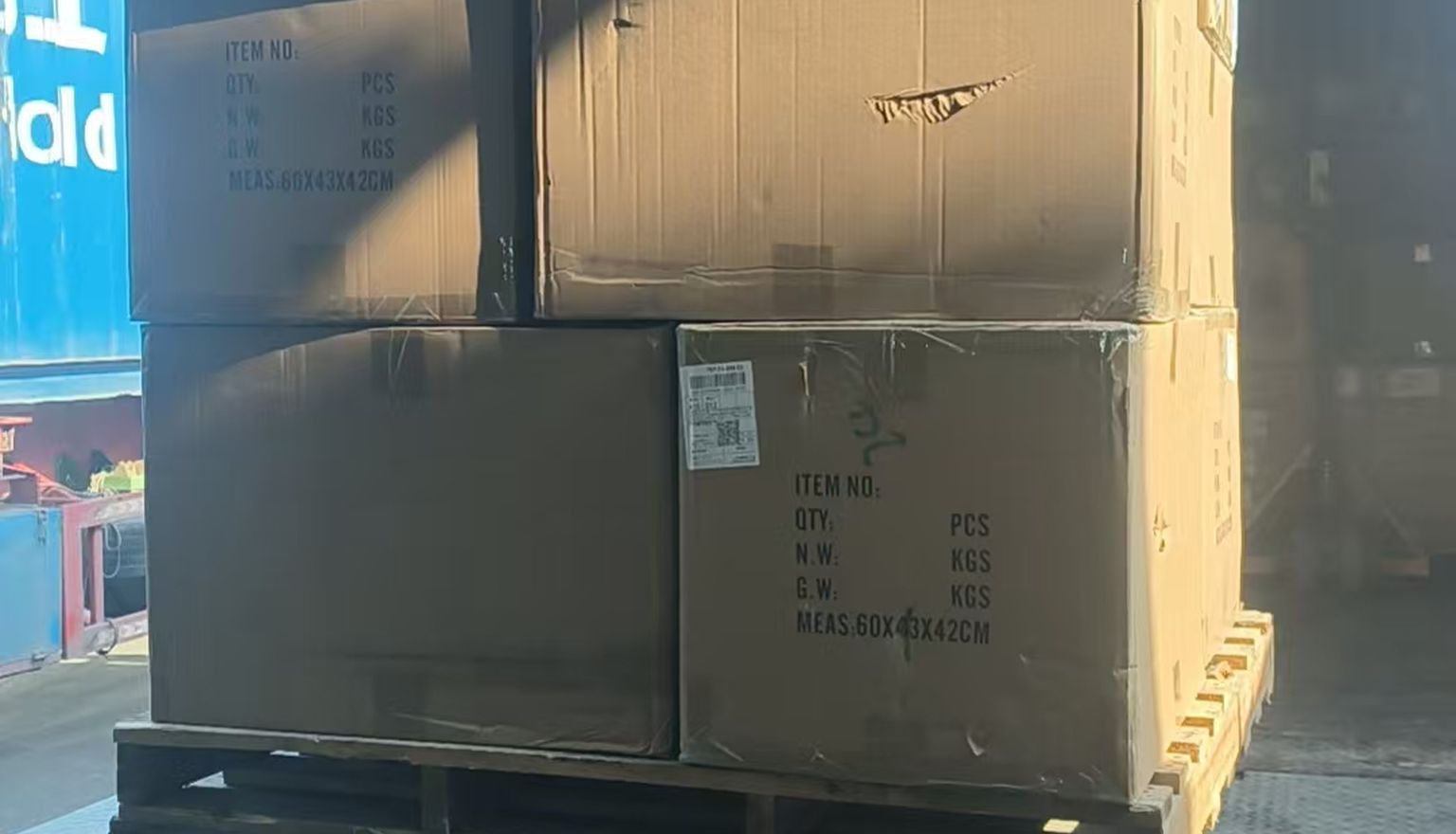
Customs authorities assess duty on value, and value is a conclusion drawn from evidence. When an entry is queried, the officer is usually testing one of three things: whether the goods are what the description says, whether the price is the price actually paid, and whether anything was left out of the price that should be in it.
Those three questions are connected. A vague description makes the price unverifiable, because nobody can compare the price of a general category to anything. A price far below the apparent market level makes the description worth testing, because the natural explanation for an unusually low price is that the goods are not what was declared.
The good news is that most queries are answered with paper. The bad news is that the paper has to have been created at the time, by people who knew the facts. A file assembled after the query tends to look assembled after the query.
The primary valuation method is transaction value: the price actually paid or payable for the goods when sold for export to the country of import. Almost every entry is assessed on it, and almost every dispute is about what belongs inside it.
The price is not always the invoice total. Where the buyer and seller are unrelated and the sale is a clean arm's length transaction, the invoice is usually the answer. Where any of those conditions is uncertain, the components of the price become the question.
Where transaction value cannot be used, the fallback methods apply in order: the value of identical goods, the value of similar goods, the deductive method working back from a resale price, the computed method building up from cost and profit, and finally a flexible application of the previous methods. In practice, most files never leave the first method, and the later ones are used where there is no sale or the sale is not arm's length.
Four categories of payment are added to the price when they are not already included. Buyers are usually surprised by two of them.
| Addition | What it covers | Usual surprise |
|---|---|---|
| Assists | Materials, components, tooling, designs or engineering supplied free or at reduced cost by the buyer | The mould you paid for and never invoiced to the factory |
| Royalties and licence fees | Payments related to the imported goods as a condition of sale | A brand licence paid to a third party |
| Commission, excluding buying commission | Selling commission paid to an agent | The difference between a buying and a selling agent |
| Transport to the place of importation | Freight and related costs, depending on the valuation basis | Whether the basis is FOB or CIF |
Categories rather than rules of application. Whether an addition applies depends on the valuation basis of the importing country and the facts of the transaction.
The assist is the one that catches first-time importers who are also brand owners. Tooling paid for directly to a mould maker, artwork supplied to the printer, components bought from a third supplier and shipped to the factory at no charge: each is a contribution to the production of the imported goods and each belongs in the customs value. None of them appear on the commercial invoice.
The buying commission distinction is worth understanding. A fee paid to your own agent for finding and managing the supplier is generally not added. A commission paid to a party who sells on their own account is. The contract wording decides which it is, which is why agents describe themselves carefully.
Descriptions fail in one direction: they are too general. A line reading plastic articles tells an officer nothing, cannot be classified, and cannot be compared to any price database.
A description that works names the product, the material, the function, the model and, where relevant, the size or capacity. Ceramic mug, 350 ml, stoneware, glazed, printed decoration. That line can be classified, compared and checked against a catalogue.
Consistency across documents is the second half. The invoice description, the packing list entry and the certificate wording should describe the same goods in the same terms. Where they differ, the file reads as though the goods changed between documents, and the officer's next step is to look at the cargo.
The documents that answer a valuation query are ordinary commercial records. They are persuasive because they were not created for customs.
Payment evidence is the linchpin. A declared value that matches the money that moved, supported by an order and a negotiation, is a file that closes in a day. A declared value with no matching payment is a file that escalates, whatever the explanation.
Underdeclaring is the oldest trick in the file, and the arithmetic has stopped working.
The saving is the duty on the difference. The exposure is the duty, a penalty that is frequently a multiple of it, interest, retrospective assessment across earlier entries, examination of future shipments and, in serious cases, seizure. Add the storage and demurrage on a held container and the trade is negative on almost any volume.
There is a second cost that does not appear in any assessment. An importer with a valuation finding is examined more often, and every examination costs days. The operational drag persists long after the money is paid.
The legitimate alternatives are real. A lower price is defensible with a supplier quotation and quantity evidence. A first sale price can be used in some jurisdictions where the conditions are met. A duty relief or preferential rate may apply. Each requires documentation, and each survives an audit in a way that a number typed into a box does not.
Keep the file per shipment, and keep it long enough. Three years is a common window and some jurisdictions require longer, particularly where a preference was claimed or a licence was involved.
The file should contain the order, the invoice, the packing list, the bill of lading, the certificate of origin, the entry, the payment record, and any correspondence about price or specification. Add the classification reasoning if the code was not obvious, and the technical documentation if the goods are regulated.
Store it where someone else can find it. The query usually arrives when the person who placed the order has left, and a folder named after the supplier rather than the shipment number is a folder nobody can search.
Q What triggers a customs valuation query?
A value that sits outside the range the authority expects for that product and origin, a description too vague to classify, a payment that does not match the invoice, or a relationship between buyer and seller that was not disclosed. Most queries are automated flags followed by a document request.
Q Do I have to add the mould I paid for to the customs value?
Where you supplied tooling free or at reduced cost for the production of the imported goods, it is normally an assist and belongs in the customs value, apportioned over production where the rules allow. It is not on the invoice, which is why it is the most commonly missed addition.
Q What is the difference between a buying and a selling commission?
A buying commission paid to your own agent for sourcing and managing suppliers is generally not added to the customs value. A selling commission paid to an agent who sells on their own account is added. The contract defines which one you have, so the wording matters.
Q Can I use a related party's price?
Yes, if the relationship did not influence the price. In practice that means showing the price is close to what unrelated parties would agree for comparable goods, usually with a transfer pricing study or a comparable price. Without that, the transaction value is open to challenge.
Q How long do I have to keep import records?
Three years is the common minimum and some jurisdictions require longer, particularly for preferential claims. Keep the full file per shipment rather than per year, because a query names one entry and the answer is spread across five documents.
Q Is it worth declaring a lower value to reduce duty?
No. The saving is the duty on the difference; the exposure is the duty, a penalty that is often a multiple, interest, retrospective assessment and permanent examination risk. The arithmetic only looks favourable if the probability of detection is assumed to be zero, and it is not.
Related pages
Send the entry reference and the documents you hold. We will tell you what the officer is likely to be missing, before the storage clock starts.
Email sales8015@goodhopefreight.com | WhatsApp & phone +86 133 9216 2503