
Timing
A vessel does not wait for a factory. It waits for a berth window, and every document and every truck has to arrive before that window closes.
Contents
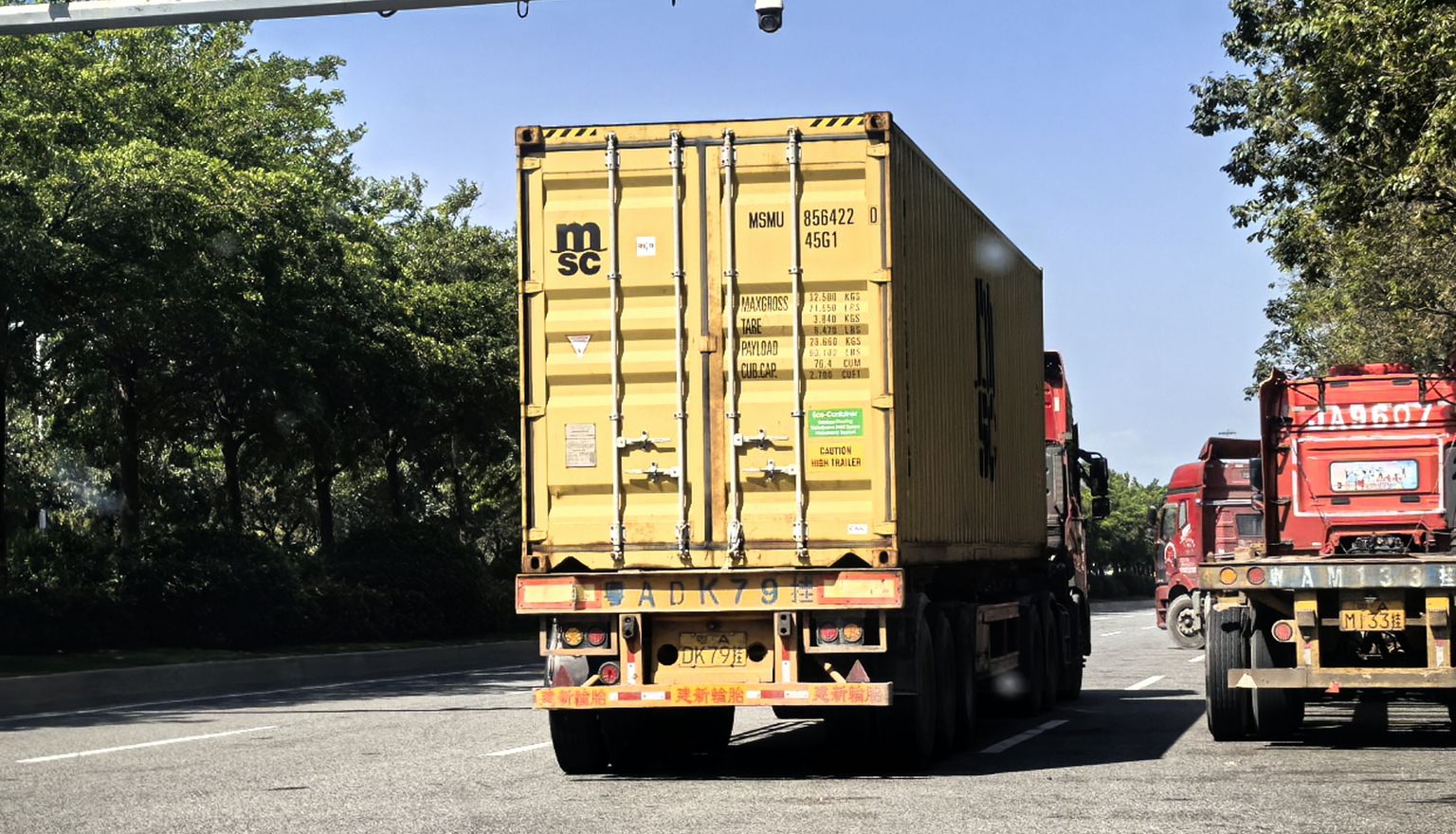
A booking confirmation carries more dates than most buyers read. Five of them decide whether the container sails.
They are not equally spaced. The shipping instruction often closes first, before the cargo is even at the port, because the manifest has to be built in advance. Buyers who send the packing list late discover that the box can be loaded but the bill cannot be issued.
A service is a loop, not a single voyage. The vessel calls at a sequence of ports on a fixed weekly pattern, and your container joins the loop wherever your port sits in that sequence.
That is why two services to the same destination can leave on different days and arrive days apart. A service that calls Singapore before Europe adds a stop; one that runs direct from South China is shorter on paper but may have fewer weekly options.
It also explains transhipment. Some routings put your box on a feeder to a hub, then on a trunk vessel. That is not a problem in itself, but each connection is a chance to miss the next vessel, and the transit time quoted is the good case.
Ask for the port rotation rather than only the transit time. A 32-day transit that includes two transhipments is a different product from a 34-day direct call, and the difference shows up when something goes wrong in the middle.
| Cut-off | What has to happen | Who is exposed |
|---|---|---|
| Booking | Space confirmed and container allocated | Forwarder, on your behalf |
| Shipping instruction | Shipper, consignee, marks, description, weight declared | Shipper |
| VGM | Packed container weighed or certified and filed | Shipper |
| Customs export release | Declaration lodged and released | Shipper or broker |
| Gate-in | Container inside the terminal, accepted by the gate | Trucker and factory |
| Vessel loading | Box loaded onto the vessel in the stow plan | Terminal |
Sequence as it typically runs on a South China export booking. Exact deadlines and their spacing vary by carrier and port — not a commitment.
The order matters because a failure at any step blocks the ones after it. Customs release cannot happen without a declaration, the gate will not accept a container without a release, and the vessel will not load a box that is not in the yard. One late document can therefore consume the entire margin before the truck even leaves the factory.
Terminal gates run on appointments. The trucking company books a slot, arrives inside it, and the container is lifted in. Turn up outside the slot and the truck waits, sometimes for hours, and waiting time is charged to somebody.
The window itself is narrower than the cut-off suggests. A cargo cut-off of Thursday evening usually means the container should be in the yard on Wednesday, because Thursday is for the boxes already stacked and for the vessel's stow planning. A truck that arrives at 17:50 on Thursday with a 30-minute queue ahead of it has effectively missed.
Add the drive. From a Guangzhou factory to Yantian is two to two and a half hours in normal traffic and considerably more on a Friday afternoon or in rain. From the same factory to Nansha it is under an hour. The same cut-off is a different risk depending on which terminal the carrier's rotation names.
Loading finishes when it finishes. A factory that promises completion on the cut-off day is promising a same-day load, a same-day drive and a same-day gate-in. Plan for the container to be gated in the day before, and treat anything later as contingency.
A rollover is a container that was booked on a vessel and did not sail on it. The causes are mundane: cargo arrived late, the vessel was overbooked, a feeder connection was missed, or the carrier simply took a higher-paying box.
The cost is not only the delay. A rolled container usually attracts a rollover or rebooking fee, storage at the terminal from the original cut-off, and in some cases a re-declaration of the export entry. On a weekly service the delay is seven days; on a fortnightly one it is fourteen.
Blank sailings make it worse. Carriers cancel a sailing when demand is thin, which means the service you planned around may not run at all in a given week. In the weeks around Chinese New Year and the National Day holiday, schedule reliability drops and the number of announced omissions rises.
Two practical hedges. Book earlier than the cut-off requires, so a rollover still lands on the next vessel rather than the one after. And on a shipment with a hard delivery date, ask about the following sailing before you need it, so the fallback is already priced.
Start from the sailing date and subtract. Gate-in is one day before cut-off. The truck needs the container loaded and the export release in hand, so loading is the day before that. The factory needs to finish packing the day before loading. Production has to be complete with enough margin for an inspection, if there is one.
Worked backwards on a Thursday cut-off: gate-in Wednesday, loading Tuesday, packing finished Monday, inspection the previous Friday. That is seven days from inspection to sailing, which is tight but workable. A four-day window from production end to cut-off is not a plan, it is a hope.
Then check the calendar rather than the arithmetic. Public holidays in China close factories, close gates and reduce truck availability for several days. A booking that looks comfortable on paper can lose three working days to a holiday nobody checked.
On a first order from a new supplier, plan for the container to be ready five working days before the cut-off. Not because five days will be needed, but because a first order from a new factory reliably produces one surprise: a carton size that changed, a missing label, a packing list that does not match the goods.
On a repeat order from a supplier you have shipped with three times, two or three days is enough. The uncertainty has been paid for once already.
And keep one date in your own diary that the forwarder does not control: the day the documents are due. The bill of lading instructions, the commercial invoice and the packing list are yours to produce, and they are the most common reason a container that was loaded on time cannot be released at the other end.
The vessel has sailed and the documents are still being corrected. That is routine, and it is cheap inside a window that closes when the manifest is filed at the destination.
Corrections after departure usually concern the description of the goods, the consignee details, the marks or the declared weight. Each carrier publishes an amendment deadline and a fee per amendment. Miss it and the correction becomes a manifest amendment at arrival, which costs more and holds the cargo until it is done.
Most of these amendments are avoidable, and the avoidance is ten minutes of reading. The carrier issues a draft bill of lading a day or two after loading. Check it against the commercial invoice and the packing list line by line — description, quantities, weights, marks, consignee, notify party, freight terms — and reply with corrections before approval.
The draft is not a formality. It is the last point at which a mistake is free.
Q How long before departure is the cut-off?
Typically 24 to 72 hours for the cargo cut-off, and often earlier for the shipping instruction and VGM. It varies by carrier, port and service, and it is stated on the booking confirmation. Treat the earliest date on that document as the real deadline.
Q What happens if my container misses the cut-off?
It rolls to the next sailing on that service, which is usually the following week. Expect a rollover or rebooking fee, terminal storage from the original cut-off date, and a revised export declaration in some cases. The cargo itself is fine; the schedule is not.
Q Can a container be gated in after the cut-off?
Occasionally a terminal accepts late gate-in by arrangement, and occasionally a carrier will hold the vessel. Neither is something to plan around. Assume the cut-off is hard and book the truck a day early.
Q Why did my container roll when it was on time?
Overbooking, a missed feeder connection or a change to the vessel's stow plan. Carriers prioritise by contract and by rate, so a spot booking is more exposed than a committed one. On a tight market the answer is to book earlier and confirm space rather than assume it.
Q Do blank sailings affect my booking?
They can. A carrier may cancel a sailing when demand is low, and your booking moves to the next one. The risk rises around Chinese New Year and the National Day holiday, when factories and carriers both adjust. Ask your forwarder which sailings are at risk before you commit to a delivery date.
Q Is the ETA reliable?
Treat it as an estimate. Port congestion, weather and schedule recovery all move it, and a transhipment routing adds another connection that can slip. For a delivery commitment to your own customer, add a week to the carrier's ETA and say so.
Related pages
Send the factory address, the ready date and the destination port. We will work backwards from the sailing and tell you which cut-off is actually the binding one.
Email sales8015@goodhopefreight.com | WhatsApp & phone +86 133 9216 2503