
Quality
A claim, an audit or a product recall all begin with the same request: show me the file. Most buyers cannot, and the loss is decided there.
Contents
A shipment file is boring until the day it is the only thing standing between a buyer and a loss.
A cargo claim. The insurer or the carrier asks for the invoice, the packing list, the bill of lading, photographs of the goods before and after, the delivery receipt and the survey report. Missing one document does not always fail the claim; it delays it, and delay is how claims are lost.
A customs query. Valuation, classification or origin, questioned months after entry. The authority asks for the commercial invoice, the purchase order, the payment record and often the supplier's cost breakdown. A buyer who cannot produce them pays the reassessed duty plus interest.
A product incident. A customer complaint, a marketplace removal, a recall. The traceability chain runs from the batch code on the unit back to the production date, the factory, the test report and the material supplier. Without records the whole shipment becomes suspect rather than one batch.
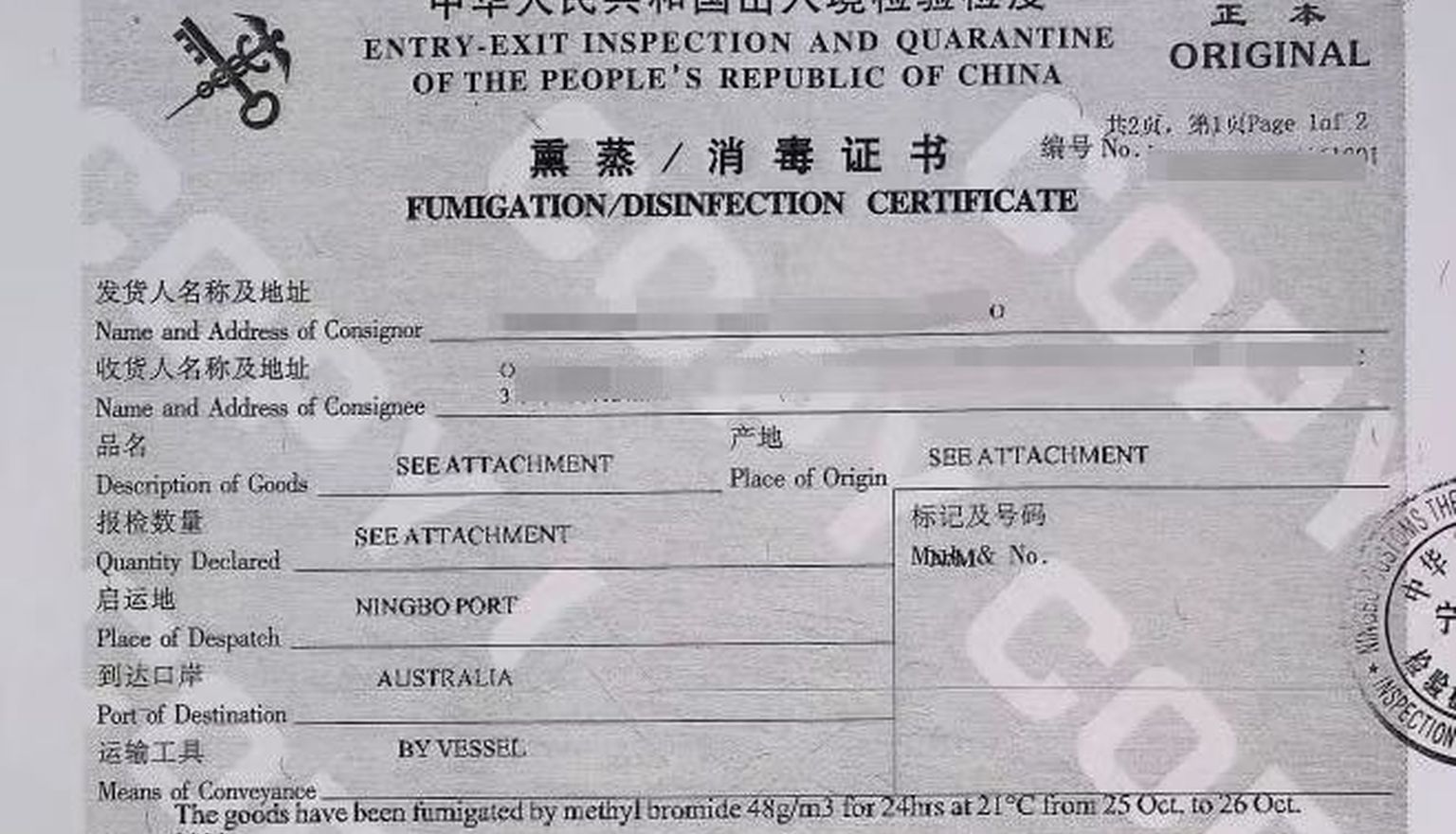
Ten documents cover an ordinary shipment. Each has a purpose beyond the border.
Store the documents as received. A corrected invoice that replaces the original destroys the record of what was declared.
Photographs settle more arguments than documents, because they show condition rather than intention. Four moments are worth recording on every shipment.
Three more help in specific cases: the carton marks on a sample carton, the pallet configuration, and the goods on arrival before unpacking. Photographs carry a timestamp and are hard to argue with; a description written a week later is not.
Keep the originals, not the compressed versions sent through a messaging app. Resolution is what makes a mark or a seal number readable.
A file that cannot be found is not a record. The naming convention matters more than the storage system.
A workable pattern: year, month, supplier short name, invoice number, and a two-word description. For example 2026-11-suppliername-INV20431-sofa-cartons. Sorted alphabetically, the folder becomes a chronological list by supplier, which is the way queries usually arrive.
Inside the folder, keep a one-page summary: order date, deposit date, completion date, sailing date, arrival date, quantities, values, and the name of the person who handled it. The summary is what makes the file usable by somebody who was not involved, including an insurer's adjuster or a broker three years later.
Two rules keep the structure honest. One folder per shipment, never per supplier only, because a supplier file grows until nothing can be found in it. And a copy outside the email system, because mailboxes are archived, migrated and occasionally lost.
Index the folder once, at the top level, in a single spreadsheet: date, supplier, invoice number, container or air waybill number, product, quantity, value, destination and folder name. That sheet is what makes five years of files searchable in seconds, and it is the first thing an insurer or a broker will ask for when the query arrives. A folder structure without an index is a pile with better manners.
Retention periods are set by customs authorities, tax authorities and insurers, and they differ by country. As a working baseline, most importers keep the full shipment file for five years and the summary sheet indefinitely.
Retention periods above are typical and vary by jurisdiction and by product. Confirm the requirement that applies where you import, and treat this as a baseline rather than advice.
Two practical notes on retention. The clock usually starts at the date of importation, not the date of shipment, so a file is kept from arrival rather than from the sailing. And where a claim is open, the retention period stops being a policy question: nothing in the file is deleted until the claim is settled and the limitation period has run, however long that takes.
Deleting on a schedule is better than keeping everything forever. A file that is complete, indexed and reviewed once a year is usable; a decade of unsorted folders is a liability that nobody can search.
A claim is decided on a sequence, and the sequence starts before the loss.
Proof of what was shipped. Invoice, packing list, and the loading photographs. This establishes the condition at origin.
Proof of what arrived. The delivery receipt with any remarks noted at the time of delivery, photographs of the container and the goods before unpacking, and a survey if the loss is significant. Remarks written on the delivery receipt are worth more than a letter sent the following week.
Proof of value. The invoice, the payment record and, where the loss is disputed, evidence of the resale value.
A timeline. Sailing date, arrival date, delivery date, notification date. Most policies and conventions require notice within a short period, often three days for visible damage and longer for hidden damage. The notice period is where claims are lost, not the merits.
None of this can be assembled after the event. It is assembled during the shipment by somebody who expects never to need it.
Part of the record sits with the factory and will never be sent unless it is asked for at the right moment.
Ask for four things at the end of production, and keep them with the shipment: the production date and the batch or lot code, so a unit in the field can be traced back; the inspection or test record for the run, if one exists; photographs of the finished cartons with marks; and a signed statement that the goods match the sealed sample.
Two of these are unusual to request and both are useful. A factory that can name the production date of a specific carton in a specific container has a traceability process. A factory that cannot is a factory whose recall would be a total recall.
Ask once, at the start of the relationship, and make it a standing requirement in the purchase order. It costs the factory ten minutes and it changes what you can prove two years later.
Q How long should I keep import shipment documents?
Five years is a safe baseline for the full file in most jurisdictions, with the one-page summary kept indefinitely. Customs periods are commonly three to five years and vary by country, so check the rule where you import.
Q Which documents does a cargo insurer ask for?
Invoice, packing list, bill of lading, delivery receipt with remarks, photographs of the goods and packaging before and after, and a survey report for larger losses. Notice within the policy period matters more than the paperwork.
Q Are phone photos acceptable as evidence?
Yes, if the originals are kept and the timestamps are intact. Compressed copies sent through a messaging app lose the resolution that makes marks and seal numbers readable.
Q What is the most commonly missing record?
The delivery receipt with remarks written at the time of delivery. Most receivers sign clean and report damage the next day, which turns a clear claim into an argument.
Q Do I need to keep the supplier's test reports?
Yes, for as long as the product is on the market plus the retention period. A marketplace query or a recall can arrive years after the shipment, and the report is what answers it.
Q Should records be digital only?
Digital is enough if there is a copy outside the email system and a backup. Keep originals of anything a customs authority may want to see physically, such as a certificate of origin with an original stamp.
Related pages
Ask us for the shipment file in one package: bill of lading, invoice, packing list, gate and loading records, photographs and the certificate set, indexed by date and container number.
Email sales8015@goodhopefreight.com | WhatsApp & phone +86 133 9216 2503