
Claims
A wrong container is a logistics problem for about a week and a commercial problem for a year. Which one it becomes is decided before the cartons are unpacked.
Contents
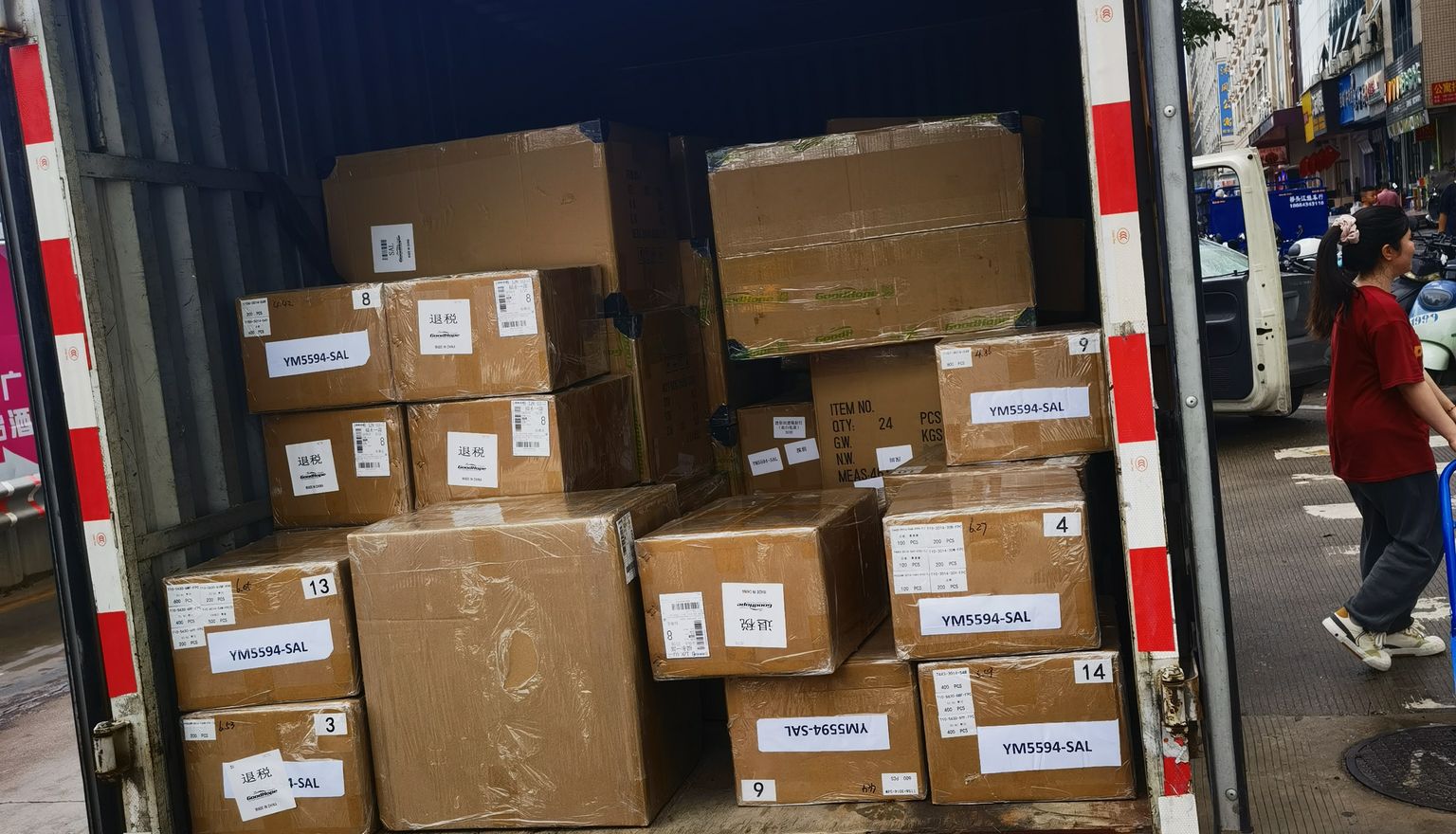
Cargo claims are lost on procedure more often than on merit. The windows are short, they start when the goods are delivered rather than when you open them, and a claim filed late is a claim a carrier will refuse without discussing the damage.
Under the Hague-Visby rules, which govern most container carriage, notice of loss or damage that is not apparent has to reach the carrier within three days of delivery. Where the damage is visible, notice should be given at delivery. Under the Montreal Convention, air cargo complaints run to fourteen days from receipt for damage and twenty-one for delay. Road carriage under the CMR convention requires a note at delivery and a written claim within seven days for damage discovered later.
In practice: inspect the container at the gate or the warehouse door, photograph the seal before cutting it, and put a written reservation to the carrier and the forwarder on the same day. A reservation is two sentences and it preserves the claim. It does not commit you to anything except writing them.
Separately, check the seal number against the bill of lading and the carrier's record. A seal that does not match is a different conversation, with a different party.
A claim is an argument about quantity and condition at a point in time. Build the pack before anything is moved, sold or returned.
Keep the damaged goods available until the surveyor has seen them. A buyer who sells the salvage and then claims the full value has given the insurer a reason to decline.
Three parties can owe you something, and they owe different amounts under different rules.
The carrier owes a limited amount. Package limitation under Hague-Visby is a fixed sum per package or per kilogram, whichever is higher, and in a container of small cartons that figure is often a small fraction of the invoice. Proving the carrier's liability also means proving the damage happened between loading and discharge, which is why the seal and the photographs matter.
The supplier owes you what the contract says, and the contract is the purchase order. If the goods are off-spec rather than damaged, this is the only party that owes you anything at all.
The insurer owes you the insured value, subject to the policy terms, and can pursue the carrier afterwards. That is the whole point of buying cover: it pays on the policy wording rather than on someone else's liability.
The forwarder's position depends on how they acted. As an agent arranging carriage, their liability is limited and largely procedural. As a contracting carrier who issued their own bill of lading, they carry the carrier's liability. Read which one you have before you need it.
Escalate in this order, because each rung costs more than the one below it.
Rung five is a reason to make rungs one and three work, not a plan. Any claim process that assumes a Chinese court will resolve a dispute for a few thousand dollars has not been costed.
Goods that arrive intact but wrong are a contract claim, and the contract is whatever the purchase order says. This is where most losses originate, because the purchase order usually says less than the buyer believes.
Colour that is a shade off, a fabric weight ten percent light, a carton that holds 48 pieces instead of 50, a plug that is the wrong type for the destination: none of these is damage and none of them is insured. Each is a breach of specification, and the specification has to have been written down.
The defence costs nothing at the ordering stage. Put measurable values in the purchase order: material, weight per unit with a tolerance, dimensions, colour against a named reference, packaging dimensions, label language, and the sampling standard the inspection will use. Photograph the approved sample and keep it, sealed, with a date.
When the goods are wrong and the specification exists, the argument is short. When it does not, the argument is about what was said at a booth in April.
A marine cargo policy pays for physical loss or damage in transit, and refuses a well-known list of things. Reading the exclusions after the loss is expensive, so read three clauses before the shipment.
The duration clause defines when cover starts and stops: warehouse to warehouse, with a time limit after discharge if the goods are not delivered to a final warehouse. Cargo sitting at a destination port for a month may already be outside cover.
The survey clause usually requires the insurer's agreement before repairs, reworking or disposal. Act on it before you do anything irreversible.
The packing warranty is where claims die. Inadequate packing, and packaging unfit for the mode, is excluded. A carton that collapsed because it was never designed for a forty-foot container stacked six high is a packing failure, not a transit accident.
Declare the value correctly. Insuring at 110 percent of CIF is the trade norm because it covers the landed cost plus a margin. Declaring the goods value alone leaves the freight and duty uninsured, which is the part that hurts on a damaged container.
Suppliers respond to evidence and to their own interest, in that order. A message saying the goods are bad produces a defence; a message with a count, photographs by line, the packing list reference and a specific ask produces a decision.
Be concrete about the remedy. Ask for a stated number of replacement cartons on the next order, or a credit note against the balance, or a partial refund through the same channel the money came from. A vague demand for compensation invites a vague offer.
Then watch the pattern. A supplier who replaces a short shipment without argument is a supplier to keep. A supplier who disputes every count, twice, is telling you something about the next container as well.
If the same defect appears in the second order, the issue is the process rather than the batch, and the answer is a pre-production meeting and an inspection at the line rather than a claim at the end.
Four controls, all cheaper than a claim.
An inspection before shipment, sampling the finished lot against a written specification, with the report released before the balance. A packing specification agreed in writing, including carton strength and stack height, because most transit damage is decided at the packing table. Cargo insurance bought per shipment rather than assumed under someone else's policy. And a document set where the packing list, the commercial invoice and the container load plan agree with each other.
None of these removes the risk of a wrong container. They decide whether the wrong container costs a week or a season, which is the only part you can control.
Q How long do I have to report damage?
Three days from delivery for sea cargo under the Hague-Visby rules, fourteen days for air cargo under the Montreal Convention, and seven days for road cargo under CMR when the damage was not visible at delivery. Visible damage should be noted at delivery itself, on the delivery document.
Q The carrier says liability is limited. Is that true?
Usually. Package limitation caps the carrier's exposure per package or per kilogram, and in a container of small cartons the cap is often far below the invoice value. That gap is what cargo insurance exists to fill.
Q Can I claim if the goods are the wrong colour but undamaged?
Not on insurance and not against the carrier. That is a breach of the purchase order, claimed against the supplier, and it depends entirely on whether the specification was written down and a sample approved.
Q Who pays for the survey?
You commission and pay the surveyor first; a valid claim usually recovers the fee as part of the loss. Insurers normally want their own surveyor or prior agreement on yours, so call before booking one.
Q What if only part of a container is short?
Shortage is measured against the packing list and the container load plan, and it is usually a loading or counting failure rather than a transit loss. Photograph the seal, count twice with two people, and raise it with the supplier the same week.
Q Is it worth claiming for a few hundred dollars?
Rarely against a carrier, because the procedure costs more than the recovery. Against a supplier, a credit note on the next order is a five-minute conversation and usually the fastest remedy available.
Related pages
Send us the packing list and the delivery photos when a container goes wrong. We will tell you which window is still open and which party the claim belongs to.
Email sales8015@goodhopefreight.com | WhatsApp & phone +86 133 9216 2503