
First Shipment
A fulfilment centre is not a warehouse that receives freight. It is a production line that receives appointments, and it will refuse both a late pallet and a mislabelled carton.
Contents
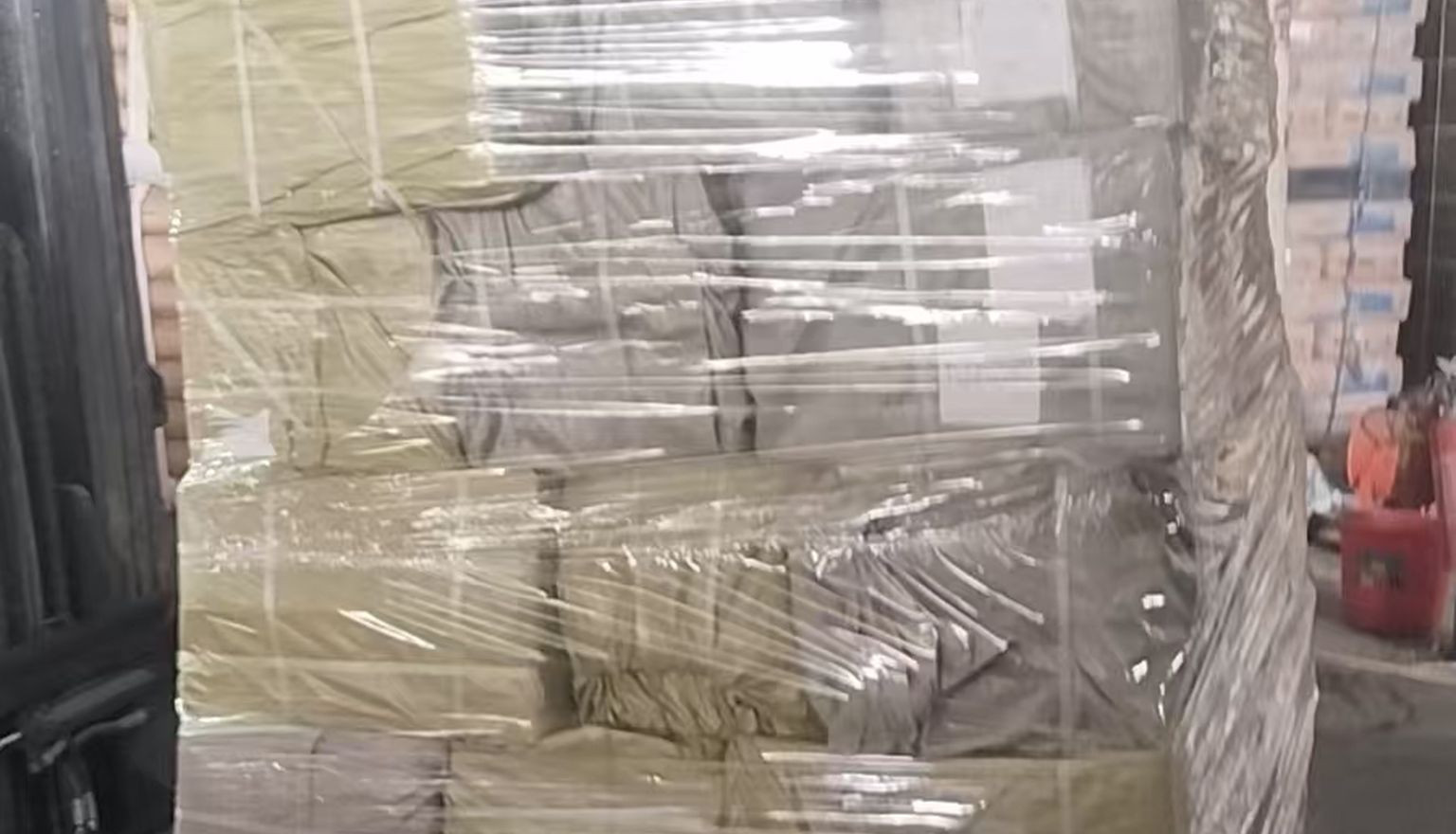
Freight to a normal warehouse tolerates variation. A day late, a pallet short, a carton with a handwritten label: someone signs and the goods go on a shelf. A fulfilment centre does not work that way.
Amazon receives against a shipment plan you create inside its seller tools. That plan generates a shipment identifier, a set of labels and a destination fulfilment centre, and none of them can be improvised at the gate. The centre books delivery into a slot, unloads against the appointment, and checks labels at receiving rather than at the dock.
The consequence is that the shipping plan has to be built backwards from the appointment. Production finishes, the cartons are labelled and palletised to the specification, the shipment is booked, and the goods arrive inside the window. If any of those steps happens out of order, the pallet sits in a yard and the storage clock starts.
There are three practical ways to get factory goods into a fulfilment centre, and they differ mainly in who absorbs the risk of a rejected delivery.
Direct to the fulfilment centre is the cheapest on paper: sea or air to the destination port, clearance, then a truck to the centre against an appointment. It requires the appointment to be made days in advance and honoured, and it leaves no buffer if the container is examined or the vessel is late.
Through a third-party warehouse is the standard route for a first shipment. Goods are cleared and stored, cartons are checked and relabelled if necessary, and shipments to individual fulfilment centres are built from stock on the shelf. It costs a handling fee and it converts a hard date into a flexible one.
Air freight works for a first test quantity: a few cartons, twenty to forty kilos, delivered in under a week. It is the expensive way to learn whether the product sells and the cheap way to avoid a forty-five day mistake.
Three labels, three different jobs, and each one has a specific owner.
The unit label carries a fulfilment barcode that Amazon scans to identify your stock. It is generated from your seller account and it must be applied by the supplier or by a prep house, because a unit without it cannot be sold even if it is physically perfect. A manufacturer's own barcode is not a substitute.
The carton label carries the shipment identifier and the carton count. It is generated by you, printed at the factory, and applied to a surface that can be scanned without opening the pallet.
The pallet label carries the pallet identifier and goes on a specified face of the pallet, at a specified height, unobstructed by film. Get the placement wrong and the pallet is set aside, which usually means a rescheduled appointment and a charge.
All three come from documents you produce, not from the supplier. Sending the label files to the factory as a single print-ready package is the difference between a clean receiving and a week of relabelling.
A delivery to a fulfilment centre is a booked slot, and the booking rules are not negotiable at the gate.
The centre publishes an address, a receiving window and a set of requirements: how the load must be palletised, how high, how wrapped, whether floor loading is accepted. Arriving outside the window, or without the shipment identifier, produces a refusal or a reschedule, and the freight cost of that return trip is yours.
The appointment is made against an estimated arrival, which means the estimate has to be honest. A container that is still at sea when the slot arrives creates a no-show, and no-shows are recorded against the seller account.
For a first shipment, the realistic approach is to book the appointment after the container has cleared, not after it has sailed. A week of storage at a third-party warehouse is cheaper than a refused delivery and a rescheduled slot three weeks later.
Fulfilment centres handle units, not goodwill. Anything that can be damaged, spilled or confused has a preparation requirement.
Loose items go in a poly bag with a suffocation warning printed on it. Liquids go in a bag with the absorbent material specified. Sharp objects need blade guards. Anything sold as a set must be physically bundled so it cannot be separated, and the bundle must be labelled as one unit.
Expiration-dated products need the date printed in a specific format on the unit and on the carton. Products that are themselves the retail package must arrive without scuffs, because the marketplace photographs what the customer receives.
Most of this can be done at the factory for a small per-unit charge, and doing it there is almost always cheaper than doing it at a prep warehouse in the destination country. The catch is that the factory has to be given the specification in writing, with photographs of a compliant unit, before production rather than after.
A marketplace is not an importer of record. The goods belong to you until they are sold, the entry is filed in your name or your company's, and the duty is your cost.
That means an importer of record has to exist in the destination country: a registered entity, a tax or employer number, an address where a customs notice can be served, and a bond where the market requires one. A seller using a marketplace's fulfilment service from abroad usually needs either a local entity or a service that acts as importer for them.
The consignee on the bill of lading has to be consistent with that. A bill consigned to the marketplace, or to a party who is not the importer, is a routine cause of a hold.
None of this is a reason to avoid the route. It is a reason to settle the import structure before the first container is booked, because it cannot be settled retrospectively at the port.
Work backwards from the date you want to be selling.
Production for a first order commonly takes six to ten weeks after deposit and sample approval. Sea transit from South China to the US west coast is typically three to five weeks port to port, to Europe four to six, and to the US east coast five to seven. Add a week for clearance and a week or two for receiving at the fulfilment centre. That places a first container at roughly ten to fourteen weeks from deposit to sellable, before any delay.
The delays that actually happen are at the ends: production slipping because a component is late, and receiving queuing because the shipment arrives in a peak week. Both are absorbed by planning the product to land six weeks before you need it, which is a stock decision rather than a shipping one.
Air freight is the instrument that buys back time. It costs multiples of sea freight per kilo, and on a test quantity of fifty kilos that multiple is a few hundred dollars, which is usually less than the cost of missing a season.
The first shipment exists to answer questions, not to make money.
One SKU, a quantity small enough to write off and large enough to measure demand, one fulfilment centre, and a product with no certification complications. Every variable added to a first shipment doubles the number of things that can be wrong at receiving.
Send the label files to the factory before production, ask for photographs of a finished pallet and a finished carton, and use a third-party warehouse for the first one so a rejection is recoverable. Once the process has worked once, the second shipment can go direct and the third can go direct in a full container.
Keep the receiving report. It records what arrived, what was counted and what was charged, and it is the only document that will settle an argument about a shortage three months later.
Q Can I ship directly from the factory to an Amazon fulfilment centre?
Yes, and many sellers do. It requires the shipment plan, labels and delivery appointment to be in place before the container arrives, and it leaves no buffer if the vessel is late or the container is examined. On a first shipment the extra handling fee of a third-party warehouse usually pays for itself in avoided rescheduling.
Q Who is the importer of record for an FBA shipment?
The seller, or the entity the seller appoints. A marketplace is not the importer and does not act as one. You need a registered entity or an import service in the destination country, plus whatever bond or registration the market requires, and the bill of lading consignee must match.
Q Do I need a third-party warehouse?
Not always, but it is the standard first step. It gives you a place to clear, inspect, relabel and split shipments to different fulfilment centres, and it turns a hard delivery date into a flexible one.
Q What are the pallet requirements?
They are published by the marketplace and they change. The constants are a maximum height, a maximum weight, four-way access for a pallet truck, corner protection and a label on a specified face. Check the current specification before the factory builds the pallets, because rebuilding them at destination is expensive.
Q How long does receiving take?
A week is typical and two to three weeks happens in peak periods. The shipment shows as received only when units are checked in, and selling cannot start before that, which is why the calendar has to include it.
Q Can I use the manufacturer's barcode instead of an FNSKU?
Only if the product already carries a valid retail barcode registered to you and the listing is set up to use it. Otherwise the marketplace needs its own label on every unit. A factory barcode identifies a carton to the factory, not a unit to the marketplace.
Related pages
Tell us the fulfilment centre, the carton count and the date you want to be live. We will work back from the appointment and tell you which route lands inside it.
Email sales8015@goodhopefreight.com | WhatsApp & phone +86 133 9216 2503