
Booth Craft
A booth is a shop window built in three days and staffed for five. What a company chooses to put in it, and what it leaves out, answers half the questions you came to ask.
Contents
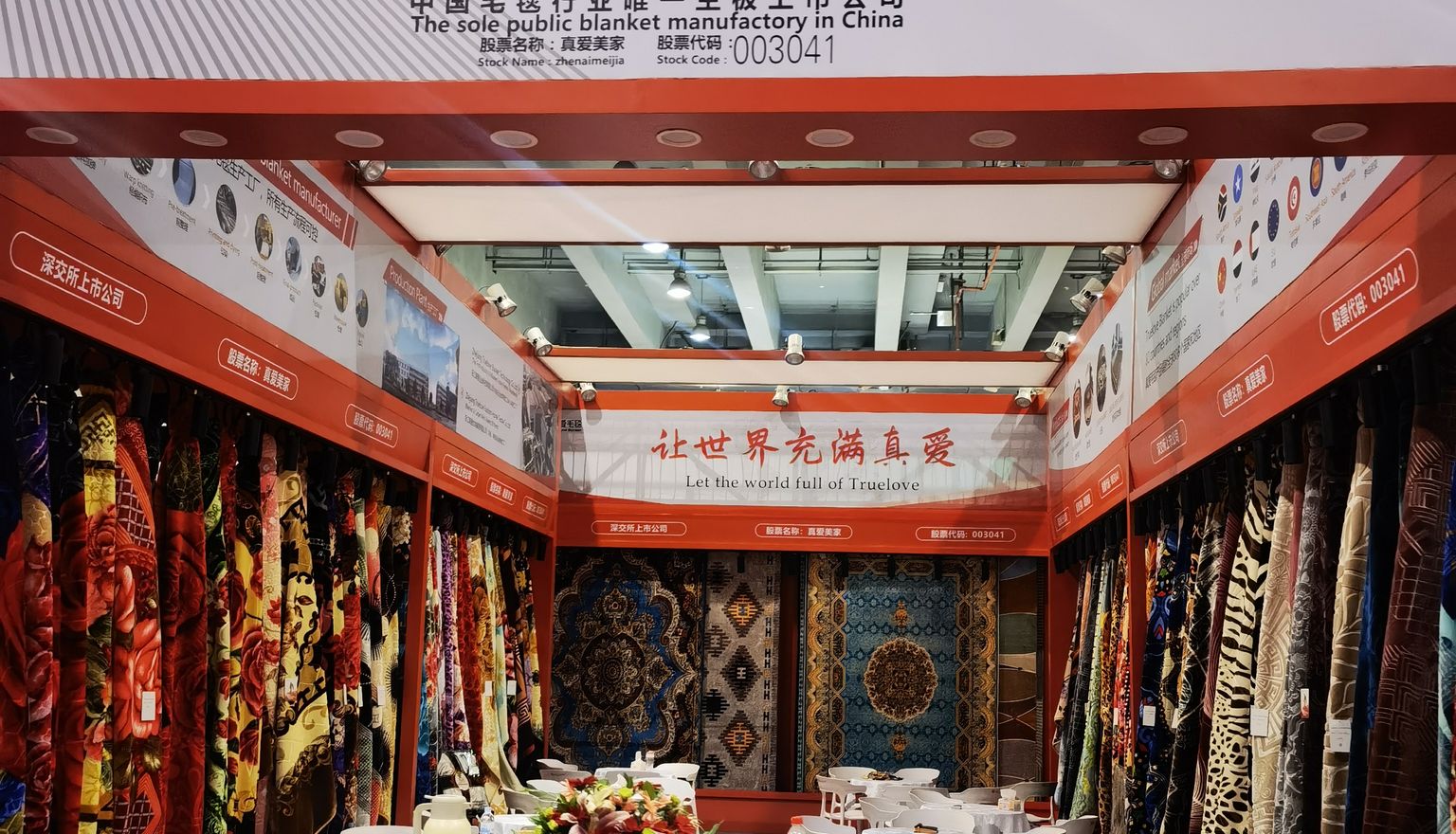
Stand in the aisle and look at the booth before you enter it. The information is there: how the products are arranged, whether the same item appears in six colours or six items appear in one colour, whether there is a sample table at the front or a meeting table at the back, and whether anyone is standing up.
Exhibitors paying for a large corner stand in a main aisle are buying visibility, and the cost of that stand is already inside the price they will quote you. A smaller booth in a side aisle with the same mould and fewer visitors is where the better price usually sits. Neither is automatically the right supplier, but the pattern is worth noticing before you fall for the carpet.
A booth showing forty variations of one product line is a specialist. A booth showing a coffee machine, a fan, a torch and a set of screwdrivers is a trader or a sourcing office, and the products come from four factories that have never spoken to each other.
Breadth is not automatically bad. A trader who knows the factories, handles consolidation and speaks good English can be easier to order from than a plant that has never shipped a mixed carton. What matters is that you know which one you are talking to, because the questions change. A factory answers questions about capacity, moulds and production lines. A trader answers questions about which factory, and whether they will tell you.
| Signal | Points to | Question it raises |
|---|---|---|
| One product family, many variants | Specialist manufacturer | Which variants share a mould, and what is the changeover cost? |
| Unrelated categories side by side | Trader or sourcing office | Which factory makes this, and can I visit it? |
| Products wired for one market only | Factory with one big customer | Can you build to my plug, voltage and label? |
| Empty shelves on day three | Samples sold or shipped out | Is the display stock, or is it for sale? |
Read these as probabilities, not proof. Plenty of factories display unrelated accessories to fill a stand, and plenty of traders specialise in one product and know it better than the plant does.
Ask directly and watch the answer rather than the words. A factory will name a district, describe the workshop and offer a visit without much prompting. A trader will name the city, mention a partner factory, and become careful about the address. Both answers can be honest; only one of them lets you see the line.
The commercial difference is not moral. Traders add a margin and remove work: they consolidate several products, handle export documents and reply in your language. Factories cut the margin and add risk: you become responsible for export handling, quality control and the relationship between the person who quoted you and the person running the machine.
For a first order under a few thousand units, a good trader is often the lower-risk choice. For a repeat order at volume, the factory is where the price is.
Pick up the item on the shelf and look at the parts you will not see again until the container arrives: the seam, the screw heads, the moulding flash, the inside of the lid, the label on the base. A display sample is handled for five days by strangers and should still be intact. If it is not, the production version will be worse.
Ask whether the sample on the table is a stock item or a pre-production sample. The second is better made than what you will receive, because someone built it by hand to show you. The first is what the line actually produces, including the shortcuts.
The floor sample is the honest one. Ask for a unit taken from a finished export carton rather than from the display. Exhibitors keep both, and the difference between them is usually the reason a first container disappoints.
Certificates on the back wall are marketing until you read them. What matters is the standard, the scope and the date: a CE declaration covering the model you are buying, an ISO 9001 certificate for the plant that will make it, a test report from a laboratory with a number you can look up.
Expired certificates are common, and so are certificates for a different product in the same family. Photograph the wall, note the certificate number, and check it when you get home. A supplier who cannot produce the PDF within a day of asking has told you how the documentation will go for the rest of the order.
Where a booth shows nothing at all, ask what certification the product carries for your market. The answer should name a standard, not a word like approved.
Most export booths carry no prices. That is normal and not evasive: the price depends on quantity, packaging, material and destination, and a number on a card would be wrong for almost every visitor.
What is worth noticing is how quickly a price appears. A supplier who asks three questions before quoting, then gives a range with the quantity break attached, is running a real quoting process. A supplier who gives a firm number in the first minute, before knowing your quantity, is quoting from a price list that will not survive the second conversation.
Prices quoted at a booth are valid for a short window. Ask how long, and ask whether the number includes packaging. Those two questions separate a quotation from an opening position.
Booths are staffed by whoever the company could send: salespeople, engineers, the owner, and often an English-speaking hire who knows the catalogue and nothing else. Work out which one you have within two questions.
Ask something technical that is not in the catalogue, such as the tolerance on a dimension, the material grade, or what happens to the finish at low temperature. A salesperson deflects; an engineer answers with a number and a caveat. If the person at the stand cannot answer and cannot fetch someone who can, that is the level of support you will get after the deposit.
Ask for a card with a name and a WeChat ID. Not an email address on a catalogue, which usually reaches a shared inbox nobody owns.
The booth says nothing about whether the factory can hold a delivery date in December, whether it pays its workers on time, or whether the last shipment it made was rejected at destination. Those answers come from a factory visit, a reference customer, or the supplier's behaviour over the two weeks after the fair.
There is one more thing it cannot tell you: whether the company will still answer in three months. The fair is full of exhibitors who collect enquiries and follow up on none of them. The test is cheap. Send a specific question the day after the fair and see who replies with a document attached and who replies with a greeting.
Everything visible from the aisle narrows the list. It does not close it.
Q How can I tell a factory from a trading company at the fair?
Ask where the goods are made and offer to visit. Factories name a district and describe the workshop; traders name a city and become vague about the address. The business licence, which they should be willing to show, lists manufacturing in the business scope if they are a factory.
Q Is it better to buy from a factory or a trader?
Under a few thousand units, a competent trader often carries less risk because they handle export documents, quality checks and consolidation. Above that volume, the factory margin is worth going after directly, provided you can manage the export side yourself or through a forwarder.
Q Should I ask for prices at the booth?
Ask for a range tied to a quantity, plus the validity period and whether packaging is included. A firm price given before anyone asks your quantity is a price list number that will not hold.
Q What should I photograph at a booth?
The booth number sign first, then the products, the label or rating plate, the certification wall and the business card. That sequence lets you reconstruct which supplier made which product two weeks later.
Q Why do some booths have no prices displayed?
Export prices depend on quantity, packaging, material and destination, so a single number would mislead most visitors. No price on display is normal; refusing to give a range after three questions is not.
Q Do exhibitors sell the display samples?
Some do, usually on the last day of a phase, and usually at a discount. Treat a display sample as handled goods: it has been on a shelf for five days. Ask for a unit from a finished carton instead.
Related pages
If you have two or three factories to compare and need to know what each one costs to ship, send us the products and carton data. The freight comparison usually decides the argument.
Email sales8015@goodhopefreight.com | WhatsApp & phone +86 133 9216 2503