
Terms
The purpose of a first order is not profit. It is to find out, at the lowest price that produces a real answer, whether this supplier can repeat.
Contents
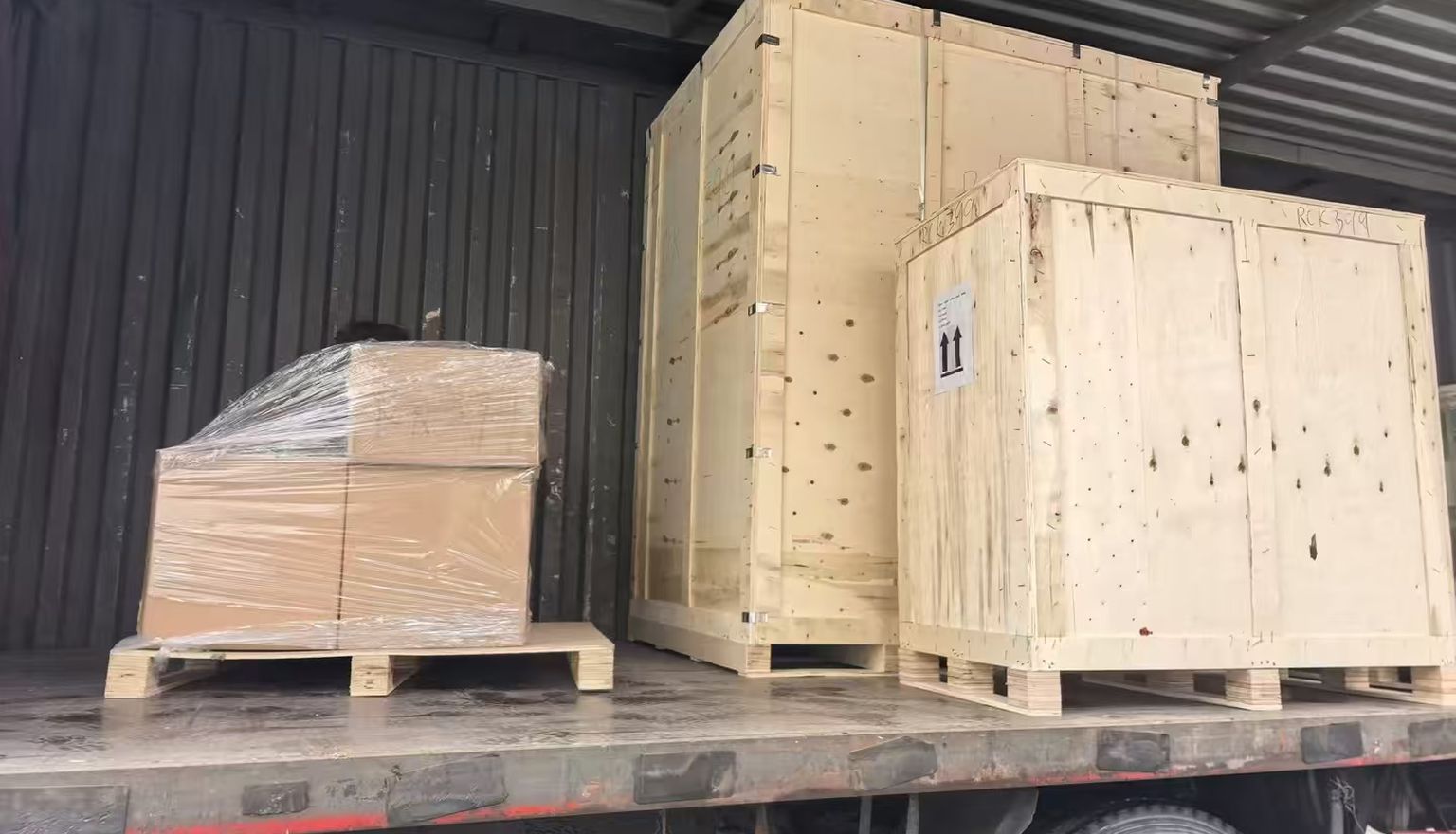
Two failure modes are common and they sit at opposite ends. The order is so small that the freight per unit is absurd, the factory gives it to the sample room, and nothing learned applies to a real run. Or the order is a container, which is not a trial at all but a bet with a purchase order attached.
The useful range for most consumer goods is one to three cubic metres, or roughly one pallet to a half-loaded LCL. That is enough to be produced on a real line, enough to fill a retail test, and small enough that a total loss is survivable.
The number that decides it is not the unit price but the fixed costs: export declaration, documentation, terminal handling, and the minimum charge on a groupage shipment. Below about one cubic metre those fixed costs dominate, and the trial becomes an expensive lesson in freight rather than in manufacturing.
A workable rule: size the trial to the smallest quantity the factory will run on its normal line, and no smaller. Ask which quantity that is. A supplier who says five hundred when the answer is two thousand has told you something about how the quotation was built.
Three modes fit a trial order, and the choice is arithmetic rather than preference.
Two costs are easy to forget in the comparison. Air is priced on chargeable weight, which for bulky light goods is volume rather than kilos. LCL carries destination charges that can exceed the origin freight on a small shipment, so the quote to compare is the door-to-door one.
A trial order is where the terms get set for everything that follows. Four are worth arguing about, and the rest can wait.
FOB, named port. Clear responsibility boundary, and the freight stays under your control so the first shipment's cost is visible to you rather than embedded in a supplier's number.
Thirty percent deposit, seventy percent against a copy bill of lading. It is the standard structure and it keeps the balance tied to a document that only exists once the goods are on a vessel. A supplier who insists on the balance before shipment is asking for the full amount against a factory photograph.
An agreed inspection point. Who inspects, when, at whose cost, and what happens if the result is marginal. Even without a third-party inspection, agree that finished cartons can be photographed and counted before loading.
A written specification as an annex to the purchase order. Dimensions, material, finish, packing, labels, and the sealed sample as the physical reference. Everything that is not written becomes a conversation later.
A trial order produces goods and information, and the information is the part with a future. Five measurements are worth recording while the shipment is live.
Write these down before the goods arrive. After they arrive, the memory of the process has already been overwritten by the impression of the product.
Volume does not change the paperwork. A two-cubic-metre shipment needs the same core set as a container, and the cost per unit of getting it wrong is higher.
The customs entry is prepared from these, not from the conversation. A trial order with an ambiguous description is the most common reason a first shipment sits in a terminal while the buyer learns what a tariff code is.
Small orders do not get small versions of the fixed costs. This is why the per-unit freight on a trial looks alarming and why that number should not be used to judge the supplier.
Export declaration, terminal handling, documentation, the LCL minimum, destination handling, customs brokerage at both ends and delivery. On two cubic metres these can total more than the goods. On twenty cubic metres they are spread thin.
The honest way to read it: separate the trial's fixed costs from its variable costs, and judge the supplier only on the variable ones. The fixed costs are the price of finding out, and they are paid once. A buyer who rejects a good supplier because the first shipment's freight per unit was triple the second's has confused a learning cost with a price.
Where the fixed costs can be reduced: consolidate the trial with other cargo, accept a slower routing, ship to a port rather than a door, and avoid requesting a certificate of origin that saves less than it costs.
The trial ends with a decision, and there are three possible ones. Scale, repeat, or stop.
Scale means the goods sell and the process held. The next order goes up a price band, and the conversation moves to lead times, forecast and a container. Ask for the band prices now, while the trial is still the reason for the email.
Repeat means the goods are fine and the market has not answered yet. Repeat at the same size, but fix the packing and documentation issues recorded during the trial, and put the improvements in writing so they survive a change of salesperson.
Stop means something failed: quality, dates, or the economics. Say so, in one paragraph, with the specifics. Chinese suppliers take a clear no better than a slow fade, and a supplier you decline politely this year is a supplier you can approach again when the product changes.
In all three cases, keep the file: the sealed sample, the photographs, the documents, the defect count. That file is the baseline the next order is measured against.
Q What is a reasonable size for a first order from China?
One to three cubic metres for most consumer goods, or the smallest quantity the factory will run on a normal line. Small enough to survive a loss, large enough that the production process is real.
Q Is LCL or air better for a trial order?
Below about one hundred kilograms, air is usually cheaper door to door and much faster. Between one hundred kilograms and fifteen cubic metres, LCL. Compare door-to-door figures, because LCL destination charges are significant on small volumes.
Q Will a factory accept an order below its MOQ?
Often, at a higher unit price and as a separate trial band. Ask for that band explicitly rather than arguing about the minimum; the trial price is a one-off and the MOQ applies to the repeat order.
Q What payment terms should a first order use?
Thirty percent deposit and seventy percent against a copy bill of lading is the norm. A letter of credit is possible but the bank charges usually exceed its value below about thirty thousand dollars.
Q Do I need a certificate of origin for a small shipment?
Only if a preferential duty rate applies and the saving exceeds the fee. For many small shipments it does not, and the certificate adds a step and a cost for no benefit.
Q How long does a trial order take from deposit to delivery?
Six to ten weeks by sea to Europe or the US, including production, booking, transit and clearance, on ordinary goods. Air reduces transit to days but not production, which is usually the longer part.
Related pages
Send the carton count, the weight and the destination and we will price the trial by LCL and by air on the same day, so the choice is made on numbers rather than on habit.
Email sales8015@goodhopefreight.com | WhatsApp & phone +86 133 9216 2503