
Quality
The first sample is made by whoever is best on the bench. The second one tells you what the line will do in March.
Contents
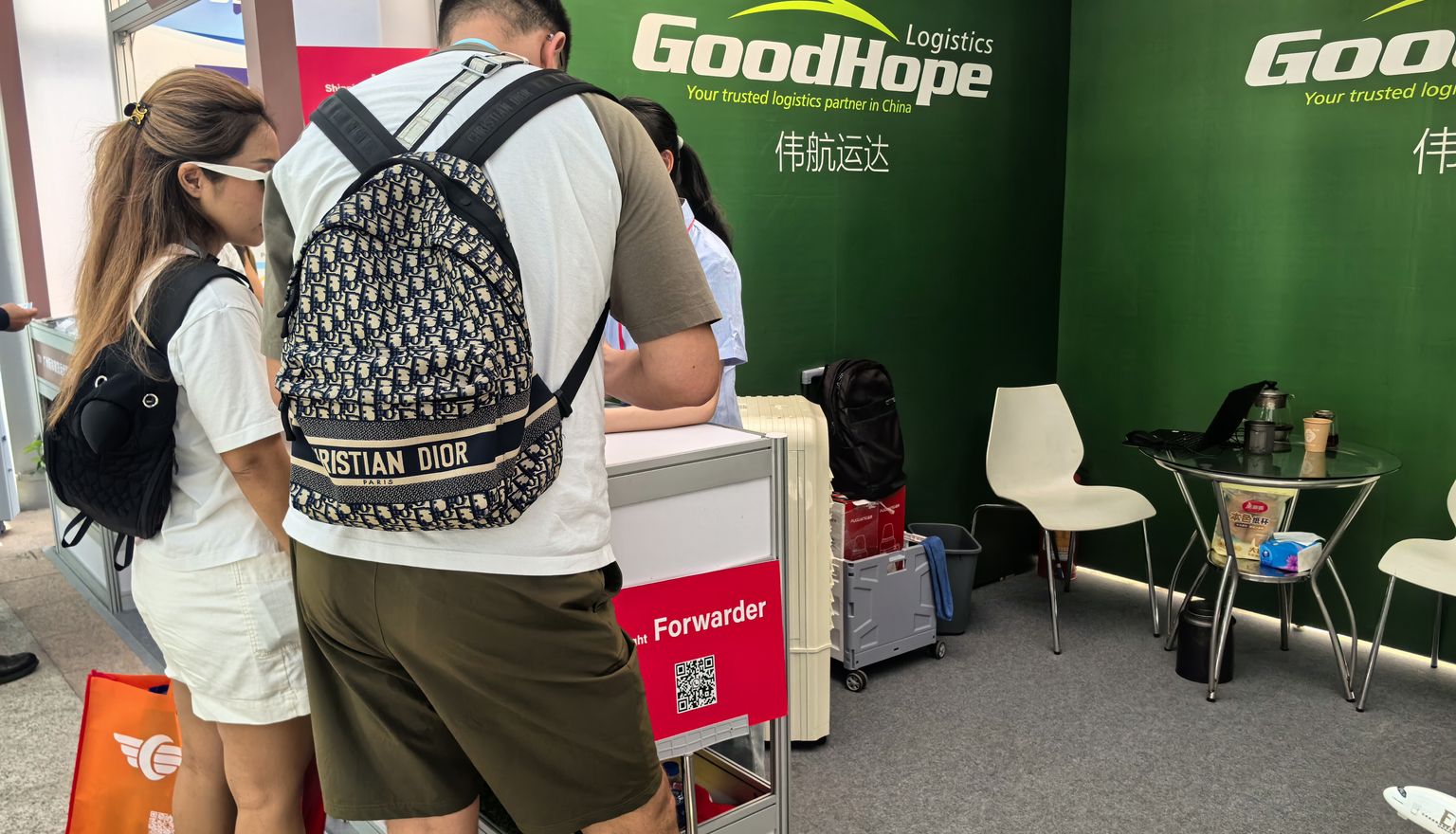
The sample that arrived after the fair was probably made before the fair, from a batch set aside for visitors. It may have been finished by hand. It certainly passed through more eyes than a production unit will.
That does not make it dishonest. A company showing goods at a trade fair is expected to show its best work, and every exhibitor on the floor does the same. What it means is that the first sample answers a narrow question: can this factory make the product at all. The second sample answers the question you actually need answered: can this factory make it repeatedly, on a line, at the price quoted.
Ordering the second sample is the cheapest quality control in the whole order cycle. It costs a sample fee and a courier, it takes two weeks, and it happens while there is still time to change supplier without disturbing a production schedule.
Buyers use the word sample for four different objects. Being precise about which one you are asking for saves a fortnight.
Ask for the counter sample before the order and the production sample at the start of the run. The shipment sample is not optional on a first order; it is the only physical evidence that survives a sea voyage.
A request that says "please send another sample, better quality" produces either nothing or a repeat of the first sample. A request that can be executed has five parts.
Send the same request to two suppliers. The replies, not the samples, are the first useful comparison: one will ask three clarifying questions, one will send a carton photographed against a tape measure, and one will go quiet.
Sample costs are small and the argument about them is expensive. Three separate charges exist and they are usually quoted together.
Pay the sample fee rather than asking for a free one. A buyer who pays is a buyer the factory expects to invoice, and the sample room responds to that. A free sample is a marketing cost, and marketing samples are the ones made on a Friday afternoon.
Open the carton before the product, and photograph everything in the order it comes apart. The packing is half of what you paid the courier to send.
Then check the item against the list you wrote, not against your impression of the first sample. Measure with a tape or a caliper rather than by eye: a two millimetre difference in a plastic part is a fit problem at assembly and invisible in a photograph. Weigh it. Put the label next to a ruler so the print size is on record.
Three specific checks are worth doing on every second sample, because they catch the failures that repeat.
Colour against a reference. Not against memory. A physical swatch, a Pantone number or the first sample under the same light. Colour drift between batches is the most common complaint in textiles, ceramics and coated metal.
The seam, joint or weld. Look at the place a factory hides. A neat face and a rough joint is a sample made for approval rather than production.
The carton. Board grade, print quality, marks, and whether the goods actually fit without pressure. A carton that has to be forced closed will arrive deformed.
An approved sample that lives in a cupboard is a rumour with a date. A reference sample is sealed, labelled and held by both sides, with the same identification on each copy.
The production sample and the shipment sample are compared against this sealed unit. Without it, a dispute becomes a conversation about what "the same as the sample" meant, conducted in two languages, six weeks after the fact.
Most second samples fail on something. The question is which kind of failure it is.
A specification failure is a misunderstanding: the colour is wrong, the logo is in the wrong place, the carton is the wrong size. It is cheap to fix and it tests the supplier's sample room. One more round is reasonable.
A process failure is more serious: the same defect appears twice, or the second sample is worse than the first. That is a factory problem, not a communication problem, and the third sample will usually confirm it. Two rounds is the limit; after that the cost of continuing exceeds the cost of changing supplier.
A capability failure is the one buyers miss. The sample is acceptable and the supplier says the tolerance cannot be held in production, or the finish is only possible on a hand-made unit. That sentence is worth more than the sample, because it arrives before the deposit instead of after the container.
Record the outcome either way. A supplier who fixed three defects in nine days and documented the changes is a better long-term partner than one whose first sample happened to be perfect.
Q Should I pay for a second sample?
Yes. Sample fees are normal and are often credited against the first order. A buyer who pays gets a sample made on a schedule; a buyer who asks for a free one gets a marketing unit at the factory's convenience.
Q Who pays the courier for samples from China?
Usually the buyer, on the buyer's account, so the tracking and the customs entry are in the buyer's name. Forty to eighty dollars for a carton is typical, more for bulky goods or anything containing a battery.
Q How long should a second sample take?
Seven to fifteen days for a simple product from existing material, three to five weeks if a new tool or a new print is involved. A supplier who quotes two days is sending something from stock.
Q Do I need a third sample?
Only if the second failed on a specification point that has been corrected in writing. If the second sample failed on the same defect twice, a third sample is a delay rather than a test.
Q What is a golden sample?
A signed, sealed unit that both sides hold, used as the physical definition of acceptable quality. It is the reference for the production run, the pre-shipment inspection and any later claim.
Q Can a sample be sent by air without special paperwork?
For ordinary goods, yes, on an express service with a commercial invoice for the sample value. Goods with a lithium battery need the battery documentation even at sample quantity, and some carriers refuse loose cells outright.
Related pages
If several suppliers are sending samples, we can receive them at one address in Shenzhen or Guangzhou, consolidate them into one air waybill and forward the lot to your door.
Email sales8015@goodhopefreight.com | WhatsApp & phone +86 133 9216 2503