
Destination
In the Gulf the paperwork is not checked on arrival. It is issued, against a product, in the exporter's country, weeks before the vessel loads.
Contents
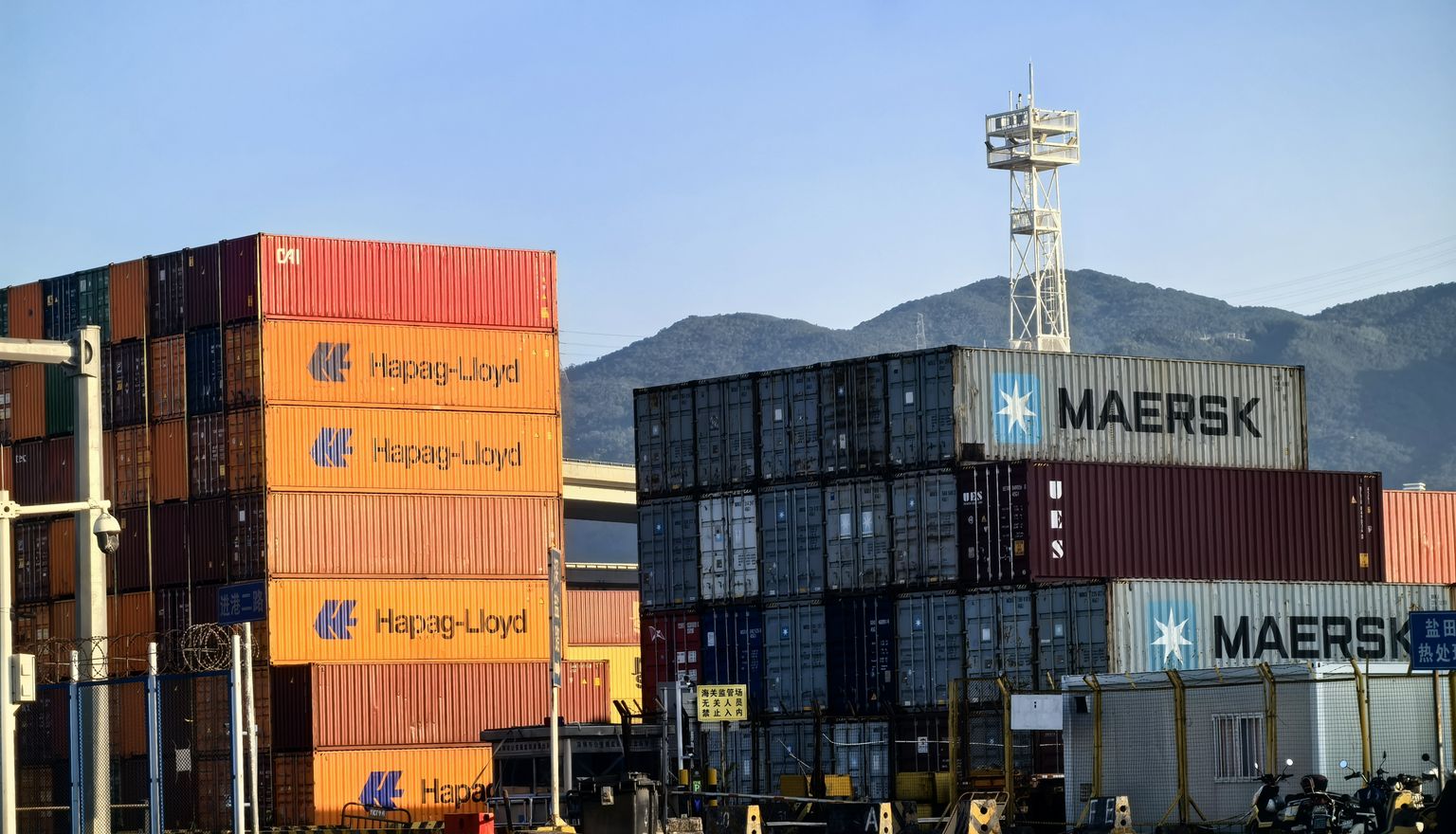
The Gulf Cooperation Council is a customs union on paper. In practice a container cleared in Dubai cannot be delivered to Riyadh without a second clearance, a second set of documents and a second conformity certificate. Each state has its own importer registration, its own single window, its own standards body, and its own view of what a certificate should say.
Saudi Arabia is the largest market and the most procedural. The United Arab Emirates is the easiest to enter and the most common transshipment point. Kuwait, Qatar, Bahrain and Oman each add their own registration and their own document requirements, and the volumes are small enough that a buyer often meets them for the first time on the shipment that matters.
The consequence for planning is that "shipping to the Middle East" is not a route decision. It is a document decision per country, and the document lead time is usually longer than the ocean transit from South China. A container to Jeddah spends eleven to eighteen days at sea and can spend three weeks waiting for a certificate that should have been requested before production finished.
Saudi Arabia requires regulated products to be certified through SABER, the national platform run by the Saudi Standards, Metrology and Quality Organization. Two documents come out of it, and they are not interchangeable.
Both are issued by conformity assessment bodies approved by the Saudi authority, not by the exporter and not by the freight forwarder. The importer has to be registered in SABER and has to accept the certificate before it becomes valid, which means the buyer's registration is a prerequisite for the supplier's paperwork.
The failure pattern is consistent: a supplier ships against a product certificate and has never applied for the shipment certificate, and the container arrives at Jeddah or Dammam without the document that releases it. Obtaining one after arrival is possible, slower, and more expensive, and storage at a Saudi port is not cheap.
The UAE is a federation and its customs work at emirate level. Dubai and Abu Dhabi run separate customs administrations with separate systems, separate registrations and separate broker relationships. A consignee licensed in Dubai is not automatically able to clear in Abu Dhabi.
Product conformity runs through the Emirates Conformity Assessment Scheme for regulated products, and the Emirates Quality Mark for those that carry it. Which products are regulated is set by the standards body, and the list covers electrical items, toys, some building materials, cosmetics and food contact articles among others. A certificate of conformity issued for the shipment is what the broker presents.
Food, cosmetics, pharmaceuticals and medical devices go through their own registration with the relevant authority, and that registration sits with the importer, not the exporter. This is the point at which many first shipments stop: the buyer has a trade licence, but the product is not registered, and registration takes longer than the vessel.
Jebel Ali is the region's largest container port and the natural entry point for goods destined onward to Africa, India and the wider Gulf. It is also where a re-export can be assembled, stored and re-documented, which is a legitimate advantage of the location and a reason the free zones exist.
Arabic labelling is a market access requirement in most Gulf states, and it applies to the retail pack, not to the shipping carton. A container of correctly labelled cartons holding unlabelled retail boxes is a container that cannot be sold, and in some states cannot be cleared.
What typically has to appear in Arabic: product name, ingredients or composition where relevant, net content, country of origin, production and expiry dates for food, storage conditions, and the importer's name and address. Bilingual labelling is generally accepted; Arabic-only is not required, but Arabic is.
The practical problem is that the factory prints the retail packaging months before the buyer has an importer of record, so the importer's name cannot be printed. Stickers applied at the importer's warehouse solve it for some categories and are refused for others, particularly food. Confirm which before the packaging order is placed, because reprinting a retail carton is the most expensive mistake in this list.
Shelf-life rules compound it. Food with less than a stated proportion of its shelf life remaining at import can be refused regardless of the label, which turns the ocean transit into a countdown that starts at production, not at shipment.
Several Gulf states still ask for commercial documents to be legalised: the invoice and certificate of origin stamped by the chamber of commerce in the exporting country, and in some cases attested by the destination's consulate. The requirement varies by state and by product, and it changes with less notice than buyers expect.
Legalisation is a physical process with a queue. It is not something a forwarder can do in an afternoon, and a document legalised after the vessel sails is a document that arrives after the container.
The invoice itself needs more than a price. It needs the consignee's registration number with the destination customs authority, a specific goods description, the HS code, the country of origin, the Incoterm and the terms of payment. Where a certificate of origin is required, the invoice and the certificate must agree on quantity and description, because a mismatch is a routine reason for a hold.
Some states require the certificate of origin to be issued in a specific format by a specific body, and a supplier's own printed certificate is not accepted. Ask which form, from which issuer, before production, and keep a copy of what was accepted last time.
Destination charges in the Gulf are high relative to the ocean freight on a short leg, and on a small shipment they can exceed it. The list is consistent across ports even where the amounts differ.
| Charge | What it covers | When it is billed |
|---|---|---|
| Terminal handling | Moving the box across the quay | On arrival, to the consignee or the carrier's account |
| Documentation fee | Issuing the delivery order | Before release |
| Customs duty and VAT | Duty on the CIF value, plus local tax where applied | Before release |
| Broker fee | Preparing and lodging the declaration | Before release |
| Storage | Days in the terminal beyond free time | Daily, and it accumulates fast |
| Inland haulage | Trucking to the warehouse or dry port | On booking the truck |
Amounts vary by port, by carrier and by container size, and they change. Ask for the destination charge sheet for the specific port before you compare two freight quotes — a cheap ocean rate with an expensive destination is the most common way to lose money on a Gulf shipment.
The structural point is that a freight quote that stops at the port of discharge does not describe the cost of getting goods to a warehouse. In the Gulf, the difference between those two numbers is often larger than the ocean freight.
Saudi Arabia moves a large share of container volume inland. Riyadh is served by a dry port, and Dammam serves the eastern province, so a consignment can be cleared at an inland facility rather than at the sea port. That is efficient when the paperwork is complete and expensive when it is not, because an inland container that cannot be cleared sits further from the ship that could take it back.
Transit cargo — goods entering one state to be delivered to another — needs a transit declaration and a guarantee, and it is a separate procedure from import. The guarantee is financial, and the responsibility for the goods remains with the declarant until they exit.
For a buyer whose goods are going to Iraq, Jordan or beyond, the Gulf port is a staging point, not a destination. The inland or cross-border leg has its own documents, its own permit requirements and its own delays, and it is worth pricing separately rather than folding into a single through rate that hides where the risk sits.
Trucking in the region is generally good and the road network is modern. The delay is rarely the driving; it is the paperwork at each crossing.
In most Gulf markets the container is released against payment. Duty, VAT, the broker's fee and the terminal charges are settled before the delivery order is issued, and a consignee without cleared funds does not get the box regardless of who owns the goods.
This is a cash-flow fact that a buyer planning a first shipment should model deliberately. A container arriving with a duty bill, a broker fee and storage accruing is a container that becomes more expensive every day it waits, and the waiting is often caused by an administrative gap rather than a funding one: a registration not yet active, a certificate not yet accepted, a bank transfer that needs a signature.
Where the seller ships DDP, the seller carries this exposure and prices it. Where the seller ships CIF or CFR, the buyer does, and the buyer's first indication of the real cost is often the arrival notice.
The remedy is unglamorous: ask the destination agent for the charge sheet before booking, confirm the consignee's registration is live, and confirm the certificate exists in the platform rather than in an email.
Working hours change in the Gulf during Ramadan, and customs, ports and ministries run reduced schedules. Clearance does not stop, but throughput falls and the queue lengthens, so a container arriving in the last ten days of the month can wait considerably longer than the transit time suggested.
The Hajj period affects Jeddah and the western corridor in particular, with movement restrictions and priority given to pilgrim traffic. Eid holidays close government offices for several days at each of the two Eids, and the customs authority is a government office.
China adds its own closures at the same time of year. Chinese New Year falls in a different part of the calendar, but when a Gulf holiday and a Chinese holiday land close together the practical window for production, booking and clearance narrows to a few days, and the bookings that miss it move by weeks.
The planning rule is to put both calendars on one page before confirming a delivery date. Buyers who do this once keep the page.
Q Do I need a conformity certificate for Saudi Arabia before shipping?
Yes. Regulated products need a product certificate and, for each consignment, a shipment certificate issued through SABER by an approved body. The shipment certificate references the invoice and bill of lading, so it is normally obtained once the shipment documents exist but well before arrival.
Q Can the same container be cleared in Dubai and delivered to Riyadh?
Not as a single clearance. The GCC is not a functioning customs union for this purpose. Goods entering Saudi Arabia need a Saudi importer, a Saudi registration and a Saudi certificate, even if they were transshipped or stored in the UAE.
Q What is required on the label in Arabic?
Typically the product name, composition, net content, country of origin, dates where relevant and the importer's details, on the retail pack. Bilingual labelling is accepted. Stickers are tolerated for some categories and refused for others, food in particular.
Q Why are destination charges so high in the Gulf?
Short ocean legs carry low freight, so terminal handling, documentation and brokerage make up a larger share of the total. On a small shipment they can exceed the ocean freight. Ask for the destination charge sheet before comparing quotes.
Q Are documents still legalised for Gulf countries?
Some states still require chamber legalisation of the invoice and certificate of origin, and occasionally consular attestation. The requirement varies by state and product and changes without much notice, so confirm per shipment.
Q Can the container be released before duty is paid?
Rarely. Duty, tax, broker fees and terminal charges are normally settled before the delivery order is issued. A consignee without cleared funds does not receive the container.
Related pages
If the destination is Jeddah, Dammam, Jebel Ali or Hamad, tell us the product and the consignee, and we will set out which certificates have to exist before the container can load.
Email sales8015@goodhopefreight.com | WhatsApp & phone +86 133 9216 2503