
Terms
A quotation is a description of a transaction, and two suppliers describing different transactions can print numbers that look comparable and are not.
Contents
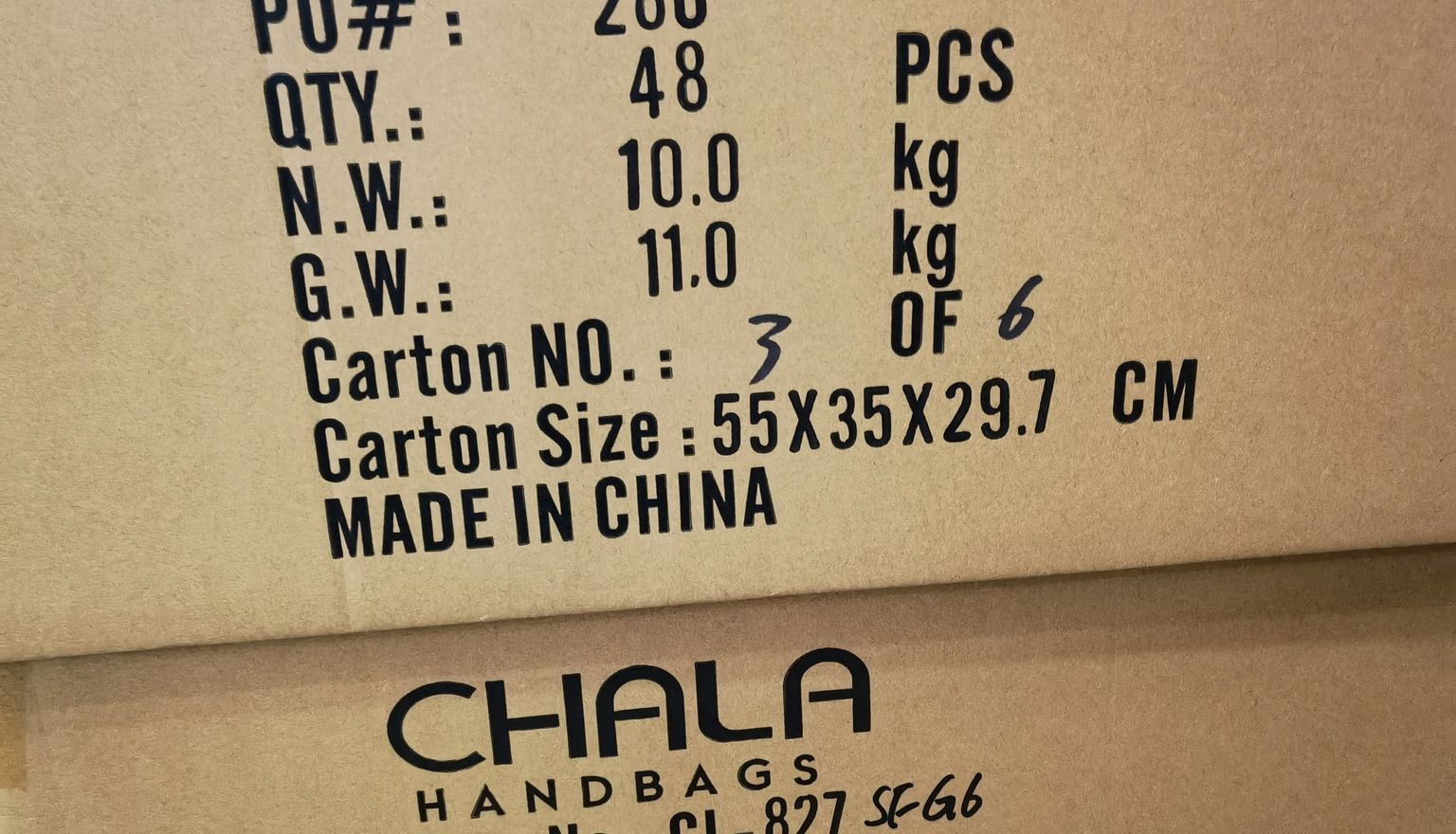
Two suppliers quote 2.40 and 2.15 per unit for the same item. The difference is twenty-five cents, which reads as a better factory and is usually something else. One price includes an inner box; the other does not. One is ex-works; the other is FOB Shenzhen. One assumes a master carton of forty; the other, of twenty-four, which changes the freight per unit by more than the price gap.
A quotation is a description of a transaction, and the number is the last line of that description. Strip the description and the number is meaningless. This is why a buyer who collects prices and compares them is comparing arithmetic, not offers.
The fix is mechanical. Before any comparison, write down the scope on both sides in the same terms, then convert both prices to a single landed figure at your door. The conversion takes twenty minutes and routinely reverses the ranking.
Every quotation sits on an Incoterm, and the Incoterm decides which costs are inside the number.
Two quotations on different terms cannot be compared until both sit on the same one. FOB is the honest meeting point: it is where the supplier's responsibility for the goods ends and where your freight cost begins.
The carton is where two identical unit prices become two different landed costs. A supplier who packs forty units per carton at 60 by 40 by 35 centimetres is shipping 0.084 cubic metres per carton, or 0.0021 cubic metres per unit. A supplier who packs twenty-four units in a carton of the same size is shipping 0.0035 cubic metres per unit, sixty percent more volume for the same goods.
On a groupage shipment charged by cubic metre, that difference is paid in freight. On a full container it is paid in the number of containers. Either way it appears on your invoice and not on the supplier's quotation.
Ask for four figures and check that they are consistent: units per carton, carton dimensions in centimetres, gross weight per carton, and cartons per pallet if the goods are palletised. Then multiply. A quotation with a low unit price and no carton data is a quotation you cannot cost.
Inner packing matters for a different reason: it decides what arrives intact. A supplier who saves eight cents on a moulded pulp insert has moved the damage risk to a sea voyage, where it is more expensive than eight cents.
A single MOQ figure hides the structure. Factories price in bands, and the bands are set by how the line is set up, not by generosity. A typical ladder for a small consumer product might run at 500, 1,000, 3,000 and 10,000 units, with a step of six to twelve percent between bands.
Two consequences follow. The first is that comparing a price at 1,000 units from one supplier against a price at 3,000 from another tells you nothing. The second is that the MOQ is often negotiable in a specific way: not by asking for a lower minimum, but by accepting a colour or size restriction, a longer lead time, or a shared production run.
Thirty percent deposit and seventy percent before shipment is the Chinese default. It is not the only structure, and the structure changes the cost of the order even when the unit price does not move.
A supplier asking for one hundred percent before production is asking you to fund the entire order and carry the risk of a factory that has not started. A supplier accepting thirty percent against a copy bill of lading is carrying part of the risk for you, and will price that in. Both are legitimate; only one of them is being paid for openly.
Put a number on the difference. If a supplier wants the balance ten days earlier than another, the cost to you is the cost of that money for ten days plus the risk of paying before the goods exist. On a fifty thousand dollar order the interest is trivial and the risk is not. Rank the terms by risk first, cost second.
Currency belongs in the same column. A price in dollars and a price in renminbi are two prices plus an exposure. Ask each supplier which currency they are actually costing in, and whether the quoted rate holds for the validity period.
A quotation is a price at a moment. Chinese exporters cost in renminbi and quote in dollars, which means the supplier carries the exchange rate between the two. When the rate moves against them, three things can happen: the price is renegotiated, the material is quietly changed, or the delivery slips.
Three questions make the exposure visible without turning the email into a negotiation about macroeconomics.
The date on the quotation is part of the quotation. Two sheets from the same week are comparable. A sheet from March against a sheet from October is a comparison between two economic moments.
The comparison happens on one page, with one column per supplier and one row per cost. Nothing is left as a unit price.
The row that most often changes the ranking is packing, and the second is freight basis. Both are invisible on a price sheet.
Price per unit at different quantities. A supplier quoting at 3,000 units will always look cheaper than one quoting at 800. Normalise the quantity before reading the price, or accept that you are comparing two different orders.
CIF against FOB. A CIF price contains a freight rate the supplier negotiated, on a routing the supplier chose, with an insurance cover that may be the minimum. It is not automatically worse, and it is not comparable to FOB until the freight is stripped out and replaced with your own rate.
Sample price against production price. A sample at three times the unit price is normal: it is a one-off run, often hand-finished, and it carries courier and handling. It says nothing about the production price. Some suppliers quote a low sample and a high production price for the opposite reason, which is why both numbers belong on the sheet.
One comparison is worth making and rarely is: the same product from the same supplier, quoted at the quantity you actually intend to buy, in the packing you actually need, on the term you will actually book. That single quote beats ten indicative prices.
Percentages and validity periods above are typical ranges in the category, not commitments. Freight, duty and rates change; the comparison method does not.
Q Why is one quotation so much cheaper than the other?
Usually packing, material or scope. Check units per carton, carton size, the material specification and whether the price is ex-works or FOB. A gap above twenty percent is almost always a different object, not a better factory.
Q Should I compare FOB or CIF prices?
FOB. It is the point where the supplier's obligation ends, so the goods and the freight can be priced separately. Convert any CIF quote to FOB by removing the freight and insurance, then add your own forwarder's rate.
Q How long is a Chinese quotation valid?
Fifteen to thirty days is usual, and the sheet should say. Treat anything older as indicative and ask for a reconfirmation before the deposit, especially on goods where the raw material is a commodity.
Q Does a lower MOQ mean a worse factory?
Not necessarily. A factory with stock material, or one that runs mixed production, can accept less. A very low MOQ with a very low price is the combination worth questioning, because it usually means the goods are being bought in rather than made.
Q What is the single figure I should compare?
Landed cost per unit at your warehouse, including goods, packing, freight, insurance, duty and the cost of the payment terms. It is the only number that answers the question you are actually asking.
Q Can the supplier's freight rate be better than mine?
On small volumes, often yes, because the supplier ships weekly and gets a groupage rate. On a full container, rarely, and a supplier who insists otherwise is usually adding a margin to the freight line.
Related pages
Send both quotations with the carton data and the destination, and we will put them on one sheet with the same freight rate, the same duty assumption and the same payment cost.
Email sales8015@goodhopefreight.com | WhatsApp & phone +86 133 9216 2503