
Terms
The deposit is the only money you spend before anything physical exists. Everything after it is a negotiation about evidence.
Contents
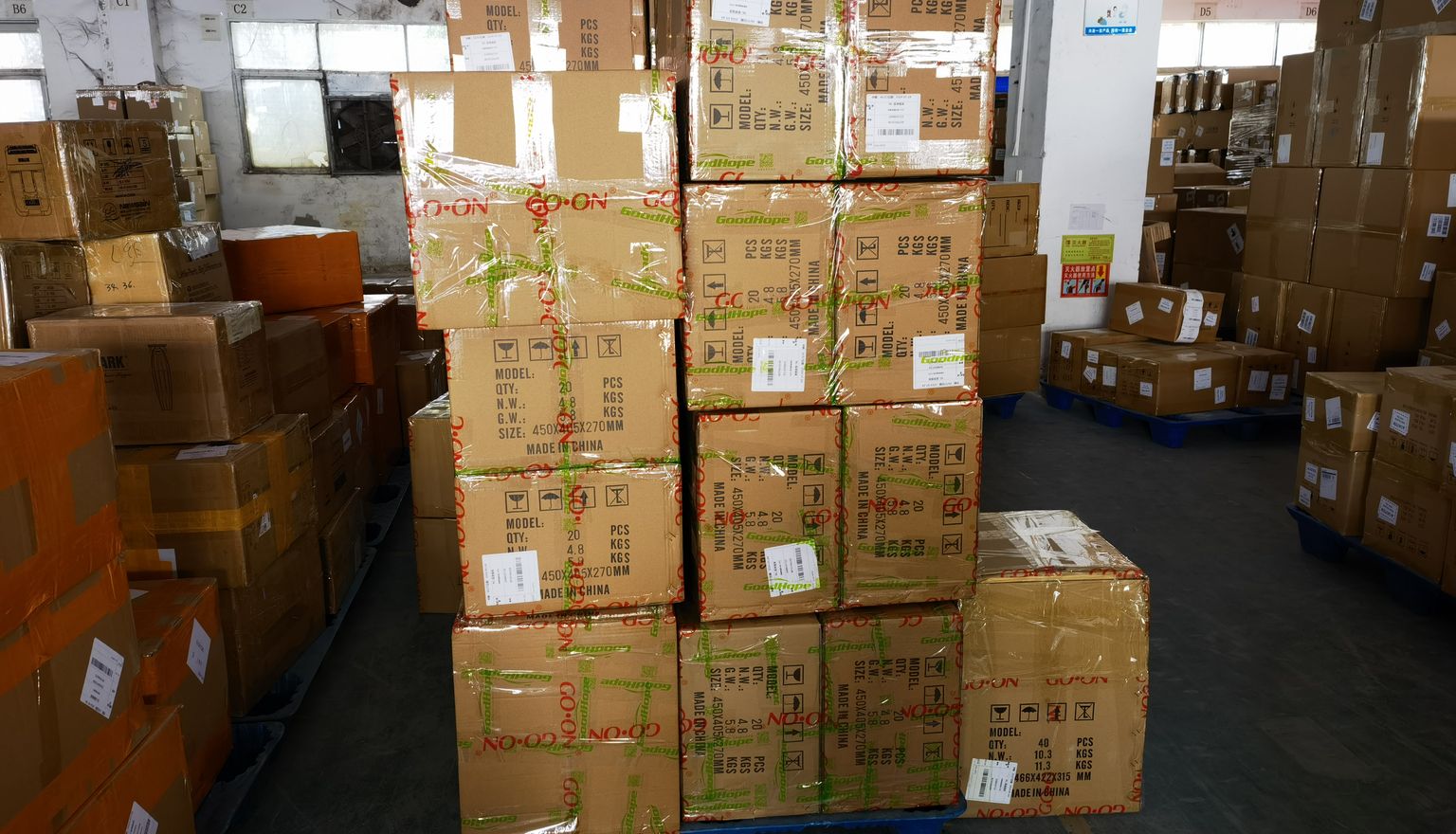
A deposit does not buy finished goods. It buys three things, none of which you can hold: raw material the factory would not otherwise order, a slot in a production queue that is already full, and the supplier's willingness to spend money on your order before you have paid for it.
On a first order those three are worth more than the percentage suggests. The factory is being asked to commit capital for a buyer with no history. That is why a new supplier often asks for a higher proportion up front than an established one, and why the same factory that accepted thirty percent from a repeat customer may ask for fifty from you.
What the deposit does not buy is a date. Any schedule attached to it is a projection made before the material arrived, before your order reached the front of the queue, and before anyone knew how many working days the month would actually contain. Treat the deposit as a purchase of capacity, and the balance as the price of accepting what came out of it.
Custom tooling breaks this apart. Moulds, dies and jigs are usually paid in full before they are cut, and that money is separate from the goods deposit because it buys an object, not a run of them. Ask which part of the up-front payment is tooling and which is material. Suppliers who cannot separate them are often quoting a single number they have learned buyers accept.
Thirty percent deposit and seventy percent against documents is the most quoted split in Chinese export trade, and it is a habit rather than a standard. Nothing enforces it. The split moves with four things: how much the supplier must spend before you see evidence, how long the relationship has run, how customisable the product is, and who carries the freight.
Where the supplier buys material at a price that only holds for a short window, expect the deposit to be larger. Where the product is standard and can be sold to the next buyer without much work, expect it to be smaller, because the supplier's risk if you walk away is lower. That is the honest way to read the number: it is an estimate of what the supplier loses if the order dies, not a measure of trust.
Balance timing matters as much as balance size. Seventy percent against a copy of the bill of lading is different from seventy percent before loading. The first leaves the goods in the supplier's control and the documents in the bank's. The second leaves the goods on your account while the supplier still holds the factory gate. A split that looks generous on paper can still leave you paying for cargo you have not seen.
One practical test: ask the supplier to state, in the invoice, what each payment is for. Material, tooling, production, freight. A supplier who can itemise is a supplier who has thought about where the money goes. A supplier who cannot usually has one number and a template.
A balance paid against the word shipment is a balance paid against nothing you can check. There are four points in the cycle where a payment can be pinned, and each one gives you a different kind of protection.
Inspection passed. A third-party inspection report that references the same standard written in the purchase order. This is the strongest point for a first order, because it is the only moment when the goods still sit somewhere they can be reworked. Once they are in a container, every correction costs a de-stuff and a re-stuff.
Loading complete. Photographs of the loaded container with the door open, the carton count visible against the packing list, and the seal number legible. This does not prove quality. It proves quantity and condition at the point of handover, which is exactly what a shortage claim needs six weeks later.
Bill of lading draft approved. The draft is where shipper, consignee, notify party, description, marks, weight and container number are fixed. Approving it before the balance is paid means the document cannot quietly change afterwards.
Document set complete. Invoice, packing list, bill of lading, certificate of origin and any product certificate, all scanned and legible. Paying here is common on repeat orders, where trust is priced in and the documents are the deliverable.
Pick one, write it into the order, and name the evidence that satisfies it. A balance attached to two milestones with no evidence requirement is weaker than a balance attached to one with a photograph and a report.
Holding a balance is not free, and the cost rarely lands where the buyer expects. The obvious part is the supplier's cash position: material was bought on credit, wages were paid, and the factory is now carrying your order while you decide. Suppliers respond in predictable ways. Production for the next buyer moves ahead of yours. Small defects that would have been reworked get shipped. The relationship becomes transactional, which is fine if you wanted a transaction and expensive if you wanted a supplier.
The less obvious cost appears once the container is booked. A loaded container sitting at the factory gate or in a depot starts a clock. Detention accrues against whoever holds the booking, and if the booking is in your name, that is you. Storage at a warehouse is charged by day or by week depending on the operator. Neither charge cares that the argument is about a defect rate.
There is a third cost that never appears on an invoice: the next order. A supplier who has been through a disputed hold prices the risk into the following quotation, adds a longer lead time, or asks for a larger deposit. You have not saved seventy percent. You have moved it into the future at a worse rate.
That is the argument for tying the balance to evidence rather than to satisfaction. A hold that follows a failed inspection is a contract event with a number attached. A hold that follows a feeling is a negotiation you will lose slowly.
Three documents decide whether a withheld balance is a position or a tantrum: the purchase order, the inspection report, and the written notice.
The purchase order carries the acceptance criteria. Not a phrase like good quality, but the measurable version: the standard the product must meet, the sampling plan, the defect classes, the packaging specification, and the labelling. If the order does not say what a defect is, no report can prove one exists.
The inspection report carries the method. It must reference the same standard and the same sampling plan, list what was measured, and attach photographs with timestamps. Reports that state a result without a method are hard to enforce and easy to argue with. Ask the inspection company, before the visit, which standard they will apply, and check that it matches the one in the order.
The notice carries the timing. Most orders and most letters of credit carry a window for raising a non-conformity, and a complaint made after the container has sailed is treated differently from one made while the goods are still at the factory. Send it in writing, reference the report number, state what you want: rework, replacement, a price adjustment, or cancellation of the balance.
One more piece helps and almost nobody keeps it: the approved sample. A signed sample, dated and photographed, with the supplier's acknowledgement that it is the reference. When a dispute reaches the point where two parties describe the same product differently, the sample is the only shared object.
On a sea shipment the balance and the bill of lading are the same conversation. A supplier who has not been paid holds the documents. A buyer who has paid everything holds nothing. The sequence in between is what protects both sides.
The usual order of events is: inspection passes, you approve in writing, you pay, the supplier releases the draft bill of lading for approval, you confirm it, and the original set is couriered or the shipment moves to a telex release. Each step has a document. Skipping the draft approval is the most common mistake, because it is the only chance to catch a consignee name spelled wrong, a port swapped, or a description that will not match the customs entry at destination.
Telex release changes the shape of the transaction. With a telex release the originals are surrendered at origin and the cargo is released at destination against identity, which is faster and cheaper than couriering a set of three originals. It also means the document is no longer a negotiable instrument, so it cannot support a letter of credit and it offers less protection if the buyer and seller fall out mid-voyage.
Freight collect adds a third party. If the freight is payable at destination, the carrier will not release the cargo until those charges are settled, and a dispute about the balance does not pause that clock. Whatever the payment argument is about, keep the destination charges separate from it, or the cargo sits in a terminal while the two of you correspond.
No written acceptance criteria. The order says the goods must be of good quality and the report says they are not. Neither statement can be tested. The supplier is not being dishonest when they disagree; the documents simply never agreed in the first place.
Verbal approval. A message saying looks fine, sent from a fair aisle, becomes the supplier's evidence that the goods were accepted. Anything that counts as approval should be in writing and should name the report or the photograph set it refers to.
Inspecting after loading. Once the container is sealed, the cheapest remedy is gone. Inspections scheduled around the loading date rather than before it are common, and they convert a rework into a claim.
Withholding for a reason outside the order. Late delivery, a rude salesperson, a price that turned out to be uncompetitive. None of these are in the purchase order, and a supplier who is withheld against for them will treat the next order differently. If the reason is commercial, renegotiate the next order. If it is contractual, point at the clause.
The pattern behind all four is the same: the dispute was decided when the order was written, months before anyone was unhappy. Buyers who write the criteria first spend less time arguing later, and they argue from a document rather than from a memory of a conversation in a hotel lobby.
Q Is a 30 percent deposit normal for a first order from a Chinese supplier?
It is the most quoted split and it is a convention, not a rule. First orders and custom tooling commonly sit higher, and standard products with resale value commonly sit lower. Ask what the deposit pays for and what the supplier loses if the order dies. That answer explains the percentage better than any market norm.
Q Can I hold the balance until the container arrives at my port?
You can ask, and most suppliers will refuse, because it moves the entire credit risk onto them after the goods have left the country. A more workable version is a balance against a passed inspection plus a copy of the bill of lading, with the original set released on payment.
Q What happens if I withhold payment and the container is already loaded?
The container starts accruing detention or storage from the day it is loaded and not shipped, and the charge usually follows the party who holds the booking. The argument about the balance does not pause that clock. Resolve the amount quickly, or expect the freight invoice to grow while you negotiate.
Q Does a letter of credit remove the need for a deposit?
No. A credit replaces the supplier's credit risk with a bank's, and the bank still pays against documents. Most credits are structured with a partial advance and the remainder against a document set, so the deposit question does not disappear, it moves into the credit terms.
Q Should the deposit clause mention tooling separately?
Yes, when tooling exists. Moulds and dies are usually paid in full up front because they are an object rather than a run of goods, and mixing that cost into a percentage makes it impossible to argue about later. Name the tooling cost, who owns the tool, and where it is held.
Q What is the strongest single piece of evidence if a dispute starts?
A dated, signed approval sample plus an inspection report that references the same standard written in the purchase order. Either alone leaves room to argue. Together they describe one product and one method, which is what a claim needs.
Related pages
If the balance is tied to a loading date, tell us the product, the quantity and the destination port. We will tell you which cut-off that date has to meet, and how much slack the sailing pattern leaves if the balance clears a week late.
Email sales8015@goodhopefreight.com | WhatsApp & phone +86 133 9216 2503