
Returns
The freight back is often more than the goods are worth. That is the first calculation, and it is usually the one that decides the answer.
Contents
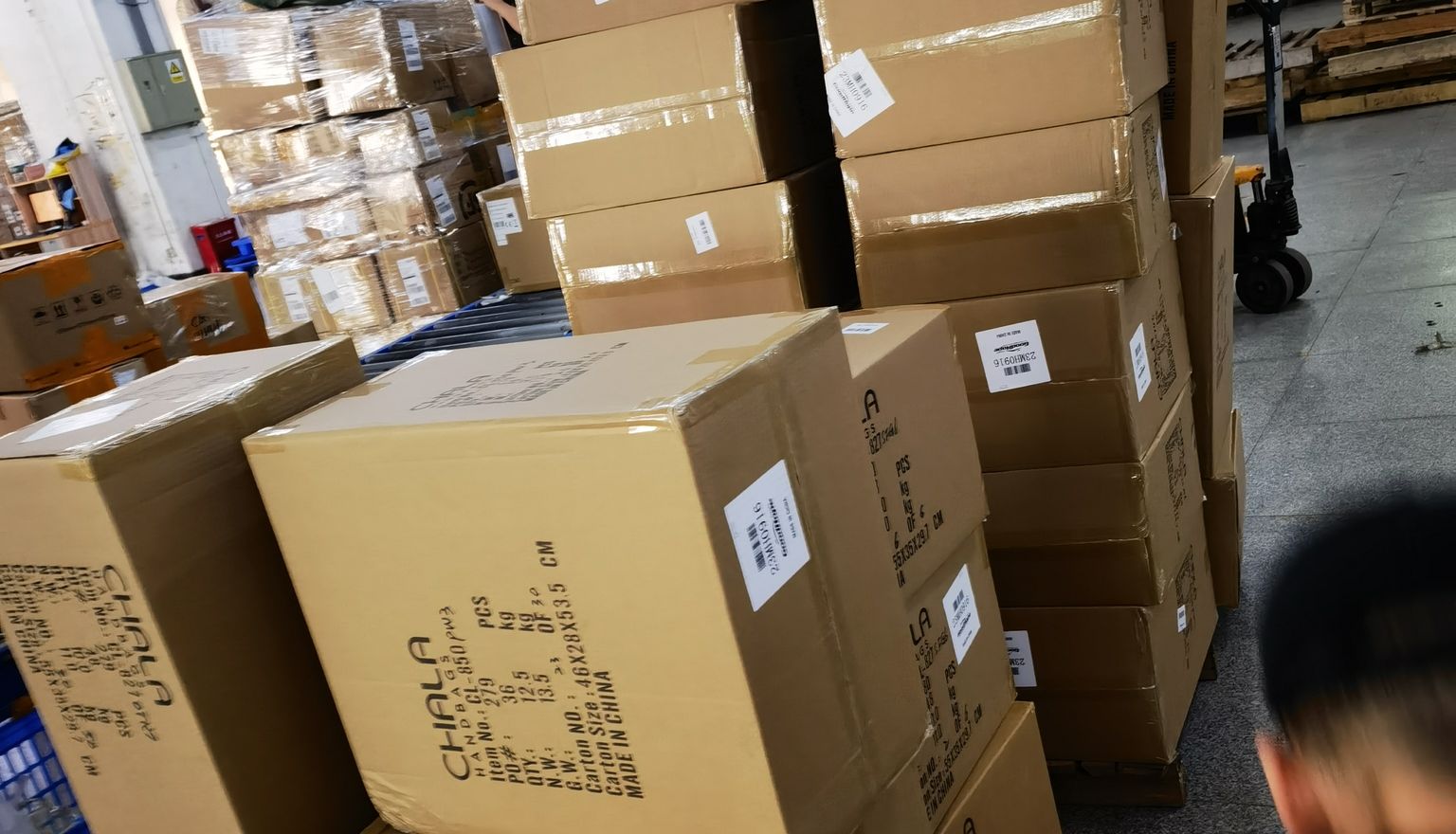
Goods going back to China fall into three categories, and they are treated differently at the border.
A return for credit is a sale reversed. The goods come back, the supplier refunds or replaces, and the transaction is unwound commercially. Customs sees an import that may attract duty on its value, and the supplier may or may not be able to reclaim the export tax treatment on the original shipment.
A repair and re-export is a service, not a sale. Goods enter temporarily, are repaired, and leave again. Duty, where it applies, is normally assessed on the value added rather than the full value, and there is a deadline to re-export.
A rework before reshipment sits between the two. The goods never really come back to you; they go to a factory or a warehouse in China, are sorted, corrected, relabelled or reassembled, and go out again on a new export. This is the most common case in practice and the least discussed.
China's customs treatment of returned and repair goods runs on regimes rather than on goodwill, and each regime has conditions.
Goods that were originally exported from China and are being returned can, in defined circumstances, be treated as returned goods rather than as a fresh import, which affects the duty position. Goods imported for repair under a temporary admission arrangement are expected to leave again within a stated period, and the clock is not extended by conversation.
Both routes need the original export documentation. Without it, the shipment is simply an import of used goods, and used goods can face restrictions that new goods do not.
Rules here are procedural and they change. Treat any specific period or rate as something to confirm with the broker handling the entry, in the month the shipment moves, rather than as a fixed number from an article.
Four documents, and the absence of any one of them turns a straightforward return into a negotiation.
The original export declaration, showing the goods leaving China with the same description, quantity and value. The original commercial invoice and packing list from that shipment. A repair or return agreement stating what is wrong, what will be done, and who pays. And a statement of the defect that is specific: a serial number, a batch, a fault description, photographs.
The description matters more than buyers expect. If the return is declared as generic merchandise while the original export was declared as a specific product with a specific code, the two documents do not match and the file stalls.
Photograph everything before it is packed for the return. The condition of the goods at the moment they leave your warehouse is the only evidence that the damage was not caused in transit back.
Run it before deciding anything, because the answer is often that the goods should not travel.
Air freight back to China is charged on chargeable weight, which for a bulky defective item is usually volumetric. A pallet of small appliances that cost a few thousand dollars can easily cost more to return than to replace. Sea freight is cheaper per cubic metre and takes four to six weeks each way, which for a warranty repair is usually longer than the customer will wait.
Add the destination charges at the Chinese end, the inbound clearance, the repair cost, the outbound clearance and the second international leg. The total frequently exceeds the replacement value of the goods, and that is before the management time.
The comparison is not return versus nothing. It is return versus replace, versus credit, versus rework in place. Put all four side by side with the numbers, and the decision usually makes itself.
Four alternatives, in rough order of how often they are the right answer.
Replacement with a credit is the simplest. The supplier ships new units on the next order, the defective ones are scrapped locally, and the credit offsets the loss. It avoids two border crossings and the customer gets a working product quickly.
Local rework is the second. A technician in the destination country, or a third-party facility, replaces the failed component. This works when the fault is a known part and the labour is available, and it is often cheaper than freight in both directions.
Rework in a third country is the third, useful where duty or origin rules make a Chinese return unattractive. Goods are repaired in a bonded or free-zone facility and re-exported without entering the destination market's commerce.
Scrap with a certificate is the last and the least satisfying. For low-value goods it is the honest answer, and a supplier who resists it is usually resisting the credit rather than the scrapping.
On paper the buyer decides. In practice the warranty terms and the money decide, and both were set before the goods were made.
A warranty clause that promises repair or replacement at the seller's option gives the seller the cheaper route, which is usually replacement. A clause that promises repair only hands the freight problem to the buyer. Neither is unfair; they are different commercial bargains, and the difference only becomes visible when something fails.
The deposit is the other lever. Where a balance is still outstanding, a return is a negotiating position. Where everything has been paid, the buyer's leverage is the next order, which is why a second order is worth more in a dispute than a clause.
Before the return is arranged, get the supplier's written agreement to what will happen at the other end: who receives the goods, who pays the inbound charges, what the turnaround is, and what happens if the repair fails. A return that arrives with no agreed receiving party can sit in a bonded warehouse for weeks.
Three terms make a return feasible, and all three belong in the purchase order.
First, define the failure threshold: what proportion of units failing triggers a replacement shipment rather than a repair loop. Second, set the remedy as the seller's choice among repair, replacement and credit, with a stated turnaround in days. Third, allocate the freight explicitly for each direction, and say who bears duty and clearance on a return.
Add a documentation obligation: the supplier provides, with each shipment, the export declaration number and a copy of the declaration. That single number is the key that opens every return route later, and it costs the supplier nothing to send.
Finally, agree the sample retention. Keeping two units from each batch in the destination country gives you a reference for comparison and a spare for a customer, without moving anything across a border.
A return is decided by documents that were created months earlier and usually thrown away.
Keep, per shipment: the export declaration from China, the commercial invoice and packing list, the bill of lading, the certificate of origin, photographs of the goods at loading and at receipt, and the inspection report if there was one. Keep them in one folder named by shipment, not scattered across email.
A year later, when a customer returns a unit and you want to send it back for analysis, those documents are what allow the shipment to be described consistently. Without them the return is an import of unidentified used goods.
This costs nothing at the time and it is the difference between a return that takes two weeks and one that never clears.
Q Can I return goods to China?
Yes, under a defined customs route and with the original export documentation. What you cannot do is send them back as an unaccompanied parcel and expect them to be treated as returned goods. The route, the value treatment and the deadline all depend on the regime used, so the entry has to be planned rather than improvised.
Q Do I pay duty on goods coming back for repair?
Often the assessment is on the value added by the repair rather than the full value, where the goods enter under a repair regime and leave again within the permitted period. The detail depends on the regime and the product, so confirm the treatment with the broker before shipping rather than after.
Q How long does re-import take?
Allow two to four weeks for sea freight each way plus clearance, and one to two weeks by air. A repair turnaround of six to ten weeks door to door is realistic, which is longer than most retail warranty promises.
Q Is it cheaper to scrap the goods?
Frequently, yes. For low-value or bulky items, the two freight legs plus clearance plus repair usually exceed the replacement value. Run the four-way comparison, return versus replace versus local repair versus scrap, before committing to any of them.
Q Who pays the return freight?
It follows the warranty terms, not the fault. Many Chinese suppliers accept the cost of replacement goods but not the cost of moving the defective ones, which is a reasonable position on low-value items and a bad one on expensive equipment. Settle it in the purchase order.
Q What proves the goods were originally exported from China?
The export declaration filed when they left, with the matching invoice and packing list. Ask the supplier for the declaration number and a copy with every shipment. Without it, a return is treated as a new import of used goods.
Related pages
If goods are coming back to China for repair or rework, send us the original shipment details. We will tell you which route the entry can use and what the Chinese receiver will need before the box arrives.
Email sales8015@goodhopefreight.com | WhatsApp & phone +86 133 9216 2503