
On Site
The complex is a small city with a five-day population, and lunch is the one hour when every buyer, exhibitor and interpreter wants the same thing at the same time.
Contents
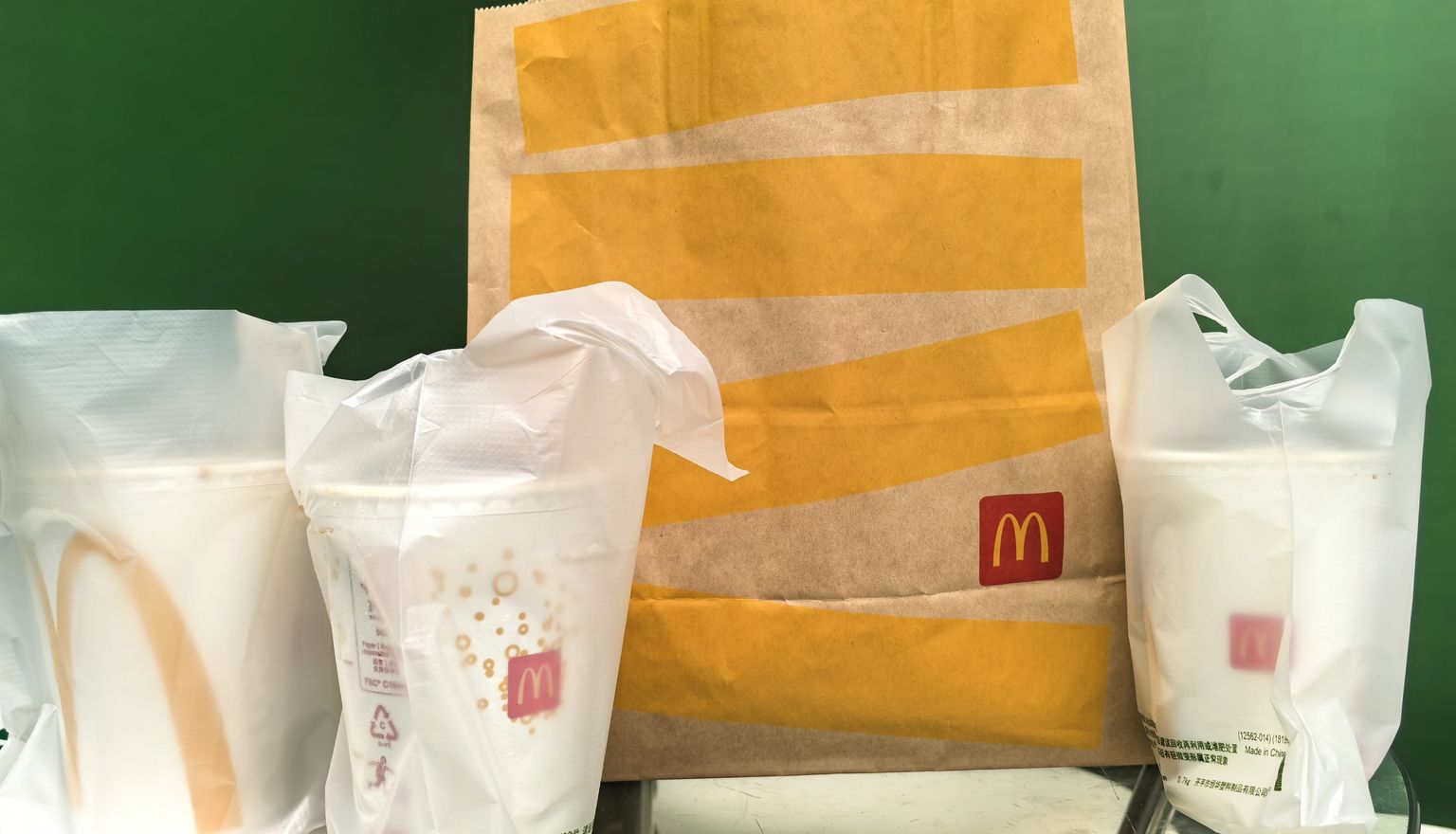
Food service sits inside the complex, mostly on the upper levels of Areas A, B and C, with cafés and convenience counters at ground level and near the main concourses. Area D is the newest and has the thinnest choice.
The practical consequence is that your lunch location is decided by the hall you are standing in, not by what you feel like eating. A buyer in hall 15 who wants the food court in Area A is committing to a walk of twenty minutes each way.
There are also small stands inside the halls selling drinks, pastries and packaged snacks. They are the right answer when you have a 14:00 meeting across the aisle and no time to sit down.
Service runs through the day, but the crowd concentrates between about 12:00 and 13:30. At 12:15 the queue at a popular counter is twenty minutes, the tables are full, and the noise makes a conversation impossible.
Two windows work better. Before 11:45, when the food is fresh and the room is half empty. Or after 13:45, when the first wave has gone back to the halls and the staff are still serving.
Halls close at 18:00, and the food service winds down before that. A buyer planning to eat at 17:30 is planning to eat from a convenience counter.
A set meal inside the complex is priced for a captive audience: a rice or noodle plate, a fast-food combo or a simple Western lunch sits in the middle of the range you would pay in a shopping mall in the same city, and noticeably above what the same food costs two metro stops away.
Prices are set per session and are reviewed between phases, so treat any figure as indicative rather than fixed. What does not change is the structure: fast food and canteen food at the bottom, hotel-operated restaurants and sit-down places at the top, coffee somewhere in between and always more expensive than you expect.
Budget per person per day rather than per meal. Most buyers spend on coffee, water and snacks across a day in amounts that add up to more than the lunch they remember.
Counters inside the complex take mobile payment. Some take foreign cards, many do not, and almost none handle cash efficiently at peak. A buyer without Alipay or WeChat Pay working on a foreign card will spend part of the lunch hour finding a counter that accepts it.
Set the payment apps up before you travel, with a card that works abroad, and test a small purchase on day one. The failure mode is always the same: the app asks for verification by SMS to a number that does not roam.
Carry a few hundred yuan in cash as a floor. It covers a bottle of water, a taxi and a coffee when the phone is dead, which happens at the worst moment on a long day.
Leaving for lunch looks like a forty-minute break and behaves like an eighty-minute one. Exit, walk to a gate, find food outside, eat, walk back, clear security, walk to the hall. The security queue at 13:30 is the slowest of the day.
The arithmetic is unforgiving on a two-day trip. Two hours lost to lunch over two days is two supplier meetings, or one factory conversation that would have changed your shortlist.
If you want a proper meal, take it at the end of the day. The restaurants around Pazhou and in Zhujiang New Town are better than anything inside the venue, and dinner costs you nothing in hall time.
The halls are dry, air-conditioned and enormous, and the walk from Area A to Area C is 4.4 km around the outside. Water is the thing buyers underestimate. Carry a bottle and refill it, or buy from the stands inside the halls rather than waiting for a café.
Coffee inside the complex is available and expensive, and the queue at 10:30 is a good indicator of how the day is going. If you need caffeine to negotiate, buy it before the meeting rather than during it.
The afternoon slump at a fair is usually dehydration and a heavy lunch, in that order. A lighter lunch at 11:30 keeps the 14:00 meeting usable.
Between phases the complex changes character. On changeover days the halls are closed, food service inside the venue stops or runs at a fraction of its capacity, and the restaurants around Pazhou fill with exhibitors who finally have an evening free. Buyers who stay in the area during a changeover should plan to eat outside the complex, because there is nothing to eat inside it.
Exhibitors rarely leave the stand. A booth is staffed by two or three people, and one of them eating lunch outside for an hour means the stand is short-handed at the busiest part of the day. Most bring food back, eat standing, and take turns.
That is worth knowing as a buyer. Between 12:00 and 13:30 you are often talking to someone who has not eaten and has been on their feet for four hours. Technical questions get shorter answers. Come back at 15:00 and the same person will draw you a diagram.
It also explains the tea and the bottled water on so many counters. Hospitality is cheaper than a lost conversation, and it buys the exhibitor a few extra minutes of your attention.
Eat at 11:30, in the area you are already working, at the counter with the shortest queue. Take twenty-five minutes, not sixty. Use the quiet window from 12:00 to 13:00 to walk the aisles you had planned for the afternoon, because everyone else is queuing and the halls are as empty as they get during a phase.
Keep a bottle of water in the bag, a few hundred yuan in cash, and one snack. Book any sit-down meal for the evening.
None of this is glamorous. It is the difference between covering thirty booths and covering twenty, and at a fair where the whole product is people's attention, the hour after lunch is the most productive one of the day.
One more habit is worth the space in the bag: a small pack of something you can eat standing up. Exhibitors do it, which is why the counters have biscuit tins on them. A buyer who is hungry at 15:00 makes worse decisions about a price than one who is not, and the coffee queue at that hour is the longest of the afternoon.
Q Is there food inside the Canton Fair complex?
Yes. Food service sits mainly on the upper levels of Areas A, B and C, with cafés and convenience counters at ground level and small stands inside the halls. Area D has the least choice.
Q How much does lunch cost at the fair?
Expect mall prices rather than street prices: a set meal, fast-food combo or simple Western lunch costs noticeably more than the same food two metro stops away. Prices are reviewed between sessions, so treat any figure as indicative.
Q Can I pay with a foreign credit card inside the complex?
At some counters, not all. Mobile payment is the default, so set up Alipay or WeChat Pay with a working card before you travel and test it on a small purchase on day one.
Q Is it worth leaving the complex for lunch?
Rarely. Exit, walk, eat, return and clear security again takes about eighty minutes, and the security queue at 13:30 is the slowest of the day. Eat properly at dinner instead.
Q When is the food court least crowded?
Before 11:45 or after 13:45. Between 12:00 and 13:30 the queues are longest and the tables are full.
Q Do exhibitors leave their booths for lunch?
Almost never. Stands are staffed by two or three people who eat in shifts, often takeaway at the counter. Technical questions at 12:30 get short answers; the same question at 15:00 gets a proper one.
Related pages
If the rest of the week involves factory visits, warehouses or a consolidation point, tell us where you are staying and we will map the travel time into the schedule.
Email sales8015@goodhopefreight.com | WhatsApp & phone +86 133 9216 2503