
Buyer Entry
A good agent reduces the number of things you have to be in the room for. The fee is for that reduction, not for the introduction.
Contents
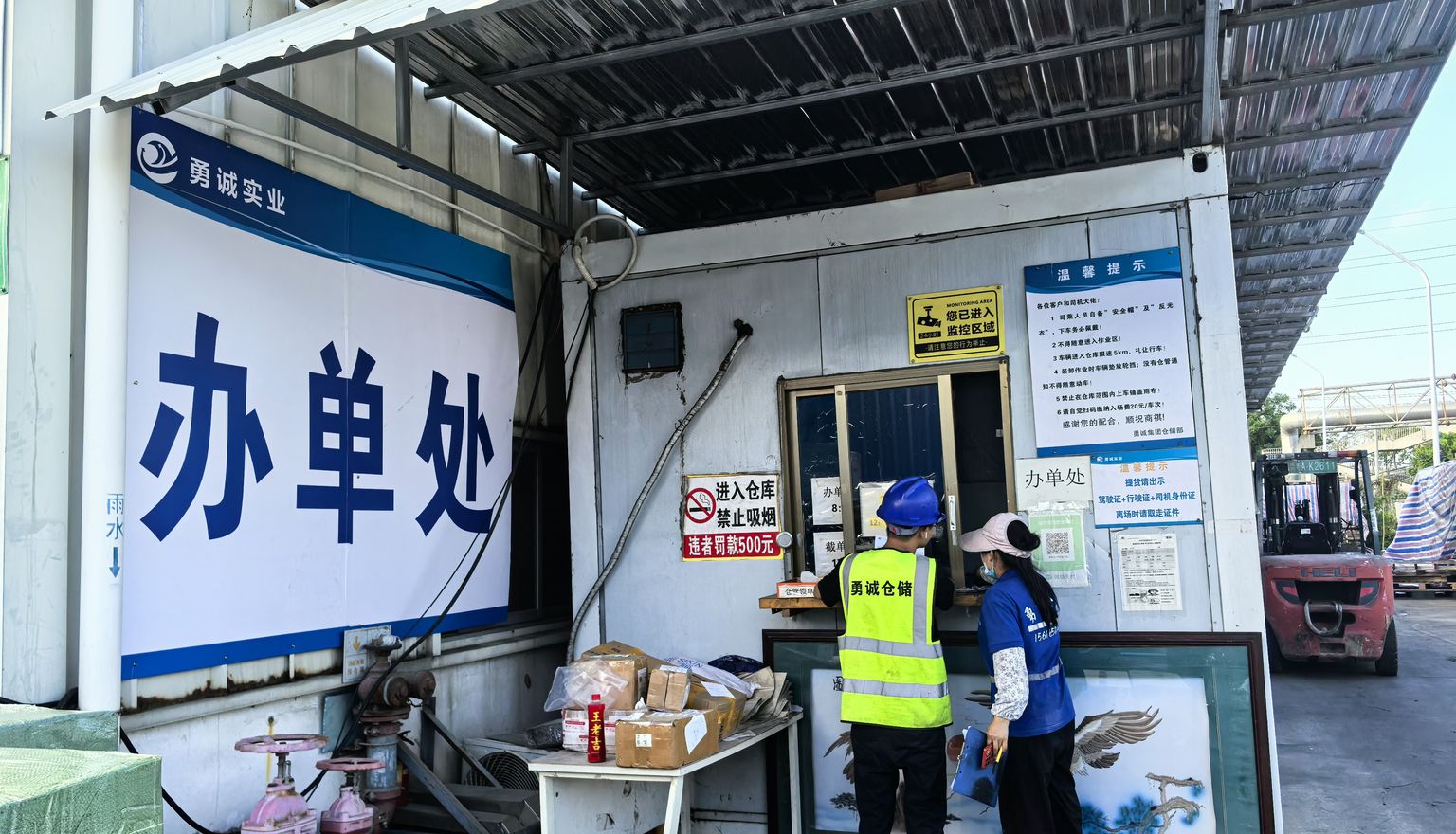
A buying agent is a person or a small company in China who does the parts of sourcing that require being there: visiting factories, comparing quotations in Chinese, arguing about tolerance, standing in a warehouse while cartons are counted, and paying a supplier in renminbi.
The work splits into four blocks. Sourcing finds and shortlists factories. Development turns a specification into a sample that can be produced. Production control follows the order between deposit and completion. Logistics arranges consolidation, inspection and handover to a forwarder.
Most agents are strong in one or two of those and adequate in the rest. The one who is excellent at finding a factory for a new product is often not the one who will sit in a warehouse at eleven at night counting cartons. Ask which block the agent wants to be paid for, and expect the answer to be specific.
Three models are common, and the model tells you where the agent's incentive sits.
Two charges often sit outside the headline fee. The first is a sourcing fee on the first order from a new factory, sometimes offset against future commission. The second is a share of any price reduction the agent negotiates, which some agents take and most do not disclose unless asked.
Get the structure in writing before the first visit, including who pays for travel inside China and what happens on a repeat order from the same factory two years later.
Many Chinese factories pay a commission to whoever introduces a buyer. It is an old practice, it is not illegal, and it changes the advice you receive.
An agent paid by the factory has an interest in the factory getting the order. That does not make the agent dishonest; it makes the agent's recommendation a sales recommendation rather than a purchasing one. The failure is quiet: the shortlist has three factories, two of them are unsuitable in ways the report does not mention, and the third pays.
The clean arrangements are the ones where the direction of payment is stated. Either you pay the agent and the agent refuses factory commission, or the agent takes factory commission and reduces your fee accordingly, in writing. What does not work is an agent who takes both and describes the second as a courtesy.
Delegation is efficient until it reaches the point where the only person verifying the work is the person being paid for it. Four checks should stay with the buyer regardless of how good the agent is.
The company record. Legal name, registration number, registered capital and shareholders, pulled from the public system. Cheap, takes ten minutes, and occasionally reveals that the impressive factory is a trading company with a rented showroom.
The bank account name. It must match the company on the contract. Payments to a personal account, or to a third company, are the most common route by which a deposit disappears.
The inspection. If an agent both manages production and inspects it, the inspection is a self-assessment. Use a separate inspection company on the first order, and compare its report with the agent's.
The freight. Keep the booking with your own forwarder, or at least get a rate from one. An agent who bundles logistics into the unit price has removed the only line you could audit.
Part of what buyers hire an agent for is already covered by the freight forwarder, and paying twice for it is common.
A forwarder books space, handles export declaration, consolidates cargo from several factories, arranges pickup, and produces the bill of lading. Many also arrange inspection through a partner company. What a forwarder does not do is choose the factory, negotiate the specification, or decide whether a sample is acceptable.
The split that works: the agent owns the supplier relationship and the product; the forwarder owns the cargo between factory gate and destination. Where the two overlap is collection and consolidation, and that is where an agent's warehouse charge and a forwarder's pickup charge can both appear on the same shipment.
Ask each side what they are charging for, then remove the duplicate. On a two-cubic-metre trial the duplication is often a hundred dollars; on a container it is not.
An agent with a vague brief produces a vague shortlist. The brief is a document, one page, and it does most of the work of the first month.
Include what you will not accept as well as what you want. An agent's value is partly in saying no to factories quickly, and that only happens when the boundary is written down.
Most agent relationships end for one of two reasons: the buyer builds an internal team, or the buyer starts dealing with the factory directly. Both are normal. Both are easier if the exit was discussed at the start.
Three clauses worth having in the agreement. A defined term with a notice period. A statement of who owns the tooling, the artwork and the moulds, which should be the buyer in every case. A tail commission, if the agent asks for one, limited to a stated period and a stated set of factories rather than an open-ended claim on the relationship.
Then behave accordingly. A buyer who leaves without paying an agreed tail, or who routes around an agent while still using their factory introductions, will find that the next agent asks harder questions. The Chinese sourcing community in a given product category is smaller than it looks.
An agent who is paid fairly, briefed precisely and audited lightly is worth more than the difference between two quotations. That is the whole case for hiring one.
Q How much does a buying agent in China charge?
Three to ten percent of goods value is typical, with the higher end on small orders, or a fixed monthly retainer for a programme of work. Task-based pricing per visit or per inspection is also common and easier to audit.
Q Should the agent or the factory pay the commission?
Either, but not both silently. If the factory pays, the agent's recommendation is a sales recommendation and your fee should reflect it. Get the direction of payment written into the contract.
Q Can a freight forwarder replace a buying agent?
No. A forwarder moves cargo and handles export documents. It does not choose factories, control samples or negotiate specifications. The overlap is collection and consolidation, and that is where duplicate charges appear.
Q How do I know the agent is not taking money from suppliers?
Ask, in writing, and require the answer in the contract. Then check two factories on the shortlist independently and insist on paying suppliers directly, in the supplier's company name.
Q Do I still need a third-party inspection if I have an agent?
On a first order, yes. An agent who manages production and inspects it is marking their own work. One independent inspection on the first shipment costs a few hundred dollars and settles the question.
Q Who owns the mould if the agent arranges tooling?
You do, if the purchase order says so. Tooling paid for by the buyer belongs to the buyer, and the mould should be identifiable, photographed and stored at a named factory. Put it in the contract, not in a chat.
Related pages
If an agent is collecting goods from several suppliers, we can take them at one warehouse, check the marks and counts, and ship them as a single consignment under one bill of lading.
Email sales8015@goodhopefreight.com | WhatsApp & phone +86 133 9216 2503