
Goodhope Freight runs export quarantine treatment across Fujian: heat treatment (HT) for wood packaging, methyl bromide and sulfuryl fluoride fumigation, dielectric heating, plus IPPC marking and fumigation or disinfection certificates. Coverage takes in Haicang, Dongdu, Songyu and Xiang'an in Xiamen, Jiangyin, Mawei and Qingzhou in Fuzhou, Shihu, Houzhu and Weitou in Quanzhou, Xiuyu in Putian, and Zhaoyin, Houshi, Dongshan and Gulei in Zhangzhou, together with Ningde and Pingtan. Inland factories in Longyan, Sanming and Nanping are treated on site. Air cargo is handled around Xiamen Gaoqi (XMN), Fuzhou Changle (FOC), Quanzhou Jinjiang (JJN) and Wuyishan (WUS).
The treatment parameters are the same nationwide. ISPM 15 recognises a 56°C core temperature held for 30 minutes or more; methyl bromide calls for 24 hours of closed exposure at 10°C and above. Nobody in Fujian gets to negotiate those numbers.
What differs is the geography. Xiamen and Fuzhou are two main gateways, one at each end of the coast, while Quanzhou, Putian, Zhangzhou and Ningde each run their own terminals. Longyan, Sanming and Nanping have no seaport at all: cargo goes by road to Haicang or Dongdu in Xiamen, or to Jiangyin in Fuqing. Mountain roads and tunnels make Sanming to Xiamen a normal four to five hours. The same treatment step can cost a full day more at an inland factory than inside Xiamen.
So this page is written as a working manual rather than an explainer: which gateways can treat, who drags the box, how much time to hold before cut-off, and where the certificate joins the document chain.
Parameters below follow ISPM 15 and the published quarantine requirements of destination countries. Yard availability and gate windows change weekly, so each shipment is confirmed against the current roster.
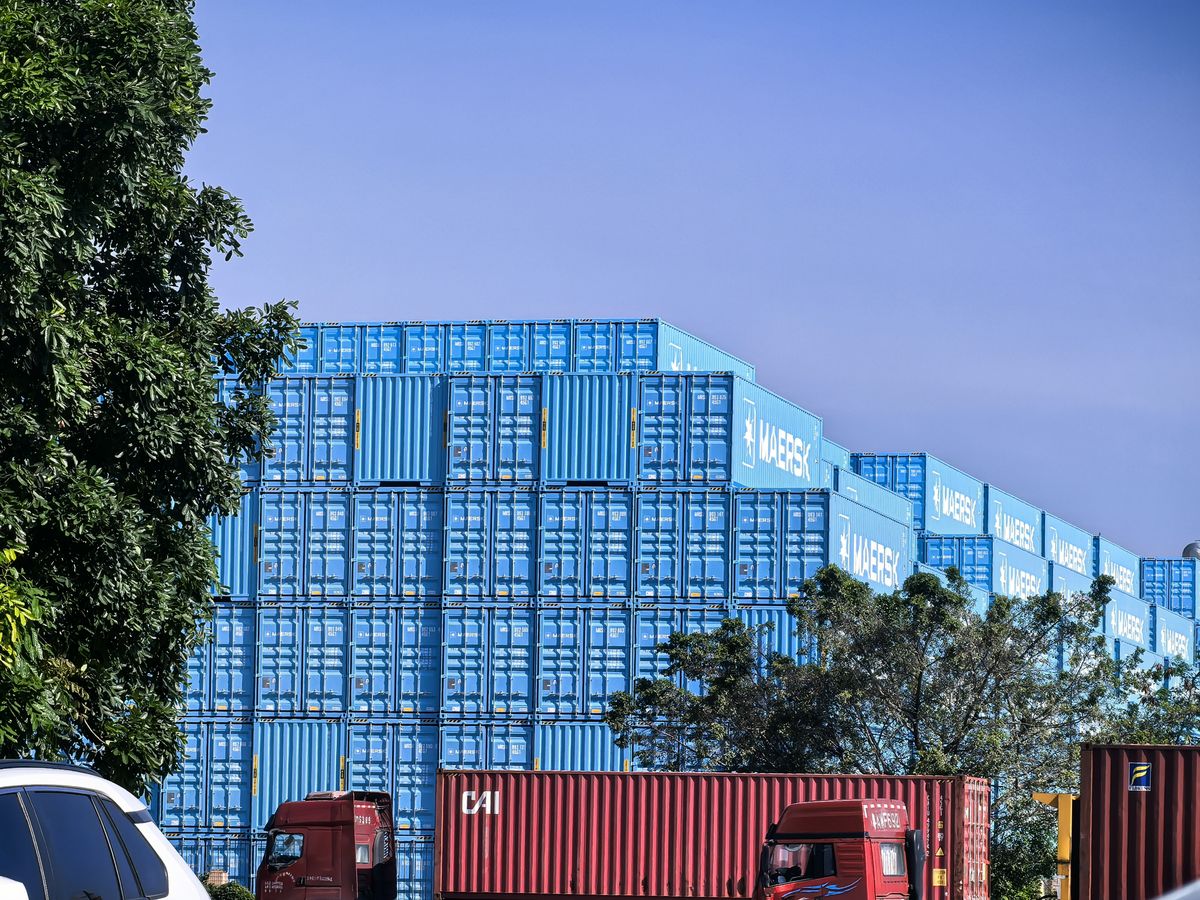
Nine prefecture-level cities plus the Pingtan pilot zone. The table lists working points and normal truck times; actual slots follow the yard roster for the week. Where a cross-city drag runs beyond three hours, the usual answer is to treat at the nearer gateway instead of hauling both ways.
| City | Port / airport | Yard and treatment mode | Factory to yard | Scheduling note |
|---|---|---|---|---|
| Xiamen | Haicang terminal; Dongdu (Xiangyu, Haitian); Songyu; Xiang'an (Liuwudian); Gaoqi airport (XMN) | Quarantine yards around Haicang and Dongdu, terminal yards, factory-side work; air cargo at yards near Gaoqi | 30–60 minutes within the city | Deep-sea cut-off usually falls 1–2 days before sailing, so the box gates in early. Dongdu carries dense intra-Asia services to southeast Asia, Japan, Korea and Taiwan; barge relay needs its own window. |
| Fuzhou | Jiangyin terminal (Fuqing); Mawei Qingzhou; inner Minjiang ports; Changle airport (FOC) | Yards around Jiangyin terminal; Mawei barge cargo treated locally; air cargo near Changle airport | 1.5 hours from the city to Jiangyin; within 1 hour around Fuqing | Jiangyin serves deep-sea services with an early cut-off, so treatment sits ahead of the drag. Mawei barge cargo needs a relay window. |
| Quanzhou | Shihu terminal, Houzhu, Weitou, Shenhu; Xiaoqiu at Quangang; Jinjiang airport (JJN) | Yards and terminal yards around Shihu and Houzhu, mostly factory-side; air cargo near Jinjiang airport | 40–90 minutes within the city | Stone from Shuitou and footwear from Jinjiang travel on timber skids in large lots and many bookings; allow time to open the box and check for bark and soil. |
| Putian | Xiuyu terminal; Sanjiangkou; Dongwu | Xiuyu gateway yards, with factory-side work for nearby plants | 1 hour from the city to Xiuyu | Xiuyu is a main discharge port for imported logs and timber, and shoe exports bring plenty of pallets; quarantine-sensitive lots are often treated whole. |
| Zhangzhou | Zhaoyin terminal; Houshi; Dongshan; Gulei | Yards around Zhaoyin combined with factory-side work; Gulei petrochemical zone books under park rules | 40–60 minutes to Zhaoyin; over 2 hours to Dongshan | Zhaoyin is the southern wing of Xiamen port and shares its deep-sea services, so cut-off moves with Xiamen. Gulei entry requires personnel and vehicle lists filed in advance. |
| Ningde | Sandu'ao (Zhangwan, Baima), Saiqi | Gateway yards combined with factory-side work | 30–60 minutes within the city | Stainless steel, electric motors and seafood dominate. Chilled seafood is dosed outside the midday heat, and ventilation time is set by measured residue. |
| Pingtan | Aoqian, Jinjing (cargo to Taiwan) | Gateway yards plus factory-side work | Island work; vehicles cross by bridge or ro-ro | Taiwan services keep fixed schedules, so the treatment day is back-planned from the sailing. Island yards are small: lock a slot early in peak season. |
| Longyan | No seaport; exports via Haicang or Dongdu in Xiamen, or Zhaoyin in Zhangzhou | Mostly factory-side, otherwise drag to an Xiamen yard | 2.5–3 hours to Xiamen | Factory work saves one haul leg, but the site has to be fenced off and cordoned. Mountain roads close in rain and fog, so build in slack. |
| Sanming | No seaport; exports via Xiamen port or Jiangyin in Fuqing | Mostly factory-side | 4–5 hours to Xiamen; 3.5–4.5 hours to Jiangyin | Cross-city hauling does not pay, so factory treatment comes first. Plants are scattered across counties, so truck dispatch follows the actual town. |
| Nanping | No seaport; Wuyishan airport (WUS) | Factory-side; only small-scale treatment around Wuyishan airport | 2.5–3 hours to Fuzhou | Bamboo and timber products are common and sit on quarantine watch lists. Air crates mostly take heat treatment with marks; whole-lot fumigation is booked early. |
Truck times are normal ranges. Pre-holiday peaks, typhoons and highway or mountain-road restrictions stretch them. Peak-season bookings stand or fall on the slots the yard has that week.
The treatment is the same, but FCL, LCL and air cargo run in a different order. The rows below place each step on a day from T-4 to T-0 so they can be dropped straight into a booking sheet.
| Milestone | FCL — Haicang / Dongdu / Jiangyin | LCL — CFS receiving | Air cargo — XMN / FOC |
|---|---|---|---|
| T-4 | Confirm destination requirements, container type and cut-off; book the yard | Confirm per shipment whether the whole lot is fumigated or only the pallets | Check whether crates and pallets already carry compliant marks; book treatment if not |
| T-3 | Document pre-check: description, packages, volume and packing detail aligned with the customs entry | Confirm the split list and warehouse receiving number; book a CFS work slot | Crates moved to the yard or treated on site; treatment report issued |
| T-2 | Empty or loaded box into the yard; open and check for bark, soil and mould | Cargo received at the CFS; treated per shipment, cartons pierced and stretch film perforated | Treated crates returned or sent to a warehouse near the airport; marks verified |
| T-1 | Dosing, 24 hours closed; concentration read at 2, 4, 12 and 24 hours | Dosed and sealed per shipment; temperature and concentration logged | Whole-lot fumigation completes today, leaving time to ventilate |
| T-0 | Ventilate for 6 hours or more, certificate issued, loaded box dragged to the terminal and held for cut-off | Ventilated, then consolidated at the CFS; certificate handed over with the split list | Ventilated and delivered to the terminal, ahead of flight cut-off and screening |
| Watch point | Gate queue and terminal congestion, plus road time for boxes coming from western Fujian | A missed lot discovered after consolidation — the only fix is to deconsolidate | Gaoqi and Changle terminals cut off early; a treatment delay loses the flight outright |
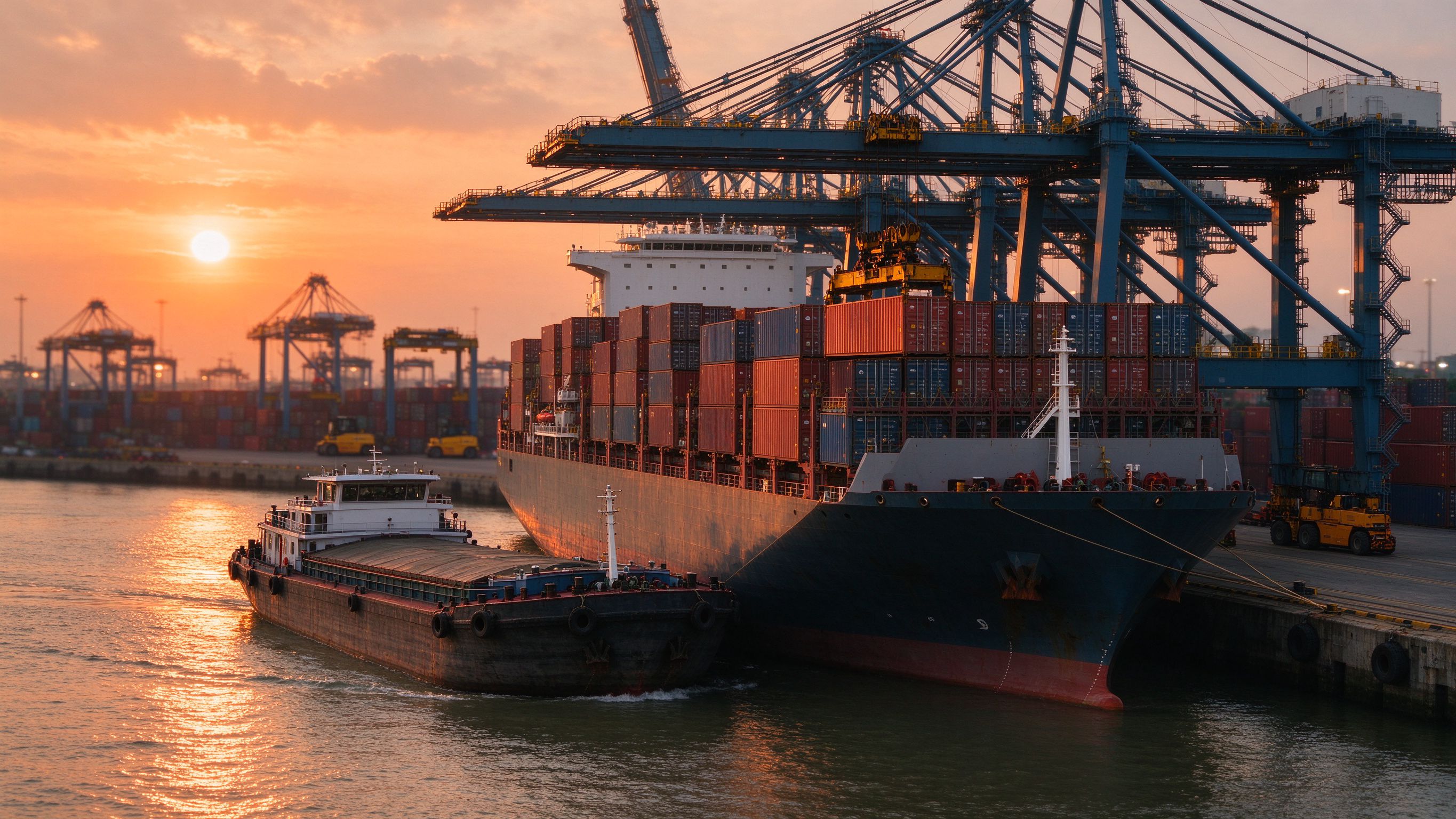
Run a new booking against this table and the answer is usually clear: add marks, issue a certificate, or treat the whole lot.
| Packing or cargo form | US, Canada, EU, UK (ISPM 15 applies) | Australia, New Zealand, selected farm markets | Treatment |
|---|---|---|---|
| Solid wood pallets, crates, skids, dunnage | Treatment required, with IPPC mark applied | Same, and a certificate is often required as well | HT or methyl bromide, plus marking |
| Plywood, particle board, fibreboard pallets | Exempt, no mark needed | Generally no extra requirement | No treatment, provided the whole unit is processed wood |
| Solid wood furniture, timber products as a lot | Depends on the buyer and the gateway | Mostly whole-lot fumigation with a certificate | Closed treatment of the lot; certificate per shipment |
| Rattan, willow and bamboo products | Some countries treat them as plant products | Usually treatment plus certificate | Chemical and duration set by the destination protocol |
| Air cargo crates and pallets | IPPC mark required | Depends on the commodity; a certificate may be needed | Mostly HT; whole-lot fumigation booked early |
| Empty container, inner walls, outer packing disinfection | Per buyer and destination requirements | Food-contact surfaces carry separate rules | Disinfection, certified separately from fumigation |
These are the common readings. A specific lot follows the destination's latest official notice, the buyer's clearance requirements and the treatment provider's protocol.
The same dose behaves differently in March and in August. Coastal humidity, sun on the yard, typhoon wind and uneven ground at inland plants all push the concentration curve away from the plan.
From June to September Fujian sits on the landing path of typhoons. Tarpaulin work follows the track forecast and normally stops at force 6, moving indoors or being postponed. Edges have to be weighted; a sheet lifted mid-exposure leaks, and the treatment has to be repeated.
Coastal humidity in summer often stays above 80%, and a box interior can pass 50°C. The chemical volatilises fast: concentration peaks early, then decays quickly. Ventilation time is set by measured residue, not by habit.
Plum rain in May and June, typhoon rain from July to September: cartons and timber adsorb the gas noticeably. Sulfuryl fluoride should not be used above 75% timber moisture content. In sustained rain, reschedule or change method.
Plants in Longyan, Sanming and Nanping often sit in narrow valleys with uneven ground and tight access roads, where a sheet is hard to seal. Check before booking that the site can be closed off and that a loaded box can turn around; if not, drag to a gateway yard.
Cargo pressed against the walls and stacked at the door leaves dead zones where gas never circulates, and the monitoring point then fails. Leaving a corridor and air gaps is part of loading, not an afterthought.
A treated box left in the open can be re-infested. This matters most on Australia and New Zealand lanes: do not leave a gap between treatment day and loading day.
Issuing the certificate is not difficult. Getting it to line up word for word with the customs entry and the bill of lading is. These are the fields that fail most often.
| Field | On the certificate | Customs entry / packing list | What has to line up |
|---|---|---|---|
| Description | The specific name of the actual cargo | Declared description matching the HS code | Avoid catch-all wording such as general goods or daily necessities; that is the slowest field to amend |
| Packages | The number actually treated | Package count on the packing list | Estimates will be caught when the box is opened at destination |
| Volume / weight | Measured at treatment | Packing list and bill of lading | LCL split lots need particular care; mixed lots fail most often here |
| Port of departure | The gateway where treatment happened | Place of declaration | Treated at Zhaoyin but shown as Haicang, or treated at Jiangyin but shown as Mawei, is a substantive mismatch |
| Port of discharge | The final discharge port | Discharge port on the bill of lading | A transshipment port cannot stand in as the destination |
| Treatment date | The day dosing finished | Consistent with the sailing and the 21-day window | A date detached from the sailing gets challenged on AU/NZ lanes |
| Chemical and dose | MB, SF, HT or DH with the dose applied | Consistent with the treatment code on the mark | A mark reading HT with a certificate reading MB contradicts itself |
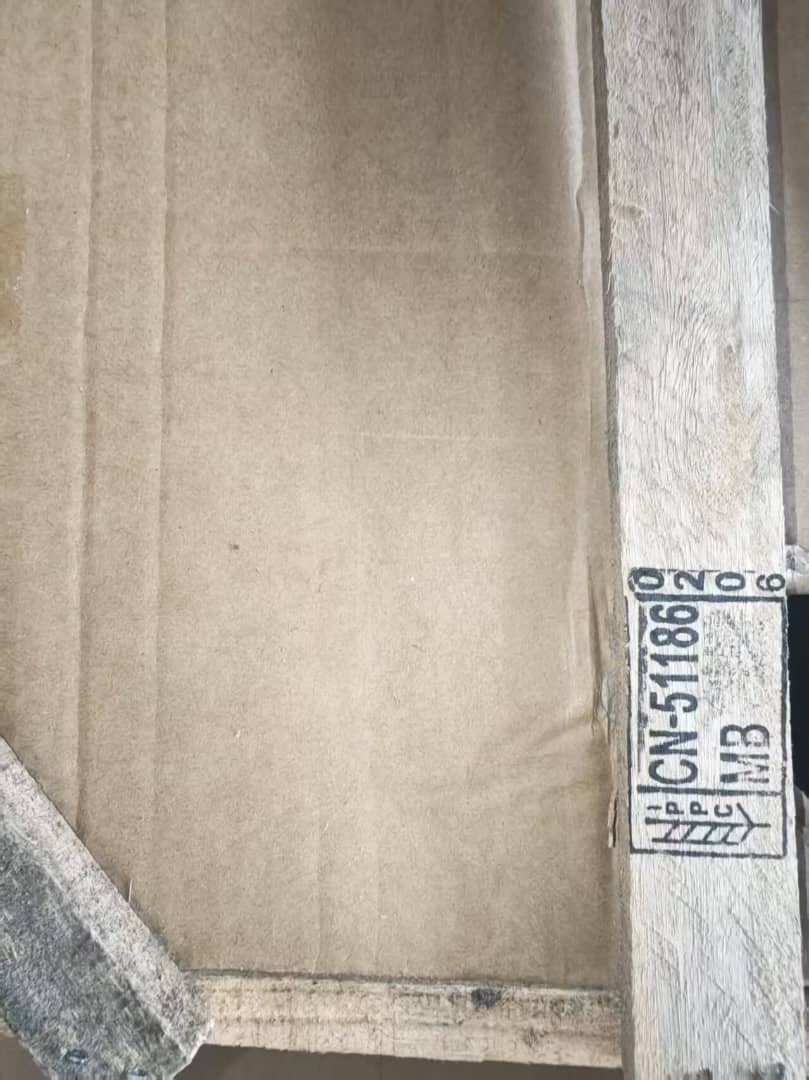
The same shipment treated in the factory and treated at the terminal produces a completely different cost structure. Pricing by segment lets a shipper see which segment is worth removing.
| Charge | Basis | When it arises |
|---|---|---|
| Short haul and container drag | Per truck, per box, by distance | Factory to yard and yard to terminal are charged separately; a long cross-city haul from western Fujian to Xiamen follows actual mileage |
| Yard treatment | Per box, or per shipment by volume | FCL by container type; LCL by cubic metre and shipment count, including bay occupancy |
| Chemical and labour | By container type or volume, and by temperature band | Low temperature and highly adsorbent cargo raise both dose and labour hours |
| Certificate | Per certificate; urgent handling extra | Issued per shipment; amendments and reissues are charged as new certificates |
| Mark application | Per piece of wood packaging | When a mark has to be added, re-stamped or verified |
| Overtime and waiting | Per hour | Night or weekend work, or a truck waiting on site for the box to be opened |
Each quotation lists these segments individually. Destination charges and amendment fees caused by incorrect documents are not included.
These are not textbook questions. They are the ones that surface while scheduling, gating in and amending bookings.
At most gateways, yes, provided 24 hours of closed exposure and at least 6 hours of ventilation fit before cut-off. Whether the yard accepts it depends on that day's bays and roster, so book a day ahead. Pulling a gated-in box back out for treatment adds drag and storage charges.
Factory-side works, on condition that the site has a level hardstanding, can be enclosed, can be cordoned with a safe distance, and the box can go straight to the terminal afterwards. FCL exports commonly use factory treatment; LCL cargo is usually treated before it leaves the CFS.
They are all Xiamen port, but belong to different operators and yards, with different gates and booking desks. Haicang handles deep-sea services while Dongdu runs dense intra-Asia services. Scheduling follows the actual terminal gate and the yard holding the box, not the district name.
Normally 1–2 days. In peak season, before holidays and after a typhoon when everyone ships at once, yards run tight: lock the slot 3 days or more ahead. Special equipment or night work needs longer still.
Per shipment, at the CFS or a designated yard, before consolidation. Fumigating a whole container after consolidation reaches other shippers' cargo in the same box and can disturb their certificates and sailings, so it is not done in practice.
Terminals at Xiamen Gaoqi and Fuzhou Changle generally lack the conditions for a long closed exposure. Whole-lot fumigation is done at yards around the airport; crates and pallets mostly take heat treatment with IPPC marks, finished before the cargo is handed to the terminal so the flight cut-off is not lost. Jinjiang airport is smaller still, so whole-lot fumigation always goes to a nearby yard.
It follows the track and wind forecast. Open-air work normally stops at force 6 and moves indoors or is postponed. Sheets need weighted edges; if wind lifts one mid-exposure the gas escapes, concentration falls and the treatment has to be redone. Ports generally stop yard work for 2–3 days around a typhoon landfall.
It is corrected against measured temperature and moisture. Wet cartons and timber adsorb the gas and concentration falls faster at the same dose; sulfuryl fluoride is not suitable above 75% timber moisture content. Dose cannot be set from container type alone.
Yes, with each description on its own line and package counts, volume and weight matching the customs entry item by item. If the two commodities need different treatments under the destination protocol, or one of them is restricted there, they have to be treated and certified separately.
The certificate is normally issued 2–3 working days after documents and cargo are ready, then 3–5 days by international courier. Most customers clear customs on a scan and take the original later; where the original must travel with the cargo, those days belong in the booking.
Only after ventilation is complete and residue has fallen into the safe range, with the crew following the safety procedure. Once open, do not add untreated wood packaging: the certificate and the marks both become void.
Not necessarily. If the plant can be fenced off and has a hardstanding, treat on site and save 5–10 hours of round trip. If not, drag to Haicang, Dongdu or Zhaoyin, but build the risk of mountain-road closures into the run from T-3 to T-0. For cargo crossing the provincial border, the treatment record and the port of departure on the certificate must name the gateway actually used.
Tell us the commodity, the packing, the container type or volume, the town where the factory sits, the gateway of departure and the destination port. The reply states which day the box gates in, where it is treated, when the certificate issues, and what each segment costs.
Goodhope Logistics (China) Limited
Shenzhen Weihang Yunda International Freight Forwarding Co., Ltd.
NVOCC GD20230925153335
Quotations are itemised. Destination charges, demurrage and amendment fees caused by incorrect documents are excluded.
Request a quotation Call the desk