
Goodhope Freight runs export quarantine treatment across Hunan, a landlocked province with no seaport of its own: heat treatment (HT) for wood packaging, methyl bromide and sulfuryl fluoride fumigation, dielectric heating, plus IPPC marking and fumigation or disinfection certificates. Working points cover Changsha (Xianing), Yueyang (Chenglingji), Zhuzhou (Tongtangwan), Xiangtan, Hengyang (Songmu), the Chenzhou Inland Port, Changde, Yiyang, Yongzhou, the Huaihua Inland Port and Zhangjiajie. Air cargo is handled around Changsha Huanghua (CSX), Yueyang Sanhe (YYG), Hengyang Nanyue (HNY), Chenzhou Beihu (HCZ) and Zhangjiajie Hehua (DYG).
The treatment parameters are the same nationwide. ISPM 15 recognises a 56°C core temperature held for 30 minutes or more; methyl bromide calls for 24 hours of closed exposure at 10°C and above. Hunan does not get a different standard.
What differs is the routing. There is no seaport in the province. A box either runs down the Xiang, Yuan or Zi River to Chenglingji and then out through the Yangtze, or takes a freight train to Yantian, Nansha or Qinzhou, or leaves on a China–Europe train. Cargo is scattered as well: construction machinery and rail equipment in Changsha and Zhuzhou, steel in Xiangtan, non-ferrous metals and graphite in Chenzhou, ceramics and fireworks in Liling and Liuyang, bamboo and timber in Taojiang, Huaihua and Yongzhou, luggage in Huaihua, citrus and fresh produce in Yongzhou, Chenzhou and Huaihua.
So this page is written city by city: where treatment can be done, how the barge or train leg is scheduled, how many hours to hold before loading, and where the certificate joins the customs entry.
Parameters below follow ISPM 15 and the published quarantine requirements of destination countries. Yard availability, barge draft and train slots change week by week, so each shipment is confirmed against the current roster.
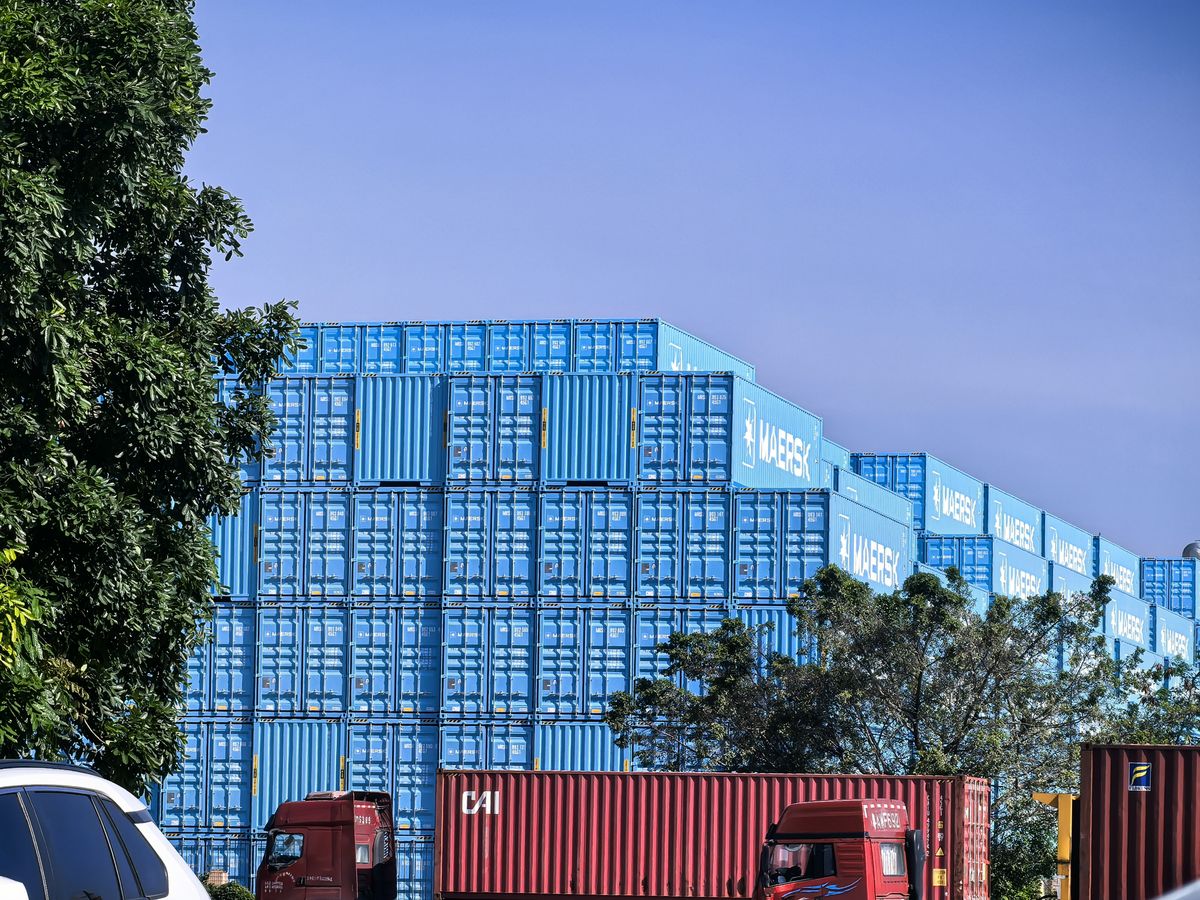
The table lists working points and normal truck times. Actual slots follow the yard roster for the week. Where a cross-city drag runs beyond three hours, the usual answer is to treat at the nearer point instead of hauling both ways.
| City | Port / rail terminal | Yard and treatment mode | Factory to yard | Scheduling note |
|---|---|---|---|---|
| Changsha | Xianing terminal on the Xiang River; Changsha North station, China–Europe consolidation centre; Huanghua airport (CSX) | Quarantine yards around Xianing and Jinxia, factory-side work; air cargo at yards near the airport | 40–70 minutes from the city; 30–50 minutes from the industrial zone | River cargo has to catch the Chenglingji barge and the coastal connection; China–Europe trains are back-planned from the Changsha North departure, so treatment finishes a day earlier; the Huanghua terminal cannot hold a long closed exposure |
| Yueyang | Chenglingji new port, the province's only Class I waterway port; Chenglingji old port; Songyanghu rail spur; Sanhe airport (YYG) | Yard inside the Chenglingji port area, and local fumigators can work at the factory; air cargo near the airport | 30–50 minutes from the city; Changsha to Chenglingji is 168 km, 2–2.5 hours | Sailings to Waigaoqiao, Yangshan, ASEAN, Australia and Japan/Korea/Taiwan are weekly; river-sea cut-off usually falls one day before sailing, so treatment sits ahead of it |
| Zhuzhou | Tongtangwan terminal with its own rail spur; Zhuzhou North station; start point of the Hunan–Guangdong–Africa corridor; Liling inland port | Yards around Tongtangwan and factory-side work; ceramics and fireworks plants in Liling mostly treat on site | 30–50 minutes from the city; Liling to Zhuzhou 40–60 minutes | The corridor train runs to Yantian and Nansha and connects straight to the vessel, about 20 hours by rail one way; treatment must finish a day before loading |
| Xiangtan | Jiuhua and Tieniubu terminals on the Xiang River; Xiangtan comprehensive bonded zone; connects to the corridor and China–Europe trains via Zhuzhou or Changsha | Yards around Jiuhua and Tieniubu, plus factory-side work | 30–60 minutes from the city; one hour to Tongtangwan | Steel and machinery travel in timber cases; over-weight boxes have to satisfy both rail axle limits and train loading rules |
| Hengyang | Songmu terminal on the Xiang River; Hengyang South station; secondary consolidation centre for the corridor; Nanyue airport (HNY) | Yards around Songmu, plus factory-side work | 30–50 minutes from the city | Same train system as Zhuzhou, but Hengyang has fewer departures; if a slot is missed, the box joins the Zhuzhou service |
| Chenzhou | Chenzhou Inland Port, opened September 2022; Yantian International's Chenzhou inland port; Beihu airport (HCZ) | Yards around the port's supervised area, plus factory-side work | 30–60 minutes from the city; 40 minutes to the inland port | No border, no coast and no navigable river: exports run by rail to Yantian and Nansha. Non-ferrous metals, graphite and fresh produce bring a high share of timber crates and pallets |
| Changde | Deshan and Yanguan terminals on the Yuan River; Taohuayuan airport (CGD), linked with Huanghua | Yards around Deshan, plus factory-side work | 30–50 minutes from the city; 2.5–3 hours to Chenglingji | Mostly ships out through Chenglingji; draft is restricted on the Yuan in the dry season. Air cargo relays through Huanghua or Sanhe |
| Yiyang | Niwan and Qingshuitan terminals on the Zi River; sails out via Chenglingji or Changsha | Mostly factory-side, with bamboo and timber plants concentrated in Taojiang | 30–50 minutes from the city; Taojiang to the port one hour | Bamboo and reed products sit on quarantine watch lists and are often treated as a whole lot; sulfuryl fluoride is unsuitable when bamboo moisture is high |
| Yongzhou | Lingling and Lengshuitan terminals on the Xiang River; rail connects to the corridor and China–Europe trains on a feeder arrangement | Local yards and factory-side work | 30–60 minutes from the city | Few departures, so the treatment day follows the feeder train; the citrus season concentrates volumes, and slots should be locked three days ahead |
| Huaihua | Huaihua Inland Port at Huaihua West station; seven corridors including China–Laos, China–Vietnam and China–Myanmar; fixed train to Qinzhou Port East | Yards around the port's supervised area, plus factory-side work; bamboo and luggage plants cluster here | 30–60 minutes from the city; 1.5–2 hours from surrounding counties | The Qinzhou service runs on a fixed 22-hour timetable, so treatment must be complete the day before loading; it cannot be squeezed into departure day |
| Zhangjiajie | Hehua airport (DYG), a tourist gateway with little freighter traffic; no waterway port, exports consolidate in Changsha or Huaihua | Factory-side locally, or sent to the Xianing yard in Changsha | 30 minutes from the city to Hehua; 3.5–4 hours to Xianing | Air cargo moves mainly in belly hold, and crate size is limited by the door; treatment is back-planned from flight cut-off |
Truck times are normal ranges. Pre-holiday peaks, flood season and highway restrictions stretch them. Peak-season bookings stand or fall on the slots the yard has that week.
The treatment is the same, but river barge, rail-sea and air cargo run in a different order. The rows below place each step on a day from T-4 to T-0 so they can be dropped straight into a booking sheet.
| Milestone | River — via Chenglingji | Rail-sea — Zhuzhou / Hengyang / Chenzhou / Huaihua | Air cargo — CSX / YYG |
|---|---|---|---|
| T-4 | Confirm destination requirements, container type and river-sea cut-off; book the yard by Chenglingji berth | Align with the train departure, confirm equipment; if boxes are short, request pre-positioned empties | Check whether crates and pallets already carry compliant marks; book treatment if not |
| T-3 | Document pre-check: description, packages, volume and packing detail aligned with the customs entry | Terminal receiving plan confirmed; yard and loading slot booked | Crates moved to the yard or treated on site; treatment report issued |
| T-2 | Empty or loaded box into the yard; open and check for bark, soil and mould | Loaded box into the rail terminal; wood packaging inspected and treated per shipment | Treated crates returned or sent to a warehouse near the airport; marks verified |
| T-1 | Dosing, 24 hours closed; concentration read at 2, 4, 12 and 24 hours | Dosed and sealed for 24 hours; temperature and concentration logged, ventilated the same day | Whole-lot fumigation completes today, leaving time to ventilate |
| T-0 | Ventilate for 6 hours or more, certificate issued, loaded box dragged to Chenglingji for cut-off | Loaded onto the train; connects at Yantian, Nansha or Qinzhou and goes straight to the vessel; certificate handed over with the split list | Ventilated and delivered to the terminal, ahead of flight cut-off and screening |
| Watch point | Dry-season draft limits cut barge loads, forcing a re-match or short shipment | Train slots are tight; a missed service means the next one, and the sailing moves with it | Terminal cut-off is early; a treatment delay loses the flight outright |
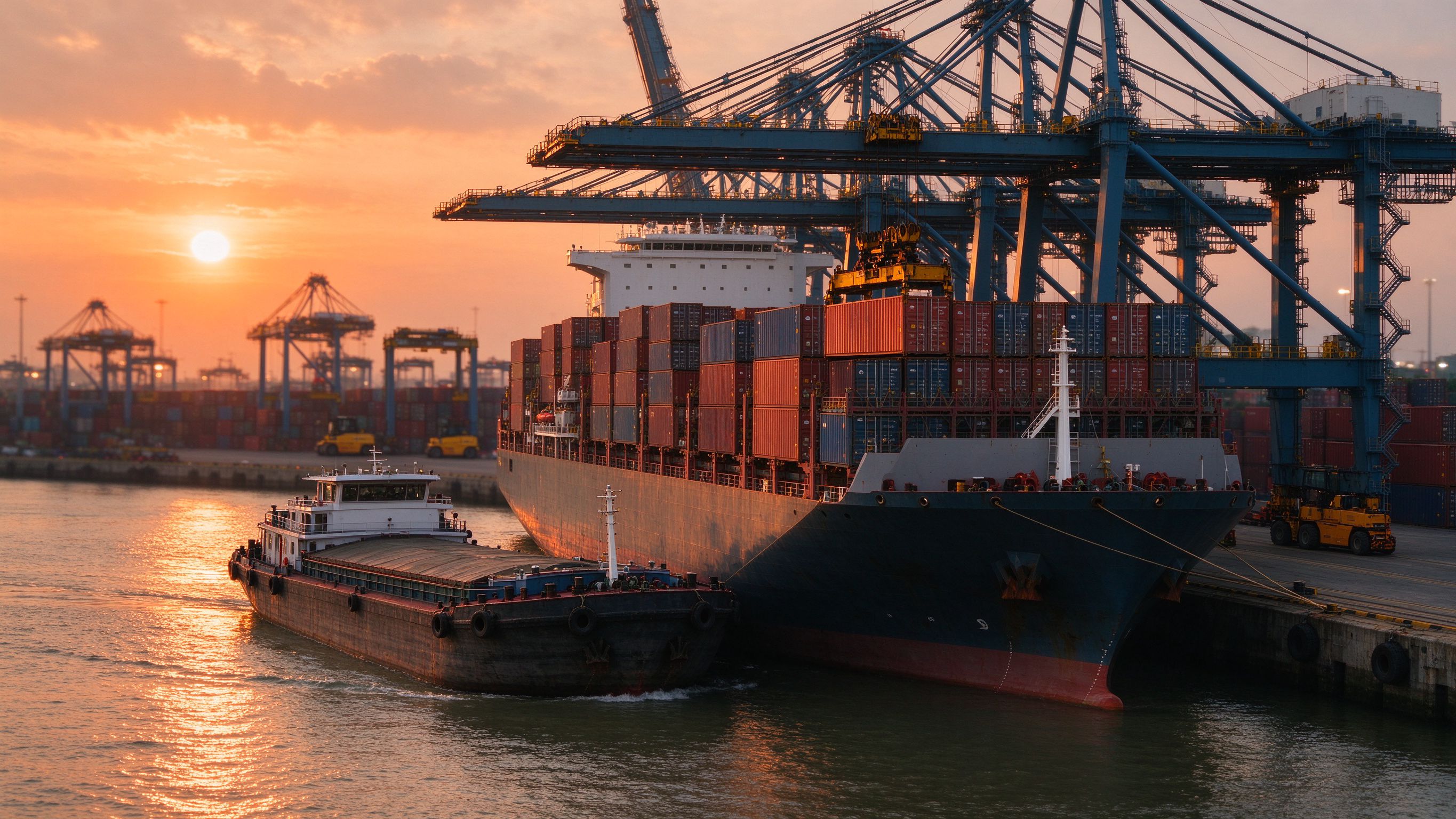
Run a new booking against this table and the answer is usually clear: add marks, issue a certificate, or treat the whole lot.
| Packing or cargo form | US, Canada, EU, UK (ISPM 15 applies) | Australia, New Zealand, selected farm markets | Treatment |
|---|---|---|---|
| Solid wood pallets, crates, skids, dunnage | Treatment required, with IPPC mark applied | Same, and a certificate is often required as well | HT or methyl bromide, plus marking |
| Plywood, particle board, fibreboard pallets | Exempt, no mark needed | Generally no extra requirement | No treatment, provided the whole unit is processed wood |
| Bamboo products, bamboo-timber composites as a lot | Some countries treat them as plant products | Mostly whole-lot fumigation with a certificate | Closed treatment of the lot; certificate per shipment |
| Rattan, willow and reed products | Depends on the buyer and the gateway | Usually treatment plus certificate | Chemical and duration set by the destination protocol |
| Air cargo crates and pallets | IPPC mark required | Depends on the commodity; a certificate may be needed | Mostly HT; whole-lot fumigation booked early |
| Empty container, inner walls, outer packing disinfection | Per buyer and destination requirements | Food-contact surfaces carry separate rules | Disinfection, certified separately from fumigation |
These are the common readings. A specific lot follows the destination's latest official notice, the buyer's clearance requirements and the treatment provider's protocol.
The same dose behaves differently in January and in July. Cold nights around Chenglingji, the April-to-June rains and the July-August flood season all push the concentration curve or the schedule away from the plan.
From December to February, night temperatures around Chenglingji often fall below 10°C, which methyl bromide does not allow. Heat the yard, switch to heat treatment, or dose during the warmer part of the day. Dosing into cold air leaves the concentration flat.
From April to June, cartons, timber and bamboo absorb water and adsorb the gas noticeably, so concentration drops faster at the same dose. Sulfuryl fluoride should not be used above 75% timber moisture, and bamboo is the sensitive case.
High water on Dongting Lake in July and August restricts some reaches; from October to March the Xiang loses draft, so barges cut loads. River cargo needs room to re-match, and a treated box waiting on the quay pays storage by the day.
In summer the yard surface runs hot and a box interior can pass 50°C. The chemical volatilises fast: concentration peaks early, then decays quickly. Ventilation time is set by measured residue, not by habit.
Cargo pressed against the walls and stacked at the door leaves dead zones where gas never circulates, and the monitoring point then fails. Leaving a corridor and air gaps is part of loading, not an afterthought.
A treated box often still has hundreds of kilometres to the coast and waits in the open for a train or barge, where bamboo and timber can be re-infested. Keep the gap between treatment and loading as short as possible.
Issuing the certificate is not difficult. Getting it to line up word for word with the customs entry and the bill of lading is. On inland-port shipments, the port of departure is the field that fails most often.
| Field | On the certificate | Customs entry / packing list | What has to line up |
|---|---|---|---|
| Description | The specific name of the actual cargo | Declared description matching the HS code | Avoid catch-all wording such as general goods or daily necessities; that is the slowest field to amend |
| Packages | The number actually treated | Package count on the packing list | Estimates will be caught when the box is opened at destination |
| Volume / weight | Measured at treatment | Packing list and bill of lading | LCL split lots need particular care; mixed lots fail most often here |
| Port of departure | The city or gateway where treatment happened | Place of declaration | Treated in Zhuzhou but loaded at Yantian: whether to show Zhuzhou or Yantian must be agreed in advance. The wrong one is a substantive mismatch |
| Port of discharge | The final discharge port | Discharge port on the bill of lading | A transshipment port cannot stand in as the destination; Qinzhou and Yantian are only exit gateways |
| Treatment date | The day dosing finished | Consistent with the train slot, sailing and 21-day window | A date detached from the sailing gets challenged on AU/NZ lanes |
| Chemical and dose | MB, SF, HT or DH with the dose applied | Consistent with the treatment code on the mark | A mark reading HT with a certificate reading MB contradicts itself |
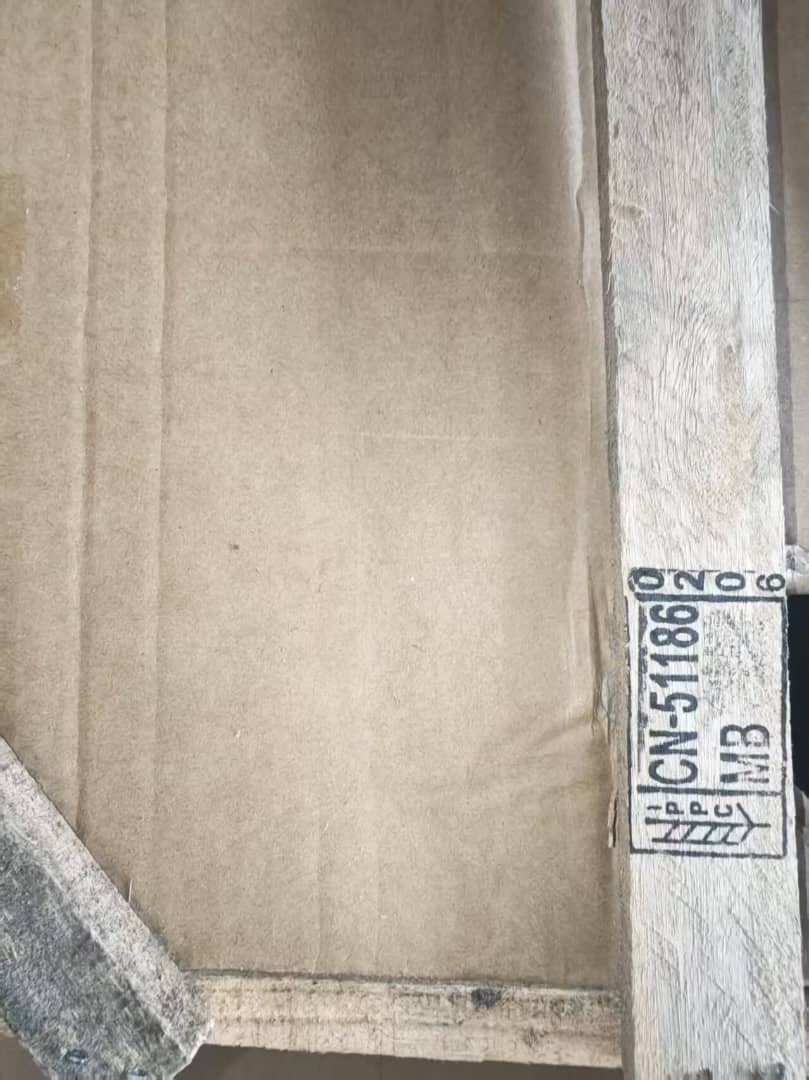
The same shipment treated in the factory and treated at a yard produces a completely different cost structure. Inland work also carries a rail or river leg to the coast, so pricing by segment is the only way a shipper can see what to remove.
| Charge | Basis | When it arises |
|---|---|---|
| Short haul and container drag | Per truck, per box, by distance | Factory to yard and yard to inland port are charged separately; cross-city work follows actual mileage |
| Yard treatment | Per box, or per shipment by volume | FCL by container type; LCL by cubic metre and shipment count, including bay occupancy |
| Chemical and labour | By container type or volume, and by temperature band | Low temperature and highly adsorbent cargo raise both dose and labour hours; winter heating is extra |
| Certificate | Per certificate; urgent handling extra | Issued per shipment; amendments and reissues are charged as new certificates |
| Train and barge connection | Per shipment, per service | Inland-port handling, train slot and barge connection waiting are charged as incurred |
| Mark application and overtime | Per piece of wood packaging / per hour | Adding or re-stamping a mark, or night and weekend work and truck waiting time |
Each quotation lists these segments individually. Destination charges and amendment fees caused by incorrect documents are not included.
These are not textbook questions. They are the ones that surface while scheduling, loading and amending bookings.
At most times, yes, provided 24 hours of closed exposure and at least 6 hours of ventilation fit before cut-off. Whether the yard accepts it depends on that day's bays and roster, so book a day ahead. Pulling a gated-in box back out for treatment adds drag and storage charges.
Factory-side works, on condition that the site has a level hardstanding, can be enclosed, can be cordoned with a safe distance, and the box can go straight to Xianing or Jinxia for the barge afterwards. FCL exports commonly use factory treatment; LCL cargo is usually treated at the warehouse before it is loaded.
Treatment is done at the terminal or a nearby yard in Zhuzhou, Hengyang or Chenzhou before loading, and the train connects at Yantian or Nansha straight to the vessel. Treating at the coast instead is possible but adds storage and a second drag. Back-plan from the train departure and finish treatment at least a day early.
Chenzhou Inland Port is a Yantian International inland port, so cargo can be treated and certified around the port and railed to Yantian for direct loading. Whether the certificate shows Chenzhou or Yantian has to be agreed with the broker at declaration, so that the certificate and the entry do not diverge.
The Huaihua West to Qinzhou Port East service takes 22 hours on a fixed timetable. Treatment must finish the day before loading, with at least 6 hours of ventilation. Dosing on departure day only means moving to the next service, and the sailing moves with it.
The terminals at Changsha Huanghua and Yueyang Sanhe generally lack the conditions for a long closed exposure. Whole-lot fumigation is done at yards around the airport; crates and pallets mostly take heat treatment with IPPC marks, finished before the cargo is handed to the terminal so the flight cut-off is not lost.
From October to March, draft is restricted and barges cut loads or ship short. A treated box may wait on the quay for water, with storage charged by the day. Build that wait into the plan, or switch to rail and load at Chenglingji or Yantian.
Ambient temperature must be 10°C or above. Winter nights in northern Hunan often fall short, so either move the box into a heated yard, switch to heat treatment, or dose during the warmer daylight hours. Dosing into low temperature leaves the concentration unreachable and wastes the job.
It is corrected against measured temperature and moisture. Wet bamboo and timber adsorb the gas and concentration falls faster at the same dose; sulfuryl fluoride is not suitable above 75% timber moisture content. Dose cannot be set from container type alone.
Yes, with each description on its own line and package counts, volume and weight matching the customs entry item by item. If the two commodities need different treatments under the destination protocol, or one of them is restricted there, they have to be treated and certified separately.
The certificate is normally issued 2–3 working days after documents and cargo are ready, then 3–5 days by international courier. Most customers clear customs on a scan and take the original later; where the original must travel with the cargo, those days belong in the booking.
Per shipment, at the warehouse or a designated yard, before consolidation. Fumigating a whole container after consolidation reaches other shippers' cargo in the same box and can disturb their certificates and sailings, so it is not done in practice. Inland LCL in particular needs treatment time reserved per shipment.
Tell us the commodity, the packing, the container type or volume, the town where the factory sits, the route out (Chenglingji barge, the rail-sea corridor, the Huaihua train or air) and the destination port. The reply states which day the box is handled, where it is treated, when the certificate issues, and what each segment costs.
Goodhope Logistics (China) Limited
Shenzhen Weihang Yunda International Freight Forwarding Co., Ltd.
NVOCC GD20230925153335
Quotations are itemised. Destination charges, demurrage and amendment fees caused by incorrect documents are excluded.
Request a quotation Call the desk