
Wuhan, China · Yangluo container terminals · FCL exports from Hubei
Wuhan Port Container Drayage
GoodHope Freight moves containers between Hubei factories and Wuhan Port. We pull an empty from a terminal or depot, deliver it to your supplier, then gate the loaded box back before the barge cut-off. Drayage is the short truck leg between a port and a factory; in Wuhan it is usually the first leg of a much longer chain, because the box still has to reach the coast.
- 20ft / 40ft / 40ft HC / 45ft HC
- Heavy loads and dual 20s
- Open top and flat rack
- Reefer and dangerous goods
- Barge, rail and coastal connections
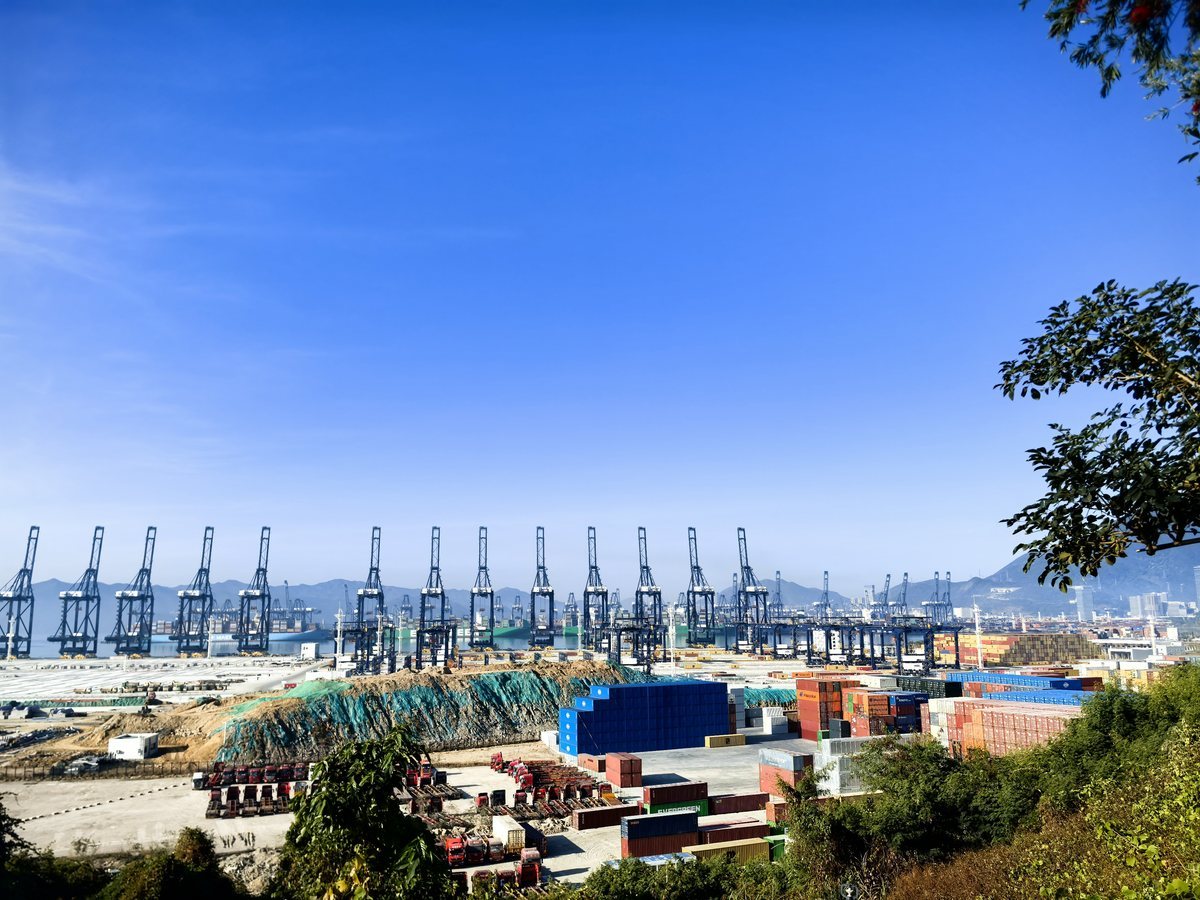
Wuhan is a river port, not a seaport. Around 2.0 million TEU moved through the port in 2025, and the Yangluo terminals handled 1.58 million of that. Most ocean cargo is barged down the Yangtze to Shanghai or Ningbo and lifted onto a deep-sea vessel there; five near-sea services run direct to Japan, Korea, Russia, Vietnam and Indonesia. That single fact drives every schedule on this page. Your booking is not racing a vessel's cut-off, it is racing a barge sailing, and the next one may be days away.
GoodHope Freight is a licensed Chinese forwarder working the Wuhan gateway for importers who buy FOB or FCA from Hubei factories. Our scope covers ocean FCL and LCL on a port-to-port basis, air freight to airport, road transport and in-transit moves to Afghanistan. Drayage on this page is the factory-to-terminal leg, and at an inland port it is the leg that decides whether the booking sails.
Where a Wuhan drayage move starts and ends
Your supplier's address decides the trucking plan. The rows below are described by what they mean for your booking, not by distance.
| Factory region | Typical locations | What it means for your booking |
|---|---|---|
| Near-port belt (outside the Third Ring) | Yangluo, Shuangliu, Wangji, Wuhu, Qingshan | Short runs. A same-day empty pickup, loading and gate-in is realistic when the release and the appointment line up. |
| Hankou, Hanyang, Wuchang, Hongshan | Dongxihu, Qiaokou, Hanyang, Hongshan, Jiangxia | Runs that cross the river or the Third Ring. Several bridges and all Third Ring tunnels are closed to trucks around the clock, so the route depends on which crossing is open to heavy vehicles. |
| Caidian, Hannan, Dongxihu | Caidian, Hannan, Zoumalin, Wujiashan | Hannan traffic normally crosses via the Zhuankou bridge. Boxes moving by block train are scheduled against the rail terminal's departure, not the barge. |
| Xiaogan, Huanggang, Ezhou, Huangshi | Xiaonan, Huangzhou, Gedian, Daye | Cross-city runs. Check highway access and plant clearance for a 40ft rig, and confirm axle loads before dispatch for dense cargo. |
| Xianning, Xiantao, Tianmen, Qianjiang | Xian'an, Xiantao, Tianmen, Qianjiang | Mid-range provincial lanes. Match the chassis to the load and keep a buffer for the terminal slot. |
| Xiangyang, Yichang, Jingzhou, Shiyan | Fancheng, Xiaoting, Shashi, Zhangwan | Long-haul. Priced and scheduled on highway conditions; a late return eats the appointment window. |
A note on geography that catches importers out: Yangluo sits in Xinzhou district, outside the Third Ring, so trucks reach it by the Hanshi highway (G347) or the outer ring road without entering central Wuhan. If your supplier is inside the Third Ring, the last mile is the slow part, not the highway.
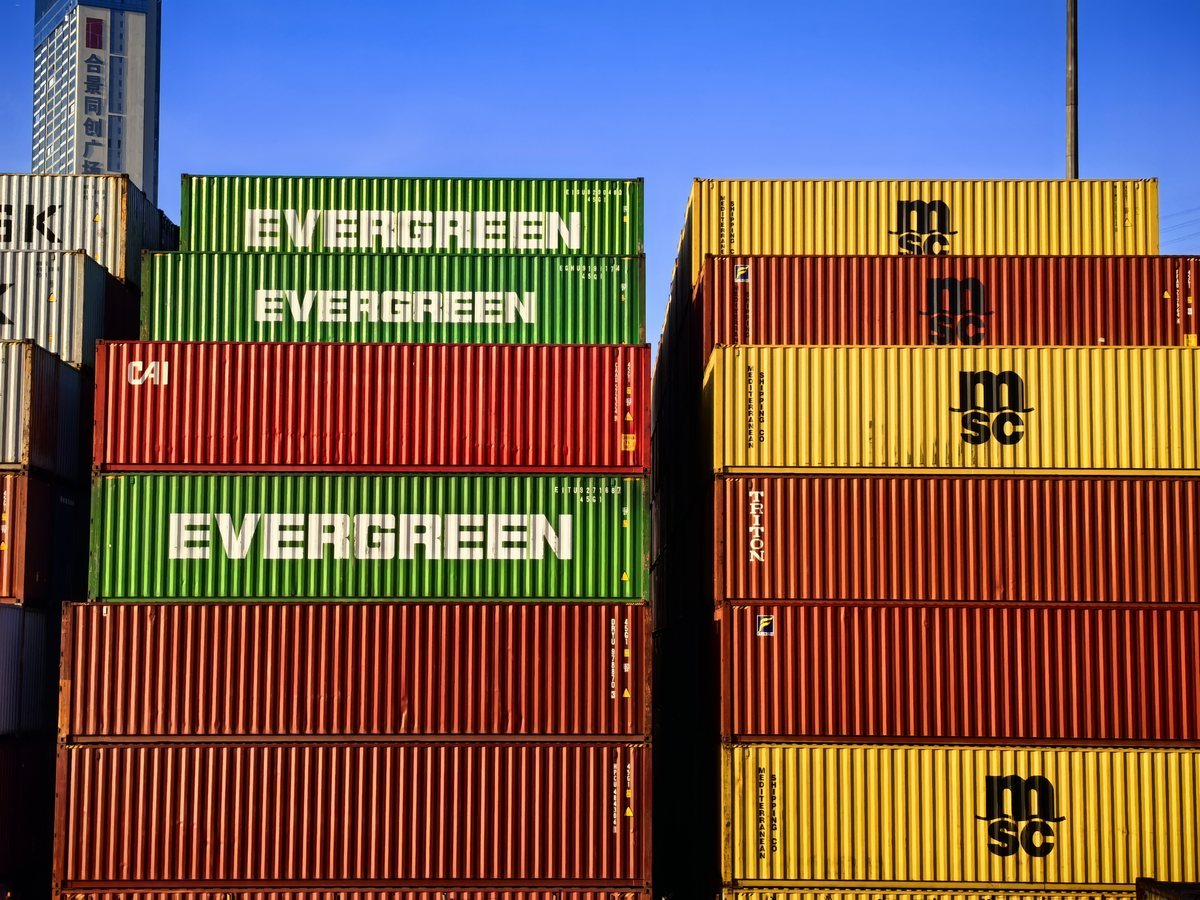
If the same cargo ships through Huashan, Jingkai or Jinkou instead, or goes out by block train, the weight limits, the booking system and the rate structure all change. Fix the gateway before you fix the price.
Container types and what the truck needs
Standard dry boxes are straightforward. The complications come from the factory gate, not the highway.
| Container | Common cargo | Trucking considerations |
|---|---|---|
| 20ft dry (20GP) | Ceramics, stone, metal parts, chemical raw material | Short chassis. Can be paired with a second 20ft on one run when weights allow. |
| 40ft dry (40GP) | Furniture, building material, non-woven fabric, general cargo | Standard skeletal trailer. Confirm the plant can turn and park a 40ft rig. |
| 40ft high cube (40HC) | Light bulky cargo, appliances, textiles, auto parts | Extra height matters at canopy gates and low factory doors. Check clearance on the access road. |
| 45ft high cube (45HC) | Very light, high-volume cargo | Longer trailer and thinner supply at an inland terminal. Confirm equipment before the booking is confirmed. |
Give dispatch the loading date, plant name and address, site contact, commodity, actual gross weight, container size and count, customs arrangement and barge cut-off. Cargo with solid wood packing going to Australia, New Zealand, the US or the EU may need fumigation or heat treatment before loading, not after the box reaches the terminal.
Heavy containers and two 20s on one chassis
In Wuhan an overweight box has two ceilings to clear: the carrier's weight limit and the road's bridge limits.
Overweight loads
Stone, ceramics, coiled steel and bagged chemicals are the usual culprits. Declare the actual gross weight at booking, get the carrier's limit for that service in writing, and load to the lower of the two numbers. Weigh the box after loading, file the VGM (Verified Gross Mass) and keep it identical to the figures on the export declaration.
The second ceiling is physical. Under Wuhan's truck traffic rules, the Third Ring main line and several major viaducts ban vehicles over 55 metric tons gross or 13 metric tons per axle outright, and the Yangtze bridges and Third Ring tunnels are closed to trucks entirely. A box that is legal on the water can still be illegal on the road to the terminal. For dense cargo we plan the crossing before we plan the truck.
Dual 20s on one chassis
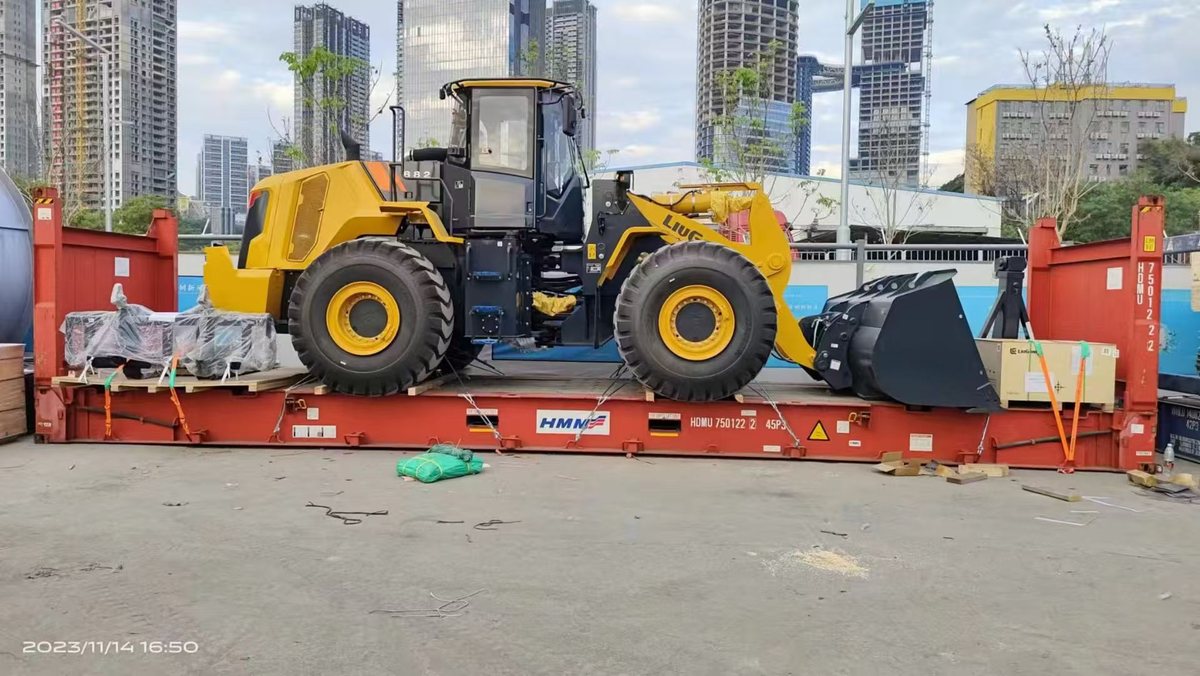
Two 20ft boxes on one run cuts cost and axle load, but only under the right conditions: both boxes at the same plant or on the same route, combined weight within the tractor's rating, and a terminal that accepts the combination at the gate. It works well on short urban runs in Wuhan and rarely makes sense on a 300 km provincial lane.
Send both gross weights and the loading sequence before dispatch. The dispatcher decides the trailer and the route, and we tell you up front whether the pairing is viable or whether it will cost more in waiting time than it saves in freight.
Open-top and flat-rack containers
Cargo that will not fit through a standard door needs a different box and a different conversation with the carrier.
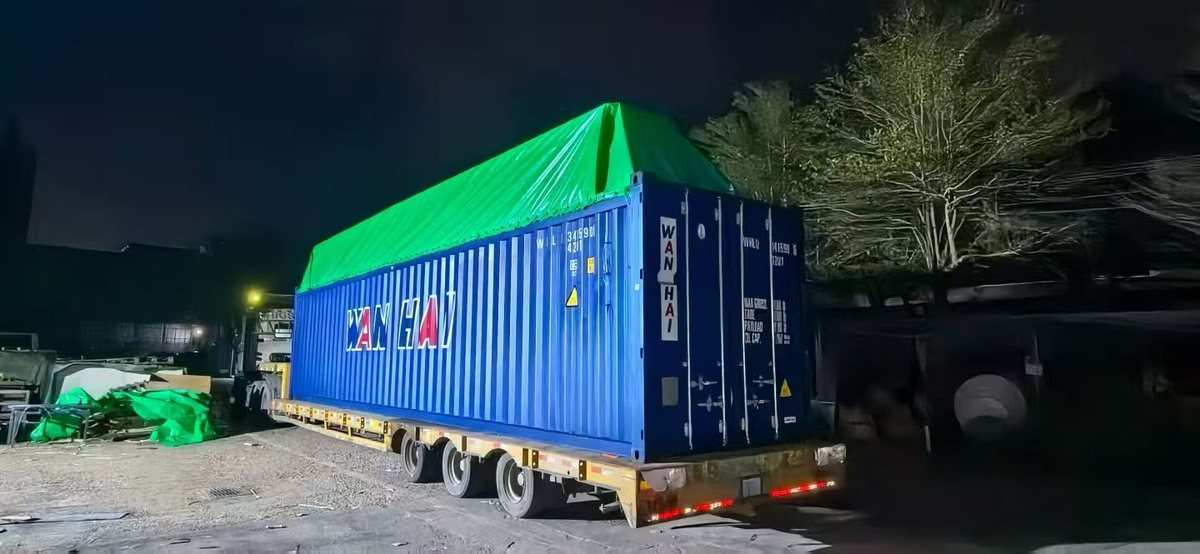
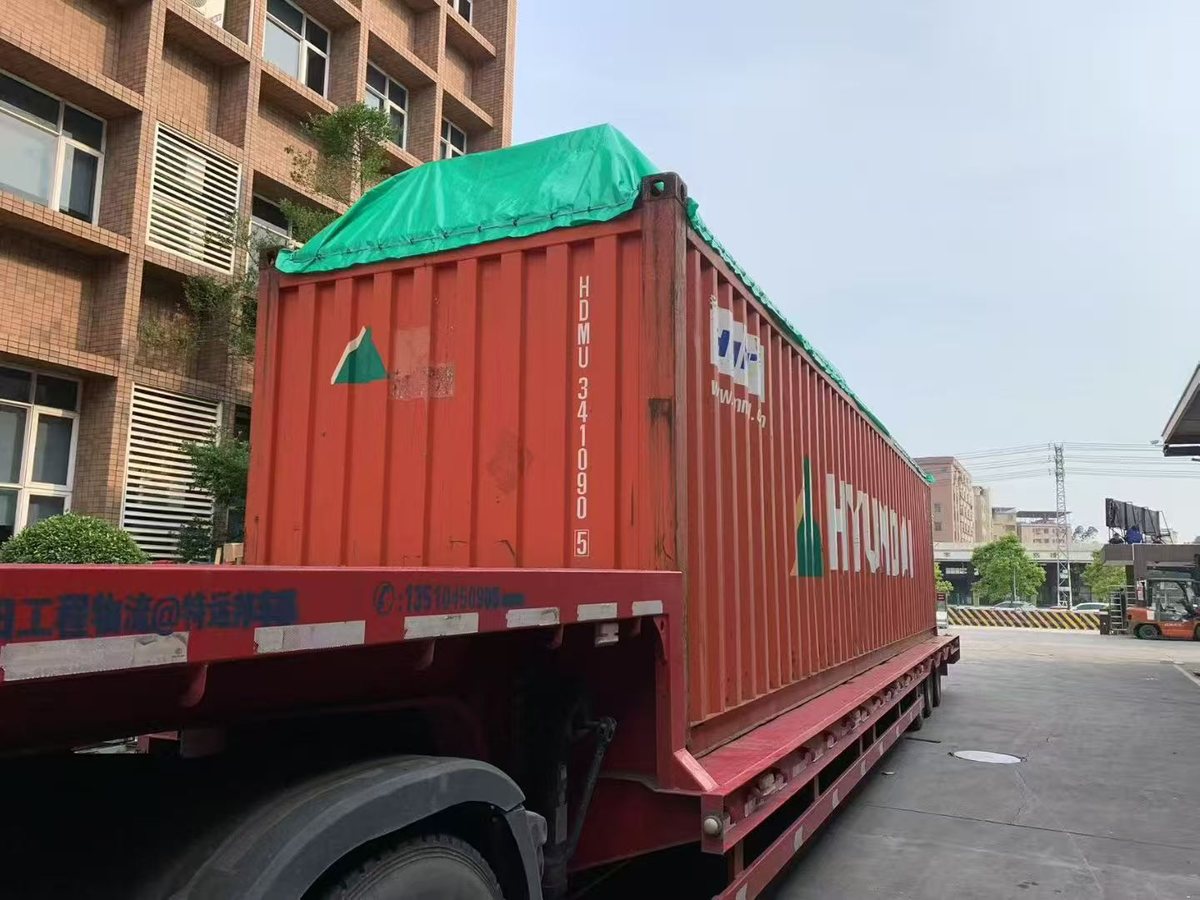
Open-top containers
An open top (OT) has a removable roof so the cargo is craned in from above. It suits machinery, glass and tall equipment that stays inside the box footprint but exceeds the door height. After loading, the roof is closed with a tarpaulin and lashing. Height is the risk: measure the loaded unit, then check every canopy, bridge and factory gate on the route.
Flat-rack containers
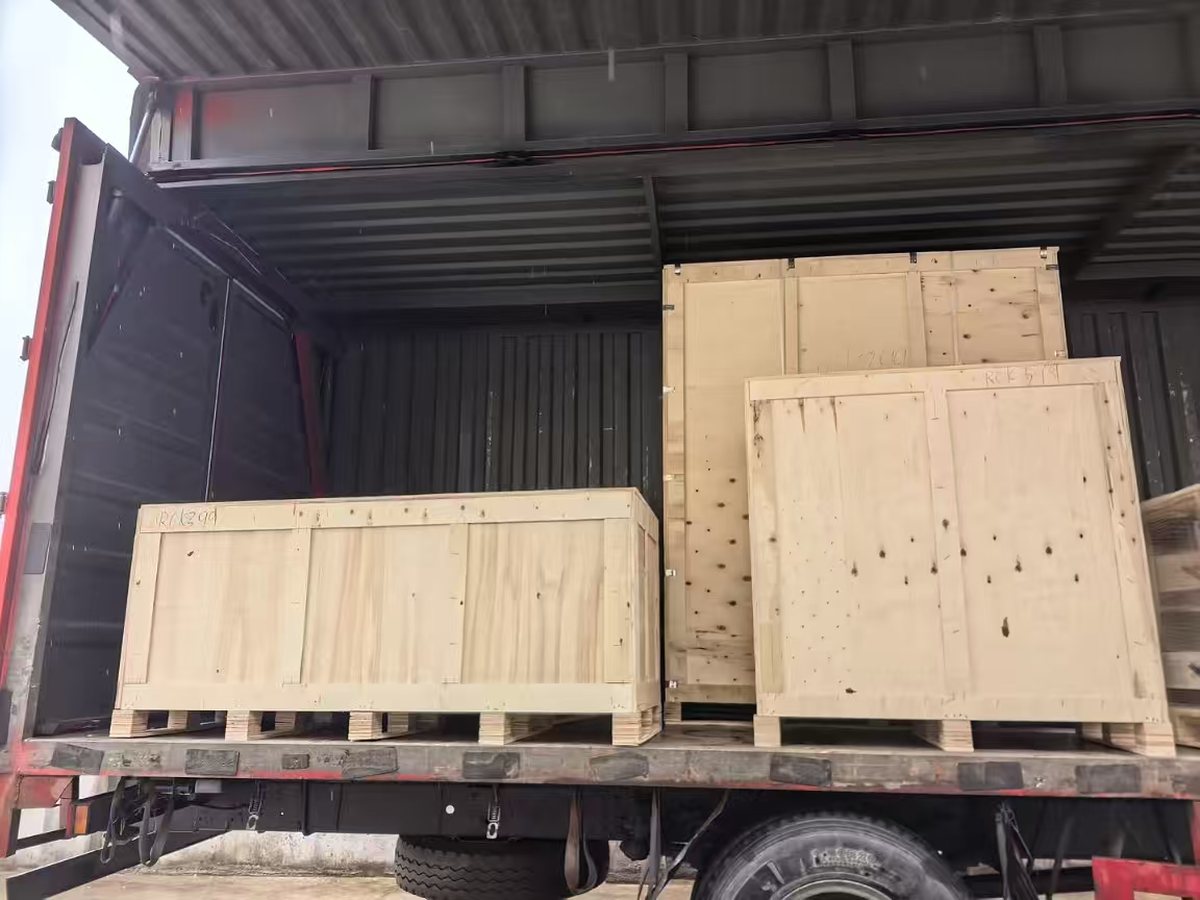
A flat rack (FR) has no roof and no side walls, just a floor and two end frames. It carries over-width, over-length or side-loaded cargo, and the shipper is responsible for waterproofing and lashing. Mark the center of gravity and the support points on the packing drawing.
Both types are out-of-gauge (OOG) solutions, and inland barges are stricter than ocean vessels about what they will stow on deck. Confirm the barge acceptance for that specific box before the truck is booked; a container that is fine for the ocean leg can still be refused at Yangluo.
Dangerous goods and ISO tanks
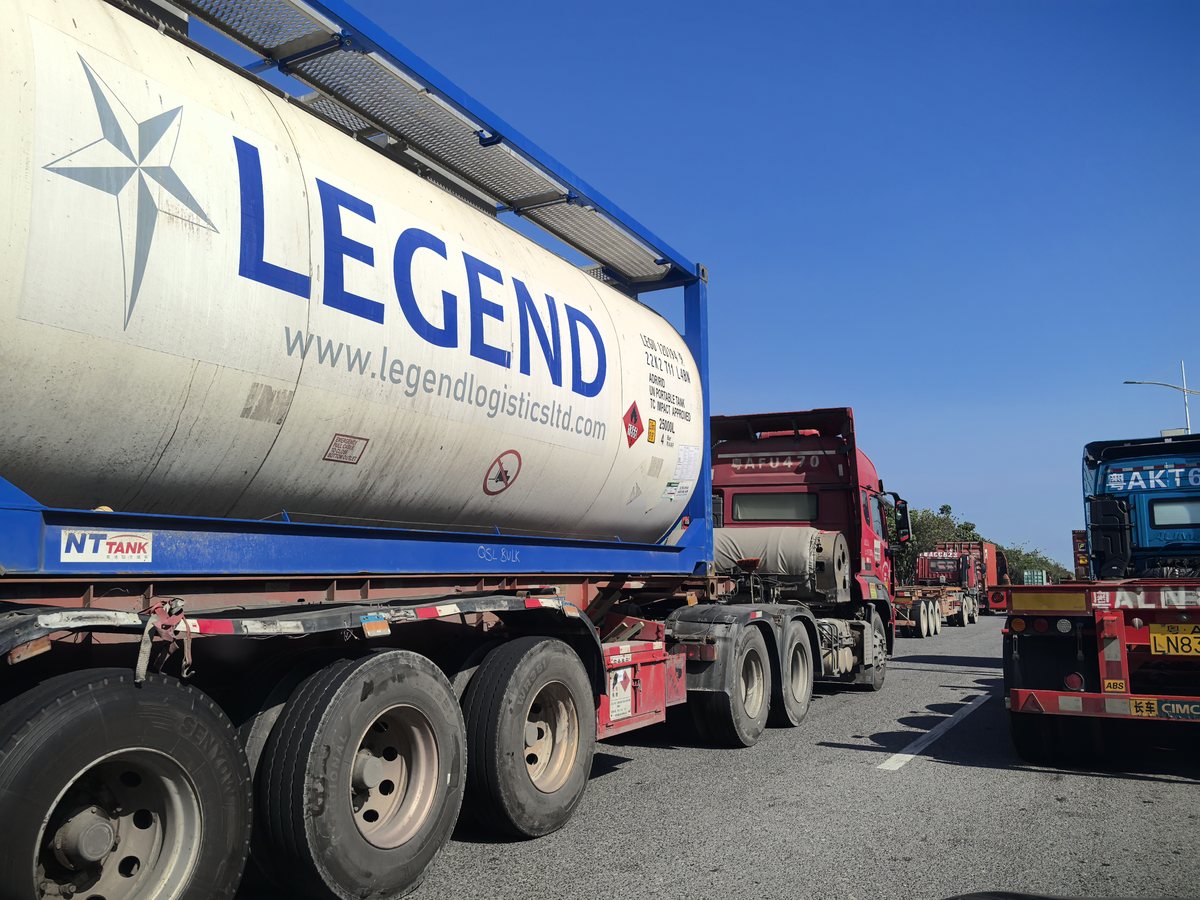
Dangerous goods move on qualified trucks with a documented escort, and the terminal has to accept the class before anything else happens.
Hazmat road moves in China need a licensed tractor, a qualified driver and an escort, plus paperwork that matches the cargo exactly. An ISO tank adds the tank's own inspection certificate and the filling record. Different terminals in Wuhan are approved for different hazard classes, so the class is checked against the terminal's permit before the booking is accepted, not after the truck is at the gate.
| Document or condition | What we check |
|---|---|
| Packaging certificate for dangerous goods | Class, packing group and quantity match the cargo and the certificate is in date |
| Safety data sheet (MSDS / SDS) | Proper shipping name, UN number, hazard class, emergency response, transport conditions |
| Carrier booking confirmation and release | The line accepts the class, the container type and the gateway |
| Road transport license and escort | Tractor, driver and escort credentials, plus tank inspection certificate for ISO tanks |
| Terminal acceptance | Approved hazard classes at that terminal, gate window, storage position, declaration timing |
Hazmat boxes usually take a separate appointment channel and must be declared before they arrive. Do not assume a standard dry container slot will cover them. Battery cargo, liquids, powders and chemicals differ enough on the road leg that we confirm each shipment down to the terminal and the sailing.
Paperwork first, truck second. If the class is not accepted at the terminal, the appointment is worthless however early it was booked.
Refrigerated container moves
A reefer is a temperature commitment, not just a box with a motor.
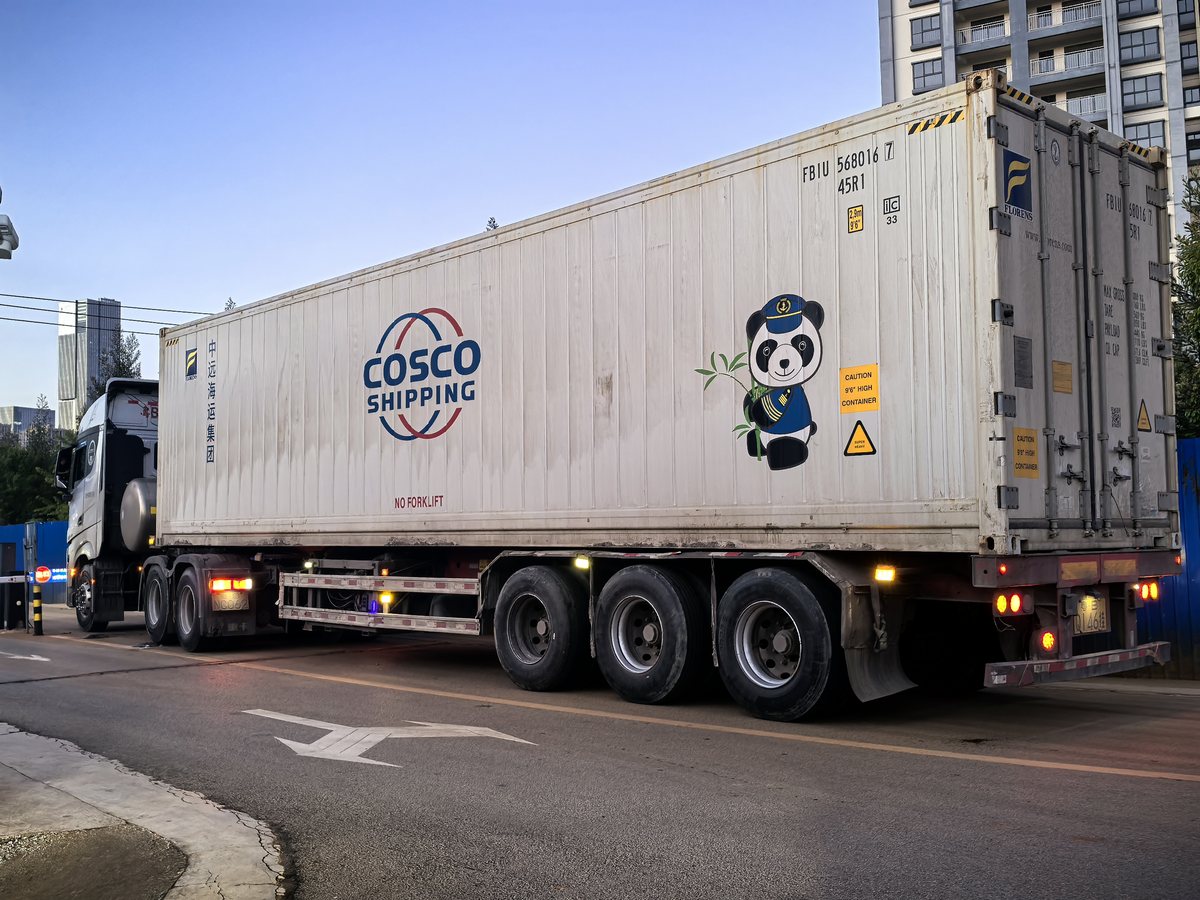
Confirm the set point, ventilation setting, pre-cooling requirement and how the unit stays powered on the road before the empty is pulled. Where shore power is not available at the plant, the trailer needs a genset or a chassis-mounted generator. Pre-cool and inspect the box before loading, and keep the temperature recorder data afterwards.
Yangluo handles imported meat and imported fruit as designated supervised premises, so cold-chain activity is concentrated there and berth and yard slots for reefer boxes are finite. Export reefers still follow the carrier's and depot's release windows. If you pre-pull a reefer, check the off-terminal power supply and the free-storage terms in writing; a reefer sitting without power is a claim waiting to happen.
Temperature, ventilation and recording method belong in one written instruction that matches the customs declaration. Mid-shipment changes cost more than they save.
Oversized and project cargo
When the cargo is bigger than the box, the box is the smaller half of the problem.
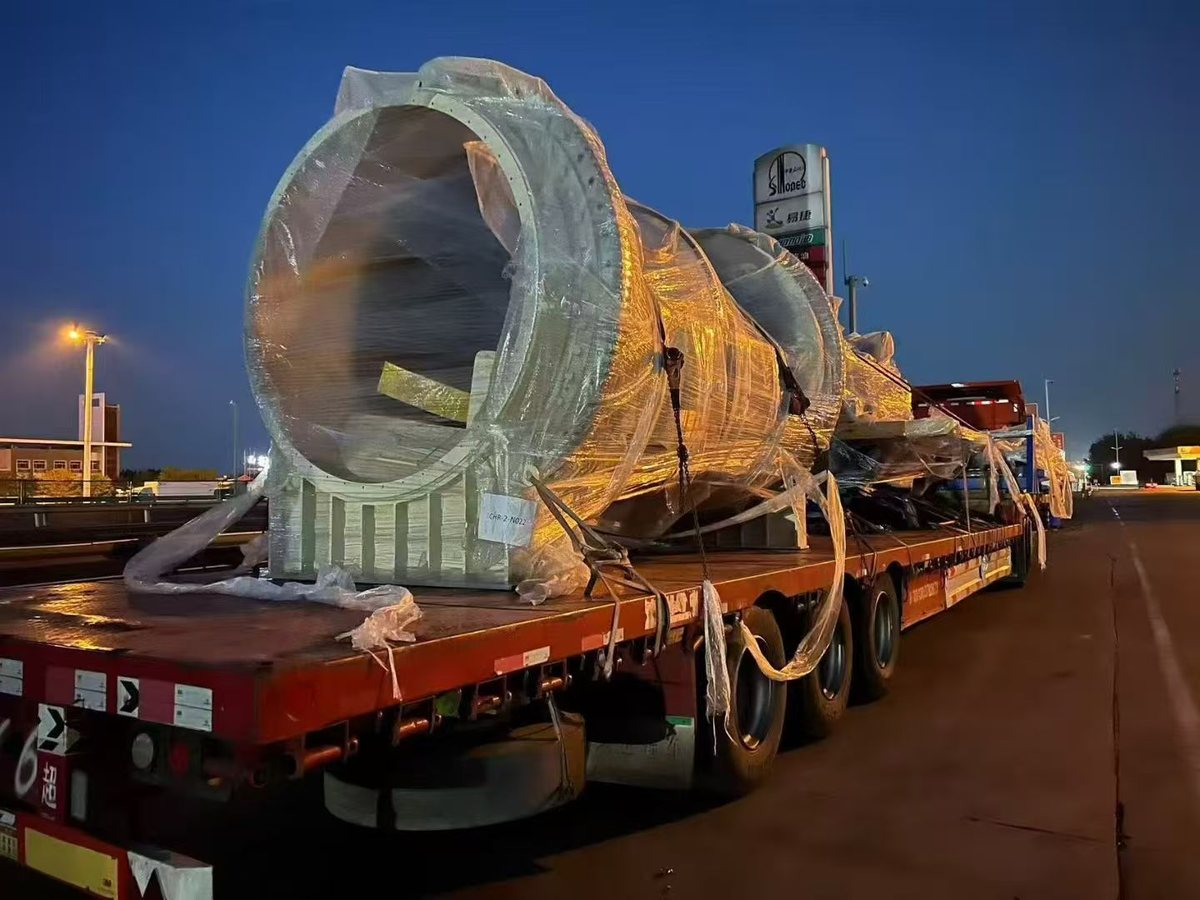
Machine tools, construction equipment, skids, molds and production lines beyond the standard envelope go on a low-bed, an extendable trailer or a flat rack. The trailer is chosen from the actual dimensions, gross weight, center of gravity and support points, and the loading plan states the lifting points, lashing points, dunnage and turning requirements.
The route survey covers the factory exit road, the highway on-ramp, bridge height and weight limits, the river crossing and the terminal approach. Wuhan is restrictive here: the Yangtze bridges inside the ring and all Third Ring tunnels are closed to goods vehicles, so an OOG unit needs a crossing that lawfully takes it. Oversize permits, where required, are applied for in advance with the authorities along the route.
After loading, re-check every lashing and the weather protection, and carry the packing drawing, weight list and photo record in the cab. For anything beyond standard dimensions, terminal acceptance and barge stowage are confirmed separately, and the schedule cannot be built on a normal container cut-off.
Other drayage work we coordinate
An export move usually touches more than one site. These are the side jobs that come with it.
Pre-pulls
Pull the empty before the factory is ready and hold it off-terminal. Common before a long holiday or when depot stock is thin. Free time and storage conditions are confirmed in writing.
Empty returns
Booking canceled after the empty is out? The box goes back to the depot. We quote the return as its own line so it never lands as a surprise on the invoice.
Split pickup and return
Empty from one depot, laden box back to a different terminal. Both ends are priced and scheduled before dispatch.
Warehouse loading
Goods from several suppliers consolidated at a warehouse and loaded into one box, or transloaded from a domestic truck into the export container.
Rail terminal and block train
Containers shuttled between Yangluo and the Wuhan rail terminal for China-Europe block trains, or for domestic rail-on-carriage. Train departures are fixed, so the trucking plan is built backward from the departure.
Barge and coastal connections
Drayage feeding the Yangluo-Shanghai and Yangluo-Ningbo barge services, and the direct near-sea sailings to Japan, Korea, Russia, Vietnam and Indonesia.
We coordinate trucking at China's main container terminals, inland rail ramps and land border ports. Cross-port routes and their paperwork are confirmed for each destination.
From empty pickup to gate-in
The schedule is built backward from the barge cut-off. Each step has an owner and a document.
- Release and equipmentWe exchange the booking for a shipping order, then check the depot, container size and count, vessel and voyage, and the release validity. Paperwork first; a truck sent to a gate without a release just burns an appointment.
- Empty pickup and inspectionThe driver collects the empty against the equipment interchange receipt (EIR) and checks the box number, seal and condition. Dents, soft floors, a leaking door seal or a smell get photographed and swapped at the depot, before the box is loaded and the argument starts.
- Loading at the plantWe confirm the plant can take the trailer length and has a dock or forklift. Heavy cargo goes on dunnage to spread the load, machinery is cross-lashed, cartons are braced with airbags.
- Weighing, sealing, recordsThe laden box is weighed for the VGM, sealed, and photographed: cargo condition, bracing, seal number. The seal must match the declaration and the bill of lading.
- Return to yard or direct to terminalEither back to a depot for consolidation, or straight from the plant to the terminal. Direct gate-in works when there is no inspection requirement and the release is already in the system.
- Appointment and gate-inThe truck arrives inside its slot and clears the smart gate, which reads plate, trailer and box number and takes the weight on an electronic scale. No paperwork, no window visit.
- Customs linkageIn Wuhan the order is arrival first, release second: the terminal files the arrival report and customs clears or inspects on that basis. Barge cut-off and ocean cut-off are tracked as two separate deadlines.
| Exception | What we do |
|---|---|
| No empty at the nominated depot | Ask the line to reassign the depot or release another unit |
| Factory not finished loading | Re-confirm readiness, split the move or push to the next barge |
| Over the carrier or bridge limit | Re-load to the lower limit, split the cargo, or change the crossing |
| Seal does not match the documents | Re-seal, record the new number, notify the line and the broker |
| Appointment code will not read | Re-check release and payment status before the truck leaves |
| Arrival report not filed | Push the truck and the filing together; a box at the gate with no arrival data is stuck |
Gate appointments and the barge window
Yangluo runs an online booking platform and a driver pre-entry app. The gate itself is unmanned and open around the clock.
Bookings for empty pickup and gate-in are made on the terminal's online acceptance platform or through the driver pre-entry app. The platform issues a job reference, the driver scans it at the gate and the barrier lifts without anyone leaving the cab. Release and payment have to be settled first; an incomplete file will not transact no matter what time the truck arrives.
Yangluo's gate went smart: cameras read the plate, trailer and container number, the electronic weighbridge captures the weight, and the transaction clears with no gate clerk and no paper. The system went live at the phase three terminal (Wuhan Port International Container Terminals, second operating area) on 1 September 2021. Average gate time fell from about 160 seconds to about 30 seconds per truck.
The terminal has also been replacing diesel yard trucks with electric units; more than a third of the internal fleet is now battery-electric. Operating rules and booking windows are reviewed periodically, so confirm against the terminal's current notice before a tight sailing.
| Step | How it works | What it means for you |
|---|---|---|
| Booking | Online platform or driver app, reference issued after release and payment | The reference is tied to plate, trailer and box number; swapping trucks means amending it |
| Gate | Unmanned smart gate, 24 hours, automatic identity and weight capture | About 30 seconds per truck; queues cluster around barge arrivals and departures |
| Road access | Hanshi highway (G347) or the outer ring road | The terminal sits outside the Third Ring; the city leg, not the highway, is the variable |
| Sailing frequency | Barge services plus five near-sea direct services | Less frequent than a coastal hub. Missing one barge can mean waiting a full cycle |
Arrive inside the slot. Early or late trucks may be turned away, and a no-show that is not canceled is recorded against the account, which affects future bookings. The dispatch sheet carries the slot, the plate and trailer, and the box number so nothing gets renegotiated at the barrier.
What a drayage quote includes
A line-item quote, not a single number. Every accessorial has a stated trigger.
| Line | When it applies |
|---|---|
| Base trucking | Priced by loading address, container size and terminal. 20ft and 40ft differ, and long lanes are banded by distance. |
| Overweight | Charged per metric ton above the agreed threshold, with a minimum. The threshold is agreed in writing, not assumed. |
| Dual 20s discount | Two 20ft boxes on one run earn a per-box reduction; the saving is smaller on short lanes. |
| Waiting and overnight | Hourly after the free waiting period, plus a separate overnight charge if loading runs past midnight. |
| Pre-pull | Empty pulled ahead of the loading date and held off-terminal, including a stated number of free days. |
| Empty return | Booking canceled after pickup: the empty goes back to the depot at a proportion of the base rate. |
| Split pickup or return | Empty from one depot, laden box to another terminal, or a single-ended move. |
| Depot handling | Per-box depot fee for release and handling, which differs between 20GP and 40HC. |
| River crossing and permits | Bridges and tunnels inside the ring are closed to trucks; the detour adds distance. Non-local plates entering restricted zones need a permit, quoted as its own line. |
| Disbursements | Weighing, box markings, temporary highway charges, documentation, fumigation: at cost, only when you ask for them. |
No amounts here on purpose. Rates move with the lane, the box, the weight and the sailing, and Chinese domestic trucking rate cards are not a quotation to you. Ask for a line-item quote with the free waiting period and the invoice type (standard or VAT special) stated on it.
Drayage and China export customs
In Wuhan the truck leg gates the customs release, not the other way round. That order is worth understanding before you book.
Wuhan reverses the sequence most importers know from Shanghai. At Yangshan the container is released and then gated in. At an inland supervised terminal the cargo has to arrive first: the terminal files the arrival report with customs, and customs releases or inspects on that basis. If the truck is late, no arrival report exists, and a perfectly complete declaration cannot clear. Trucking is therefore on the critical path, not downstream of it.
Wuhan Customs runs paperless declaration and electronic authorization, and the direct-loading, two-step declaration and shipside-pickup models operate routinely at Yangluo. A multimodal supervision model introduced in Hubei in 2026 allows one declaration to cover the whole chain, so cargo can leave a plant in Yichang, transship at Yangluo and sail without separate transit and write-off formalities at each point. For your shipment that means fewer handoffs, but only if the trucking and the filing are on the same schedule. The clearance side is covered on our Wuhan export customs page.
Paperwork checked early
Release, EIR, packing list and declaration data are compared before dispatch, so nothing gets rebuilt at the gate.
Appointment locked first
The gate slot is booked against the barge cut-off before the loading time is fixed, not after.
Weight and condition on file
VGM declared at booking, box condition photographed at pickup, seal number recorded at loading.
Arrival tracked to the end
Gate-in, arrival report and release receipt are reported as three separate milestones.
Field notes: nine problems that derail a Wuhan move
Recurring situations from our dispatch desk. Names, sailing dates and outcomes are left out; the point is the order of handling, not a string of happy endings.
A late factory finish before the barge cut-off
What happens The plant only finishes on Tuesday afternoon and the barge closes Wednesday morning. Export data is still being corrected. Pull, load, return and book in the normal sequence and the slot will be gone.
What we do Establish the barge cut-off, available slots, release status and whether direct loading is possible, then work backward to a loading time. Skip the depot if the terminal will take the box directly, and run the declaration alongside the truck, not after it. If it cannot be made, say so early and offer a pre-pull or the next barge instead of a hopeful promise.
A load over the carrier's weight cap
What happens Stone or coiled steel is loaded and weighed, and the VGM exceeds the carrier's limit for that service. The gate will not accept it.
What we do Declare the real weight at booking and put the limit in the plant's loading instructions. If it is already over, de-stuff, split or re-book. Do not send a heavy box to a gate hoping for discretion; at an inland terminal the return trip also costs you the barge.
Loading that only happens on the night shift
What happens The plant runs trucks out of the city during the day, so the loading crew, forklift and gate guard only work at night. An early truck waits outside.
What we do Put the night arrival time, site contact and entry procedure on the dispatch sheet, and confirm lighting, dock access and night loading conditions in advance. Night work and any overnight charge are quoted up front so nobody negotiates at 2 a.m.
Loading that spills into a second day
What happens Several suppliers, or stock that is not ready, and one container takes two days. The truck sits at the plant and the rest of the week's schedule collapses.
What we do Check readiness before dispatch. If a spill is likely, price three options before committing a truck: hold overnight, drop the box and send a second tractor, or consolidate in a warehouse. Free waiting time and overnight charges go to the customer for approval, not onto the invoice afterwards.
No empty container at the nominated depot
What happens The release is issued but the depot has no unit of that size. 45HC, open top and flat rack are the usual shortages, and the barge will not wait.
What we do Verify release status and validity, ask the line to reassign the depot or substitute equipment, and re-plan the loading and gate windows. If time is short, pull from another depot. Tell the customer the sailing risk at the same time, not after it is lost.
A terminal or yard that refuses the load
What happens The barge has not arrived, the yard is full, or the truck turns up outside its slot. The laden box is refused and the truck waits outside on the clock.
What we do Confirm the slot, release and payment status and the yard's receiving conditions before the truck leaves. If the window is not open, drop the box off-terminal or go direct, and cost the drop, the second lift and the storage before choosing. Cancel a slot you cannot use.
An empty that arrives in poor condition
What happens Dents, a soft or damp floor, a door seal that will not close, or a smell. It is found after loading, and the depot wants to charge the shipper for the damage.
What we do Inspect against the EIR at pickup and photograph anything wrong, then swap the box at the depot. If it is found after loading, ask the line about an exchange or repair and transload if needed, and send the condition record to the customer and the broker so the return inspection does not land on your account.
A gate transaction that will not process
What happens The EIR will not print, the box number does not match the manifest, the booking was never released, or the plate and trailer on the appointment are wrong. The driver cannot transact and the slot is consumed.
What we do Check the source data first: shipping order, booking confirmation, vessel and voyage, box and seal numbers, and the vehicle details on the appointment. Never send an empty truck to a gate with an incomplete file. Amend or cancel the slot rather than letting it lapse.
The truck stuck in a gate queue
What happens Traffic on the Hanshi highway, a queue at the gate before a barge sailing, or a previous job running over means the driver reaches the plant late. The loading crew waits and the cut-off gets eaten.
What we do Send the plate, driver's number and ETA after pickup, then report arrival at the plant, loading complete, departure and gate-in. If a delay appears, rebook the slot and tell the plant immediately, so the waiting stays inside a controlled window instead of turning into a missed barge.
A second tier of small problems runs through the same sequence: a 40ft rig that cannot enter the plant, a seal number that disagrees with the declaration, an undeclared VGM, a loading address changed at short notice, tarpaulins that do not survive the rain, reefer or hazmat documents that do not match the slot, and a non-local plate without a permit. Nearly all of them are detectable before dispatch.
Few of these are truck problems. Most are four timelines that did not line up: documents, equipment, appointment and arrival. One check before dispatch, covering all four, is cheaper than any recovery afterwards.
Why importers use us for Wuhan drayage
Four things importers ask about, every time: a price that does not move, a truck that arrives, charges that do not appear later, and someone who answers when something goes wrong. These are the rules we set before dispatch.
Line-item quotes
Base rate, overweight, pre-pull, overnight, empty return, split moves, river-crossing detour and disbursements are listed separately, with what is included, the free waiting period and the invoice type. No mystery additions after the fact.
No Chinese New Year surcharge
Confirmed rates stand through the pre-holiday rush, the National Day peak and the days after a typhoon. If you change the address, the box or the date, or if the terminal or the line adds a genuine charge, we tell you first and settle against the receipt.
Rates built on the actual lane
Priced from the loading address, the box, the weight and the gateway, including whether the truck has to cross the river to reach an open bridge. Short lanes are not loaded to subsidize long ones, and a dual-20 pairing earns its discount.
Vetted carriers and safe loading
Tractors and drivers are checked, hazmat, reefer and OOG go on dedicated equipment with qualified crews, heavy cargo sits on dunnage, machinery is cross-lashed, and pickup inspection and loading are photographed.
Milestones you can forward
Plate, driver number, box and seal after pickup, then plant arrival, loading complete, departure, gate-in and arrival report. Your consignee can forward the same messages without translation.
One team for trucking and export filing
Box, seal, VGM, packing list and arrival timing are checked inside one team. In Wuhan, where release follows arrival, splitting trucking and brokerage is the easiest way to lose a barge.
Coverage beyond Yangluo
Yangluo, Huashan, Jingkai, Hannan, the Wuhan rail terminal, and coastal gateways for transshipment. Changing the gateway or switching to block train keeps the same contact.
A fixed playbook for exceptions
Late loading, overweight, road restrictions, overnight holds, no empties and failed gate transactions each have a written sequence, so the first hour of a problem is spent solving it rather than deciding who to call.
Quotes are confirmed on a formal offer sheet. These commitments cover the Wuhan trucking we control; terminal and carrier charges, and their operating rules, follow whatever the terminal and the line apply at the time.
Frequently asked questions
Answers to the questions importers ask before booking a Wuhan drayage move.
How much does container drayage in Wuhan cost?
Drayage is priced per move from the loading address, container size, whether the truck has to cross the river, the gross weight, whether an empty has to be pre-pulled, and where the box is released. There is no flat per-box rate. Send the address, box size and count, gross weight, barge or vessel schedule and cut-off, and you get a line-item quote with the accessorials listed separately and the free waiting period stated.
How long should I allow from empty pickup to gate-in?
Allow for release, depot pickup, inspection, the drive to the plant, loading, weighing and sealing, the return leg and the gate slot. Any of those can queue. Build the plan backward from the barge cut-off, not forward from the factory finish time, because the barge is the constraint: Yangluo to Shanghai is typically three to five days of river transit, and a missed sailing can mean waiting a full cycle for the next one.
What are dual 20s, and can two 20ft boxes move together?
Two 20ft containers on one chassis. It works when both boxes load at the same plant or on the same route, the combined weight is inside the tractor's rating and the terminal accepts the combination at the gate. It is common on short urban runs in Wuhan and rarely sensible on a long provincial lane. Send both gross weights before dispatch and the dispatcher will confirm the trailer and the route.
How do you handle overweight containers at Wuhan?
Two limits apply, and the lower one wins. The carrier sets a weight cap for the service, and the road sets its own: the Third Ring main line and several major viaducts in Wuhan ban vehicles over 55 metric tons gross or 13 metric tons per axle, and the Yangtze bridges and Third Ring tunnels are closed to goods vehicles altogether. Declare the real weight at booking, weigh after loading for the VGM, and if the box is already over, de-stuff, split it or re-book rather than testing the gate.
What documents do dangerous goods need before trucking?
A packaging certificate for dangerous goods, a safety data sheet, a carrier booking confirmation that accepts the class, and a licensed tractor with a qualified driver and escort. ISO tanks also need the tank inspection certificate and filling record. Different Wuhan terminals are approved for different hazard classes, so we confirm the class against the terminal's permit before the booking is accepted.
What do you need for a reefer container?
Set point, ventilation setting, pre-cooling requirement and how the unit stays powered on the road. If shore power is not available at the plant, the trailer needs a genset. Pre-cool and inspect before loading, keep the temperature recorder data, and if the box is pre-pulled, confirm the off-terminal power supply and the free-storage terms in writing.
What is the difference between an open top and a flat rack?
An open top has a removable roof and is loaded from above, so it suits cargo that is too tall for the door but stays inside the box footprint. A flat rack has no roof and no sides, only a floor and end frames, and carries over-width, over-length or side-loaded cargo that the shipper must waterproof and lash. Both are out-of-gauge solutions, and inland barges are stricter than ocean vessels about stowing them on deck.
Do trucks need an appointment to enter Yangluo?
Yes. Empty pickup and gate-in are booked on the terminal's online platform or through the driver pre-entry app, and the driver scans the reference at an unmanned smart gate that reads plate, trailer and box number and takes the weight electronically. Average gate time is about 30 seconds per truck, down from about 160 seconds before the smart gate went live. Release and payment must be settled first or the transaction will not process.
Can non-local trucks drive into Wuhan?
Trucks with plates from outside Wuhan are banned from the Third Ring main line and the roads inside it, and the Yangtze bridges, the Jianghan bridge and all Third Ring tunnels are closed to goods vehicles around the clock. Yangluo is outside the Third Ring, so the terminal run avoids the city center. If your supplier is inside the ring, the route depends on which crossing legally takes heavy vehicles, and a permit may be needed. Rules are revised from time to time, so we check the current notice before each move.
Can I use one company for trucking and another for customs?
You can, but in Wuhan the sequence matters. Cargo has to arrive at the supervised terminal before the terminal files the arrival report, and customs releases on that basis. This is the reverse of the Shanghai order. If the truck is late there is no arrival report and no release, however complete the declaration. With one team on both legs, box, seal, VGM, packing list and arrival timing are checked together.
Do rates rise during peak season?
Confirmed rates are held through the pre-Chinese New Year rush, National Day, the rainy season and periods when barge sailings cluster. If you change the loading address, the box or the date, or if the terminal or the carrier adds a charge that is genuinely new, we tell you before it is incurred and settle against the receipt. Waiting time, overnight holds and empty returns are real work items with rates on the quote, not a seasonal surcharge.
How is overnight waiting charged?
Waiting beyond the free period on the quote is charged hourly, and a loading that runs past midnight adds a separate overnight charge. Both are stated before dispatch. If stock may not be ready, price three options first: hold the truck, drop the box and send a second tractor, or consolidate at a warehouse. Night loading is common in Wuhan because of daytime truck restrictions, so the night shift, lighting, dock and gate access all belong on the dispatch sheet.
What if the empty container is damaged or dirty?
Inspect against the EIR at the depot and photograph anything wrong: dents, a damp or soft floor, a door seal that will not close, a smell. Swap it there, before loading, at no extra trucking cost. If it is found after loading, ask the line about an exchange or repair and transload if necessary. Send the condition record to the customer and the broker so the return inspection is not charged back to the shipper.
What happens if there is no empty at the depot, or the gate will not process?
Neither should reach the gate. Before dispatch we check release status and validity, booking confirmation, vessel and voyage, and the vehicle details on the appointment. If equipment is short, the line reassigns the depot or substitutes the box; 45HC, open top and flat rack are the usual shortages at an inland terminal, so they are confirmed earlier. A slot that cannot be used is canceled, not left to lapse.
Get a drayage quote for Wuhan
Send the loading address, container size and count, gross weight, commodity, barge or vessel schedule, cut-off time and whether you need export customs clearance in China. DG, reefer, overweight and OOG cargo should include the relevant certificate or packing drawing. Quotes come from our China desk on GMT+8.
Email sales007@goodhopefreight.com or submit a quote request.
