Do I have to ship through Shanghai if I load in Wuhan?
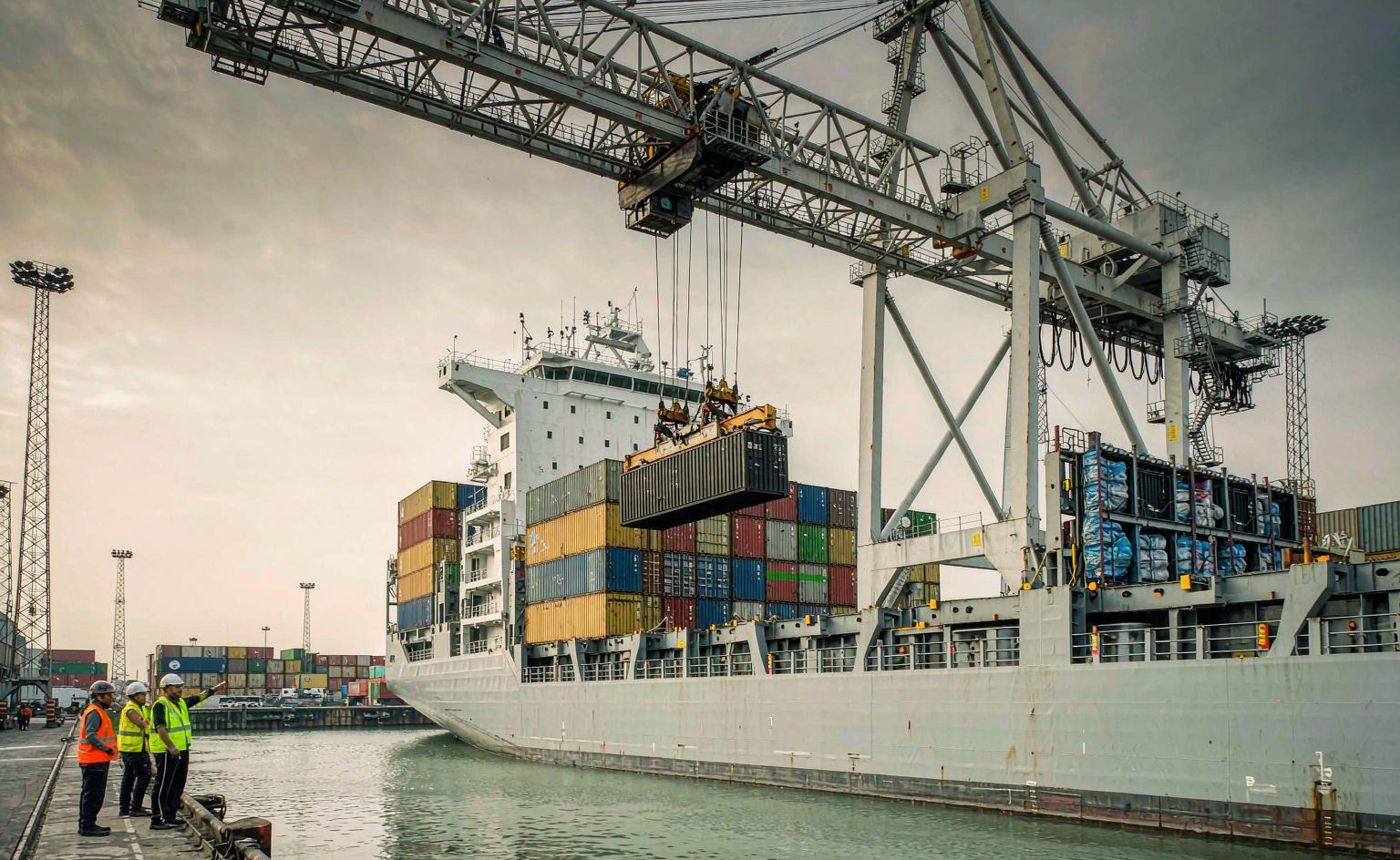
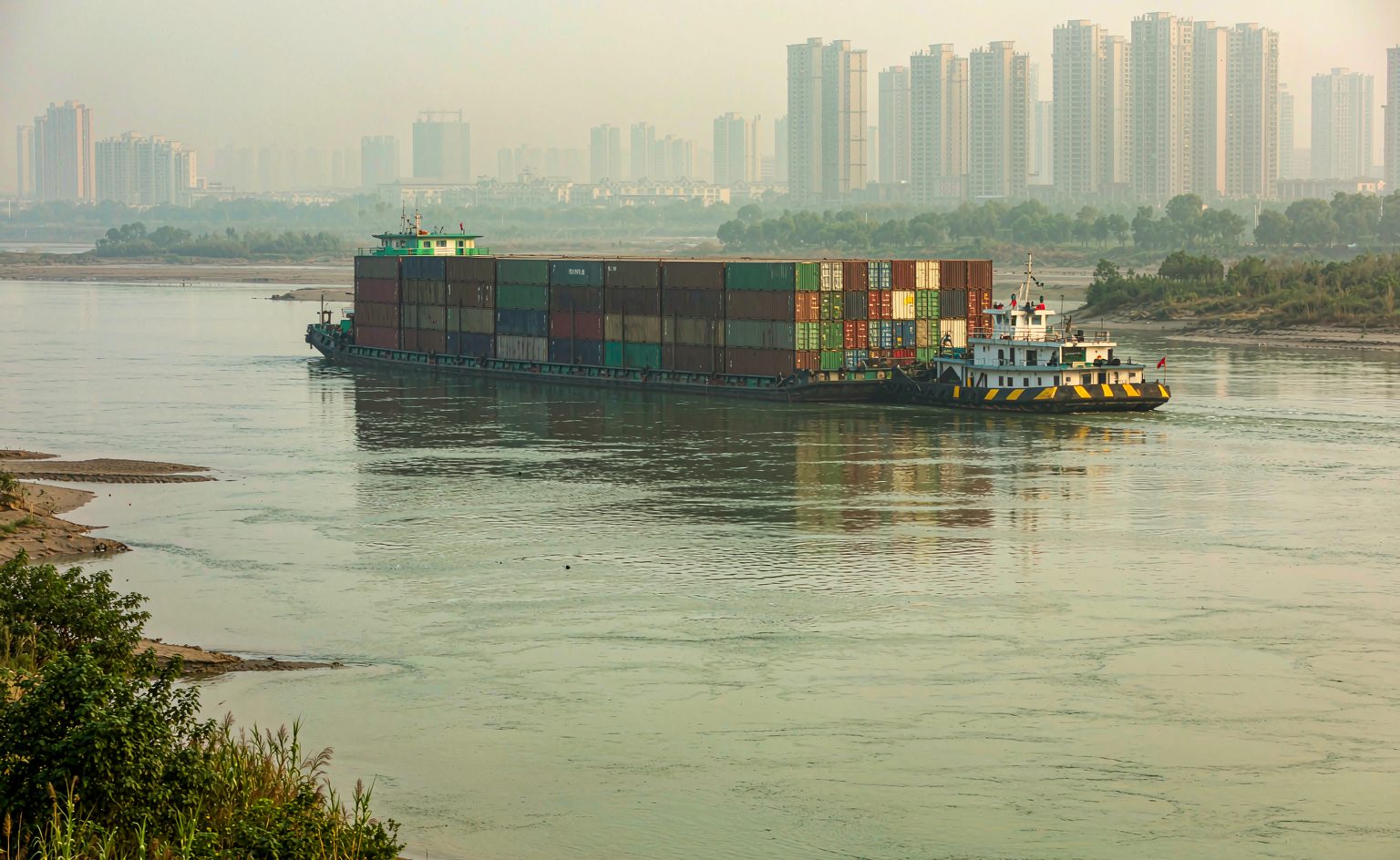
For most destinations, yes — the container is barged from Yangluo to Shanghai or Ningbo and connects to an ocean vessel there. Wuhan does run direct international services to Japan, Korea, Russia, Vietnam and Indonesia, plus three transit corridors, and those avoid the relay entirely. If your destination is on one of those lanes, ask specifically, because the transit time difference is substantial.
Does Wuhan release a container before or after gate-in?
After. Yangluo is an inland customs supervision site: the box enters the terminal, the terminal transmits the arrival report, and customs releases against that data. Yangshan works the other way round — no release means no gate-in. This single difference explains most of the scheduling confusion when a shipper moves a booking from Shanghai to Wuhan.
How much earlier is the Wuhan cut-off than the Shanghai one?
As a working rule, the river barge closes two to three days before the ocean vessel. The Yangluo–Shanghai leg itself runs three to five days, and the express service reaches open sea in five. Plan for a booking that closes five to seven days earlier than the equivalent Shanghai booking for the same delivery date. Exact barge cut-offs come from the carrier and terminal each week.
Can I get a through bill of lading from Wuhan?
Yes, provided the barge and the ocean vessel sit under one contract of carriage. The container is declared and released at Wuhan, loaded on the barge, and transferred at the relay port; the bill of lading shows Wuhan or the relay port as the place of receipt depending on the carrier's rules. If the two legs are booked with different carriers, the relay port needs a second declaration, which costs both time and money.
What transit times should I expect out of Wuhan?
Add the river leg to whatever the ocean leg normally is. Southeast Asia runs roughly 12 to 18 days door to port; European base ports about 32 to 42 days; a full Wuhan-to-Europe movement typically lands between 35 and 50 days depending on barge frequency and connection. Anything quoted at the same transit as Shanghai is either a direct sailing or a mistake.
Can I move cargo by rail instead of barge?
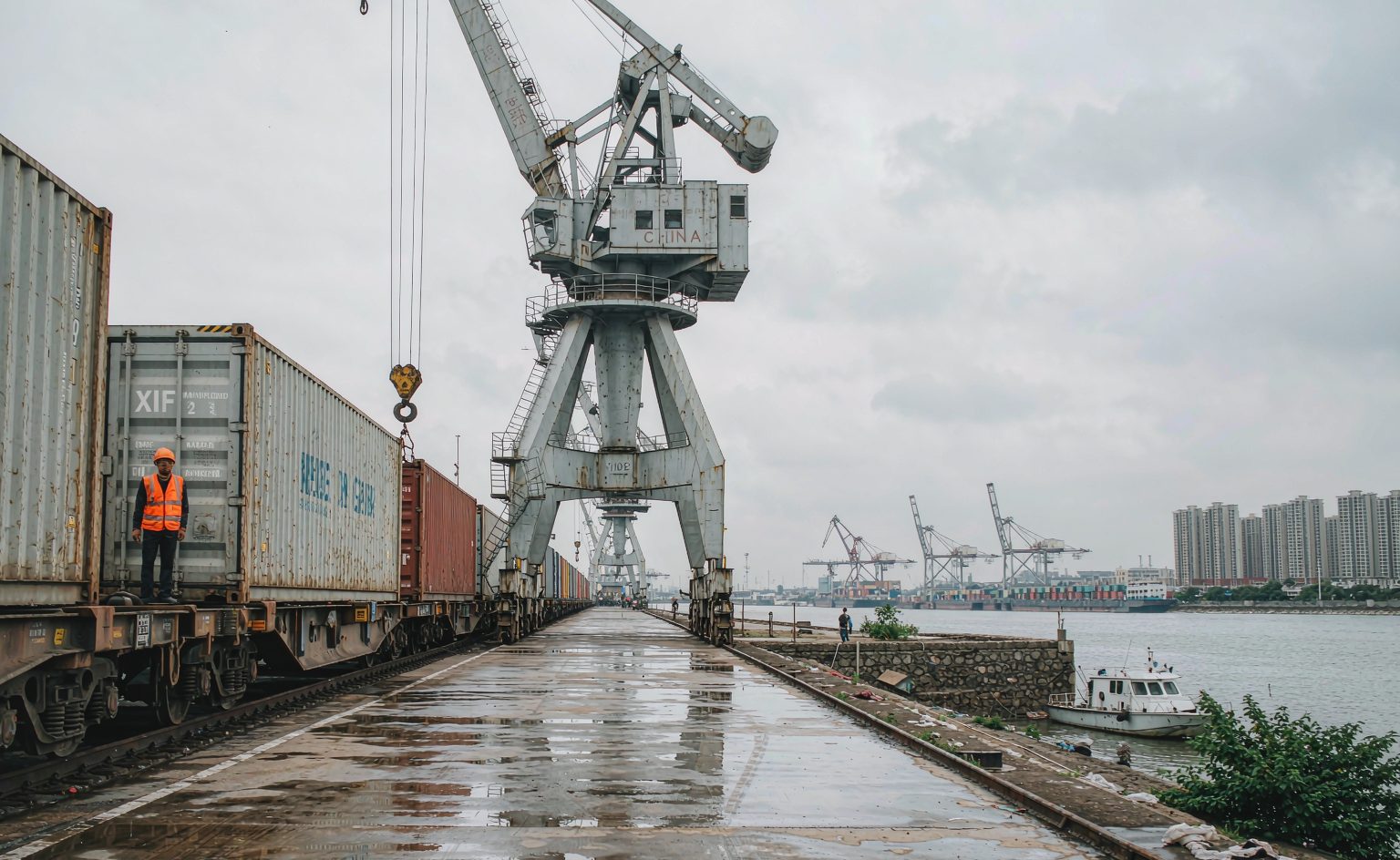
Yes, and at the COSCO terminal the rail spur runs onto the apron, so a box discharged from a Yangtze vessel can be loaded onto a block train without a truck shuttle. Wuhan runs China-Europe trains from Wujiashan and, since August 2025, Xianglushan, which gives two departure points. There is also a rail-sea corridor to Xiamen aimed at new-energy exports. Rail-water cuts more than two days and around 15% of logistics cost, but the transit declaration has to be filed before the train leaves.
Which Wuhan terminals accept dangerous goods?
They differ, and you have to confirm per shipment. Yangluo takes classes 5.1 oxidizers, 6.1 toxic substances, class 8 corrosives and class 9 miscellaneous; Phase I added a temporary approval for specific class 4.2 self-heating products in 2026. The COSCO terminal holds approval for 50 products across four classes, handled truck-to-ship without yard storage, with four berths working in parallel. Asking after the release is issued is too late.
Does the Yangtze water level affect my shipment?
It can. Seasonal water levels, fog and temporary traffic controls all affect barge scheduling and loading limits. In the dry season barges draft less, so heavy boxes may be shut out or re-sailed; in fog season a stretch can close with little notice. No amount of paperwork fixes this, which is why we build a buffer into the back-plan and push heavy cargo onto an earlier sailing in peak weeks.
What documents do I need before the truck leaves the factory?
Entry data, contract or order, commercial invoice, packing list, customs power of attorney, booking confirmation with the pre-manifest, and a VGM that matches the packed box. On top of that, whatever the commodity requires: license, certificate of origin, CIQ or phytosanitary certificate, fumigation record, MSDS and DG certificate. Because the barge will not wait, we aim to have the full set three to four working days before the barge cut-off.
What happens if my container gets inspected?
Customs orders destuffing, counting and photographs, attended by us on site. Document-based issues usually clear the same day; sampling and laboratory testing can run five to seven days, which will cost you the barge. Release follows a clean inspection, and destuffing, shifting and lifting charges are billed as incurred by the terminal. This is the one scenario where an extra buffer in the schedule is worth paying for.