Since 2012 NVOCC GD20230925153335 24h Response
+86 13392162503 sales8015@goodhopefreight.com Login
Goodhope Freight
Export customs clearance · Import clearance · Cross-border transit

Ningbo Port Export Customs Clearance

Ningbo is not one terminal. It is six port areas strung along the coast and up the rail line, and the box only sails if the filing, the gate and the cut-off line up in the right order. We handle the China-side export customs clearance at Beilun, Chuanshan, Meishan, Daxie, Jintang and Zhenhai — then run the trucking, the yard timing and the refund paperwork behind it.

Beilun Port Area Chuanshan Port Area Meishan Port Area Daxie Port Area Jintang · Yongzhou Zhenhai Port Area Advance filing Direct loading on arrival Yiwu sixth port area
6 port areasDeep-sea · alliance · feeder · bulk · dry port
309 routesIncluding 257 international and 151 trunk services
~30 minutesAverage export clearance time at Ningbo
Plan my Ningbo clearance See the 8-step flow
43.87M TEUNingbo Zhoushan Port containers
2025, up 11.6% year on year
39.27M TEUNingbo port area alone
2025, up 9.8% year on year
1.43B tonnesCargo throughput, first in the world
2025 full year
119 berthsBerths of 10,000 tonnes and above
within the Ningbo port area
Why Ningbo

A Deep-Water Port in the Middle of the Coast With Six Different Clearance Clocks

Ningbo Zhoushan Port moved 43.87 million TEU in 2025 and ranks third in the world; the Ningbo port area alone accounted for 39.27 million. Main-channel depth runs past 22.5 m, so 300,000-tonne vessels come in and out without tide games, and the port works close to 350 days a year.

The complication is not capacity. It is that a single port authority covers a deep-sea terminal, an alliance mega-terminal, an old near-channel terminal, a chemical and oil area, a feeder area and an inland dry port — and export customs clearance at each of them has its own gate cut-off, its own customs cut-off and its own tolerance for a late amendment.

  • 1
    Six port areas, six timetablesChuanshan is a 10-million-TEU single terminal with 17–22 m berth depth and a channel dredged past 30 m. Meishan runs 10 deep-water berths and serves both of the world's two largest alliances. Beilun sits closest to the channel with the shortest drayage. Daxie mixes containers with oil and chemicals. Keeping one mental model for all of them is how containers miss sailings.
  • 2
    Route density without a detour309 container routes, 257 of them international and 151 ocean-going trunk services, linking more than 200 countries and 600 ports. A late order out of Zhejiang or Jiangsu does not need to be trucked to another province to find space.
  • 3
    The hinterland runs on rail, not just truckOver 110 sea-rail routes and 29 fixed trains reach 16 provinces and 69 cities. Yiwu operates as the sixth port area: declare and inspect inland, seal automatically, load at Ningbo. That is why market-procurement cargo can clear without a second stop at the coast.
  • 4
    Facilitation that is already in productionAdvance filing, direct loading on arrival, inspect-before-loading for LCL, 10 H986 scanners with image review under 9 seconds, and a front-warehouse model for cross-border e-commerce. These are working procedures at Ningbo, not pilot language, and they change how a schedule should be built.
Who actually files? On FOB, CFR or CIF terms the China export declaration belongs to the seller, but a late release still lands on your delivery date. On EXW it is yours. Either way, the sequencing below is what decides whether the container sails on the booked vessel or rolls to the next one.
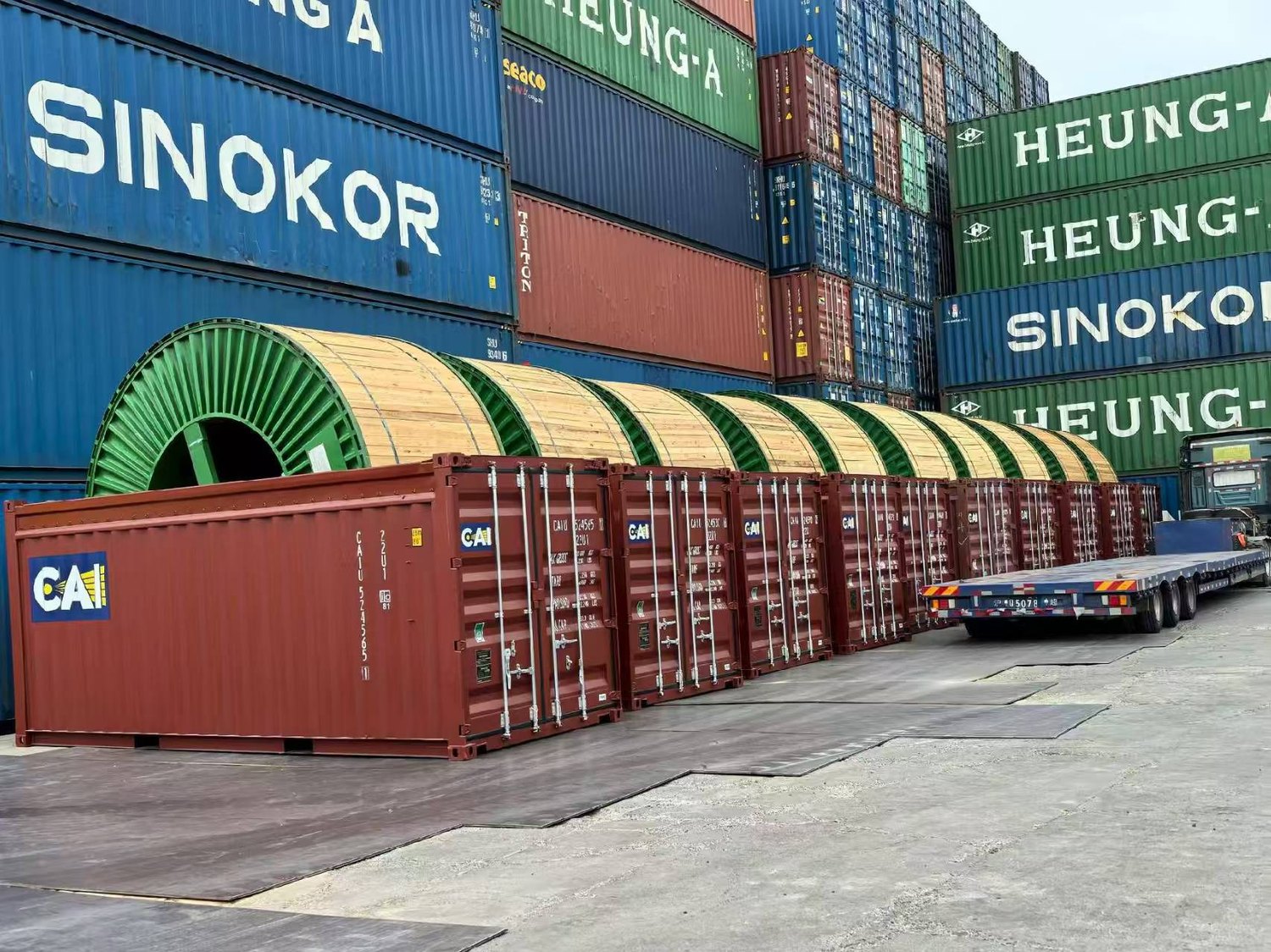
Stacked export containers and a yard truck moving through a Ningbo container terminal
On the ground Factory pickup — release — gate-in Pre-manifest · cut-off back-planning · exception follow-up

In short

Export customs clearance at Ningbo Port is the China-side filing that turns a booked container into a legally released export: HS classification, entry preparation, single-window filing, arrival reporting, inspection attendance and closure. Ningbo runs it across port areas that do not share a schedule — Chuanshan and Meishan load ocean-going trunk services under tight cut-offs, Beilun trades a shorter drayage for an earlier gate, Daxie puts containers and chemicals through different gates altogether, and Yiwu clears inland before the rail leg. Goodhope Freight acts as the licensed broker for that filing and coordinates drayage, CFS work and the refund documents that follow.

Note: throughput, berth and facilitation figures come from Ningbo municipal statistics, Ningbo Zhoushan Port Company disclosures and General Administration of Customs releases (2025 full-year data, plus 2026 figures where stated). They describe capability. The working berth, sailing schedule and cut-off for your shipment are set by the terminal and the carrier for that week.

Port area matrix

Four Port Areas, Four Different Export Customs Clearance Rules

Cargo and carrier allocation pick the port area first; the sailing schedule picks it second. The differences below are the ones that actually cost a container its booking.

Beilun Customs

Beilun Port Area

Beiyi and Beier terminals, closest to the main channel

Depth
About 13.5 m alongside, with 300 m-class berths
Character
The old core of the container port, short drayage from the city and the factories
Customs regime
Standard gate-in plus arrival report; advance filing accepted
Strength
Fastest truck cycle of the container areas
Best for: intra-Asia and regional services, cargo that needs a short truck leg, first sailings after a late production finish

Because the truck leg is short, Beilun is where a same-day amendment can still be recovered — but only if the carrier's document cut-off has not already closed.

Chuanshan Customs

Chuanshan Port Area

Beisan terminal, 10 berths under one operator

Scale
10 berths, 3,410 m of quay, a single terminal above 10 million TEU
Depth
17–22 m at the berth face, channel dredged beyond 30 m
Equipment
45 ship-to-shore cranes and 138 rail-mounted gantry cranes
Customs regime
Ocean-going trunk concentration, tight gate and customs cut-offs
Best for: Europe and US deep-sea FCL, direct calls by the largest vessels, cargo that must make one specific sailing

The deepest water at Ningbo. It is also the least forgiving: a box that misses the gate window here waits for the next vessel, not the next truck slot.

Meishan Customs

Meishan Port Area

Ten deep-water berths with bonded and e-commerce functions

Scale
10 deep-water berths; over 1.5 million TEU per berth design capacity
Depth
17.5 m at berths 6–10
Milestone
Passed 10 million TEU in 2024; first single terminal to serve both global top-two alliances
Customs regime
Advance filing, consolidation and cross-border e-commerce handled under one roof
Best for: alliance mainline cargo, LCL consolidation, cross-border e-commerce and front-warehouse shipments

Meishan is where LCL and e-commerce cargo benefit most from inspect-before-loading: the box is checked as it is built, not after it is sealed.

Daxie Customs

Daxie Port Area

CMICT container terminal plus oil and chemical berths

Character
Containers and liquid bulk in the same port area, on separate gates
Expansion
Phase II added 630 m of quay under a Ministry of Transport approval
Customs regime
Container filing as usual; DG and chemical cargo runs a separate flow
Strength
The practical route for chemicals that cannot go through a general cargo terminal
Best for: chemical and DG-adjacent cargo, feeder and regional services, liquid bulk exports

If your product needs a hazard determination, start here rather than at a container gate — the paperwork path is different from the first step.

What differsChuanshan Port AreaMeishan Port Area
Carrier profileOcean-going trunk services, direct calls, the largest hullsAlliance mainlines, consolidation, e-commerce and bonded cargo
Cut-off pressureHigh — the gate window is narrow and there is no slack for a late entryModerate — built for consolidation, with room to re-sequence boxes
LCL and consolidationPossible, but the CFS cut-off is unforgivingThe natural fit; inspect-before-loading keeps the box moving
DrayageLonger run from most factories, so book the truck with the bookingDeep-water island-side run; allow real transit time, not map time
Typical cargoDeep-sea FCL, machinery, appliances, project boxesConsolidated LCL, e-commerce parcels, multi-supplier shipments

Beyond these two, Jintang and Yongzhou handle feeder and regional calls (Dapukou berths 4 and 5 were approved for foreign trade in 2023), Zhenhai takes bulk and liquid chemical, and Yiwu operates as an inland sixth port area. Working practice follows published facilitation measures; the operative version is always the carrier's cut-off notice and the terminal's arrangement for that week.

What we handle

Eight Export Customs Clearance Workflows, Split by Cargo and Equipment

General cargo, chemicals and food do not share a filing logic, and neither do FCL, LCL, special equipment and rail-transit shipments. Same port, eight document sets, eight timetables.

SERVICE 01

FCL export declaration

Full container load, one shipper per box. Pre-manifest data, container and seal verification, entry preparation, single-window filing, inspection attendance and closure tracking.

FCLContainer & sealClosure tracking
SERVICE 02

LCL export declaration

Several shippers in one box. CFS receiving, cargo data verification, matching multiple entries to the loading list, and inspect-before-loading where the warehouse is in the pilot programme.

LCLCFS receivingMulti-entry filing
SERVICE 03

Special equipment

Open top, flat rack and reefer, declared on actual dimensions, weight and temperature set-point, with a lashing plan and the carrier's special-equipment acceptance confirmed before booking.

Open topFlat rackReefer
SERVICE 04

Project & out-of-gauge cargo

Machinery and structures that cannot be tipped, loaded on flat rack or breakbulk tonnage, declared piece by piece against a split-packing list and matched to the terminal's loading plan.

Out-of-gaugeSplit packing listLoading plan
SERVICE 05

Dangerous goods & chemicals

Hazard determination, MSDS and DG packing certificate review, UN number and packing group matching, container packing certificate, DG filing and terminal handling approval — back-scheduled on DG lead times.

MSDSDG packing certDG filing
SERVICE 06

Commodity inspection & fumigation

CIQ, phytosanitary certificates, fumigation or heat treatment and IPPC marking for wooden packaging, plus label and ingredient review for food and agricultural exports.

CIQIPPCFumigation
SERVICE 07

VAT refund documents & agency export

After closure: the refund copy of the entry, release message, terminal receipt and gate-in record. For suppliers without import-export rights, export through a licensed entity with a complete document trail.

Refund copyArchiveAgency export
SERVICE 08

Import clearance & cross-border transit

Import clearance at Ningbo terminals, Yiwu and inland transit with manifest write-off, on-site inspection support, plus warehousing and delivery after release — the same team on both directions.

Import clearanceTransitManifest write-off
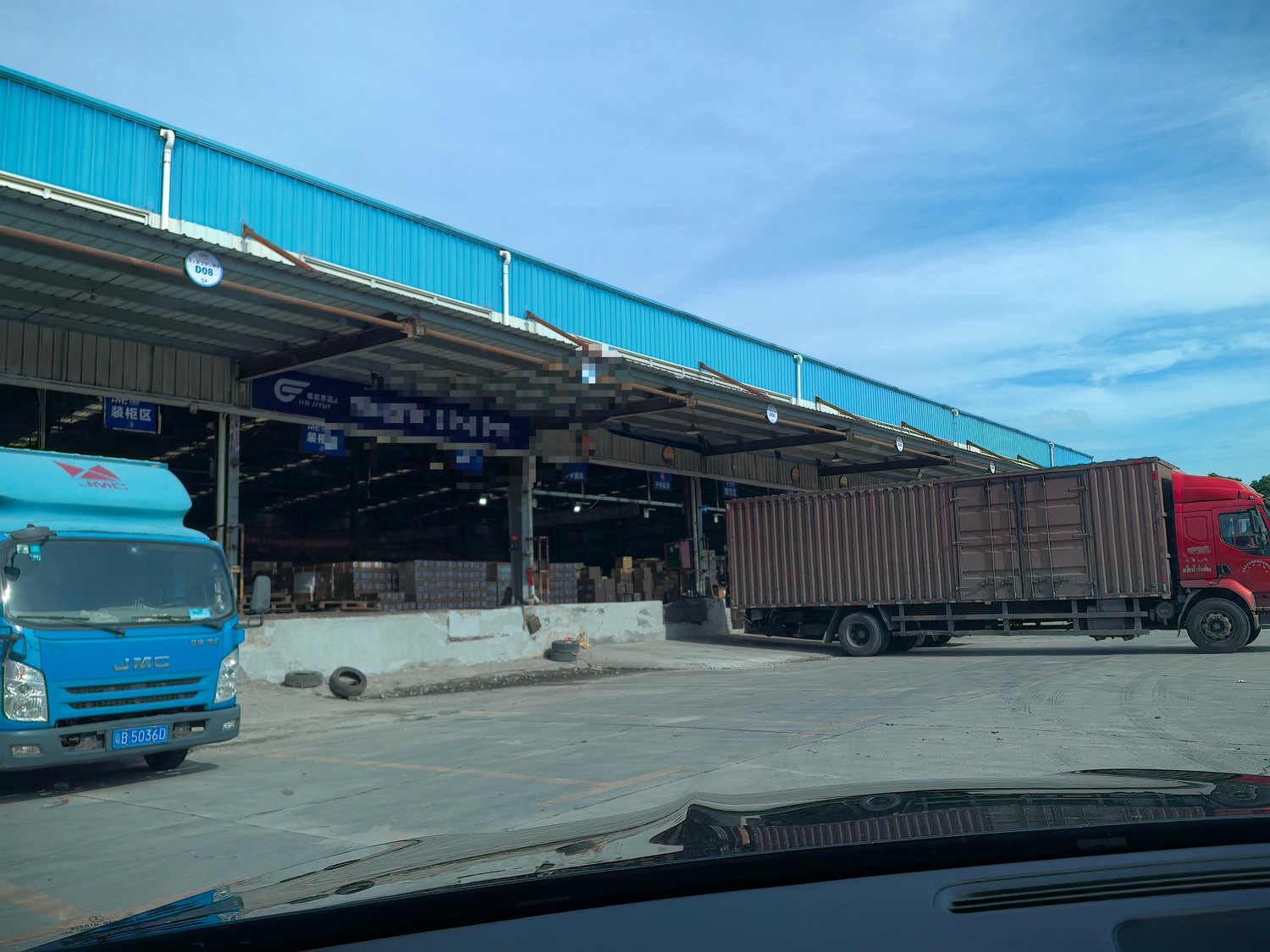
Export cartons being stuffed and marked inside a Ningbo consolidation warehouse before the CFS cut-off
For LCL, the container is built while the paperwork is still being finished — that is the whole risk Receiving data, the loading list and the entries are three separate data sets, and the CFS cut-off lands before the customs cut-off. We verify pieces, weight, volume and shipping marks shipment by shipment at receiving, log container and seal numbers centrally, and file the entries in batches so one flagged shipment does not hold the whole box. At Meishan the inspect-before-loading model has taken LCL clearance from 2–3 days down to under 1 day.
Process

How Export Customs Clearance Runs at Ningbo, Step by Step

The flow is not complicated. The timing is. Advance filing, direct loading and rail transit each move a different deadline, and the port area you are shipping from decides which one binds first.

1

Booking & pre-manifest

Lock the sailing, container type, port area and cut-off with the carrier, and pull the pre-manifest data you need in order to file ahead.

2

Classification & elements

Settle the HS code and every element behind it — description, specs, composition, function, brand. Licenses are checked before production, not at the gate.

3

Entry prep & in-house review

Draft the entry from the classification result, then review quantity, value, terms of trade and currency internally before anything is transmitted.

4

Advance filing

With the pre-manifest and confirmed cargo, file up to 7 days before arrival. Everything on the entry then has to reach the supervised premises inside the window, or the declaration is cancelled.

5

Gate-in & arrival report

The terminal sends the arrival report on gate-in and customs issues release or an inspection order off it. For direct loading, the terminal booking is made before the truck arrives.

6

Review, inspection, release

Direct release, or a flagged box. Machine inspection runs through H986 scanners with image review in seconds; physical inspection means devanning, counting and photos.

7

Loading & manifest check

Load against the release message; verify container number, seal, pieces, weight and volume against the bill of lading. For LCL, confirm the consolidation manifest.

8

Closure & archive

After the vessel departs the entry closes; assemble the entry, release message and terminal receipt for the VAT refund and later write-off.

Get the four clocks right. Ningbo runs on gate open, gate cut-off, customs cut-off, document cut-off and departure — and gate cut-off is not customs cut-off. Cargo must be declared after it reaches the supervised premises and at least 24 hours before loading; advance filing lets you file up to 7 days early, but every box on the entry has to arrive inside that window or the declaration is cancelled. Chuanshan and Meishan usually close customs earlier than Beilun because the trunk vessels load on a fixed berth window, and a direct-loading box has no yard buffer at all: if the entry is not released before the truck reaches the gate, it goes back to the yard and the appointment is lost.
Documents

What Your Paperwork Needs to Look Like for Export Customs Clearance

Complete documents with consistent data are what make a one-pass release possible. Here is the split between the base set and what gets added by commodity.

Base set — every shipment

  • ✓
    Export declaration entryFiled by the broker in single-window format; must match the cargo that actually ships.
  • ✓
    Contract or purchase orderClear on terms of trade, currency and payment conditions.
  • ✓
    Commercial invoice & packing listDescription, quantity, packages, gross and net weight, volume and shipping marks all corroborating each other.
  • ✓
    Customs power of attorneyElectronic authorization is accepted, provided it is inside its validity period.
  • ✓
    Pre-manifest & booking confirmationVessel and voyage, container type and count, port area and cut-off time.
  • ✓
    Refund & FX collection noteWhere a VAT refund is claimed, the entry operator and the invoice issuer must be the same entity.

Added by commodity

  • ✓
    Licenses & permitsExport licences, dual-use item and technology export licences, and similar controlled-goods approvals.
  • ✓
    Certificate of originCO, Form E, Form A and others, chosen against the destination's tariff preference.
  • ✓
    CIQ & phytosanitary papersCommodity inspection release, phytosanitary certificate, fumigation or heat-treatment certificate.
  • ✓
    Wooden packaging certificateIPPC mark on the wood, or a fumigation certificate where the packing is treated in batches.
  • ✓
    Dangerous goods fileMSDS, DG packing certificate, UN number, packing group and container packing certificate.
  • ✓
    Brand authorization & trade-mode documentsBrand letter where a trademark is declared, plus processing trade manuals, ATA carnets and return-goods statements.
Facilitation note. Paperless filing and electronic powers of attorney are standard at Ningbo, and at the filing stage supporting documents are usually transmitted electronically only when the reviewing officer asks. Requirements still differ by commodity and by trade mode — general trade, processing trade, market procurement, cross-border e-commerce — and the officer's review governs in the end. That is why we run a document pre-check before anything is filed.
Clearance modes

Four Ways to Clear Cargo at Ningbo — Match the Mode to the Cargo and the Sailing

Advance filing, direct loading on arrival, inspect-before-loading or sea-rail transit through the sixth port area. Same port, very different amounts of yard time and cost.

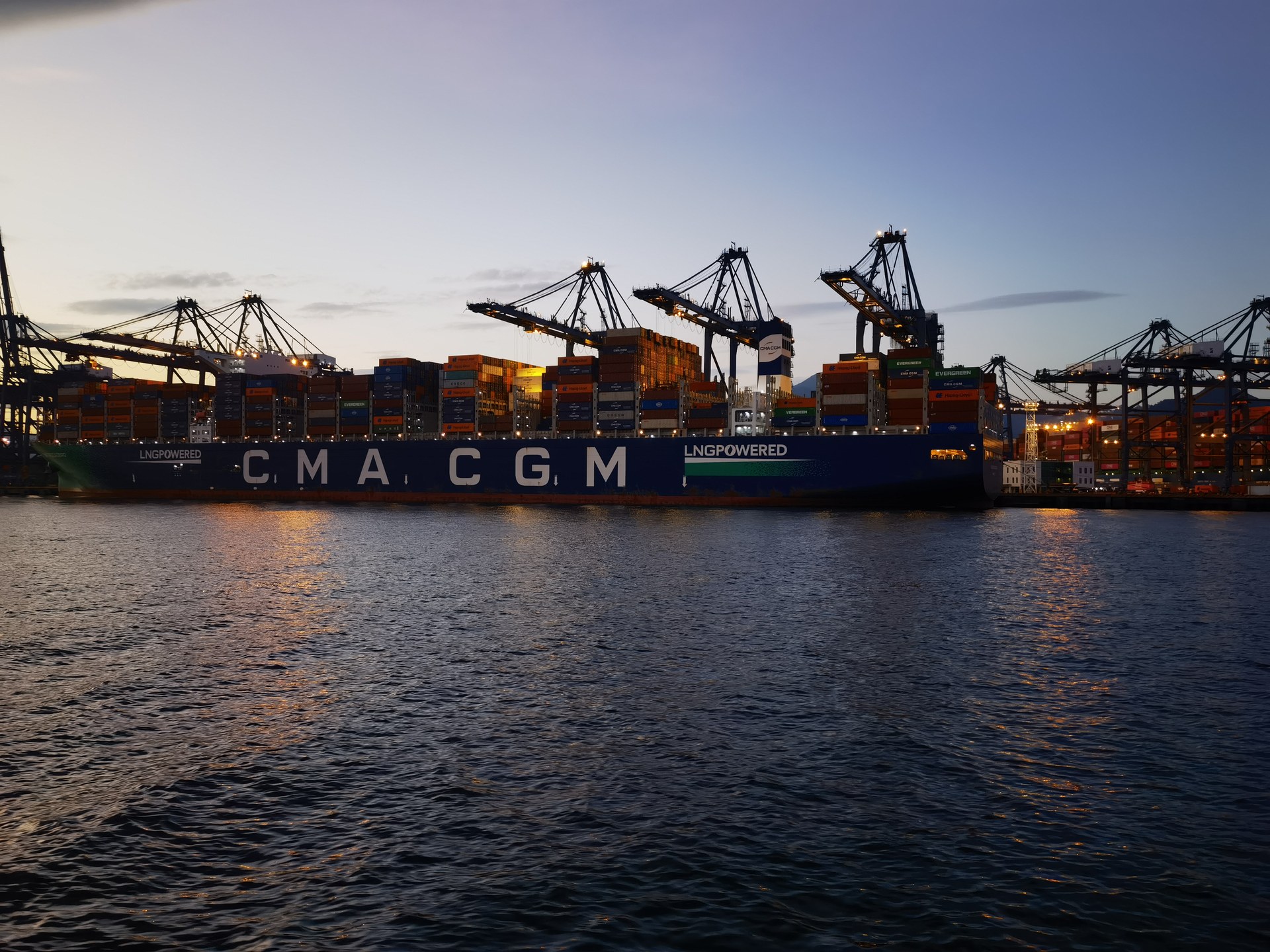
A container vessel alongside a Ningbo deep-water berth with quay cranes working the export boxes
Deep-water berth at Ningbo: the trunk services that set the cut-off also set the truck appointment that has to be met.

Advance filing

With the pre-manifest in hand and cargo ready, file up to 7 days before arrival. The box can release the moment it hits the terminal, and the average export clearance time at Ningbo is around half an hour once the file is clean. Everything on the entry must arrive inside the window, so this works only when production and trucking are already committed.

Direct loading on arrival

Released cargo goes from gate to vessel without landing in the yard. At Ningbo the mode has cut average yard dwell from about 5 days to 2 and handling steps from 5 to 3. Right for tight sailings and large FCL batches — and it needs the terminal booking made before the truck leaves the factory.

Inspect before loading

Built for LCL: the box is checked while it is being consolidated, not after it is sealed and gated in. Across 15 pilot warehouses Ningbo moved 287,000 declarations and 68,000 TEU through the model in the first four months of 2026, and clearance time dropped from 2–3 days to under 1 day.

Sea-rail and the Yiwu sixth port area

Declare and inspect inland, seal automatically in about 20 seconds, run by rail and load at Ningbo under one-declaration, one-inspection, one-release treatment. Turnaround is more than a day shorter, sea-rail efficiency is up roughly 20 percent, and the dry port coordinates with the terminals 7x24.

By cargo type

Every Cargo Type Carries Its Own Export Customs Clearance Logic

Ningbo's cargo range is wide: a container of household goods, a tank of coating additive, chilled food, or a machine that has to go on a flat rack. The declaration logic is rebuilt for each one.

General merchandise

Textiles, plastics, homeware and hardware. The work sits in matching description and specs to every declaration element, then checking brand and refund status.

Dangerous goods

UN number, packing group, DG packing certificate and terminal handling approval must line up, and the packing certificate plus DG filing get their own back-schedule.

Chemicals

Determine first whether the product is hazardous. Non-hazardous chemicals need a composition sheet and MSDS; hazardous ones move into the DG flow — never filed as general cargo.

Food & agricultural products

CIQ, phytosanitary, fumigation and labelling requirements. Wooden packaging needs an IPPC mark or a fumigation certificate, and some categories need advance registration.

Machinery & equipment

Model, function and new-versus-used status have to be declared consistently. Accessories and spare parts are listed separately so they are not merged into the main unit.

Special equipment cargo

Over-height, over-width, cannot-be-tipped or temperature-controlled. Declared on actual dimensions and weight, with lashing and the carrier's acceptance confirmed.

Market-procurement cargo

Yiwu-style 1039 shipments consolidated across many suppliers. The short-form declaration has its own rules, and the goods list still has to reconcile with the rail manifest.

Vehicles & construction equipment

Two routes out: ro-ro or flat rack. Declaration needs model, VIN or chassis number and function; battery-electric units need the battery documentation as well.

Compliance reminders — four things not to leave loose

1. Declare what is actually in the box. Description, specs, quantity, value and origin must match the cargo and the documents. Under-declaration and misdeclaration are the shipper's exposure; a broker cannot take on the declaration obligation for you.

2. Refund documents have to close the loop. Entry, invoice, foreign-exchange receipt and the exporting entity must line up. Exporting under another company's name changes who owns the VAT refund, so confirm the compliant structure before the cargo moves.

3. Check licences and brand rights before production, not at the gate. Goods under export licensing, dual-use controls, endangered-species rules or brand authorization should be verified at the purchasing stage, so the container is not stuck at the terminal over a missing permit.

4. Wood and dangerous goods both have their own path. Wooden packaging without an IPPC mark or a fumigation certificate will be held; an unclear hazard rating means testing, not filing as general cargo. Terminal approval, storage conditions and carrier acceptance have to be in place at the same time.

Working scenarios

Six Real Jobs, Six Places Where Export Customs Clearance Nearly Broke

Clearance rarely fails because nobody knows the process. It fails on one shipment's paperwork, one port area's sequence, or one 24-hour clock nobody counted into the schedule.

Beilun · FCL01

Two high cubes of furniture, a Sunday cut-off, and a wooden frame nobody mentioned

Cargo & lane
Two 40-foot high cubes of upholstered furniture, picked up in Huzhou, booked on an intra-Asia service out of Beilun.
Where it jammed
The invoice with brand and material details only arrived Friday afternoon, and one container carried wooden frames inside the sofas — which means a fumigation certificate. The carrier's document cut-off was Saturday noon and the sailing was already fixed.
What we did
Both containers were classified and element-checked that night. The one without packaging exposure was filed and released first. Fumigation ran in parallel on the wooden-frame container, which was filed the moment the certificate came back. Trucks were re-routed to run straight to the gate after release instead of waiting in the yard.
How it ended
Both released and gated in before cut-off, no amendments. The buffer was one working day, and it existed only because waiting for the certificate and waiting for release ran in parallel instead of one after the other.
Zhenhai · Chemicals02

A coating additive with “solvent” in the name, and one report that settled it

Cargo & lane
18 tonnes of coating additive in a dry container, out of Zhenhai on a Southeast Asia service.
Where it jammed
The product name contains the word “solvent”, so the reviewing officer asked for flash point and hazard data. The same shipment was then flagged for inspection, and devanning had to be scheduled.
What we did
Submitted a hazard classification report, a composition sheet and a flash-point test with a non-hazardous statement. On inspection day we had people on site, counted and photographed bay by bay, and explained composition, packaging and end use in one pass.
How it ended
Released after inspection, not pushed into the DG flow, entry not returned. For chemicals the dividing line is not whether they can be declared — it is whether the hazard call is made before the entry is filed.
Daxie · Dangerous goods03

Class 3 paint, six boxes, and a schedule built backwards from two 24-hour clocks

Cargo & lane
Six 20-foot containers of UN1263 paint, Class 3 flammable liquid, loading at Daxie.
Where it jammed
The packing group on the DG packaging certificate has to match the UN number, and the container packing certificate must be signed by the packing inspector. The terminal operator reports 24 hours before handling starts and the vessel files with the maritime authority 24 hours before arrival or departure. Miss one clock and the box does not sail.
What we did
Carrier acceptance and the terminal's DG handling approval were confirmed before booking, then packing and trucking were back-scheduled from the DG filing deadlines. Packing ran at a qualified facility with the documents issued as one set.
How it ended
Loaded on schedule. On dangerous goods the time is spent in the process, not on the road.
Chuanshan · Flat rack04

A press line on eight flat racks, where the entry follows the loading plan

Cargo & lane
A hydraulic press line broken into eight out-of-gauge pieces, heaviest unit 38 tonnes, shipping on flat rack from Chuanshan to North America.
Where it jammed
Each piece carried a different description, and unit weight, dimensions and lifting points had to line up with the terminal's loading sequence. The first entry draft had the centre of gravity wrong on two pieces, which would have meant re-lashing on the quay.
What we did
Built the split-packing list first, with description, spec, gross weight and dimensions per piece, then filed piece by piece. The lashing plan was agreed with the terminal and the carrier in advance, and the truck appointments were spaced so the pieces arrived in load order rather than all at once.
How it ended
The full stem loaded in one pass, no amendments for cargo-document mismatch. On project cargo the difficulty is never the number of entries, it is the correspondence between one piece and the next.
Meishan · LCL05

Three cities, one container, eleven entries filed the same day

Cargo & lane
Shippers in Yiwu, Taizhou and Ninghai consolidating into one 40-foot high cube for Ho Chi Minh City — eleven separate shipments.
Where it jammed
CFS receiving data, the loading list and the entries are three different data sets. One shipment's pieces, weight or volume off and the container's manifest consolidation is affected — and the CFS cut-off lands before the customs cut-off.
What we did
Verified pieces, weight, volume and marks shipment by shipment at receiving, logged container and seal numbers centrally, and filed the eleven entries in batches on the same day so one inspection could not hold the whole box. Tally and loading list were confirmed before the CFS cut-off, and the box went through inspect-before-loading rather than being pulled back after sealing.
How it ended
Manifest consolidated correctly, no dispute at destination destuffing. LCL rework almost always traces back to three data sets that were never aligned.
VAT refund · Agency export06

No import-export rights: the cargo can still move, the refund is what you protect

Cargo & lane
A small-appliance trader with no import-export rights. Modest value per shipment, steady volume every year.
Where it jammed
The plan was to export under another company's name and let them file. The cargo would have moved, but the exporter of record would not be the seller, which puts the VAT refund and the foreign-exchange collection in the wrong entity.
What we did
Set it up as agency export instead, while helping the company apply for its own import-export rights. Entry operator, VAT invoice and FX receipt were brought into one closed loop, and the document template was fixed on the first shipment.
How it ended
Cargo moved, refund filed normally. What was saved was not one brokerage fee — it was the explanation required on every refund afterwards.

These are sanitized working scenarios: client names, vessel names and some weights have been replaced or rounded. The sequence of work and the point where each shipment jammed reflect how they were actually handled. Cut-off times and document requirements for your port area and carrier for the week in question always govern.

FAQ

Ningbo Port Export Customs Clearance: 10 Questions Shippers Ask

The questions that come up most from importers and suppliers shipping out of Beilun, Chuanshan, Meishan, Daxie and Yiwu, answered the way we actually work.

What documents do I need for export customs clearance at Ningbo Port?
The base set is the declaration data, the sales contract or purchase order, a commercial invoice, a packing list, the customs power of attorney and the pre-manifest from your booking. Add export licences, a certificate of origin, CIQ or phytosanitary certificates, a fumigation certificate and MSDS or DG packing certificates depending on the commodity. Wooden packaging needs an IPPC mark or a fumigation certificate, and branded goods need brand authorization. Documents are best complete two to three working days before the carrier's document cut-off, so an amendment never lands on cut-off day.
When is the latest I can file export customs clearance at Ningbo?
Export cargo must be declared after it reaches the customs supervised premises and at least 24 hours before loading. With the pre-manifest in hand and the cargo ready, advance filing is allowed up to 7 days before arrival at Ningbo, and everything on the entry has to arrive inside that window or the declaration is cancelled. In practice the binding deadline is the carrier's customs cut-off, usually 24 to 48 hours before departure, and at Chuanshan and Meishan it can sit earlier than the gate cut-off you are tracking.
Which Ningbo port area will my container ship from?
It is set by the carrier's allocation, not by preference. Chuanshan carries most ocean-going trunk services and is a 10-million-TEU single terminal; Meishan handles deep-sea alliances and cross-border e-commerce consolidation; Beilun sits closest to the main channel with short drayage; Daxie mixes containers with oil and chemicals; Jintang and Yongzhou take feeder and regional calls; Zhenhai handles bulk and liquid chemical; Yiwu is a dry port for market-procurement cargo moving by rail. Fix the port area at booking, because the gate cut-off and customs cut-off differ between them.
What is direct loading on arrival at Ningbo and how does it work?
Direct loading on arrival means the export container goes from the gate to the vessel without landing in the yard. The forwarder applies to the terminal before gate-in and completes customs formalities ahead of time; the terminal sends the arrival report after the box enters, customs releases, and the terminal loads against the loading instruction. At Ningbo the mode has cut average yard dwell from about 5 days to 2 and reduced handling steps from 5 to 3. It requires sharper truck timing and a clean entry, because there is no yard buffer to absorb an amendment.
Can Yiwu cargo clear customs and still load at Ningbo?
Yes. Yiwu works as the sixth port area of Ningbo Zhoushan Port under one-declaration, one-inspection, one-release treatment. Cargo is declared and inspected at Yiwu, sealed automatically in about 20 seconds, moves by rail and loads at Ningbo without a second clearance. Turnaround is shortened by more than a day and sea-rail efficiency is up roughly 20 percent, with 7x24 coordination between the dry port and the terminals.
How long does a Ningbo customs inspection take?
Ningbo customs runs centralized image review with intelligent image recognition across 10 H986 scanners: review averages 9 seconds or less per image and machine inspection turnaround has come down from about 2.5 hours to roughly 1 hour. For LCL, the inspect-before-loading model has compressed clearance from 2 to 3 days into under 1 day across 15 pilot consolidation warehouses. A physical inspection still depends on devanning, labour and the terminal's window, so it is scheduled rather than immediate.
What happens if the manifest and the export entry do not match?
Description, piece count, weight, volume, container number and seal number have to agree across the entry, the packing list and the manifest. A mismatch triggers a review return or blocks release, and past the customs cut-off the only options are amendment, re-booking or cancellation, each with cost and a lost sailing. That is why the pre-manifest is pulled and cross-checked before the entry is filed rather than after gate-in.
Can dangerous goods and chemicals ship out of Ningbo?
Yes, through the dangerous goods flow, not as general cargo. You need a hazard determination, MSDS, the DG packing certificate, UN number and packing group, a container packing certificate, carrier acceptance and a terminal approved for DG handling. The terminal operator reports 24 hours before handling starts and the vessel files with the maritime authority 24 hours before arrival or departure. Daxie and the chemical berths at Zhenhai carry the strongest DG setup at Ningbo.
Which documents do I need for a VAT export refund?
After closure: the export entry (refund copy or equivalent electronic data), the release message, the terminal receipt or gate-in record, the VAT invoice and the foreign-exchange receipt. The entry operator, consignor and invoice issuer must be the same entity, and description and commodity code must match, or the refund stage will ask for an explanation. Confirm the structure before the cargo moves, because the exporter of record is the party that owns the refund.
How early should I book during Ningbo peak season?
Seven to ten days ahead for Europe and US services, and longer for anything needing special equipment or DG acceptance. Peak congestion shows up first as trucker shortage and gate-in appointment scarcity, so lock the drayage at the same time as the booking, choose direct loading only when the documents can be final early, and keep one alternative sailing in reserve. Waiting until space is tight turns a documentation problem into a rolled container.

Why us

Why Shippers Hand Their Ningbo Export Customs Clearance to Goodhope

Ningbo is not won on the quote sheet. It is won on knowing which port area your carrier allocated, which of the four clocks binds first, and whether somebody is answering when the answer matters.

01

Two ports, one operations desk

Shenzhen and Ningbo are run by the same team, so southern factory cargo and eastern hinterland cargo can be routed by delivery date instead of forcing one port onto the whole supply chain.

02

A document review before anything is filed

Classification, declaration elements, value and quantity are checked internally first, moving amendment and inspection risk upstream instead of paying for it in yard storage.

03

Milestones visible, exceptions explained

Booking, manifest, filing, release, gate-in and loading are reported one by one. When something slips, you get the reason and the alternative — not a status request that goes unanswered until cut-off.

04

Trucking, CFS and rail on one line

Factory pickup, warehouse stuffing, container return and rail transit are scheduled by one coordinator rather than passed between vendors, so the appointment and the release are planned together.

05

Separate paths for DG, special equipment and LCL

Chemicals go through hazard determination and DG filing, flat rack and open top through lashing and carrier acceptance, LCL through receiving data and inspect-before-loading — not squeezed into the general cargo process.

06

Itemized pricing, actual-cost settlement

Brokerage, drayage, CFS, inspection and terminal charges are listed separately; what actually happens is settled against the receipts, with no opaque all-in package.

GET IN TOUCH

Ningbo export customs clearance —
hand us the schedule and the paperwork

Tell us the commodity, package count and weight, destination port, target sailing and the port area your carrier allocated. We will come back with the filing sequence that fits, the document list you need and a back-planned timeline against the real cut-offs.

Request a quote
CompanyShenzhen Weihangyunda International Freight Forwarding Co., Ltd.
BrandGoodhope Freight · Goodhope Logistics (China) Limited
Phone / WhatsApp+86 133 9216 2503
Emailsales8015@goodhopefreight.com
CoverageShenzhen (HQ) · Ningbo port areas · Shanghai
HoursMon–Sat, 9:00–18:00 (GMT+8)
call us: +86 13392162503