Questions we get weekly
Ten Things Importers Ask About Lianyungang
Answered the way we would answer on the phone, not the way a brochure would.
How many days ahead should I prepare export clearance at Lianyungang?
A standard FCL needs its entry released one to two working days before the customs cut-off, and the full document set three to four working days before sailing. Advance filing is allowed, so you can file before the cargo arrives, provided every box gates in within seven days or the declaration is canceled. Peak season, dangerous goods, fumigation and inspection cargo each need two more days.
Which terminal handles containers at Lianyungang?
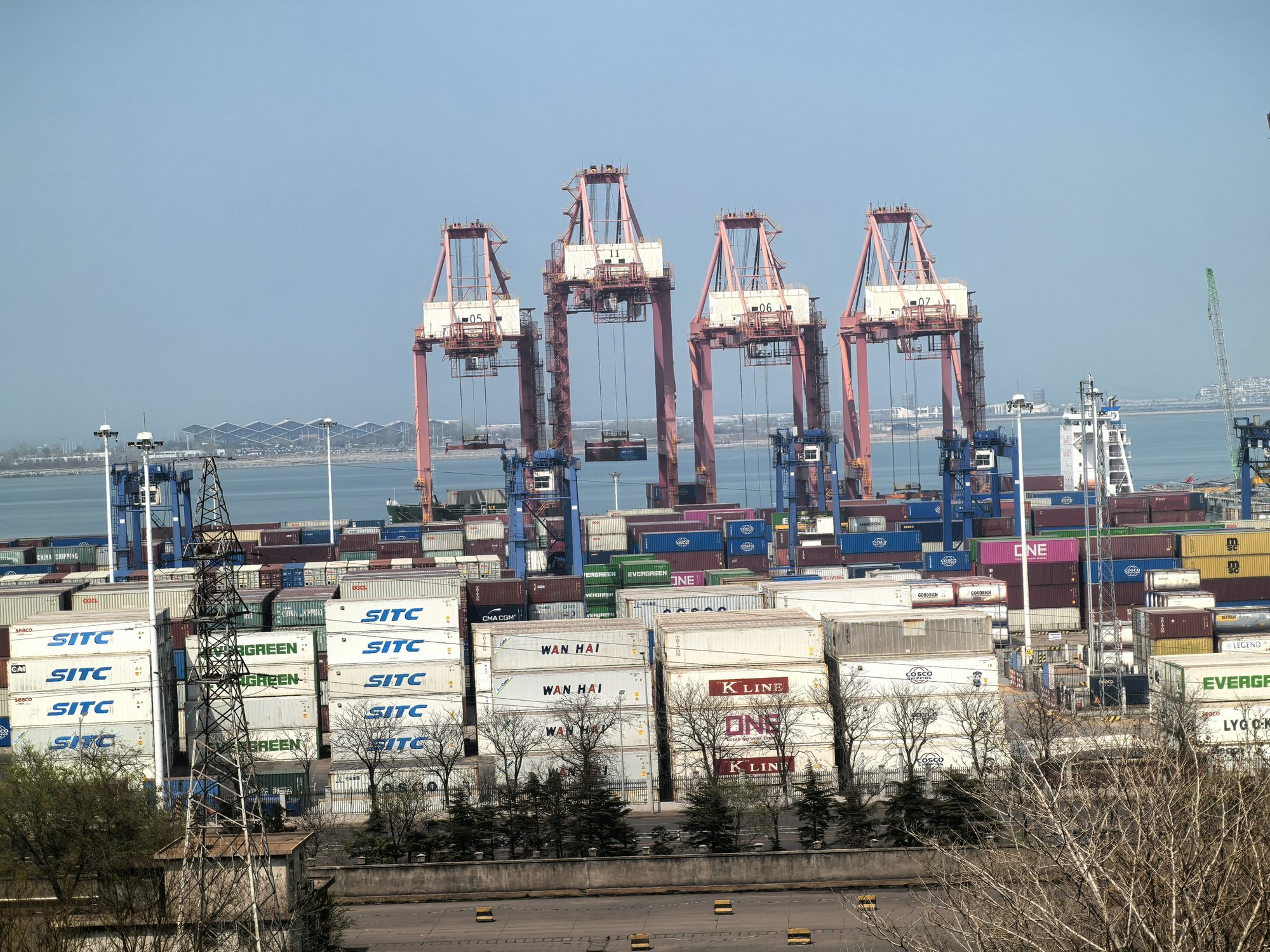
Containers load at Miaoling, in the main Lianyungang port area, through two operators: NICT on berths 28 to 31 and NOCT on the Miaoling mole. Ma Yao, Xugou, Qitai and Dadi take bulk, breakbulk and general cargo. Xuwei takes crude and liquid chemicals, and Ganyu with Guanhe takes dry bulk, grain and river-sea tonnage. Naming the terminal on the booking is not optional.
Does Lianyungang release the container before or after gate-in?
Gate-in comes first. The loaded box enters the yard, customs releases the entry, and the terminal then plans the box onto a vessel. That is the reverse of Yangshan, where an unreleased box never gates in at all. The exception is zone-port integration: bonded zone cargo clears and releases inside the zone, then runs straight to the ship on the release message without entering the yard.
How late can I file an advance declaration?
With the pre-manifest in hand and the goods ready, you can file up to seven days before the boxes reach the customs supervised premises, under GACC Order 277. Everything must then arrive within seven days or the entry is canceled. Without advance filing, the legal requirement is filing after arrival at the supervised premises and at least 24 hours before loading.
Can I still make the vessel if my container gets inspected?
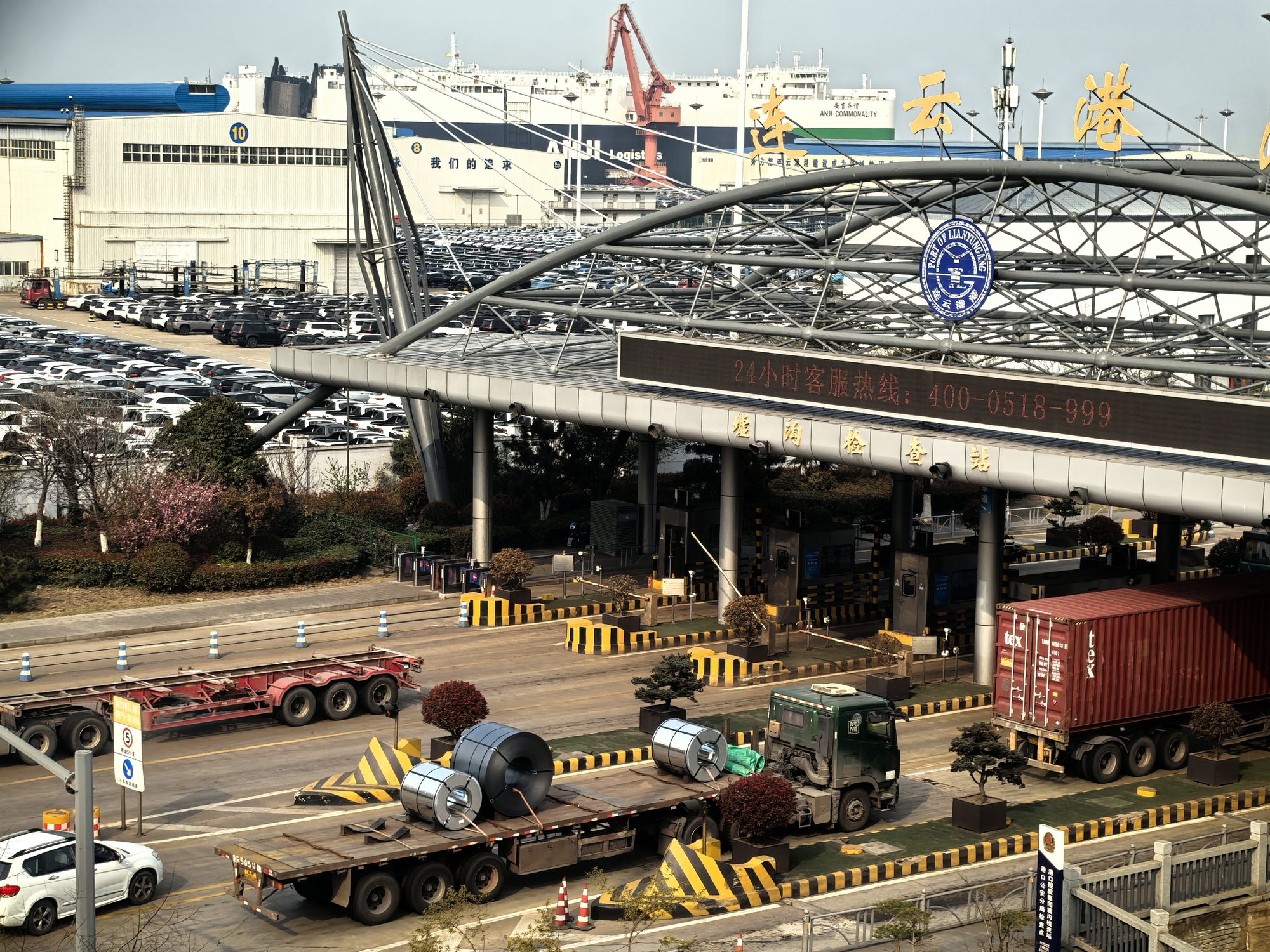
Possible, but the clock is not on your side. The inspection site sits outside the port, so an examined box leaves the gate, is checked, then has to re-enter on a new slot. That round trip, not the examination, is what causes rollovers. We book the inspection slot and the re-entry window at the same time instead of running them in sequence.
What is different about transit cargo through Lianyungang?
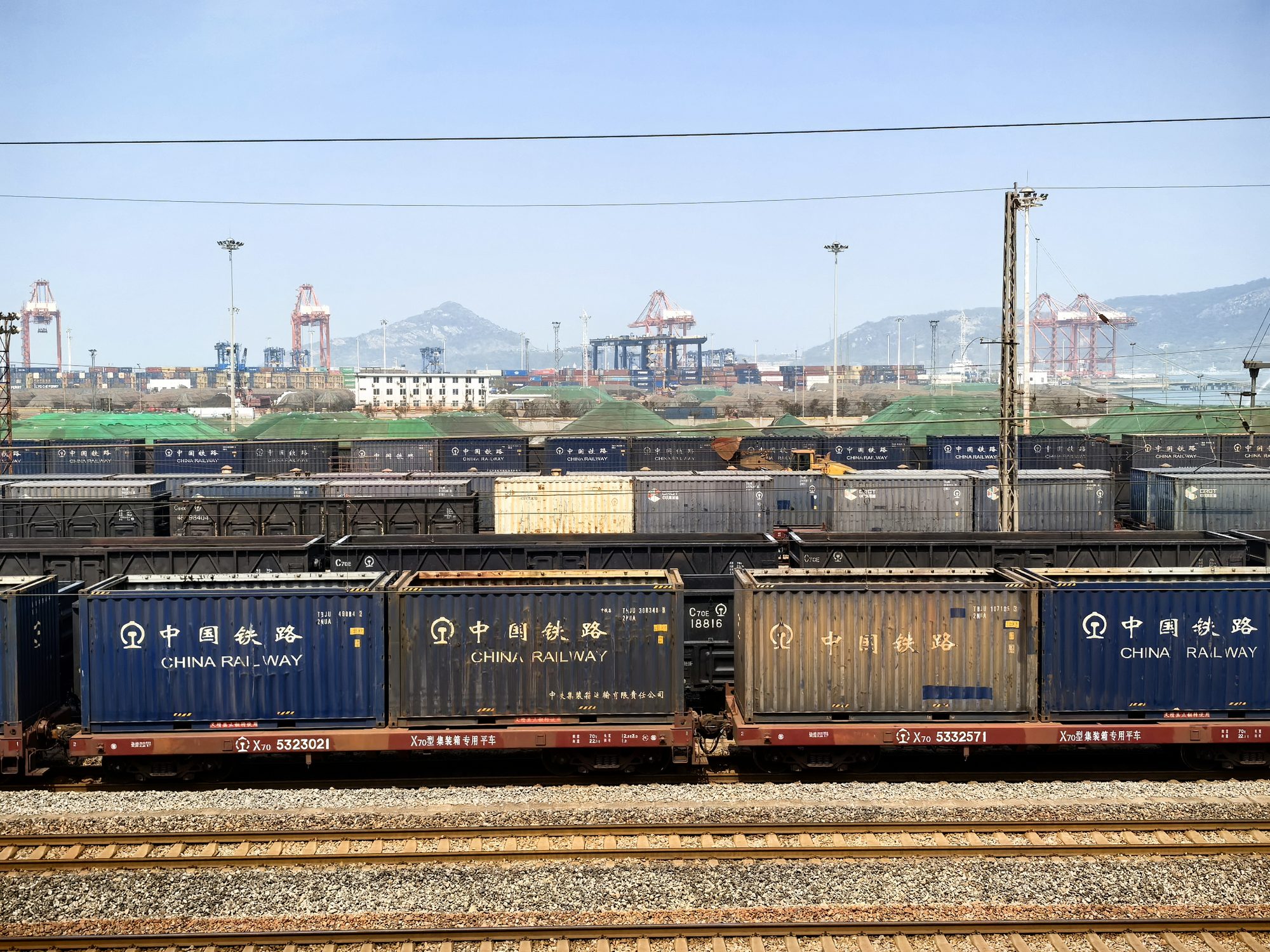
Transit cargo is filed on a transit entry and never enters the domestic market; it is transloaded inside the port and leaves the country. Three things must line up: the ocean manifest, the transit entry and the train or transloading plan. Four gateways are used here — Alashankou, Khorgos, Erenhot and Kashgar — so lock the rail slot before you book the ocean leg.
What should I watch with liquid chemicals out of Xuwei?
Start with the hazard determination. Non-hazardous product needs a composition sheet and MSDS; hazardous product needs the DG packing certificate, UN number and packing group, plus a terminal licensed for that class and a tank farm that can take the parcel. Bulk liquids can use consolidated inspection per batch, but the batch and the test result must match one to one.
Can I export through Lianyungang without an import-export license?
Yes, through a licensed entity acting as exporter of record, which the market calls buy-for-name export. The catch is ownership: the exporter of record owns the VAT refund and the foreign-exchange collection. If the goods carry a refund, confirm the structure before cargo moves rather than after the entry has closed.
Which documents do I need for a VAT export refund?
After closure: the export entry with its refund copy or the equivalent electronic data, the release message, the terminal receipt or gate-in data, the VAT invoice and the foreign-exchange receipt. The operator, consignor and invoice issuer on the entry must be the same party, and description and code must match, or the refund stage will ask for an explanation.
Is the Korea ferry route any use for commercial cargo?
Yes. Lianyungang runs two passenger-cargo services to Incheon and Pyeongtaek. They sail more often than deep-sea services and turn around faster, which suits small lots and urgent parcels to Korea, and they carry containers as well as vehicles. The trade-off is that space is shared with passengers and ro-ro, so cut-offs are earlier and slots tighter than on a container service.