
Since 2012 NVOCC GD20230925153335 24h Response
+86 13392162503 sales8015@goodhopefreight.com Login
Goodhope Freight
Export customs clearance · Import clearance · Cross-border transit

Dalian Port Ocean Freight Export Customs Clearance

Roughly 98 percent of Northeast China's containerized exports leave through Dalian, and almost all of them through Dayaowan. The hard part is not finding a sailing — it is picking the right port area for the cargo and running the right filing clock. Goodhope Freight handles factory pickup, document review, advance declaration, gate-in and closure under one broker of record.

Dayaowan Nianyuwan (New Port) Dagushan Changxingdao Beiliang · Taipingwan Advance declaration Direct loading on arrival Rail express
6Port areas under one customs district
5.48M TEUDalian container throughput, 2025
3 daysArrival window after an advance filing
Get a Dalian clearance plan See the 8-step flow
5.48M TEUContainer throughput, 2025
up 1.5 percent year on year
106Container services
linking 300-plus ports in 160 countries
98%+Northeast China's containerized exports
move through Dalian
#4Container Port Performance Index 2025
World Bank and S&P Global
Why Dalian

One City, Six Port Areas,
Two Filing Clocks

Dalian sits at the tip of the Liaodong Peninsula where the Yellow Sea meets the Bohai Sea. It handles 5.48 million TEU a year across 106 container services, and it is the only port in Northeast China with this depth of foreign-trade coverage. What catches exporters out is not the network but the geography: containers, crude oil, ore, grain, petrochemicals and ro-ro vehicles each sit in a different port area, with different customs houses and different filing logic.
  • 1
    The port area follows the cargo, not the sailingContainers go to Dayaowan, liquids to Nianyuwan, ore and grain to Dagushan, petrochemicals and storage to Changxingdao, grain to Beiliang. Choose wrong and you add forty kilometers of drayage and lose the cut-off.
  • 2
    Two clocks inside DayaowanAdvance declaration files up to three days before arrival and requires the cargo in within three days; arrival-first filing waits for the gate-in and the arrival report. Which one you use depends on whether factory loading is predictable.
  • 3
    Near-Asia density plus deep-sea reachJapan and Korea services are among the densest on the Chinese coast and cover the RCEP core ports. Deep-sea coverage runs to the Mediterranean, eastern Mediterranean, US West Coast via the Middle East, and South America west coast.
  • 4
    Hinterland cargo and a rail corridorLiaoning, Jilin, Heilongjiang and eastern Inner Mongolia feed the port with machinery, chemicals, steel, grain and vehicles. Block trains to Europe start inside Dayaowan and exit through Manzhouli.
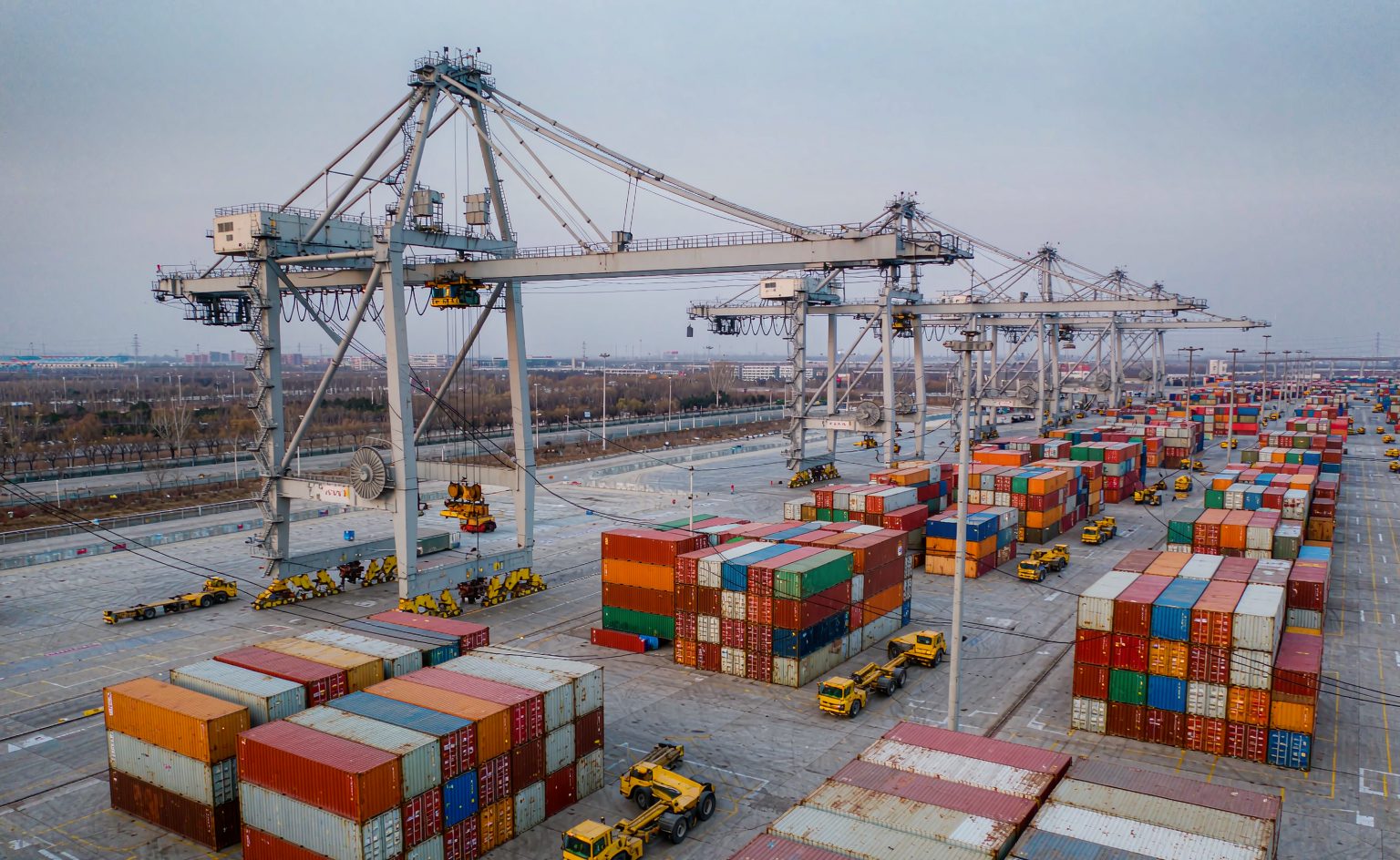
Ship-to-shore cranes and container stacks at Dayaowan container terminal in Dalian
On the ground Advance filing — gate-in & arrival report Manifest first · three-day arrival · cut-off back-planned

In short

Export customs clearance at Dalian Port is the broker-side work that turns a booked container into a legally released export: HS classification, entry filing through the single window, arrival reporting, inspection attendance and closure. It happens across six port areas under the Dalian Customs district, with Dayaowan handling the container trade. The usual route for ocean freight is advance declaration, filed within three days before the cargo reaches the supervised premises, with the whole shipment due to arrive within three days after filing. Goodhope Freight acts as the licensed broker for that filing and coordinates drayage, dangerous goods evaluation, vehicle loading and the refund documents that follow.

Note: throughput, service counts, berth data and facilitation measures on this page come from public information published by the Ministry of Transport, Dalian Customs, Liaoning Port Group and the Dalian municipal government, and are used here for service description only. Actual working berth, sailing schedule and cut-off are set by the terminal and carrier for the week in question. CPPI is an operational performance index, not a throughput ranking.

Port areas

Six Port Areas, Six Different Customs Set-Ups

Pick the port area before you pick the broker. Dayaowan takes containers, cars, grain, reefer cargo and dangerous goods boxes. Nianyuwan takes crude and liquid chemicals. Dagushan takes ore and grain in bulk. Changxingdao is the tank farm and petrochemical side, Beiliang the grain gateway, and Taipingwan the new general-purpose area still under construction.

Dayaowan Customs · 0908

Dayaowan

Container gateway · Jinpu New Area

Berths
Phase IV berths 22 and 23, 200,000 DWT container berths with a dredged depth around minus 20 m
Depth
Berth 15 has about 18 m of water for ships up to roughly 12,000 TEU
Phase III
Five berths on the south bank, 1,842 m of quay, up to 120,000 DWT fully laden
Automation
Smart Port 2.0 went live in December 2022, the first automated conversion of a conventional container terminal in Northeast China
Best for: FCL and LCL containers, vehicles, reefer cargo, grain and dangerous goods boxes

Sits directly alongside the Dayaowan comprehensive bonded zone, which also runs bonded copper concentrate blending.

Dalian New Port Customs · 0907

Nianyuwan (New Port)

Crude, refined products and liquid chemicals

Berths
450,000 DWT crude berth plus a 300,000 DWT crude terminal, able to take ultra-large crude carriers
Cargo
Crude oil, refined products, liquid chemicals and LNG
Storage
Tank farms on site and at Changxingdao, including bonded tanks and futures delivery capacity
Filing
Tank and jetty declared as one supervised flow; cargo held in bond until released
Best for: Bulk liquid chemical exports, crude and product transshipment, bonded storage and blending

Liaoning Port Group runs the terminal on a deep-water berth plus bonded storage model, combining tank-in and ship-to-ship transfer.

Dagushan · Changxingdao

Bulk & Industrial Port Areas

Ore, grain, petrochemicals and heavy industry

Dagushan
400,000 DWT ore berth; iron ore and grain are the core cargoes
Changxingdao
Crude storage around 9.85 million cubic meters, of which bonded tanks account for about 4.75 million
Futures
Crude futures delivery storage of about 3.35 million cubic meters
Filing
Bulk cargo declared by weight and quality; bonded tanks and delivery warehouses managed separately
Best for: Ore and grain imports, crude storage and transshipment, petrochemical and equipment industry support

Changxingdao recorded its highest crude throughput since opening after adding night berthing and upgraded loading processes.

Beiliang · Taipingwan · Dalian Bay

Grain & General Cargo

Grain gateway, ro-ro and coastal trades

Beiliang
China's first designated import grain demonstration port; the Dalian grain terminal passed 4 million tons in 2025
Cargo
Corn, soybeans, wheat, wood chips, ro-ro and near-sea general cargo
Taipingwan
New general-purpose area under construction: containers, general cargo, grain and offshore equipment berths
Dalian Bay
Passenger and ro-ro services; the cruise homeport restarted in 2025 with 18 calls
Best for: North-to-south grain movements, import grain processing, wood chips and coastal general cargo

Grain moves under phytosanitary rules with designated processing and flow tracking, handled vessel by vessel rather than by template.

Berth and storage figures are drawn from public port and customs information and are used for service description. Confirm the working berth and cut-off with the carrier for your sailing week.

Services

Eight Service Lines, Split by Cargo Type

General cargo, dangerous goods and food do not share a filing logic, and FCL, LCL, special equipment and breakbulk do not share a schedule. Each line below maps to a different set of documents and a different clock.

SERVICE 01

FCL export clearance

One shipper, one container: pre-manifest check, container and seal verification, entry drafting, single-window filing, arrival reconciliation and closure follow-up.

FCLSeal checkClosure
SERVICE 02

LCL and consolidation

Several shippers in one box: CFS receiving, warehouse tally, multi-entry filing matched to the loading list, and everything closed before the CFS cut-off.

LCLCFSMulti-entry
SERVICE 03

Special equipment

Open top, flat rack and reefer containers declared on actual dimensions, weight and package count rather than nominal capacity. Reefers also carry the temperature set point and power requirement.

Open topFlat rackReefer
SERVICE 04

Breakbulk & project cargo

Steel, machinery, construction equipment and out-of-gauge pieces move through general cargo berths. Dismantled equipment changes classification, so each piece is mapped to its own description, size, weight and use.

SteelOut-of-gaugeLoad plan
SERVICE 05

Dangerous goods & chemicals

Hazard determination first: non-hazardous chemicals need composition data and MSDS; hazardous cargo needs the packaging certificate, UN number and packing group, plus yard evaluation and truck registration before booking.

MSDSUN numberYard review
SERVICE 06

Vehicle exports

Dalian Automotive Terminal is the only vehicle import-export port in Northeast China. Cars ship by ro-ro or three to a container on dedicated racks, each unit declared by model and VIN with gate-in timed to the sailing.

Ro-roContainer rackVIN
SERVICE 07

Reefer, food & farm produce

Seafood, meat, fruit and grain move under designated supervision. Exports need the health and phytosanitary certificates the destination demands; on the import side Dayaowan runs round-the-clock appointment inspection.

Cold chainPhytosanitaryAppointment
SERVICE 08

VAT refund documents & agent export

After closure we assemble the refund copy, release message and gate-in data, and check that operator, consignor and invoice issuer match. Export through a licensed entity when you have no rights, with the refund and FX path settled first.

Refund copyEntity matchAgent export
Process

How Export Customs Clearance Runs at Dalian, Step by Step

Every step has a time stamp and a deliverable. Three deadlines drive the whole sequence: the carrier cut-off, the arrival report at the terminal, and the three-day arrival window that follows an advance filing.

1

Booking & port area

Fix the cargo type and the port area before the sailing. Containers to Dayaowan, liquids to Nianyuwan, grain to Beiliang or the grain terminal.

2

Documents & classification

Check HS code, declaration elements, description and terms of trade. Machinery, chemicals and auto parts are where missing elements surface.

3

Loading & VGM

Factory loading, weighing and VGM data. This is the step that decides whether an advance filing is safe or reckless.

4

Advance filing

With the pre-manifest in hand, file within three days before arrival. Manifest description, packages and gross weight must be right, or the entry inherits the error.

5

Gate-in & arrival report

Gate-in is not arrival. Watch for the supervised premises to send the arrival report, and make sure box number, seal and weights match the entry.

6

Inspection

If the box is flagged, we attend devanning, counting, photos and explanations. Reefer and fruit cargo can book inspection around the clock; DG is examined in a dedicated yard.

7

Release & loading

Release triggers on the arrival match. The message then has to reach the carrier and terminal, or the box sits in the yard and misses the sailing anyway.

8

Closure & refund file

After departure the entry closes out. We hand over the refund copy, release data and gate-in record in one pass.

Get the timing rules right. Under the working requirements Dayaowan Customs has published to carriers, the pre-manifest has to be filed successfully within three days before the cargo enters the supervised premises, with description, package count and gross weight accurate. Once an entry is filed, the whole shipment must arrive within three days, otherwise the entry is cancelled and has to be re-filed. That is the single most expensive mistake at this port: factory loading slips, the three-day window expires, and the shipment does not just miss documents — it misses the vessel.
Documents

What Your Paperwork Needs to Look Like for Export Customs Clearance

Complete documents with consistent data are the precondition for advance filing to actually be early. Here is the split between the base set and what gets added by commodity.

Base set — every shipment

  • ✓
    Export declaration entryFiled by the broker in single-window format; must match the cargo actually shipped.
  • ✓
    Contract or purchase orderTerms of trade, currency and payment conditions clear.
  • ✓
    Commercial invoice & packing listDescription, quantity, packages, gross and net weight, volume and marks aligned.
  • ✓
    Customs power of attorneyElectronic authorization is accepted within its validity period.
  • ✓
    Pre-manifest dataFiled by the carrier's agent within three days before arrival, so book early enough to allow it.
  • ✓
    VGM & gate-in appointmentVerified gross mass plus the terminal booking that lets the truck through the gate.

Added by commodity

  • ✓
    Licenses & permitsExport licenses, controlled-goods approvals and quota documents where they apply.
  • ✓
    Certificate of originCO, Form E, Form A and others, chosen against the destination's tariff preference.
  • ✓
    CIQ & phytosanitary papersInspection release, phytosanitary certificate, fumigation or heat-treatment certificate.
  • ✓
    Dangerous goods fileMSDS, packaging certificate, UN number and packing group, matched to the yard's approved classes.
  • ✓
    Container packing certificateIssued after the DG container is packed and inspected.
  • ✓
    Vehicle documentsModel and VIN list for complete vehicles; engine and assembly items declared separately for parts.
Timing note. At Dalian the accuracy of the pre-manifest matters as much as the entry itself. Manifest data goes in within three days before the cargo reaches the premises, and an entry cannot stand on a manifest that says something else. Our check is a three-way match across manifest, VGM and entry on description, package count, gross weight, container number and seal — before anything is filed, not after it is queried.
Clearance modes

Four Ways to Clear Cargo at Dalian — Match the Mode to the Cargo

Same port, very different outcomes: advance declaration, arrival-first filing, transit filing at the place of origin, or the rail express mode for block trains.
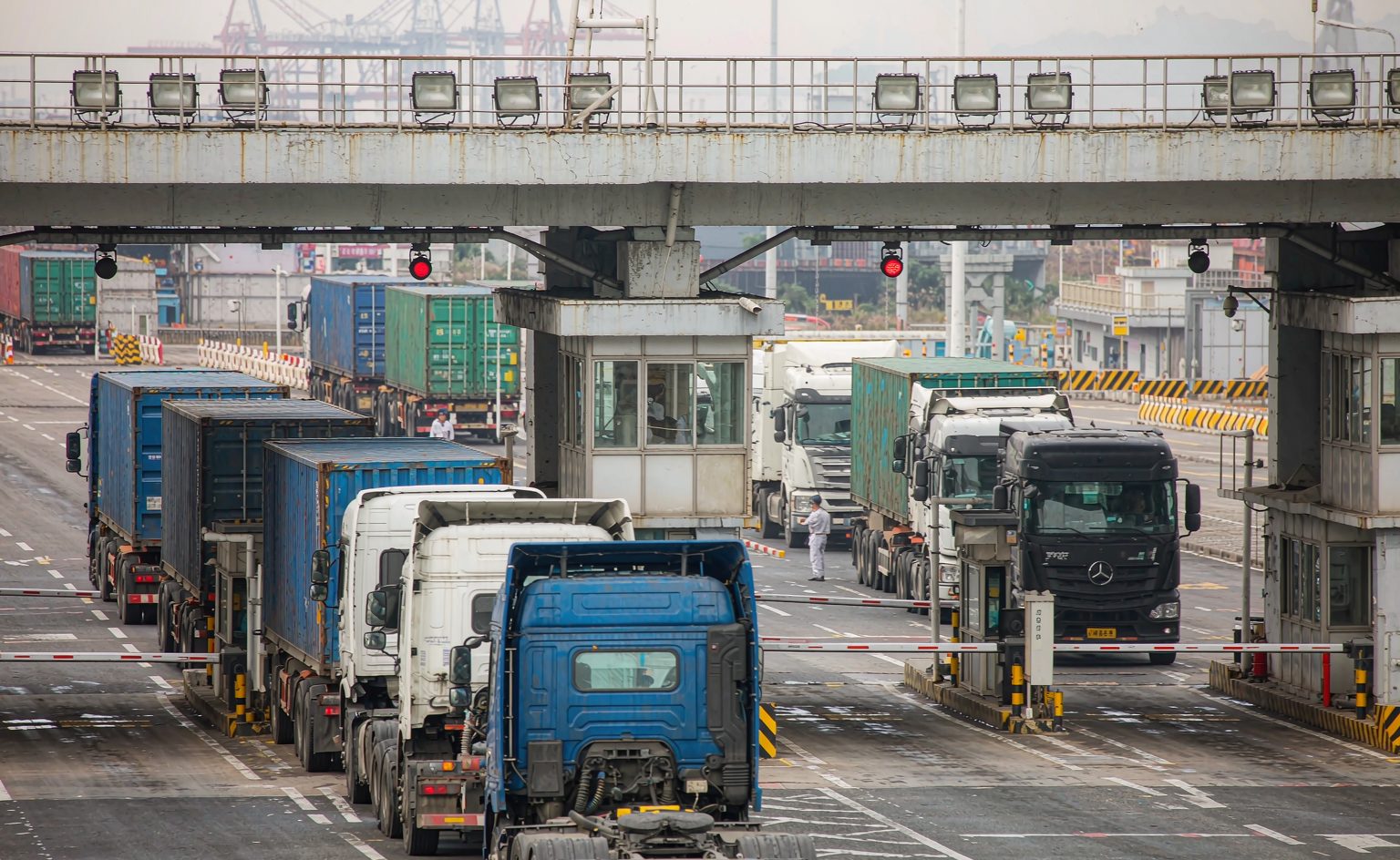
Container trucks staged at the Dayaowan terminal gate for export gate-in
Gate-in in practice: arrival report follows the gate, release follows the entry, loading follows the release.
01

Advance declaration

With the pre-manifest in hand, file within three days before arrival. Release triggers when the arrival report matches, which is what makes direct loading on arrival possible. Best for FCL and vehicle batches where loading is already scheduled.

02

Arrival-first filing

The box gates in, the premises send the arrival report, then the entry is filed. Safer when documents are still being completed or factory loading is uncertain; the cost is that all clearance time is compressed after gate-in.

03

Transit filing at origin

Declared at the customs house nearest the factory and released at Dayaowan. Useful when inland plants do not want documents couriered to the coast; transit cargo must arrive within five days and the truck and seal must meet the transit rules.

04

Rail express & multimodal

Block trains leave from the CR Intermodal Dalian center station inside Dayaowan and exit via Manzhouli. Rail express simplifies transit formalities, and with the green channel and 7x24 appointment clearance the domestic leg clears one to two days faster.

By cargo type

Eight Cargo Types, Eight Different Watch Points

Dalian's cargo mix differs from southern ports: vehicles, grain, chemicals and machinery carry more weight, and the Japan-Korea trades add a steady flow of components and e-commerce lots.

Machinery & machine tools

Declare by use, function and working principle. Used equipment needs a status check, and wooden packing needs fumigation or an IPPC mark.

Chemicals & coatings

Determine hazardous status first. Hazardous chemicals need the compliance declaration plus packaging performance and use certificates; non-hazardous ones still need composition and MSDS.

Vehicles & parts

Complete vehicles are declared unit by unit by model and VIN, by ro-ro or container. Parts need careful classification, with engines and assemblies listed separately.

Reefer & seafood

Fix three things early: temperature set point, power requirement and the destination's approved plant list. Seafood exports need health certificates and cold-treatment records.

Grain & farm produce

Handled at Beiliang and the grain terminal under phytosanitary rules. Imports involve designated processing and flow tracking; exports depend on the destination's fumigation format.

Steel & out-of-gauge

Declared on actual dimensions, weight and packages. Oversize pieces need a lifting plan and a load sequence agreed with the terminal before the vessel arrives.

Japan-Korea & e-commerce

Dense sailings, tight cut-offs, documents finalized a day early. Small multi-lot shipments need the listing-versus-summary filing conditions checked per shipment.

Batteries & new energy

Lithium batteries go by UN38.3 and the dangerous goods rules: MSDS, packaging certificate, packing certificate. Energy storage cabinets and EVs also depend on carrier acceptance.

Compliance reminders — three things not to leave loose

1. Manifest, entry and packing list must agree. Description, package count and weight sit in all three. Dalian enforces manifest quality explicitly: it is filed within three days before arrival, and an entry cannot stand alone on a manifest that describes something else.

2. Dangerous goods are a capacity question, not a paperwork question. Dalian runs front-terminal, back-yard. Classes 2, 3, 4, 5, 6.1, 8 and 9 are handled; 6.2 and 7 are not. High-risk classes need capacity confirmed before the box moves, and exports in classes 2, 4 and 5 carry time and volume limits. Evaluate first, book second.

3. The three-day arrival window is a hard edge. An advance filing that is not followed by arrival within three days gets cancelled. If loading slips, withdrawing the entry early is cheaper than letting the system do it for you and then reconciling the manifest.
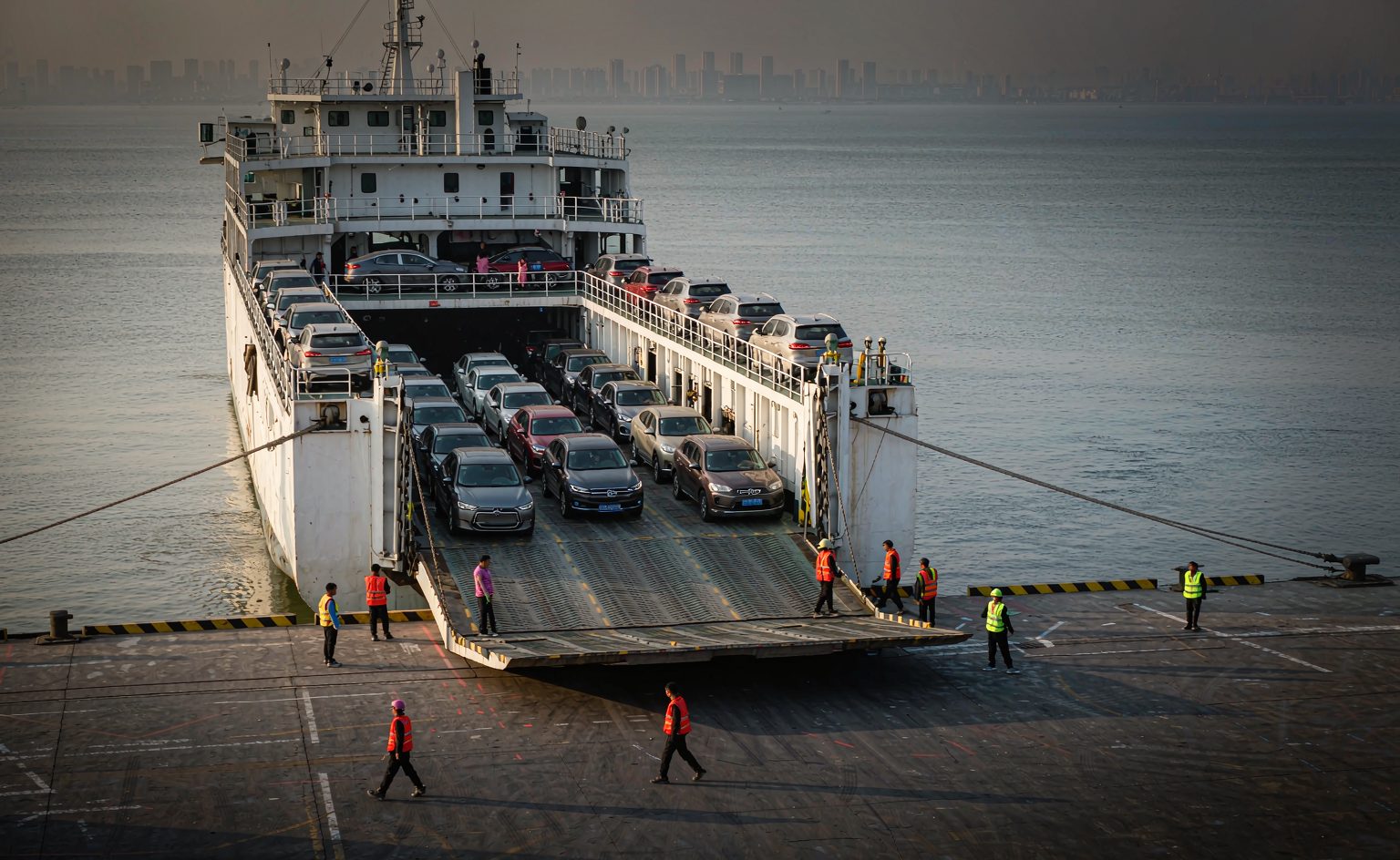
Vehicles staged for ro-ro loading at Dalian Automotive Terminal
Vehicle exports at Dalian Automotive Terminal, where the supervised area was expanded to 800,000 square meters in 2025.
Working cases

Six Situations We Meet at This Port

Problems at Dalian rarely come from not knowing how to file. They come from time, space and qualification — in that order. Each case below follows the actual handling sequence.

Advance filingCASE 01

Released on paper, but the cargo cannot make the three-day window

Where it stuck
Equipment commissioning at the plant ran two days late. The entry was already filed and released, and the container was still at the factory with the arrival window closing.
What we did
Assessed the loading completion date the same day, concluded it could not arrive in time, withdrew the entry before the system cancelled it, amended the pre-manifest and re-filed against the next sailing.
Outcome
No cancelled-entry anomaly against the manifest, no storage charge, cargo rolled one sailing. The lesson: advance filing is not earlier-is-better. It follows loading, not hope.
Dangerous goodsCASE 02

Booked, loaded, then told the yard had no capacity this week

Where it stuck
A class 4.2 shipment was booked straight through without a yard evaluation, and the high-risk capacity window for that week was already full.
What we did
Filed the yard evaluation on the Dalian port platform with licenses, product name, class and MSDS, obtained the three-level review, confirmed acceptance with the carrier, and moved the shipment into the following week's window.
Outcome
A week lost, no container shut out. Dalian's dangerous goods sit behind the terminal in a dedicated yard, so capacity and time limits belong to the yard, not the booking desk.
VehiclesCASE 03

Twelve hundred cars, four days, three plants

Where it stuck
A fixed car-carrier call, vehicles arriving in batches from three factories, unit-by-unit declaration volume, and gate-in overlapping with loading.
What we did
Batched the filings backwards from the sailing, used advance declaration to move document review ahead of arrival, and matched vehicles to release the moment they reached the terminal for direct loading.
Outcome
Gate-in and loading completed inside four days. The supervised area at Dalian Automotive Terminal was expanded from 580,000 to 800,000 square meters in May 2025, which is what makes a batch this size workable.
Rail expressCASE 04

Switched from vessel to block train, old entry still open

Where it stuck
A machinery shipment moved from ocean to block train at short notice. The ocean entry had been filed and the old arrival record was still live.
What we did
Cancelled the ocean entry, wrote off the old arrival record, then re-filed at the CR Intermodal center station under the rail express mode with appointment clearance arranged around the train's departure.
Outcome
Caught that week's train. Left unhandled, a stale arrival record will not match the new entry and the shipment stalls at release — a common trap when changing modes.
Cold chainCASE 05

Fruit arrives in a cluster before a holiday

Where it stuck
Several reefer vessels arrived in the same week. Reefers waited in the yard with inspection queues building and freshness counting down.
What we did
Booked round-the-clock inspection in advance, used advance declaration plus direct pickup from alongside to move release ahead, and cleared boxes straight out instead of stacking them.
Outcome
Arrival-to-release without landing. Dayaowan handled 4,111.95 tons of fresh durian between September 27 and October 11, 2025, up 46.19 percent on the previous period, on exactly this combination.
LCLCASE 06

Eight shipments in one box, one set of documents short

Where it stuck
CFS cut-off approaching, one of eight entries missing declaration elements, and the whole container unable to move until it was resolved.
What we did
Filed and released the seven complete entries first, completed and filed the eighth the same day, then reconciled the packing list against what was actually in the box.
Outcome
The container sailed on schedule. In LCL the real risk is one shipment holding the whole box, which is why every entry has to be closed 24 hours before the CFS cut-off.

These cases follow the working logic at Dalian Port and are written to explain the handling sequence, not to serve as a compliance reference. Specific filing requirements follow current customs rules and on-site instructions.

FAQ

Questions Shippers Ask About Dalian Clearance

Port area choice, the three-day arrival window, dangerous goods and vehicles — every answer comes back to confirming cargo type and timing before the sailing is fixed.

Which documents do I need for export customs clearance at Dalian Port?
The working set is declaration data, the sales contract or purchase order, a commercial invoice, a packing list, a customs power of attorney and the pre-filed manifest data behind your booking. Depending on the commodity, add export licenses, a certificate of origin, CIQ or phytosanitary certificates, a fumigation certificate, MSDS and dangerous goods packaging certificates. At Dayaowan the manifest itself must be filed accurately within three days before the cargo reaches the supervised premises, so document quality starts with the booking data.
How does advance declaration work at Dayaowan, and what if the cargo arrives late?
Once the pre-manifest exists and the cargo is packed, you can file within three days before the goods reach the customs supervised premises. After filing, the whole shipment must arrive within three days; if it does not, customs cancels the entry and you have to file again. When factory loading slips, it is usually cheaper to withdraw the entry early and re-file against the next sailing than to let the system cancel it and then untangle the manifest.
Do all Dalian port areas clear the same way?
No. Dayaowan is the container port area and runs container filing with gate-in and arrival reporting, using advance declaration or arrival-first filing as the case allows. Nianyuwan handles crude, refined products and liquid chemicals under tank and bonded-warehouse supervision, with the tank farm and jetty declared as one flow. Dagushan is ore and grain, declared by weight and quality with supervision built into the discharge operation. Each sits under a different subordinate customs house.
Which terminal should a container export use at Dalian?
Almost all foreign-trade containers leave through Dayaowan. Phase IV berths 22 and 23 take 200,000 DWT container ships with a dredged depth around minus 20 meters, and berth 15 has about 18 meters of water for ships up to roughly 12,000 TEU. Cars, grain, reefer cargo and dangerous goods boxes also sit in this port area but use separate terminals and yards, so the carrier's berth allocation matters as much as the port area.
What is the real sequence between cut-off, gate-in and customs release?
Documentation cut-off comes first, then the terminal stops accepting laden containers, then customs release is due. A box sitting in the yard without a release message does not get loaded. At Dalian the customs cut-off usually falls half a day to a day before sailing and tightens in peak season, which is why the entry should never be held back to the last hours.
What is different about dangerous goods at Dalian?
Dalian runs a front-terminal, back-yard arrangement for dangerous goods. Classes 2, 3, 4, 5, 6.1, 8 and 9 are handled; classes 6.2 and 7 are not. Export cargo goes through a yard evaluation filed on the Dalian port logistics platform with company licenses, product name, class and MSDS, and the yard applies a three-level review. High-risk classes such as 2.1, 2.3, 4.2, 4.3 and 5 need capacity confirmed before the box moves, and exports in classes 2, 4 and 5 are subject to time and volume limits. Trucks must be registered and gate-in is by appointment.
How are vehicle exports handled — ro-ro or container?
Every vehicle is declared by model and VIN. Ro-ro suits large batches on trades with a car carrier call; container loading with dedicated racks, usually three cars per 40-foot box, suits smaller batches or destinations without ro-ro service. Dalian Automotive Terminal is the only vehicle import-export port in Northeast China, opened four foreign-trade car carrier services in 2025 and grew transit volume about 50 percent. Both routes can use advance declaration plus direct loading on arrival.
Can I export from Dalian without an import-export license?
Yes, through a licensed exporter acting as the shipper of record, which the market calls buy-for-name export. The trade-off is ownership: the shipper of record owns the VAT refund and the foreign exchange collection. If a refund sits inside your margin, fix the compliant structure before cargo moves rather than after the entry closes.
How is a block-train declaration different from an ocean one?
The mode of transport, the conveyance and the manifest type all change. China-Europe block trains from Dalian start at the CR Intermodal Dalian center station inside Dayaowan and exit through Manzhouli; 195 trains carrying 21,400 TEU ran in 2024, with Moscow reached in about 14 days. The rail express mode simplifies transit formalities and, combined with the green channel and 7x24 appointment clearance, cuts domestic-leg clearance by one to two days. Switching a shipment from ocean to rail means canceling the original entry and writing off the old arrival record first.
What happens if customs selects my container for inspection?
Inspection is routine enforcement, not a finding. We attend on site, follow the instruction through devanning, counting, photos and explanations, and collect the release when it clears. Reefer and fruit cargo can book inspection around the clock; dangerous goods are examined in a dedicated yard with staff and equipment booked ahead. Devanning, shifting and lifting are charged as the terminal or yard bills them. The real cost is time, so leave buffer before the cut-off.
Why us

At This Port, the Advantage Is Knowing the Clock

Dalian does not reward a clever rate sheet. It rewards knowing which port area takes your cargo, whether your loading can support an advance filing, and when the yard says no.

01

Six port areas, one desk

Containers, liquids, ore, grain and petrochemicals each carry their own filing logic. We do not push a container template onto a tank farm or a bulk berth.

02

Filing mode chosen, not defaulted

Advance declaration when loading is locked, arrival-first when it is not. The mode follows the factory, not the calendar, and the three-day window is treated as an edge.

03

Dangerous goods screened before booking

Class, capacity, yard approval and truck registration are checked in that order. Finding out there is no capacity after the booking is the expensive way round.

04

Vehicles handled as a batch problem

Unit-by-unit filing, batched gate-in and direct loading to the car carrier call. We have run the sequence where three plants feed one vessel in four days.

05

Ocean and rail switched cleanly

Different transport modes mean different entries, manifests and transit rules. When a shipment moves from vessel to block train, the old entry and arrival record are closed out, not left behind.

06

Refund file closed properly

Refund copy, release message and gate-in data handed over together, with entity mismatches flagged before they reach your finance team.

GET IN TOUCH

Send the Cargo Details, We Will Send the Plan

Tell us the product, pieces and weight, destination port, target sailing and which port area you expect — Dayaowan for containers, Nianyuwan for liquids, Dagushan or Beiliang for bulk and grain. You get back the terminals that can take it, the document list and a backward schedule from the cut-off. We answer within one working day, GMT+8.

Request a quote

CompanyGoodhope Logistics (China) Limited
BrandGoodhope Freight
Phone / WhatsApp+86 133 9216 2503
WeChatgoodhope009
Emailsales8015@goodhopefreight.com
OfficeRoom 1012, Zhonghao Building, Bagua 4th Road, Futian, Shenzhen
call us: +86 13392162503