Since 2012 NVOCC GD20230925153335 24h Response
+86 13392162503 sales8015@goodhopefreight.com Login
Goodhope Freight
Export declaration · Dangerous goods · Breakbulk · Inland transit

Tangshan Port Export Customs Clearance

Tangshan moved 884 million tonnes in 2025 and only 3.17 million TEU. That ratio is the whole story: iron ore, coal, steel, grain and project cargo leave here cheaper than anywhere else in North China, while consumer containers ride regional and intra-Asia services. Two port areas, Jingtang and Caofeidian, sit under two different customs houses with two different filing sequences. We file on both, chase the cut-off and close the entry out.

Jingtang third basin Caofeidian ore & coal Steel & breakbulk Advance filing Direct loading on arrival DG direct load Inland port transit
884 MtCargo throughput 2025, up 2.53%
3.17M TEUContainers 2025, up 16.63%
2 customs housesJingtang 0422 · Caofeidian 0412
62 inland portsAcross 11 provinces, 8 train routes
Plan my Tangshan clearance See the 8-step flow
884 MtCargo throughput 2025
up 2.53% year on year
381.6 MtForeign trade cargo
43% of the port total
3.17M TEUContainer throughput 2025
up 16.63% year on year
156 berthsProduction berths
design capacity 679.5 Mt / 2.42M TEU
Why Tangshan

This Port Was Built for Tonnage, Not for Boxes
Plan the Clearance Around That

Tangshan Port sits on the north shore of the Bohai Bay in Hebei: one port, three areas — Jingtang in Laoting County, Caofeidian in Caofeidian District, and Fengnan, still being built out. In 2025 the port handled 883.99 million tonnes of cargo, 381.56 million tonnes of it foreign trade, and 3.171 million TEU of containers. The tonnage comes from iron ore, coal, steel and aggregates feeding the steel, energy and building-materials belt of eastern Hebei.

That matters to a shipper in a practical way. Export steel coils, rebar, sections, welded pipe, bagged fertiliser, project equipment or bulk chemicals, and Tangshan is the deepest and cheapest gate in North China — the clearance work is bulk and breakbulk work. Export consumer goods in boxes, and Tangshan is a regional feeder and intra-Asia hub, with deep-sea containers usually relaying through Tianjin or Dalian. Two document sets. Two cut-off logics. Filing the second as though it were the first is how cargo ends up sitting on the quay.

  • 1
    Two customs houses, two clocksJingtang Port Customs (district code 0422) covers Jingtang; Caofeidian Customs (0412) covers Caofeidian. Declaration site, inspection yard and release-message routing are separate, so one entry cannot be stretched across both.
  • 2
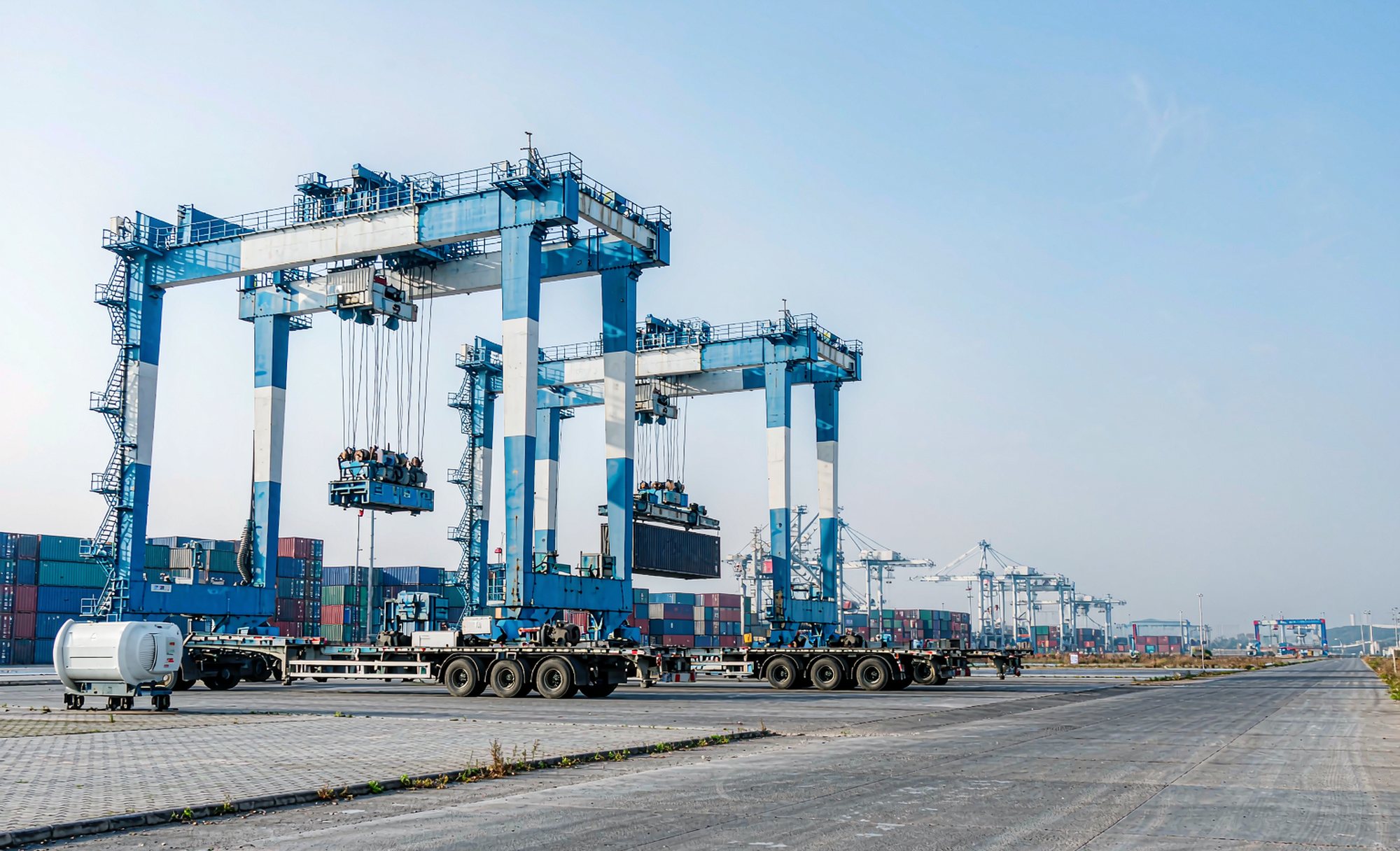
    Containers live in one placeThe third basin south bank at Jingtang: berths 23 to 27, all five open to foreign trade. Berth 25 is Hebei's first fully automated container berth — 330 m, 70,000 dwt, twin-trolley quay cranes and a domestically developed terminal operating system.
  • 3
    Dangerous goods have a defined laneThe container terminal's port DG operating licence went from 9 commodities to 27. DG boxes move direct-load and direct-pickup, never into the stack, which changes both the document sequence and the gate you use.
  • 4
    Inland reach is the quiet advantage62 inland ports across 11 provinces and 8 international block-train routes. A factory in Inner Mongolia can clear locally and rail the cargo to Jingtang, keeping inspection at the plant instead of the quay.
Automated container berth at Jingtang, Tangshan Port, with twin-trolley quay cranes and driverless trucks
Tangshan / JingtangBerth 25 · first automated container berth in Hebei330 m quay · 70,000 dwt · twin-trolley cranes

Figures: 2025 cargo and container throughput from the Tangshan Port and Shipping Administration (883.99 Mt, 3,171,259.5 TEU); berth counts and design capacity from its 2026 public reply to the municipal CPPCC; berth 23–27 parameters from Hebei Provincial Government approvals and Tangshan municipal releases. Terminal allocations and cut-offs are always governed by the terminal and carrier notice for that voyage.

Terminal matrix

The Berth Number Decides the Sequence, Not the Port Name

A booking confirmation says Jingtang or Caofeidian. Everything downstream — which customs house, which gate, which cut-off, which inspection yard — hangs off that one word.

Jingtang Port Customs 0422

Third Basin Container Berths

South bank of the third basin, Laoting County

Berths
23 to 27, all five open to foreign trade: 23 and 24 are 30,000 and 70,000 dwt multi-purpose (628 m), 25 is a 70,000 dwt automated berth (330 m), 26 and 27 are two 70,000 dwt container berths (690 m)
Operator
Jintang International Container Terminal Co.
Sequence
Gate-in creates the arrival report; release follows, then loading
Port area capacity
Design 172.7 Mt and 2.36M TEU across 43 berths
Best for: intra-Asia and domestic container services, steel and machinery in boxes, DG that qualifies for direct load

Berth 25 runs driverless trucks and remote quay cranes; berth 26 is being converted to remote automation, so equipment acceptance is worth re-checking each season.

Jingtang Port Customs 0422

Bulk, Steel & Grain Berths

General and specialised berths behind the third basin

Cargo
Steel coil, rebar, sections, welded pipe, grain and general breakbulk
Handling
Portal cranes and ship's gear; open storage plus covered sheds
Filing point
Piece and bundle weight must match manifest and tally, not the mill certificate
Rail link
Qiancao line into the port, feeding the inland-port network
Best for: steel export programmes, bagged cargo, grain and feed, heavy and long-length pieces

Long-length and heavy-lift cargo needs the lifting plan agreed before the vessel is nominated; changing cranes after filing usually costs a day.

Caofeidian Customs 0412

Ore & Coal Terminals

Deep-water berths on the Caofeidian shoal, south of Tangshan

Berths
105 production berths in the port area, design capacity 492.7 Mt
Ore
250,000 and 400,000 dwt berths, Valemax capable
Coal
Dedicated loading berths, rail-fed by the Datong–Qinhuangdao and Mengji corridors
Filing point
Bulk entries follow the laycan and the loading plan, not a container cut-off
Best for: import ore for the Tangshan steel cluster, coal loading, export steel and metallurgical products alongside

Most bulk fixtures are owner-chartered. That means the entry, the ship's papers and the terminal's loading sequence have to be tied together by one party, or the vessel waits.

Caofeidian Customs 0412

Containers & Timber

Middle basin, berths 508 to 510, with the timber park behind

Berths
508, 509 and 510, operated by Caogang Container
Shore power
Low-voltage connection at 509 and 510 — full berth coverage
Timber
The park behind imports roughly 1.2 million m³ of European spruce a year, all in containers
Volume
A fraction of Jingtang; intra-Asia and domestic services lead
Best for: intra-Asia and domestic boxes, timber and board, furniture supply chains, cargo that benefits from a bonded regime

Confirm the service actually calls Caofeidian before building a plan on it. Berth availability is not the same thing as a sailing.

What differsJingtang port areaCaofeidian port area
Customs houseJingtang Port Customs, district code 0422Caofeidian Customs, district code 0412
Dominant cargoContainers, steel, grain, general breakbulkIron ore, coal, timber, some containers
Filing orderGate-in creates the arrival report, then release, then loading; direct loading on arrival also availableEntry tied to the vessel's loading or discharge plan; bulk follows the laycan
Dangerous goodsDefined container lane: 27 commodities licensed, direct load and direct pickupLiquid bulk and terminal-specific approvals; container DG is limited
Bonded optionsBonded logistics centre type B, district code 0420Caofeidian comprehensive bonded zone, district code 0414
Best forBoxed cargo, steel programmes, DG, cargo that must make a specific sailingDeep-draught bulk, ore and coal, timber, owner-chartered shipments

Customs district codes follow the Shijiazhuang Customs district code table. Berth and capacity figures follow the Tangshan Port and Shipping Administration. The operative version of any cut-off is the carrier's notice for that voyage.

What we handle

Eight Clearance Workflows, Split by Cargo and Equipment

A steel coil, a DG box, a bagged fertiliser parcel and a 40-foot of furniture do not share a filing logic, a gate or a timetable. Same port, eight document sets.

SERVICE 01

FCL export declaration

Full container load at the Jingtang third basin. Pre-manifest, container and seal verification, entry preparation, single-window filing, inspection attendance and closure tracking.

FCLContainer & sealClosure tracking
SERVICE 02

LCL and consolidation

Several shippers in one box: CFS receiving, cargo data verification, multiple entries matched to a loading list, all filed before the CFS cut-off rather than the customs cut-off.

LCLCFS receivingMulti-entry
SERVICE 03

Steel and breakbulk

Coil, rebar, sections, pipe and project pieces: declared by piece and bundle weight, coordinated with the terminal's crane plan, with lashing, dunnage and IPPC marking confirmed before loading.

Steel coilBreakbulkLashing plan
SERVICE 04

Dangerous goods and new energy

Hazard determination, MSDS and DG packing certificate review, UN number and packing group matching, maritime filing and terminal acceptance — on a direct-load basis, because the cargo never enters the stack.

MSDSDG packing certUN38.3
SERVICE 05

Bulk commodities

Ore, coal, fertiliser and grain: entry, inspection and vessel papers aligned with the laycan and the terminal's loading sequence, including export duty and licence checks where they apply.

BulkFertiliserExport duty
SERVICE 06

Food, cold chain and regulated cargo

Export health certificates and label review on the outbound side; on the inbound side Caofeidian has cold-chain inspection capability, with designated supervised premises for meat and seafood.

Health certReeferDesignated site
SERVICE 07

Bonded and transit

Bonded logistics centre type B at Jingtang (0420) and the Caofeidian comprehensive bonded zone (0414) for storage before export; inland-port clearance with rail collection and one-shot export transit.

Bonded type BCBZExport transit
SERVICE 08

Documents and VAT refund

Refund copy of the entry, power of attorney, invoice, packing list and bill of lading archived and filed inside the refund window; certificates of origin issued under the applicable agreement.

Refund copyForm ERCEP
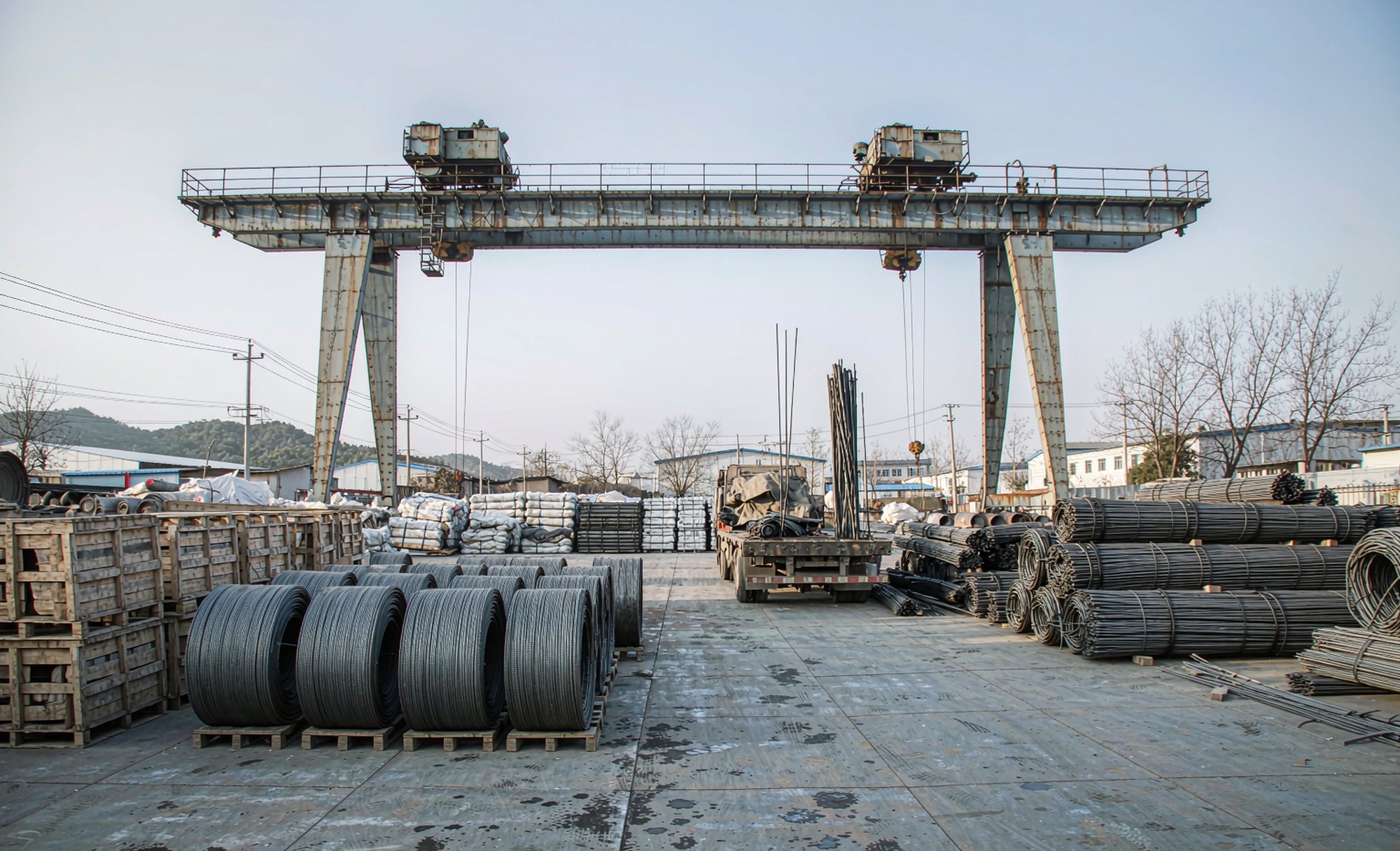
Steel coils and rebar bundles stacked in a Tangshan Port cargo yard under a portal crane
On steel, the entry is a weighing exercise before it is a paperwork exercise A coil programme usually ships as several hundred pieces in mixed bundles, and the declared unit is the bundle, not the mill heat. Weight, piece count, bundle marks and the tally have to agree before the entry goes in — because at Tangshan the terminal loads against the release and the ship's plan at the same time, and a mismatch surfaces at the crane, where it costs a day rather than an amendment.
Process

How Export Clearance Runs at Tangshan, Step by Step

The flow is standard. What varies is where the arrival report comes from — a gate-in, a rail wagon or a direct-load booking — and that single difference moves every deadline after it.

1

Booking and port area

Fix the sailing, container type, port area and cut-off. Jingtang or Caofeidian is decided here, not at the gate, because the customs house follows it.

2

Classification and elements

Settle the HS code and every element behind it — description, spec, composition, function, brand. Steel and chemicals live or die on this step.

3

Entry preparation and review

Draft from the classification, then check quantity, value, terms and currency internally. For DG, the packing certificate is checked here, not later.

4

Advance filing

File once the pre-manifest is in hand and the cargo is confirmed. Everything on the entry has to reach the supervised premises within three days or the declaration is canceled.

5

Gate-in, rail arrival or direct load

Normal boxes gate in and generate the arrival report. Rail cargo arrives on the wagon list. Direct-load cargo triggers the report at the gate and goes straight to the quay.

6

Review, inspection, release

Direct release, or a flagged box. On direct load, inspection is arranged inside the terminal so the box does not have to be railed back out.

7

Loading and manifest check

Load against the release; verify container, seal, pieces, weight and volume against the bill of lading. For bulk, verify the shipped quantity against the draft survey.

8

Closure and archive

After departure the entry closes; assemble entry, release message and terminal receipt for the VAT refund and any later write-off.

Get the timing rule right. Legally, export cargo is declared once it reaches the supervised premises and at least 24 hours before loading. Advance filing moves that up to three days before arrival, provided every line arrives within three days; transit cargo gets a longer window. At Jingtang the default path is gate-in first, release second — so an advance filing is the only way to compress the sequence. Direct loading on arrival rewrites it again: release happens off the gate-triggered arrival report and the box goes from the factory to the quay without a yard move.
Documents

Twelve Document Points That Decide Whether the Box Sails

Six apply to every shipment. Six more attach to the cargo, the regime or the destination — and at Tangshan the second group is where most delays start.

Base set — every shipment

  • ✓
    Export declaration dataDescription, HS code, terms of trade, declared elements complete
  • ✓
    Commercial invoice and packing listPieces, gross weight and volume matching the entry
  • ✓
    Sales contract or purchase orderPrice terms and settlement method stated
  • ✓
    Customs power of attorneyElectronic authorisation covering the declared elements
  • ✓
    Booking confirmation and pre-manifestVessel, voyage, bill number, container and seal
  • ✓
    VGM declarationVerified weight, matching the weighbridge record

Added by cargo or regime

  • ✓
    Export licence or export duty paymentChecked against the catalogue per commodity, steel grades included
  • ✓
    MSDS, DG packing certificate, UN numberFor dangerous goods and part of the chemical range
  • ✓
    UN38.3 reportLithium cells, batteries and battery-containing vehicles
  • ✓
    Fumigation or heat treatment, IPPC markWooden crates, pallets and timber products
  • ✓
    Certificate of originForm E, Form RCEP or ordinary CO depending on destination
  • ✓
    Inspection, quarantine and health certificatesFood, plants, animal products, grain
The three that trip people up: the declared unit on steel — piece, bundle or tonne — has to match the manifest and the tally, not the mill certificate; the terms of trade decide whether freight and insurance sit inside the customs value; and the description on the refund copy has to line up with the VAT invoice from the mill or supplier, or the refund file comes back with questions six weeks later.
Four routings

Same Cargo, Different Routing, Different Clock

Which one you use depends on when the goods are ready, which berth the carrier allocated and where the factory sits — not on habit.

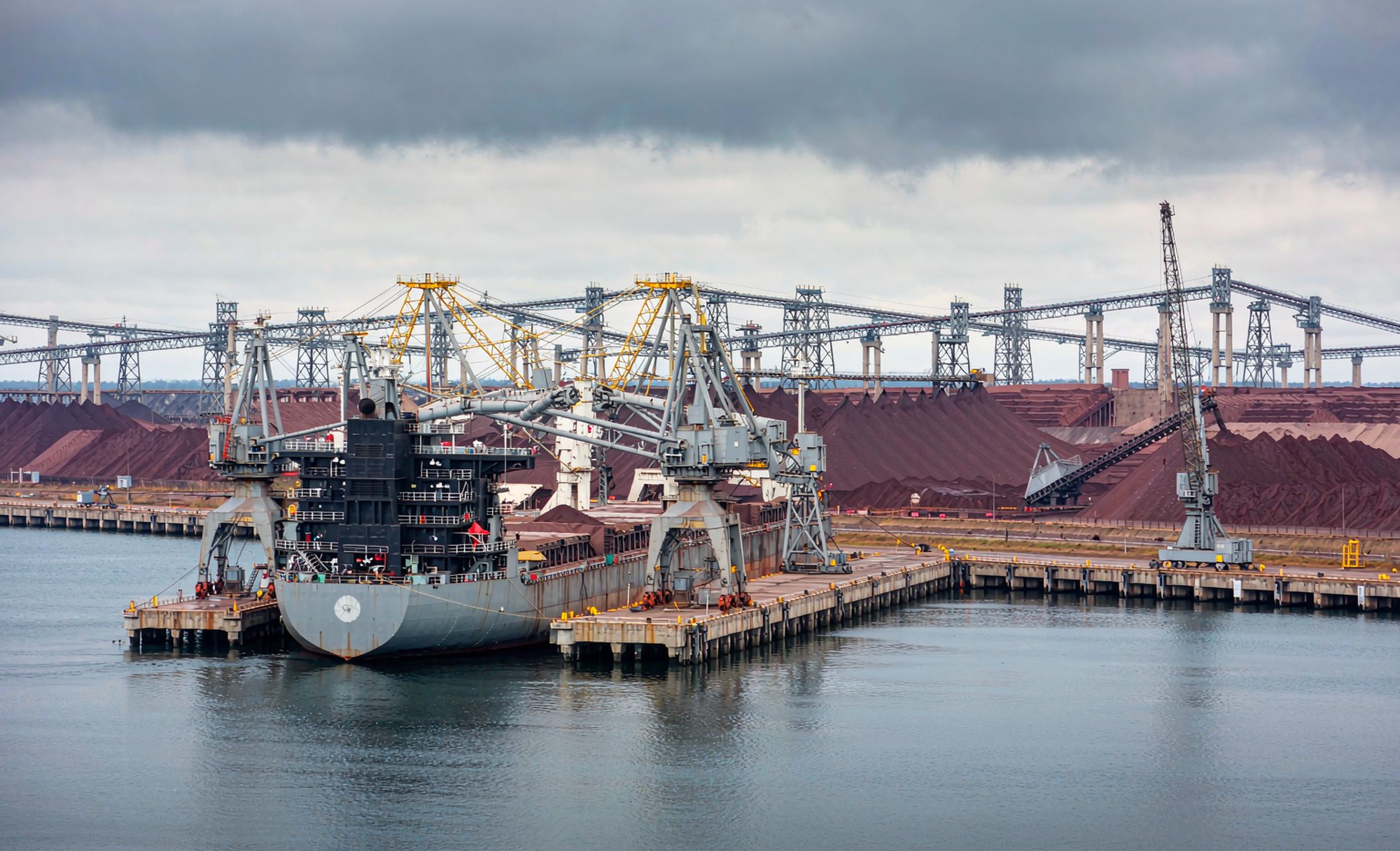
Bulk carrier discharging iron ore at a Caofeidian deep-water ore berth in Tangshan
Caofeidian ore berths: a 400,000 dwt berth sets the rhythm for the whole port area, and bulk entries follow it rather than a container cut-off.

Advance filing, standard gate-in

File with the pre-manifest in hand, gate in, let the arrival report trigger release. The default path for most FCL, and the one that leaves the most room to fix an error.

Direct loading on arrival

Declare, gate-trigger the arrival report, release, load. No yard move and no second lift. Jingtang has run this since 2022; it rewards clean documents and punishes late ones.

Inland clearance and rail collection

Clear and inspect at the factory end, rail the cargo into Jingtang, load. One-shot export transit keeps the inspection off the quay — the practical option for out-of-gauge pieces.

Bonded, then export

Store in the Jingtang bonded logistics centre or the Caofeidian CBZ, then declare on the way out. Useful for staged shipments, returns and re-export, where the export date is the last decision, not the first.

Cargo fit

What Moves Well Through Tangshan, and What Does Not

Being straight about this saves more money than any brokerage discount. Eight categories, and the ones where the port is genuinely the right answer.

Steel and metal products

The port's home cargo. Coil, rebar, sections, welded pipe: declare by piece and bundle, watch dunnage and IPPC marking, reconcile tally before sailing.

Machinery and equipment

Classification and brand authorisation decide the timeline. Used machinery needs a condition and function statement before it is booked, not after.

Chemicals

Non-hazardous product ships as general cargo with a composition sheet and MSDS. Hazardous product goes through the DG lane and has to sit inside the licensed commodity list.

Lithium batteries and new energy vehicles

UN38.3, DG packing certificate and MSDS together. Lithium cells and battery-containing vehicles are on the terminal's licensed list, but slot acceptance is still a per-voyage decision.

Grain and agricultural cargo

Outbound: inspection, quarantine, fumigation. Inbound: designated supervised premises, and Caofeidian handles grain and cold-chain inspection.

Ore and coal

Mostly inbound and mostly owner-chartered. On the export side, check export duty and licensing first — some grades are controlled and the answer changes margins.

Timber, board and furniture

Caofeidian's timber park is a genuine cluster. Wooden packaging needs fumigation and an IPPC mark; branded or patented designs need authorisation.

Out-of-gauge and project cargo

General berths with real heavy-lift capacity. Confirm the lifting plan, the axle trailer and the stowage frame before the vessel is fixed.

Four things that will stop a Tangshan shipment

1. Treating the two port areas as one. Jingtang and Caofeidian are different customs districts. An entry filed for one cannot be worked at the other, and the release message will not route. Decide at booking.

2. Assuming the arrival report exists before the cargo does. On the standard path, gate-in creates it. Filing early does not create it. If you need speed, use direct loading on arrival — do not ask the broker to hurry a report that the terminal has not generated.

3. Filing DG as general cargo. Missing MSDS, packing certificate, UN number or maritime notification means the carrier refuses and the terminal will not handle the box. At Tangshan DG moves direct load, so a wrong declaration cancels the whole operation.

4. Declaring steel in the wrong unit. Mill certificates count tonnes; the manifest and the tally count pieces and bundles. Both have to be reconciled into one declared quantity, or the shipping document disagrees with the entry at the crane.

Working scenarios

Six Situations, and Where Each One Actually Jammed

At Tangshan the difficulty is rarely the declaration itself. It is the order in which four things happen.

Steel · Jingtang01

Coil programme for Southeast Asia, ready two days after the gate cut-off

Cargo & lane
Several hundred coils, mixed bundles, mill in Fengnan, shipment out of Jingtang to Southeast Asia.
Where it jammed
The rolling schedule slipped. On the standard path a box cannot gate in after the cut-off, and no gate-in means no arrival report, which means no release.
What we did
Switched to advance filing plus direct loading on arrival, locked the manifest and packing list before the trucks moved, had the carrier extend container return, and pre-agreed the lifting plan with the terminal so the coils went from truck to hold without a yard move.
How it ended
Loaded on the booked vessel, one tally check at the crane instead of two in the yard. On steel the win is sequence, not speed.
DG · Battery storage02

Battery storage cabinets to Europe, where the commodity is only just licensed

Cargo & lane
Containerised lithium-ion storage units, Jingtang to a northern European port.
Where it jammed
Class 9 cargo has to sit inside the terminal's DG operating licence, and slot acceptance, yard capability and maritime notification are three separate approvals. Any one missing and the box is refused at the gate.
What we did
Checked the commodity against the licensed list — which expanded from 9 to 27 items and now includes lithium cells and battery-containing hybrid vehicles — then assembled UN38.3, the packing certificate and MSDS, filed the maritime notification in parallel and booked the box as direct load so it never entered the stack.
How it ended
One lift, one inspection point, no yard dwell. The failure mode on DG is a mismatch between what customs accepted and what the terminal is licensed to handle — so both have to be checked before booking.
Bulk · Fertiliser03

Bagged fertiliser for South America on a one-day loading window

Cargo & lane
Ammonium sulphate in bulk, Jingtang to Brazil, single loading window set by the vessel.
Where it jammed
On a bulk fixture the stem is fixed and the terminal loads to the ship's plan. If the entry is not released, or an inspection lands inside the window, the vessel waits and the cost lands on the charterer.
What we did
Filed ahead so review and risk screening happened before the cargo arrived, aligned the loading plan with terminal and ship agent, and kept a backup slot for inspection inside the window. Description, content and packing method were matched to the actual stow.
How it ended
This is the pattern Jingtang established in 2022 with its first direct-load export — 14,000 tonnes of ammonium sulphate to Brazil, cargo value around USD 4.3 million, about 30 minutes from arrival to loading. The point of the model is to turn waiting for cargo into waiting for the ship.
Two port areas04

One client, steel out of Jingtang and ore into Caofeidian

Cargo & lane
Export steel from the Jingtang general berths; import iron ore at Caofeidian for the same plant.
Where it jammed
Two shipments, two customs districts, one client who reasonably expected them to be handled as one port. They cannot be: separate declaration site, separate inspection yard, separate release routing.
What we did
Split the file into two workstreams — Jingtang Port Customs for the export, Caofeidian Customs for the import — and back-planned each against its own cut-off or laycan, sharing only the trucking and storage resources.
How it ended
Two clean timetables instead of one blurred one. The client stopped asking why a single “Tangshan plan” kept slipping.
Inland transit05

Inner Mongolia factory, out-of-gauge equipment, no wish to truck it to the coast first

Cargo & lane
Oversized machinery, cleared inland, railed to Jingtang, loaded for a Middle East port.
Where it jammed
Trucking first means a port-side inspection: devanning, shifting and heavy lift in the terminal, at terminal rates, with the vessel waiting.
What we did
Cleared and inspected at the inland end, moved by rail into the port on a one-shot export transit, and handed the terminal a lifting plan in advance so the piece went wagon to hold.
How it ended
Inspection stayed at the plant. With 62 inland ports across 11 provinces, this is a routine routing for northwest and north China cargo, not an exception.
Inbound and outbound06

Spruce logs into Caofeidian, finished furniture back out

Cargo & lane
Inbound European spruce in containers for the timber park; outbound furniture and board from the same cluster.
Where it jammed
Two regulatory regimes in one supply chain: inbound timber needs inspection at designated premises, outbound furniture needs packaging compliance and, where relevant, species and origin documentation.
What we did
Ran inbound clearance and container relay as one file and outbound filing as another, with fumigation and IPPC marking handled at the packing stage rather than at the gate.
How it ended
The two clocks stopped interfering. Roughly 1.2 million m³ of spruce a year moves through this cluster, so the packing step is the one to engineer, not the paperwork.

These are working scenarios drawn from how Tangshan cargo is actually handled, with names, dates and some quantities removed or rounded. They describe the sequence of work and where it jammed; they are not a service commitment on any specific shipment. Cut-offs, berth allocation and inspection arrangements for your voyage are governed by the terminal and carrier notice in force that week.

FAQ

Tangshan Export Customs Clearance: 10 Questions Shippers Ask

What importers and suppliers ask most about shipping out of Jingtang and Caofeidian, answered the way the work is actually done.

How far ahead should I file for export clearance at Tangshan Port?
Advance filing can be lodged up to three days before the cargo reaches the supervised premises, and every line on the entry must arrive within three days or the declaration is canceled. Without advance filing, the rule is declaration after arrival at the supervised premises and at least 24 hours before loading. The carrier's documentation cut-off usually lands earlier than either, so back-plan from the carrier notice first.
Should I ship out of Jingtang or Caofeidian?
Containers go through Jingtang, third basin, berths 23 to 27, which are all open to foreign trade and carry most of the port's liner services. Ore, coal, timber and most bulk go through Caofeidian, where the deep-water berths take 250,000 to 400,000 dwt ore carriers. A few container services also call Caofeidian berths 508 to 510, so confirm the actual call rather than the port name.
Do the two port areas use the same clearance process?
No. Jingtang falls under Jingtang Port Customs, district code 0422; Caofeidian falls under Caofeidian Customs, 0412. The declaration site, the inspection yard and the routing of the release message all follow the district. One entry cannot be worked across both, so the port area has to be fixed at booking.
What is direct loading on arrival, and can Tangshan do it?
It is the sequence of advance filing, cargo arriving at the gate, release triggered off the arrival report, and loading without a yard move. Jingtang has run it since 2022, starting with an ammonium sulphate shipment of about 14,000 tonnes to Brazil that went from arrival to loading in roughly half an hour. It suits cargo that is ready late, and it requires documents that are right the first time, because there is no yard buffer to absorb an amendment.
What documents do I need for export clearance at Tangshan?
The base set is declaration data, commercial invoice, packing list, sales contract, customs power of attorney, booking confirmation with pre-manifest, and the VGM declaration. Add an export licence or export duty payment where the catalogue requires it, MSDS and DG packing certificate for dangerous goods, UN38.3 for lithium batteries, fumigation or heat treatment with an IPPC mark for wooden packaging, certificate of origin for preferential duty, and inspection or health certificates for food, plants and animal products.
Can dangerous goods and lithium batteries ship from Tangshan?
Yes, within limits. The container terminal's DG operating licence covers 27 commodities, including lithium cells, new energy vehicles, solid sulphur and activated carbon, and DG boxes are handled direct load and direct pickup rather than stored. Before booking, confirm the commodity is on the licensed list, then assemble UN38.3 where applicable, the DG packing certificate, MSDS and the maritime notification.
What is different about exporting steel through Tangshan?
Three things. The declared unit has to be agreed up front, because the mill works in tonnes while the manifest and tally work in pieces and bundles. Some grades carry export duty or licensing, which has to be priced before the sale, not after. And dunnage has to meet IPPC requirements, with a moisture-control plan for grades that rust in transit.
Can an inland factory clear locally and still ship through Tangshan?
Yes. Tangshan has 62 inland ports across 11 provinces, and one-shot export transit lets cargo be declared and inspected at the factory end, then railed into Jingtang for loading. It is the standard routing for out-of-gauge and heavy pieces, because inspection stays at the plant instead of happening on the quay at terminal rates.
How do the bonded logistics centre and the Caofeidian bonded zone work?
The Jingtang bonded logistics centre type B (district code 0420) and the Caofeidian comprehensive bonded zone (0414) both allow storage before export, with the export declaration filed on the way out. That suits staged shipments, returns and re-export, and simple operations such as sorting, labelling and light processing inside the zone, subject to the supervision rules in force there.
What do I need for the VAT export refund?
After closure: the export entry refund copy or equivalent electronic data, the release message, the terminal receipt or gate-in data, the VAT invoice and the foreign-exchange receipt. The operator, consignor and invoice issuer have to be the same entity, and the description and code on the entry have to match the VAT invoice. On steel and chemicals this is where refund files fail, so it is worth checking at the filing stage rather than six weeks later.

Why us

Why Shippers Hand Their Tangshan Clearance to Goodhope

Tangshan is not won on price. It is won on keeping two customs districts apart and knowing which of four sequences your cargo is on.

01

Two files, not one

Jingtang 0422 and Caofeidian 0412 are run as separate workstreams with separate timetables, so a delay on one never reads as a delay on the other.

02

Port area and berth fixed first

We settle the berth and the carrier call before scheduling anything else. Getting this wrong invalidates every deadline downstream.

03

A DG path that is checked twice

Commodity against the licensed list, then documents against the maritime and terminal requirements. DG cargo never enters the stack, so there is no second chance to correct it.

04

Bulk and steel, not just boxes

Piece and bundle weights, tally reconciliation, export duty checks and loading plans — the work that actually decides a Tangshan steel or fertiliser shipment.

05

Inland clearance and rail

Factory-end declaration, rail collection and one-shot transit handled by one desk, with the inspection left where it is cheapest to carry out.

06

Documents closed out, not abandoned

Refund copy, power of attorney, certificates of origin and the archive are tracked to the refund window rather than handed over at sailing.

GET IN TOUCH

Tangshan export clearance —
send the commodity, the box and the sailing

Tell us the commodity and HS code, whether it is FCL, breakbulk, out-of-gauge or DG, where the factory is and which sailing you are aiming at. We will come back with the port area and berth that fits, the customs district it falls under, the document list you need and a back-planned timeline.

Request a quote
CompanyShenzhen Weihangyunda International Freight Forwarding Co., Ltd.
BrandGoodhope Freight · Goodhope Logistics (China) Limited
Phone / WhatsApp+86 133 9216 2503
Emailsales8015@goodhopefreight.com
CoverageJingtang · Caofeidian · Tianjin · Qingdao
HoursMon–Sat, 9:00–18:00 (GMT+8)
call us: +86 13392162503