
On-dock export customs clearance at all four Nansha container phases — Phase I, II, III and IV. General trade filings, advance declarations, buy-for-name brokerage, exam support and release tracking, wired into booking, manifest and trucking on one timeline.
General cargo · Machinery & auto parts · Chemicals & dangerous goods · Food & agricultural | Export tax refund · Fumigation · CIQ · Phytosanitary
Service count and throughput from Guangzhou Port Group, Guangzhou Port Authority and Guangzhou Customs public data (April 2026 / full-year 2025). Figures describe port scale; actual sailing dates follow the carrier's current proforma.
Nansha sits on Longxue Island in Guangzhou's Nansha district, at the geographic center of the Greater Bay Area. Cargo from across the Pearl River system converges here and sails out. In 2025 the port area moved 22.617 million TEU, 12.557 million of it foreign trade; as of April 2026 it is served by 217 container liner services — 182 of them international — reaching more than 400 ports worldwide.
For exporters the draw is proximity and density: plants in western Guangdong — Foshan, Zhongshan, Jiangmen, Zhaoqing — are a short haul from the gate, and barges can declare once at an inland river terminal and steam straight to Nansha. But a port this large has more moving parts: classification, manifest, cut-off times, examination scheduling. Let any one of them slip and it turns into storage charges or a rolled container.
Goodhope Freight files export customs clearance at all four phases, and treats the filing as one leg of a single schedule that starts with booking and ends when the box is loaded — not as a stand-alone service bought by the document.
HS code, declaration elements and regulatory conditions settled first, so the entry is right before it is fast.
Declaration, release notice and the refund copy handed over in usable shape — it decides how fast the VAT refund moves.
Gate-in, examination and loading scheduled backwards from cut-off, so a released box does not miss the ship.
Inspection order, devanning at the exam center and follow-up paperwork handled by someone standing there, not on the phone.
One port area, four operating companies, and different berth classes, service mixes and gate routes. Confirm the terminal right after booking, then set the trucking and filing rhythm around it — that alone removes most of the back-and-forth.
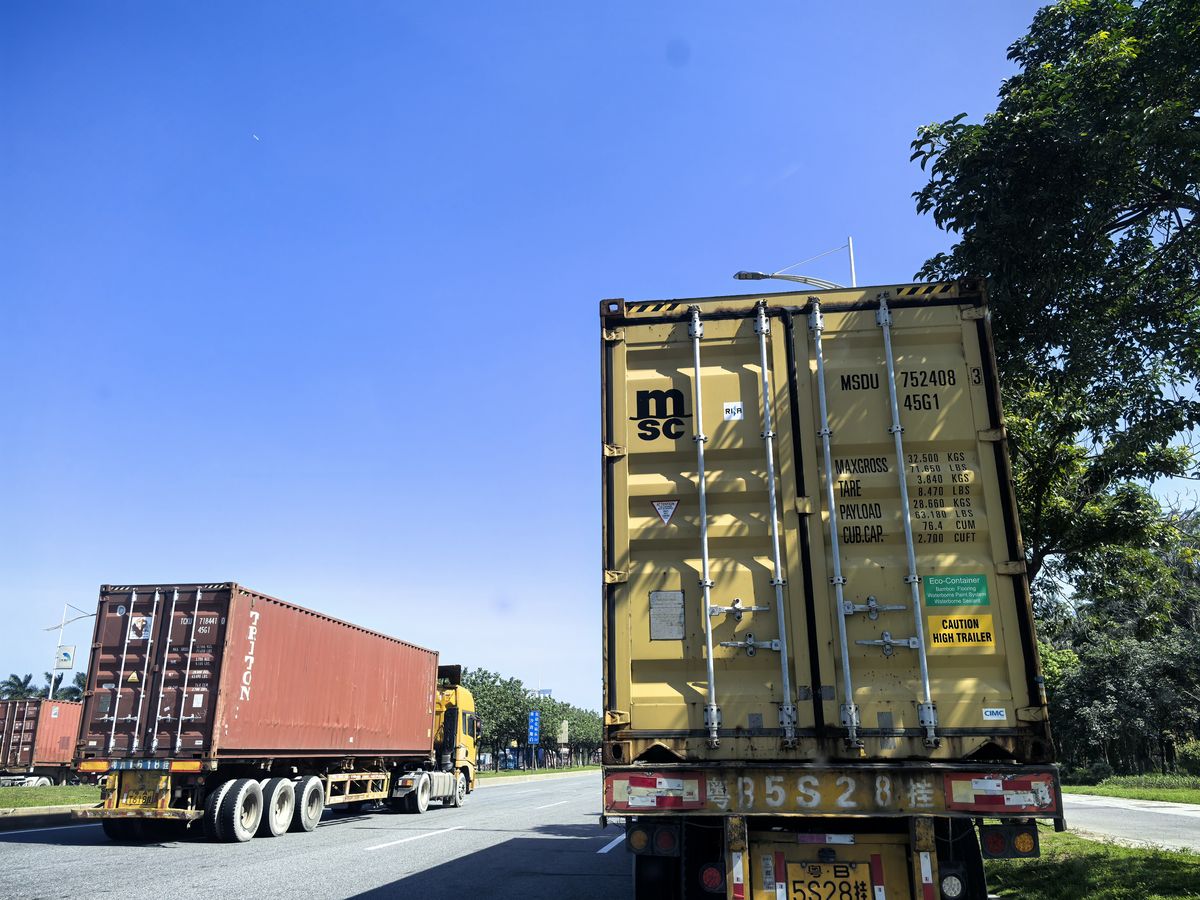
In service since September 2004 with four 150,000 DWT berths and roughly 1,400 m of deep-water quay. The oldest container area in the port, built around domestic north-south services and South China feeder lanes.
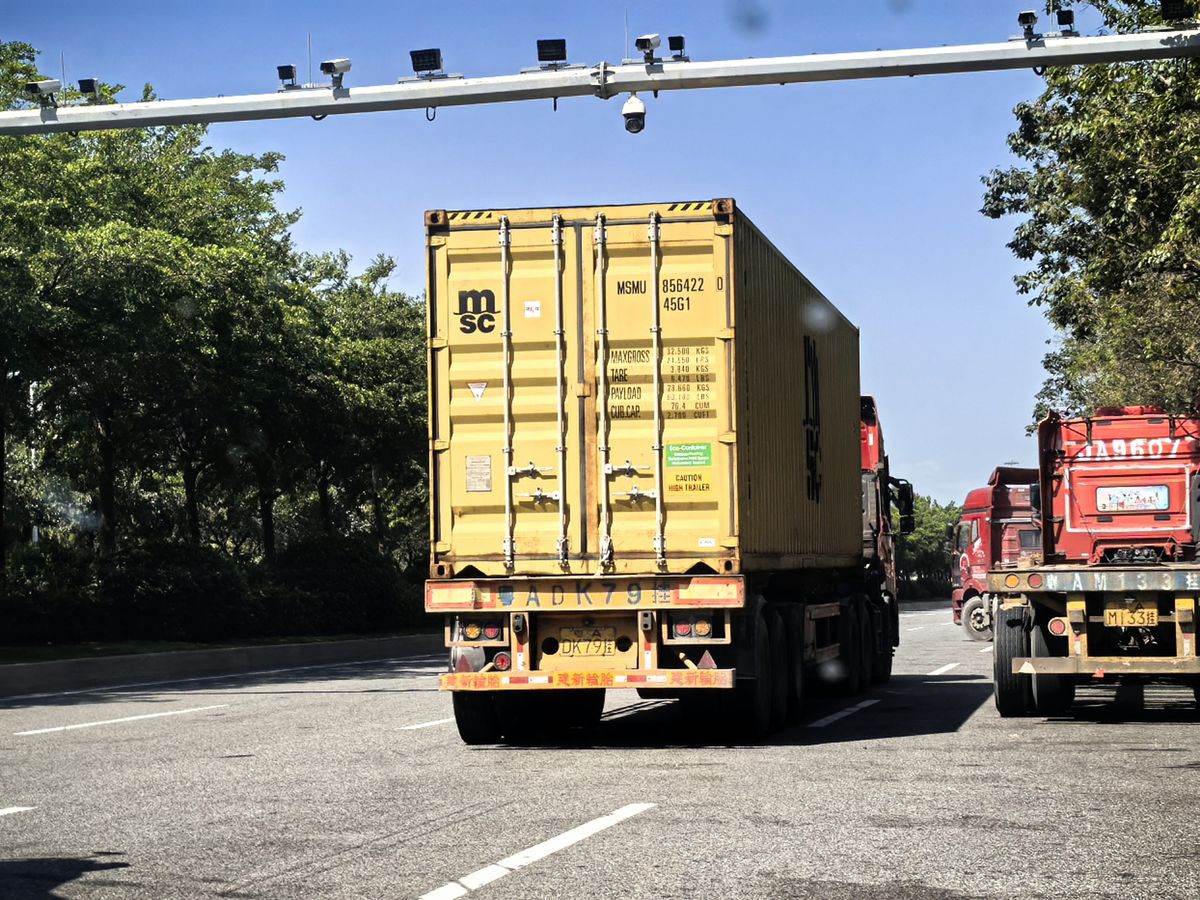
Opened in September 2007 with six 200,000 DWT berths and about 2,100 m of quay, operated by Nansha Container Terminal. Built for foreign-trade services and able to work the largest container ships afloat.
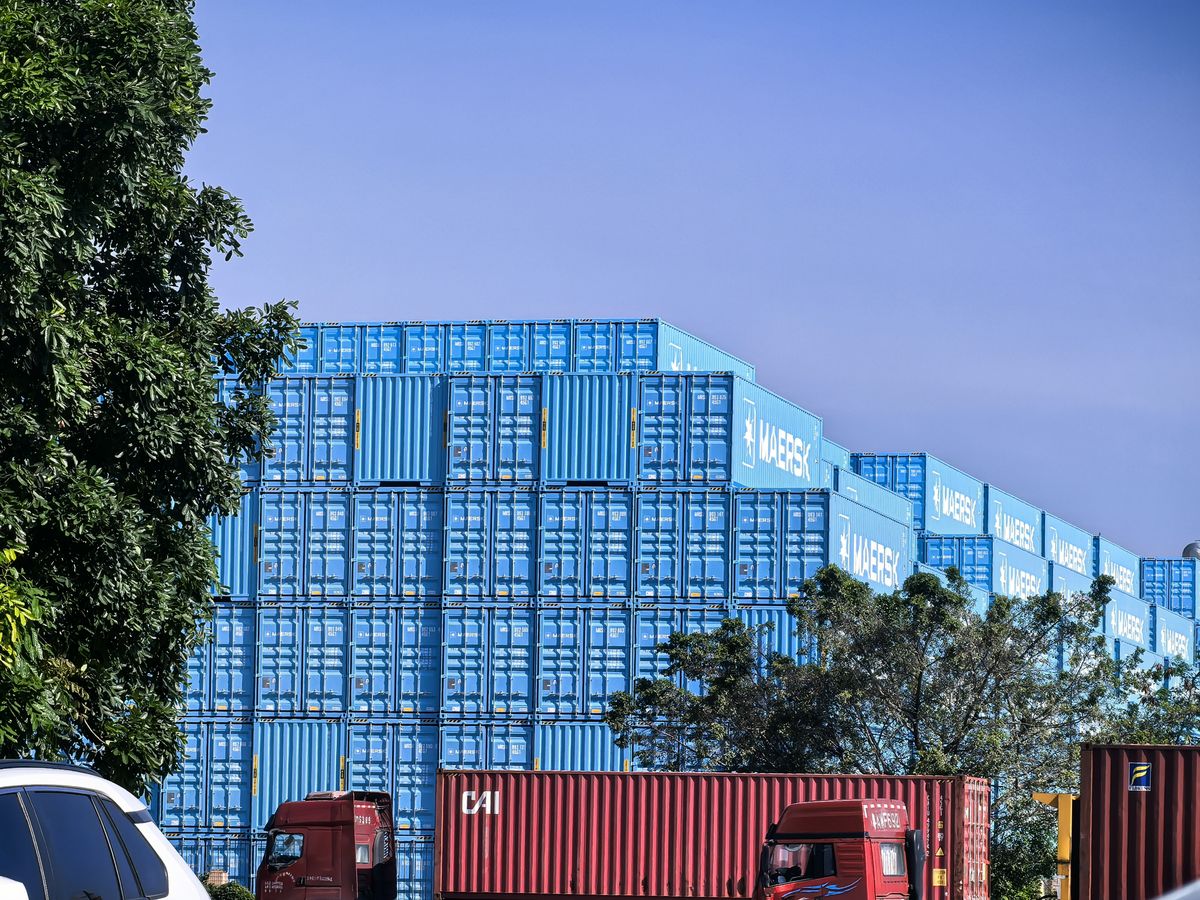
Six deep-water 200,000 DWT berths, fully completed in 2017 with about 2,218 m of main quay. Mostly foreign-trade services with some domestic calls, complementing Phase II capacity.
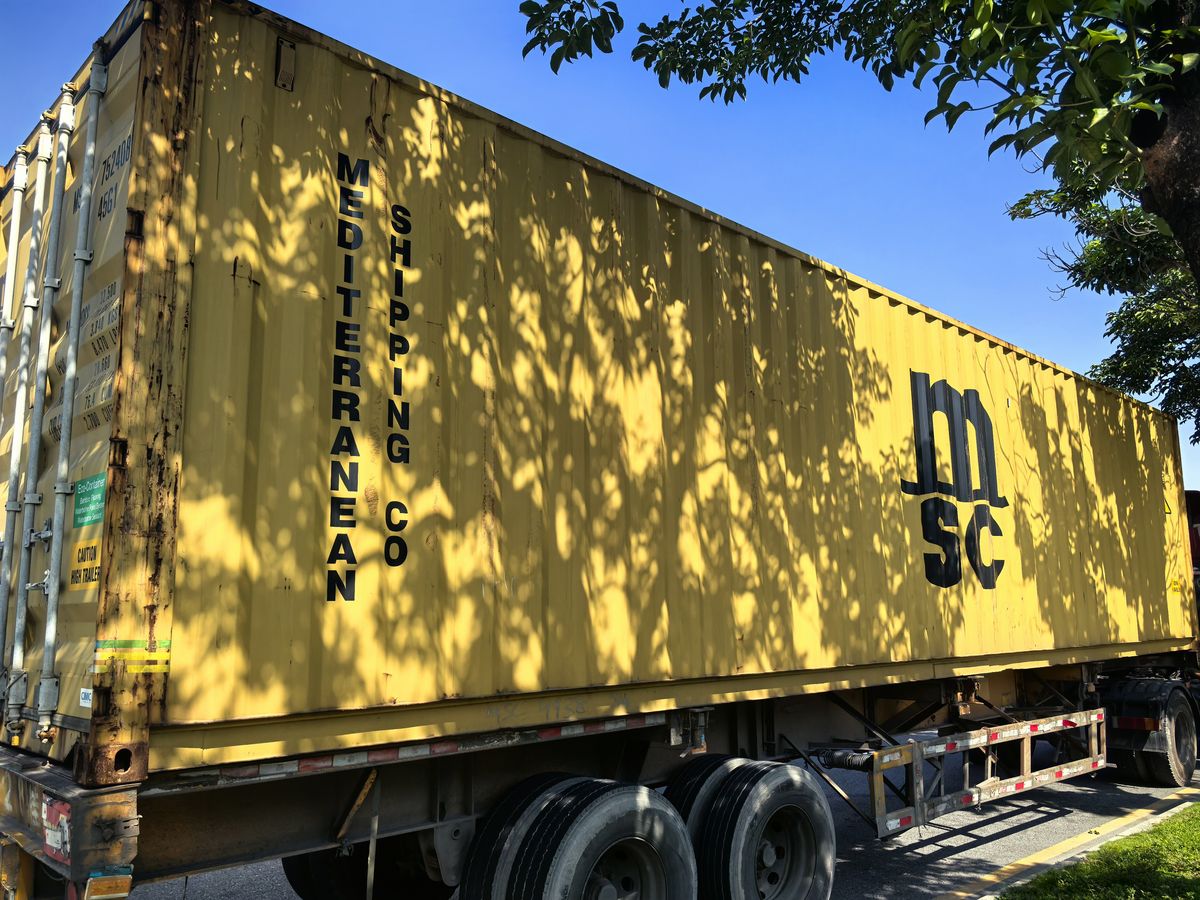
The first fully automated container terminal in the Greater Bay Area, in operation since 28 July 2022 with four 150,000 DWT berths. It passed its foreign-trade opening inspection in May 2026, adding new export capacity.
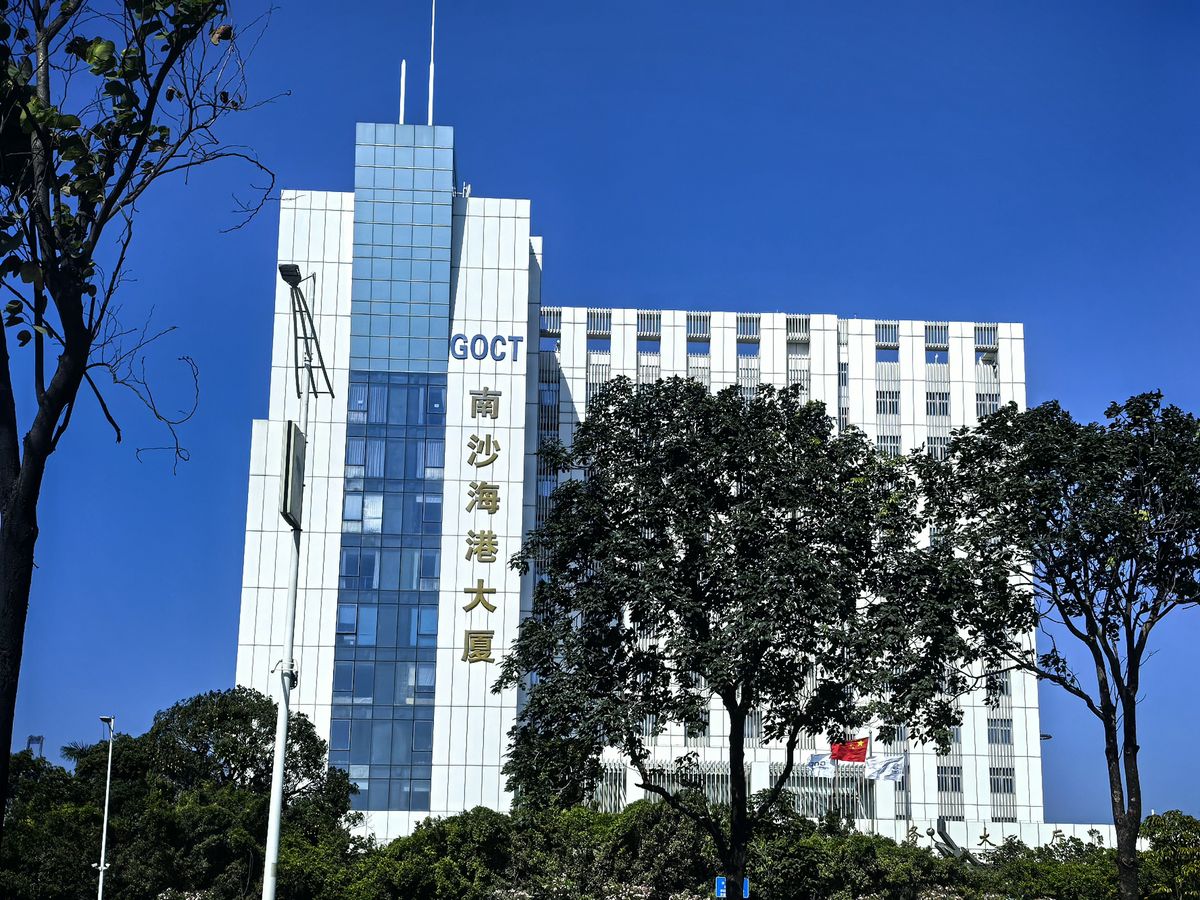
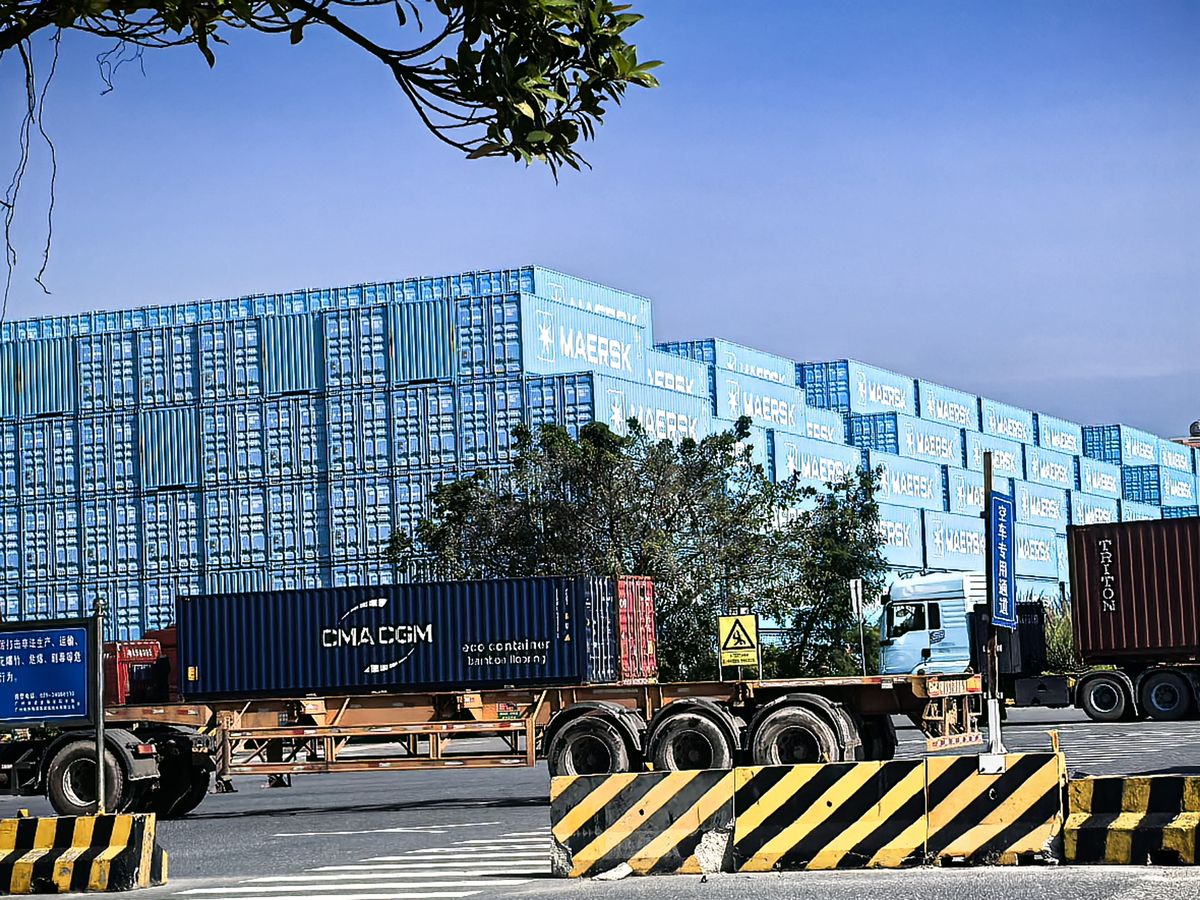
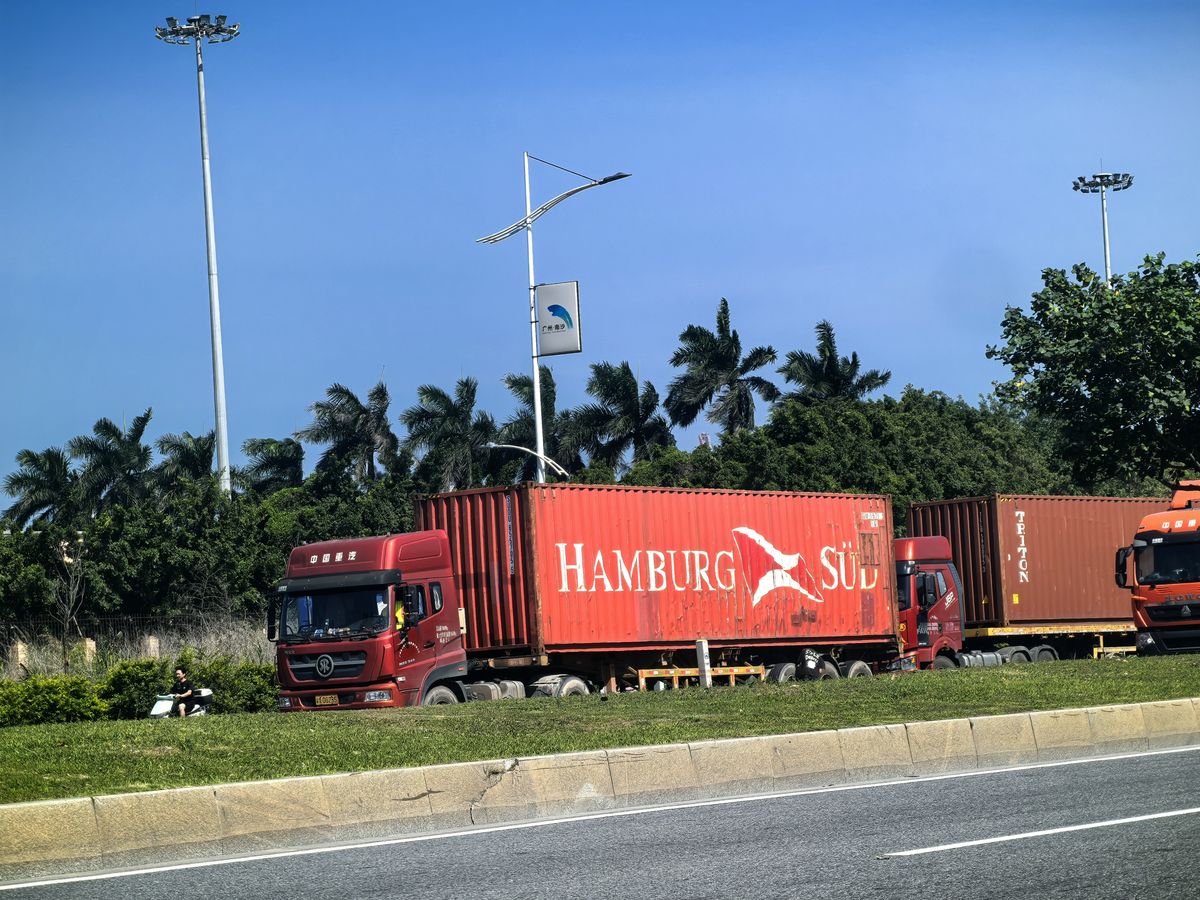
Photographs taken on site at the Nansha port area and are shown as an indication of the operating environment; terminal arrangements follow each terminal's current notices.
Customs has rolled out several measures here that change the rhythm of an export filing. Knowing what they do is worth more than chasing your broker for a status update.
Nansha acts as the hub, tying together 22 inland river terminals across nine cities in Guangdong plus four inland rail ports outside the province, so cargo is declared once, examined once and released once. Customs transit time drops by roughly 2 to 3 days, and more than 86,000 TEU moved through the model in the first five months of 2026. Plants in Zhongshan, Foshan and Jiangmen can treat the river terminal as Nansha's off-dock yard.
Once the product name, model and quantity are fixed and manifest data is in hand, the export declaration can be filed up to 7 days before the cargo reaches the customs supervision area. The statutory floor is later and firmer: file after arrival, no less than 24 hours before loading. Advance filing turns “wait for the box” into “release on arrival”.
Under a Guangzhou Customs pilot, export cargo that clears without an examination can load straight from the gate, cutting yard handling and re-stacking. Export filing is effectively paperless now: the electronic brokerage delegation and manifest data close the loop inside the Single Window.
Summarized from Guangzhou Customs and General Administration of Customs public information; whether a given shipment qualifies depends on the rules in force at the time.
The general flow looks the same for every shipment. What really sets the pace is the extra requirement a product category carries. These four are the differences we see most often on Nansha exports.
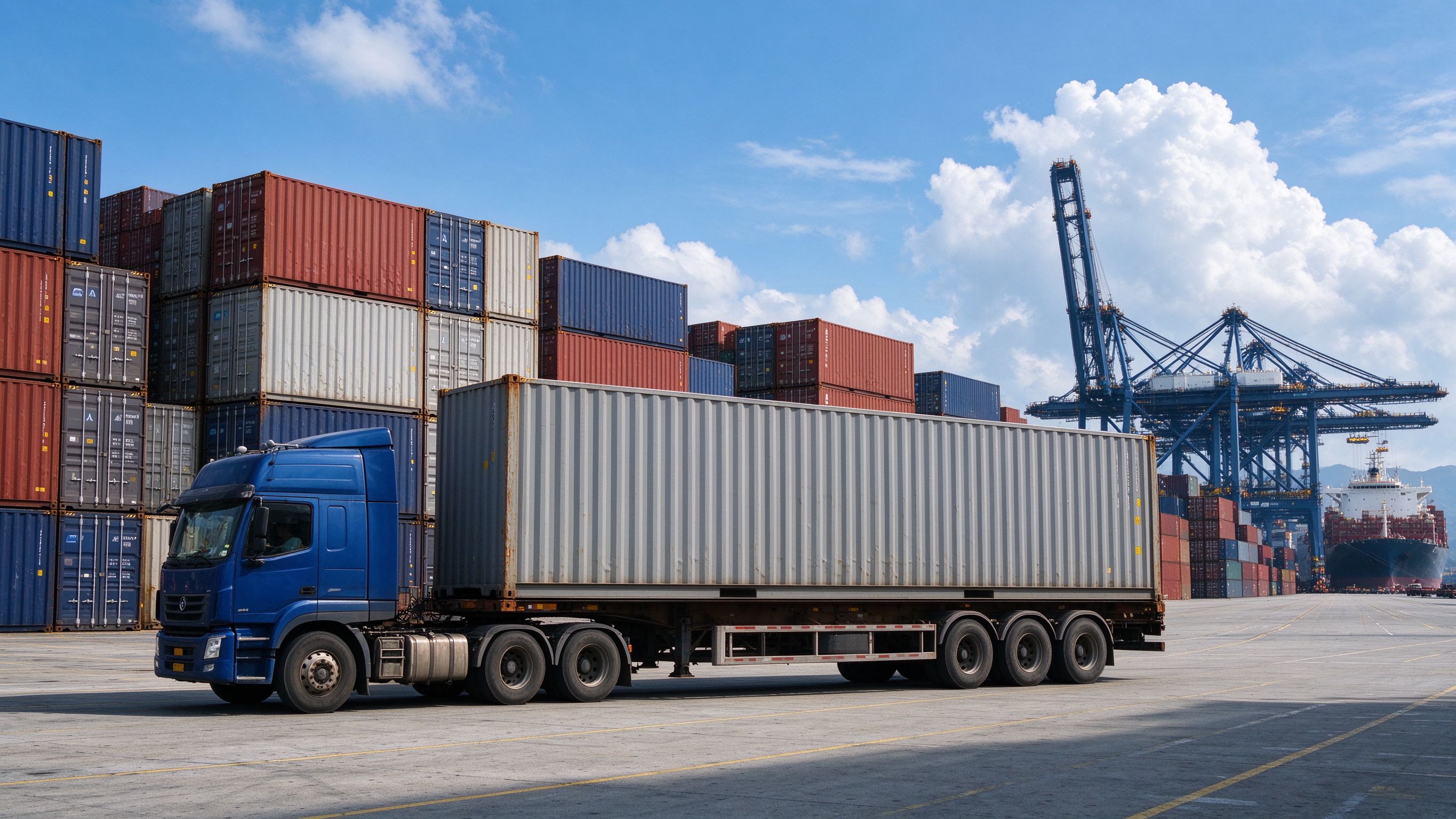
Household goods, hardware and building materials, textiles, plastics, furniture and paper. The work is complete declaration elements, quantities that match the packing list, and knowing whether export CIQ applies.
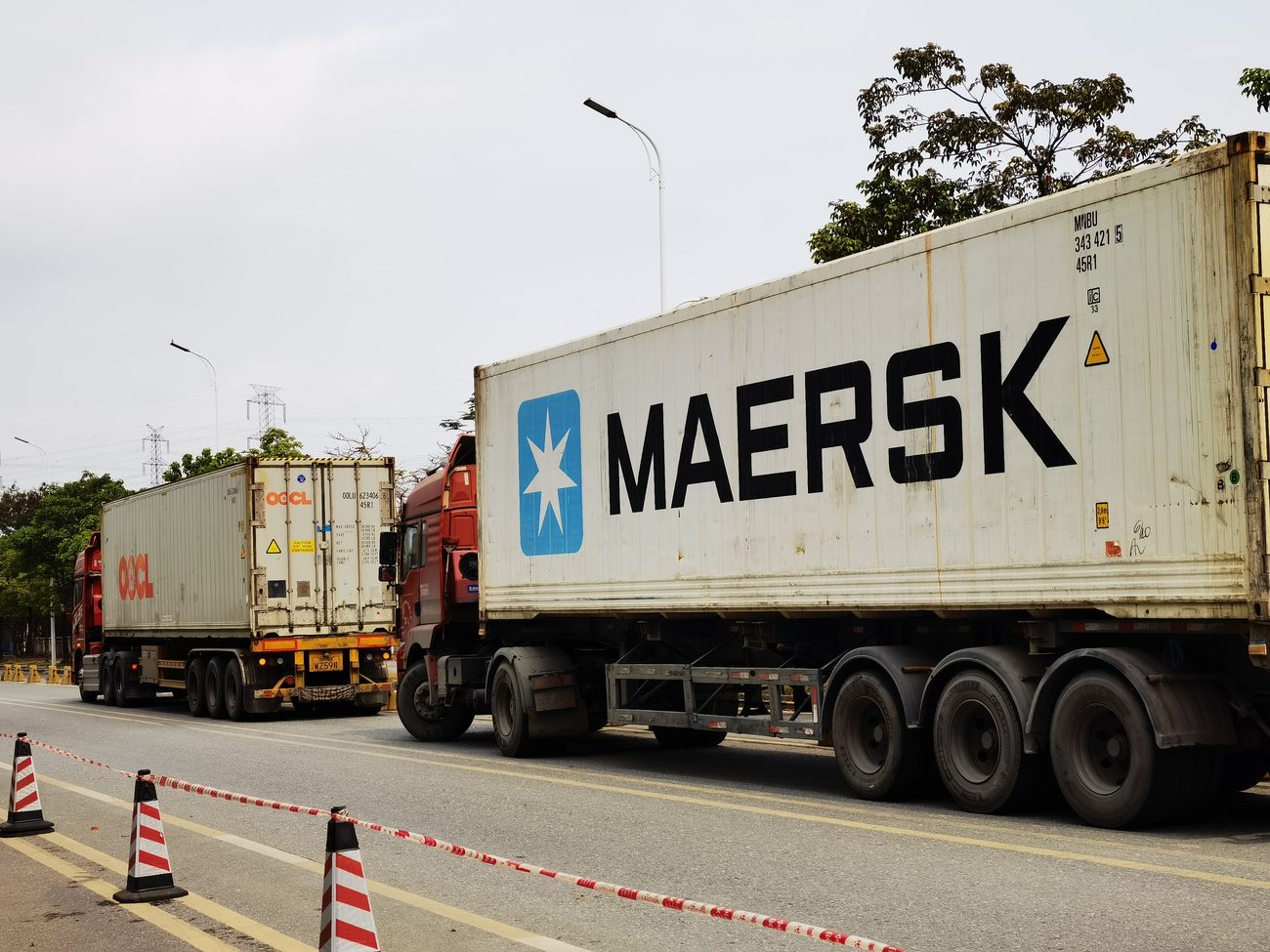
Equipment, appliances, electronic components and vehicle parts. Watch the classification level — complete unit versus part — and the brand and model declaration. Products containing lithium batteries follow DG or special handling rules.
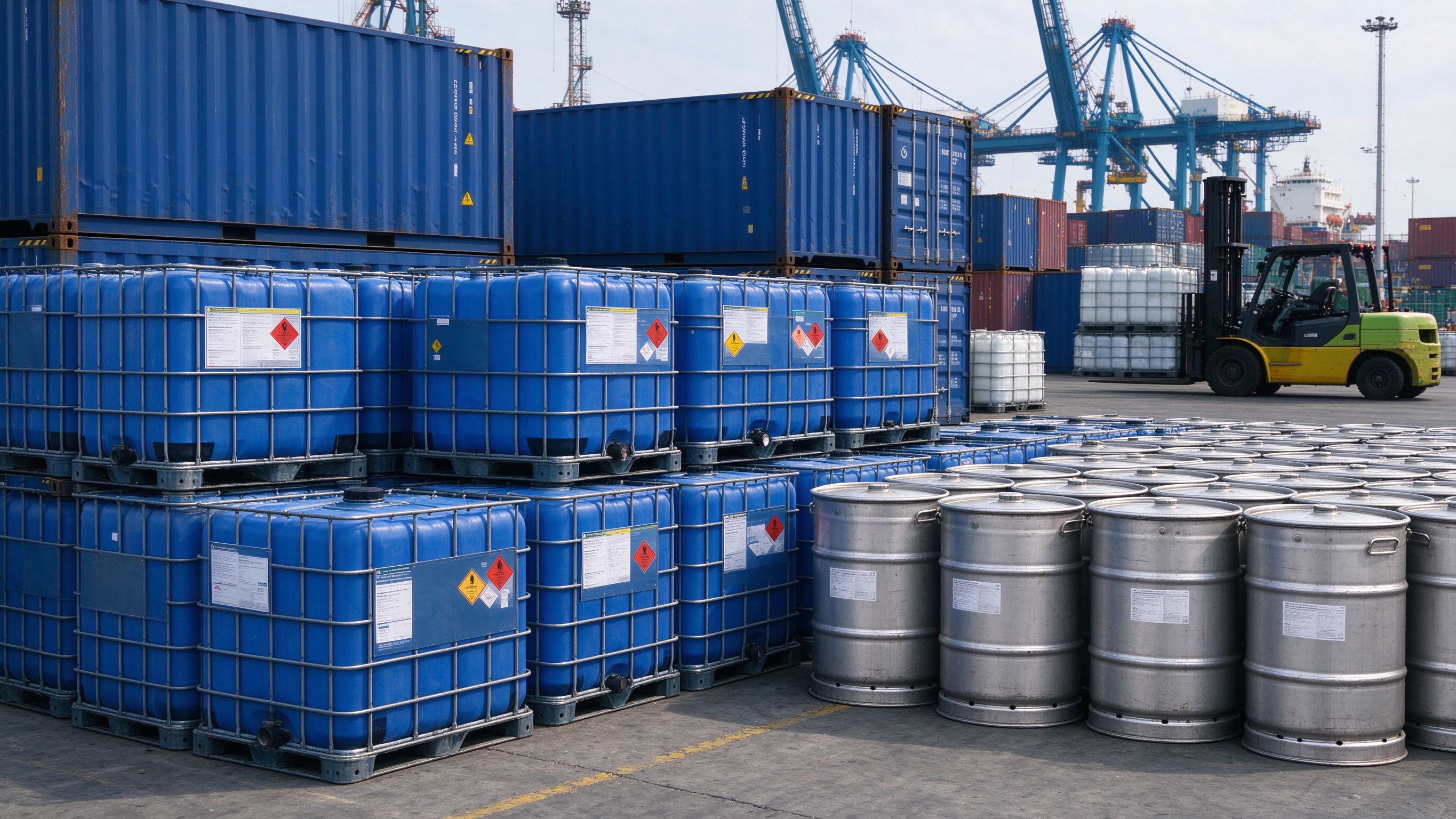
MSDS and a transport-condition appraisal come first; dangerous goods also need a packaging certificate, UN number, the correct packing group and marks. The declared name must match the appraisal conclusion, or the box gets flagged.
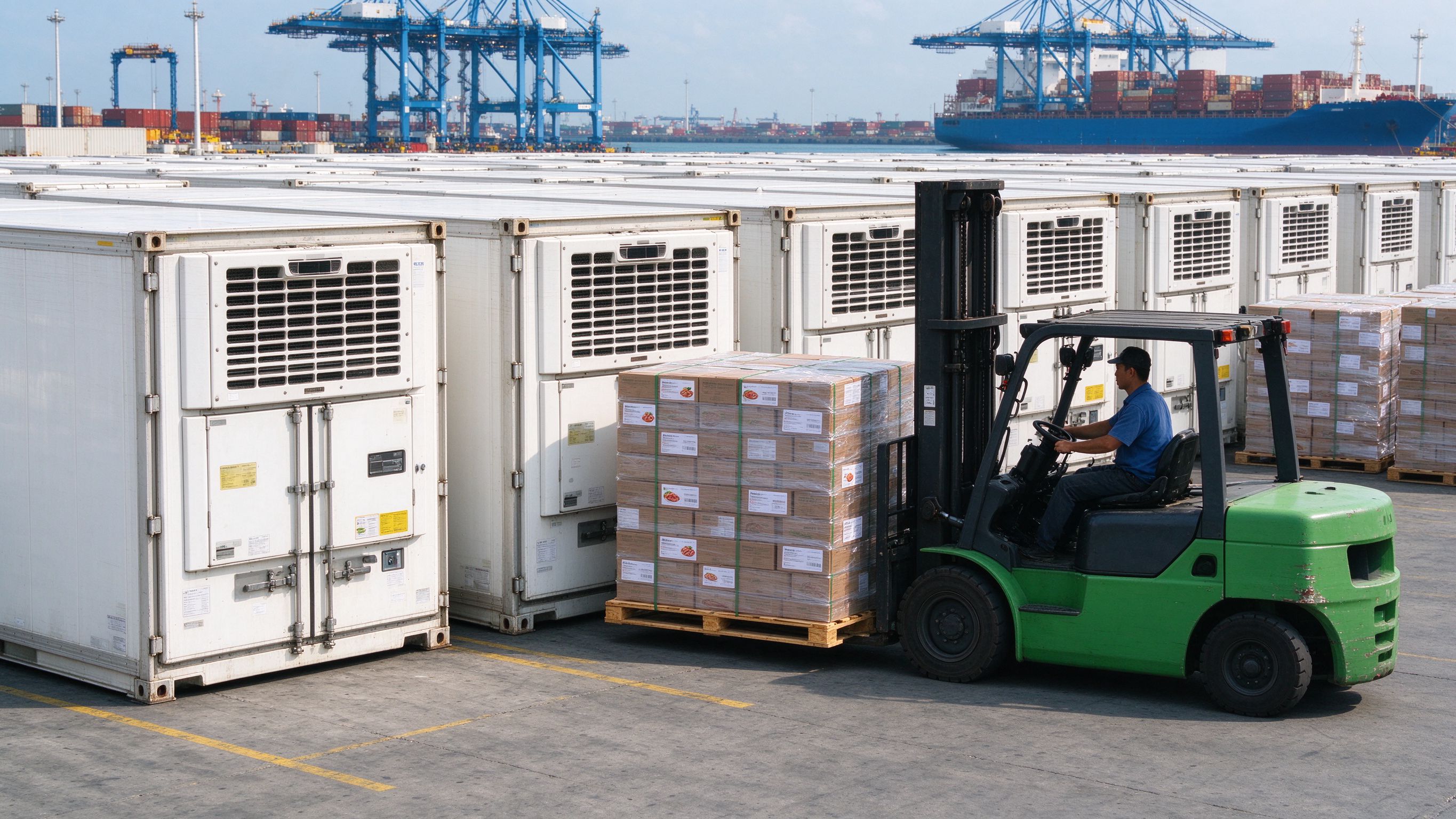
Export food needs producer registration and the matching health certificate. Cargo with solid-wood packaging needs fumigation or an IPPC mark, or it risks being returned or destroyed at destination.
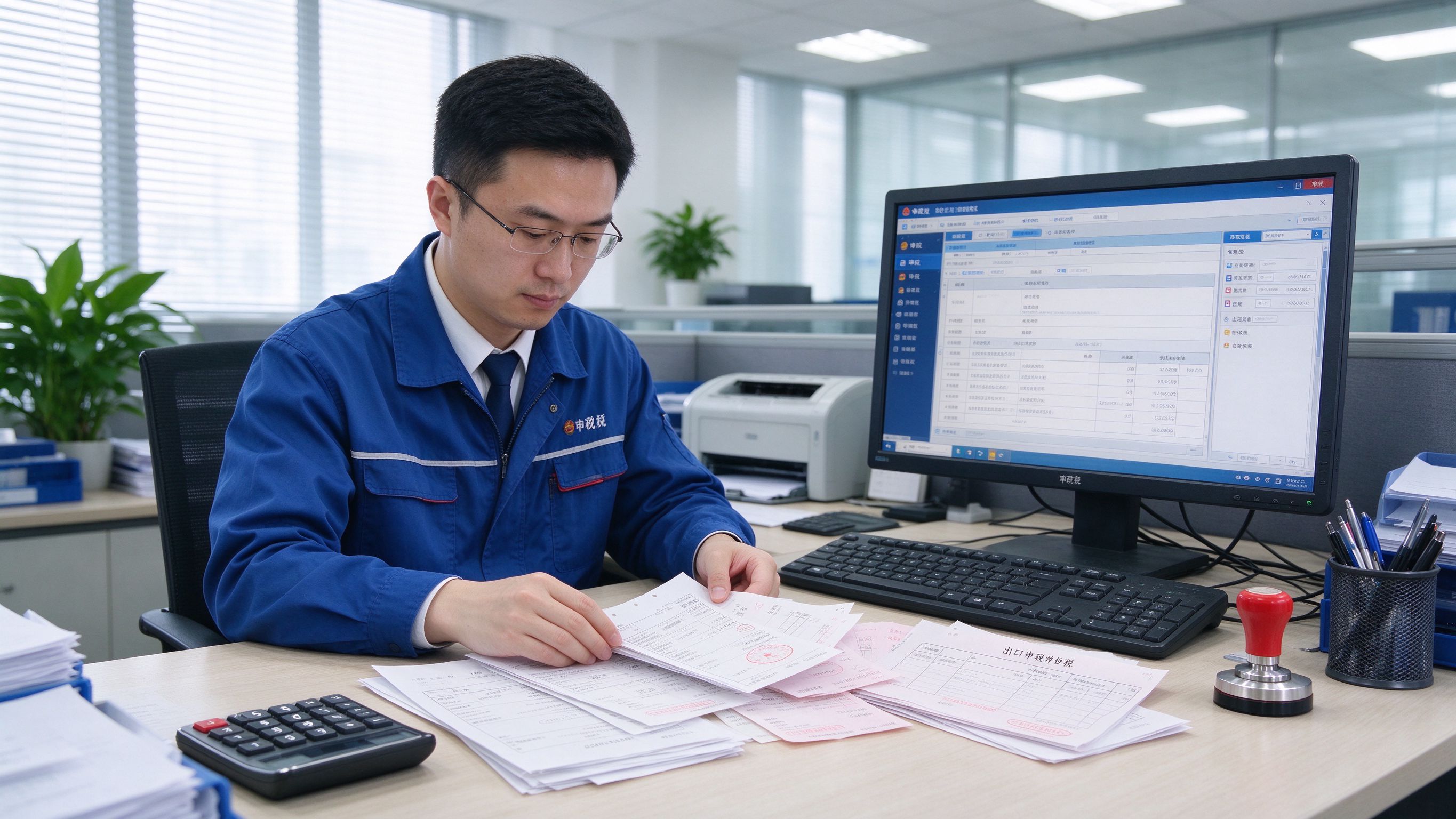
Filed in the exporter's own name, from classification through release and certificate handover — one file, one owner, no hand-offs in the middle.
For shippers without an import-export licence, or with small orders spread across many batches — filed compliantly rather than informally.
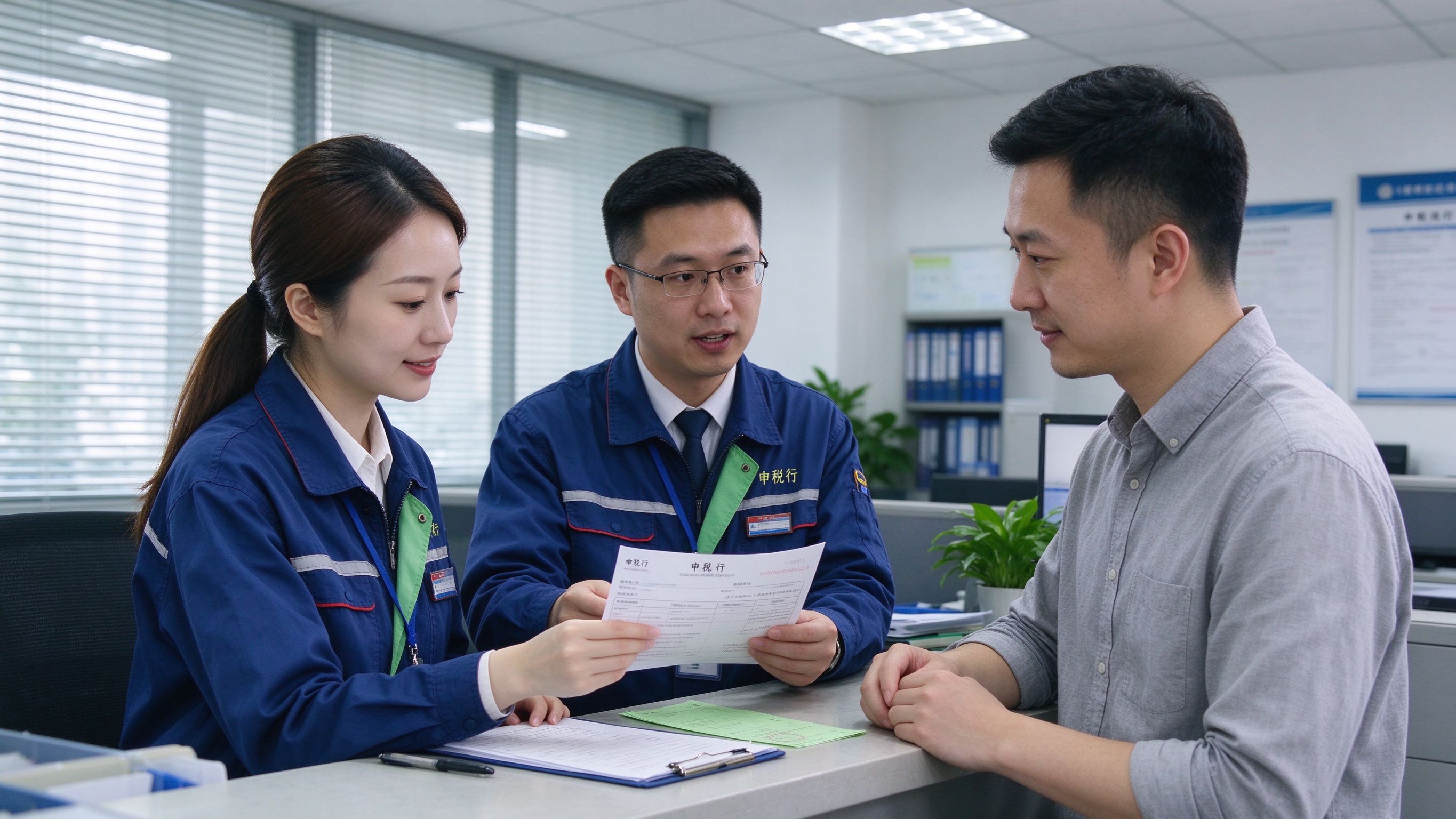
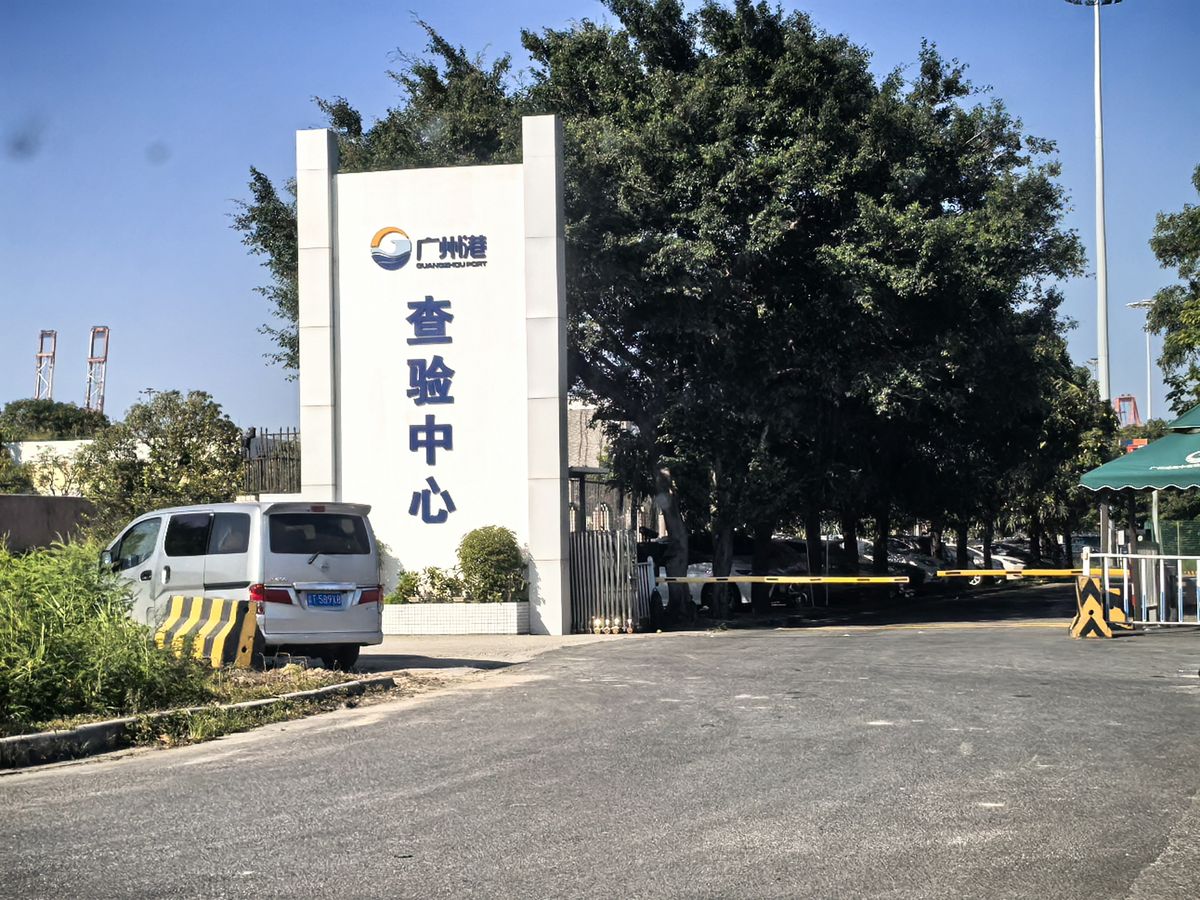
When an inspection order lands, the risk is not the exam — it is information dying in a phone call. Someone on the floor keeps it moving.
Customs clearance does not sit alone; it is pressed between stuffing, gate-in, release and loading, and the clock runs backwards from cut-off.
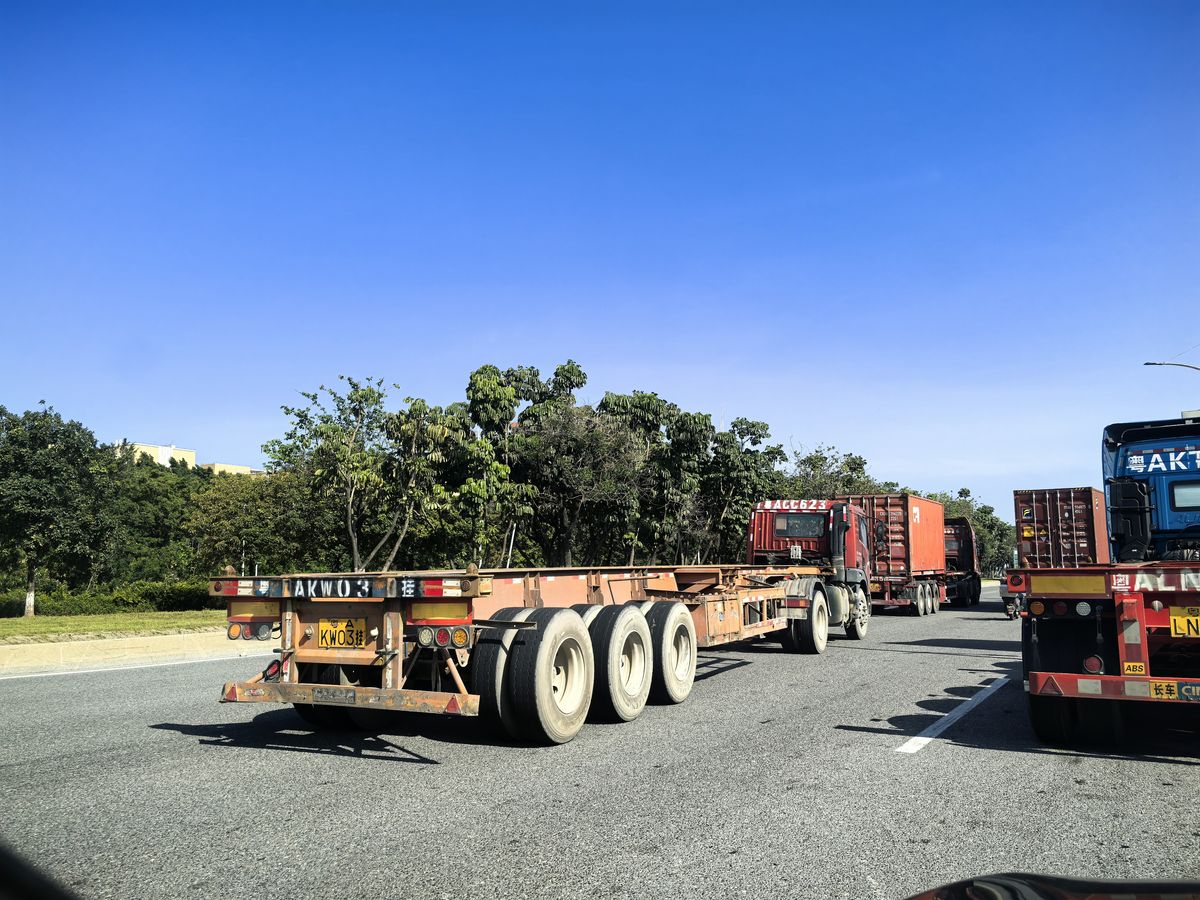
Beyond the declaration itself, an export file carries a few items that have to be prepared ahead. We keep them on the same timetable so nobody discovers a missing certificate on cut-off day.
Refund copy of the declaration, release notice and filing records archived so finance can submit inside the refund window.
Inspection and quarantine handled to the catalogue and destination rules, with the exchange certificate or clearance note wired back to the declaration.
Wood packaging treated and IPPC-marked, with a fumigation certificate issued to meet US, EU and Australia-New Zealand requirements.
Manifest filed and reconciled, bill of lading confirmed, and the declaration file archived as a complete set for later queries and audits.
When one shipment needs inspection, fumigation and a refund at the same time, confirm the whole document list at booking stage — after that it is only milestone tracking, not repeated document chasing.
The standard path for a Nansha export file. The gaps between milestones are set by the sailing schedule and the cut-off — the earlier things are confirmed, the more room there is to correct course.
Trade terms, destination country and consignee confirmed; invoice, packing list, contract and declaration elements collected
HS code, regulatory conditions and declaration elements fixed; brand, model, use and material double-checked
Vessel, terminal, cut-off and port cut-off confirmed; container and seal numbers entered and manifest completed
Declaration submitted in the Single Window, with acceptance, duty and release status tracked
Container shifting and on-site attendance if examined; terminal's receipt of the release confirmed
Cargo loaded before cut-off; bill of lading draft, declaration and refund copy delivered
The routine list below. Where a product category or destination adds requirements, the rules in force at the time of filing and at the destination port govern.
| Category | Documents |
|---|---|
| Basic set | Commercial invoice, packing list, contract (if required), declaration elements, electronic customs brokerage delegation, manifest data (container, seal, vessel and voyage) |
| Licences & permits | Export licence, dual-use item licence, CITES certificates and similar documents per the goods' regulatory conditions; export-controlled items must be confirmed in advance |
| DG & chemicals | MSDS, transport-condition appraisal report, dangerous goods packaging certificate, UN number and proper shipping name, package marks and labels |
| Food & agricultural | Export food producer registration, health certificate, certificate of origin; fumigation certificate or IPPC mark where solid-wood packaging is used |
| Tax refund | VAT invoice details, refund copy of the export declaration, foreign-exchange receipts retained as the tax rules require |
| Other | Brand authorization letter for branded goods, CCC or export quality licence where applicable, destination certificates such as CO or health certificate |
Timing: export cargo must be declared after it reaches the customs supervision area and at least 24 hours before loading. With product name, model and quantity fixed and manifest data available, the filing may be made up to 7 days before arrival.
Goodhope Freight has long handled sea export customs clearance, import clearance and cross-border transit, with operating experience at both Shenzhen and Guangzhou ports. Nansha is one of our regular export gateways.
Phase-by-phase layout, gate routes and appointment rules are familiar ground — trucks do not make empty runs and filings do not sit.
Classification logic and element completeness are verified before filing, cutting rejections and post-release amendments.
An inspection order is not bad news; a slow response is. We attend the exam center and close the paperwork the same day where possible.
Declaration, release notice and refund copy archived as a set, so the accountant is not rebuilding a file before the refund deadline.
Nansha, Shekou and Yantian are all live options for us, so a space squeeze or a schedule change can be re-routed quickly.
Cut-off, release, examination and loading — four checkpoints we report without waiting to be asked.
Scenario types shown for illustration; actual handling depends on the cargo and the declaration requirements.
Drawn from the questions that come up most in day-to-day work. Answers reflect current rules and how the Nansha terminals actually operate; the rules in force at the time of filing govern.
Tell us the cargo origin, destination port, container type and planned ship date, and we will send back a timeline: when data has to be locked, when the box has to be at the gate, and by when the declaration must clear. Then decide who files it — the timetable is worth having either way.
Sources: port scale, service counts and clearance measures summarized from Guangzhou Port Group, Guangzhou Port Authority, General Administration of Customs and Guangzhou Customs public information. Regulatory requirements follow the Customs provisions on declaration of imports and exports and the practice in force at Nansha. Photographs taken on site at the Nansha port area.
