Since 2012 NVOCC GD20230925153335 24h Response
+86 13392162503 sales8015@goodhopefreight.com Login
Goodhope Freight
Export customs clearance · Import clearance · Transit & rail connections

Yingkou Port Ocean Freight Export Customs Clearance

Yingkou handles more containers than any other port in Northeast China, but the export side runs through a narrow gate: the container berths at Bayuquan. Two customs districts cover this port, dangerous goods are limited to two classes, and foreign-trade sailings are mostly weekly. Pick the wrong district or miss the cut-off and your box waits seven days, not one.

Bayuquan Container Terminal Bayuquan Steel Base Xianrendao Liquid Bulk Liaohe Old Port Advance filing — 7 days Class 8 / 9 DG only
5.85M TEU2025 container throughput, +5.1% year on year
2 customs districtsYingkou 0940 · Bayuquan 0950
24 hoursLegal filing deadline before loading
Ask about a Yingkou shipment See the export sequence
5.85M TEUContainer throughput 2025 — 12th among China's coastal ports
220M tTotal cargo handled, 82.9M t of it foreign trade
30M tGrain moved per year — the north-to-south grain corridor
42Domestic container services, 300+ sailings a month
Port overview

A Domestic Powerhouse Where Export Cargo Runs on a Different Clock

Ninety-odd percent of the port's reputation is built on domestic volume: 42 coastal services, 300-plus sailings a month, grain and steel moving south. Export containers are the smaller part of the business, and they follow rules the domestic side never touches — a customs district, a manifest, a weekly sailing and a cut-off that will not move.

  • 1
    One gate for export boxesForeign-trade containers work out of the fifth and sixth basins at Bayuquan. Berths 53 and 54 are the NCT terminal at 14.6 and 15.5 m draft; the container terminal company works around berth 57. Confirm terminal before you book.
  • 2
    Weekly sailings, not dailyForeign services are mostly Incheon, Japan and Southeast Asia. Missing a cut-off usually costs a full week, so the back-schedule counts in sailings, not in days remaining.
  • 3
    Dangerous goods: two classes onlySince July 2025 the container terminal holds a port DG operating permit for class 8 corrosives and class 9 miscellaneous — lithium batteries and EVs included. Class 3 and class 6 still have to move through Dalian.
  • 4
    Grain, steel and rail underpin the portAbout 30 million metric tons of grain a year, the strongest rail-sea volume in Northeast China, and block trains to Europe through Manzhouli. Export routings usually start from one of those three.
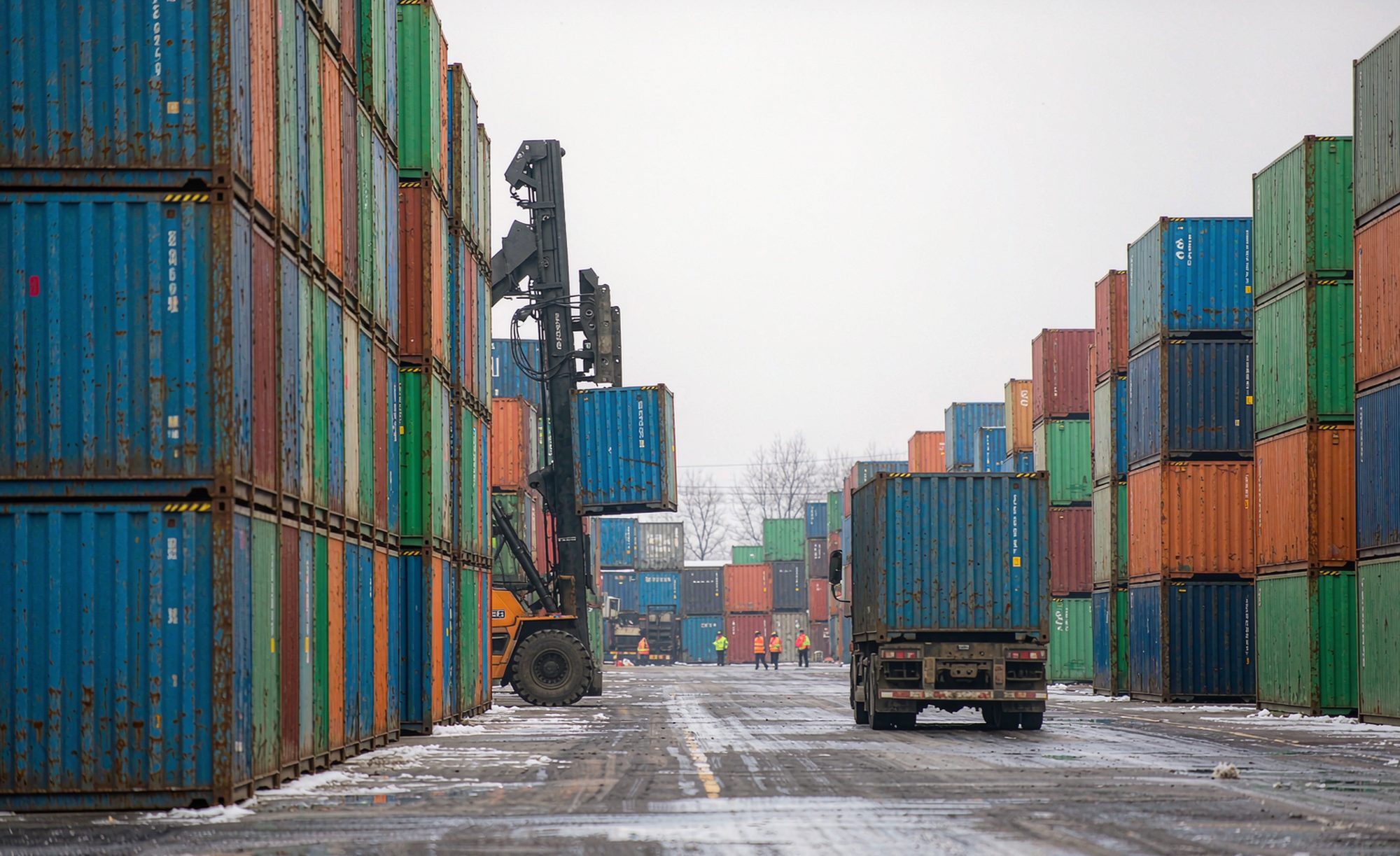
Container yard and reach stacker at Bayuquan terminal, Yingkou Port
On the ground Gate-in — release — load Manifest first · cut-off backwards · transit aligned

Quick answer

Yes, you can export through Yingkou — if your cargo is general, grain, steel, or a class 8 / class 9 dangerous good, and if your sailing is one you can plan a week around. Anything in classes 3 or 6, or a shipment that needs daily departures, belongs at Dalian or another hub. We will tell you which one on the first call rather than after the truck is loaded.

Throughput, berth and service figures come from China's Ministry of Transport port statistics, the Yingkou municipal government and Liaoning Port Group disclosures for 2025; the customs split follows the sub-district responsibilities published by Dalian Customs. Panjin is a separate port with its own customs district and is not counted in Yingkou's totals. Berth windows and cut-offs are always confirmed against the carrier's current notice.

Terminals and districts

Three Port Areas, Two Customs Districts — Choose the Area First

Bayuquan does containers and general cargo, Xianrendao does crude and liquid chemicals, Liaohe Old Port does local breakbulk. Booking the wrong area is not a longer drive — it is a re-declaration.

Bayuquan Customs · 0950

Bayuquan Container Area

Fifth and sixth basins, south side of the port

Draft
14.6 m and 15.5 m at berths 53 / 54
Channel
250,000 DWT single-lane; fifth-generation boxships
Services
Incheon, Japan, Southeast Asia; 42 domestic
Sequence
Gate in, arrival report, release, load
Best for: FCL exports, near-Asia sailings, EVs and lithium batteries (class 9)

NCT capacity is 1.2 million TEU and handled 2.33 million in 2024 across two berths.

Bayuquan Customs · 0950

Steel Base & General Berths

North side of Bayuquan, plus Beihai

Cargo
Steel slab, coil, sections; project pieces
Channel
50,000 DWT at the steel base; 10,000 DWT at Beihai
Berths
General cargo berths 1 to 6 on the steel base
Sequence
Piece-by-piece entry, embedded supervision
Best for: Full-ship steel, long and heavy project cargo

Weight, center of gravity and lifting points have to match the terminal's loading plan before filing.

Xianrendao office · 0950

Xianrendao Liquid Bulk

Gaizhou, south of Bayuquan

Cargo
Crude, refined product, liquid chemicals
Berths
300,000 DWT crude berth; 201–203 (50,000 DWT) opened 2024
Mode
Bulk liquid, pipeline and tank farm
Sequence
Bulk liquid and DG chemical regime
Best for: Full-cargo liquid parcels and tanker operations

No containers here. Liquid chemical filings run on a different track from box cargo.

Yingkou Customs · 0940

Liaohe Old Port

Liao River mouth, Yingkou city

Location
Liao River estuary, city side
Cargo
Breakbulk and small near-sea parcels
Status
Restarted in 2025; west channel dredged
Sequence
Declaration at 0940, not 0950
Best for: Local breakbulk, small lots, barge connections

Filing under the wrong district code here is the single most common cause of a rejected entry.

ItemBayuquan (containers)Xianrendao (liquid bulk)Liaohe Old Port
Customs district0950 Bayuquan Customs0950 (Xianrendao office)0940 Yingkou Customs
Filing sequenceGate in, arrival report, release, loadBulk liquid and DG chemical processBreakbulk and near-sea vessel schedule
Main cargoFCL, LCL, EVs and lithium batteriesCrude, product, liquid chemicalsBreakbulk, small near-sea lots
Sailing density300+ domestic a month; weekly foreignBerth window drivenBarge and near-sea driven
Dangerous goodsClass 8 and 9; class 4.2 pendingBulk liquid regimeNo container DG
Truck radiusShenyang, Anshan, Liaoyang, Panjin same dayPipeline-first, road secondaryYingkou city and nearby

Compiled from the sub-district responsibilities published by Dalian Customs and current working practice at Yingkou. For any single shipment, the berth, cut-off and inspection arrangement are set by the carrier and terminal notice in force that week.

What we handle

Eight Export Customs Clearance Lanes, Split by Cargo Type

A container of hardware, a shipload of steel, a grain parcel and a lithium battery rack share a port but not a process. Each lane has its own documents and its own backward schedule.

SERVICE 01

FCL export declaration

Booking data checked against the pre-manifest, container and seal numbers reconciled, entry filed through Single Window, release chased and the file closed out after sailing.

FCLSeal checkClosure
SERVICE 02

LCL consolidation

Local LCL capacity at Yingkou is thin: most cargo is consolidated in Shenyang or Dalian first, which decides where the declaration actually happens. We settle that before booking.

LCLShenyang CFSMulti-entry
SERVICE 03

Special equipment

Open top, flat rack and reefer boxes declared at real dimensions, weight and set temperature. With weekly sailings, a rolled special box waits a full cycle — lashing plans get fixed early.

Open topFlat rackReefer
SERVICE 04

Steel and breakbulk

Slab, coil and section cargo handled at the steel base and general berths, declared piece by piece, with weights and lifting points aligned to the terminal's loading plan.

SteelPer pieceLoad plan
SERVICE 05

Grain and agri exports

Corn, soybean meal, feed and processed grain, with draft survey, fumigation and phytosanitary work alongside the entry. Bulk silo loading and bagged or containerized cargo need different paperwork.

Bulk grainFumigationPhytosanitary
SERVICE 06

Dangerous goods and EVs

Class 8 corrosives and class 9 miscellaneous goods, including lithium batteries and new energy vehicles. UN number, DG packaging certificate and packing certificate of the container must line up before the box is stuffed.

UN numberDG certificateClass 9
SERVICE 07

VAT refund file and export agency

After closure: entry data, release message, terminal receipt and the invoice trail. If you have no import-export right, we export through a licensed entity and make sure the refund and foreign exchange path still works.

Refund fileArchiveAgency export
SERVICE 08

Import clearance and transit

Near-sea imports from Korea and Japan, iron ore and oil imports, plus transit exports: declare at Yingkou and ship out through Dalian, or route by block train through Manzhouli.

ImportTransitBlock train
The sequence

Yingkou Export Clearance in Eight Steps — and Where a Week Disappears

Nothing in the sequence is unusual. What is unusual is the penalty for being late: with a weekly sailing, one missed day turns into one missed week.

1

Book and fix the area

Confirm vessel, box type and the loading area — container berths or general berths — then get the pre-manifest and cut-off. District code follows the area, not the city.

2

Classify and check elements

HS code, declaration elements, brand, function and composition. License-controlled goods get checked at booking, not when the truck reaches the gate.

3

Draft and review the entry

Quantity, value, terms and currency reviewed in-house. Amendment windows at Yingkou are narrow because the volume is small, so fixes belong before filing.

4

File in advance

Export entries can be lodged up to seven days before the cargo reaches the supervised area. The box must still arrive on time or the entry is canceled.

5

Gate in and report arrival

The terminal sends the arrival report and customs issues release or an inspection order. This step belongs to the terminal, not the broker — nobody can shortcut it.

6

Review, inspect, release

Straight release, or an inspection that needs a devanning slot and someone on site. On a weekly sailing, that day has to be inside the buffer already.

7

Load and confirm the manifest

Loading against the release message, container and seal checked against the B/L. For transit cargo, the transit document and export manifest are confirmed in the same pass.

8

Close out the file

Once the vessel sails, the entry is closed and the declaration, release message and terminal receipt are assembled for the refund file.

Two clocks, not one. Under GACC Order 277, an export entry must be filed after the cargo reaches the supervised area and at least 24 hours before loading; qualifying shipments may be filed up to seven days ahead (extended from three days from 2026), and an entry whose cargo does not arrive on time is canceled. At Yingkou the practical deadline is the carrier cut-off, and because foreign sailings are mostly weekly, we work back from that: trucking one day, gate-in one day, inspection one to two days.
Documents

What the File Needs Before Anything Is Filed

Complete, mutually consistent documents are what makes an advance filing worth doing. Split into the base set and the add-ons by cargo type.

Base set — every shipment

  • ✓
    Export declarationFiled through Single Window; data must match the physical cargo.
  • ✓
    Sales contract or purchase orderTerms, currency and Incoterm consistent with the invoice.
  • ✓
    Commercial invoice and packing listDescription, quantity, packages, gross and net weight, volume, marks.
  • ✓
    Customs power of attorneyElectronic authorization accepted, but it has to be valid and cover this shipment.
  • ✓
    Booking and pre-manifest dataVessel, voyage, box type, loading area and cut-off time.
  • ✓
    Refund and settlement noteWhere a VAT refund applies, the shipper of record must match the invoice issuer.

Add-ons by cargo type

  • ✓
    LicensesExport license, dual-use item license and similar controlled-goods permits.
  • ✓
    Certificate of originCO, Form E or Form A, chosen against the destination tariff preference.
  • ✓
    Grain and agri papersDraft survey or weighing record, phytosanitary certificate, fumigation or heat treatment proof.
  • ✓
    Dangerous goods fileMSDS, DG packaging certificate, UN number, packing group and container packing certificate.
  • ✓
    Steel and breakbulk listPiece list with dimensions, unit weight, center of gravity and lifting points.
  • ✓
    Transit and rail documentsTransit declaration, export manifest, block train booking and container list.
Facilitation note. Yingkou runs paperless filing and electronic authorization, and supporting documents are submitted electronically only if the officer asks during review. Requirements still differ by commodity and trade mode — general trade, processing trade, cross-border e-commerce under 9610, 9710 or 9810. The officer's review governs, which is why we pre-check the file rather than file and hope.
Clearance modes

Four Ways to Clear Cargo at Yingkou — Match the Mode to the Sailing

Advance filing, direct loading, transit through another port, or rail-sea connection. Same cargo, very different exposure if something slips.

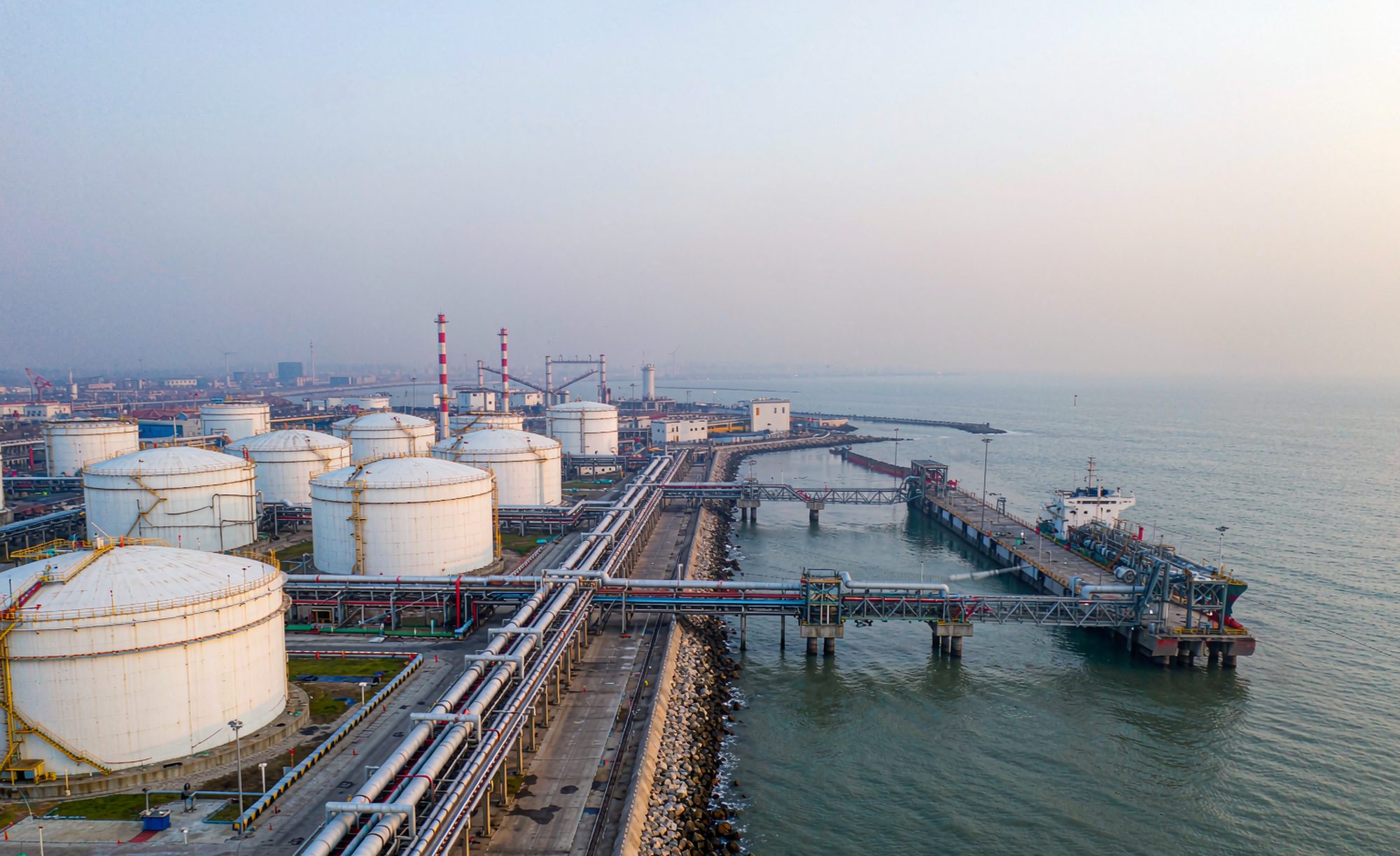
Crude oil and liquid chemical berths at Xianrendao, Yingkou Port
Xianrendao liquid bulk berths — a separate customs track from container cargo, under the same Bayuquan district.

Advance filing — up to 7 days

Lodge the entry once the manifest data and cargo are settled, then let the box release on arrival. On a weekly sailing, the hours saved at the terminal are often what decides whether the shipment makes the vessel at all.

Direct loading on arrival

Cargo goes from gate to vessel without landing in the yard. Right for tight sailings and large FCL batches, and unforgiving about truck timing and document accuracy.

Transit export

Declare at Yingkou and ship out through Dalian, or the reverse. The transit document, container numbers and export manifest have to correspond one to one, and both ends need watching.

Rail-sea connection

Block trains leave from Bayuquan through Manzhouli, reaching Moscow in roughly 11 days, with services to 22 Chinese cities and 30-plus routes inside Russia. Filing location and exit point are fixed at booking, not later.

By cargo type

The Cargo Mix Here Is Narrow — and That Makes Templates Dangerous

Grain, steel, ore, general container cargo, plus EVs and lithium batteries. A narrow mix means each category carries more volume, not less risk.

General consumer goods

Textiles, plastics, homeware and hardware: the work sits in matching description and specs to every declaration element, with brand and refund rate checked.

Grain and feed

Bulk, bagged and containerized grain carry different documents; weighing data, fumigation and phytosanitary papers have to agree with each other.

Steel and slab

Declared per piece. Grade, spec and unit weight must be accurate, and the sequence has to match the terminal's loading plan or the whole ship shifts.

EVs and lithium batteries

Class 9 dangerous goods: UN number, DG packaging certificate and container packing certificate. Vehicles are declared unit by unit with VIN, never by estimate.

Corrosive chemicals

Class 8 can work at Yingkou, but only after a hazard determination and confirmation that the terminal holds the permit and the packing group matches.

Machinery

Model, function and new-versus-used status declared consistently; accessories and spare parts listed separately instead of folded into the main unit.

Ore and bulk

Mostly import: iron ore and coal, where weight determination, quality certificates and manifest data matter. On export the constraint is the loading plan.

Special equipment cargo

Overheight, overwidth or temperature-controlled cargo declared at real dimensions and weight, with lashing plans and carrier acceptance confirmed early.

Compliance reminders — four things not to leave loose

1. Confirm the DG class is actually handled here. The container terminal holds permits for classes 8 and 9; class 4.2 is in application and classes 3 and 6 go through Dalian. Check before booking, not at the gate.

2. Do not mix up the districts. Bayuquan is 0950, Yingkou Customs is 0940, the bonded logistics center is 0951. A wrong district or port code is one of the most common reasons an entry comes back.

3. Close the refund loop. Entry, invoice, foreign exchange collection and the exporting entity must line up. Exporting under someone else's name changes who owns the refund, so settle the structure first.

4. Keep the statistics honest. Panjin is a separate port with a separate customs district and is not part of Yingkou's throughput. Mixing the two in a proposal does not survive the first question.

Working cases

Six Shipments, Six Places Where Yingkou Bites

Rarely the process. Usually a district, a sailing, or a certificate that surfaced the day the cargo reached the port.

Bayuquan · FCL01

Four days to a weekly sailing, and the wooden frames had no fumigation paper

Cargo & lane. Two 40HQ of flat-pack furniture from a Shenyang factory, Incheon service ex Bayuquan basin five, one sailing a week.

Where it jammed. The invoice with material and brand detail arrived Monday. One container carried timber frames needing a fumigation certificate. Miss the vessel and the next one is seven days out, with storage accruing daily.

What we did. Classified both containers the same night; filed and released the clean one and released its truck; sent the timber shipment for fumigation and filed once the certificate issued. Gate-in for the two boxes was split across two days instead of stacked on the cut-off.

Outcome. Both released and gated in before cut-off, both on the same vessel. The lesson is running waiting for the certificate and waiting for release in parallel — in series, a weekly sailing is gone.

Class 9 · batteries02

Lithium modules that needed three approvals before anyone could book

Cargo & lane. Eight 40HQ of energy storage lithium modules, Bayuquan to Southeast Asia.

Where it jammed. Lithium ion batteries are class 9: UN number, DG packaging certificate and container packing certificate, plus proof the terminal can handle class 9 and the carrier will accept it. Any one missing stops the shipment.

What we did. Verified packaging and the certificate against UN3480, re-checked MSDS and hazard data, confirmed the NCT class 9 permit and mixed-stacking approval before booking, then stuffed under supervision with the packing certificate travelling with the box.

Outcome. Loaded on schedule. With batteries the entry is the easy part — permit, packaging and carrier acceptance must all be true at the same time.

Class 8 · corrosive03

Sixteen phosphoric acid tanks, filed and collected the same day

Cargo & lane. Phosphoric acid in 16 twenty-foot tank containers through the Bayuquan container terminal.

Where it jammed. Class 8, so packing group had to match the UN number, and part of the lot was to be collected straight off the quay. Truck eligibility and route approval had to be in place before a narrow working window opened.

What we did. DG certificate and packing certificates ready in advance, entry filed on the class 8 track, collection trucks vetted and routes registered, someone on site so boxes were released as they landed.

Outcome. Filed and collected same day, no storage. The cost of corrosive cargo sits in vetting, not in the declaration.

Steel base · breakbulk04

18,000 tons of slab and one weight table that did not reconcile

Cargo & lane. Slab and coil, 18,000 metric tons, breakbulk vessel ex the steel base, Southeast Asia.

Where it jammed. Declared per piece, with heat numbers, unit weights and dimensions that must reconcile with the tally and the loading plan. A large discrepancy means re-stowing, and the ship sails later.

What we did. Built the piece list by heat number, re-checked the tally against it before loading, investigated anything out of tolerance before filing, and aligned the loading plan with the terminal in advance.

Outcome. Loaded in one pass, no amendments. Breakbulk is never about document count; it is about whether piece A matches piece B on paper and on the quay.

Grain · bulk05

Bulk corn by-product where the survey and the fumigation were a day apart

Cargo & lane. Processed corn product in bulk, loaded at the grain berth for Korea.

Where it jammed. Bulk weight comes from the draft survey, and the declared quantity has to match it. Fumigation and phytosanitary steps also had to sit inside the loading window — dates out of order invite questions at review.

What we did. Completed the survey and issued the record before loading, scheduled fumigation against the vessel, filed on the survey figure, and submitted the document chain in the order the work actually happened.

Outcome. Released first time. With grain, the thing to watch is whether weighing, quarantine and loading dates form one line.

Transit · Dalian06

Filed at Yingkou, loaded at Dalian — and one manifest nobody confirmed

Cargo & lane. Machinery in three 40HQ, declared at Bayuquan, feeder to Dalian, ocean vessel to Europe.

Where it jammed. Transit export links three datasets: the origin declaration, the transit document and the export manifest. The client saw the origin release and assumed the job was done while the Dalian manifest was still unconfirmed.

What we did. Fixed the transit mode and carrier at filing, logged transit document numbers against container numbers, and checked both ends daily until the export manifest was confirmed.

Outcome. Made the booked vessel. Transit risk is rarely the declaration; it is the information gap between two ports.

These are sanitized working cases: client names, vessel names and part of the weight data have been changed or rounded, while the operational sequence reflects how each shipment was actually handled. Cut-off times and document requirements for any given sailing are set by the carrier's notice in force.

FAQ

Yingkou Export Customs Clearance: 10 Questions Shippers Ask

The questions that come up most from exporters using Bayuquan, answered the way we actually work.

How far ahead should I start an export clearance at Yingkou?
Work back three to four working days from the carrier cut-off. The legal requirement is filing after the cargo reaches the supervised area and at least 24 hours before loading; qualifying shipments can be filed up to seven days ahead. Because foreign sailings here are mostly weekly, the buffer should be wider than at a high-frequency southern port.
Which terminal handles foreign-trade containers?
The fifth and sixth basins at Bayuquan. Berths 53 and 54 belong to the NCT terminal with 14.6 m and 15.5 m draft, and the foreign service is Incheon; the container terminal company works around berth 57. The exact berth for your vessel comes from the carrier's berthing plan that week.
Can I ship dangerous goods through Yingkou?
Only certain classes. Since July 2025 the container terminal holds a port DG operating permit for class 8 corrosives and class 9 miscellaneous goods, and the NCT terminal also has class 9 mixed-stacking approval. Class 4.2 is under application; classes 3 and 6 currently have to move through Dalian.
How do lithium batteries and electric vehicles move through here?
As class 9 dangerous goods: UN number, DG packaging certificate, packing group and container packing certificate, stuffed at a qualified facility. Vehicles are declared unit by unit against the VIN. Confirm carrier acceptance and the terminal's current permit scope before you book.
What is different between domestic and export cargo at Yingkou?
Domestic boxes never enter the customs process — they run on terminal documents only, with 300-plus sailings a month. Export boxes need an entry, a manifest, weekly-sailing planning and a single terminal area. Applying domestic timing habits to an export shipment is the most common planning error.
Can I export without an import-export right?
Yes, through a licensed entity acting as shipper of record. Be clear on the trade-off: the shipper of record owns the VAT refund and the foreign exchange collection. If a refund is part of your margin, confirm the compliant structure before the cargo moves.
When do I get the documents for a VAT export refund?
After the entry is closed out following sailing: declaration data, release message and terminal receipt, matched with the VAT invoice and settlement record. The shipper of record, consignor and invoice issuer must be consistent, and the description and code must line up, or the refund review will ask for explanations.
How does LCL work out of Yingkou?
Local consolidation capacity is limited, so most LCL cargo is consolidated in Shenyang or Dalian first, which determines where the declaration happens. LCL is filed per shipment, with several entries inside one container, and the CFS must finish receiving and stuffing before the warehouse cut-off, which falls earlier than the carrier cut-off.
What if I declare at Yingkou and sail from Dalian?
That is a transit export: release at Bayuquan, transit document issued, feeder to Dalian, export manifest confirmed there before loading. Transit document, container numbers and export manifest must correspond one to one, and both ends need checking — the origin release alone does not mean the box will load.
Can I still make the vessel if my container is inspected?
It depends on the inspection slot and the cut-off. Allow one to two days for an inspection, and if the numbers do not work, moving to the next sailing is cheaper than forcing this one — storage, shifting and re-stowing usually cost more than the wait. An inspection is routine enforcement, not a finding.
Why us

Why Exporters Hand Their Yingkou Customs Clearance to Goodhope

The work here is not won on a line-item price. It is won on knowing which district, which area and which sailing, and having someone at the terminal when the answer changes.

01

Shenzhen desk, Yingkou hands

Booking, documents and client communication run from Shenzhen; our Northeast team covers Bayuquan on site, so inspections, amendments and container-return exceptions get answered the same day.

02

A document review before filing

Classification, elements, value and quantity are checked internally first, moving amendment and inspection risk upstream instead of paying for it in terminal storage.

03

District and port codes right the first time

Bayuquan 0950, Yingkou Customs 0940, bonded logistics center 0951 — chosen by where the cargo physically sits, not by habit.

04

Northeast trucking and rail on one line

Shenyang, Anshan, Liaoyang and Panjin pickups, CFS loading, gate-in and rail-sea connection scheduled by one coordinator rather than passed between vendors.

05

Dangerous goods we can actually handle here

Class 8 and 9 go through the DG filing route; classes 3 and 6 are told plainly to use Dalian. We do not take cargo the terminal cannot load.

06

Itemized pricing, actual-cost settlement

Brokerage, trucking, inspection and terminal charges are listed separately, with what actually happened settled against receipts.

GET IN TOUCH

Yingkou export clearance —
hand us the sailing and the paperwork

Tell us the commodity, package count and weight, destination port, target sailing and loading area — container berths, steel base or Xianrendao. We will come back with the terminal that fits, the document list and a back-planned timeline.

Request a quote
CompanyShenzhen Weihangyunda International Freight Forwarding Co., Ltd.
BrandGoodhope Freight · Goodhope Logistics (China) Limited
Phone / WhatsApp+86 133 9216 2503
Emailsales8015@goodhopefreight.com
OfficeShenzhen · Shanghai · Yingkou coverage
HoursMon–Sat, 9:00–18:00 (GMT+8)
call us: +86 13392162503