Since 2012 NVOCC GD20230925153335 24h Response
+86 13392162503 sales8015@goodhopefreight.com Login
Goodhope Freight

Home / Customs & Value-Added / Import and export clearance, Shenyang Taoxian Airport

Shenyang Taoxian Airport Import & Export Clearance

Taoxian is the only large air gateway in northeast China. It handled 210,000 tonnes of cargo in 2025, a record, and it is shared by eight cities across Liaoning. Export volume moves on two trans-Pacific e-commerce freighters and on Japan and Korea lanes. What makes the airport valuable on the import side is different: chilled seafood, fruit and live aquatic animals all clear inside the same supervised cargo premises, so perishables bound for the northeast no longer have to be cleared in Beijing or Zhengzhou first. What decides whether your shipment flies is neither of those things — it is a single runway with a sharp morning and evening peak, one cargo terminal, and a winter that runs at minus twenty.

Airport logistics supervision center Apron-side direct transfer 1,800 m² insulated hold-over warehouse Advance filing Two-step declaration Appointment clearance
210,000 tCargo handled in 2025, the highest in northeast China
3Designated import sites: chilled seafood, fruit, live aquatic animals
4 → 2Handover steps on apron-side domestic-to-international transfer
210,000 tCargo in 2025, a record
along with passengers and movements
8 citiesShenyang, Fushun, Benxi, Anshan,
Tieling, Liaoyang and neighbors
2 lanesTrans-Pacific e-commerce freighters
Los Angeles four times weekly, Miami since 2025
~5 hoursClearance for an e-commerce freighter
at roughly 80 tonnes per flight
Airport profile

One Runway, One Cargo Terminal, One Winter
The Constraint Is Ground Handling, Not Filing

Shenyang Taoxian International Airport (IATA SHE, ICAO ZYTX) sits 20 km south of the city center in Hunnan District. It is a 4E airport with a single 3,200 m runway, a 248,300 m² Terminal 3, and a design capacity of 25 million passengers and 420,000 tonnes of cargo a year. In 2025 it moved 24.93 million passengers, 163,500 aircraft movements and 210,000 tonnes of cargo — all three records, and the highest of any airport in the region. A second runway is under construction with a new cargo building, planned for around 2030.

Passenger numbers mean little to a shipper. The number that matters is that this is a single-runway airport serving a metropolitan group of more than 20 million people, with a flight bank concentrated into a few hours a day. One international cargo terminal handles everything that does not come by truck, so the queue after release is a real queue, not a formality.

  • 1
    There is one place to hand over export cargoThe customs-supervised premises are operated by Shenyang Airport Logistics Co. Receiving, screening, build-up, loading and inspection all happen inside that fence. A customs release gets you into the queue; it does not get you on the aircraft.
  • 2
    Exports run on freighters, imports run on permitsLos Angeles gets a dedicated e-commerce freighter four times a week, with 205 rotations and 15,533 tonnes carried in 2024; Miami was added in April 2025. On the import side the asset is regulatory: chilled seafood, fruit and live aquatic animals are all designated for this port.
  • 3
    Apron-side transfer is the best piece of infrastructure hereCargo arriving on a domestic flight and leaving on an international one can cross from the domestic to the international area on the apron itself. Handover steps drop from four to two, terminal processing time falls by nearly 80%, and handling cost drops by more than 30%.
  • 4
    Winter is an operating condition, not a seasonFrom December to February the apron sits between minus 12 and minus 25. Perishables, flowers and anything with a gel pack lose value while they wait on the tarmac. The airport has an 1,800 m² insulated hold-over warehouse, but the slot has to be booked before cargo arrives.
Who files the entry? On FOB, CFR and CIF terms the China-side export declaration is the supplier's obligation, and on EXW it is yours. Either way the release date is yours to lose: on a single-runway airport with one terminal, a filing that lands two hours late costs a day, not an afternoon.
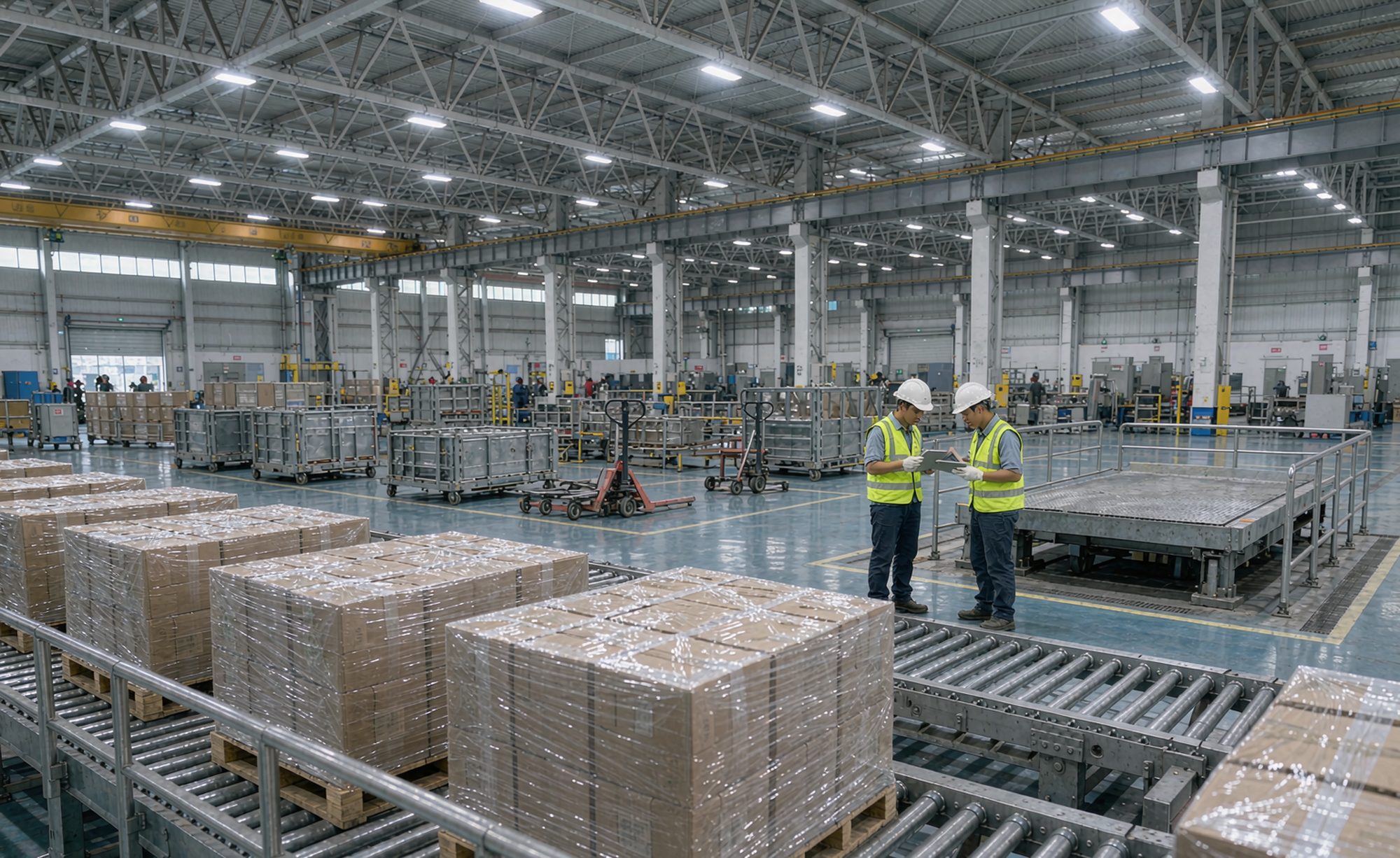
Palletized export freight on roller decks inside an air cargo terminal
On the ground Arrival — release — build-up Manifest first · cut-off back-planned · winter hold-over

In short

Customs clearance at Shenyang Taoxian Airport covers two directions. On export, the entry is filed against the air waybill, released by Shenyang Taoxian Airport Customs, and the cargo is then received, screened and built up at the single international terminal before loading. On import, the entry can be filed as soon as manifest data exists, and perishables move under two-step declaration with a two-stage release so they can leave the supervised premises before laboratory results arrive. Goodhope Logistics (China) Limited files both directions, arranges pickup and delivery, and follows the shipment until the manifest closes.

Note: airport scale, throughput and route data come from CAAC and Liaoning Airport Management Group publications; customs structure, working hours and supervision premises come from Shenyang Customs public information; clearance timings come from Shenyang Customs facilitation reporting in 2025. Flight schedules, cut-off times and terminal receiving windows are set per flight by the airline and terminal, and change seasonally.

Premises matrix

Four Ways to Handle the Same Airport, Four Different Sequences

Taoxian is not split into port areas the way a seaport is, but the regulatory routes are separate: general cargo at the international terminal, apron-side transfer for domestic-to-international freight, designated sites for perishables, and list declaration for e-commerce and express. Send a shipment down the wrong one and the paperwork is fine and the cargo still stops.

Taoxian Airport Customs · 807

Airport Logistics Supervision Center

Konggang First Street, Taoxian, Hunnan

Operator
Shenyang Airport Logistics Co., the single international cargo terminal
Handles
Import and export cargo on freighters and belly hold
Sequence
Advance filing, release on arrival, then receiving and screening
Hours
Terminal operates around the clock; the customs counter runs 09:00–12:00 and 13:30–16:30 on weekdays
Best for: general cargo, machinery and electrical goods, auto parts, pharmaceuticals and chemicals moving as a full consignment. Not for: e-commerce parcels, which clear on a list, or perishables, which have their own designated site.

The declarant counter is on the second floor of the logistics building. Outside counter hours, clearance runs on an appointment basis.

Under Shenyang Customs District

Apron-Side Transfer Area

Domestic-to-international, on the tarmac

Where
Between the domestic and international zones, on the apron
Handles
Cargo flown in domestically that departs Shenyang internationally
Sequence
Crosses directly, with no exit-and-reentry and no second screening
Gain
Handover steps cut from four to two; processing time down nearly 80%
Best for: cut flowers from Guiyang, high-value freight from Kunming and Chengdu connecting to international flights, and e-commerce transit cargo. Not for: cargo that has not been declared for transit at origin.

Manifest data, cargo tracking and security screening results are shared with customs through the single window, and the release instruction goes straight to the terminal and the airline.

Designated supervision sites

Cold Chain and Perishables Zone

Chilled seafood · fruit · live aquatic

Designated
Imported chilled seafood, fruit, and live aquatic animals
Facilities
Temperature-controlled cold rooms and handling equipment for live product
Sequence
Two-step declaration with two-stage release; sampling does not hold the cargo
Onward
Bonded cold-chain multimodal transfer to the Northeast Cold Fresh Port
Best for: chilled salmon, live swimming crab, pomelo and other fruit, frozen seafood and meat. Not for: product whose import permit names a different species, origin or quantity.

Meat is handled under the current designated-site list, which is narrower than the seafood and fruit designations; confirm before booking.

9610 / 9710 / 9810

Express and E-Commerce Zone

List declaration and transit

Staffed by
The express supervision section of Taoxian Airport Customs
Sequence
List release and consolidated declaration; 9710 and 9810 follow their own rules
Handling
Automated diversion of flagged bulk parcels; inspection released as scanned
Transit
One waybill, one transit movement, with waiting time materially shortened
Best for: retail parcels, platform consolidation, overseas-warehouse replenishment and express freight. Not for: mixed batches where batteries or alcohol are hidden under a generic description.

Shenyang Customs supervised 7,205.21 tonnes of 9610 e-commerce transit cargo in 2025, up 94.25% year on year.

Point of differenceExport out of ShenyangImport into Shenyang
SequenceCargo received, entry filed, released, screened, built up, loadedManifest lands, entry filed, aircraft arrives, inspection or release, pickup
Binding clockThe airline and terminal cut-off; the legal floor is 24 hours before loadingThe moment manifest data becomes available — earlier filing means earlier release
Usual sticking pointBuild-up queue, screening rejection, entry and manifest disagreeing on descriptionMissing import permit, documents not matching the goods, missing Chinese labeling
What speeds it upAdvance filing, apron-side transfer, a booked terminal slotTwo-step declaration, two-stage release, inspection booked ahead
Winter exposureFrost damage on the apron; the insulated warehouse has finite slotsBroken cold chain after pickup, insufficient dry ice or gel packs for road leg

Compiled from current practice at Taoxian and from published facilitation measures. Specific premises arrangements, working hours and inspection requirements follow the customs office and premises operator in force at the time of shipment.

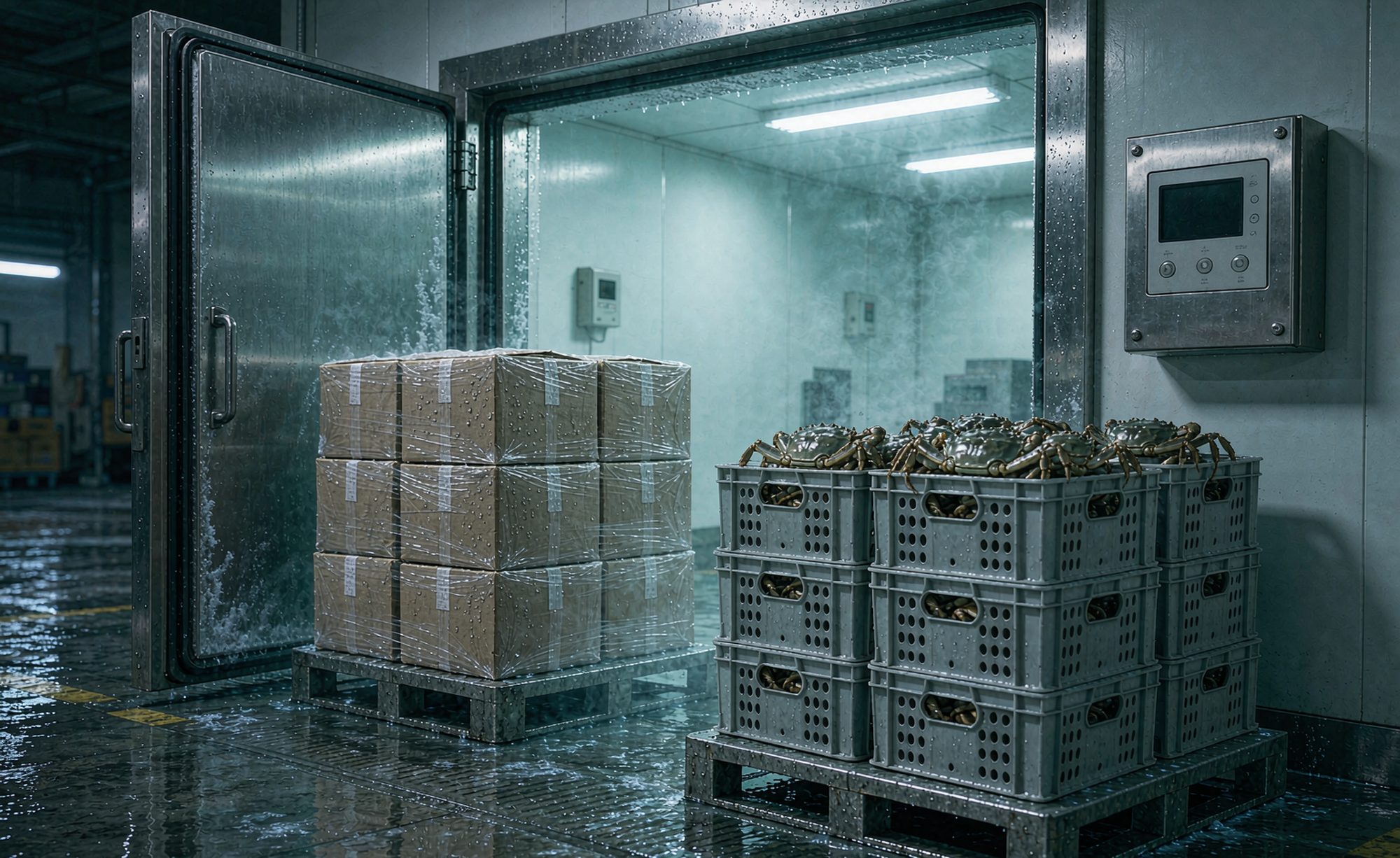
Chilled seafood cartons and crates of live crab beside a cold room door
The cost of a perishable import is not the brokerage fee, it is whether the permit and the designated site agree All three import designations at Taoxian sit inside one supervised premises, which is why arrival, inspection and pickup can happen the same day. The condition is that the import permit is issued before the goods ship, and that the species, origin and quantity on the permit match what actually arrives. When they do not, there is no argument to be had: the cargo is returned or destroyed, and that costs far more than freight.
What we handle

Eight Clearance Workflows, Split by Cargo and by Direction

Air cargo is routed by category before it is routed by price: general freight to the terminal, parcels to list declaration, transit to the apron, perishables to a designated site. One process for everything eventually stops at one of those doors.

SERVICE 01

General air export clearance

Price composition checked against the trade term (FOB, CIF, EXW, DDP), then contract, invoice, packing list and airway bill filed as one consistent set, followed through to release and manifest closure.

General cargoElement checkClosure
SERVICE 02

Import clearance and perishable release

Entry filed as soon as manifest data lands, inspection and pickup scheduled under two-step declaration, and fruit, chilled seafood and live product handled through the designated site.

Two-stepTwo-stage releasePickup
SERVICE 03

Cross-border e-commerce filing

List release and consolidated declaration under 9610, with 9710 and 9810 filed to their own rules. Order, payment and waybill records are matched per batch, and exceptions are pulled out before the line stops.

9610Three-way matchConsolidation
SERVICE 04

Apron-side transfer and air-to-air transit

Export declaration and transit formalities completed at origin, cargo flown domestically to Shenyang and connected to an international flight, crossing on the apron where the conditions allow.

TransitApron transferClosure at both ends
SERVICE 05

Lithium batteries and products with cells

UN3480 and UN3481 shipments, power banks and aerosols: UN number, package certificate, UN38.3 summary, MSDS and shipper's declaration checked before the space is confirmed, not after.

UN38.3Package certificateDGD
SERVICE 06

Chemicals, liquids and powders

Hazard status settled from composition and CAS numbers. Non-hazardous cargo needs a transport condition report; hazardous cargo moves under DGR rules with carrier acceptance confirmed before the entry is filed.

Hazard reviewCondition reportDGR
SERVICE 07

Cold chain, perishables and pharma

Temperature-controlled shipments checked for container type, coolant plan and data logging. On winter exports, insulated hold-over and direct loading are scheduled so the cargo spends as little time as possible on the apron.

TemperatureHold-over slotTime-critical
SERVICE 08

Bonded zone consolidation and refund documents

Routing through the Shenyang Comprehensive Bonded Zone for front-station consolidation, bonded storage and refund-on-entry, with the export refund copy and filing record returned to your finance team.

Bonded zoneRefund on entryConsolidation
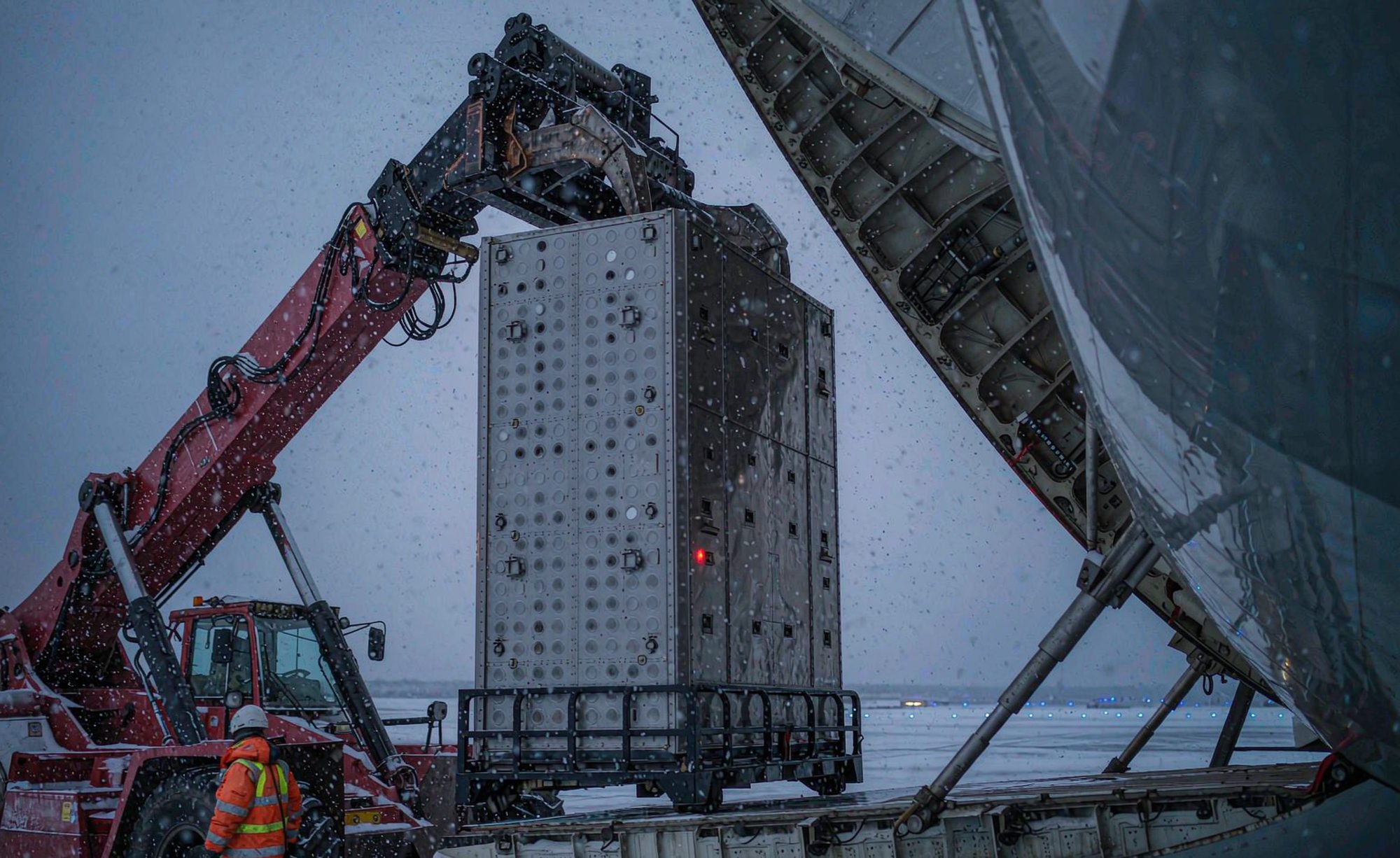
Container loader lifting a unit load device into a freighter on a snowy apron
Two stages sit after release: terminal acceptance and screening. They are the ones that get under-estimated An air export cannot be scheduled on the release time alone. Once released, the cargo joins a receiving queue, goes through screening, is built up or containerized, and waits for load planning. At an airport with one international terminal those steps can take half a day in peak season. We back-plan from the cut-off and give you three dates — documents due, entry filed, cargo at the terminal — instead of one vague promise.
The process

How an Export Moves Through Taoxian, Step by Step

Eight steps. Steps two and three decide whether an amendment is needed later; step six decides whether the cargo makes this flight. Time is the only thing on this list that cannot be bought back.

1

Handover and document set

Confirm trade term, consignee, destination airport and flight, then collect the customs mandate, contract, invoice, packing list and airway bill number, along with brand, model and function data needed for the entry.

2

Classification and element review

Settle the HS code from material, function and principle of operation, and check every element behind it. For machinery, electrical goods and chemicals, have the manual, drawings or test report ready before filing, not after a query.

3

Booking, manifest and three-way check

Match the manifest line by line against the entry: description, pieces, gross weight, volume, destination. Changing a confirmed manifest needs airline consent, and that costs both time and money.

4

Filing through the single window

With manifest data available, the entry can be filed in advance. Without it, the legal floor applies: declared after the cargo reaches the supervised premises and at least 24 hours before loading.

5

Review and inspection

Customs releases on document review or flags the shipment for inspection. Air inspections usually happen inside the terminal — open, count, photograph. A shipment with a loading list and photos matching the cargo usually clears in one pass.

6

Terminal acceptance and screening

Released cargo goes to the terminal for acceptance, screening and build-up. This step runs on release time plus queue time, which is why we finish filing with margin before the cut-off instead of at it.

7

Loading and manifest closure

Cargo is loaded to the flight timetable, with master and house waybill, pieces, weight and volume checked against the actual load. Once the aircraft departs, the manifest closes and the entry moves to closed status.

8

Refund documents and archive

The refund copy of the entry and the filing record are returned after closure, together with the release message and manifest data, for VAT refund and any later verification.

Three clocks, only one of them legal. Under Article 24 of the Customs Law, export cargo must be declared after it reaches the supervised premises and at least 24 hours before loading. Advance filing lets you declare earlier, but everything on the entry must then arrive within the permitted window or the declaration is canceled — five days for transit cargo. The third clock belongs to the airline and the terminal, and it decides whether the shipment flies. On import the logic inverts: the clock starts when manifest data arrives, so filing early is the whole game.
Documents

What Has to Be Right Before Cargo Leaves Shenyang

Air freight punishes document errors harder than sea freight. An ocean amendment usually costs a day; an air amendment usually costs a flight. Two boxes below: one for every shipment, one by cargo type.

Base set, every shipment

  • ✓
    Import or export entry: filed through the single window, matching the goods and the waybill
  • ✓
    Contract or purchase order: trade term, currency and delivery point stated
  • ✓
    Commercial invoice and packing list: pieces, gross and net weight, volume and marks consistent
  • ✓
    Customs power of attorney: electronic mandate valid and broad enough to cover the shipment
  • ✓
    Air waybill: master and house numbers, flight, destination, weight and volume matching the cargo
  • ✓
    Declaration elements: brand type, export benefit status, composition, model and specification per HS code

Add by cargo type

  • ✓
    Licenses and permits: dual-use items and licensed exports, with the certificate code matching the declared HS code
  • ✓
    Certificate of origin: CO or Form E as applicable, issued before departure, never after the flight
  • ✓
    Battery and DG documents: shipper's declaration, package certificate, UN38.3 summary and MSDS, naming the model actually shipping
  • ✓
    Non-hazardous determination: the report that keeps a chemical, liquid or powder out of the DG channel
  • ✓
    Quarantine permits and certificates: import permit for plants and animals, health or phytosanitary certificates, IPPC marking on wood packaging
  • ✓
    Brand authorization and ATA carnet: the authorization chain for OEM and branded goods; carnet for temporary import and re-export of samples
What facilitation actually changed here: the terminal and the China Southern logistics system are connected to the customs single window, so manifest data and cargo tracking are shared in real time, screening results synchronize automatically, and the release instruction is pushed to the terminal and the airline without a second check before loading. None of that changes the data itself. If the waybill, the entry and the packing list disagree anywhere, the shipment still stops — which is why we run a consistency pass before filing rather than after.
Declaration modes

Four Ways to Clear at SHE — Match the Mode to the Freight

General cargo, retail parcels, transit freight and imported perishables do not enter through the same door. Pick the wrong mode and the hours go into a queue instead of into the flight.

Freighter cargo door open with unit load devices staged on a winter apron

Advance filing

Filed once manifest data exists and the cargo is ready, so the shipment goes straight into inspection or release on arrival. The most valuable hours you can buy when space is tight — but everything on the entry must arrive within the permitted window, or the declaration is canceled and refiled.

Apron-side transfer

Cargo that reaches Shenyang on a domestic flight crosses from the domestic to the international area on the apron itself. Four handover steps become two, with no exit and re-entry, no second screening and no rebuilding of pallets. It is the single biggest time saving available at this airport.

9610 list release

Retail parcels are declared on a list and consolidated afterwards, with flagged bulk parcels diverted automatically and inspection released as scanned. An e-commerce freighter at roughly 80 tonnes clears in about five hours, provided order, payment and waybill data agree before the goods enter.

Two-step declaration, two-stage release

The standard route for imported perishables: a summary declaration moves the cargo out of the terminal, the full declaration follows within the permitted period, and once sampling rules out a major risk the goods can leave the supervised premises while the laboratory work runs in parallel. This is what turned a three-to-five-day release into a same-day pickup.

By cargo type

Cargo Type Changes Everything Behind the Entry

Shenyang exports are weighted toward heavy industry: equipment and machinery, electrical goods, auto parts, pharmaceuticals and chemicals, plus e-commerce parcels and northeast agricultural specialties. Imports concentrate in perishables and cold chain.

Equipment and machinery

Function, principle and use have to be written out, not implied. Complete plants often change code on whether a unit is a part or a machine, so drawings, manuals and specifications travel with the entry.

Auto parts

Brand, model and vehicle compatibility drive the review. Knocked-down kits and aftermarket parts are not classified the same way; confirm the actual use of this batch before filing.

Pharmaceuticals and biologics

Temperature and time both bind. Dry ice is declared as dangerous goods, health certificates must be issued before departure, and a certificate dated after the flight is worth nothing.

Chemicals and powders

Composition and CAS numbers settle the status. Non-hazardous means a transport condition report; hazardous means DGR rules and carrier acceptance confirmed before booking, not before loading.

E-commerce parcels

List release depends on the three-way match and on descriptions being real. Under-declared values, generic descriptions and returns mixed into new stock are the three most common stops, before queue time is even counted.

Strawberries, matsutake and cut flowers

Northeast specialties where the enemy is not the entry but the apron. Insulated hold-over, cold-sealed handover and priority loading are what keep the cargo alive; ground time is measured in hours.

Chilled seafood and live product

Two things decide it: the designated site and the import permit. Species, origin and quantity must match what lands, and live product still has to survive the packaging, oxygen and onward road leg.

Fruit and frozen meat

Fruit turns on quarantine requirements and labeling; frozen meat turns on whether the product and the plant are on the current designated list. Confirm the approved country and species before committing to a flight.

Three things that are not negotiable here

1. Do not treat the cut-off as the filing deadline. There is one international terminal. After release the cargo still has to be accepted, screened and built up, and in peak season and in winter that queue is longer than the filing itself. Back-plan from the cut-off, not from the clock on your desk.

2. Do not import perishables without the permit. The designations belong to the site; the permit belongs to the cargo. Chilled seafood, fruit and live aquatic animals all clear inside the designated premises, and all of them can be refused if the permit is missing or names something else.

3. Do not route transit cargo as general freight. Whether domestic-to-international cargo can cross on the apron depends on three things at once: manifest data, the carrier's arrangement and the terminal's operating conditions. All three are confirmed in advance or not at all.

Job files

Six Jobs, Six Places Where the Clock Nearly Won

Shipments rarely fail at Taoxian because somebody cannot file an entry. They fail on a late manifest, a document that describes last year's product, or a winter queue nobody planned for.

Machinery · freighter01

Two crates of machine parts and a screening tunnel that was 30 cm too narrow

Cargo & lane
Two crates of machine tool components, 1.2 tonnes in total, from a Shenyang equipment manufacturer to Los Angeles on the weekend freighter.
Where it jammed
Once crated, one piece exceeded the aperture of the terminal's screening tunnel. It could not go through as general cargo, and rebuilding the pallet meant reweighing and relabeling with the flight already closing.
What we did
Re-cut the load plan before build-up, routed the oversize piece to manual inspection, and sent the rest through screening normally. Piece count and dimensions were corrected on the packing list and waybill so the entry and the cargo still agreed.
How it ended
Caught the original flight. Oversize cargo is a decision to make before the crate is built, not at the screening tunnel.
Import · chilled seafood02

Salmon landed, and three documents named three different fish

Cargo & lane
Chilled salmon flown in via Frankfurt for a distributor who had buyers waiting in three northeast cities.
Where it jammed
The import permit named the species, the health certificate and invoice used a trade name, and the carton label carried a third version. The comparison failed at the inspection bench, with the cold chain clock running.
What we did
Moved the cargo into the cold room under a summary declaration, asked the exporter for a species statement matching the permit, and standardized the description across permit, certificate and entry before completing the full declaration. One inspection, one pass.
How it ended
Released and picked up the same day with no break in the chain. Perishable imports are won before shipment: permit, certificate and label have to use one name.
E-commerce · 961003

Eighty tonnes of parcels with batteries hidden under "household goods"

Cargo & lane
A platform consolidation close to 80 tonnes on the Shenyang–Los Angeles e-commerce freighter, mostly homeware and small appliances.
Where it jammed
The list described everything as household goods, while the physical cargo included cordless appliances with lithium cells and an alcohol-based cleaning spray. The three-way match failed and the batch stopped on the sorting line.
What we did
Pulled the battery and alcohol items into separate batches, declared them on the correct basis, rewrote the list at real product level, corrected prices to actual transaction value, and kept returns out of the shipment entirely.
How it ended
The clean balance loaded as planned; the exceptions flew the next day. 9610 speed comes from clean data before entry, not from broad descriptions.
Transit · apron transfer04

Guiyang flowers that could not afford a domestic warehouse

Cargo & lane
Cut flowers flown domestically from Guiyang, connecting at Shenyang to an international departure, a few hundred kilos per batch with a shelf life measured in hours.
Where it jammed
The conventional route landed the cargo in the domestic warehouse, then moved it to the export warehouse with a second screening — most of a day gone, with frost damage waiting on the winter apron.
What we did
Completed the export declaration and transit formalities at origin, then used apron-side transfer at Shenyang so the cargo crossed directly from the domestic to the international area: one handling, one entry into the cold room, then priority loading.
How it ended
Four handover steps became two and the whole connection finished the same day. Transit is not about moving the paperwork; it is about not moving the cargo twice.
Winter · perishable export05

Minus twenty on the apron, and strawberries that could not wait there

Cargo & lane
Strawberries from the Dandong and Shenyang growing areas, shipping in the winter peak, moving by air trunk plus refrigerated city truck to buyers 2,000 km away.
Where it jammed
Winter apron temperatures freeze the fruit during hold-over, and the insulated warehouse runs short of slots exactly when volume peaks. Trucks that arrived early simply waited outside.
What we did
Booked hold-over slots ahead, then back-planned truck departures from the flight so nothing arrived early. Insulated blankets on the dock and during hold-over, a cold-sealed handover from warehouse to aircraft, and refrigerated city trucks on arrival.
How it ended
Loss rates fell and the seasonal volume grew. In a Shenyang winter, perishable exports are decided on the ground, in hours, not on the rate sheet.
Bonded zone · refund06

Three small shippers, one container, and the question of when an export counts

Cargo & lane
Loose cargo from three small manufacturers consolidated into one container through the Shenyang Comprehensive Bonded Zone, with each of them waiting on the VAT refund to fund the next order.
Where it jammed
The old route meant hauling everything to a yard and waiting for inspection before stuffing, with turnaround measured in most of a day and the refund only available after actual departure.
What we did
Used front-station consolidation: cargo entered the bonded zone, customs inspected before stuffing, and the container was sealed and dispatched once cleared. Refund can be claimed on entry into the zone rather than on departure.
How it ended
Turnaround per container fell from eight hours to four. For small consignments the cost is not freight, it is waiting.

Job files are anonymized: customer names, flight numbers and some weights have been replaced or rounded, while the sequence and the point of failure follow what actually happened. Cut-off times and document requirements are set per flight by each airline and terminal.

Questions

Shenyang Taoxian Clearance: 10 Questions Shippers Ask

Answered the way we answer on the phone. Where a time limit is involved, the customs office and the airline have the final word.

How far ahead should clearance at Taoxian start?
For general cargo, three to five working days before departure gives room to classify, review and file with time to correct. Battery products, chemicals and cold chain need five to seven, because a UN38.3 summary or a transport condition report often has to be reissued. If the flight is tight, file in advance and let the cargo go straight into release or inspection when it reaches the terminal.
Can I fly directly to North America and Europe from Shenyang?
North America yes, on a scheduled basis: Shenyang–Los Angeles runs as a dedicated e-commerce freighter four times a week, and Shenyang–Miami opened in April 2025. Europe is thinner — Frankfurt and Moscow move mainly on freighter charters and passenger belly hold rather than daily scheduled capacity. Time-critical Europe cargo often connects through Beijing, Shanghai or Seoul, and the routing has to be checked against the flight plan in force that week.
How are imported perishables cleared at Taoxian?
The supervised premises hold designations for imported chilled seafood, fruit and live aquatic animals, so inspection happens where the cargo lands. On the cargo side you need a valid import permit for plants and animals plus the exporting country's official health or phytosanitary certificate, with species, origin and quantity agreeing across all documents. Filing runs as a two-step declaration with two-stage release: once sampling rules out a major risk the goods can leave the premises and go to market while testing continues. Frozen meat and other categories follow the current designated-site list, which is narrower — confirm before booking.
Does a customs release mean the cargo makes the flight?
No. Release ends the customs step. Terminal acceptance, screening, build-up and the airline's load plan still follow, and at an airport with one international terminal those steps queue in peak season. We schedule on release time plus queue time and set the filing deadline with margin before the cut-off, rather than at it.
What changes for winter shipments from Shenyang?
Ground temperature and ground time. Between December and February the apron regularly sits below minus 15, and hold-over is where perishables, flowers and temperature-sensitive pharma are lost. Book a slot in the 1,800 m² insulated warehouse, back-plan truck arrivals so nothing waits outside, blanket the cargo on the dock, and have refrigerated trucks waiting at destination. Do not send cargo to the airport early to be safe; that is the mistake that causes the damage.
Can cargo from another province leave through Shenyang?
Yes, by air-to-air transit or apron-side transfer. The export declaration and transit formalities are completed at origin, the cargo flies domestically to Shenyang, and where conditions allow it crosses from the domestic to the international area on the apron. Handover steps drop from four to two, which removes the exit-and-reentry and the second screening. Whether a specific shipment qualifies depends on the carrier's arrangement and the terminal's operating conditions, so it is confirmed before the cargo moves.
Where do 9610, 9710 and 9810 shipments get filed?
In the express and e-commerce zone, staffed by the express supervision section of Taoxian Airport Customs. Retail export under 9610 uses list release with consolidated declaration; 9710 for business-to-business and 9810 for overseas warehouses follow their own rules. Flagged bulk parcels are diverted automatically and inspection is released as scanned, which is what allows a freighter of roughly 80 tonnes to clear in about five hours.
Can I export without an import-export license?
Not in your own name. Companies without the license export through a licensed foreign trade service provider or an agent acting as exporter of record, and the money, the refund and the declared entity have to line up. Buying a nominal exporter's name gets cargo out of the country but forfeits the VAT refund and creates a compliance exposure that stays with you.
When are the VAT refund documents available?
The refund copy of the entry can be issued once the cargo has departed and the manifest has closed, usually one to three working days after departure. For cargo consolidated through the Shenyang Comprehensive Bonded Zone, the refund can be claimed on entry into the zone rather than waiting for departure. Amendments, inspections or a late manifest closure push the date out, and we tell your finance team which of those happened.
Do you have people in Shenyang, or only a phone number?
Clearance is the core of the work, and we also arrange pickup, warehousing, trucking and air booking from Shenyang and the surrounding cities, so pickup, entry, terminal and loading sit in one schedule. If you already have a nominated forwarder or airline, we can take the declaration and documents only.

Why us

At Taoxian, Local Knowledge Beats a Rate Sheet

Air freight tolerance is measured in hours. Quotations look identical; the difference shows up when the manifest is late, when the insulated warehouse has no slot, and when the screening queue is an hour long.

01

Shenzhen office, people at the airport

Booking, documents and communication run from Shenzhen; operations at Taoxian are covered on the ground, so terminal acceptance, inspection and amendments are handled the same day.

02

Consistency checked before filing

Waybill, entry and packing list are compared line by line on description, pieces, gross weight and destination, so the errors we can catch cheaply are caught before the declaration goes in.

03

Back-planned from the cut-off

We work backwards from the airline's cut-off to filing, release and terminal acceptance, and give your factory a firm document deadline instead of "as soon as possible".

04

Imports and exports on separate timelines

Exports are scheduled backwards from the cut-off; imports forward from the moment manifest data lands. Perishables get the permit and the pickup in the same plan, not added after the aircraft lands.

05

Winter and peak season booked ahead

Hold-over slots, terminal receiving windows and shift capacity are reserved in advance, so mushroom, strawberry, flower and e-commerce peak volumes are not competing for resources on the day.

06

Itemised pricing, billed at cost

Clearance, inspection, terminal handling, trucking and storage are listed separately and settled against receipts. No bundled rate that hides the parts you might need to question.

GET IN TOUCH

Send the flight and the cargo details,
we will tell you if it makes the cut-off

Give us the commodity and use, pieces and weight, origin or destination airport, target flight date, and whether you need a VAT refund or an import permit. You get back the premises we would use, the document list, and a timetable counted backwards from the cut-off.

Request a clearance plan
CompanyGoodhope Logistics (China) Limited
BrandGoodhope Freight
Phone / WhatsApp+86 18938691638
Emailsales007@goodhopefreight.com
OfficeRoom 1012, Zhonghao Building, No.4 Bagua Road, Futian, Shenzhen
ResponseWithin 24 hours, including weekends
call us: +86 13392162503