Since 2012 NVOCC GD20230925153335 24h Response
+86 13392162503 sales8015@goodhopefreight.com Login
Goodhope Freight
Export clearance · Import clearance · On-carriage transit

Guangzhou Baiyun Airport Export & Import Customs Clearance

Baiyun does not fail shipments for lack of flights. It fails them on a clock. Air freight locks in a fixed order — the manifest data locks first, the cargo enters the terminal second, the release lands last — and each stage closes the door on the one before it. File late and your freight sits in a warehouse waiting for tomorrow's aircraft while the space you paid for flies empty.

International Cargo Terminal No.1 China Southern cargo terminal Bonded zone, central area Dual-front terminal, south area Advance filing Two-step declaration Transit at origin
6 work areasTerminals · express · bonded zone · perishables
7 daysLegal window to file an export in advance
2.44M metric tonsBaiyun cargo and mail throughput, 2025
Plan my Baiyun clearance See the 8-step flow
2.44M tonsCargo and mail throughput 2025
up 2.4% year on year
83.58MPassengers in 2025
up 9.5%, second in China
No. 9 worldwideCargo ranking in 2025
up from 16th a year earlier
Under 3 hoursAcceptance to pallet build
at the dual-front terminal
Why Baiyun

China's Second-Largest Cargo Airport,
Where Three Cut-Offs Decide Whether You Fly

Baiyun handled 2.44 million metric tons of cargo and mail and 83.58 million passengers in 2025, second in China on both counts and ninth in the world for cargo. Terminal 3 and a fifth runway opened on 30 October 2025, making it the first Chinese airport with five commercial runways and lifting design capacity to 3.8 million tons of cargo a year. Capacity is not your constraint. Sequencing is.

The airway bill data is locked at booking cut-off. Cargo is accepted at the terminal cut-off. Customs must release before the customs cut-off. Miss any one of the three and the shipment rolls to the next aircraft, and a rolled air shipment costs more per day than a rolled container because the rate was quoted per kilo for a flight that left on time.

  • 1
    Six work areas, and the paperwork goes to a specific oneInternational Cargo Terminal No.1, the China Southern terminal, the west cargo area, the bonded zone's central and south areas and the east work area each serve different cargo and answer to different customs desks. Delivering to the wrong one is not a short walk; it is a rejected truck.
  • 2
    Manifest first, cargo second, release lastAn export can be filed before the cargo arrives, and at Baiyun the freight normally enters a supervised terminal before release. Neither shortcut removes the customs cut-off, which is measured from scheduled departure, not from when your truck shows up.
  • 3
    The dual-front terminal merges five steps into one siteIn the bonded zone's south area, aviation security screening and customs inspection sit under the same roof. Acceptance, clearance, inspection, screening and pallet build run as one sequence, and the whole thing is quoted at under three hours.
  • 4
    Perishables have their own inspection site and their own clockImported fruit, chilled fish, live aquatic animals, meat and nursery stock are inspected at the special commodity site in the north work area, with the laboratory on the inspection floor. Same-day arrival, inspection and result is normal there — for documents that were checked before the aircraft landed.
Who carries the risk? On FOB, CFR and CIF the China-side export declaration belongs to the seller, but a missed cut-off still lands on your delivery date. On EXW it belongs to you, and so does every hour of terminal storage while a broker waits for a document. The declaration is paperwork; the cut-off is money.
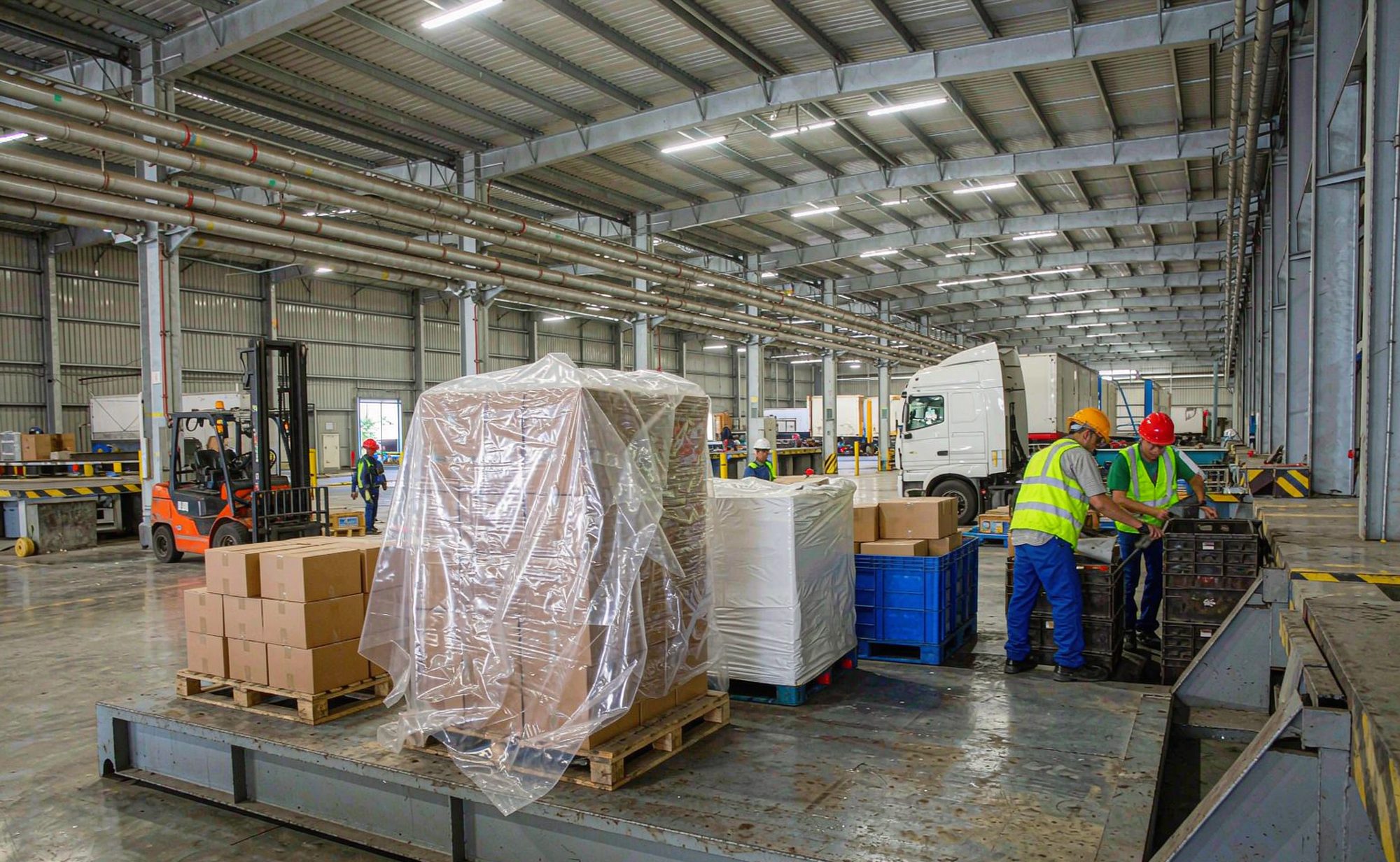
Export freight being built onto an air pallet and wrapped inside an air cargo terminal
On the ground Pickup — declaration — acceptance — uplift Cut-off back-planning · screening · same-day exceptions

In short

Customs clearance at Guangzhou Baiyun International Airport is the filing that turns booked air freight into a legally released import or export: classification, declaration elements, single-window filing, inspection handling, release and closure. Baiyun runs it across six work areas with three different timetables — general cargo terminals, the express and e-commerce bonded zone, the dual-front terminal for cargo chasing a cut-off, and the special commodity inspection site for anything alive, chilled or edible. Goodhope Freight acts as the licensed broker for that filing and connects it to pickup in Shenzhen and Dongguan, warehousing and the refund documents that follow.

Terminal matrix

Six Work Areas, and Picking the Wrong One Costs a Day

Baiyun is not one cargo terminal. It is general cargo terminals, a carrier terminal, a west cargo area that takes dangerous goods, a bonded zone split into a central express area and a south dual-front terminal, and an east work area built around an integrator hub. Cargo type picks the site. The flight only picks the time.

Customs desk on site, night shift

International Cargo Terminal No.1

Konggang 9th Road, apron side

Function
International general cargo acceptance, screening, pallet build and handover for loading
Customs regime
Supervised premises: release first, then screening and pallet build
Night window
Emergency supervision desk staffed 17:00 to 09:00
Watch for
Deliveries after 17:00 still need the entry accepted, not just the truck booked
Best for: general cargo pallets, shipments chasing a night or early-morning departure, ATA carnet goods

The night desk handles perishable, urgent and special cargo as well as hand-carried consignments.

Inspection desk, west cargo area

China Southern Cargo Terminal

Airport cargo area, carrier base

Function
Ground handling for wide-body belly capacity and freighters
Cargo
Electronics, apparel and bags, general cargo pallets and blocked-space shipments
Customs regime
Inspection and release on customs targeting instructions
Watch for
Only for cargo actually carried by the home carrier
Best for: direct Europe and North America services on the home carrier, blocked-space bookings

Baiyun's densest non-stop wide-body network runs through this terminal, which is why space here is the first thing to go in peak season.

Bonded zone, central area

Express & E-Commerce Area

Feiyue Avenue South, Airport Logistics Centre

Function
Express consignments, cross-border e-commerce, bonded warehousing, inspection centre
Customs regime
Document review for express and e-commerce entries, ATA carnets, unaccompanied baggage
Hours
09:00 to 17:00; weekend and holiday cover by appointment
Scale
Bonded zone trade passed CNY 43 billion in 2025
Best for: 9610, 9710 and 9810 listings, A and C class express, bonded inventory

Bonded repair and other new business models sit in this area rather than at the general cargo terminals.

Security and customs, one roof

Dual-Front Terminal

Liangtian Bonded Road, bonded zone south area

Function
Acceptance, clearance, inspection, screening and pallet build in one sequence
Speed
Whole sequence quoted under three hours
Track record
Over 3,200 tons of export cargo and 3.2 million e-commerce parcels handled
Watch for
Not for live animals, plants or food, which go to the special commodity site
Best for: general cargo chasing a closing cut-off, cross-border e-commerce parcels

China's first site to put aviation screening and customs inspection in front of the same dock.

Two more areas worth knowing

West cargo area. Handles import and export general cargo including dangerous goods, with inspection carried out from the north building of the bonded zone inspection centre. East work area. Built around the integrator hub at 777 Lianbang Avenue, handling international express, postal items and cross-border e-commerce, with appointment cover outside 09:00 to 17:00. If your freight is moving on an integrator account, the paperwork does not go to Terminal 1 at all.

What we handle

Eight Clearance Workflows, Split by Cargo and Direction

General cargo, batteries, chemicals and live seafood do not share a document set, a screening rule or a timetable. One airport, eight workflows, eight clocks.

SERVICE 01

General cargo export declaration

Prices reconciled against the Incoterm, master and house airway bill matched line by line with the entry, single-window filing, inspection attendance, then acceptance and uplift.

General tradeMAWB / HAWBClosure
SERVICE 02

Air import clearance

Bill exchange, manifest write-off, declaration, inspection, release, collection and delivery. Pre-declare before arrival, or file a summary declaration first and complete it within 14 days.

Two-step filingTwo-stage admissionDelivery
SERVICE 03

Cross-border e-commerce

Listings and entries under 9610, 9710, 9810 and 1210, with the order, payment and logistics data reconciled before the parcel is tendered.

96109810Three-way match
SERVICE 04

Dangerous goods and lithium batteries

Transport form decides the UN number: UN3480 for cells shipped alone, UN3481 when packed with or contained in equipment, UN3090 and UN3091 for lithium metal. Test summary, MSDS, DG packing certificate and shipper's declaration, with carrier acceptance confirmed before filing.

UN38.3DGDCarrier acceptance
SERVICE 05

Magnetic, powder and liquid screening

Magnetic consignments need a magnetic field test report; powders and liquids usually need a transport condition appraisal. The appraisal decides whether the freight can board a passenger aircraft at all, which is a question no customs entry can answer.

Magnetic testCondition appraisalPassenger vs freighter
SERVICE 06

Perishables, chilled and pharma

Imported fruit, chilled fish, live aquatic animals, meat and nursery stock clear at the special commodity inspection site in the north work area, with the laboratory on the inspection floor and cold chain running from apron to cold store.

Designated siteCold chainSame-day testing
SERVICE 07

Transit filed at origin

Clear and seal the export at the origin office in Shenzhen or Dongguan, then move it to Baiyun under customs supervision and write off the transit before uplift. The declaration does not have to be done at the airport.

On-carriage transitOrigin filingLocal release
SERVICE 08

Refund papers, amendments, rollovers

Refund copy of the entry and the filing record returned after closure, plus cancellations, amendments, re-filing and re-booking after a flight is canceled or the freight is offloaded.

VAT refund copyAmendmentRe-booking
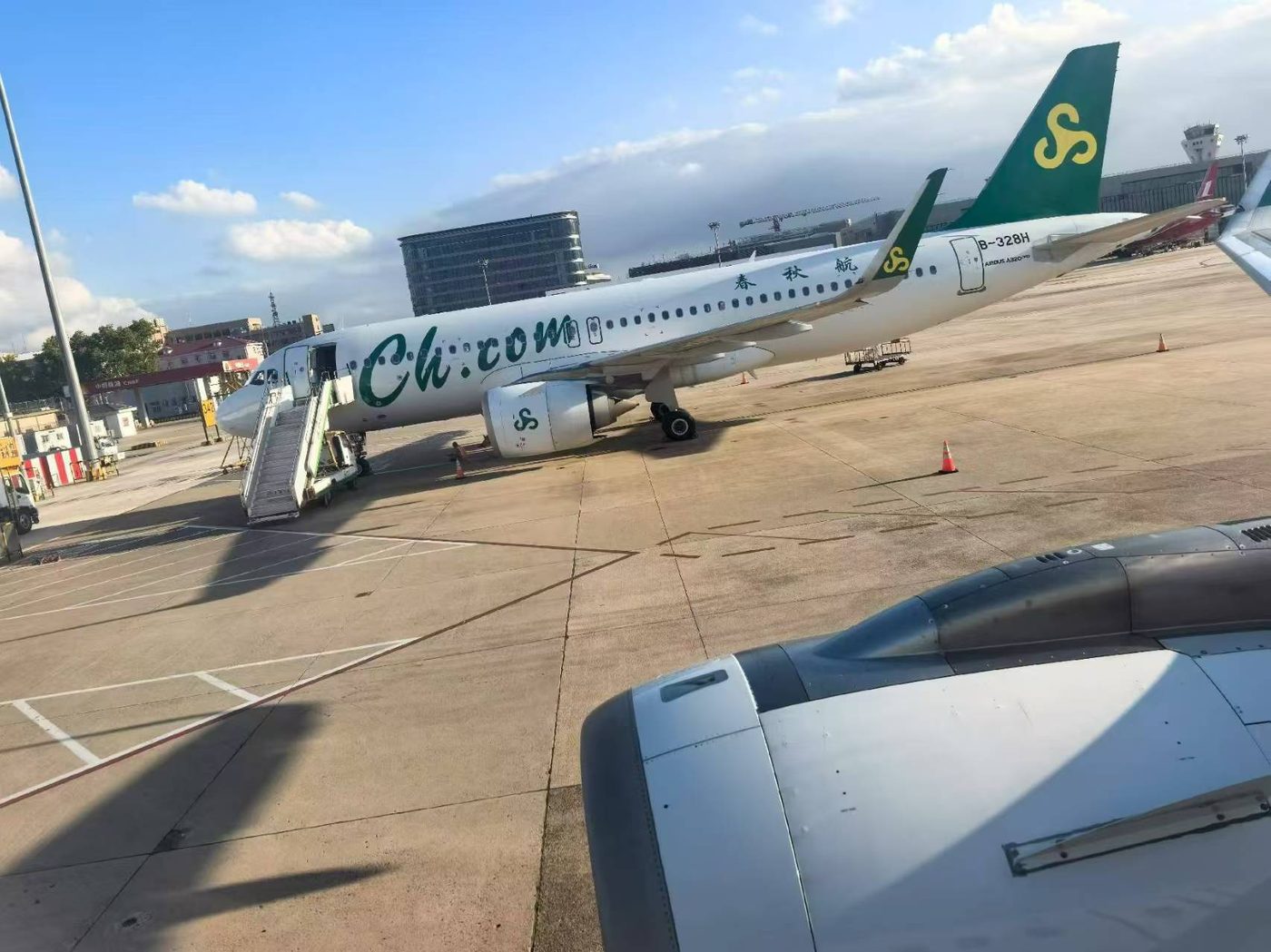
Wide-body aircraft being loaded at the apron with ground support equipment alongside
Release is a customs event. Uplift is an airline event. The gap between them is where peak-season air freight actually rolls.
The process

Eight Steps From Booking to a Closed Entry

Nothing in the flow is difficult. What catches exporters is that the three cut-offs belong to three different parties, and only one of them will call you back.

1

Take the instruction and audit the file

Confirm the Incoterm, consignee, destination airport and flight, then collect the power of attorney, contract, invoice, packing list and house bill number. Gaps get listed upfront instead of discovered at the counter.

Owner: forwarder · How long: 2–5 days out
2

Classify and fix the declaration elements

Set the commodity code on material, function and principle, then complete brand type, export preference, composition and specification. Disputed classifications need the manual, drawing or test report on file before filing, not after.

Owner: broker · How long: 1–2 days
3

Book, then lock the manifest

Reconcile master and house bill data against the entry: description, pieces, gross weight, consignee. After manifest cut-off an amendment needs carrier consent, and carrier consent is charged in both time and money.

Owner: forwarder · How long: 1–2 days out
4

Tender the cargo

Deliver to the terminal or dual-front site that matches the cargo, where weighing, measuring and piece count generate the arrival data that lets customs act on the entry.

Owner: trucker and terminal · How long: terminal cut-off minus buffer
5

File through the single window

Up to seven days before the cargo reaches the supervised area, or after arrival but at least 24 hours before loading. File early and the cargo must still arrive in time or the entry is canceled.

Owner: broker · How long: same day
6

Release, or inspection

Customs either releases on the documents or targets the shipment. At the dual-front terminal inspection and screening run at one address, which is why a targeted shipment there loses hours rather than a day.

Owner: customs · How long: hours, or up to a day
7

Screen, build the pallet, load

Released freight passes aviation security, is built onto a ULD, weighed again for load planning and loaded by the carrier. Screening queues in peak season are longer than the customs step.

Owner: terminal and carrier · How long: 2–6 hours
8

Close out and hand back the file

Once the aircraft departs and the manifest is closed, the refund copy and the filing record come back, normally one to three working days after departure.

Owner: broker · How long: 1–3 working days
Documents

The Document Set Has to Satisfy Three Sets of Numbers

Air freight is checked three times against three different records: the booking data, the manifest and the entry. Most rejections are not missing documents. They are documents that disagree.

Base set, every shipment

  • ✓
    Export or import declarationFiled through the single window in the broker's name. Wrong, and the entry never leaves draft.
  • ✓
    Contract or purchase orderSets the Incoterm and the currency. Missing: the declared value has no basis and gets queried.
  • ✓
    Commercial invoice and packing listDescription, quantity, pieces, gross and net weight, marks. Inconsistent figures stop the file at review.
  • ✓
    Power of attorneyElectronic authorization is accepted, but it has to name the broker who actually files.
  • ✓
    Master and house airway billNumber, flight, pieces and weight must match the manifest. A stale bill number is a guaranteed amendment.
  • ✓
    Declaration elementsBrand type, export preference, composition, model, function, use. An incomplete element set is an automatic return.

Added by cargo type

  • ✓
    Licenses and permitsExport license, dual-use item license. Expiry dated before the flight is the same as not having one.
  • ✓
    Certificate of originCO, Form E or Form A, chosen for the tariff preference the destination actually grants.
  • ✓
    Dangerous goods fileUN38.3 test summary, MSDS, DG packing certificate, shipper's declaration. An outdated test summary is refused at acceptance.
  • ✓
    Air transport appraisalMagnetic field test report, transport condition appraisal for powders and liquids. No appraisal, no passenger aircraft.
  • ✓
    Quarantine and inspectionPhytosanitary certificate, fumigation or heat treatment record, health certificate, Chinese labeling for imported pre-packaged food.
  • ✓
    Trade mode documentsProcessing trade manual or account book, ATA carnet, return or repair goods statement.

The expensive mistake

Changing a description or a gross weight after the manifest is confirmed needs carrier consent, and the carrier charges for it. Filing on a master bill number while the house bill is still unissued looks tidy until a flight change splits the two records. We reconcile contract, invoice, packing list, manifest and entry against each other before filing, because an amendment costs more than a review.

Clearance modes

Four Modes, and What Each One Cannot Fix

Advance filing, two-step declaration, transit at origin and two-stage admission all buy time. None of them rescues a document set that contradicts itself.

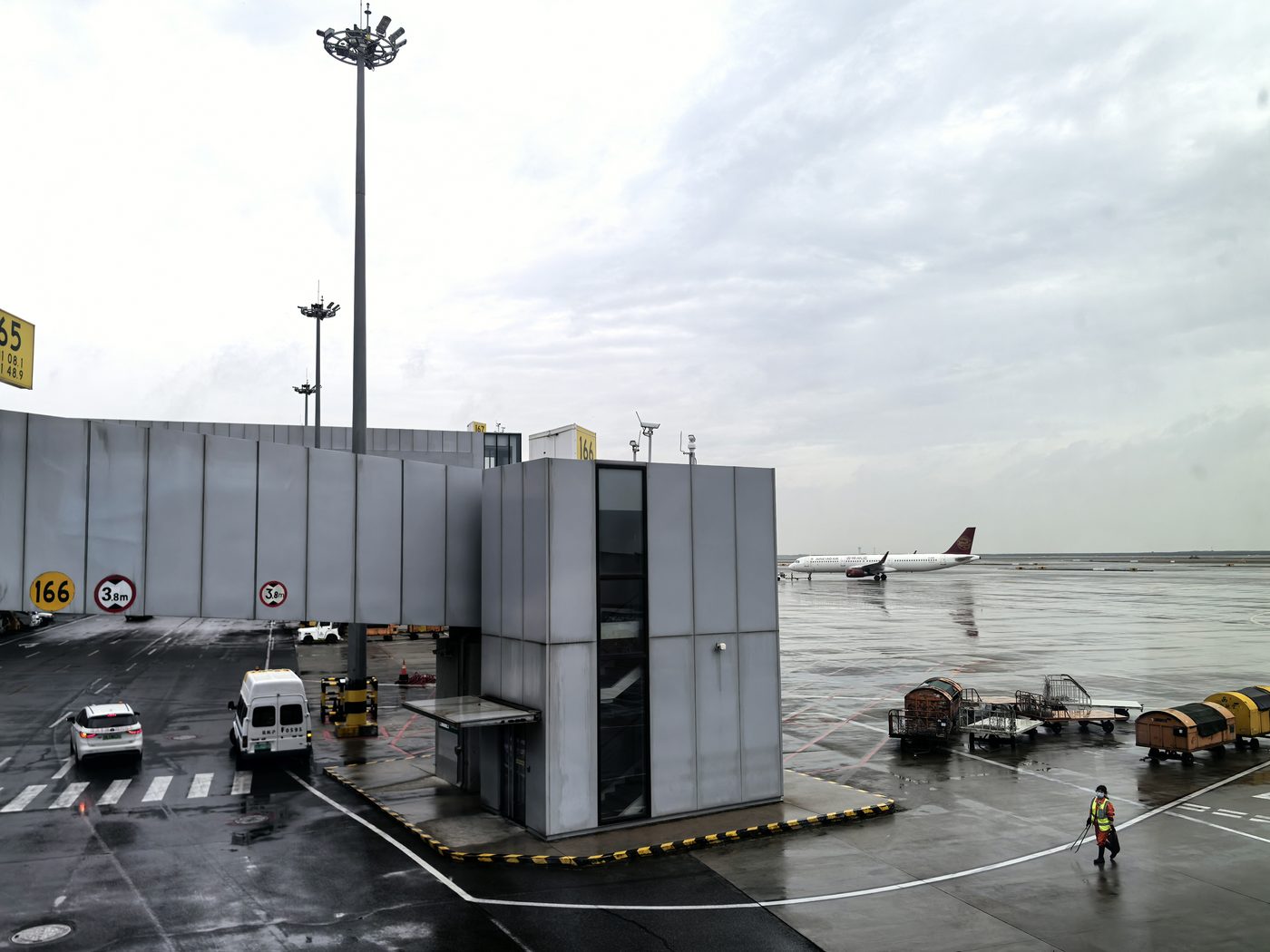
Unit load devices and ground support vehicles on an airport apron
One ULD holds what one aircraft needs. The pallet build is the last point where a paperwork error can still be absorbed.

Advance filing

With the bill or manifest data in hand you can file up to seven days before the cargo reaches the supervised area. That is the single most useful window when you are chasing a specific flight. Cannot fix: freight that arrives after the entry has been canceled for non-arrival.

Two-step declaration, imports

File a summary declaration once the bill is available, collect or deliver the freight, then complete the declaration within 14 days of the carrier's entry declaration. Useful when the consignee is waiting and one certificate is still in the post. Cannot fix: a complete declaration that never arrives, which attracts a late fee.

Transit filed at origin

Clear and seal at the origin office, move under customs supervision, write off the transit at Baiyun and load. For a factory two hours from the airport this overlaps the declaration with the road leg instead of stacking them. Cannot fix: a container or pallet that is opened in transit.

Two-stage admission, imports

Split port inspection from destination inspection. Quarantine items that pass the port stage can be collected conditionally and finished at destination, which is how most imported seafood and cold-chain freight moves inland. Cannot fix: a laboratory result that arrives after the cold chain has already broken.

By cargo type

From Phone Parts to Live Lobster, the Filing Logic Is Rebuilt Each Time

The same airport that clears a pallet of accessories also clears power banks, chemical powders and chilled seafood that was swimming eighteen hours ago. One template does not stretch that far.

Electronics and accessories

Model, brand and function have to match the manual. Anything with a cell needs the battery question answered before the goods reach the terminal.

Lithium batteries and equipment

Cells alone, packed with equipment and contained in equipment are three different UN numbers with three different packing rules.

Chemicals, powders and liquids

Composition and CAS number set the hazard class. Non-hazardous still needs a transport condition appraisal; hazardous goes through the DG channel under the IATA rules.

Magnetic consignments

Speakers, motors, magnets and some sensors need a magnetic field test, which decides whether the cargo flies on a passenger aircraft, a freighter, or as dangerous goods.

Perishables and chilled cargo

Time and temperature are both binding. Inspection certificates must be dated before departure or arrival, and the cold store has to be booked, not assumed.

Pharma and biological products

Imports need the relevant approval and a temperature record. Exports need free-sale certificates and batch release papers in the form the destination accepts.

High-value equipment and AOG

Declared value has to survive scrutiny: freight, insurance and royalties all count. Aircraft-on-ground parts follow the carrier's emergency route, with documents prepared in parallel.

Exhibition goods and e-commerce

Carnet lists must match the physical goods piece for piece. Parcels file on listings, and the order, payment and logistics records have to agree.

Compliance: four points that are not negotiable

1. Declare what is actually in the box. Description, specification, quantity, value and origin must match the goods and the documents. Misdeclaration sits with the shipper; a broker cannot absorb that liability.

2. Never tender DG as general cargo. Batteries, liquids, aerosols and magnetic goods are screened at acceptance. A shipment refused there is not delayed by a day — it is returned, and the handling charges stand.

3. Settle licenses before you produce. Export licenses, dual-use items and brand authorization should be resolved at the purchasing stage, not discovered when the freight is already at the terminal.

4. Keep the refund chain closed. The entity on the entry, the VAT invoice and the foreign exchange receipt must be the same entity. Buying an export declaration under someone else's name breaks that chain, and the loss shows up at the refund stage.

Working cases

Six Shipments That Nearly Missed Their Aircraft

Air export clearance rarely fails because nobody knows the process. It fails because a bill number changed, a test report was for last year's cell, or a cut-off was measured from the wrong event.

Manifest · amendment01

A flight swap after manifest cut-off, and a bill number left behind

Cargo and lane
1.8 tons of phone accessories, picked up in Shenzhen, booked to Frankfurt on a wide-body belly service.
Where it jammed
The carrier changed aircraft and canceled the booked flight. The house bill was reissued against the next day's service, but the entry still carried the old transport and bill numbers, so the manifest and the entry disagreed and the release held.
What we did
Same day, confirmed when the new manifest would become effective, applied to amend the carrier and bill number on the entry, told the terminal to attach the arrival data to the new manifest, and re-slotted screening and pallet build into the new flight window.
Outcome
Released the next morning, loaded that afternoon, no second warehouse entry. In air freight the amendment cost is not the paperwork, it is knowing which record moves first.
Batteries · appraisal02

A UN38.3 report that belonged to the previous cell

Cargo and lane
320 portable power stations with lithium-ion cells, bound for Los Angeles on a freighter.
Where it jammed
The test summary on file covered the previous cell model, not the one in this build, and the packing certificate named a different outer carton. The shipment was already at the terminal when carrier acceptance refused it.
What we did
Stopped the declaration, obtained the current test summary and MSDS from the cell maker, reissued the packing certificate, corrected the carton markings, then re-tendered for acceptance.
Outcome
One flight later, no return shipment. The dividing line for battery cargo is not whether documents exist, it is whether they describe this build.
Import · perishables03

Live lobster landing before dawn, sold by the afternoon

Cargo and lane
1.2 tons of live lobster arriving on a pre-dawn service, required in the Guangzhou wholesale market the same day.
Where it jammed
Live aquatic animals must be inspected at a designated site, and the import declaration needs the manifest written off and the accompanying certificates checked first. Any step pushed to the afternoon means a night in the tank and mortality that comes straight off the margin.
What we did
Pre-declared before departure, pre-checked the exporting country's official certificate, origin certificate and invoice data, then routed the cargo straight to the special commodity inspection site in the north work area, with sampling and inspection running in parallel.
Outcome
Inspected, released and collected the same day. Perishables do not reward speed so much as certificates verified before the aircraft lands.
Transit at origin04

A Dongguan factory that could not wait for the airport

Cargo and lane
Furniture hardware from a Dongguan plant, two flight batches to Dubai.
Where it jammed
The plant is two hours from the airport. Filing after arrival would leave less than half a day to the customs cut-off, and a single targeting instruction would have killed the booking.
What we did
Moved both batches to transit filing at origin: declaration and transit formalities completed at the origin office, goods sealed, moved to Baiyun, transit written off and cargo released into acceptance and screening.
Outcome
Both batches flew as booked. The value of transit is not a lower declaration fee, it is overlapping the filing with the road leg.
Dual-front terminal05

Four in the afternoon, a flight that night, five hours left

Cargo and lane
A mixed tender of cross-border e-commerce parcels and a small general cargo consignment, added to a Europe flight the same evening at short notice.
Where it jammed
In the conventional flow, acceptance, declaration, inspection, screening and pallet build sit in different buildings. Moving between them eats two to three hours, and five hours is not enough.
What we did
Routed the tender through the dual-front terminal in the bonded zone's south area, where the five steps run as one sequence on one site, with the declaration data pre-loaded so filing started on entry.
Outcome
Released and built within five hours and loaded. What the dual-front site saves is not document time, it is the movement of cargo between two addresses.
Cancellation · rebooking06

A canceled flight with the freight already released and inside

Cargo and lane
Machinery parts, released and accepted, when weather at the destination airport canceled two consecutive services.
Where it jammed
Freight that has been released cannot fly on a different aircraft without amending the transport details. Waiting until the manifest closes turns a two-line amendment into a cancellation and re-filing, which pushes the VAT refund paperwork back by weeks.
What we did
On confirmation of the new service, amended the carrier and bill number and updated the manifest, leaving the cargo inside the supervised premises so it avoided a second warehouse entry and a second screening.
Outcome
Loaded when services resumed two days later, with the refund papers delayed by two working days. A canceled flight is survivable. Waiting until closure is not.
FAQ

Ten Questions Shippers Ask About Baiyun Clearance

Answered the way we answer them on a call, not the way a brochure would.

How far ahead should I start clearance at Baiyun Airport?
For general cargo, get the documents to the broker three to five working days before departure, which leaves room for classification checks and advance filing. Battery, chemical, perishable and exhibition cargo needs five to seven working days, because test summaries, transport appraisals and licenses take longer than the flight does. If the flight is already tight, file in advance and let the cargo go through inspection and release on arrival.
How early can an export be filed in advance?
Up to seven days before the cargo reaches the supervised area, once the bill or manifest data is available and description, specification and quantity are settled. Without advance filing the legal deadline is after arrival at the supervised area and at least 24 hours before loading. If advance-filed cargo does not arrive in time, the entry is canceled and has to be filed again.
Does a customs release mean my freight makes the flight?
No. Release closes the customs step; acceptance, aviation screening, pallet build and carrier load planning come after it. In peak season the terminal queue can take longer than the declaration. Plan from the sum of release time and terminal time, not from the release message alone.
Can I clear in Shenzhen and still fly out of Baiyun?
Yes, through on-carriage transit. The export declaration and transit formalities are completed at the origin office, the goods move under customs seal, and the transit is written off at Baiyun before uplift. Filing at origin and releasing locally is the other option. Both overlap the declaration with the road leg, which is what makes a factory two hours away workable.
Do products with batteries always move as dangerous goods?
It depends on cell chemistry, capacity and transport form. Lithium-ion cells shipped alone are UN3480; packed with or contained in equipment they are UN3481; lithium metal is UN3090 or UN3091. Expect a UN38.3 test summary, MSDS, packing certificate and shipper's declaration. Some small cells installed in equipment qualify for relief, but that has to be supported in writing, and the carrying airline has the final word at acceptance.
Why does magnetic cargo need its own test?
Magnetic fields can disturb aircraft instruments, so carriers require a magnetic field test before acceptance. The measured field decides whether the freight moves as general cargo, as magnetic cargo under conditions, or as dangerous goods, and whether it can board a passenger aircraft at all. Speakers, motors, magnets and some sensors all fall into this group, and sampling usually takes two to three working days.
Why is Baiyun fast for imported seafood and fruit?
Because the inspection site and the laboratory are in the same place. Imported fruit, chilled fish, live aquatic animals, meat and nursery stock are inspected at the special commodity site in the north work area, with sampling, delivery to the lab and release handled in one location, which makes same-day inspection and same-day results normal. The condition is that the exporting country's official certificates were checked before the aircraft landed.
I have no import-export license. Can I still ship?
Through an agent with the right qualification. Be clear about the consequence: the entity on the declaration owns the refund and the foreign exchange path. If the goods are meant to generate a VAT refund, exporting under someone else's name puts that refund at risk, so settle the structure before the goods move rather than after.
What if the entry is already filed and the description is wrong?
Before release you can apply to amend or cancel, with reasons and supporting documents. After release, and especially after departure, the process is heavier and can affect the refund. That asymmetry is why we reconcile contract, invoice, packing list, manifest and entry before filing: an amendment always costs more than a review.
When do I get the VAT refund documents?
After the aircraft departs and the manifest closes, normally one to three working days. Amendments, inspections or a delayed manifest closure push that back, and we tell your finance team the revised date rather than letting the refund filing deadline arrive unnoticed.

Why us

At Baiyun, the Work Is in the Clock, Not the Tariff

Anyone can quote a clearance fee. What decides whether your freight flies is whether six work areas, three cut-offs and a night shift are all handled by someone who knows which one moves first.

01

Shenzhen desk, Baiyun boots on the ground

Booking, documents and your account run from Shenzhen. The cargo terminals, bonded zone and inspection site at Baiyun are covered on site, with same-day response on holds, amendments and amendments after a cancellation.

02

Five-way reconciliation before filing

Contract, invoice, packing list, manifest and entry are checked against each other first, which is cheaper than any amendment and much cheaper than a refused tender at the dock.

03

Six areas, six routing decisions

General cargo to the terminals, express and e-commerce to the bonded zone's central area, cut-off chasers to the dual-front site, perishables to the special commodity site. One timetable does not fit all four.

04

Pearl River Delta pickup on the same file

Collection in Shenzhen, Dongguan and Huizhou, warehousing, trucking and airport tender handled under one job number, so nobody has to explain the shipment twice.

05

Batteries, chemicals and seafood get their own route

Cells go through UN numbers and carrier acceptance, chemicals through appraisal and DG rules, perishables through the designated site and cold chain. None of them are pushed through a general cargo template.

06

Itemized quotes, charges as incurred

Declaration, pickup, warehousing, inspection, storage and ground handling are listed separately and billed against actual receipts, not bundled into one number that nobody can audit.

GET IN TOUCH

Baiyun clearance,
with someone watching the clock

Send the commodity, piece count and weights, destination airport, planned flight and where the goods are collected — Shenzhen, Dongguan or elsewhere. You get back the workable work area, the document list and a timetable counted backwards from the cut-offs.

Request a Baiyun clearance quote
CompanyGoodhope Logistics (China) Limited
NVOCCGD20230925153335
Phone / WhatsApp+86 13392162503
Emailsales8015@goodhopefreight.com
Office hoursMon–Sat 09:00–18:00 GMT+8
ResponseWithin 24 hours, usually same day
call us: +86 13392162503