
Tianhe is a passenger airport. The freighters sit 80 km away at Ezhou Huahu. So clearance here is a relay: belly space on the passenger network, freighter capacity from the neighbouring hub, and one declaration that covers both. Export fails on space and cutoff times. Import fails on six designated inspection sites and how fast the cold truck leaves.
Wuhan Tianhe is a Category 4F airport, the first in central China, and a national first-class air port of entry. In 2025 it moved 31.34 million passengers and 179,700 metric tons of cargo, of which 17,400 tons went on international flights and 10,200 tons to Hong Kong, Macao and Taiwan. International freight is roughly one seventh of the total, and that ratio is the whole story: Tianhe is a passenger gateway with belly capacity, not a freighter base.
Hubei split the two roles deliberately. Passenger traffic stays at Tianhe; freighters concentrate at Ezhou Huahu, 80 km away, which handled 1.15 million tons in 2025. The two airports already share security screening and customs recognition — the first arrangement of its kind in China — so a shipment cleared at Huahu can be trucked to Tianhe and loaded onto a passenger flight without a second declaration.
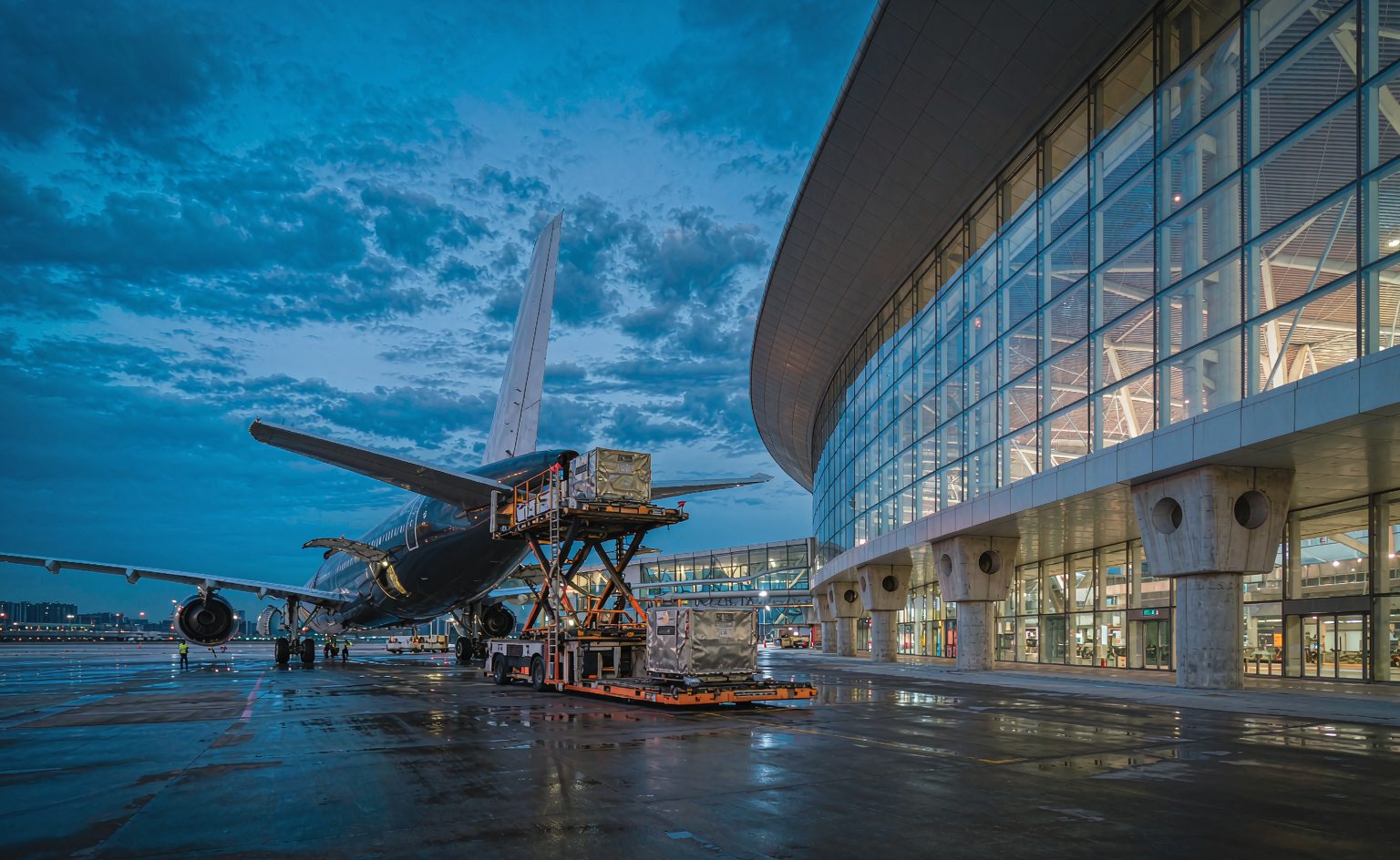
Customs clearance at Wuhan Tianhe covers both directions out of one international terminal, plus a relay to the freighter hub next door. Export works back from the carrier cutoff and the confirmed space; import works against a designated inspection site, a quarantine permit and a cold truck already on standby. Goodhope Freight handles the declaration, the inspection attendance, the perishable and pharma permits, and the Huahu connection when the destination has no direct service. Cargo terminal inside the airport, customs broker desk on the second floor of that terminal, and clearance available by appointment outside office hours.
Note: airport scale, terminal capacity, inspection-site designations and customs office details come from Wuhan Customs and Wuhan Tianhe Airport Customs public disclosures, the Civil Aviation Administration of China 2025 airport statistics, Hubei Airport Group and Wuhan municipal publications. Designated sites follow the latest GACC published list; flight schedules, space and cutoffs are set by the carrier and terminal for the week in question.
Tianhe is not a single shed with a single gate. There is the international terminal in the south cargo area, a separate China Southern supervised warehouse, six designated inspection sites built into the international warehouse, and a forward cargo station 30 km away in Optics Valley. Cargo type picks the facility; the facility picks the sequence.
International Cargo Terminal · opened 2018
Four separate rooms inside: frozen, chilled, valuables and dangerous goods. Cargo in the wrong room gets screened twice.
Fruit · chilled seafood · live aquatic · seedlings · meat · pharma
Six designations are not six open doors. Market access list, overseas establishment registration and an import permit all have to line up first.
Regulated warehouse · B terminal, built 2015
One airport, two supervised sites. Name the wrong one on the entry and the inspection order lands at the other warehouse.
Guanggu Super Logistics Centre · operating since August 2024
The forward station separates handing over cargo from clearing it: tender in Optics Valley, file in Optics Valley, and only the flight remains.
| Item | Export (air) | Import (air) |
|---|---|---|
| Filing deadline | After cargo reaches the supervised area and at least 24 hours before departure; advance filing up to 3 days earlier | Within 14 days of the carrier reporting entry; perishables and pharma file on landing |
| Preconditions | Space confirmed, manifest pre-built, screening passed, HS code and declaration elements fixed | Manifest transmitted, delivery order exchanged, quarantine permit or pharma clearance note in hand |
| On the ground | Tender, screening, pallet build-up, re-weighing, manifest | Break down, check cargo against documents, inspect or quarantine, release and gate out |
| Where it breaks | Belly space squeezed in peak season, early cutoff, declared weight below actual after crating, batteries refused | Permit not obtained before shipment, certificate mismatched to the batch, no cold truck after inspection |
| After release | Load, close the manifest, archive the refund file | Pickup and delivery, destination inspection, follow-up supervision |
| Who gets caught | First-time air shippers applying sea freight timing to a flight cutoff | Buyers who treat permits and pharma notes as an arrival task |
Deadlines are compiled from the Customs Law and current declaration rules; advance filings must reach the supervised area within the allowed window or the entry is canceled. Local requirements set by the competent customs office prevail.
Wuhan exports optics and electronics; it imports perishables, pharmaceuticals and seedlings. The first group fails on classification and packaging. The second fails on permits and what happens on the floor.
Belly or freighter: space confirmation, manifest, entry preparation, tender and screening, release, loading and manifest closure tracked to the end.
9610 retail, 9710 B2B and 9810 overseas warehouse listings reconciled against the entry. Overseas warehouse registration is no longer required, and 9810 refunds start at departure.
UN38.3 summary, MSDS, air transport identification report, packing certificate and shipper’s declaration. Wuhan runs a filing and differentiated screening regime for lithium and sodium cells.
Freighter cargo lands at Huahu, clears, then rides the scheduled shuttle 80 km to Tianhe and loads onto a passenger flight. Shared screening and customs recognition mean no second declaration.
Unload, weigh, screen and build up at the forward station in Optics Valley, with customs formalities done on site, then shuttle to either airport.
Delivery order, entry, duty and guarantee, inspection attendance, release and pickup, plus onward transit to an inland customs district where that suits the factory.
Import permits, certificate checks, on-site inspection and cold release for fruit, chilled seafood and live aquatic products, using two-stage admission with conditional release.
Pharma clears against the import clearance note and batch release certificate; seedlings clear against a quarantine permit and a designated site. Both are permit-first categories.
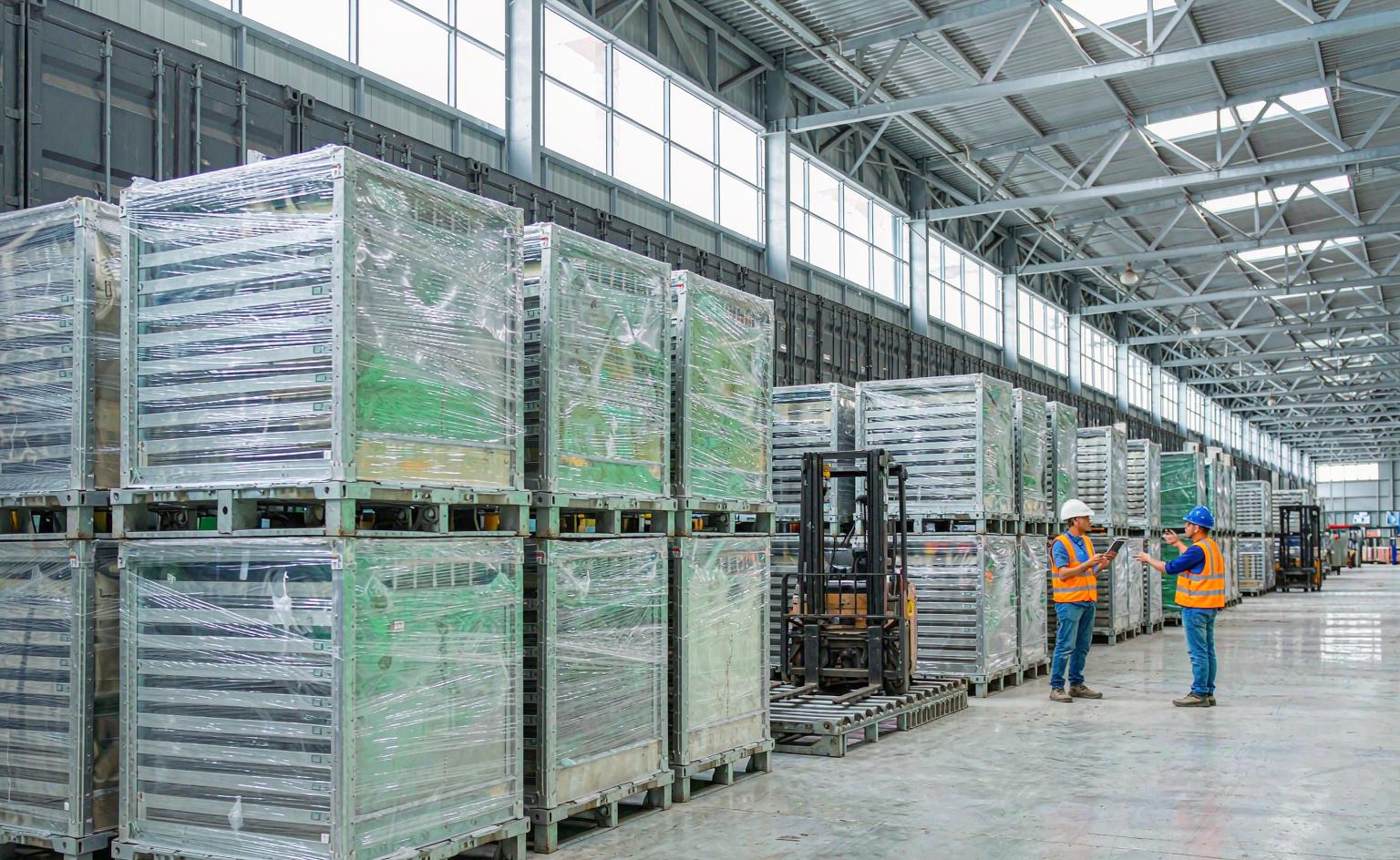
Export must be declared at least 24 hours before departure. Import must be declared within 14 days of the carrier reporting entry. Every other step is back-planned from those two numbers.
Decide belly or freighter first. Belly space runs 1 to 5 tons a flight and disappears in peak season; if nothing matches, check whether the shipment should go through Huahu instead.
Optical modules, chips and laser equipment need the model and function in the declaration elements. Settle classification arguments before filing, not at the inspection bay.
With space confirmed and cargo ready, file up to three days before the goods reach the supervised area. There is no cushion here: one error means an amendment.
Terminal receipt, X-ray, re-weighing and pallet build-up. Batteries and liquids are stopped here most often, and a stop means a new flight.
Once the cargo arrives, the system matches the entry. No inspection order means release; with an order the clock runs from half a day to two days.
Three usual problems: piece or weight mismatch, description and code mismatch, undeclared contents. The amendment window is short, so find it early.
Load against the load plan; the manifest and entry must agree before the flight closes. For a Huahu relay, both legs must point to the same shipment.
Collect the refund copy and release message, then file them with the warehouse and terminal records that support the VAT refund and the write-off.
Manifest data moves before the aircraft lands. You need the master and house numbers plus piece, weight and dimension to start the delivery order and the entry.
Exchange the arrival notice and bill of lading for a delivery order. Freight collect, missing documents and consignee mismatches all stop here.
Fourteen days is the legal window. Perishables and pharmaceuticals file on landing, which means code, value, origin and certificates must be settled beforehand.
Pay against the assessment, or release first against a monthly settlement or a duty guarantee insurance policy. Perishables buy time with a guarantee as a matter of routine.
Fruit: labels and phytosanitary certificate. Seafood: packaging and live condition. Chilled: temperature log. Pharma: clearance note and batch numbers.
Sampling, cold treatment or fumigation happens at the designated site. This is the least predictable block, and cold chain cargo has to budget for it.
Complete pickup formalities and gate out. Two-stage admission allows conditional release before the lab result, moving the waiting time after the truck leaves.
Move to the registered warehouse or the destination and finish any destination inspection on time. Open follow-up items put the next shipment on the watch list.
Export documents are a completeness problem: one missing sheet and the terminal will not take the cargo. Import documents are a sequencing problem: permits, pharma notes and market access must be in place before the goods fly.
Air freight leaves a much narrower window than sea freight. Choosing a mode is really choosing where the risk sits: before the declaration, or after release.
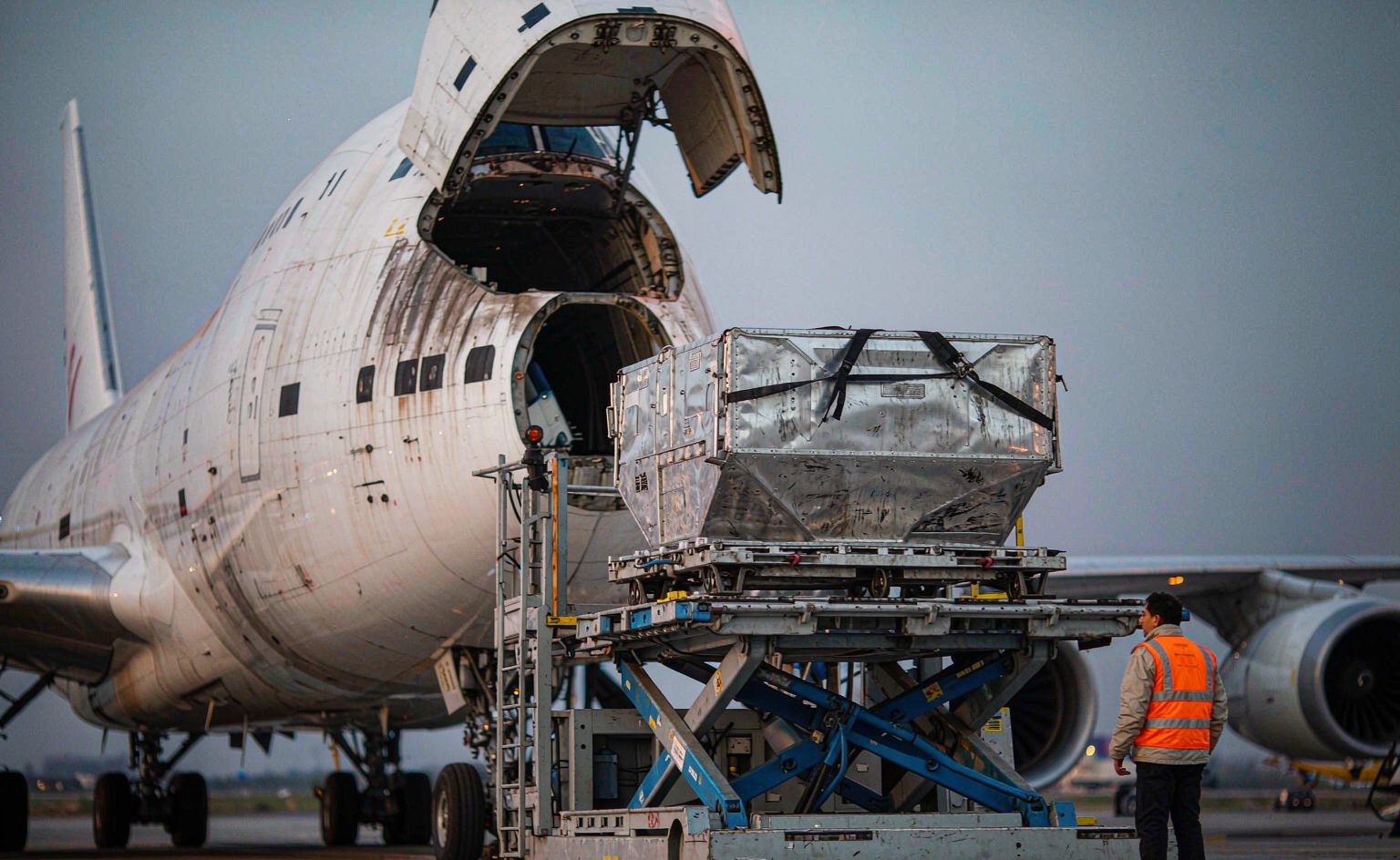
Tianhe runs on belly space, 1 to 5 tons a flight, moving with the passenger timetable. Anything heavier, or to a destination without a passenger route, moves to a freighter. Combining the two is the standard answer at this gateway.
Freighter cargo lands at Huahu, clears, and rides the scheduled shuttle for 120 minutes to Tianhe for a belly departure. Shared screening and customs recognition mean one declaration stays valid and the cargo is not opened twice.
Import files a summary declaration to take delivery, then completes the full entry inside the allowed window. Perishables and fruit use two-stage admission to leave the site once sampling rules out major risk, with the result filed afterwards.
Declare in transit at the gateway and release at the customs district nearest the factory, which suits inland manufacturers. Urgent central China shipments can also arrive by high-speed rail at the airport station, 12 minutes from Hankou, and still catch a same-day flight.
An optical module and a consignment of cherries travel through the same airport and share almost nothing else. One is judged on declaration accuracy, the other on hours.
Fibre, optical modules, chips and laser equipment from Optics Valley. Fast model cycles mean the declaration has to name the model and function, not just “electronic parts”.
Class 9 dangerous goods. Standalone cells normally need a freighter; installed cells can move as general cargo under conditions. Wuhan applies filing and differentiated screening to lithium and sodium products.
Hubei’s core industry. Line-stop and urgent parts fly. Declare by part function and material; knock-down sets are where classification disputes start.
Temperature-controlled, often with dry ice, which is itself a Class 9 entry with a declared net weight. Pharma imports also involve a clearance note and batch release.
Listings and entries must come from the same data, with order, payment and logistics reconciled. Overseas warehouse registration is gone, and 9810 refunds start at departure.
Market access, quarantine certificate, package marking and temperature log. Cherries turn on cold treatment, salmon on the cold chain, live seafood on survival rate and holding tanks.
Must be inspected at the meat site inside the C3 warehouse. Overseas establishment number, certificate and batch have to line up; a mismatch means return or destruction.
Quarantine permit first, and growing media is tightly restricted. On arrival the goods go to the designated site; where isolation growing is required, they cannot go straight to market.
Do not declare dangerous goods as general cargo. Screening and terminal acceptance are two independent gates. A false declaration means the cargo is pushed back, the shipper is flagged, and every following shipment gets a closer look.
Six designated sites are not six open doors. Market access list, overseas establishment registration and import permit are three separate conditions. If any one fails, the cargo can land and still not move.
Do not apply sea freight timing to a flight. Sea freight gives you days of slack; air often gives hours. Belly space follows the passenger schedule, and once the cutoff passes the only remaining option is the next flight.
Air cargo rarely fails because nobody knew the process. It fails on one number, one certificate, one sequence.
These situations are compiled from public reporting on operations at this gateway and from recurring questions in daily practice, de-identified and consolidated. They do not refer to any specific shipper. Operating requirements set by the competent customs office and the terminal prevail.
Most of them come down to three things: too few freighters, how the two-airport relay works, and what the six designated sites actually allow.
There is no “wait a little longer” option here: you make this flight, take the next one, or use another airport.
Export filing, import release, transit and bonded work sit with the same desk, so nothing gets handed from export to import to bonded and back.
Documents, screening, cutoff and pickup are scheduled backwards from departure and landing, which turns “there is still time” into a timetable with actual clock times.
We work out whether belly space covers the shipment or whether it should go to Huahu before quoting a route and a rate, so you are not testing two airports yourself.
Permit pre-checks, inspection attendance and conditional release for fruit, chilled seafood, live aquatic products, meat, pharmaceuticals and seedlings, scheduled in hours rather than days.
Classification under IATA rules comes first, and cargo is accepted only when the file is complete. If it cannot fly, we say so instead of spending your flight slot on a test.
Inspection attendance, amendments and pickup coordination happen on site, so an exception is not relayed through three phone calls.
For export, tell us the flight number and cutoff. For import, tell us the landing time and the commodity. We will tell you whether it goes by belly or through Huahu before we talk about price.
Request a quote