Since 2012 NVOCC GD20230925153335 24h Response
+86 13392162503 sales8015@goodhopefreight.com Login
Goodhope Freight
Air export filing · Air import release · ASEAN perishables

Nanning Wuxu Airport Import & Export Customs Clearance

Guangxi has one airport gateway, and this is it. Nanning Wuxu sits closer to ASEAN than any other provincial capital in China, and in 2025 it moved 186,600 metric tons of cargo, 81,600 of it international, across 17 international freighter routes touching ten countries. Export fails on capacity and cutoff times; import fails on three designated inspection sites and how fast the pallet leaves the apron. The clock here is counted in flights, not days.

Import fruit Chilled seafood Live aquatic products Pharmaceutical and medicinal materials gateway Cross-border e-commerce 9610 / 9710 / 9810 Apron-direct pickup
186,600 tTotal air cargo handled in 2025
81,600 tOf which international
17 routesInternational freighter services
4 categoriesDesignated import qualifications
Plan my Nanning clearance See both 8-step flows
23,800 m²International cargo terminal
inbound and outbound halls split
120,000 tDesigned annual throughput
50,000 in / 70,000 out
470,000 tAirport cargo capacity
after the airside transfer center opened
4 hoursFlight time to major
ASEAN capitals
Why Nanning

The Closest Provincial Gateway to ASEAN,
and the Thinnest Margin for Mistakes

Nanning Wuxu International Airport (NNG) is a 4E airport with two runways and an 189,000 square meter Terminal 2. In 2025 it ran 143 routes to 101 cities and carried 13.5 million passengers alongside its cargo. The freight profile is what matters to an importer: 17 international freighter routes across ten ASEAN and South Asian countries, most of them inside a four-hour flight, feeding a market of tropical fruit, live seafood and consumer electronics.

That network is a direction advantage, not a volume advantage. Long-haul capacity to Europe and North America is thin, so heavy general cargo often connects through Guangzhou, Shenzhen or Shanghai. On the ASEAN lanes, the constraint moves upstream: freighter departures cluster in the evening and small hours, belly space follows the passenger timetable, and a missed cutoff usually costs days because there is no next-day rotation to fall back on.

  • 1
    One international terminal handles every categoryGeneral cargo, express and mail, cross-border e-commerce and perishables all clear inside the same building at Terminal 2. The walking distance between steps is short. So is the distance between one congested lane and the next.
  • 2
    Export is decided by capacity, not by paperworkThe outbound hall is built for 70,000 metric tons a year. That is comfortable in February and tight during durian season and e-commerce promotions. Dock slots and screening windows are booked days ahead, not requested on arrival.
  • 3
    Import strength is perishables, and it is site-basedFresh fruit, chilled seafood and live aquatic products each have a designated inspection site inside the cargo area, and the port also holds a pharmaceutical and medicinal materials qualification. Clearance times are 36 percent shorter on import and 41 percent shorter on export than in 2020.
  • 4
    Transit is standard practice hereAir-to-air connections, bonded truck flights, in-district transit to Guilin and transit to the Aidian and Dongxing land border crossings are routine. Cargo is consolidated and filed in Nanning and loaded somewhere else, which is why the paper trail matters more than the truck.
Who files, and who absorbs the delay? On FOB, CFR or CIF terms the China-side export declaration sits with the seller. On EXW it sits with you. On either, the sequence below decides whether the cargo boards the booked aircraft. With two or three departures a week on an ASEAN lane, a missed cutoff is a calendar problem, not an hour problem.
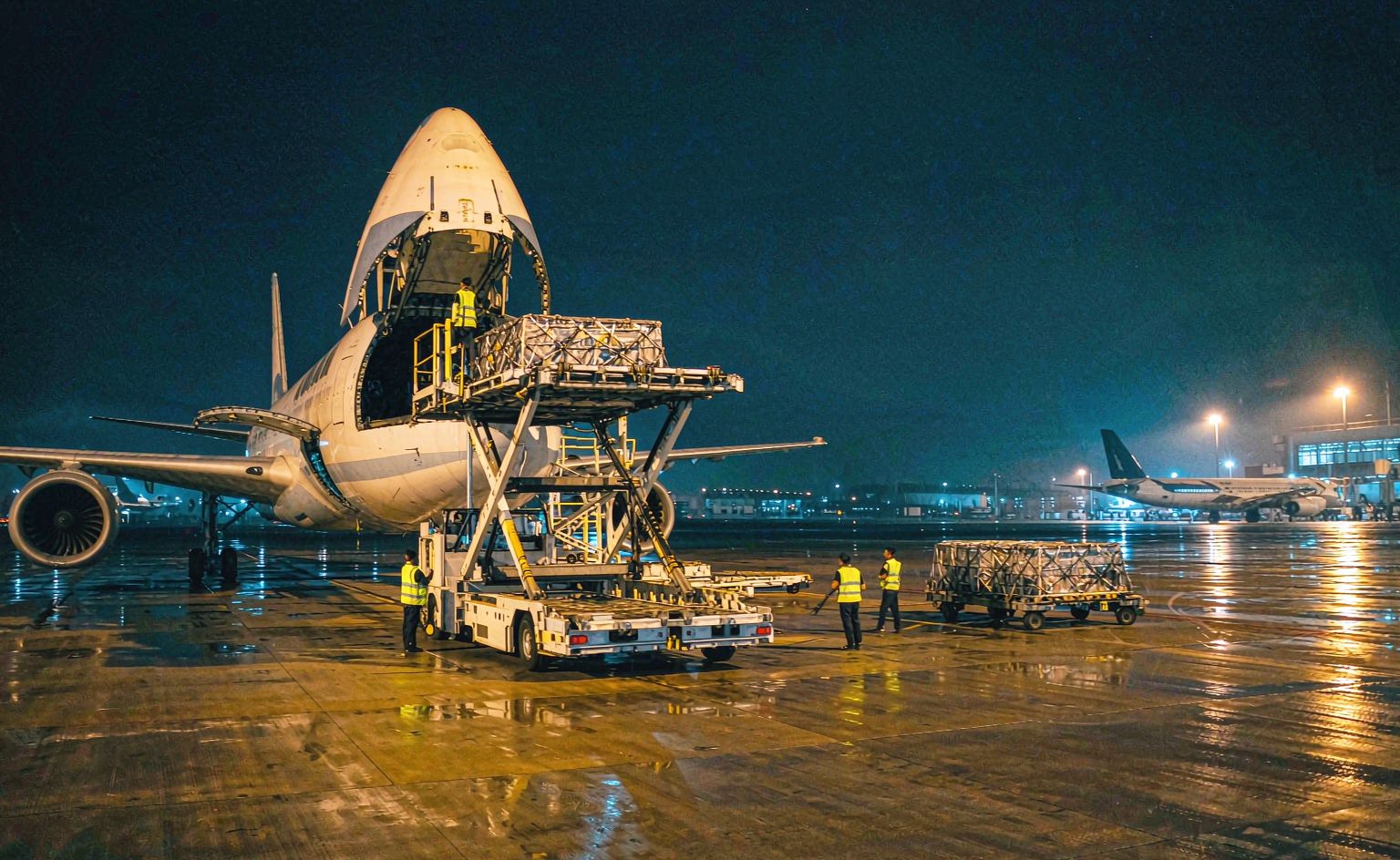
Wide-body freighter on a night apron with its nose cargo door open, a loader lifting a pallet and ground crew standing by
Apron sequenceTender — file — release — loadExport against the cutoff, import against the pickup

Figures come from Nanning Customs and Nanning Wuxu Airport Customs publications, the GACC list of designated inspection sites, Guangxi Airport Management Group and Nanning municipal briefings covering 2024 to 2026. Designated site status follows the current GACC list. Schedules, capacity and cutoff times follow the airline and terminal notices in force at the time of booking, and nothing on this page is a transit-time guarantee.

Facilities and supervised sites

Four Zones Decide Which Lane Your Cargo Uses

Nanning is not one shed. It is an international terminal, three designated inspection sites, an airside transfer center and an e-commerce supervision center. The commodity picks the zone, the zone picks the sequence, the sequence sets the clock.

Wuxu Airport Customs

International Cargo Terminal

Terminal 2 cargo area · 23,800 m²

Layout
Inbound hall and outbound hall operated separately
Capacity
120,000 t a year: 50,000 inbound, 70,000 outbound
Equipment
8 screening lanes, 14 powered conveyor belts, temperature-controlled rooms
Operator
Guangxi Civil Aviation Industry Development Co., Nanning Air Logistics Branch
Best for: general cargo, charter pallets, perishables, e-commerce parcels. Avoid for: out-of-gauge pieces before the airline confirms the aircraft type.

The outbound hall is sized for 70,000 t a year. Fine in a normal week, queued in durian season and promotion weeks. Book the dock slot early.

Airport Customs · inspection

Three Designated
Inspection Sites

Fruit / chilled seafood / live aquatic

Categories
Import fruit, chilled seafood, live aquatic products
Location
All inside the cargo station on Airport North 3rd Road, Terminal 2
Site codes
Fruit CNNIN720276; chilled seafood CNNNG720122; live aquatic CNNNG72S022
Also held
Pharmaceutical and medicinal materials import qualification
Best for: durian, mangosteen, coconut, pomelo, salmon, shrimp, mud crab, grouper. Avoid for: meat, which has no designated site at this gateway.

All three sites require the same three things before departure: market access, overseas establishment registration and an import quarantine permit. Missing one parks the pallet in a cold room.

Airport Customs · airside

Airside Transfer Center
and Apron Pickup

Direct distribution without leaving the airside

Model
Released import cargo is broken down on the apron and dispatched onward directly
Condition
No inspection order against the shipment; an order cancels the shortcut
First case
May 2024, live mud crab arriving by freighter from Myanmar
Effect
Over 4 hours saved in perishable transit, about RMB 1,100 per metric ton in clearance cost
Best for: inspection-free perishables and high-value cargo moving straight to domestic distribution. Avoid for: shipments under inspection, licensing control or laboratory sampling.

Apron pickup is a condition, not a right. The only question that decides it: was an inspection order issued before the manifest landed?

Airport Customs · e-commerce

Cross-Border E-Commerce
Supervision Center

Joint customs and terminal dispatch

Channels
9610 retail export, 9710 and 9810 export, 1210 bonded import
Expansion
April 2025: supervised floor area tripled, seven new loading docks, export pre-warehouse added
Throughput
Export clearance inside one hour, capacity of 2 million orders a day, seven-day operation
Platform
First joint customs-airport dispatch center at a Chinese airport, plus the Yizhiyi logistics platform
Best for: B2C parcels, direct mail, express consignments, returns and exchanges.

The manifest and the declaration must reconcile. Re-price a promotion without reissuing the list and every parcel stops at the sorter.

Point of comparisonExport (air)Import (air)
When you fileAfter the cargo reaches the supervised area and at least 24 hours before departure; advance filing up to 3 days earlierWithin 14 days of the carrier reporting entry; perishables are filed on landing
PreconditionsSpace confirmed, manifest pre-filed, screening passed, classification settledManifest transmitted, delivery order swapped, quarantine permit and market access in hand
On the floorTender, screening, build the pallet, reweigh, manifest the loadBreakdown, piece count, inspection or quarantine, gate out
Most common failureEarly cutoff on night departures; gross weight different from the filing; batteries refused at acceptanceQuarantine permit applied for after shipping; labeling or certificate mismatch; inspection eating the cold chain
After releasePallet built and loaded, manifest closed, refund documents archivedPickup and delivery, destination inspection, follow-up supervision

Deadlines follow the Customs Law and current declaration rules. Cargo filed in advance must still reach the supervised area inside the permitted window, or the entry is canceled. Local practice can be stricter than the statute.

What we file

Five Export Lines and Three Import Lines,
Each With Its Own Clock

Nanning’s commodity mix is narrow and deep: consumer electronics and batteries out, tropical fruit, chilled and live seafood and medicinal materials in.

01

General air export filing

Space confirmation, manifest pre-filing, entry preparation, tender and screening, release and manifest closure — one owner from booking to closed entry, on freighter or belly capacity.

FreighterBellyManifest closure
02

Cross-border e-commerce filing

9610 retail export and 9710 / 9810 business export, with the order, payment and logistics records reconciled against the declaration before the parcels reach the sorter.

96109710 / 9810Three records
03

Lithium batteries and powered goods

Classification under the IATA dangerous goods rules: UN38.3 summary, MSDS, air transport identification report, packing certificate and shipper’s declaration, then a packaging and labeling check against the carrier’s acceptance standard.

UN38.3DGDClass 9
04

VAT export refund paperwork

After manifest closure we assemble the refund copy of the entry, the release record and the manifest data; sellers without an export license can ship through a qualified entity with the document chain kept intact.

Refund copyArchiveAgency export
05

Truck flights and air-to-air transit

Bonded truck flights and connections between Nanning, Guilin, Guangzhou and Shenzhen: consolidated in Nanning, transited in-district, loaded elsewhere. One truck can carry many waybills, each matched individually.

Truck flightIn-district transitAir-to-air
06

General air import clearance

Delivery order, declaration, duty and guarantee, inspection attendance, release and pickup, plus the handover to a local customs district where the cargo transits inland.

Delivery orderGuaranteeTransit
07

Perishable import clearance

Quarantine permits, certificate checks, site inspection and cold-chain pickup for fruit, chilled seafood and live aquatic products, using two-stage admission and conditional release to move the sampling wait past the gate.

Quarantine permitTwo-stage admissionConditional release
08

Pharmaceutical and medicinal imports

The airport holds a pharmaceutical and medicinal materials qualification, so the lane runs on the drug path: import clearance certificate, filing and testing documents, and a check that species, origin and processing method match the permit.

Drug clearanceHerbal materialsPermit check
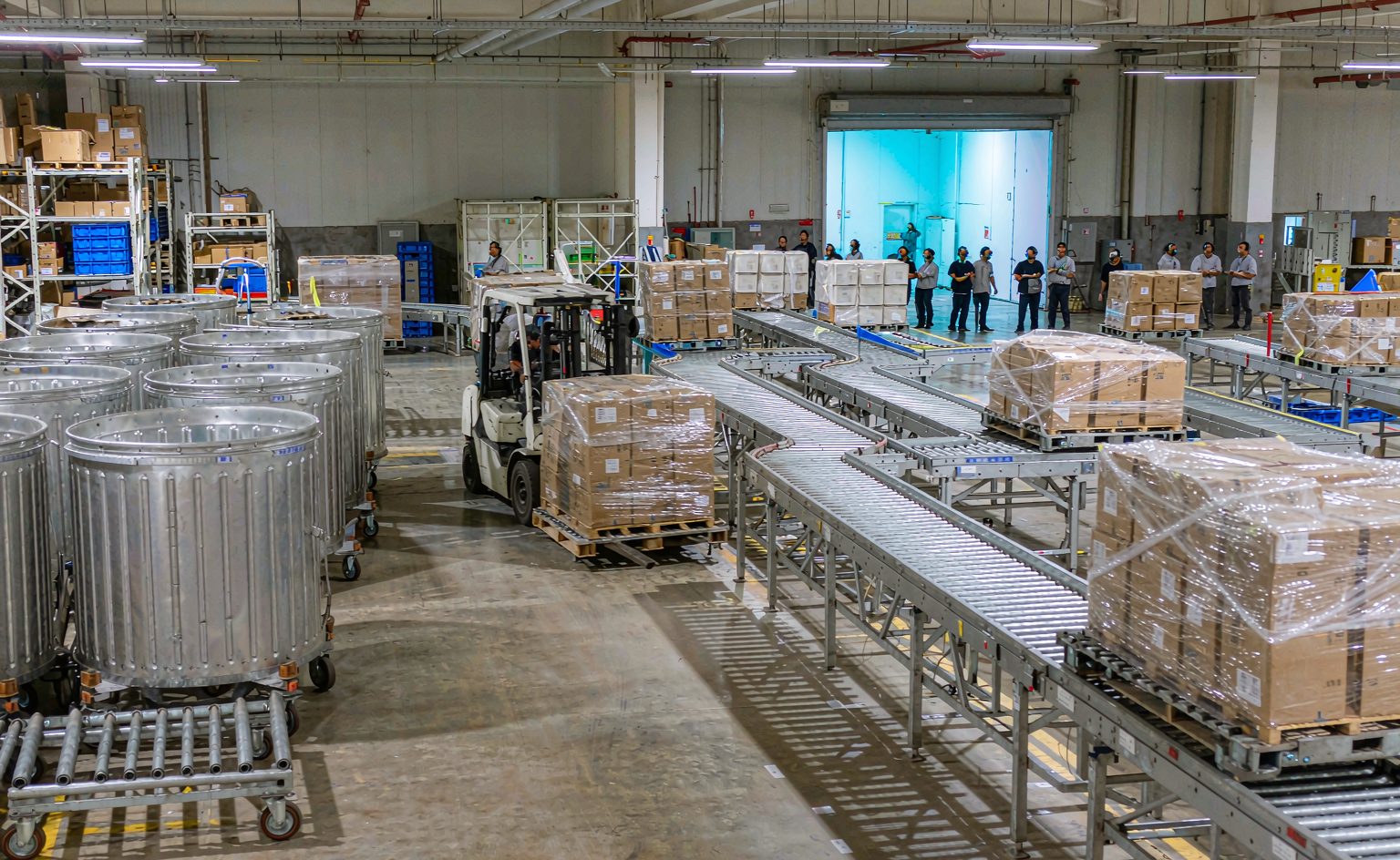
International cargo terminal interior with ULD pallets, a forklift and roller conveyor lanes
Inbound and outbound halls are separated by design but share staff and yard, so a peak on one side slows the other.
One building, two flows. Tender, screening and pallet build run one way; breakdown, inspection and release run the other. The inbound and outbound halls are separated by design, but the staff and the yard are shared, which is why peak season on one side slows the other.
The sequence

Eight Steps Out, Eight Steps In,
Two Deadlines That Actually Bind

Export must be declared at least 24 hours before departure. Import must be declared within 14 days of the carrier reporting entry. Everything else is back-planned from those two numbers.

Export: booking to closed entry · AIR EXPORT

1

Book and confirm space

Decide freighter or belly first. ASEAN freighters at Nanning depart in the evening and small hours; belly space follows the passenger schedule and thins in peak season. The two have different cutoffs.

2

Pre-check documents and classification

Settle description, HS code, declared elements and terms of trade. Consumer electronics and machinery parts attract classification disputes that must be resolved before filing, not at the inspection bay.

3

File in advance

With space confirmed and cargo ready, you can file up to three days before arrival at the supervised area. Advance filing has no slack: one wrong field becomes an amendment.

4

Tender and screen

The terminal receives, X-rays, reweighs and builds the pallet. Batteries and liquids are stopped here more often than anywhere else, and a stop means a new flight.

5

Arrival and release

Once the cargo reaches the area, the system matches it to the entry and releases shipments with no inspection order. Ordered shipments move to inspection, which takes half a day to two days.

6

Inspection and handling

Three failures dominate: piece count and weight, description against goods, and undeclared contents. The amendment window is short, and finding it early is the only real remedy.

7

Load and manifest

Cargo is loaded against the load plan; the manifest must match the entry before the record can be closed. Split and consolidated waybills are reconciled at this point.

8

Close and archive

After closure, collect the refund copy and release record, and file them with the warehouse receipt and terminal records as the basis for the VAT refund.

How to count backwards on export: take departure as zero, subtract 24 hours for the legal filing floor, subtract another 4 to 6 hours for the terminal cutoff and screening window, and subtract one working day for document review and amendments. Nanning’s ASEAN rotations are not dense. If those three blocks do not exist, the cost is usually a week, not a day.

Import: landing to pickup · AIR IMPORT

1

Pre-alert and manifest

The manifest transmits after departure. You need master and house waybill numbers plus pieces, weight and dimensions before the delivery order or the declaration can start.

2

Swap the delivery order

Take the arrival notice and the waybill to obtain the delivery order. Freight collect, documents in transit and consignee mismatches all stop here.

3

Declare

Fourteen days from entry reporting, or immediately for perishables. Settle the code, the price, the origin and any preferential certificate before the aircraft lands.

4

Duty and guarantee

Pay against the assessment, or use monthly aggregation or a duty guarantee insurance policy to release first and pay later. Perishables buy time this way as a matter of routine.

5

Inspection and quarantine

Fruit is checked for labeling and phytosanitary certificates, seafood for packaging and viability, chilled product for temperature records. Orders are usually issued before landing.

6

Quarantine handling

Sampling, cold treatment or disinfestation happens at the designated site. This is the least predictable block, and the one perishables must budget for.

7

Release and pickup

With release in hand, clear the pickup formalities and the gate. Cargo with no inspection order can be broken down at the airside transfer center — that is apron-direct pickup.

8

Delivery and follow-up

Move to a registered warehouse or the final destination, and complete any destination inspection inside the deadline. Open supervision follows the next shipment.

How to count backwards on import: take landing as zero. One day before, finish the delivery order preparation and permit check; within two hours of landing, file. Perishables are measured in hours and everything else in days, and mixing the two is how a cold chain gets wasted.
Paper

Export Is a Completeness Test,
Import Is a Sequencing Test

On export, one missing sheet blocks tender. On import, the permit and the market access must exist before the goods ship, and nothing can be fixed on arrival.

Export · base set

  • ✓
    Declaration datadescription, code, quantity, weight, terms and currency. Missing this means the entry cannot be generated.
  • ✓
    Contract or purchase ordermust agree with the invoice value and terms. A mismatch triggers a price query.
  • ✓
    Commercial invoice and packing listpieces, gross and net weight, volume, packaging. Missing weights means the pallet cannot be built.
  • ✓
    Customs brokerage power of attorneyelectronic authorization completed in the single window. Without it we cannot file at all.
  • ✓
    Space confirmation and manifest datamaster and house numbers, flight and departure time. Wrong numbers put the cargo on the wrong flight record.
  • ✓
    Export license or regulatory certificatedriven by the HS code. Discovering a licensing requirement after tender costs the flight.

Export · special cargo

  • ✓
    UN38.3 test summarythe base document for lithium batteries by air, issued by an accredited laboratory. Without it, acceptance is refused.
  • ✓
    MSDS and air transport identification reportfixes the UN number and transport limits; the report runs on an expiry date.
  • ✓
    Packing certificate and shipper’s declarationthe packaging test result and the DGD. An expired certificate stops the shipment at the counter.
  • ✓
    Certificate of originneeded for preferential duty, and the ASEAN format must be the correct one.
  • ✓
    IPPC mark or fumigation certificatesolid wood pallets and crates are checked. A missing mark means re-palletizing on the dock.
  • ✓
    Inspection or phytosanitary certificatefor goods inside the statutory inspection catalogue.
  • ✓
    Brand authorizationcommon for branded goods and e-commerce. Absence invites an IP hold.

Import · base set

  • ✓
    Delivery order or arrival noticeissued at the swap and required for pickup. Without it the cargo stays in the terminal.
  • ✓
    Original or telex-release waybillmaster and house consignee must match. A mismatch freezes the delivery order.
  • ✓
    Contract, invoice, packing listthe price build-up must reconcile with the declared terms.
  • ✓
    Import declaration dataincluding freight and insurance in the dutiable value. Understating them invites a valuation query.
  • ✓
    Automatic import license or quota certificateper the regulatory condition on the code.
  • ✓
    Brokerage and inspection authorizationimport usually needs both authorities delegated.

Import · perishables and pharmaceuticals

  • ✓
    Import animal and plant quarantine permitmust be issued before shipping. Applied for on arrival, the cargo waits in a cold room.
  • ✓
    Official phytosanitary or health certificatespecies and origin must match the permit exactly.
  • ✓
    Overseas establishment registration numberseafood suppliers must appear on the GACC register.
  • ✓
    Chinese label and ingredient listrequired for pre-packaged food, checked per batch for loose produce.
  • ✓
    Certificate of originthe ASEAN format, issuance window and direct-consignment rule all have to hold.
  • ✓
    Cold chain temperature recordthe full data set, which customs may request during inspection.
  • ✓
    Drug import clearance certificate and filingmedicinal materials run on the pharmaceutical path, not the general one.
Two recurring omissions. The quarantine permit, which must be applied for before departure; and the ASEAN certificate of origin, where format, issuance window and direct-consignment rule all have to be satisfied at once. Either one missing turns a duty advantage into a reclassification.
Clearance modes

Four Modes, Chosen by Direction and Commodity

The window on air freight is narrow. Choosing a mode is really choosing where the risk sits: before the filing, or after the release.

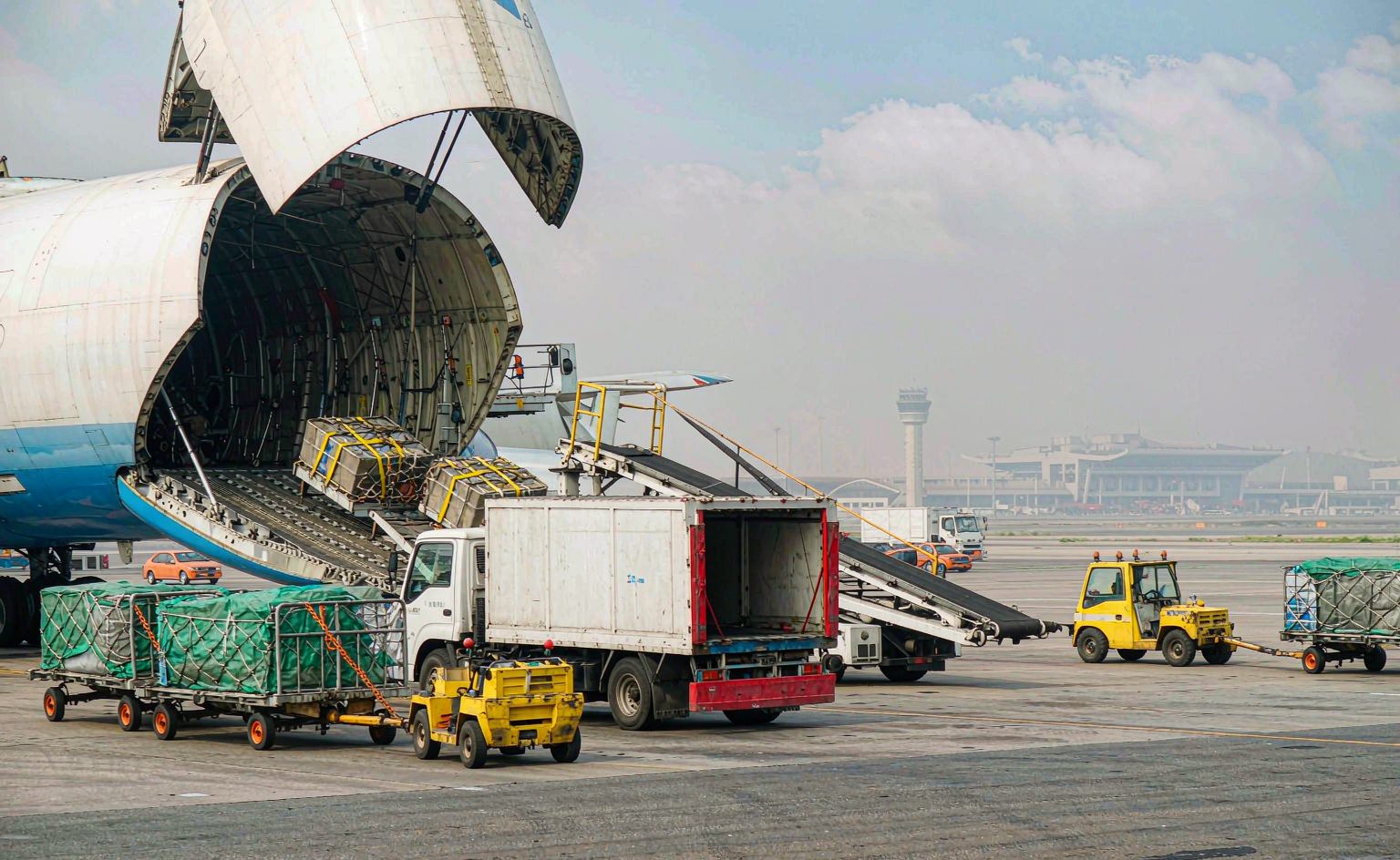
Cargo pallets moving from a freighter loader onto transfer trucks at the airside transfer center

Advance filing — the export default

File up to three days before the cargo reaches the supervised area, so release and tender run in parallel. Use it when documents are stable and the lane is regular. Skip it when the commodity description is still moving: one amendment cascades into the load plan.

Two-step declaration — the import default for perishables

A summary declaration releases the cargo, and the full declaration follows inside the deadline. Paired with conditional release, the sampling wait moves past the gate. The supplement deadline is the part people forget, and it is enforced.

In-district transit by truck flight

File in Nanning, transit to Guilin or another airport inside the same customs district, and load there — the Nanning–Guilin–Kuala Lumpur service runs this way. Consolidation and transit happen the same day, departure the next, and the truck leg costs about 12 percent less than moving the cargo any other way. Useful when the destination is served but Nanning has no space.

Multi-zone transit to a land border

Consolidate and file in Nanning, then transit to Aidian or Dongxing for road exit, or transit inland for inspection at a local customs district. Standard for e-commerce and general cargo heading overland into ASEAN. The cost is one supervised movement and the hours it takes.

By commodity

Eight Commodities, Eight Different Problems

Consumer electronics and durian move through the same airport on completely different logic. One is a document accuracy contest, the other is a contest measured in hours.

Consumer electronics

Model-dense and fast-cycling. Declared elements must reach model and function level; never file a generic accessory description, and check licensing and branding before tender.

Lithium batteries

Class 9 dangerous goods. Standalone cells normally need a freighter; cells installed in equipment can travel as general cargo under conditions. Incomplete files are refused at the counter.

Machinery and auto parts

Mixed shapes, high value. Custom crating and shock isolation matter, and the declaration has to describe purpose and material part by part rather than as a set.

Textiles and footwear

Many SKUs, small batches. E-commerce runs on the list model, general trade on the entry, and the two document structures are not interchangeable.

E-commerce parcels

List and entry from one data source, with order, payment and logistics matched. Returns have to travel the original path or the records stop reconciling.

ASEAN fruit imports

Market access by country and species, phytosanitary certificate, packaging marks and cold treatment records. Durian peaks from April to June, when cold room space runs out before airspace does.

Chilled and live seafood

Salmon is a cold chain integrity test, mud crab and lobster a survival rate test, chilled product a temperature log test. Live cargo pickup is budgeted in hours, not days.

Pharmaceuticals and herbs

The pharmaceutical path applies: clearance certificate, filing and testing documents. If species, origin or processing method differs from the permit, the only outcome is re-export.

Compliance points worth repeating

First, do not declare dangerous goods as general cargo. Screening and carrier acceptance are two separate gates, and a misdeclaration ends with the shipment returned to the warehouse and the shipper flagged on every subsequent booking.

Second, do not read “can be imported” as “can be imported anywhere”. Nanning holds three designated inspection sites plus a pharmaceutical qualification; meat has no site here. Even inside the right category, market access, establishment registration and a quarantine permit all have to be in place.

Third, do not carry ocean freight timing habits into air freight. Ocean gives you days of buffer, air gives you hours, and Nanning’s ASEAN departures cluster at night. After the cutoff, the only remaining plan is the next rotation.

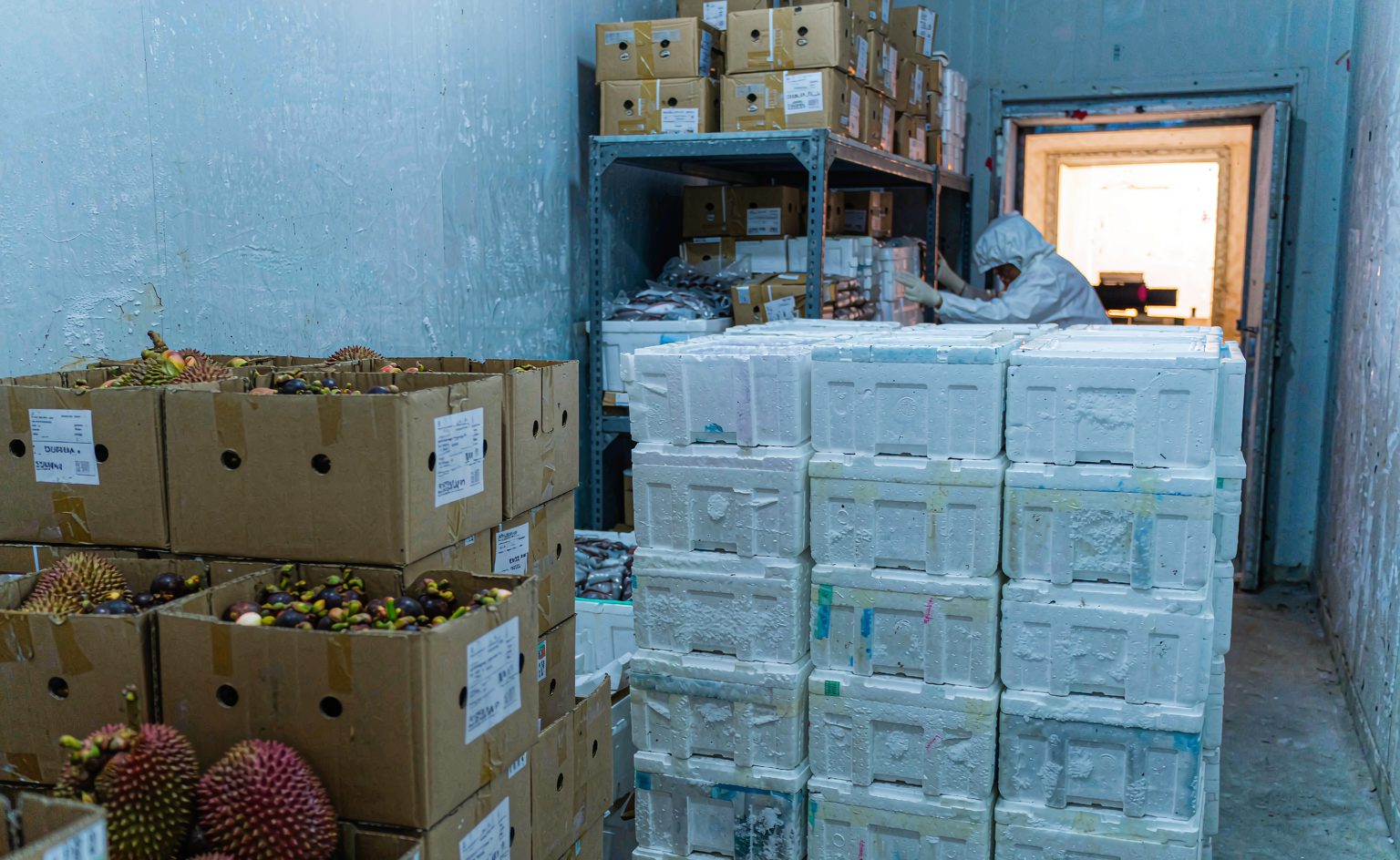
Supervised cold room with cartons of tropical fruit on one side and insulated seafood boxes on the other
Perishable importPermit, certificate, registration — then the truckThe cargo that clears same day is the cargo prepared weeks earlier
Working cases

Six Shipments, and Where Each One Jammed

Air freight rarely fails because nobody knew the process. It fails on one number, one certificate, or one step taken out of order.

Import01

Durian season: cold room space ran out before airspace did

Cargo & lane
Six pallets of Thai durian a week into Nanning, then trucked to wholesale markets in Guangdong and Hunan.
Where it jammed
April arrivals collided with the outbound hall’s peak. Released pallets queued more than a day for cold room space, and fruit temperature climbed while the buyers’ trucks waited in the car park.
What we did
Split each flight into a pickup-now group and an overnight group. Inspection-free cargo went through apron-direct distribution; the rest was scheduled into inspection windows booked two days before arrival rather than on landing day.
Outcome
No load was returned to the cold room that season, and pickup ran roughly eight hours ahead of the queue. In peak weeks the scarce resource is floor space, not airspace.
Import02

Live mud crab, and an inspection order three hours before landing

Cargo & lane
Live mud crab from Myanmar by freighter, planned for apron-direct pickup and same-day distribution.
Where it jammed
Three hours before landing, an inspection order appeared against the shipment. Apron pickup was void, and every hour on the tarmac reduced the survival rate that the buyer was paying for.
What we did
Moved the consignment into the supervised warehouse, requested that the gateway and destination checks be combined into a single operation, and had the holding tanks and cold trucks standing by before the doors opened.
Outcome
Inspection and release completed on the same shift, with survival inside the buyer’s threshold. Apron pickup is a condition, never a commitment.
Export03

A promotion re-priced 4,000 parcels and nobody reissued the list

Cargo & lane
9610 retail export to Malaysia, consolidated at the Nanning e-commerce center for a night departure.
Where it jammed
The platform cut prices, the order values changed, and the declaration list still carried the old amounts. In the same batch, payment records were timestamped before the orders existed.
What we did
Reissued the list at original order value, had the payment provider retransmit the payment records, and completed the three-way binding before the cutoff, using the export pre-warehouse for consolidation.
Outcome
The batch made the night flight. When a price changes, the whole record set is reissued — patching one field guarantees a sorter rejection.
Export04

Batteries and equipment in one carton, refused at acceptance

Cargo & lane
Consumer devices with installed cells plus two spare batteries, booked on a freighter to Jakarta.
Where it jammed
Devices and spares were packed together, the outer carton carried a single label, and the shipper’s declaration listed one UN number for a consignment that contained two configurations.
What we did
Separated the equipment from the spare cells, added insulation and Class 9 labeling, reissued the declaration, and moved the shipment to a service whose acceptance conditions matched the packing.
Outcome
One rotation later, no re-export. Mixed packing is the single most common reason lithium shipments die at the counter.
Export05

Forty waybills on one truck, three of them wrong

Cargo & lane
9710 e-commerce cargo moving overland through the Aidian border crossing, consolidated onto a single bonded truck.
Where it jammed
The truck carried more than forty waybills. Three had piece counts that did not match the packing lists, and one truck cannot depart with a partial data set.
What we did
Reconciled every waybill against its declaration before release, pulled the three mismatches out for amendment, and let the remainder transit on the original vehicle after the transit data matched the border release record.
Outcome
The truck left on schedule and the three shipments followed the next day. With consolidated loading, one bad waybill holds the whole vehicle.
Import06

Medicinal herbs, where the missing item was a certificate, not a pallet

Cargo & lane
A consignment of medicinal materials booked on a direct service, destined for a processor in Guangxi.
Where it jammed
The drug import clearance certificate and filing documents were still being completed, and the declared processing method did not match the permit. Nothing could be released on landing.
What we did
Ran a document comparison before departure — species, origin, processing method, packaging against the permit — and corrected the permit or the cargo description first. Booking followed the certificate.
Outcome
One rotation later with no terminal storage charge. On pharmaceutical and herbal cargo the certificate comes first and the booking second, every time.

These cases are reconstructed from publicly reported operations at this gateway and from recurring industry problems, de-identified and consolidated. They do not refer to a specific company, and local practice follows the customs district and terminal requirements in force at the time.

Questions we get

Ten Questions About Clearing Cargo at Nanning

Half export, half import. The recurring themes are departure frequency, designated sites and perishables.

What can be imported through Nanning, and what cannot?
The airport holds three designated inspection sites — import fruit, chilled seafood and live aquatic products — all inside the cargo station on Airport North 3rd Road at Terminal 2, plus a pharmaceutical and medicinal materials qualification. Durian, mangosteen, coconut and pomelo, salmon and shrimp, mud crab and grouper are routine. There is no designated meat site, so meat needs a different gateway. Species and country of origin must both appear on the GACC published list before you book.
How late can I file the export declaration?
Cargo must be declared after it reaches the supervised area and at least 24 hours before departure. Advance filing allows up to three days before arrival, provided everything reaches the terminal inside the permitted window, otherwise the entry is canceled. In practice the terminal cutoff, several hours before departure, binds first: released cargo that misses it still misses the aircraft.
Durian season fills the terminal. How do I protect my flight?
Three things, all done early. Lock the cold room and dock slot two days before departure. Split the consignment into pickup-now and overnight groups, sending inspection-free cargo through apron-direct distribution. Book inspection windows in advance rather than applying on landing day. The bottleneck in peak weeks is the outbound hall’s annual capacity being consumed in a few weeks, not the speed of the filing.
What is apron-direct pickup, and does my cargo qualify?
Released import cargo is broken down at the airside transfer center and dispatched onward without leaving the airside. The single condition is that the shipment carries no inspection order. If an order is issued before the manifest lands, the cargo goes to the supervised warehouse and the shortcut is void. Licensing-controlled and sampling cargo does not qualify. The route opened with a live crab shipment in May 2024 and saves more than four hours on perishable transit.
Can lithium batteries ship out of Nanning?
Yes, as dangerous goods. The base file is a UN38.3 test summary, MSDS, an air transport identification report and a packing certificate, plus the shipper’s declaration. Standalone cells normally require a freighter; cells installed in equipment can move as general cargo under conditions. Packaging must prevent short circuit and crushing, with Class 9 labels and the UN number on the outer carton. Incomplete files are refused at acceptance.
Which e-commerce channel applies, and how does border transit work?
Retail direct mail uses 9610, business-to-business export uses 9710, overseas warehouse stocking uses 9810, and bonded import stocking uses 1210. Cargo leaving overland is filed in Nanning and transited to Aidian or Dongxing under the multi-zone arrangement, with one truck able to carry many waybills as long as each is matched individually. Order, payment and logistics records must reconcile in value and timestamp.
How is pharmaceutical or herbal import different from general cargo?
The airport holds a pharmaceutical import qualification, so the drug path applies: an import clearance certificate, filing and testing documents, and a check that species, origin and processing method match the permit. It is not the general cargo process and general paperwork cannot be substituted. Booking before the certificate exists only parks the pallet on arrival.
There is no direct flight to my destination. What are my options?
Three. An air-to-air connection through Guangzhou, Shenzhen or Shanghai. A bonded truck flight, filing and releasing in Nanning then loading at Guilin or another airport inside the district, as the Nanning–Guilin–Kuala Lumpur service does. Or transit to a land border crossing for road exit. Destination, deadline and value decide it, and the road leg has to be inside the comparison from the start.
What happens if customs inspects my shipment?
Inspection is routine enforcement, not a finding. The order is usually issued before the cargo arrives, and the check covers piece count, description and undeclared contents. Minor discrepancies are explained and amended on the spot; anything larger moves to handling and the flight is normally gone. The real defence is a document review before filing and a physical check before tender.
Nanning, or Guangzhou and Shenzhen — how do I choose?
Three questions: is the destination in ASEAN or South Asia, how many days of slack do you have, and can the cargo absorb one extra handling cycle. For major ASEAN cities Nanning flies direct in about four hours, which usually wins. For Europe and North America with a direct-service requirement, connecting through Guangzhou, Shenzhen or Shanghai is the practical route. Comparing freight rates alone hides the transit time and the extra handling.

Why us

On Air Freight, the Skill Is Arithmetic

There is no “wait a bit longer” option. Either the cargo boards this aircraft or it waits for the next one.

01

One team covers both directions

Export filing, import release, transit and bonded work sit with the same group, so a problem does not get handed from export to import to bonded and back.

02

We plan against departure times, not office hours

Documents, screening, cutoff and pickup are all back-planned from the wheels-up and wheels-down times, so “in time” becomes a table with clock readings on it.

03

We work the three designated sites weekly

Permit pre-checks, inspection attendance and conditional release for fruit, chilled seafood and live aquatic products are scheduled in hours rather than days.

04

We refuse dangerous goods we cannot move

Classification comes first under the IATA rules, and cargo is accepted only when the file is complete. Saying no early protects your booking better than trying it once.

05

We design truck flights as a route, not a segment

Bonded truck connections to Guilin, Guangzhou and Shenzhen, in-district transit and multi-zone border transit are planned as one path, with the filing and release order fixed before the truck moves.

06

Someone is at the airport

Inspection attendance, amendment delivery and pickup coordination happen on site at Nanning, so an exception is not relayed by phone through three people.

Nanning Wuxu Airport · import and export

Send the flight, the commodity and the destination.
We will send back a timeline.

For export, tell us the flight number and cutoff. For import, tell us the landing time and the commodity. We will tell you whether the shipment can make your date before we discuss price.

Request a quote
Export filingsales009@goodhope86.com
Import clearancesales007@goodhopefreight.com
Phone / WeChat+86 189 3345 5525
Backup line+86 189 3869 1638
Hours24/7 appointment clearance, GMT+8
On siteInternational Cargo Terminal, Terminal 2, Wuxu, Nanning
call us: +86 13392162503