Since 2012 NVOCC GD20230925153335 24h Response
+86 13392162503 sales8015@goodhopefreight.com Login
Goodhope Freight

Home / Customs & Value-Added / Export customs clearance, Shenzhen Bao'an Airport

Shenzhen Bao'an Airport Export Customs Clearance

SZX moved 2.05 million tonnes of cargo in 2025, including 1.06 million tonnes on international and regional lanes. The customs step is not what slows a shipment down here: the entry is filed before the cargo reaches the terminal, and the gate decides in one pass whether it goes straight to build-up or to inspection. What still runs late is everything after release — build-up, screening and carrier acceptance — and that is where we work.

Shenchang cargo terminal Airport international terminal Express supervision center East & North cargo areas Advance filing Gate release Air-to-air transit
2.05 MtCargo and mail handled in 2025, up 9% year on year
1.06 MtInternational and regional cargo, third on the mainland above 1 Mt
About 5 minutesCustoms clearance time at the export gate
43International and regional cargo destinations
2.05 MtCargo and mail in 2025, up 9%
1.06 MtInternational and regional cargo, up 10%
24 hCustoms clearance at Shenchang, first in China
63Cargo destinations across 27 countries and regions
Airport profile

A Cargo Airport Built Around Time, Not Around Space
Release Is Fast and the Flight Clock Is Not

Shenzhen became the third airport on the Chinese mainland to pass 2 million tonnes of cargo in a year, and the third to move more than 1 million tonnes on international and regional lanes alone. A third runway opened on 29 November 2025 — 3,600 metres, 4F, eight operating modes across three runways — and the airport is building toward three terminal areas, three cargo areas and 4.5 million tonnes of annual capacity.

None of that helps a shipment that misses its cut-off. Air export clearance has no equivalent of the seaport buffer where a container waits in the yard for a late release. The cargo is either accepted by the carrier before the flight closes or it sits in a terminal until the next one, and the difference is usually a document that was right about the goods but wrong about the aircraft.

  • 1
    Filed before arrival, decided at the gateAt Shenchang the entry is filed while the cargo is still on the road, and security review moves online. The gate reads the shipment once: flagged cargo goes to the central inspection area, everything else goes straight to build-up.
  • 2
    Clearance runs 24 hoursShenchang has operated round-the-clock customs clearance since 19 April 2025, the first international cargo terminal in China to do so. Late freighters and overnight consolidations no longer wait for a gate to reopen.
  • 3
    The factory belt is one to two hours awayMost electronics, apparel and e-commerce suppliers in Shenzhen, Dongguan, Huizhou and Zhongshan sit within a two-hour drive of the terminals, which is what makes a same-day hand-over realistic rather than theoretical.
  • 4
    Transit gives you a second gatewayCargo can clear in Shenzhen and leave through Urumqi, Harbin, Chengdu Shuangliu, Chengdu Tianfu, Beijing Daxing or Beijing Capital under air-to-air transit — one declaration, clearance at both ends.
Who files the export entry? On FOB, CFR and CIF terms the China-side export declaration is the supplier's obligation, but a late release still lands on your delivery date. On EXW it is yours to arrange. Either way, ask for the filing timeline in writing before production finishes, not after the cargo is on a truck.
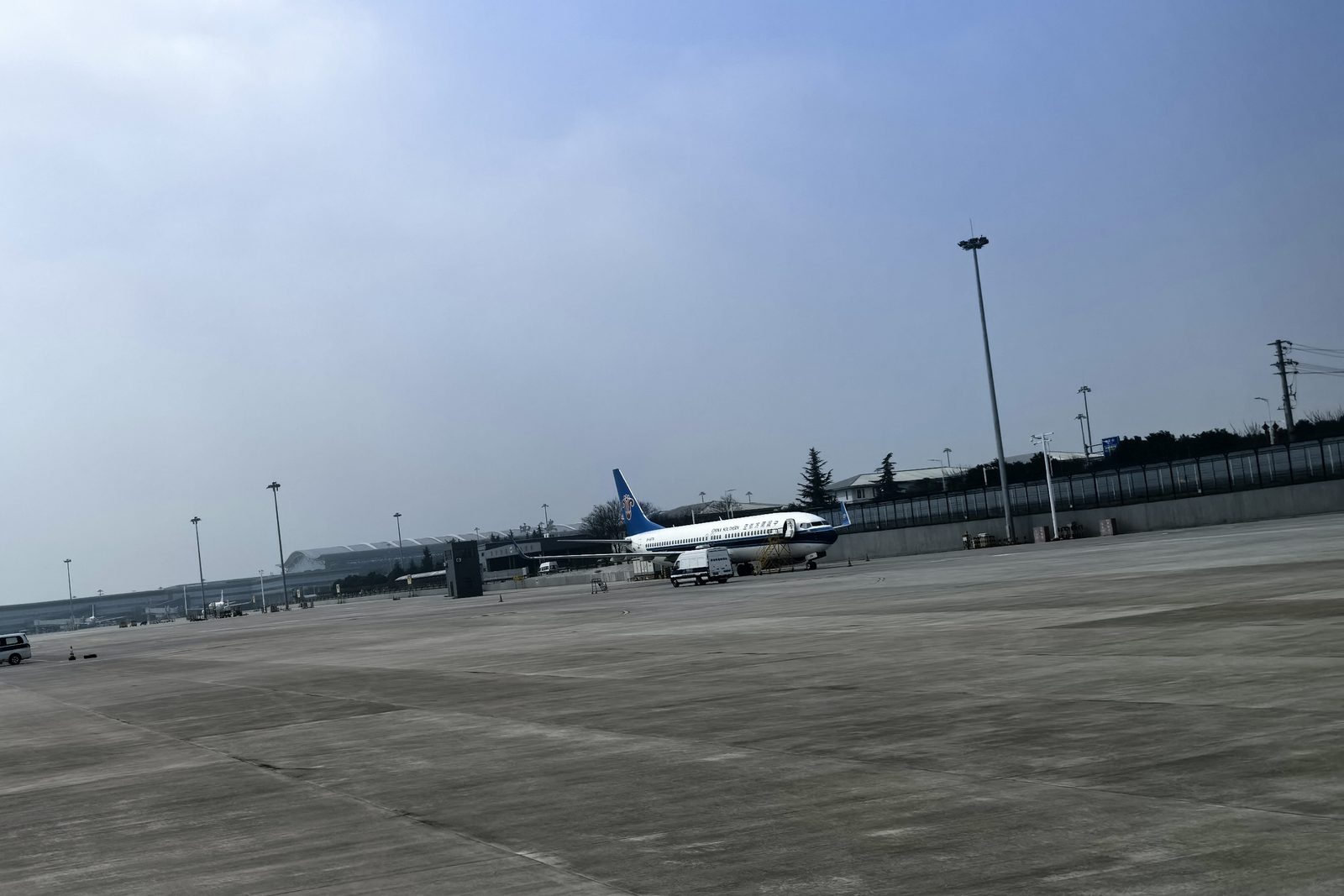
A freighter aircraft and ground service equipment on the Shenzhen Bao'an airport cargo apron
On the ground Pickup — release — build-up Entry filed early · gate decision · cut-off back-planning

In short

Export customs clearance at Shenzhen Bao'an International Airport is the China-side filing that turns booked air cargo into a legally released export: classification, entry preparation, single-window filing, terminal acceptance, gate release, inspection attendance and closure. SZX runs it across four different facilities — a 24-hour smart terminal, the main international terminal, an express and e-commerce supervision center, and cargo areas still under construction — and each one has its own sequence. Goodhope Logistics (China) Limited files the entry, coordinates pickup and build-up, and follows the shipment until the manifest closes.

Note: cargo volumes, terminal capacity and facilitation measures come from Shenzhen Airport Group, Shenzhen Customs and Shenzhen municipal publications (2025 full-year data). Cut-off times, carrier acceptance rules and terminal receiving windows are set by the airline and terminal for the specific flight and change seasonally.

Terminal matrix

Four Places to File, Four Different Sequences

SZX is not one cargo terminal. It is a round-the-clock smart terminal in the south cargo area, the main international terminal on Airport Fourth Road, an express supervision center, and two cargo areas still being built. Sending cargo to the wrong one costs a day before anyone touches a document.

Shenzhen Airport Customs

Shenchang International Cargo Terminal

South cargo area, Linghang Second Road

Status
First international terminal in China under smart, remote supervision with 24-hour clearance
Capacity
About 26,000 m² of floor space, designed for 110,000 tonnes a year
Sequence
Advance filing, gate release; flagged cargo is diverted to central inspection, the rest releases
Scope
Imports, exports, international transit, truck flights, 9610 export transit, internal transfer
Best for: e-commerce, urgent general cargo, overnight freighters, cargo that needs to be transferred between supervised premises. Not for: shipments handed over before classification is settled.

Receiving time fell from 30–60 minutes to under 10, and customs clearance at the export gate runs about 5 minutes.

Shenzhen Airport Customs

Airport International Cargo Terminal

Airport Fourth Road · supervised premises CNSZX530124

Status
The main international terminal, open 24 hours
Role
Freighter and belly-hold cargo, transit and truck flights
Sequence
Weigh-in, airway bill build, filing, screening and build-up, sequenced to the flight
Risk
Once cargo is inside, amendments also disturb screening and load order
Best for: electronics, apparel, full pallets, large freighter consignments. Not for: cargo handed over before the documents are settled.

Freighter cut-off typically falls about six hours before departure and belly-hold about four, so hand-over has to be back-planned from the flight, not from opening hours.

Express & e-commerce

International Express Supervision Center

Airport Fourth Road

Status
Concentrated supervision for express consignments and cross-border e-commerce
Modes
Express classes KJ1, KJ2 and KJ3; e-commerce 9610, 9710 and 9810 lists and entries
Sequence
List data matched against waybill, order and payment records before release
Risk
One list whose piece count or weight disagrees with the waybill holds the whole batch
Best for: parcels, express consignments, e-commerce retail exports. Not for: multi-commodity general cargo on one entry.

List declaration and formal entry are two different data models, and mixing them creates rework on both sides.

Under construction

East and North Cargo Areas

East cargo area · North cargo area

Delivered
Phase 2 of the SF Express South China hub
Building
East international transit terminal No.1 and east international express terminal No.1
Started
North cargo area broke ground in August 2025, paired with Terminal 2
Capacity
North area adds more than 1.8 Mt a year once complete
Best for: charters, hub operations, e-commerce fulfilment at scale. Not for: urgent cargo today — the capacity is not released yet.

With all three cargo areas in service, airport cargo capacity is expected to exceed 3 Mt a year, on more than 1 million m² of logistics space.

ItemShenchang terminalAirport international terminal
Filing pointFiled before the cargo leaves the factory; security review happens online in transitFiled after hand-over and weigh-in, off the airway bill data
Gate stepSmart gate separates flagged from cleared cargo before build-upAcceptance, screening and build-up queue inside the terminal by flight
Clearance timeAbout 5 minutes at customs, under 10 minutes for receivingFollows the flight wave; peak-season queues add hours
Operating hoursCustoms clearance around the clock since April 2025Terminal open 24 hours; filing and inspection follow customs shifts
Typical cargoE-commerce, express, urgent general cargo, transfersElectronics, apparel, full pallets, freighter consignments
Room to amendFiling sits ahead of the gate, so a correction never touches screeningCargo is already inside; an amendment reshuffles screening and load order

The differences above are drawn from the published operating models of both terminals and from day-to-day practice. Receiving windows and cut-offs are confirmed by the terminal and the airline for each flight.

What we handle

Eight Export Clearance Workflows, Split by Cargo and by Flight

One air shipment can carry four data sets at once — master waybill, house waybill, list and manifest. The workflows are split because each cargo type answers to a different one.

SERVICE 01

General air export clearance

Master and house waybill data aligned before filing, with the entry, packing list and waybill agreeing on piece count, gross weight and volume through to closure.

MAWB / HAWBWeight checkClosure
SERVICE 02

Cross-border e-commerce filing

List and entry filing under 9610, 9710 and 9810, with list, waybill, order and payment records matched per shipment and exceptions pushed back to the platform daily.

96109710 / 9810Data matching
SERVICE 03

Lithium batteries and products with cells

UN3480 for cells shipped alone, UN3481 for cells packed with or contained in equipment. UN38.3 summaries, MSDS, watt-hour ratings and packing instructions checked, with a DGD where the airline requires one.

UN38.3MSDSDGD
SERVICE 04

Dangerous goods and chemicals

Classification against IATA DGR before any paperwork is written. Non-hazardous chemicals need a composition sheet and flash point data so the whole shipment is not pushed into the DG channel by default.

IATA DGRHazard testDG packing
SERVICE 05

Cold chain and temperature-controlled cargo

Pharmaceuticals, biologics and perishables: set point, coolant method and maximum transit time written into the documents, with inspection booked ahead so the box is open for as short a time as possible.

Set pointBooked inspectionPharma
SERVICE 06

Air-to-air transit and truck flights

Cleared in Shenzhen, flown out through Urumqi, Harbin, Chengdu, Beijing or another gateway, or moved by truck flight under cross-border fast clearance at a road port.

TransitTruck flightOne filing
SERVICE 07

VAT refund documents and no-license export

Refund copy of the entry, release message and airway bill assembled after closure; exporters without a licence ship through a licensed entity of record, with invoicing and payment kept on the same party.

Refund copyArchiveAgent export
SERVICE 08

Import clearance and bonded storage

Airport import clearance with advance filing and booked inspection, 24-hour release-and-collect on arrival, and bonded handling through the airport logistics center with storage and delivery attached.

ImportRelease on arrivalBonded
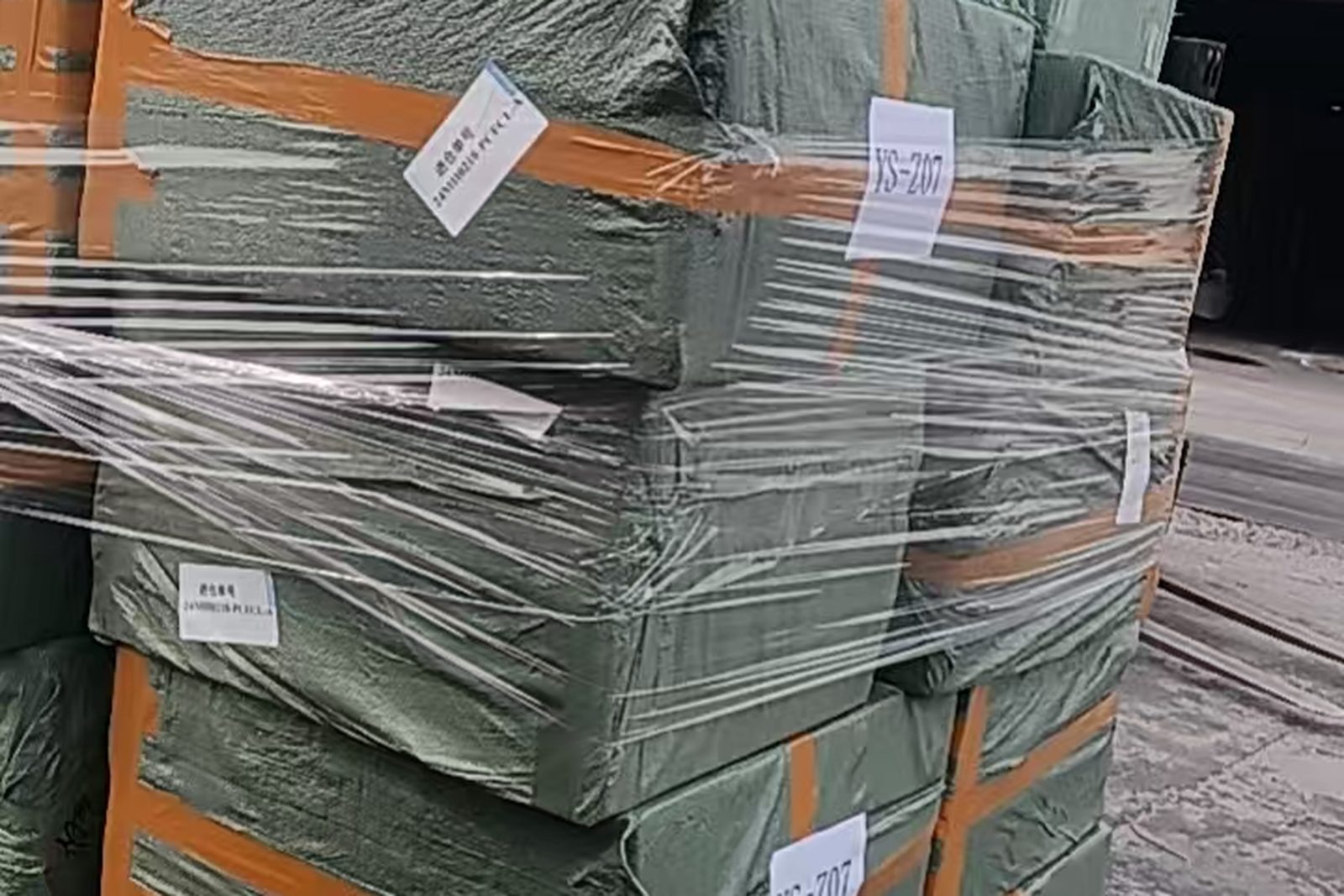
Export cargo wrapped and strapped on pallets waiting for air freight hand-over
The dividing line is not the entry — it is whether the cargo can be built up Aircraft pallets have fixed footprints and limits. Out-of-gauge, overweight and this-side-up cargo has to be measured and balanced before anyone decides between loose loading and a full pallet position. Battery cargo also needs UN numbers and watt-hour ratings printed on the package; unmarked freight is refused at screening, and a customs release cannot fix that.
Process

How Export Clearance Runs at Shenzhen, Step by Step

The flow is short. Every step has to land before the flight closes, so back-planning starts from departure time rather than from terminal opening hours.

1

Order review

Confirm description, pieces, weight, volume, destination and trade term, and flag three things early: licensing, cells or batteries, temperature control.

2

Booking and space confirmation

Book with the airline or a block space provider, take the master waybill number and flight, and confirm the cut-off and receiving window in writing.

3

Classification and elements

Settle the HS code and every element behind it — brand, model, material, function — and check licence validity while there is still time to act on it.

4

Advance filing

File once the goods are ready and the waybill data exists, and take the release message before the truck leaves, so a correction never has to be made at the gate.

5

Hand-over and weigh-in

The terminal weighs, measures and labels; actual and volumetric weight decide the charge and also whether the shipment still fits the plan.

6

Build-up, screening, gate release

Palletised and screened. At Shenchang the gate splits flagged cargo to central inspection and releases the rest straight through to build-up.

7

Loading and manifest

Loaded in cut-off order, with master and house waybills, piece count and weight reconciled against the manifest; transit cargo confirms its onward space.

8

Closure and archive

Entry closes after departure; refund copy, release message and waybill are filed for the VAT refund and later write-off.

Get the timing rule right. Under Article 24 of the Customs Law, export cargo must be declared after it reaches the supervised premises and at least 24 hours before loading. Advance filing allows a declaration up to three days ahead, but everything on the entry must then arrive within three days or the declaration is canceled — five days for transit cargo. In practice SZX works to airline cut-offs of roughly six hours before departure for freighters, four for belly-hold and three for express. Gate release takes minutes; build-up, screening and carrier acceptance are what eat the remaining hours.
Documents

What Has to Be Right Before Air Cargo Leaves Shenzhen

Air has a narrower margin than ocean: release is only the first gate, and the waybill, manifest and loading data still have to agree afterwards.

Base set, every shipment

  • ✓
    Export entry: filed through the single window, matching the goods and the waybill
  • ✓
    Contract or purchase order: trade term, currency and delivery point stated
  • ✓
    Commercial invoice and packing list: pieces, gross and net weight, volume and marks consistent
  • ✓
    Air waybill: master number, flight, destination and weight matching the physical cargo
  • ✓
    Customs power of attorney: electronic mandate valid and broad enough to cover the shipment
  • ✓
    Refund and payment details: exporter of record and invoice issuer must be the same entity where a refund is claimed

Add by cargo type

  • ✓
    Licences: export licence, dual-use item licence and similar controlled-goods approvals
  • ✓
    Certificate of origin: CO, FORM E, FORM A and others, chosen for the destination tariff
  • ✓
    Battery documents: UN38.3 test summary, MSDS, watt-hour statement and photographs of the lithium marks
  • ✓
    Dangerous goods documents: hazard classification report, DG packing certificate, DGD and packing group
  • ✓
    Cold chain documents: set point, coolant plan, maximum transit time and batch list
  • ✓
    Transit and bonded documents: transit declaration, bonded inventory note, ATA carnet where applicable
Practical note: filing at Shenzhen is paperless and the mandate is electronic, so documents are submitted digitally and called for on review. Requirements still differ by cargo type and by trade mode — general trade, e-commerce, express and market procurement are four different rule sets. The review decision governs, which is why we pre-check the file before hand-over instead of after.
Clearance modes

Four Ways to Clear Air Cargo at SZX — Match the Mode to the Freight and the Flight

Advance filing with gate release, direct loading, air-to-air transit or local inspection. Same airport, very different amounts of terminal time.

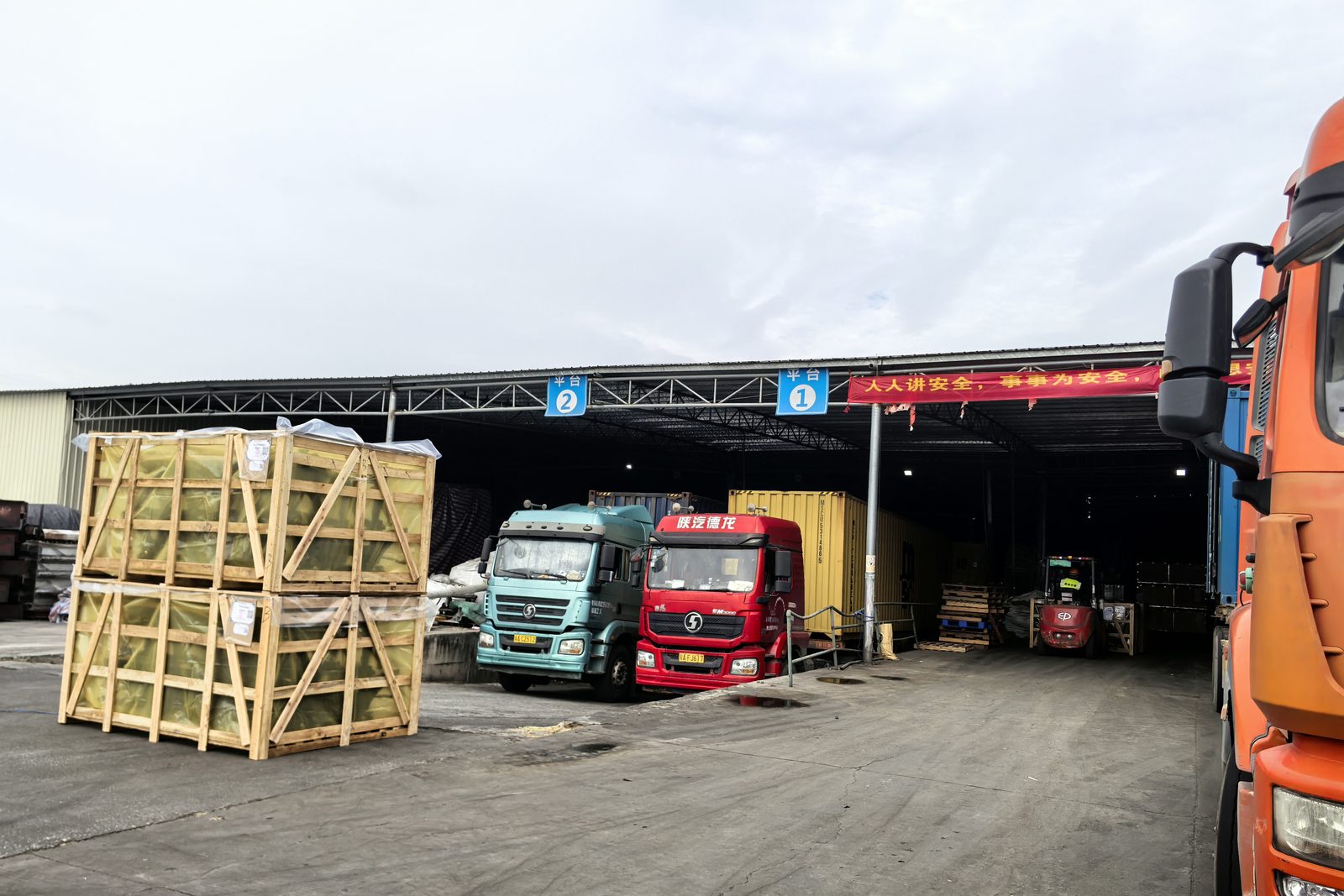
Cargo trucks backed into the loading bays of a Shenzhen export consolidation warehouse
Pickup and consolidation in the Pearl River Delta feed the terminals on a fixed daily rhythm.

Advance filing with gate release

Filed while the cargo is still moving, security review completed online, gate decision at arrival. This is the fastest routine path and the default for general cargo and e-commerce.

Direct loading

Released cargo bypasses storage and goes to build-up on arrival. It suits tight flights and large pallet positions, and it punishes sloppy waybill data harder than any other mode.

Air-to-air transit

Clear in Shenzhen, depart through another gateway. Cargo is declared once and cleared at both ends, which is how destinations outside SZX's own network stay reachable in peak season.

Local inspection and integrated clearance

Inspection at origin, release at the airport, for cargo produced outside the Shenzhen customs district that needs origin-side inspection and quarantine before it flies.

By cargo type

Cargo Type Changes Everything Behind the Entry

Shenzhen exports are dominated by electronics, apparel, e-commerce parcels and battery products. Dangerous goods and pharmaceuticals are a small share by tonnage and the hardest to move.

Electronics

Model, brand and function have to support the code; accessories are declared separately, and anything with radio or cells is declared as it actually ships.

Apparel and footwear

Fibre content, construction and brand drive the review. Mixed commodity shipments are listed item by item, not summarised under one description.

Batteries and products with cells

UN3480 and UN3481 follow different rules. UN38.3 summary, MSDS and watt-hour data are mandatory, and the package marks must be legible at a glance.

Chemicals

Determine the hazard before choosing a channel. Non-hazardous cargo needs a composition sheet and flash point; anything hazardous moves under DG rules, not in a general cargo box.

Pharma and cold chain

Set point, batch and expiry into the documents, inspection booked in advance, and as little time as possible between the box being opened and the cargo going airside.

Perishables

Inspection, quarantine, packaging and cooling method. Seasonal peaks — lychee, seafood — need space and inspection booked together, not one after the other.

Samples and exhibition goods

ATA carnet and temporary admission follow a different filing logic, and the re-export deadline is worth writing into the calendar the day the cargo leaves.

Out-of-gauge equipment

Work out pallet footprint and weight limits first, then file. Oversized pieces often fail on the aircraft door, not on the entry.

Four things that are not negotiable

1. Declare what is in the box. Description, model, quantity and value must match the cargo and the documents. Misdeclaration is the shipper's liability, and a broker cannot absorb it.

2. Never treat batteries as general cargo. Watt-hour ratings, packing instruction and marks that do not match get refused at screening and by the airline. A customs release does not make a shipment airworthy, and these are two separate standards.

3. Keep the refund chain closed. Entry, invoice, payment and exporter of record have to line up; shipping under another company's name blocks a lawful VAT refund.

4. Check licences before production. Export licences and dual-use approvals are easier to arrange before the goods exist than after they are sitting in a terminal.

Working scenarios

Six Real Jobs, Six Places Where the Clock Nearly Won

Air export rarely fails on the process. It fails on one document version, one gate decision or one cut-off nobody counted into the schedule.

Shenchang · Battery cargo01

Power banks for an overnight freighter, and a UN38.3 summary that named the wrong cell

Cargo & lane
1.8 tonnes of power banks and Bluetooth earbuds, overnight freighter from SZX to Europe, cargo needed at the destination within three days.
Where it jammed
The UN38.3 summary on file covered an older cell model that was no longer in the product, and the packages carried no watt-hour marking. The entry itself could be filed; the airline would not accept the cargo.
What we did
Asked the cell supplier for a current test summary and MSDS while preparing the UN3481 package marks. Filing and carrier acceptance ran in parallel, with the entry declared on the battery configuration that was actually shipping.
How it ended
Loaded that night. The deciding factor was never the entry — it was whether the battery documents described the cells in the box.
Express center · E-commerce02

A 40 kg gap between list and waybill, and 600 parcels stopped at matching

Cargo & lane
Retail e-commerce export, about 600 parcels a day under 9610 lists, Southeast Asia lane.
Where it jammed
The platform's list carried estimated pieces and weights; the terminal's actual weigh-in came out 40 kg heavier overall. List against waybill matching failed and the batch never reached the release queue.
What we did
Pushed the variance back per shipment for the platform to correct, and switched the affected SKUs to declared actual weights so the re-match could finish before the day's cut-off.
How it ended
Released the same day. On e-commerce cargo the problem almost always sits between estimated and measured, so weigh early.
Airport terminal · Chemicals03

A coating additive with “solvent” in the name, and a report that kept it out of DG

Cargo & lane
5 tonnes of coating additive, handed over as general cargo, Middle East lane, space already booked.
Where it jammed
Terminal acceptance asked for evidence of hazard characteristics because of the word in the description. Routed as dangerous goods, the packing and carrier acceptance would have to be rebuilt and the booking would be lost.
What we did
Added a hazard classification report, composition sheet and flash point test, and issued a non-hazardous declaration. Packaging and marks were re-checked against general cargo requirements at the same time so nothing failed later.
How it ended
Accepted as general cargo, no rebooking. For chemicals the sequence is determination first, hand-over second.
Transit · Peak season04

No direct space in peak season, so the cargo cleared in Shenzhen and left elsewhere

Cargo & lane
Electronic components for a secondary European city; direct SZX space sold out for the week.
Where it jammed
No direct capacity, and routing through another gateway normally means filing again. The customer's delivery window was four days out.
What we did
Used air-to-air transit: declared in Shenzhen, moved on a domestic leg to a gateway with international capacity, and closed the export there. One declaration, clearance at both ends.
How it ended
Delivered on time. Transit is not about saving money; it is about having a route that does not depend on direct space.
Build-up · Out of gauge05

A 3.9 metre machine that cleared customs and still did not fit the aircraft

Cargo & lane
An industrial inspection unit, 3.9 metres long, 2.6 tonnes, this-side-up only, Europe lane.
Where it jammed
It would not sit on a standard pallet, and the belly door of the planned aircraft was too small. The booking was made on a type that could never take it.
What we did
Re-ran the load plan from aircraft door dimensions and available pallet footprints, moved the shipment to a freighter with an oversized-cargo approval, and declared actual dimensions and weight with a loading diagram attached.
How it ended
Departed a day later, inside the customer's window. For oversized freight the order is aircraft first, entry second.
Refund · Exporter of record06

Entry, invoice and payment named three different companies

Cargo & lane
Small appliances exported through an agent, mid-value, shipping monthly.
Where it jammed
The exporter of record on the entry was the agent, the VAT invoice was issued to the factory, and payment landed in a third account. The refund stage asked for an explanation that no one could give in one page.
What we did
Settled the structure first — one exporter of record, one invoicing party, one collection route — then re-checked the three against each other before every monthly shipment.
How it ended
Refund paid after correction. The recurring cost of a broken chain is not the filing fee, it is explaining it again every quarter.

Scenarios are anonymised: customer names, flight numbers and some weights are changed or rounded, while the operating logic and the bottlenecks follow what actually happened. Carrier acceptance rules and cut-offs vary by airline and season.

FAQ

Shenzhen Airport Export Clearance: 10 Questions Shippers Ask

The questions that come up most from overseas buyers and their suppliers shipping out of SZX, answered the way we actually work.

How far in advance should export clearance at Shenzhen Airport start?
For general cargo, two to three working days before departure is enough to classify, review and file with room to correct. Battery products, chemicals and cold chain need four to five, because a UN38.3 summary, hazard determination or temperature plan often has to be reissued. Same-day shipments are possible, but only when the documents are right the first time.
Does a customs release mean the cargo makes the flight?
No. Release ends the customs step. Terminal acceptance, screening, build-up and airline load planning still follow, and in peak season those queues run for hours. Plan the schedule as release time plus terminal time, never as release time alone.
What is the difference between Shenchang and the airport international terminal?
Shenchang sits in the south cargo area on Linghang Second Road and is the first international terminal in China with round-the-clock customs clearance under a smart, remote supervision model. Export cargo is filed in advance and released at the gate, where flagged shipments are separated from cleared ones automatically. The airport international terminal on Airport Fourth Road is the main facility for freighter and belly-hold cargo, where acceptance, weighing and build-up queue by flight. Shenchang suits e-commerce and urgent shipments; the main terminal suits full pallets and large consignments.
Can I export through Shenzhen without an import-export licence?
Yes, through a licensed entity acting as exporter of record. The catch is ownership: the exporter of record holds the VAT refund and the foreign-exchange collection route. If the goods carry a refund, fix the structure before the first shipment rather than discovering it at the refund stage.
How are lithium batteries and products with cells declared?
Cells shipped on their own fall under UN3480; cells packed with or contained in equipment fall under UN3481. Either way the shipment needs a UN38.3 test summary, an MSDS and a watt-hour statement, and the package must carry the lithium battery mark. Customs release and airline acceptance are separate standards, and passing one does not guarantee the other.
Where are 9610, 9710 and 9810 e-commerce shipments filed?
Retail export under 9610 uses list declaration, while 9710 for business-to-business and 9810 for overseas warehouses follow different entry logic. Express and e-commerce cargo at SZX is handled at the international express supervision center, where lists are matched against waybill, order and payment data before release. Shenchang also handles 9610 export transit.
What happens if my cargo is flagged at the gate?
Being flagged is routine enforcement, not a finding. At Shenchang the gate diverts flagged cargo to the central inspection area for inspection in the normal flow while cleared cargo goes straight to build-up. Someone has to attend for opening, counting and photographs, and X-ray is used wherever it is sufficient. Inspection itself is free; devanning, shifting and storage are billed as incurred.
Can air cargo leave China through another airport after clearing in Shenzhen?
Yes. Shenzhen operates air-to-air transit export to Urumqi, Harbin, Chengdu Shuangliu, Chengdu Tianfu, Beijing Daxing and Beijing Capital: declared in Shenzhen, exported elsewhere, one declaration and clearance at both ends. Truck flights and cross-border fast clearance at a road port are the other options, and the mix depends on destination and available space.
Is customs available for late-night flights?
Yes at Shenchang, which has run 24-hour customs clearance since April 2025, so overnight freighters pass the gate normally. The main international terminal also operates around the clock, but filing and inspection follow customs working arrangements. For a small-hours departure, file in the afternoon and leave the night for terminal handling rather than for paperwork.
When are the documents for a VAT export refund available?
The refund copy of the entry can be printed only after departure and manifest closure, usually one to three working days after the flight. Amendments, inspections or a slow manifest push that back. The exporter of record, the invoice issuer and the payment route all have to match, or the refund stage asks for an explanation.

Why Goodhope

At Shenzhen, Local Knowledge Beats a Rate Sheet

Four terminals, four sequences, one flight clock. That is a scheduling problem, and it is solved on site rather than in a quotation.

01

Based in Shenzhen, present at the terminals

Our office is in Futian. Terminals, the express center and inspection sites are all reachable the same day, so an amendment or an inspection does not need a flight to fix.

02

Documents pre-checked before hand-over

Classification, elements, battery paperwork and weights are reviewed internally, so corrections happen before the gate instead of at it.

03

Cargo routed to the right terminal

E-commerce and urgent freight through Shenchang's gate release, full pallets through the main terminal, express and parcels through the supervision center. Three timetables, not one.

04

Build-up, screening and acceptance coordinated

Pallet footprint, weight limits, oversized pieces and battery marks are settled before hand-over, so cargo is not refused after it has already been trucked in.

05

Transit routes when direct space is gone

Declared in Shenzhen and exported through another gateway, or moved by truck flight, when peak season closes the direct option.

06

Itemised pricing, billed at cost

Clearance, pickup, build-up, inspection and terminal charges are listed separately and settled against the actual invoices, with no lump-sum padding.

GET IN TOUCH

Send the flight and the cargo details,
we will tell you if it makes the cut-off

Give us the commodity, pieces, weight, destination airport, flight or target date, and the pickup address in Shenzhen, Dongguan or Huizhou. You get the terminal we would use, the document list and a hand-over timetable back.

Request a clearance plan
CompanyGoodhope Logistics (China) Limited
BrandGoodhope Freight
Phone / WhatsApp+86 13392162503
Emailsales8015@goodhopefreight.com
OfficeRoom 1012, Zhonghao Building, No.4 Bagua Road, Futian, Shenzhen
ResponseWithin 24 hours, including weekends
call us: +86 13392162503