Since 2012 NVOCC GD20230925153335 24h Response
+86 13392162503 sales8015@goodhopefreight.com Login
Goodhope Freight
Air export clearance · Import clearance · 9610 e-commerce · Bonded zone

Fuzhou Changle Airport Export & Import Customs Clearance

12,250 metric tons of cargo in 2025, three transcontinental freighter lanes, and an airport that changed shape three times in 2026. We file the China-side declaration at Changle for general cargo, cross-border e-commerce, dangerous goods and bonded repair — then stay on acceptance, screening and uplift until the shipment is on the aircraft instead of in the shed.

Airport cargo terminal E-commerce supervision center Airport bonded zone Advance filing 24/7 booked clearance Designated sites for perishables
12,250 tCargo throughput in 2025
3 lanesParis, East Midlands, Ontario
24 hoursLegal filing deadline before loading
Plan my Changle clearance See the 8-step flow
12,250 tCargo throughput in 2025
16.12 million passengers
RMB 1.6 bnAirport e-commerce export value in 2025
up 319.5% year on year
4FSecond runway, 3,600 × 45 m
in service June 2026
450,000 tDesign cargo capacity
once phase two is fully open
Why Changle

Two Runways, Two Terminals
and a Different Clock Than Last Year

Fuzhou Changle (IATA: FOC) moved 12,250 metric tons of cargo and 16.12 million passengers in 2025. Then three separate events rearranged the place inside eight months: the airport bonded zone went into full operation on 29 January 2026, a second runway opened on 23 June and lifted the airfield to 4F — the first in Fujian, the 17th in China — and on 16 September every international and regional passenger flight moved to the new Terminal 2.

For a shipper the practical effect is narrow and specific: where your cargo is accepted, which apron it reaches, and how much of the clock is left. Intercontinental freighters leave at night. That means the entire working chain — booking, manifest, filing, release, acceptance, screening, build-up — has to finish inside one daylight period, and schedules built on last year's geography will run short.

  • 1
    Freighters carry the long haul, bellies fill the gapsParis, East Midlands and Ontario run as transcontinental freighter lanes, with a Los Angeles–Fuzhou inbound leg on Mondays, Wednesdays and Fridays. Nonstop passenger service reaches New York, Tokyo, Seoul, Singapore, Kuala Lumpur, Bangkok, Jakarta and Amsterdam — useful for light general cargo, but belly capacity follows the passenger market and shrinks in peak season.
  • 2
    Night departures leave no second chanceWith freighters leaving after dark, cargo cut-off usually falls in the afternoon or early evening. Miss it and the shipment waits for the next rotation, not the next hour. Fill the day, or lose the day.
  • 3
    Cross-border e-commerce is the fastest-growing lineAirport e-commerce exports passed RMB 1.6 billion in 2025, up 319.5%, with 14 e-commerce companies shipping through the port. The supervision center runs 8,000 square meters, six automated sorting lines planned and three in service, at 200,000 parcels a day.
  • 4
    The bonded zone only became fully usable this yearWith phase two accepted in January 2026, the airport bonded zone is closed and operating end to end — the first airport-type zone in Fujian. Aircraft parts, bonded repair, bonded logistics and biopharma can now be worked inside the fence instead of around it.
Who actually files? On FOB, CFR or CIF terms the China export declaration is the seller's job — but the cut-off that decides whether your cargo flies still lands on your delivery date. On EXW it is yours. Either way, the sequence below is what decides whether the shipment makes the booked freighter or the one after it.
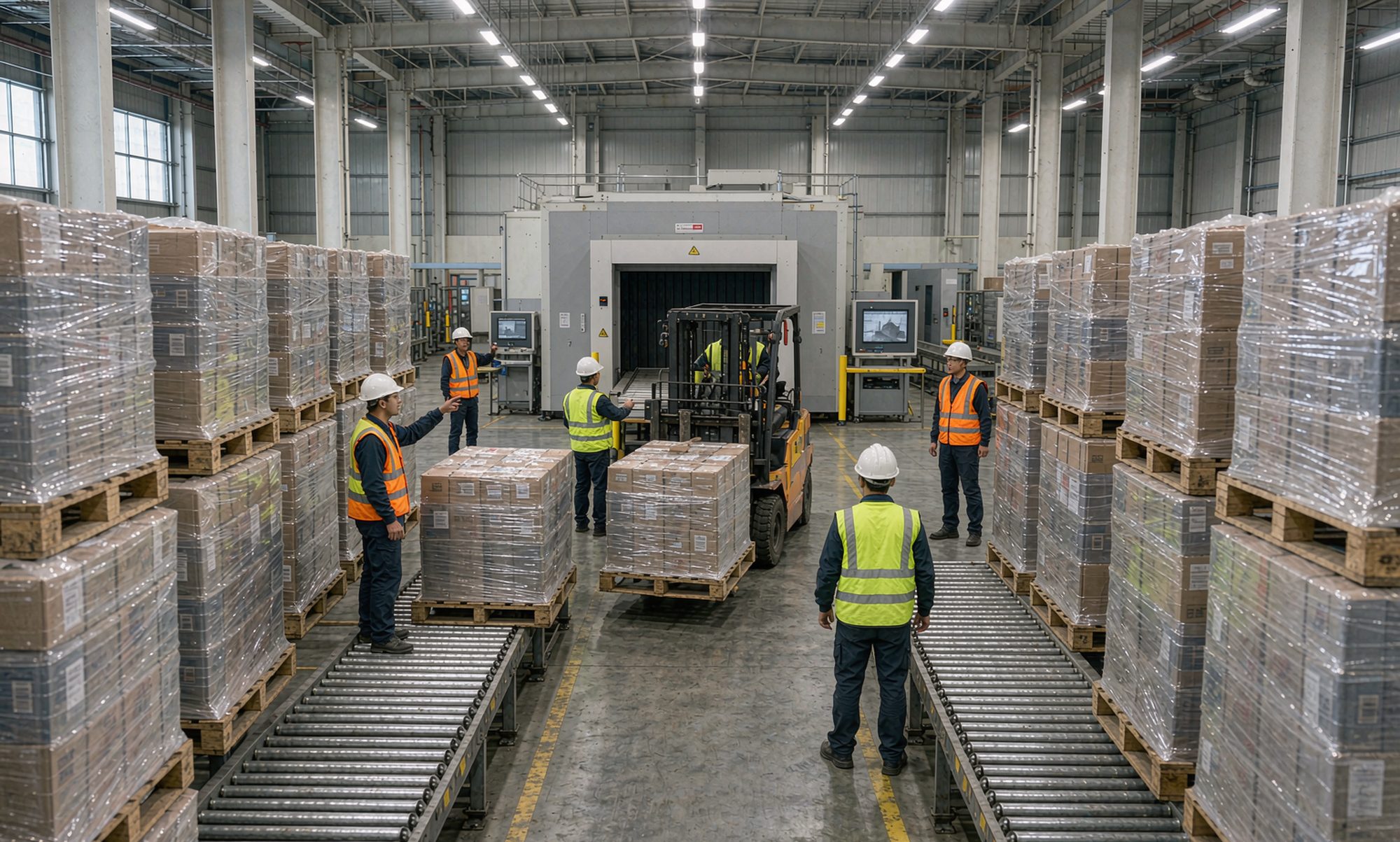
Export cargo on pallets wrapped in stretch film inside an air cargo terminal, with roller deck and screening machine behind
On the ground Pickup — release — terminal acceptance Manifest first · cut-off back-planning · exception follow-up

In short

Customs clearance at Fuzhou Changle Airport is the China-side filing that turns a booked air waybill into a legally released export or a duty-paid import: classification, entry or list preparation, single-window filing, inspection attendance, closure. Changle runs it across separate supervised premises — the airport cargo terminal for general trade and for designated perishable imports, a dedicated center for 9610 e-commerce, an airport bonded zone for aircraft parts and bonded repair, and T2 for belly cargo on international passenger flights. Goodhope Freight acts as the licensed broker for that filing and coordinates pickup, acceptance and the refund documents that follow.

Note: throughput, route and e-commerce figures come from Fuzhou Municipal People's Government, the Fujian Provincial Department of Commerce, China Civil Aviation News and People's Daily Fujian releases covering 2025 and 2026. Port and premises codes follow the General Administration of Customs port code list and the register of designated supervision sites. Actual flight schedules, cut-offs and terminal arrangements are set by the carrier and the terminal operator for the week in question.

Supervised premises

Four Supervised Premises at One Airport — Wrong One Means Refiling

An airport does not divide into port areas the way a seaport does, but its customs supervised premises are separate. General cargo, e-commerce parcels, bonded goods and belly freight each have their own filing logic and their own working rhythm.

Changle Airport Customs 3507

Airport Cargo Terminal

International cargo · airside

Handles
General trade export and import cargo on freighters and belly hold
Workflow
Acceptance, security screening, build-up and loading in one building
Also holds
Designated sites for chilled and frozen seafood, fruit, seedlings, live aquatic animals and meat
Premises code
CNFOC350172, the code your entry has to point at
Best for: general merchandise, footwear and apparel, electronics, machinery, seafood and agricultural cargo

The register lists one cargo terminal address for both general cargo and the designated perishable sites, so a chilled import and a machinery export are filed against the same premises — but not under the same inspection regime.

9610 / 9710 / 9810

E-commerce Supervision Center

Cross-border parcels · 8,000 m²

Opened
September 2023, the first phase-two project to enter service
Workflow
Inspection, clearance, build-up and loading completed on one site, linked to the freighter stands
Capacity
Six automated sorting lines planned, three built; 200,000 parcels a day
Regime
Three-way data matching, centralized X-ray image review, 9610 list release
Best for: platform consolidation, overseas-warehouse replenishment, multi-category parcel batches

Customs expanded the registered area to 6,500 square meters and added two screening gates; overall clearance time fell 46%. What the center removes is the second clearance and re-handling that parcels used to take elsewhere on the airport.

Under Fuzhou Customs 3500

Airport Comprehensive Bonded Zone

Bonded logistics · repair · aircraft parts

Approved
State Council approval 9 July 2023, built in two phases
Status
Phase one closed April 2025; phase two accepted 29 January 2026 — full zone now closed and operating
Standing
Sixth zone in Fujian, the first airport-type zone, and the closest airport zone to Taiwan
Focus
Aircraft parts trade, bonded repair, bonded logistics and processing, new trade models, biopharma
Best for: aircraft parts and repair components, imported spares, e-commerce stock held ahead of orders, cold-chain transhipment

Zone-to-airport linkage is the point: goods move between the bonded zone and the airport cargo channel without leaving the fence and re-entering through the front door.

From 16 September 2026

Terminal 2 · Belly Cargo

International passenger flights

Opened
05:00 on 16 September 2026, with flights split between the two terminals
Holds
All international and regional passenger flights; Terminal 1 keeps domestic services only
Belly cargo
Light general cargo, samples and urgent parts on nonstop passenger routes
Frequency
About 164 international and regional passenger flights a week, 62 of them regional
Best for: small consignments, high-value samples, destinations with a nonstop passenger service

Cargo is still accepted at the cargo terminal; what moved is the aircraft stand. With international flights consolidated at T2, the internal transfer from terminal to apron needs to be planned against the airport and carrier routing of the week, not last year’s.

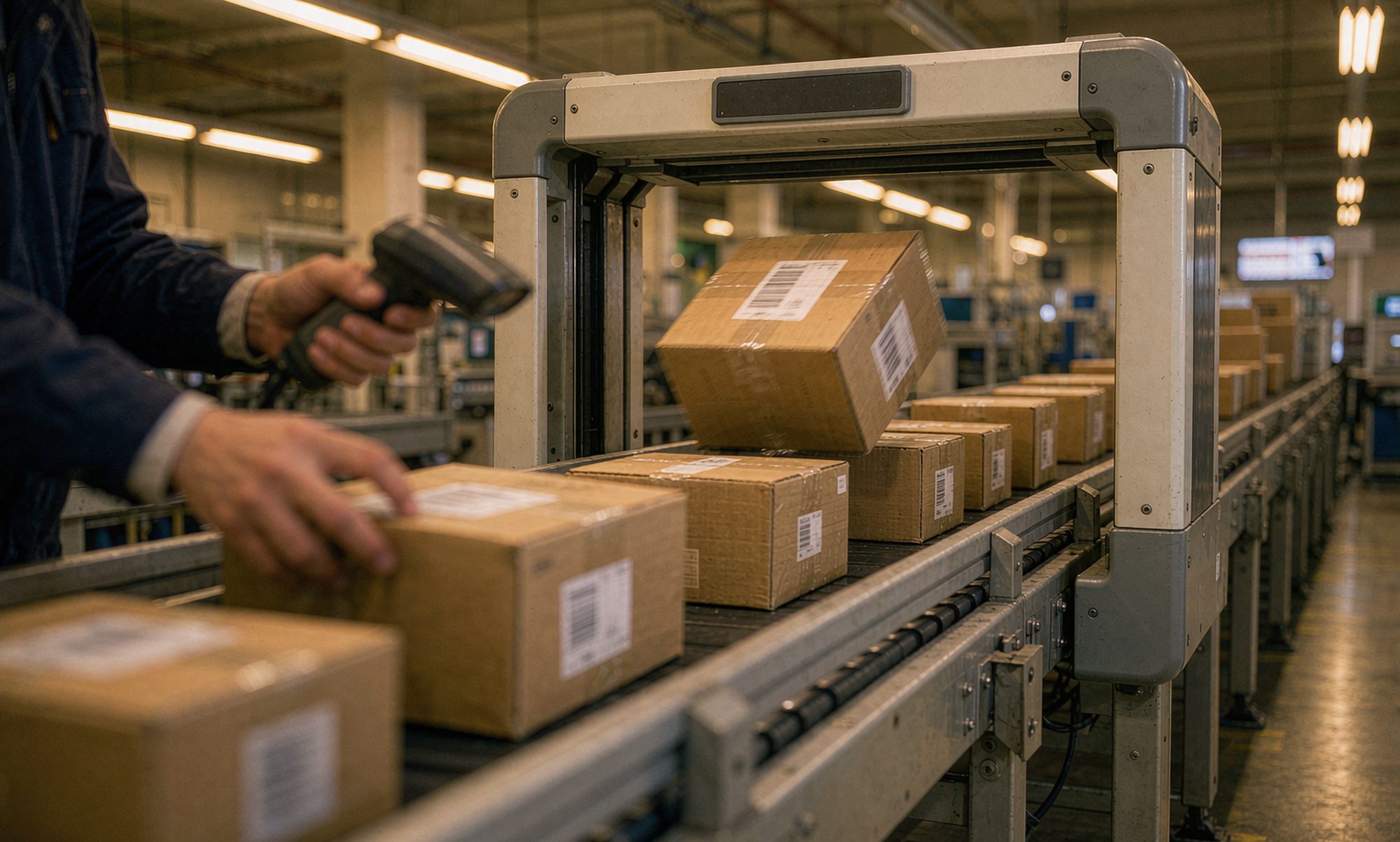
Cross-border e-commerce parcels on a conveyor passing through a scan tunnel at a supervision center
With 9610 the cargo is checked before it moves, not after Cross-border parcels clear on a list and are summarized afterwards, so customs reads the list and the three-way data rather than the carton. Vague descriptions, prices well below comparable goods and returns mixed with new stock get pulled at the sorting line. Changle links the sorting lines directly to the freighter stands, which removes a handling step — and also removes the chance to fix a bad file after the batch has entered.
What we handle

Eight Clearance Workflows, Split by Cargo and Channel

Air freight works on one rule: the commodity decides the route. General cargo goes to the cargo terminal, parcels to the e-commerce center, aircraft parts into the bonded zone, powered goods through the DG process, chilled imports to a designated site. Force them all through one template and the first exception stops you.

SERVICE 01

General trade export declaration

Terms-of-trade review (FOB, CIF, EXW, DDP), contract, invoice, packing list and air waybill checked against each other, then filed through single window and followed through release, uplift and closure.

General cargoElements checkedClosure
SERVICE 02

9610 e-commerce list filing

List release and consolidated declaration for 9610, with 9710 and 9810 handled on their own rules: three-way data matching, category checks and separation of returns before the batch reaches the sorting line.

9610Three-way matchConsolidation
SERVICE 03

Air-to-air transit & inland feed

Export declaration and transit formalities completed at the origin airport, cargo connecting at Changle to an international departure with transit write-off on arrival. Works the other way too: cargo from Nanping, Sanming and Ningde trucked in and filed against the freighter clock.

TransitWrite-offInland feed
SERVICE 04

Lithium batteries & powered goods

UN3480 and UN3481 shipments, power banks, devices with installed cells and aerosols: UN number, DG packing certificate, UN38.3 test summary, MSDS and DGD checked against the model actually shipped, with carrier acceptance confirmed before filing.

UN38.3DG packing certDGD
SERVICE 05

Chemicals, liquids & powders

Hazard determination by composition and CAS number. Non-hazardous goods need a transport condition assessment; hazardous ones move through the DGR process, with carrier acceptance settled before the entry goes in.

Hazard callAssessmentDGR
SERVICE 06

Perishables, cold chain & designated sites

Export side: quarantine and health certificates for seafood, edible fungi and tea, issued before departure. Import side: chilled seafood, fruit, seedlings, live aquatic animals and meat cleared at the designated sites inside the cargo terminal, with inspection and cold-store slot booked into the same window.

Designated sitesTemperatureQuarantine
SERVICE 07

Bonded zone — parts, repair, stock

Aircraft parts, repair components, imported spares and e-commerce stock held inside the airport bonded zone: account book registration, in-zone handling and out-of-zone declaration, tied back to the airport cargo channel.

Bonded repairAircraft partsZone linkage
SERVICE 08

Import clearance, cancellation & amendment

Import clearance and transit at Changle, delivery after release, plus export-side cancellations, amendments and refiling when a flight is canceled, cargo is offloaded or the paperwork changes.

ImportCancellationAmendment
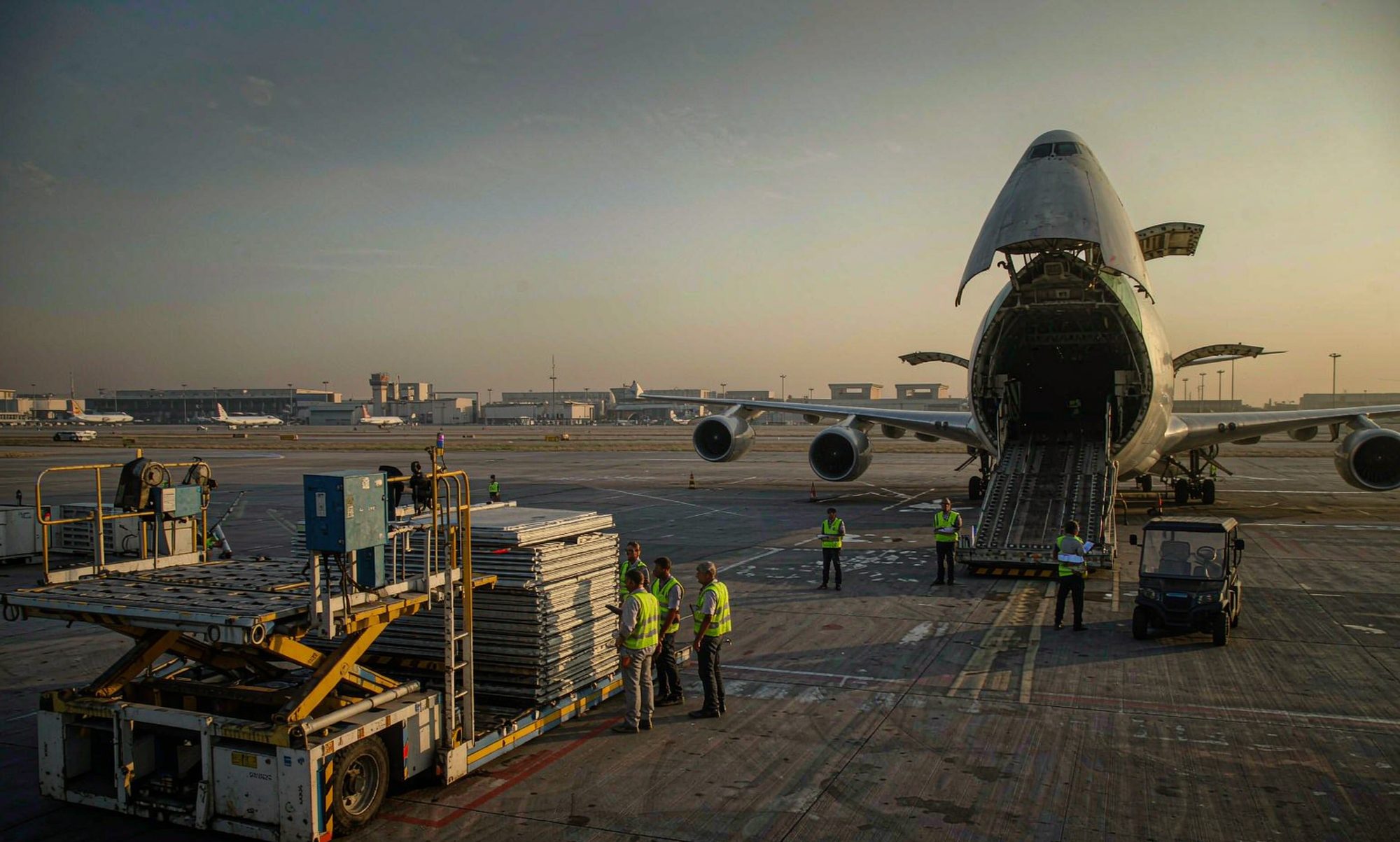
Unit load devices on a main deck loader beside a wide-body freighter on the apron
Two stages after release that most schedules forget: acceptance and screening Air export planning cannot stop at “released”. After release the cargo queues for acceptance, passes security screening, is built up, and waits for weight and balance. In peak season or with special cargo those steps absorb half a day without warning. We plan backwards from the carrier cut-off across three milestones — filing, release, acceptance — rather than filing first and hoping.
Process

How Export Clearance Runs at Changle, Step by Step

Eight steps. Steps two and three decide whether you have to amend anything later; step six decides whether the shipment makes the freighter. Time is the one thing on this line that cannot be recovered.

1

Booking & documents

Fix the flight, destination and terms; collect the customs power of attorney, contract, invoice, packing list, master or house airway bill and the declaration elements behind the code.

2

Classification & elements

Settle the HS code on material, function and principle, then check every element — brand type, export preference, composition, model. Have spec sheets ready before questions arrive.

3

Booking data & three-way check

Match description, pieces, gross weight and volume across manifest, entry and packing list. Changing manifest data after confirmation needs carrier consent, in both time and money.

4

Single-window filing

File as soon as manifest data is available, or inside the legal window: after arrival at the supervised premises and at least 24 hours before loading.

5

Review & inspection

Released directly, or flagged for inspection. Air inspection usually happens inside the terminal: open, count, photograph. A packing list that matches the goods clears in one pass.

6

Acceptance & screening

Cargo goes to the terminal for acceptance, screening and build-up. Release time plus queue time is what decides the flight, which is why we finish filing early rather than at the cut-off.

7

Uplift & manifest closure

Load against the flight; verify master and house bills, pieces, weight and volume against what actually went on board. The manifest closes after departure.

8

Refund documents & archive

After closure, the refund copy of the entry, release message and manifest data come back to you and into the archive for the VAT refund and later verification.

Three clocks, not one. Under Article 24 of the Customs Law, export cargo must be declared after it reaches the customs supervised premises and at least 24 hours before loading. Advance filing lets you file once manifest data exists, but everything on the entry must arrive within the prescribed window or the declaration is canceled — transit cargo gets five days. The third clock is the carrier and terminal cut-off: not a legal deadline, but the one that decides whether your cargo flies, and at Changle it moves with the freighter rotation.
Documents

What Your Paperwork Needs to Look Like for Changle Air Export

An air freight amendment costs more than a sea freight one: at sea you usually have another day, at Changle you usually have another aircraft. Two boxes below — the first on every shipment, the second by commodity.

Base set — every shipment

  • ✓
    Export declaration entryFiled in single-window format by the broker; must describe the goods that actually fly.
  • ✓
    Contract or purchase orderClear on terms of trade, currency and payment conditions.
  • ✓
    Commercial invoice & packing listDescription, quantity, packages, gross and net weight, volume and marks corroborating each other.
  • ✓
    Customs power of attorneyElectronic authorization accepted, valid at filing and issued to the broker who actually files.
  • ✓
    Master and house airway billNumber, flight, destination station, pieces and weight, matching the manifest.
  • ✓
    Declaration elementsBrand type, export preference, composition and model, item by item for the code being used.

Added by commodity

  • ✓
    Export licenses & permitsDual-use items and licensed goods: the license code has to match the declared code, and its validity has to outlast the flight.
  • ✓
    Certificate of originCO, Form E and others, chosen against the destination’s tariff preference; issued before departure, not after.
  • ✓
    Dangerous goods fileDGD, DG packing certificate, UN38.3 test summary and MSDS, all matching the model actually shipped.
  • ✓
    Non-hazardous assessmentThe basis for treating a chemical, liquid or powder as general cargo instead of DG.
  • ✓
    Quarantine & health certificatesHealth, phytosanitary, fumigation or heat-treatment certificates; wooden packaging needs an IPPC mark.
  • ✓
    Bonded records & authorizationFor zone shipments: account book registration, in-zone enterprise authorization and the out-of-zone declaration file.
What Changle has streamlined. Changle Airport Customs runs advance filing and 24/7 booked clearance, with a green lane and inspection on arrival for time-critical and perishable cargo. The e-commerce center added centralized X-ray image review, expanded its registered area to 6,500 square meters and added two screening gates, cutting overall clearance time by 46%. What it simplified is how paper is submitted, not the data itself — one mismatch between manifest, entry and packing list still stops the shipment, which is why every file gets a consistency check before submission.
Clearance modes

Four Ways to Clear at Changle — Match the Mode to the Cargo and the Flight

General cargo, e-commerce parcels, transit freight and shipments that must move outside office hours do not enter through the same door. Choose wrong and the daylight goes into a queue.

Cargo handling equipment and unit load devices on the apron at an airport cargo terminal
Apron-side handling: acceptance, screening and build-up all happen between release and uplift.

Advance filing

With manifest data in hand and cargo ready, file before arrival so the shipment goes straight into inspection or release. On a night freighter this is the most valuable window you have — but everything on the entry must arrive in time or the declaration is voided and refiled.

Air-to-air transit

Clear and complete transit formalities at the origin airport, then connect at Changle to an international departure with transit write-off on arrival. Transit cargo has to reach the premises inside the prescribed window, so the write-off node is tracked, not assumed.

9610 list release

Parcels declare on a list, release in bulk and are summarized afterwards — inspected, cleared, built up and loaded at one site. Built for high-frequency, low-value, multi-category shipments. It depends entirely on clean three-way data; a vague category or an odd price gets the batch pulled for line-by-line checks.

Booked clearance & green lane

Customs works 24/7 on booked clearance, with a green lane and inspection on arrival for time-critical and perishable goods. Night freighters, chilled imports landing before dawn and AOG parts all run on this mode.

By commodity

Fujian’s Export Mix Decides Where Changle Bites

Cargo here is concentrated: footwear, apparel and bags, electronics and display modules, and e-commerce parcels carry the volume, with seafood, agricultural goods, lithium batteries and chemicals behind them — and aircraft parts and perishables on the import side. Each group fails in a different place.

Footwear, apparel & bags

Fujian’s core export group. Material, composition and brand draw the most questions; OEM goods need the authorization chain and the declared brand must match the label.

Electronics & display modules

Brand, model, function and use have to line up item by item. Modules often change code depending on whether they count as a part or a finished unit — keep the spec sheet with the file.

E-commerce parcels

List release depends on three-way data and honest categories. Understated value, vague descriptions and returns mixed with new stock are the three stopping points, plus sorting backlog in peak season.

Seafood, edible fungi & tea

Exports need quarantine and health certificates issued before departure. Imports clear only at a designated site inside the cargo terminal, with inspection and cold-store intake scheduled together — one slot apart and the shelf life pays for it.

Lithium batteries & powered goods

Fix the UN number and packing instruction before booking. UN38.3, MSDS, DG packing certificate and DGD are all required and all have to match the model actually shipped.

Chemicals, liquids & powders

Composition and CAS number decide the route. Non-hazardous needs an assessment report; hazardous goes through DGR with carrier acceptance confirmed before filing, not after.

Aircraft parts & bonded repair

Zone work lives or dies on the account book: parts in, parts used, parts out, each line matched. AOG shipments move on an emergency path with documents prepared alongside the uplift.

Samples & ATA carnet

Carnet goods lists have to match the items carried one for one, or the re-import will not reconcile. Sample invoices should state that the goods are samples of no commercial value.

Three lines that catch shipments here

The freighter cut-off. Intercontinental freighters leave at night, so cargo cut-off lands in the afternoon or early evening. Release is not uplift: screening and build-up queue after release, and on a night rotation that queue is the last two hours you have. Plan release plus acceptance, not release alone.

Licensed, inspected and designated. Air cargo is inspected at a higher rate and the window to supply missing paper is short. License codes, validity and quantity must match this shipment; wooden packaging needs an IPPC mark or fumigation certificate; chilled and frozen imports must land at a designated site, not a general cargo bay.

Three-way consistency. Same rule for general trade and e-commerce: if the manifest, entry or list, and packing list disagree anywhere, the terminal or the sorting line finds it — and in air freight there is no next day to fix it.

Working scenarios

Six Real Jobs, Six Places Where Clearance Nearly Broke

At Changle the failure is rarely “nobody knows how to declare”. It is manifest data that lands late, paper that does not match the goods, or a building that moved while the schedule did not.

Cargo terminal · General cargo01

A night freighter, and the manifest data landed at six in the evening

Cargo & lane
Two shipments of electronic components, 520 kg total, picked up in Ningde and booked on a Europe-bound freighter leaving that night from the airport cargo terminal.
Where it jammed
The carrier released space late and the house bill data only appeared in the evening. On the normal rhythm — wait for the manifest, then file — release would have arrived after cut-off, and a night freighter has no later flight to fall back on.
What we did
Classification and declaration elements were verified before noon so the manifest was the only missing input; the entry went in the moment the data appeared. In parallel we confirmed the acceptance bay and screening slot with the terminal and re-timed the truck to arrive after release instead of parking at a staging warehouse.
How it ended
Accepted and screened within 90 minutes of release, on the original rotation. What saved it was everything prepared before the manifest arrived, not speed on the day.
Dangerous goods · Lithium02

UN3481 declared, but the packing certificate described a different box

Cargo & lane
A batch of portable devices with installed lithium cells, 24 cartons, on a freighter to North America.
Where it jammed
Filed as installed-battery equipment, but the packing certificate listed a different package model from the cartons actually delivered, and the UN38.3 summary belonged to the previous cell generation. Acceptance stopped at the counter.
What we did
Held the cargo, obtained a current UN38.3 summary for the actual cells, had the factory repack to the certified package model with a written statement, and prepared a cancellation and refiling rather than pushing a wrong entry through.
How it ended
One flight later, but not recorded as misdeclaration. With powered goods the problem is never the entry — it is whether those few certificates describe the goods in the carton.
E-commerce · 961003

Lists released, then the sorting line pulled the whole batch

Cargo & lane
Platform consolidation of roughly 22,000 cross-border parcels, exporting to Europe through the e-commerce supervision center.
Where it jammed
The lists described everything as “household goods”, but the cartons contained small battery fans and perfume samples. Payment records and list prices diverged noticeably, so the three-way match failed.
What we did
Pulled every powered and alcohol-based item out and declared them on their own routes, rewrote the categories down to actual product names, corrected prices to the real transaction values, and segregated returns so they never entered the batch.
How it ended
The remaining parcels cleared and left the center the same day; the exceptions flew separately the next day. 9610 throughput comes from clean data before entry, not from declaring loosely.
Terminal move · Belly cargo04

The international flights moved to T2 and the belly cargo had further to travel

Cargo & lane
Samples and a small consignment of spares, 180 kg, on a nonstop passenger service to Tokyo that the client had specified.
Where it jammed
From 16 September 2026 all international and regional passenger flights operate from Terminal 2, while cargo is still accepted at the cargo terminal. Planned against the old “release and it is at the stand” assumption, the internal transfer no longer fitted the schedule.
What we did
Confirmed the current internal routing and transfer windows with the airport and carrier, pulled the release time a full hour earlier, and aligned build-up completion with the transfer vehicle rather than letting a built-up pallet wait for a truck and the truck wait for a slot.
How it ended
All three shipments left on their booked flights. When the building changes, the schedule has to be redrawn — experience is not a substitute.
Bonded zone · Repair05

Aircraft parts for repair, where the account book did not match the end use

Cargo & lane
A consignment of aircraft repair parts imported for a maintenance company inside the airport bonded zone, to be returned abroad after repair.
Where it jammed
The file had been prepared on a normal-import assumption: no account book registration and no in-zone enterprise authorization, with the end use described as own use rather than bonded repair. Entry into the zone stalled at the declaration stage.
What we did
Registered the account book and authorization first, mapped parts in, parts consumed and parts out line by line, then refiled the import on the bonded-zone basis so the outbound return could be written off against the same book.
How it ended
Inside the zone the following week, with no extension to the repair cycle. The barrier in bonded work is not the duty rate — it is whether the account book can account for every part.
Import · Designated site06

Chilled seafood landing before dawn, with the cold store and the inspection on the same clock

Cargo & lane
A consignment of imported chilled seafood arriving at Changle, needed in a cold store and distributed into the province the same day.
Where it jammed
The flight landed before dawn, outside office hours, and the designated site inspection, sampling and cold-store intake all had to happen in one window. Shift any of them and the cargo waits half a day — which chilled product does not have.
What we did
Pre-reviewed the documents before landing and booked clearance, then aligned the inspection attendance, the sampling slot and the cold-store intake time in advance; the reefer truck backed onto the dock after release instead of idling outside the gate.
How it ended
Inspected and stored on the same shift. For perishable imports the cost is not the brokerage fee — it is the hours spent waiting for a cold store.

These are sanitized working scenarios: client names, flight numbers and some piece weights have been replaced or rounded. The sequence of work and the point where each shipment jammed reflect how they were actually handled. Cut-off times and documentary requirements for your terminal and carrier for the week in question always govern.

FAQ

Fuzhou Changle Customs Clearance: 10 Questions Shippers Ask

The questions importers and suppliers raise most often when shipping through Changle, answered the way we actually work.

How far in advance should I start export clearance at Changle?
For general cargo, get the documents to the broker three to five working days before departure, which leaves room for classification checks and advance filing. For batteries, chemicals, cold chain and aircraft parts, allow five to seven working days: UN38.3 summaries, transport condition assessments and bonded-repair records all take longer. If the flight is tight, file in advance and let the shipment go straight into inspection or release when it reaches the terminal.
Where does my cargo go now that Terminal 2 has opened?
Export cargo is still accepted, screened and built up at the airport cargo terminal — that has not changed. What changed is that every international and regional passenger flight now operates from Terminal 2, so belly cargo is loaded from the T2 apron. Build the internal transfer from terminal to apron into the schedule, and confirm the current routing and windows with the airport and carrier. Freighter cargo is not affected by the terminal split.
Once customs releases my cargo, is it guaranteed to fly?
No. Release ends the customs step; terminal acceptance, security screening, build-up and carrier weight and balance follow. In peak season or for special cargo the queue can take a long time, so we plan around release time plus acceptance time and finish filing with margin before the cut-off rather than at it.
The freighters leave at night — when is the cargo cut-off?
For transcontinental freighters the cargo cut-off usually falls in the afternoon or early evening, and the exact time differs by carrier and terminal and shifts with the season and with ad-hoc extra flights. It is not a legal deadline, so the carrier's notice for that week governs. We work the other way round: take the departure, back-plan acceptance, release and filing, and give your factory a single stated document deadline.
Where do 9610 e-commerce parcels usually get held up?
On three-way consistency. Vague categories, prices well below comparable goods, batteries or alcohol-based items hidden in a general consignment, and returns mixed with new stock all get pulled at the sorting line for line-by-line checks. Changle’s center is linked straight to the freighter stands, so it is fast but unforgiving — for large mixed batches we split the filing by category.
Can I export from Changle without import-export rights?
Not in your own name. Companies without rights usually export through a licensed foreign trade service provider or an agency arrangement, and the exporter of record, the foreign-exchange receipt and the VAT refund all have to line up. Exporting under someone else’s name moves the cargo but forfeits the refund and carries compliance risk.
Do products with batteries always have to move as dangerous goods?
It depends on cell chemistry, capacity and packaging. Lithium-ion cells ship under UN3480 or UN3481 with a UN38.3 summary and MSDS, and usually a DG packing certificate and DGD. Small cells installed in equipment may qualify for relief and move as general cargo, but that has to be supported by documentation rather than assumption. The carrier’s acceptance rules decide in the end.
Can I import chilled seafood or fruit through Changle?
Yes. The airport cargo terminal holds designated supervision sites for imported chilled and frozen seafood, fruit, seedlings, live aquatic animals and meat, registered under premises code CNFOC350172 — effectively full coverage of the designated import categories for an airport port. The conditions are that the overseas plant and the product are on the access list, official certificates travel with the goods, and clearance happens at the designated site rather than a general cargo bay.
What can the airport bonded zone do for my business?
With phase two accepted in January 2026 the zone is closed and operating across its full area, focused on bonded logistics, bonded processing, bonded repair, aircraft parts trade, new trade models and biopharma. In practice: import spares or parts into the zone under bond and release them against orders; hold e-commerce stock in the zone and ship out per order; repair goods inside the fence and return them abroad. The zone connects to the airport cargo channel, so goods do not have to leave and re-enter.
When do I get the documents for the VAT export refund?
After the cargo has actually departed and the manifest closes, the refund copy of the entry can be returned, generally one to three working days after departure. Amendments, inspections or a late manifest closure push that out, and we tell your finance team the revised date rather than waiting to be asked.

Why us

Why Shippers Hand Their Changle Clearance to Goodhope

Air freight tolerance is measured in hours. The quote sheet looks the same everywhere; the difference shows up when the manifest lands late, when the screening queue is long, and in the weeks after a building moves.

01

One desk in Shenzhen, people at Changle

Booking, documents and client communication run from Shenzhen; our Fuzhou team covers the terminal, so acceptance, inspection and amendments get answered the same day.

02

A three-way check before anything is filed

Description, pieces, gross weight and destination are matched across manifest, entry and packing list, moving amendment risk upstream instead of paying for it at the counter.

03

Planned backwards from the cut-off

Filing, release and acceptance are scheduled from the carrier cut-off, with a stated document deadline — not a promise to “hurry”.

04

General cargo, 9610, bonded and DG on separate tracks

General trade goes to the cargo terminal, parcels to the e-commerce center, parts into the bonded zone, powered goods through the DG process — not forced into one template.

05

Premises changes planned early

The second runway, Terminal 2 and bonded zone phase two landed within eight months of each other, so we schedule against the routing that exists this week, not last year’s.

06

Itemized pricing, actual-cost settlement

Brokerage, inspection, terminal handling, trucking and storage are listed separately; what actually happens is settled against the receipts.

GET IN TOUCH

Changle air clearance —
hand us the flight and the paperwork

Tell us the commodity and end use, pieces and weight, destination airport, planned departure, and whether you need a VAT refund or bonded handling. We will come back with the right premises, the document list and a back-planned timeline.

Request a quote
CompanyShenzhen Weihangyunda International Freight Forwarding Co., Ltd.
BrandGoodhope Freight · Goodhope Logistics (China) Limited
Phone / WhatsApp+86 133 9216 2503
Emailsales8015@goodhopefreight.com
CoverageShenzhen (HQ) · Fuzhou airport · Xiamen
HoursMon–Sat, 9:00–18:00 (GMT+8)
call us: +86 13392162503