Since 2012 NVOCC GD20230925153335 24h Response
+86 13392162503 sales8015@goodhopefreight.com Login
Goodhope Freight
Export clearance · Import clearance · Air-to-air transit

Ezhou Huahu Airport Export & Import Customs Clearance

Huahu is a freighter airport. There is no passenger belly under your booking to absorb a late release, and there is no second flight in the afternoon to catch. Aircraft here load at night, on a wave that leaves whether or not your entry cleared — so the question is never whether Huahu can clear your cargo, it is how early the paperwork has to be finished for the cargo to be on that wave.

Smart public terminal, north area Shunjia terminal, south area Optics Valley forward station Bonded logistics center, Type B Advance filing 24/7 customs cover Transit on one bill
7 international terminals140,000 metric tons a year of international capacity
59 international freighter routes170 countries and regions across five continents
0.33 hoursAverage customs time on an export entry
Plan my Huahu clearance See the 8-step flow
1.15M tonsCargo and mail throughput 2025
No. 5 in China, No. 26 worldwide
122 routesFreighter routes in total
63 domestic, 59 international
77,000 m²Smart public international terminal
600,000 tons a year added
4.7 hoursAverage overall import clearance
0.33 hours on the export side
Why Huahu

A Freighter Hub Where Aircraft Leave at Night
and the Paperwork Has to Be Done by Afternoon

Huahu opened in July 2022 as Asia's first airport built around cargo rather than passengers: 4E, two 3,600-meter runways, 124 stands. In 2025 it moved 1.15 million metric tons and ranked fifth in China and twenty-sixth worldwide, growing 32.4% while the global average was 2.9%. It is the hub airport for SF Airlines, and the wave structure is the whole story — freighters arrive late in the evening, sort through the small hours, and leave before dawn. More than a hundred freighter movements a day pass through on that rhythm.

That single fact reorganises everything else. A forwarder working a European gateway plans around a departure time. A forwarder working Huahu plans around a window that closes in the afternoon, because the aircraft it belongs to does not exist yet in operational terms until the night shift starts sorting. Miss the afternoon and the cargo waits a full day, not a few hours.

  • 1
    No belly capacity to fall back onEvery kilo leaving Huahu leaves on a freighter. Pallets are built to main-deck door dimensions and aircraft type, and a lost booking cannot be absorbed by a passenger service. Rebooking means the next freighter on that lane, which on a thin route can be two or three days out.
  • 2
    The filing window and the flight window do not overlapManifest lock, cargo acceptance, release, screening and pallet build all have to land between morning and early evening. The aircraft is loaded later that night. Anything held for a document query at 18:00 costs a full cycle, not an hour.
  • 3
    International-to-international transit moves on one billCargo arriving from one country and departing to another is re-booked, not re-declared and not re-screened. Sixteen transit models cover all four direction combinations, and a transit can be turned in five hours. For a buyer routing Southeast Asia to North America through China, that is the capability that matters.
  • 4
    Imports are the growth side, not exportsIn the first half of 2026 the value of goods passing through the Huahu gate reached RMB 78.95 billion, of which imports were RMB 14.3 billion — up 118.8% year on year. Perishables, pharmaceuticals and precision equipment clear here faster than the export side is growing.
Who carries the risk? On FOB, CFR and CIF the China-side export declaration sits with the seller, but a missed night wave still lands on your delivery date and your demurrage. On EXW you own the cargo from the factory door, which means the acceptance booking, the screening slot and the entry are all yours to sequence. If your supplier is quoting DAP or DDP into a European or North American warehouse, the night wave is priced into their transit time whether they say so or not.
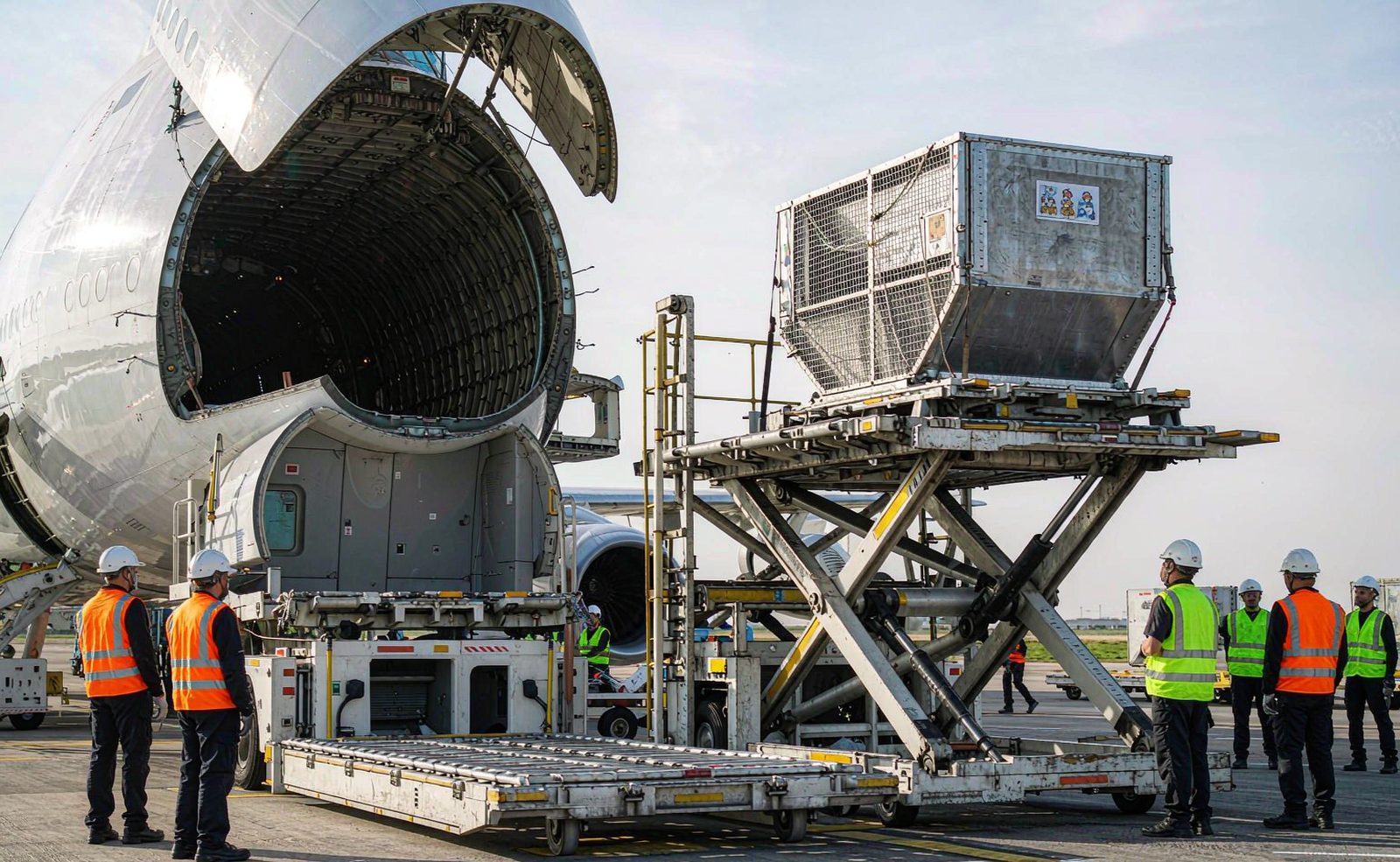
Freighter main deck door loading a unit load device on the apron
On the ground Manifest → entry → acceptance → uplift Night wave · one bill · same-day exceptions

Sources: throughput, route and terminal figures from Hubei Provincial People's Government, Ezhou Municipal People's Government and Hubei Daily reporting; customs district and house codes from the General Administration of Customs establishment list (Wuhan Customs District 4700, Ezhou Customs House 4728). For filing purposes the port is recorded as Ezhou, Hubei Province — the airport has no separate entry in the customs port code table. Filing deadlines follow the customs rules on declaration of import and export goods. Cut-off times vary by carrier, terminal and season; the booking confirmation and the terminal notice of the day govern.

Terminal matrix

Six Cargo Sites, and the Air Waybill Decides Which Door

Huahu is not one cargo terminal. It is a carrier terminal, two public international terminals, a second southern terminal, a cross-city forward station and a Type B bonded logistics center. Which carrier holds your air waybill decides which of them will accept the cargo — and delivering to the wrong one is a rejected truck, not a short drive.

Opened May 2026

Smart Public International Terminal

North area · 77,000 m² · 600,000 t a year

Scale
77,000 m² on about 20 hectares, 600,000 metric tons of international capacity a year
Cold chain
3,400 m² of cool storage split into nine independently controlled chambers
Stands
International stands 718 to 720 adjacent, 50 meters from the aircraft door to the work floor
Equipment
20-second 3D pallet verification, automated guided vehicles, paperless documents end to end
Best for: e-commerce pallets, temperature-controlled perishables and pharmaceuticals, high-value cargo that has to be traceable from acceptance to release

The main public platform for third-party forwarders and carriers, and now the busiest international departure site at Huahu.

Opened June 2024

Public International Terminal No.1

North area · first year: 4,500 flights, 160,000 t

Track record
More than 4,500 flights and 160,000 tons handled in its first year
Function
General cargo acceptance, screening, pallet build and handover for loading
Customs regime
Supervised premises; the arrival record is what makes a release possible
Watch for
Ran at capacity from opening; peak season needs the slot booked, not assumed
Best for: general cargo pallets on carriers other than the home airline, blocked-space bookings, small urgent lots

This plot was deliberately left empty in the 2019 master plan for later expansion, then brought forward when the southern terminal filled up in 2023.

Home carrier base

Shunjia International Terminal

South area · linked to the 750,000 m² sort hub

Role
Ground handling for the home carrier's freighter fleet, connected directly to the sort hub
Network
The home airline operates more than 70 freighter routes from Huahu, over 20 of them international
Rhythm
Built around the night sort; small hours are the peak, not the exception
Watch for
Only accepts cargo carried on its own air waybill
Best for: exports on the home carrier, express and e-commerce parcels, pallets chasing the night wave

When the airline moved its network here in 2023 this terminal filled within weeks, which is what forced the northern public terminals into existence early.

Opened 2025

South International Terminal No.2

South area · overflow and out-of-gauge

Function
Relief capacity for the southern terminal, taking bulk pallets and oversize pieces
Cargo
Machinery parts, finished vehicles, large equipment and general freight
Customs regime
Inspection and release on targeting instructions
Scheduling
Aligned to flight waves, no fixed acceptance window
Best for: overflow when the southern terminal is full, out-of-gauge and long or heavy pieces, whole-vehicle exports

Close to a hundred China-built electric cars left through Huahu by air in 2026 to make European motor shows on time.

Wuhan East Lake High-Tech Zone

Optics Valley Forward Station

Cross-city station · customs and screening pre-cleared

Location
Optics Valley, Wuhan — roughly 90 minutes by road from Huahu
Mechanism
Customs and aviation screening both performed on site, with mutual recognition across customs districts
Effect
Cargo is not re-verified at the airport; four hours or more is removed from total transit
Replicated
Now also operating at Wuhan Economic Development Zone and Huangshi Qipanzhou
Best for: optical modules, semiconductors and biotech out of Optics Valley, plus any time-critical export from the Wuhan metro area

China's first networked feeder-type airport forward station: it moves the customs counter and the screening machine to the industrial park gate.

Sealed May 2024

Airport Bonded Logistics Center, Type B

Bonded warehousing · 14 operators on site

Status
In operation since May 2024, fourteen logistics companies established
Functions
Bonded storage, bonded processing, bonded repair, re-export and staged release
Facilities
Three bonded warehouses, two multi-purpose warehouses, three processing buildings, customs inspection center
Do not confuse
The comprehensive bonded zone is still under application and has not been sealed
Best for: bonded stock held ahead of demand, staged release, import re-export and bonded repair work

Type B and the comprehensive bonded zone are two different regimes. Everything available today sits inside the Type B center.

SiteMain cargoWhere clearance happensTiming
Smart public terminalE-commerce pallets, perishables, pharmaOn site, stands 718 to 720 adjacentNight wave; independently controlled cold rooms
Public terminal No.1General cargo on other carriers, blocked spaceOn site, after the arrival record is generatedSlot must be booked in peak season
Shunjia terminalHome carrier exports, express and parcelsOn site, joined to the sort hubSmall-hours peak, early manifest cut-off
South terminal No.2Bulk pallets, oversize pieces, vehiclesOn site, on targeting instructionsFollows the flight wave, no fixed window
Optics Valley stationOptical modules, chips, biotechDone in the park, not re-verified at the airportFour hours or more saved, same-day feeder
Bonded center, Type BBonded stock, re-export, bonded repairCustoms inspection center inside the siteAccount-based, staged release allowed

Site functions are compiled from airport and Ezhou Customs public information. Acceptance hours, stand allocation and site arrangements change; confirm the day's arrangement with your contact before the truck leaves.

What we handle

Eight Workflows, Split by Cargo and Direction

General cargo, lithium cells, chemical powders, live seafood and finished vehicles do not share a document set, a screening rule or a timetable. One airport, eight workflows, eight clocks.

SERVICE 01

General cargo export declaration

Price reconciled against the Incoterm, master and house bills matched line by line with the entry, single-window filing, inspection attendance, then acceptance and uplift on the wave you booked.

General tradeMAWB / HAWBClosure tracking
SERVICE 02

Air import clearance

Bill exchange, manifest write-off, declaration, inspection, release, collection and delivery. Pre-declare before arrival, or file a summary entry first and complete it within fourteen days.

Two-step filingTwo-stage admissionDelivery
SERVICE 03

E-commerce declarations

List and entry filing across the 9610, 9710, 9810 and 1210 models, with order, payment and logistics records reconciled. E-commerce is more than sixty percent of international departures here, so peak season is scheduled by wave.

96109810Three-way match
SERVICE 04

Air-to-air transit

All four direction combinations — international to international, domestic to international, international to domestic, domestic to domestic — re-booked rather than re-declared, with a five-hour turn on an international connection.

One billRe-book onlyFifth freedom
SERVICE 05

Dangerous goods and lithium batteries

Battery state determined under UN3480, UN3481, UN3090 and UN3091, with the UN38.3 summary, safety data sheet, packaging certificate and shipper's declaration checked before anything is presented. Carrier acceptance comes first, the entry second.

UN38.3DGDDifferentiated screening
SERVICE 06

Magnetic, powder and liquid appraisals

Magnetic cargo needs a field measurement; powders and liquids usually need a transport conditions appraisal. The result decides which aircraft type can carry the shipment, which is settled well before the entry is filed.

Field testConditions appraisalAircraft limits
SERVICE 07

Transit, local filing and forward stations

Declare and seal at origin, write off the transit at Huahu, then load. Or file locally and release at the port. Cargo out of Optics Valley, Wuhan EDZ and Huangshi Qipanzhou can clear and screen at the park and skip re-verification entirely.

On-carriage transitLocal filingMutual recognition
SERVICE 08

Refund documents, amendments and disruption

Refund copy and filing record returned after closure; cancellations, amendments and re-filing on the export side; re-booking and transport-document changes when a flight cancels, cargo is offloaded or space is pulled.

Refund copyAmendmentRe-booking
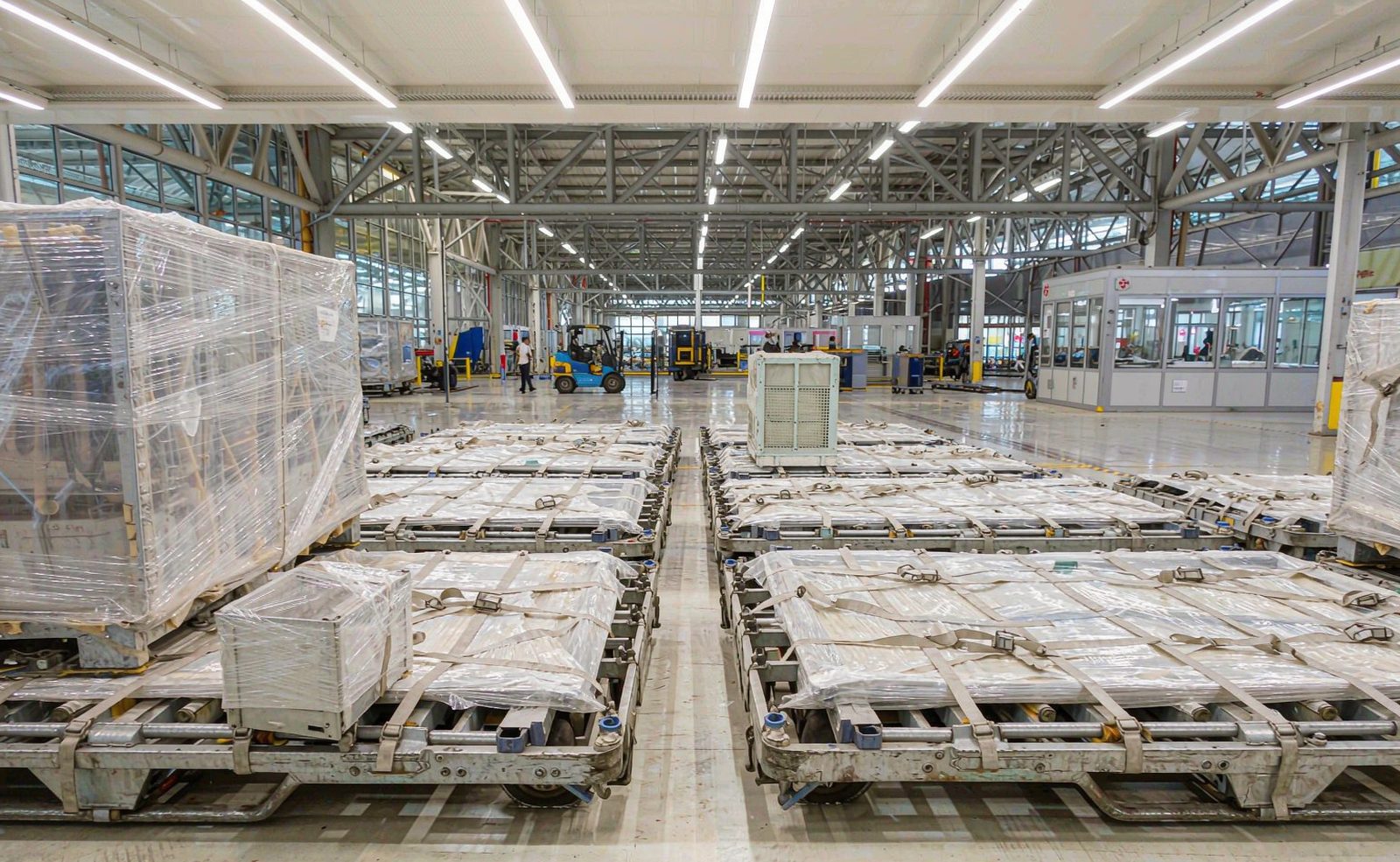
Air cargo pallets, shrink wrap and forklift work inside a terminal
Release is not uplift: four steps sit between them Customs release closes the regulatory step. Acceptance, aviation screening, 3D pallet verification, pallet build and carrier load planning all come after it, and at Huahu they compress into the hours before a night departure. In peak season the terminal queue regularly takes longer than the declaration did. We plan on the sum of release time and terminal time, and we set the filing deadline in the afternoon rather than at the aircraft door.
The process

Eight Steps From Booking to a Closed Entry

Nothing in the flow is difficult. What catches exporters at Huahu is that the manifest locks in the afternoon while the aircraft loads at night, and only one party in the chain will call you when it slips.

1

Take the instruction and audit the file

Confirm the Incoterm, consignee, destination airport and planned flight, then collect the power of attorney, contract, invoice, packing list and house bill number. Gaps are listed upfront rather than discovered at the counter.

Owner: forwarder · How long: 2–5 days out
2

Classify and fix the declaration elements

Set the commodity code on material, function and principle, then complete brand type, export preference, composition and specification. Contested classifications need the manual, drawing or test report on file before filing, not after.

Owner: broker · How long: 1–2 days
3

Book, then lock the manifest

Reconcile master and house bill data against the entry: description, pieces, gross weight, consignee. After manifest cut-off an amendment needs carrier consent and costs both time and money. With no belly capacity on this airport, a lost booking means a lost day at best.

Owner: forwarder and carrier · How long: day before departure
4

Deliver to the terminal and get the arrival record

Weighing, dimensioning and piece count generate the arrival record, which is the precondition for release. At Optics Valley the cargo is accepted and screened at the park instead, and arrives already cleared.

Owner: terminal · How long: same day, before evening
5

File on the single window

Advance filing is allowed up to seven days before the cargo reaches the supervised area. Without it, the legal deadline is after arrival and at least twenty-four hours before loading — a rule written for sea freight that air freight routinely compresses.

Owner: broker · How long: hours, if the file is clean
6

Review, inspect, release

Customs reviews the entry and inspects on risk targeting. Ezhou Customs runs 24/7 cover, and the average export entry clears in 0.33 hours, so the constraint is almost never the customs desk.

Owner: customs · How long: minutes to hours
7

Screen, verify, build, load

Screening, 3D pallet verification and pallet build follow release, then the carrier plans load. This is where the queue lives, and it is why the release message is a midpoint rather than a finish line.

Owner: terminal and carrier · How long: 2–6 hours in peak
8

Close the entry and return the documents

Once the aircraft departs and the manifest is closed, the refund copy and filing record are returned, normally one to three working days after departure, later if the entry was amended or inspected.

Owner: broker · How long: 1–3 working days
The deadline that actually applies: an export must be declared after the cargo reaches the supervised area and at least twenty-four hours before loading, or advance-filed within seven days before arrival at that area — and an advance filing that does not arrive in time is canceled outright. Imports must be declared within fourteen days of the carrier reporting entry, after which a late fee accrues. In practice at Huahu, general cargo manifests close the afternoon before and acceptance closes several hours before the night departure, so the working deadline is a business deadline in the afternoon, not a legal one at midnight.
Documents

Three Sets of Numbers Have to Agree Before Anything Moves

Air freight is checked three times against three different records: the booking data, the manifest and the entry. Most rejections are not missing documents. They are documents that disagree with each other.

Base set, every shipment

  • ✓
    Export or import declarationFiled through the single window in the broker's name. Wrong, and the entry never leaves draft.
  • ✓
    Contract or purchase orderSets the Incoterm and the currency. Missing, the declared value has no basis and gets queried.
  • ✓
    Commercial invoice and packing listDescription, quantity, pieces, gross and net weight, volume and shipping marks must corroborate each other.
  • ✓
    Power of attorneyElectronic is fine, but it has to be issued to the broker who actually files, not to an intermediary.
  • ✓
    Master and house air waybillNumbers, flight, pieces, weight and consignee must match the manifest exactly.
  • ✓
    Declaration elementsBrand type, export preference, composition, specification, function and use. This is where a vague invoice becomes a three-day query.

Added by cargo type

  • ✓
    Licenses and permitsExport licenses, dual-use item licenses, and the additional paperwork for whole-vehicle exports.
  • ✓
    Certificate of originCO, FORM E, FORM A and the rest, chosen against the tariff preference you actually claim.
  • ✓
    Dangerous goods fileUN38.3 summary, safety data sheet, packaging certificate and shipper's declaration.
  • ✓
    Air transport appraisalMagnetic field measurement and transport conditions appraisal, essential for powders and liquids.
  • ✓
    Inspection and quarantinePhytosanitary certificate, fumigation or heat treatment record, health certificate, pre-packaged food labeling.
  • ✓
    Trade regime documentsProcessing trade manuals or account books, ATA carnet, bonded ledgers, return and repair statements.
Where it goes wrong: changing a description or weight after manifest confirmation requires the carrier to amend, and the cost and the delay both sit with whoever asked. Filing against the master bill before the house bill exists looks efficient until the booking changes and the two no longer reconcile. Because Huahu loads at night, an amendment made in the afternoon usually means the cargo misses the wave and waits a full day. We reconcile contract, invoice, packing list, manifest and entry against each other before filing, so that whatever can be fixed is fixed while it is still free.
Clearance modes

Four Modes, and What Each One Cannot Fix

Advance filing, two-step declaration, transit on one bill and forward-station clearance all buy time. None of them rescues a document set that contradicts itself.

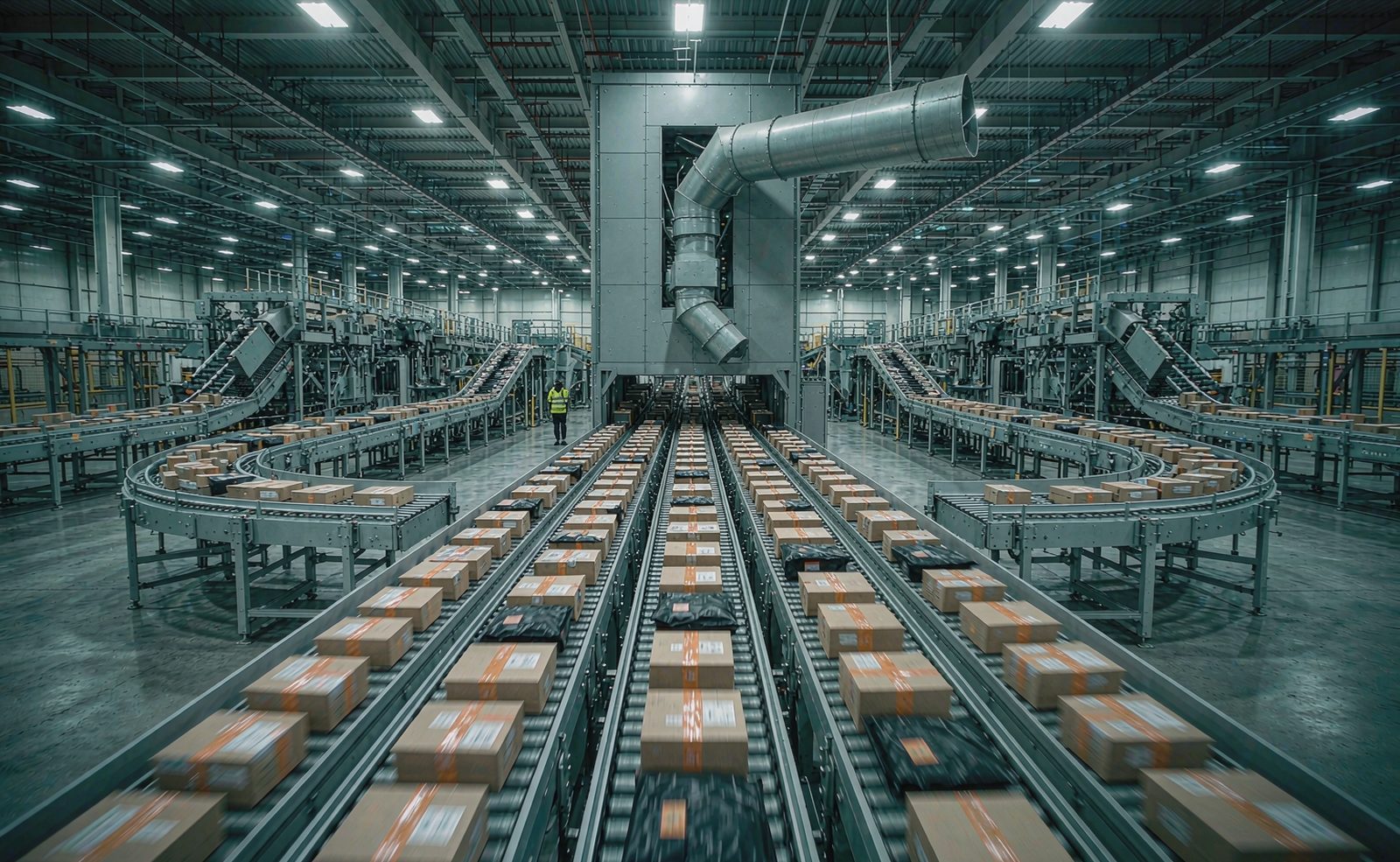
Automated parcel sorting lines moving e-commerce shipments at high speed
E-commerce is over sixty percent of what leaves Huahu internationally. Sorting capacity sets the pace, and the filing has to be ahead of the sorter, not level with it.

Advance filing

With the bill or manifest data in hand you can file up to seven days before the cargo reaches the supervised area. At Huahu this is not a convenience, it is the only way a shipment booked in the morning makes the same night's wave. If the cargo then fails to arrive, the entry is canceled and must be filed again.

Two-step declaration, imports

A summary entry lets the cargo be collected on arrival, with the complete entry filed within fourteen days of the carrier reporting entry. It is the standard route for perishables and pharmaceuticals where the certificate is in hand but the valuation file is not.

Transit on one bill

International-to-international cargo is re-booked onto the onward flight without a second declaration and without a second screening, and the turn is quoted at five hours. Sixteen transit models cover every direction combination, including thirteen fifth-freedom routes. This is the capability Huahu has that ordinary cargo airports do not.

Forward-station clearance

Cargo clears and screens at Optics Valley, Wuhan EDZ or Huangshi Qipanzhou, with results recognized across customs districts, so the airport does not repeat the check. Four hours or more comes out of total transit. For exporters inside the Wuhan metro area, this is usually the difference between making a night wave and not.

By cargo type

From Optical Modules to Live Eel, the Filing Logic Is Rebuilt Each Time

The airport that clears a pallet of optical modules also clears power banks, chemical powders, chilled beef and eels that were in a pond yesterday morning. One template does not stretch that far.

Electronics and semiconductors

Optical modules, chips and integrated circuits carry many models and high unit values. The model and function have to match the specification sheet, and the declared value has to survive scrutiny.

Lithium batteries and equipment

Cells alone, packed with equipment and contained in equipment are three different UN numbers with different packaging. Screening is differentiated by carrier and by declared state.

Chemicals, powders and liquids

Hazard status is set from composition and CAS number. Non-hazardous still needs a transport conditions appraisal; hazardous moves on the dangerous goods channel under the air regulations.

Vehicles and heavy equipment

Whole vehicles are classified by model and use. Out-of-gauge pieces are constrained by main deck door dimensions, and the loading plan is agreed with the terminal before the truck arrives.

Perishables and cold chain

Fruit, chilled and frozen aquatic products, live aquatic animals and meat each have a designated inspection site, and the certificate date cannot fall after the flight or arrival date.

Pharmaceuticals and biologics

Huahu holds a pharmaceutical import port function. Imports need the relevant approval and temperature records; exports need the free sale certificate and batch release documents the destination requires.

E-commerce parcels

Filed as lists, with order, payment and logistics records that have to reconcile. E-commerce is more than sixty percent of international departures, and peak season is scheduled by sort wave.

Bonded and re-export cargo

Cargo entering the Type B center is managed against a bonded ledger and can be released in stages. True re-export moves through air-to-air transit on a re-booked bill, not a new declaration.

Four things we will not soften

1. Declare what is in the box. Description, specification, quantity, value and origin must match the goods and the documents. Misdeclaration is the shipper's liability; appointing a broker does not transfer it.

2. Dangerous goods do not travel as general cargo. Batteries, liquids, aerosols and magnetic goods caught at screening or at carrier acceptance turn into a rejected shipment, storage charges and a penalty, and the handling already performed is not refunded.

3. Check licenses before you produce. Export licenses, dual-use items, whole-vehicle exports and brand authorizations should be settled at the purchasing stage, not discovered at the terminal counter.

4. Keep the refund chain closed. The entity on the entry, the VAT invoice and the party receiving the foreign currency have to be the same. Exporting under someone else's name to save a filing fee puts the refund claim at risk.

Working cases

Six Shipments That Nearly Missed the Night Wave

Freighter-hub clearance rarely fails because nobody knows the process. It fails because the manifest moved and the entry did not, or because a cut-off was measured from the wrong event.

Night wave · cut-off01

A booking confirmed at four in the afternoon, for a freighter leaving that night

Cargo and lane
2.4 tons of phone components collected in Optics Valley, booked out of Huahu to Frankfurt on a freighter main deck.
Where it jammed
The customer only confirmed air freight at 16:00. Huahu's wave loads at night but acceptance and screening close in the evening, so customs, terminal and carrier windows all had to fit inside one working day, and any one of them failing meant the next day.
What we did
Filed in advance on the data already available to buy time, held an acceptance slot at the terminal in parallel, and set the truck from Optics Valley against a 90-minute run so the arrival record was generated on landing. Release, screening and pallet build then ran back to back.
Outcome
Loaded that night. At a hub like this the constraint is never filing speed — it is whether filing, terminal and departure can all be squeezed into one evening.
Batteries · screening02

A power bank pallet whose test summary was for last year's cell

Cargo and lane
1,800 portable power banks with lithium-ion cells, booked to Chicago on a freighter.
Where it jammed
The UN38.3 summary on file covered the previous cell generation, not the one in this build, and the packaging certificate listed a different outer carton. The cargo was already at the terminal when carrier acceptance caught it and refused the shipment.
What we did
Held the entry, obtained a current UN38.3 summary and safety data sheet from the cell maker, reissued the packaging certificate and re-marked the cartons, then presented the corrected file for a fresh acceptance under the airport's dedicated arrangement for lithium shipments.
Outcome
One wave later, no return shipment. With batteries the test is not whether a summary exists — it is whether that summary belongs to this build.
Import · perishable03

Cherries landing before dawn that had to reach the market the same morning

Cargo and lane
Around 100 tons of Chilean cherries on a freighter arriving at Huahu in the small hours, destined for wholesale markets in central and eastern China.
Where it jammed
Imported fruit has to be inspected at a designated site, and the import entry needs the manifest written off and the accompanying certificates checked first. Any step that slipped to the afternoon cost a day of shelf life, which is money.
What we did
Pre-declared before departure, pre-checked the exporting country's phytosanitary certificate, origin certificate and invoice data, and routed the cargo straight to the designated inspection site on landing so sampling and inspection ran at the same time.
Outcome
Cleared and collected the same day. Perishables are not won on speed — they are won on having the certificates checked before the aircraft lands.
Air-to-air transit04

Cargo from Southeast Asia that had to leave for the United States

Cargo and lane
A consignment of precision chips arriving from Southeast Asia and departing for the United States, on two carriers and two separate air waybills.
Where it jammed
The conventional route means a fresh declaration and a fresh screening on landing, which parks the cargo for a day or two. Chips are sensitive to static and humidity, so every extra unpack and sort is another chance to damage the product.
What we did
Used the air-to-air transit platform: the bill was re-booked on landing, the cargo continued on a single-bill basis with no second declaration and no second screening, and both legs' manifest data were linked inside the platform in one entry.
Outcome
Turned and loaded in five hours. What is genuinely scarce at Huahu is not route count — it is that international-to-international can change bills without changing process.
Forward station05

Optical modules that never needed to reach the airport to be cleared

Cargo and lane
A batch of optical modules leaving a factory in Optics Valley, booked to Europe that same night.
Where it jammed
The factory is around 90 minutes from Huahu. Waiting until the cargo reached the airport to start filing consumed two hours that did not exist, and the value per carton made every additional unpack an unacceptable risk.
What we did
Delivered to the Optics Valley forward station, where customs and screening run on site as one operation. The cargo moved to Huahu as a feeder load and was accepted on the strength of cross-district mutual recognition, with no second verification.
Outcome
Four hours or more removed from total transit, and the night wave was made. The forward station does not save filing fees — it deletes the city-to-airport leg from the critical path.
Cancellation · re-booking06

A canceled flight with the cargo already released and in the terminal

Cargo and lane
A batch of machinery parts, released and accepted, then hit by two consecutive cancellations caused by weather at the destination airport.
Where it jammed
Without changing the transport document the cargo could not board a different flight, and freighter hubs offer no belly capacity to fall back on. Left until after manifest closure, the only route is cancel and re-file, which pushes the whole refund timeline back.
What we did
Once the replacement flight was confirmed, applied immediately to change the transport and bill numbers and updated the manifest in step. The cargo stayed inside the supervised area throughout, avoiding a second entry into the terminal and a second screening.
Outcome
Loaded when service resumed two days later, with refund documents delayed by only two working days. A cancellation is survivable; waiting until after closure is not.

These are representative working cases with client names, flight numbers and some weights and pieces changed or rounded. The sequence and the failure points follow how each shipment was actually handled. Cut-off times at any given terminal or carrier vary, and the notice of the day governs.

FAQ

Ten Questions Shippers Ask About Huahu Clearance

Answered the way we answer them on a call, not the way a brochure would.

How far ahead should I start clearance at Ezhou Huahu Airport?
For general cargo, get the documents to the broker three to five working days before departure, which leaves room for classification checks and advance filing. Battery, chemical, perishable and whole-vehicle shipments need five to seven working days, because UN38.3 summaries, transport appraisals and licenses take longer than the flight does. At Huahu the aircraft loads at night while the filing has to be finished during the day, so the earlier the file arrives, the more of the afternoon is available for fixing problems.
How early can an export be filed in advance?
Up to seven days before the cargo reaches the supervised area, once the bill or manifest data is available and description, specification and quantity are settled. Without advance filing the legal deadline is after arrival at the supervised area and at least 24 hours before loading. If advance-filed cargo does not arrive in time, the entry is canceled and has to be filed again.
Does a customs release mean my freight makes that night's aircraft?
No. Release closes the customs step; acceptance, aviation screening, 3D pallet verification, pallet build and carrier load planning come after it. Huahu is a freighter airport, so there is no passenger belly to absorb an overflow the next morning: a missed wave means waiting for the next freighter on the same lane. Plan on release time plus terminal time, not on the release message alone.
My supplier is in Optics Valley. Does the cargo have to reach the airport to clear?
No. The Optics Valley forward station runs customs and screening on site, with mutual recognition across customs districts, so the airport does not verify the cargo a second time. Four hours or more comes out of total transit, and the model now also operates at Wuhan Economic Development Zone and Huangshi Qipanzhou. On-carriage transit and local filing followed by port release are the other two routes.
Do products with batteries always move as dangerous goods?
It depends on cell chemistry, capacity and how the battery travels. Lithium-ion cells alone are UN3480; packed with equipment or contained in equipment they are UN3481. Lithium metal runs under UN3090 and UN3091. In practice you need a UN38.3 summary, a safety data sheet, a packaging certificate and a shipper's declaration. Some small cells installed in equipment qualify for exemption and can move as general cargo, but the exemption has to be documented, and the carrying airline makes the final call.
What does one-bill air-to-air transit actually save?
It removes the process after landing, not the flying time. International cargo re-booked onto an onward international flight is not declared again and not screened again, both legs' manifest data are linked in one platform entry, and the turn is quoted at five hours. For a routing from Southeast Asia to North America, that means Huahu can be the connection point instead of a hub where you repeat the whole procedure.
How fast do imported perishables clear at Huahu?
Fast, because the designated inspection sites sit at the airport and customs runs 24/7 cover: overall import clearance averages 4.7 hours. Huahu holds designated site approvals for imported fruit, live aquatic animals, chilled and frozen aquatic products, meat and nursery stock, plus a pharmaceutical import port function. The condition is that the exporting country's official certificates and the supporting documents are checked before the aircraft lands.
Is the comprehensive bonded zone open yet?
Not yet. It has cleared pre-review and is awaiting State Council approval, so it is not sealed and cannot be used. What is available today is the Airport Bonded Logistics Center, Type B, sealed in May 2024 with fourteen logistics operators, offering bonded storage, bonded processing, bonded repair, re-export and staged release. Type B and the comprehensive zone are different regimes, so build contracts around the Type B boundary as it stands.
The entry is filed and I have found a wrong description or value. What now?
Before release you can apply to amend or cancel, with reasons and supporting documents. After release, and certainly after departure, the amendment route is longer and can disturb the refund claim. Reconcile contract, invoice, packing list, manifest and entry before filing; at a night-wave airport an amendment made in the afternoon typically costs a full day rather than an hour.
When do the refund documents arrive?
After the cargo has actually departed and the manifest is closed, normally one to three working days after departure. Amendments, inspections or a late manifest closure push that back. We tell your finance team the expected date rather than letting them discover it, because a refund application that misses its window is worse than a late shipment.

Why us

At Huahu the Work Is in the Wave, Not the Tariff

Anyone can quote a clearance fee. What decides whether your freight leaves on the night aircraft is whether six cargo sites, one afternoon deadline and four transit scenarios are all handled by someone who knows which one moves first.

01

Shenzhen desk, Huahu boots on the ground

Booking, documents and your account run from Shenzhen. The terminals, bonded center and designated inspection sites at Huahu are covered on site, with same-day response on holds and amendments.

02

Five records reconciled before filing

Contract, invoice, packing list, manifest and entry cross-checked against each other, so that amendments and targeting risk are dealt with while they are still free rather than after acceptance.

03

Planned backwards from the wave, not the cut-off

Release, screening, pallet verification and build-up are added together and subtracted from the departure. The filing deadline we work to is in the afternoon, not at the aircraft door.

04

All four transit directions handled

International to international, international to domestic, domestic to international and domestic to domestic, with re-booking and transit write-off sequenced separately for each.

05

Batteries, chemicals and perishables on their own tracks

Cells go through UN classification and carrier acceptance, chemicals through appraisal and the dangerous goods channel, perishables through designated sites and cold chain handover. None of them are pushed through a general cargo template.

06

Itemised quotes, actual costs

Declaration, collection, terminal handling, inspection, storage and ground handling are quoted separately and settled against documents. No bundled allowance for things that did not happen.

GET IN TOUCH

Huahu clearance,
with someone watching the night wave

Send the commodity, piece count and weights, destination airport, planned flight and where the goods are collected — Wuhan, Huangshi, Ezhou or elsewhere. You get back the workable site, the document list and a timetable counted backwards from the departure, not from the counter.

Request a Huahu clearance quote
CompanyGoodhope Logistics (China) Limited
NVOCCGD20230925153335
Phone / WhatsApp+86 13392162503
Emailsales8015@goodhopefreight.com
Office hoursMon–Sat 09:00–18:00 GMT+8
ResponseWithin one working day
call us: +86 13392162503