
The only airport in the Beijing-Tianjin-Hebei region cleared for six categories at once: pharmaceuticals, meat, chilled seafood, fruit, live aquatic products and plant seedlings. Export cargo fails on freighter slots and cutoff times; import cargo fails on inspection-site eligibility and release speed. In 2025 the airport moved 133,000 metric tons against 730,000 tons of terminal capacity — the constraint is aircraft, not warehouse floor.
For imports of chilled seafood, live aquatic products, fruit, meat, plant seedlings or pharmaceuticals, Tianjin Binhai is the broadest airport gateway in northern China: five designated inspection sites under one customs district, plus a dedicated import pharmaceutical function. For exports, direct freighter capacity is concentrated on Northeast Asia — Seoul, Tokyo, Osaka, Nagoya, Singapore — with London as the European point and belly space carrying most of the rest. If your cargo is bound for Europe or North America, expect a connection, and build the transit airport into the filing plan rather than discovering it at cutoff.
Tonnage and international share come from 2025 airport production statistics. Terminal scale, stand categories and annual capacity come from Tianjin Binhai International Airport and Tianjin Binhai International Aviation Logistics (TAL) publications. Port functions and designated inspection sites follow General Administration of Customs and Tianjin Customs notices. Designated sites are subject to the latest GACC published list; flight schedules, cutoffs and handling arrangements follow current carrier and terminal notices.
Cargo handling here is three first-tier terminals plus a clearance base — not a single bonded shed. Commodity picks the site, the site picks the process, the process sets your cutoff.
International inbound & outbound, freighters
Oversize cargo needs terminal and carrier sign-off on the load plan before it is accepted.
Passenger belly cargo
Domestic and international legs are handled apart. On a through booking, fix both terminals at reservation.
Carrier-designated freight stations
The terminal is nominated by the carrier, not chosen by the shipper. Confirm it at booking.
Tianjin Air Port Clearance Base · five designated sites
Northern China’s largest hub for live and chilled seafood. Inspection, sampling and release happen here, not at the terminal.
| Item | Export filing | Import release |
|---|---|---|
| Filing window | After cargo reaches the supervised site, at least 24 hours before departure; advance filing up to 3 days before arrival at the site | Within 14 days of the carrier reporting entry; perishables and pharmaceuticals file on landing |
| Preconditions | Space confirmed, manifest pre-built, terminal acceptance booked, dangerous goods papers complete | Manifest transmitted, delivery order exchanged, quarantine permit and market access secured before shipment |
| On the ground | Acceptance, screening, weighing and measuring, ULD build-up, manifest close-out | Break bulk, count against documents, inspection or quarantine, release and gate-out |
| Where it breaks | Cutoff earlier than expected, actual weight off the declared figure, batteries refused at acceptance | Quarantine permit missing, overseas plant not on the registered list, post-inspection handling overruns the cold chain |
| After release | Load, manifest closure, refund documents filed | Pickup and delivery, destination inspection, follow-up supervision |
| Who gets caught | Shippers who budget three days out of ocean-freight habit when the lane needs three hours | First-time perishable or pharmaceutical buyers who treat the permit as a post-arrival task |
Deadlines follow the Customs Law and current filing rules. Cargo filed in advance must reach the site within the prescribed period or the declaration is voided. The two-step declaration window and its negative list follow GACC Announcement No. 44 of 2025 and current guidance from the district customs office.
Air cargo here is concentrated: exports are electronics and batteries, auto and machinery parts, e-commerce parcels. Imports are perishables, meat, pharmaceuticals and bonded stock. Each line has its own paperwork and its own clock.
Two channels — freighter and passenger belly: space confirmation, manifest pre-build, declaration, terminal acceptance and screening, release, loading and closure tracking.
IATA classification first, then the file: UN38.3 report, MSDS, air transport condition report, packaging certificate and the shipper’s declaration. Labels and packing are checked against carrier acceptance standards.
Listing and declaration built from one source, matched against order, payment and logistics data. The 9610 export site is live at TAL; screening exceptions are handled the same day they surface.
After closure we assemble the refund copy, release notice and manifest data. Companies without trading rights can export through a qualified entity with a complete paper trail.
Delivery order exchange, filing, duty and guarantee, inspection attendance, release and pickup. Tianjin Binhai Airport Customs is a pilot office for the revised two-step declaration, so summary filing plus later completion is available for eligible cargo.
Chilled seafood, fruit, live aquatic products and meat each run through a different designated site. Quarantine permits are checked before shipment, inspections are booked 24/7, and live cargo is inspected and released on arrival.
Three gates: port qualification for the product, the NMPA import approval and customs clearance form, and a documented cold chain. Vaccines and cell therapies run under a written temperature protocol; Class 7 radiopharmaceuticals have their own carrier and site rules.
Air-to-air connections, air-road combinations and Beijing truck flights: file transit at the airport and clear at the destination customs office. Ocean freight can move 30 km from Tianjin Port and depart by air the same week.
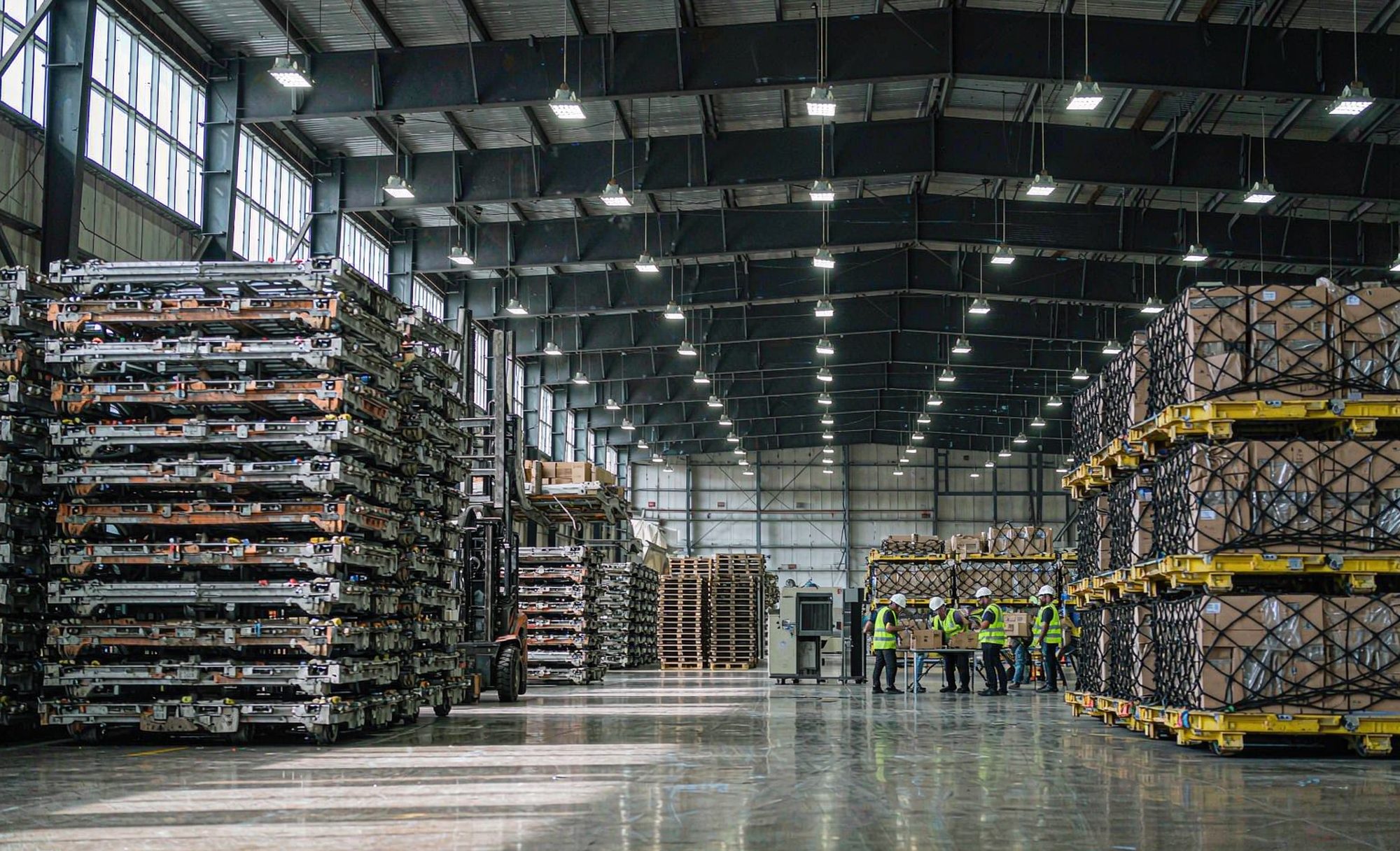
Export must be filed at least 24 hours before departure. Import must be filed within 14 days of the carrier reporting entry. Everything else is scheduled backward from those two numbers. Here the terminal adds a variable: three first-tier terminals keep different cutoffs, and switching terminals restarts acceptance.
Choose freighter or belly first, then confirm which first-tier terminal accepts the cargo. The carrier nominates the terminal; the shipper does not. Belly space follows the passenger schedule and is the first thing cut in peak season.
Settle the description, HS code, declaration elements and terms of trade up front. Misclassification of machinery parts or consumer electronics is cheaper to fix before filing than at the inspection bay.
With the manifest pre-built and cargo ready, file up to 3 days before the goods reach the supervised site. Advance filing leaves no slack: an amendment moves the departure, not just the paperwork.
The terminal receives, X-rays, weighs and measures, then builds the ULD. Batteries and liquids are stopped here. Freighters typically close acceptance 4 to 6 hours before departure; belly cargo closes earlier.
Once cargo reaches the site, the system matches it against the declaration and releases it if no inspection is flagged. A flagged shipment diverts to inspection, which runs from half a day to two days.
Problems fall into three groups: piece count or weight off, description or classification off, undeclared items inside. The amendment window is short, so catching it early is the whole game.
Cargo goes on according to the load plan. The manifest and declaration must agree before the flight closes, and master and house waybill weights have to reconcile at this point.
After closure, collect the refund copy of the declaration and the release notice, and file them with warehouse and terminal records for the VAT refund or later verification.
The manifest transmits after departure. The consignee needs the master and house numbers, pieces, weight and dimensions before the delivery order or the declaration can start.
The arrival notice and waybill are exchanged for a delivery order. Freight collect, documents in transit and mismatched consignee details all stop the process here.
File within 14 days of entry reporting. Perishables and pharmaceuticals do not wait: they file on landing. This customs office is a pilot for the revised two-step declaration, so eligible general cargo can file a summary and pick up first.
Pay against the assessment, or release first against monthly duty settlement or a duty guarantee insurance policy. Perishables buying time with a guarantee is standard practice, not a shortcut.
Fruit checks market access and the phytosanitary certificate. Chilled and live seafood checks packaging, temperature and survival. Meat checks the registered plant and the veterinary certificate. Pharmaceuticals check the clearance form and approval. Instructions usually arrive before the aircraft does.
Sampling or disinfestation happens at the designated site inside the clearance base. This is the least predictable block, and cold-chain cargo has to reserve time for it.
Once released, complete pickup and gate out. Eligible perishables can use conditional pickup: take the cargo, deliver the test result later, and recover the hours that way.
Cargo moves to a registered warehouse or its destination, and any destination inspection is completed within the deadline. Unclosed supervision follows the importer into the next shipment.
Export paperwork fails on completeness — one missing sheet and the terminal will not accept the cargo. Import paperwork fails on sequencing — permits and market access must be in hand before shipment, and cannot be fixed on arrival.
Air cargo leaves a narrower window than ocean freight. Choosing a mode is really choosing where to park the risk: before the filing, or after the release.
File up to 3 days before the cargo reaches the site, so release and terminal acceptance run in parallel. Works for regular shippers with stable paperwork. If the documents are shaky, skip it: an amendment collides with the flight.
Tianjin Binhai Airport Customs is one of the first pilot offices under the revised two-step regime: summary declaration, pickup, then full declaration within 14 days. Entry animals and plants, food from specific countries, and hazardous chemicals are on the negative list and must be declared in full.
File transit at the airport and clear at the destination customs office, or truck cargo to Tianjin first and depart from here. 134 km to Beijing and 30 km to Tianjin Port are the two landside facts that separate this airport from its neighbors.
Release before duty against monthly settlement, a guarantee policy or a duty deposit; eligible perishables pick up before the lab result returns. Both buy hours with money. Both assume the books survive a later audit.
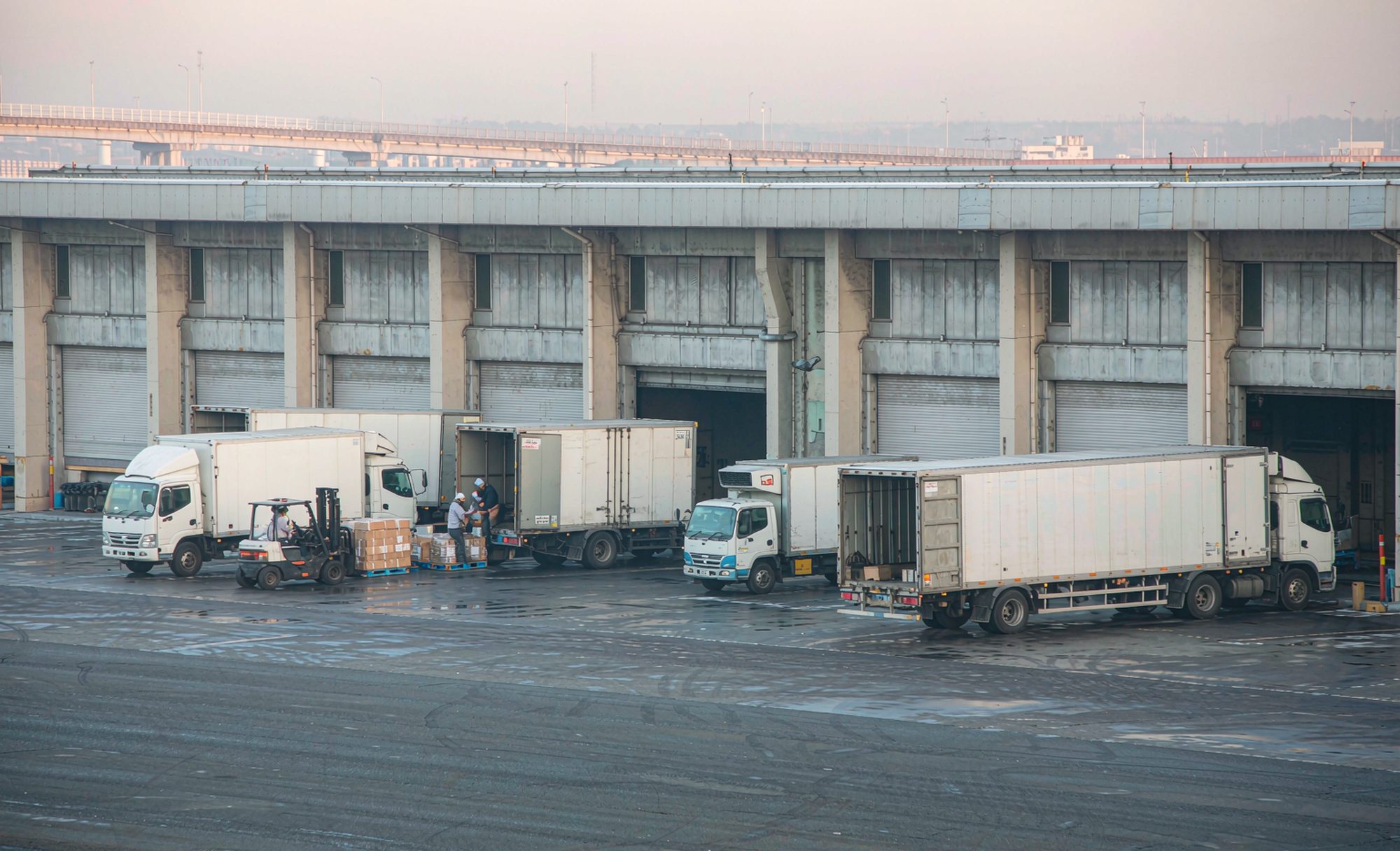
At one airport, auto parts and live lobster follow completely different logic. The first is judged on document accuracy. The second is judged in hours.
Many models, short cycles. Check brand and licensing exposure first. Earphones, power banks and power tools fall under battery rules and cannot be tendered inside general cargo.
Class 9 dangerous goods. Standalone cells usually fly on freighters only; installed batteries can travel as belly cargo within stated limits. Incomplete paperwork means refusal at acceptance, with no appeal.
Tianjin and its hinterland are a parts and equipment manufacturing belt. Shipments are fragmented and frequent, so declaration elements have to describe the part by function and material rather than as generic machinery parts.
Listing and declaration from one source; order, payment and logistics data must agree. A 9610 export site operates at TAL. Returns and exchanges have to run the original route or the data will not reconcile.
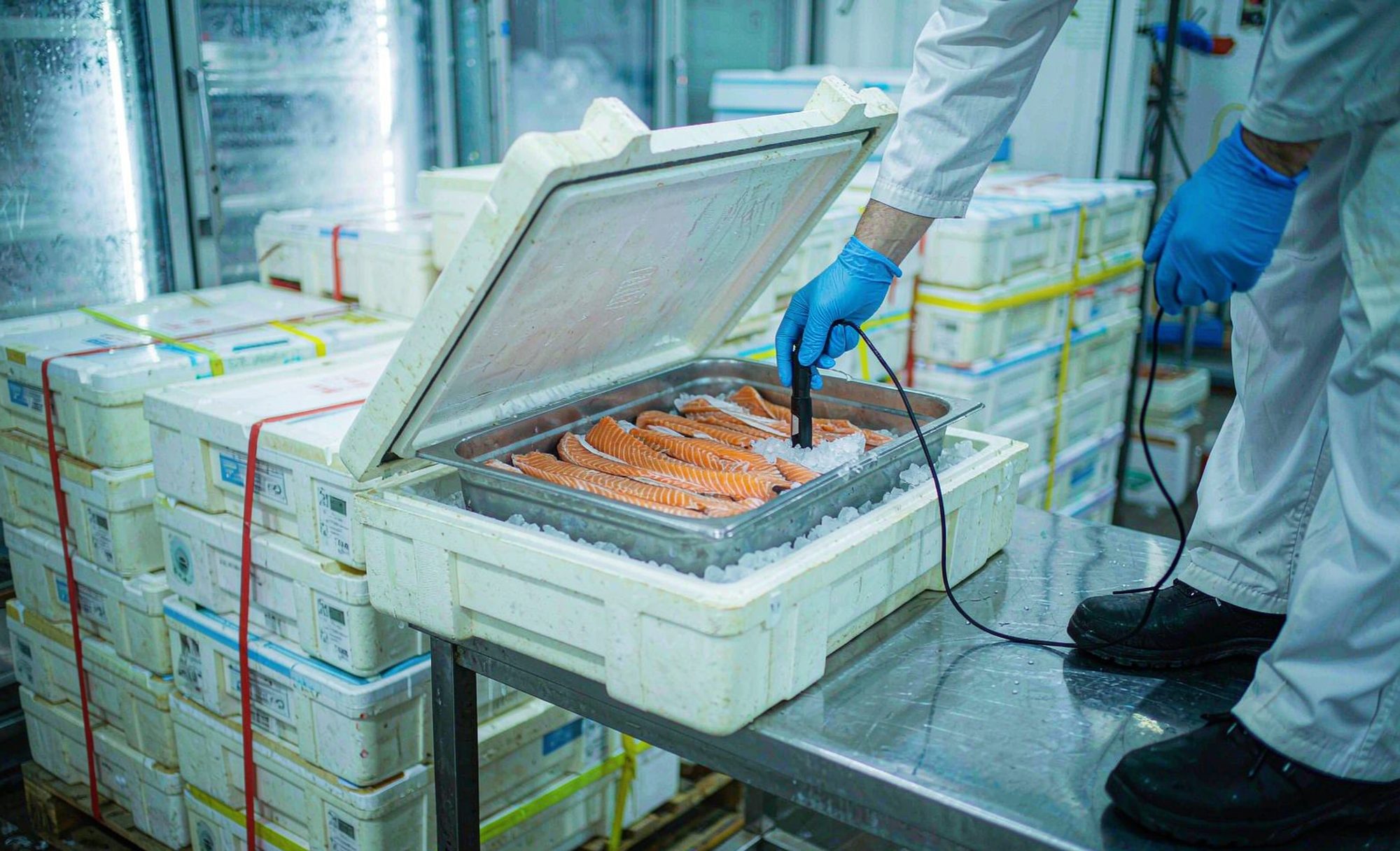
Chilled cargo is a temperature and time problem; live cargo is a survival-rate problem. This is the airport’s strength: over 300 tons of chilled salmon cleared in the first ten months of 2025, and live lobster moves from landing to completed inspection in under 3 hours.
Check market access by country and variety, the phytosanitary certificate, and package markings. Tianjin is a major entry point for seedlings into northern China; spring planting material is time-critical, so confirm sampling and testing duration in advance.
Three constraints: eligible country and species, registered overseas plant number, and the veterinary certificate. A plant number that does not match the certificate is the most common reason for refusal, and it is checked before shipment or not at all.
Port qualification for the product, the NMPA approval and clearance form, and a documented cold chain — all three or none. Class 7 radiopharmaceuticals carry additional carrier and site requirements and cannot be handled as general cargo.
Do not declare dangerous goods as general cargo. Air screening and terminal acceptance are two separate gates; once a misdeclaration is caught, the consignment is pulled, the shipper is flagged, and every later shipment gets looked at.
Do not read “can be imported” as “can be imported freely.” Meat, chilled seafood, fruit, seedlings and pharmaceuticals are each constrained by market access lists, overseas plant registration and quarantine permits. Fail one layer and the cargo does not enter, however it was booked.
Do not bring ocean-freight timing into air freight. Ocean gives you days of buffer; air often gives you hours. After cutoff, the only remaining option is a different flight.
Air cargo rarely fails because nobody knows the process. It fails on one number, one certificate, one sequence.
These scenarios are drawn from published operations at this gateway and from recurring problems in the trade, de-identified and combined. They do not describe any specific company. Actual handling follows current requirements from the district customs office and the terminals.
Half export, half import. Eligibility, deadlines and terminal choice come up most.
Six port functions: import pharmaceuticals, chilled seafood, fruit, live aquatic products, meat and plant seedlings, plus a Tianjin international mail exchange. Everything except meat and pharmaceuticals is handled at the five designated inspection sites inside the Airport Clearance Base. Eligible countries and commodities follow the GACC published lists, and site availability follows current operations on the ground.
Legally, the cargo must reach the supervised site and be filed at least 24 hours before departure. Under advance filing you can file up to 3 days before the cargo arrives, provided all of it reaches the site within 3 days or the declaration is voided. In practice the terminal closes earlier: freighters typically stop accepting 4 to 6 hours before departure, belly cargo earlier. After cutoff, a release will not get the cargo onto the aircraft.
Three. Passenger belly space from Tianjin, whose international points are concentrated on Seoul, Tokyo, Osaka, Nagoya, London and Singapore. Air-to-air connection through Seoul or Singapore onto a widebody freighter, where you must budget transit handling time when splitting the shipment. Or a truck flight to Beijing, Shanghai, Guangzhou or Zhengzhou, where capacity is deeper. The choice depends on value, deadline and destination.
Yes, as dangerous goods. The baseline file is a UN38.3 test report, MSDS, air transport condition report and packaging certificate, plus the shipper’s declaration. Standalone cells generally require a freighter; installed batteries may travel as belly cargo within stated limits. Packaging must prevent short circuit and compression, with the Class 9 label and UN number on the outer box. Without the file, the terminal refuses the cargo.
Same-day is achievable when conditions line up. The airport runs 24/7 appointment clearance; live lobster moves from landing to completed inspection within 3 hours; chilled seafood uses a dedicated desk and green lane with priority lodgement, inspection and release. Where sampling is required, conditional pickup lets the cargo leave before the result returns. Actual timing depends on the inspection instruction, the tests ordered, and whether the refrigerated truck is actually at the gate.
Tianjin Binhai Airport Customs is one of the first pilot offices under the revised two-step regime: file a summary declaration, take the cargo, then complete the full declaration within 14 days, after which late fees apply. Goods on the negative list must be declared in full — controlled and tariff-quota goods, goods subject to additional tariffs, inbound special items, entry animals and plants and their products, food from specific countries or regions, and imported hazardous chemicals. In practice that means perishables, meat and seedlings do not qualify; general cargo does.
Transit means filing at the airport and completing inspection and release at the destination customs office — useful when the factory sits in the Beijing-Tianjin-Hebei hinterland and you want inspection nearby. Port clearance means finishing everything at Tianjin and collecting there. Transit adds a supervised movement and a gate handover; port clearance demands tighter documents and pickup planning. Perishables rarely transit, because the hours do not allow it.
Usually not — the carrier nominates the terminal. TAL’s west terminal handles international freighters, its east terminal handles domestic belly cargo, and Air China Cargo and Yunshang Logistics each handle a share of international freight and express. Confirm the terminal at booking rather than after acceptance. Moving cargo between terminals means re-acceptance and re-screening, which usually costs a full day.
Instructions usually arrive before the cargo does, and the terminal opens the shipment against them, checking labels, marks and contents. Common findings are a piece-count mismatch, goods that do not match the description, and undeclared items inside. Minor issues are explained and amended on the spot; serious ones move to formal handling and the flight is gone. The work that prevents this happens during document review, not at the inspection bay.
Three things together: port qualification covering the product, the NMPA import approval and customs clearance form, and a documented cold chain with retrievable temperature data. The approval must correspond to the arriving batch. Vaccines and cell therapies need tighter temperature control, which the airport supports with 1,935 m² of chilled, frozen and temperature-controlled storage. Class 7 radiopharmaceuticals need a carrier that holds the right permit — confirm acceptance before you book.
There is no “wait a bit longer” in air freight. You make this flight or you make the next one.
Export filing, import release, transit and bonded movements run through the same desk, so nobody is handed off between departments mid-shipment.
Every node — documents, screening, cutoff, pickup — is counted back from departure or landing, so “in time” becomes a table with times on it.
Four designated sites, permits verified before shipment, green-lane booking and 24/7 appointments scheduled to the hour rather than the day.
Classification under IATA rules first; cargo is accepted only with a complete file. If it cannot fly, we say so instead of spending your flight slot finding out.
Which terminal accepts which freight, which stand takes out-of-gauge pieces, which site inspects which commodity — planned from practice on the ground.
Inspection attendance, amendment delivery and pickup coordination happen on site, not through a chain of phone calls.
For export, tell us the flight number and cutoff. For import, tell us the landing time and the commodity. We confirm whether the shipment can make your window before we discuss price.
Request a quote