Can I import fruit, chilled fish or meat at Shijiazhuang today?
Not yet. The four designated supervision sites for imported fruit, chilled fish, live aquatic animals and meat were approved by the General Administration of Customs in September 2026 and are still under construction. They have to pass acceptance before any of those categories can be inspected and landed here. Until then the cargo clears at a gateway that already holds the license and moves inland by transit or road-air. Treat the opening date as the date of the acceptance notice, not the date of the approval.
How late can I declare an export?
The legal floor is 24 hours before loading, counted from scheduled departure, after the cargo has reached the supervised area. Advance filing allows up to three days before arrival, but the cargo then has to arrive within the window or the entry is cancelled. In practice the terminal cut-off, not the legal floor, decides whether you fly, and it lands several hours before departure.
What if no freighter flies to my destination?
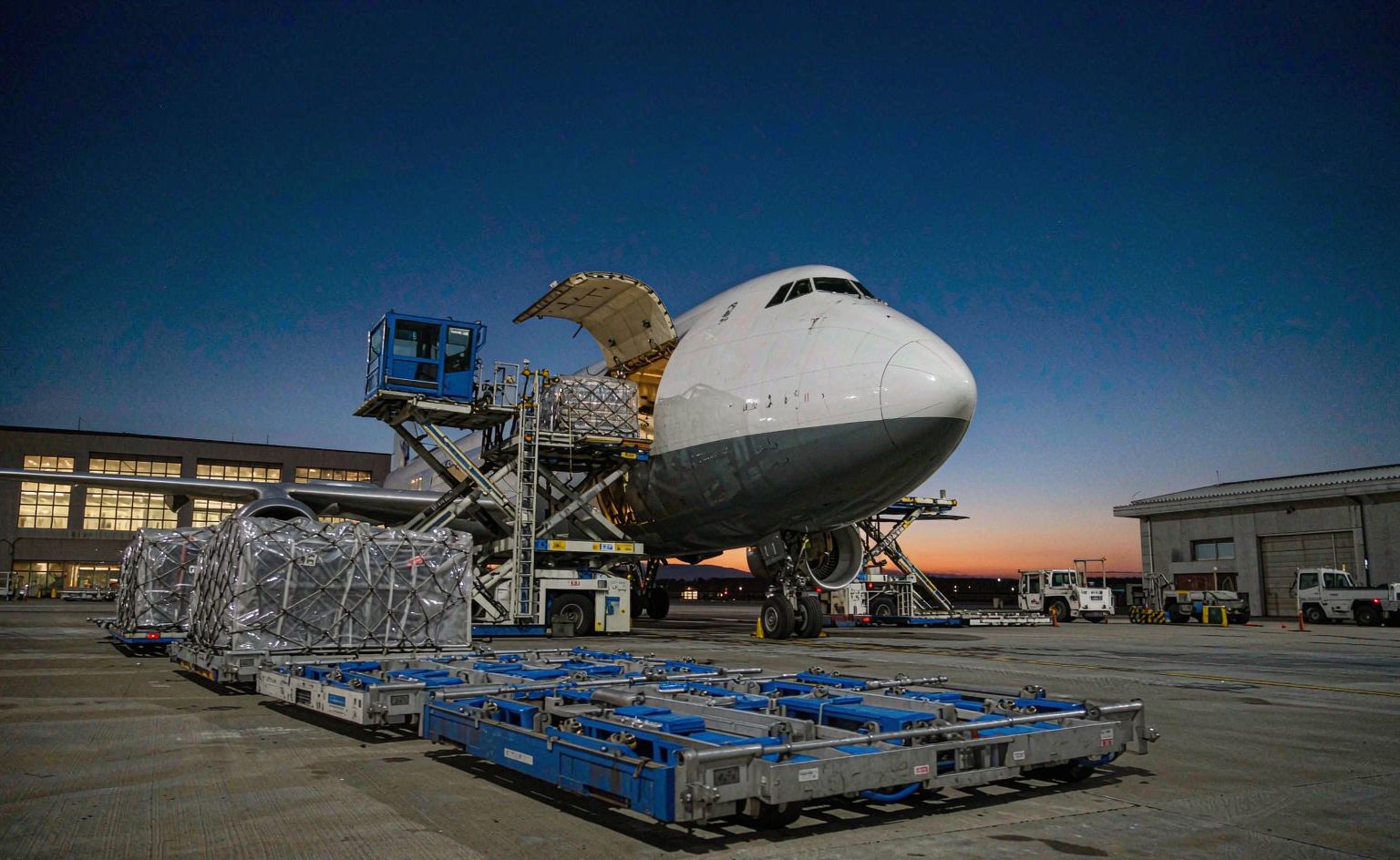
Three options. Belly space on the eight international passenger routes: Seoul, Busan, Cheongju, Bangkok, Nha Trang, Vientiane, Hanoi and Hong Kong. Air-to-air consolidation through Yinchuan, Lanzhou, Zhuhai, Mianyang or Urumqi. Or a road-air connection to Beijing, Tianjin or Zhengzhou, where capacity is deeper. Which one wins depends on cargo value, deadline and whether the goods can take an extra handling cycle.
What exactly is ramp loading with airside transfer?
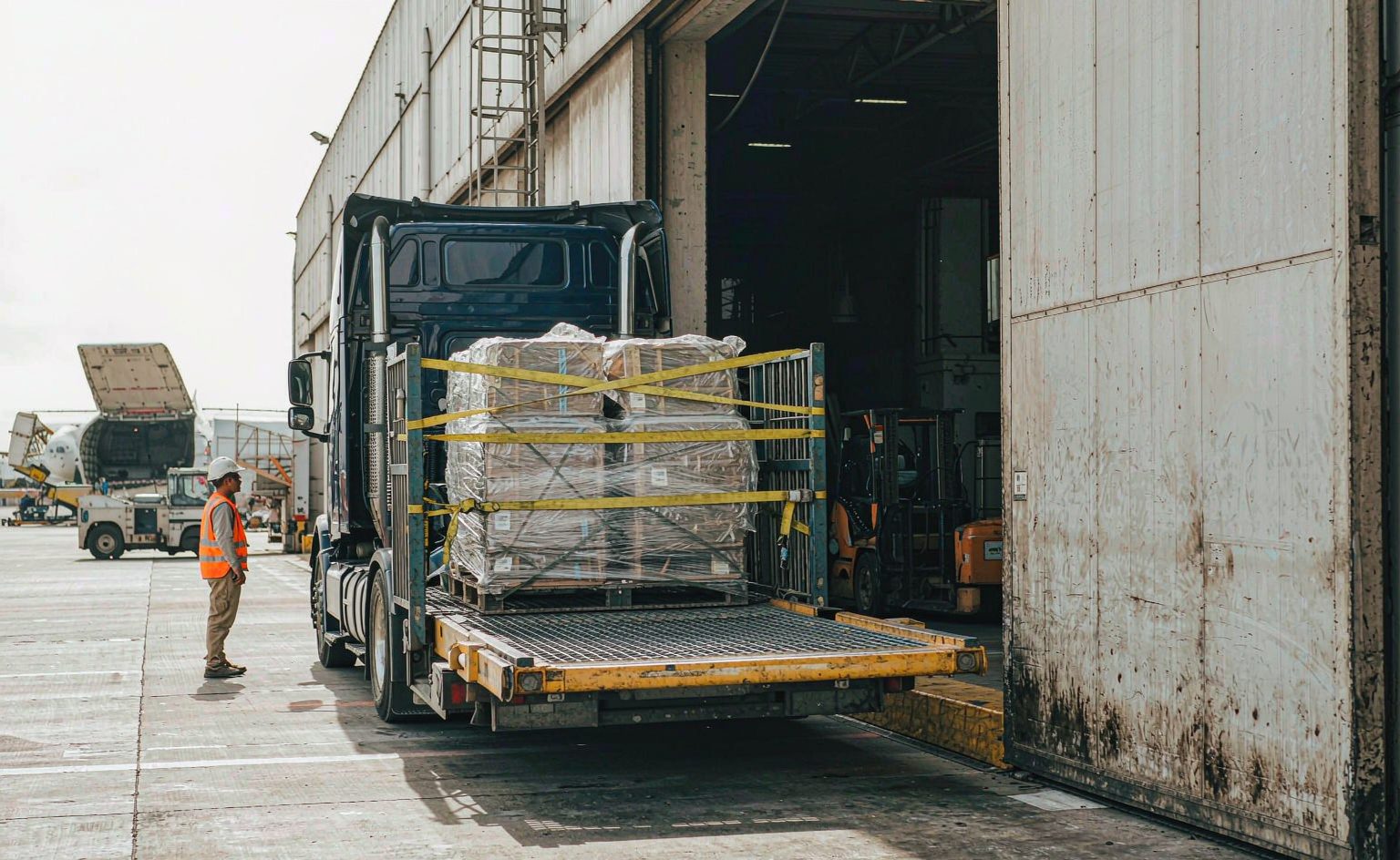
It is a supervision arrangement, not a service tier. The airside gate and channel connect the domestic cargo shed to the international export area, so freight that arrived on a domestic flight does not have to be collected, driven to the mail exchange office and screened twice. Advance-filed low-risk export freight is then loaded directly on the ramp. Six steps disappear and clearance time drops by more than 70%. The condition is a clean file: nothing stops inside the channel, so a correction has to be made before the cargo enters it.
Can lithium batteries leave from Shijiazhuang?
Yes, as dangerous goods. You need a UN38.3 test summary, MSDS, air transport condition appraisal, DG packing certificate and a shipper's declaration. Cells shipped alone normally need a freighter; cells contained in equipment can sometimes move on a passenger aircraft under conditions, and the carrying airline decides at acceptance. Packaging must prevent short circuit and crushing, and the outer carton carries the Class 9 label with the UN number. A file describing a different cell is refused at the dock.
What does importing pharma require?
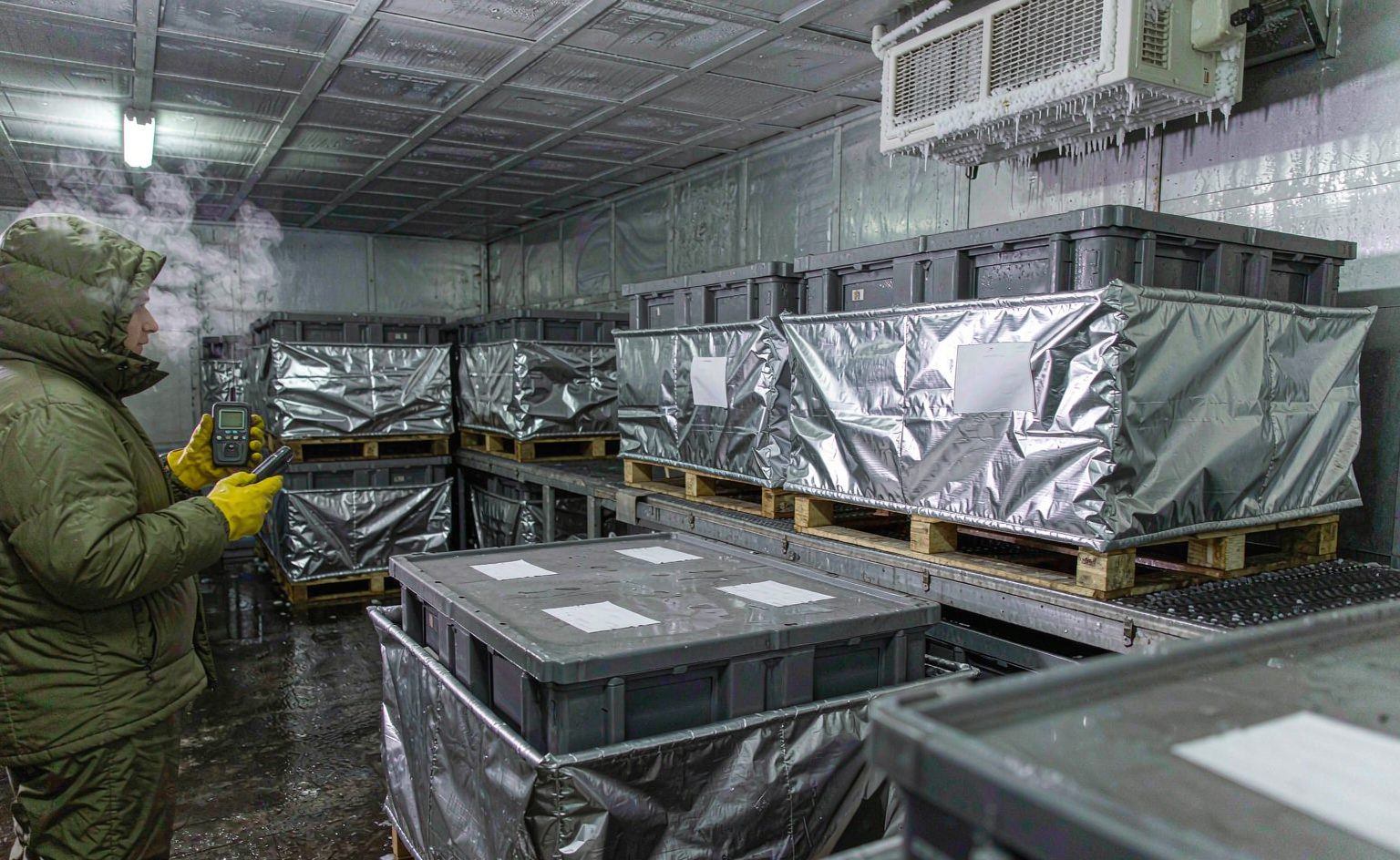
Three things at once: the pharma import port license covering the product, the regulator's import approval and the customs clearance note, and an unbroken cold chain record. The approval is issued per product, the shipment arrives per batch, so the batch number has to trace back to an approval that covers it. Biologicals add more. Settlement before departure is far cheaper than reconstruction after landing.
What can the bonded zone actually do for me?
It lets duty wait. Export cargo entering the zone can claim the VAT refund immediately; imports can be stored, repacked or repaired with duty deferred until they leave. That covers 1210 bonded e-commerce stock, bonded repair and distribution. The constraint is bookkeeping: duty deferred is not duty waived, and the account book has to reconcile with physical stock at every count.
How does 9610 filing work here?
The e-commerce platform or seller connects to customs and transmits the electronic order, payment record and waybill. The agent then files the listing, and the goods leave as mail or express. The three records must share one origin and one price, so a promotion or a price correction means reissuing all three, not editing one. Shijiazhuang's express supervision center is the only 9610 and international express site in Hebei, and a twice-weekly 9610 route to Dubai opened in June 2026.
Will an inspection cost me the flight?
Often, yes. Targeting instructions are usually issued before the aircraft lands or before the pallet is accepted, and the inspection happens when the freight is broken down. Counting errors, description mismatches and undeclared items are the usual findings. A small discrepancy can be explained and amended on the spot; a substantive one moves to a disposal process and the aircraft leaves. The defence is document reconciliation before filing and a physical check before tender, not negotiation at the dock.
Should I use transit or clear at the airport?
Transit suits a factory inland that wants inspection close to home: declare and seal at the airport, move under supervision, finish at the destination office. Clearing at the airport suits cargo that has to move immediately, because everything happens in one place and there is no second leg. Pharma and perishables normally clear at the airport, since the extra leg costs more than it saves. Out-of-gauge equipment often does better under transit, where a suitable inspection yard can be arranged.