Since 2012 NVOCC GD20230925153335 24h Response
+86 13392162503 sales8015@goodhopefreight.com Login
Goodhope Freight
Export clearance · Departure-port VAT refund · Rail-water relay

Nanjing Port Export Customs Clearance

Four terminals on the Yangtze — Longtan, Xinshengwei, Qiba and Yizheng — and two completely different filing sequences. At Longtan the container must be gated in and reported before customs will release it. From Longtan you can also claim the Shanghai departure-port VAT refund before the box ever reaches the sea. We file, chase the cut-off and close the entry out on site.

Longtan container terminal Xinshengwei bulk Qiba · Yizheng Departure-port VAT refund Ninghu barge relay Rail-water transshipment
4 terminalsContainer · bulk · ro-ro · liquid
3.89M TEUNanjing Port Group, 2025
12.5 mChannel depth, 50,000 dwt year-round
3.89M TEUContainer volume, 2025
Nanjing Port Group
122M tonsTotal cargo, 2025
Nanjing Port Group
200+/weekOcean, feeder, coastal
and barge sailings
1 of 13Longtan listed as a Shanghai
departure-port refund port
Port overview

A river port that loads ocean ships,
with the reverse sequence of Shanghai

Nanjing Port moved 3.89 million TEU and 122 million tons of cargo in 2025. With the channel dredged to 12.5 m, 50,000 dwt vessels reach the city year-round and container ships of 60,000 to 70,000 dwt can come alongside. So Nanjing is no longer only a feeder: one booking can load a sea-going vessel at Longtan, or be declared at Longtan and barged down to Yangshan for a deep-sea ship. The declaration nodes, the cut-off order and the moment your VAT refund becomes claimable are different on each route.

1
Longtan is one of 13 departure ports for the Shanghai VAT refundDeclare and load at Longtan, exit via Yangshan or Waigaoqiao, and the refund can be claimed on the departure-port declaration data — no waiting for the vessel to sail.
2
Gate-in comes before releaseThe container is gated into the yard, the terminal files an arrival report, and only then does customs release it. Yangshan works the other way round. Copy a Yangshan timetable and the box misses the vessel.
3
Four terminals, four cargo profilesContainers and ro-ro at Longtan, bulk and breakbulk at Xinshengwei, Jiangbei cargo at Qiba, crude and liquid chemicals at Yizheng.
4
Rail runs into the terminalLongtan has its own rail spur. China-Europe block trains and the daily Shanghai-bound rail service connect inside the port area, so inland cargo never needs a truck leg to the coast.
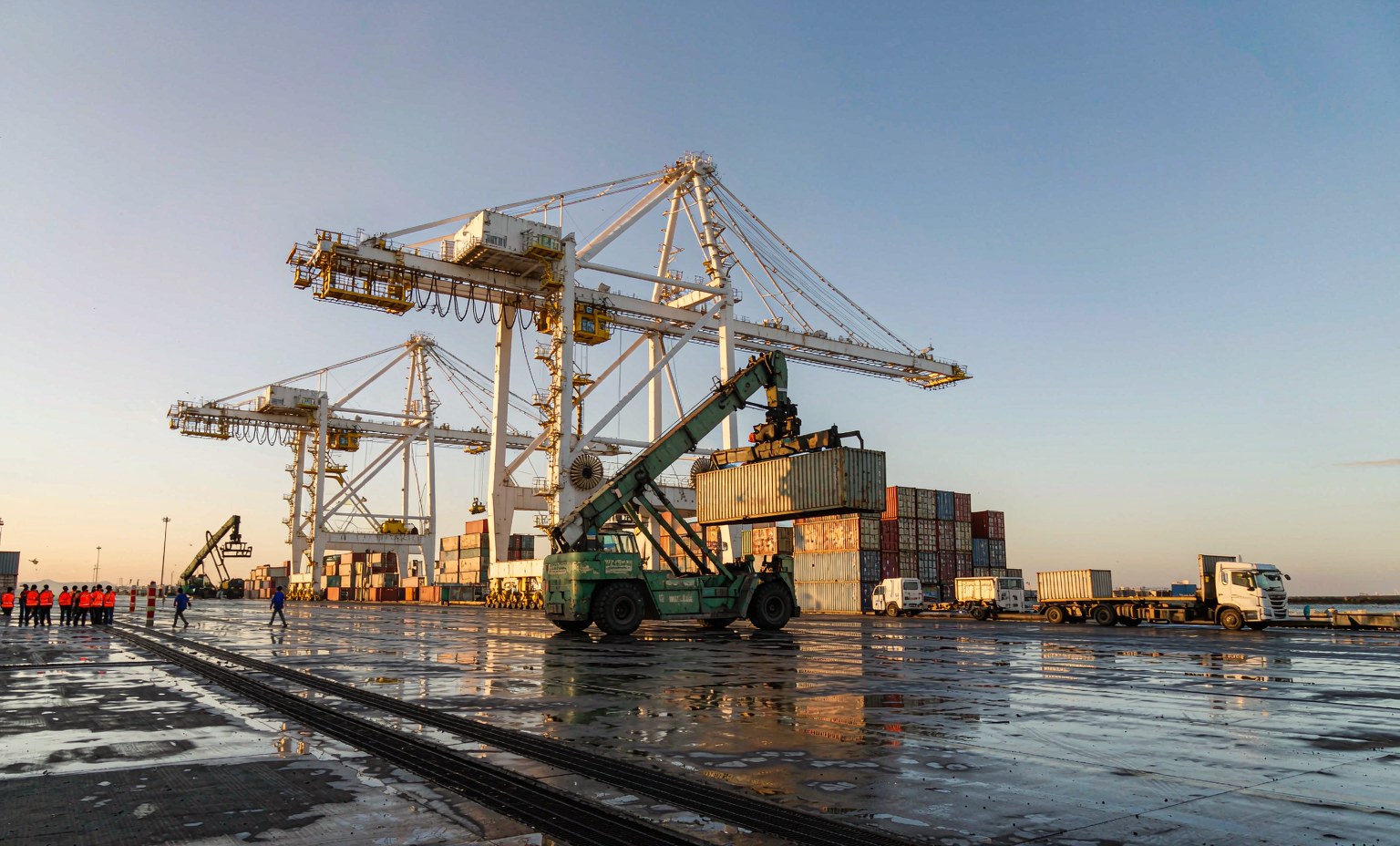
Container stacks and ship-to-shore cranes at a Yangtze river terminal
On the ground Gate-in → arrival report → release → load Manifest first · cut-off counted backwards
Incoterms note: on FOB, CFR and CIF terms the China-side export declaration is the seller's obligation, not the buyer's. Whoever books the space still has to produce a declaration that matches the manifest, or the container does not load — and the demurrage lands on the cargo interest.

Volumes, terminal capacity, shipping services and rail links are drawn from Nanjing Port (Group) Co., Ltd., Nanjing Customs and Jiangsu transport authorities (2025 and 2026 public figures). Berth allocation, sailing schedules and cut-off times follow the terminal and carrier notices in force on the day.

Terminals

Four terminals, and only one of them takes your container

Nanjing is not a single quay. It is four working stretches of riverbank, and choosing the wrong one adds forty kilometers of trucking plus a customs sequence nobody planned for.

Xinshengwei Customs · inspection team on site

Longtan

Container · ro-ro · end of the 12.5 m channel

Where
Qixia District, the furthest downstream stretch of the Nanjing reach
Scale
Largest single container terminal on the Yangtze; over 3.6M TEU handled in 2025
Berths
Dedicated container berths, a ro-ro vehicle quay, bulk berths at Tianyu, rail spur into the yard
Sequence
Gate in, arrival report, declaration, release, then load or barge
Best for: FCL, LCL, ro-ro vehicles, cargo claiming the departure-port refund. Avoid for: out-of-gauge heavy lift.

The Type B bonded logistics center sits next door, so export consolidation and bonded storage happen in one precinct.

Xinshengwei Customs

Xinshengwei

Bulk & breakbulk · the Yangtze workhorse

Where
Qixia District, south bank, upstream of the Second Yangtze Bridge
Scale
2,843 m of quay, 17 berths of 10,000 dwt class, 11 m draft, about 30M tons annual capacity
Cargo
Copper concentrate, coal, grain, fertilizer, iron ore, wood chips, bitumen, steel, project equipment
Sequence
Ship-side supervision for bulk; breakbulk inspected in loading order
Best for: fertilizer, grain, minerals, steel structures, jumbo bags and general breakbulk. Avoid for: cargo needing covered container storage.

Copper concentrate throughput ranks at the top worldwide; fertilizer exports lead all Yangtze ports.

Jinling Customs · Jiangbei office

Qiba

Jiangbei New Area · north bank

Where
North bank of the Yangtze in Jiangbei New Area
Role
Container and general cargo for Jiangbei industry and eastern Anhui shippers
Cargo
Containers, steel, building materials, general breakbulk
Sequence
Inspection site depends on the berth actually used; confirm the drop point before filing
Best for: short truck legs from Jiangbei and Anhui. Avoid for: urgent cargo that needs dense deep-sea connections.

Fewer services than Longtan. Confirm the carrier actually calls here before you book.

Jinling Customs · Yizheng site

Yizheng

Crude, refined products and liquid chemicals

Where
Yizheng, north bank, opposite the Nanjing chemical industrial park
Cargo
Crude oil, refined products, liquid chemicals, bitumen
Operation
Jetty, tank farm and pipeline run as one system; allocation by tank and berth
Sequence
Declared by weight and volume against the manifest and meter tickets; DG cargo needs a separate filing
Best for: liquid bulk needing tank capacity. Avoid for: containers and breakbulk.

Liquid cargo is declared in metric tons and cubic meters, not packages. It is a different paperwork language.

Point of differenceLongtan container terminalXinshengwei bulk terminal
CargoFCL, LCL, ro-ro vehiclesFertilizer, grain, minerals, steel, equipment
Gate-in and releaseGate in first, arrival report, then declaration and releaseCargo arrives in the supervised area, declaration follows, inspection in loading order
Declaration unitPer container, per house billPer bill of lading, per package or per metric ton
Cut-off logicCounted back from vessel or barge sailing, plus manifest merge timeCounted back from the ship's loading plan, one concentrated window
Refund routeDeparture-port VAT refund where eligibleStandard refund after export closure

Sequences reflect current practice at Nanjing and published facilitation measures. The authority on the day is the carrier's cut-off notice and the terminal's cargo plan.

Services

Eight service lines, because the cargo decides the paperwork

Containers, breakbulk and liquid bulk are three different declaration languages. FCL and LCL do not share a gate-in rhythm either.

SERVICE 01

FCL export declaration

Per-container filing: manifest pre-filing, container and seal verification, declaration drafting, single-window submission, inspection attendance and closure tracking, sequenced around Longtan's gate-in rule.

FCLSeal checkClosure tracking
SERVICE 02

LCL export declaration

Per-house-bill filing: CFS tally at Longtan's bonded logistics center, warehouse receipt matching, multiple declarations against one pack list, manifest merge confirmed before the CFS cut-off.

LCLCFS tallyManifest merge
SERVICE 03

Departure-port VAT refund

For boxes declared at Longtan and exited via Yangshan or Waigaoqiao: eligibility check on the exporter category and customs credit rating, correct transport mode on the declaration, carrier and manifest aligned, claim filed on departure data.

EligibilityTransport modeDeparture data
SERVICE 04

Breakbulk and heavy lift

Fertilizer, grain, steel and equipment declared per bill and per package. Equipment split into dozens of pieces is listed item by item — description, specification, unit weight, lifting points — and matched to the terminal's loading plan.

BreakbulkSplit piecesLoading plan
SERVICE 05

Dangerous goods and liquid bulk

Hazard determination, MSDS and packing certificate review, UN number and packing group matching, container packing certificate; liquids declared against tank and pipeline meter tickets, with DG filing and port operation notices in step.

MSDSPacking certificateMeter tickets
SERVICE 06

Fertilizer, grain and regulated cargo

Fertilizer declared by nutrient content, packaging and bag weight; grain and agricultural cargo handled with commodity inspection, phytosanitary certificates, fumigation and IPPC marks. Jumbo-bag filling slots booked before the vessel arrives.

Commodity inspectionFumigationBag filling
SERVICE 07

Ro-ro vehicle export

Vehicles declared at Longtan's ro-ro quay with model, VIN, quantity, use and destination reconciled line by line. EV units need battery documentation and UN38.3 reports, and the gate window is counted back from the vessel's berthing.

Ro-roVIN listUN38.3
SERVICE 08

Import clearance and transit

Copper concentrate, grain and equipment imports cleared or transited at Nanjing, with inspection attendance, destination inspection coordination and onward warehousing. Export and import run through the same desk.

Import clearanceTransitDestination inspection

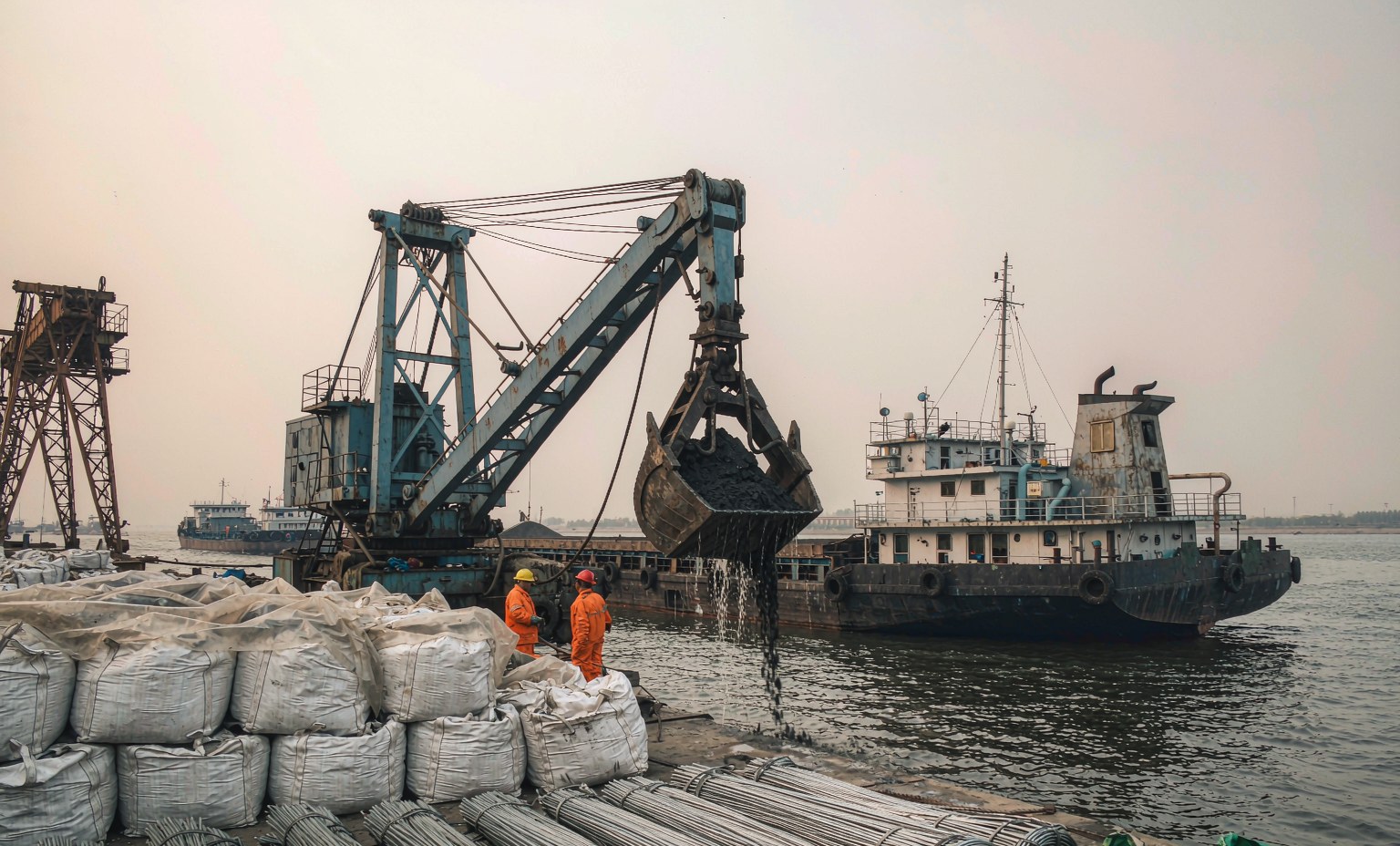
Grab unloader working a bulk carrier with jumbo bags and steel coils on the quay
Bulk cargo is declared in weights, not pieces. Fertilizer moves in jumbo bags or loose, grain against silo weights, steel against piece lists. When the declaration unit does not match the terminal's measurement, the ship waits at the berth while the cargo is weighed again.
Process

Eight steps, and step five is the one that catches people out

The steps are ordinary. The order is not: at Longtan the arrival report must exist before customs will release anything.

1

Booking and pre-manifest

Fix the vessel, box type, terminal and cut-off. Take the booking confirmation and pre-manifest data. For barge relay, confirm the Ninghu sailing too.

Who: forwarder · 1–2 days
2

Classification and elements

Set the HS code and the declaration elements: description, specification, composition, use, brand. Check licenses before production, not after.

Who: broker · same day
3

Declaration drafted and checked

Quantity, value, terms and currency verified internally. For relay cargo, the departure place and exit port are the usual error.

Who: broker · 4–8 hours
4

Stuffing and VGM

Factory stuffing or CFS delivery. VGM submitted; container and seal numbers recorded against the declaration.

Who: shipper · 1 day
5

Gate-in and arrival report

The truck gates the box into the Longtan yard and the terminal files the arrival report. Without it customs will not accept the declaration. This is not optional.

Who: trucker + terminal · 2–6 hours
6

Declaration, review, inspection

Filed on arrival. Release or inspection follows. Inspections happen inside the container yard: devanning, counting, photos, typically one to two working days.

Who: customs · 4 hours–2 days
7

Loading or barge relay

Direct cargo loads the ocean vessel on release. Relay cargo goes onto the Ninghu barge for Yangshan or Waigaoqiao, with the manifest merge confirmed before sailing.

Who: terminal + carrier · per schedule
8

Closure and refund file

Entry closed after departure. Declaration, release data and yard receipts assembled; departure-port refund claims filed on the Longtan declaration data.

Who: broker · 3–7 days
The legal clock: under Article 24 of the Customs Law an export declaration must be filed after the goods reach the supervised area and at least 24 hours before loading. Advance filing is allowed up to three days before arrival, but the cargo must then reach the area within three days or the entry is voided (five days for transit cargo). At a river terminal the four steps — gate-in, arrival, release, loading — run in series, so add half a day to a day against a coastal port. Add the barge schedule on top if the box is relayed.
Documents

What the file has to look like before anyone files

Complete documents with consistent data clear in one pass. Everything else is a second visit to the counter you cannot afford.

Base set — every shipment

  • ✓
    Export declaration — entered in the single window; departure place, exit port and transport mode must match the manifest. Missing this means nothing moves.
  • ✓
    Contract or order — terms, currency and trade conditions clear, value equal to the invoice. Missing this means the value gets questioned.
  • ✓
    Commercial invoice and packing list — description, quantity, packages, gross and net weight, volume, marks. Missing this means the inspection fails on arithmetic.
  • ✓
    Customs broker power of attorney — electronic authorization accepted, must be valid on the filing date.
  • ✓
    Booking confirmation and pre-manifest — vessel, voyage, box type, terminal, cut-off. Missing this means no manifest, so no filing.
  • ✓
    VGM and seal record — weight verified before gate-in; box and seal numbers tied to the entry.

Add-ons by cargo type

  • ✓
    Departure-port refund file — declaration data, carrier and voyage, exporter refund category and customs credit rating.
  • ✓
    Licenses — export license, dual-use item license, brand authorization where applicable.
  • ✓
    Certificate of origin — CO, FORM E, FORM A, chosen by the tariff preference you are claiming.
  • ✓
    Commodity and phytosanitary certificates — export inspection, plant quarantine, fumigation or heat treatment, IPPC marks on wood packing.
  • ✓
    DG and liquid bulk papers — MSDS, packing certificate, UN number, packing group, container packing certificate, tank and meter tickets.
  • ✓
    Ro-ro and heavy lift — VIN list, split-piece list, unit dimensions and weights, center of gravity, lifting points, loading plan.
Facilitation note: Nanjing runs paperless filing and electronic authorization, with supporting documents submitted electronically when customs asks. Requirements still differ by supervision mode — general trade, processing trade, market procurement, cross-border e-commerce — and the departure-port refund adds eligibility tests on the exporter and the carrier. That is why we pre-audit the file before submission rather than after a query.
Filing modes

Four ways to file, and when each one is wrong

The mode you pick changes when the refund lands and how much slack you have at the cut-off.

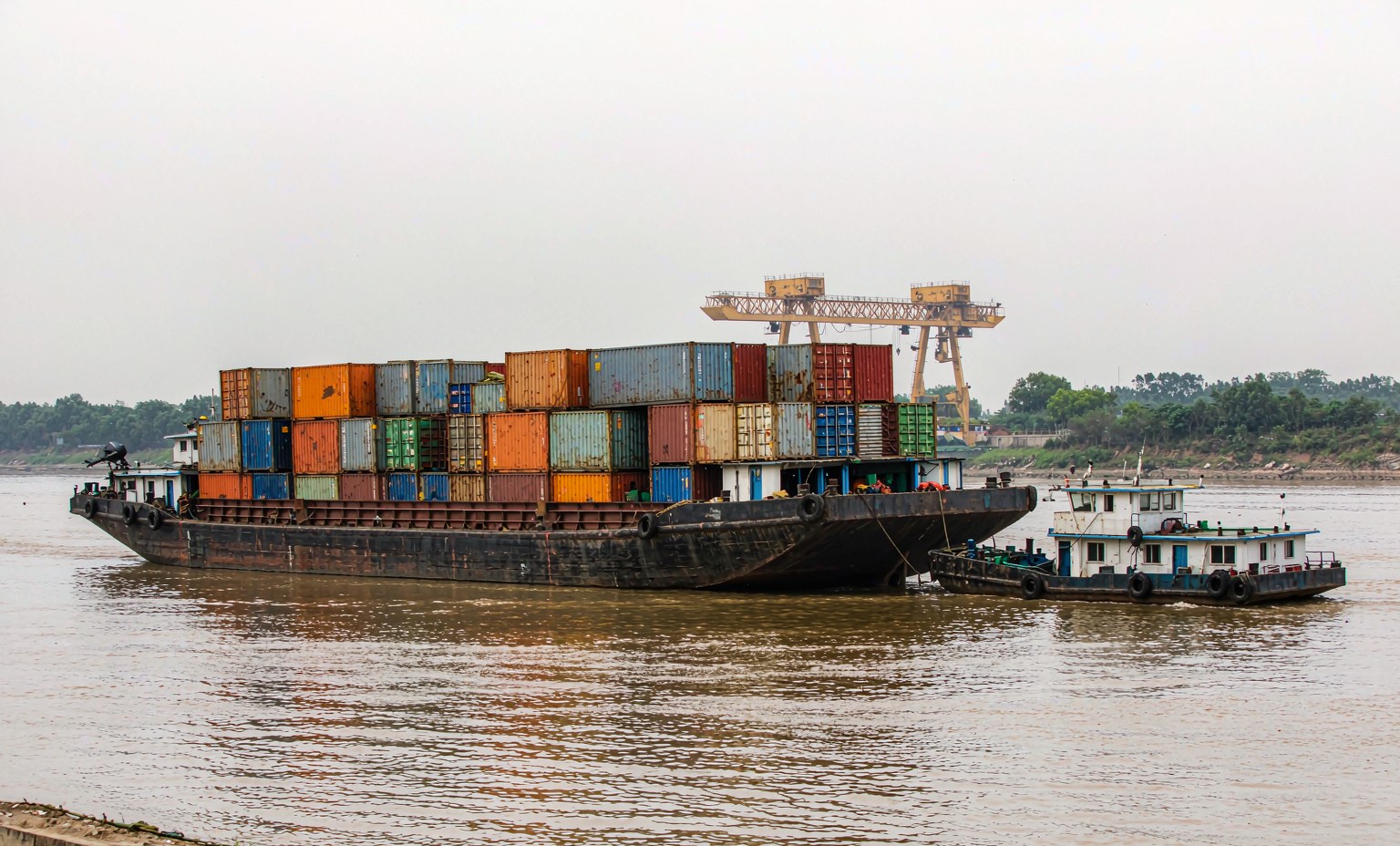
Yangtze barge alongside a river container berth during loading

Advance filing

File up to three days before the box reaches the supervised area, then let the arrival report trigger release or inspection. Use it when the documents are settled and the vessel is tight. Skip it when classification is still open — you will be amending after arrival.

Departure-port VAT refund

Declare and load at Longtan, exit via Yangshan bonded port area or Waigaoqiao, and claim on the departure declaration data. Best for exporters with steady volume and refunds tied up in working capital. Skip it if the exporter's refund category or credit rating does not qualify, or if the carrier is not an approved operator.

Transit and local filing

Declare at the local customs district and exit through Nanjing, or transit from Nanjing to another gateway. Fits factories outside Jiangsu that keep documents at one local office. Transit cargo must arrive within five days or the entry is voided — do not use it for cargo still in production.

Barge relay and rail-water

Declared at Nanjing, barged on the Ninghu service to Yangshan, or handed to a block train for Europe and the Shanghai-bound rail leg. Both need the manifest merge and the relay connection confirmed; neither can be declared as a direct sailing.

By cargo type

What each cargo type actually trips over

Nanjing handles both ends of the spectrum: copper concentrate and coal by the ship load, and ro-ro cars, precision equipment and liquid chemicals. The filing logic has to be rebuilt for each.

Fertilizer

Declared by nutrient content, packaging and bag weight. Bulk and jumbo-bag shipments are not the same entry. Regulated cargo needs export inspection, and destination registration rules need checking early.

Grain and agricultural

Commodity inspection, phytosanitary certificates, fumigation and moisture test results. Wood packing needs IPPC marks. Silo and belt flows are weighed against the bill of lading.

Minerals and copper concentrate

Mostly inbound: moisture, quality and radioactivity certificates, plus liquefaction rules for cargo that can shift. Declared in metric tons, not packages.

Steel and structures

Grade, specification, unit weight and a split-piece list matter. Loading order has to match the terminal's stowage plan or the ship waits.

Machinery and project cargo

Model, use and new-versus-used condition stated clearly. Spare parts listed separately. Out-of-gauge pieces declared individually with the lifting plan.

Vehicles

Ro-ro or flat rack. Model, VIN and use reconciled. EV units need battery documents and UN38.3 reports before the gate window opens.

Chemicals and oils

Decide first whether the cargo is dangerous. Non-DG needs a composition statement and MSDS; DG needs a full filing. Liquids go by tank and pipeline meter tickets.

Consumer and light industrial

Textiles, plastics, furniture, hardware in FCL. The work is in description and element completeness, brand checks and the refund rate.

Compliance: four points that are not negotiable

1. Declare what is in the box. Description, specification, quantity, value and origin must match the goods and the documents. The shipper carries the liability; a broker cannot absorb it.

2. Check refund eligibility before you rely on it. The departure-port refund depends on the exporter's refund category, customs credit rating and an approved carrier. Wrong entity or wrong transport mode means the refund is recovered and the next filings get scrutinized.

3. Clear licenses before production. Export licenses, dual-use items, endangered species, brand authorization — confirm at order stage, not at the gate.

4. Treat dangerous goods as dangerous. If the hazard is unclear, get a determination. Port operations require an authorized operator, and the packing certificate must be signed by a qualified inspector.

Field cases

Six shipments, and exactly where each one jammed

Clearance failures at Nanjing rarely come from not knowing the process. They come from the wrong terminal, the reversed gate-in sequence, or a manifest merge nobody counted into the cut-off.

Longtan · FCL01

Two boxes still at the factory on Thursday, cut-off on Friday

Cargo & lane
Two 40HQ containers of appliance components, collected in Jiangning, booked on an intra-Asia service ex Longtan.
Where it jammed
The booking was confirmed Thursday morning and the invoice arrived that afternoon. At Longtan the box must gate in and produce an arrival report before customs releases it. Trucking, queueing and gate-in alone would eat half a day, and the straight sequence would miss the cut-off.
What we did
Filed in advance against the pre-manifest that afternoon, keeping classification and licensing out of the critical path. Locked two trucks for a night stuffing and a first-light gate-in, so the arrival report triggered release without anyone chasing it.
Outcome
Both boxes released and grounded four hours before the cut-off, no amendment. The slack at a river port is not created by phone calls; it is created by filing before the gate-in.
Longtan · VAT refund02

A refund stuck three months after sailing, because nobody used the departure port

Cargo & lane
About twenty containers of textiles a month, declared at Longtan and barged to Yangshan for deep-sea vessels.
Where it jammed
The exporter had always waited for export closure before claiming, tying up cash for roughly three months. Worse, the declarations had been filed with a direct-sailing transport mode, which did not match the barge relay actually used, so the refund desk asked for explanations.
What we did
Checked the exporter's refund category and customs credit rating against the scheme conditions, corrected the transport mode to reflect the barge relay, aligned carrier, voyage and manifest across all three, and filed on departure data as soon as each box loaded at Longtan.
Outcome
The refund moved from three months after sailing to shortly after departure. The policy works — but only when the declaration is built for it.
Xinshengwei · fertilizer03

Three thousand metric tons of fertilizer, and the packaging changed after the paperwork

Cargo & lane
3,000 metric tons of compound fertilizer in jumbo bags, loading a breakbulk vessel at Xinshengwei for Southeast Asia.
Where it jammed
The plant had quoted bulk but shipped jumbo bags. Change the packaging and both the declaration elements and the inspection documents change with it. The terminal's bag-filling slots were also booked out, so the cargo and the equipment were on different calendars.
What we did
Rebuilt the declaration elements and inspection file on the jumbo-bag basis, confirmed filling slots and storage area with the terminal the same day, and split the fill into two tranches so the first could load while the second was completed inside the loading window.
Outcome
Vessel sailed on schedule with no amendment. Breakbulk rework almost always starts with packaging that no longer matches the declaration.
Longtan · LCL relay04

Nine house bills in one box, and one line of the manifest merge was wrong

Cargo & lane
Nine shippers from Nanjing, Changzhou and Hefei consolidated into one 40HQ, declared at Longtan, barged to Yangshan for a Europe service.
Where it jammed
Warehouse receipt, packing list and declaration were three separate data sets. One house bill showed two packages more than the warehouse tally. The barge had a fixed sailing, and with the merge wrong the box would not connect at Yangshan.
What we did
Reconciled packages, weights and marks per house bill at receiving, corrected the discrepancy the same day, recorded container and seal numbers centrally, filed the nine bills in batches on one day, and confirmed the merge list with the carrier before sailing.
Outcome
The barge sailed on time and the box connected at Yangshan. In relay LCL the risk is not slowness — it is a merge that does not match what is physically inside.
Yizheng · liquid bulk05

Two thousand metric tons of solvent, three numbers that had to agree

Cargo & lane
2,000 metric tons of industrial solvent loading at Yizheng, requiring tank capacity and pipeline transfer.
Where it jammed
The shipper supplied a bill-of-lading weight only, no tank meter ticket and no hazard determination. The terminal loads against pipeline meters, and the declared value diverged by three parts per thousand — past the tolerance, which means re-assessment.
What we did
Obtained the hazard classification and MSDS, confirmed whether the cargo was DG and filed accordingly, reconciled the declared weight against the tank meter ticket, agreed the loading measurement method with the terminal, and completed the port operation notice before work started.
Outcome
Loaded on schedule with the variance resolved inside tolerance. Liquid bulk lives or dies on one agreed unit of measurement, not on paperwork volume.
Longtan · ro-ro06

120 EVs, a one-day gate window, and six VINs that did not match

Cargo & lane
120 battery-electric passenger cars loading at Longtan's ro-ro quay for the Middle East.
Where it jammed
The gate window was a single day. Six VINs in the list did not match the invoiced batch, and the battery documentation and UN38.3 reports for the EV units were incomplete by one model.
What we did
Ran the VIN reconciliation the night before, corrected the six units against the physical vehicles, assembled battery and UN38.3 documents per model into one file that matched the entry line by line, and sequenced the gate-in to the vessel's stowage order.
Outcome
All 120 units loaded, none shut out. Ro-ro is never really about the declaration — it is about car, certificate and entry agreeing inside one day.

These are de-identified field cases: customer names, vessel names and some weights have been changed or rounded. The sequence and the failure points reflect how each shipment was actually handled. Cut-off times and document requirements change by terminal and carrier — always work from the notice in force.

FAQ

Ten questions importers ask about Nanjing

Answered the way we would answer them on a call, not the way a brochure would.

01How far ahead should I start the Nanjing clearance?+

Book seven to ten days before sailing and file within two working days of getting the pre-manifest. Longtan releases only after the box gates in and the arrival report exists, so gate-in and filing have to be counted backwards from the cut-off together. If the box is relayed by barge, add two to three days for the barge schedule.

02Does the container gate in first, or get released first?+

Gate in first, release second. The container enters the yard, the terminal files an arrival report, and customs then accepts the declaration and issues release or an inspection order. Loading or barging follows release. This is the reverse of Yangshan, where nothing gates in before release.

03Can I claim the VAT refund before the ship leaves China?+

Yes, if you use the departure-port scheme. Longtan is one of the listed departure ports. Declare and load there, ship on an approved carrier, exit via Yangshan bonded port area or Waigaoqiao, and claim on the departure declaration data instead of waiting for the vessel to sail. Your refund category, customs credit rating and the carrier all have to qualify.

04How do I declare cargo cleared in Nanjing but loaded in Shanghai?+

File it as transit or multimodal: Nanjing as the place of departure, Yangshan or Waigaoqiao as the exit port, with a transport mode that reflects the barge relay rather than a direct sailing. The carrier confirms the manifest merge, and the declaration, manifest and packing list must agree before the barge sails.

05What is different about LCL at Nanjing?+

FCL is declared per container with the box and seal tied to the entry. LCL is declared per house bill, several entries inside one container, and the CFS has to finish tally and packing before the CFS cut-off. One mismatched house bill corrupts the manifest merge for the whole box, and the relay connection at Yangshan fails with it.

06What should I watch when exporting fertilizer from Nanjing?+

Confirm nutrient content, packaging and bag weight before filing, and note that bulk and jumbo-bag shipments are different entries. Regulated cargo needs export inspection documents, jumbo bags need a filling slot at the terminal, and destination registration or labeling rules should be checked before the cargo reaches the quay.

07How are dangerous goods and liquid chemicals handled here?+

Start with a hazard determination. Non-DG chemicals need a composition statement and MSDS; DG needs a packing certificate, UN number, packing group and container packing certificate, plus carrier acceptance and a terminal authorized for dangerous goods. Liquids at Yizheng are declared against tank and pipeline meter tickets, and the port operator needs notice 24 hours before the operation starts.

08How do vehicle exports work through Longtan?+

Vehicles load at the ro-ro quay and are declared with model, VIN, quantity, use and destination matched line by line. EV units need battery documentation and UN38.3 reports. The gate window is short and tied to the vessel's berthing, so declaration and gate-in are counted backwards from the ship, not from the truck.

09If my container is selected for inspection, can I still make the vessel?+

It depends on the inspection slot and the cut-off. Inspections at Longtan happen inside the container yard; devanning, counting and photography usually take one to two working days. If the slot falls after the cut-off, the box rolls to the next sailing or goes by barge. We pre-audit classification and value precisely to reduce that exposure.

10When do I get the documents for my refund?+

After the entry closes at departure. You need the refund copy of the declaration or its electronic data, release information, yard receipts and gate-in data, plus VAT invoices and proof of foreign exchange receipt. Under the departure-port scheme the claim can be based on the Nanjing declaration data, which is faster, but the declaration entity, invoice issuer and receiving party must be the same.

Why us

Nanjing clearance is a local knowledge problem

The hard part is not the tariff schedule. It is four terminals with four rhythms, and two measurement languages between containers and bulk.

01

One desk in Shenzhen, people on the ground in Nanjing

Booking, documents and communication handled centrally; attendance at Longtan and Xinshengwei arranged locally, with same-day response on inspections, amendments and gate problems.

02

The file is audited before it is filed

Classification, elements, value and quantity checked internally first, moving amendment and inspection risk upstream instead of paying for it in yard storage.

03

We do not reverse the gate-in sequence

Longtan is arrival-then-release. Yangshan is release-then-gate-in. Each terminal gets its own backwards timetable instead of one copied plan.

04

Departure-port refunds handled end to end

Eligibility check, transport mode, carrier and manifest alignment, and collection of departure declaration data — set up correctly the first time rather than after a query.

05

Bulk and liquid bulk have their own playbook

Fertilizer bag filling, grain silo weights, steel piece lists, solvent tank meters. We agree the measurement basis with the terminal before we discuss the declaration.

06

Costs itemized, charges as incurred

Declaration, trucking, barge, inspection and terminal charges listed separately, settled against receipts. No blended lump sum that hides the surprises.

Get in touch

Tell us the cargo and the vessel.
We will tell you which terminal.

Send the description, packages, weights, destination, target sailing and the terminal you have in mind — Longtan, Xinshengwei, Qiba or Yizheng. You get back the viable terminal, the document list and a backwards timetable. We answer within one working day, GMT+8.

Email sales007@goodhopefreight.com
CompanyGoodhope Logistics (China) Limited
BrandGoodhope Freight
Phone / WhatsApp+86 18938691638
WeChatgoodhope007
Emailsales007@goodhopefreight.com
OfficeRoom 1012, Zhonghao Building, No.4 Bagua Road, Futian, Shenzhen
call us: +86 13392162503