
Home / Shipping to Haiti / How to Ship from China to Haiti
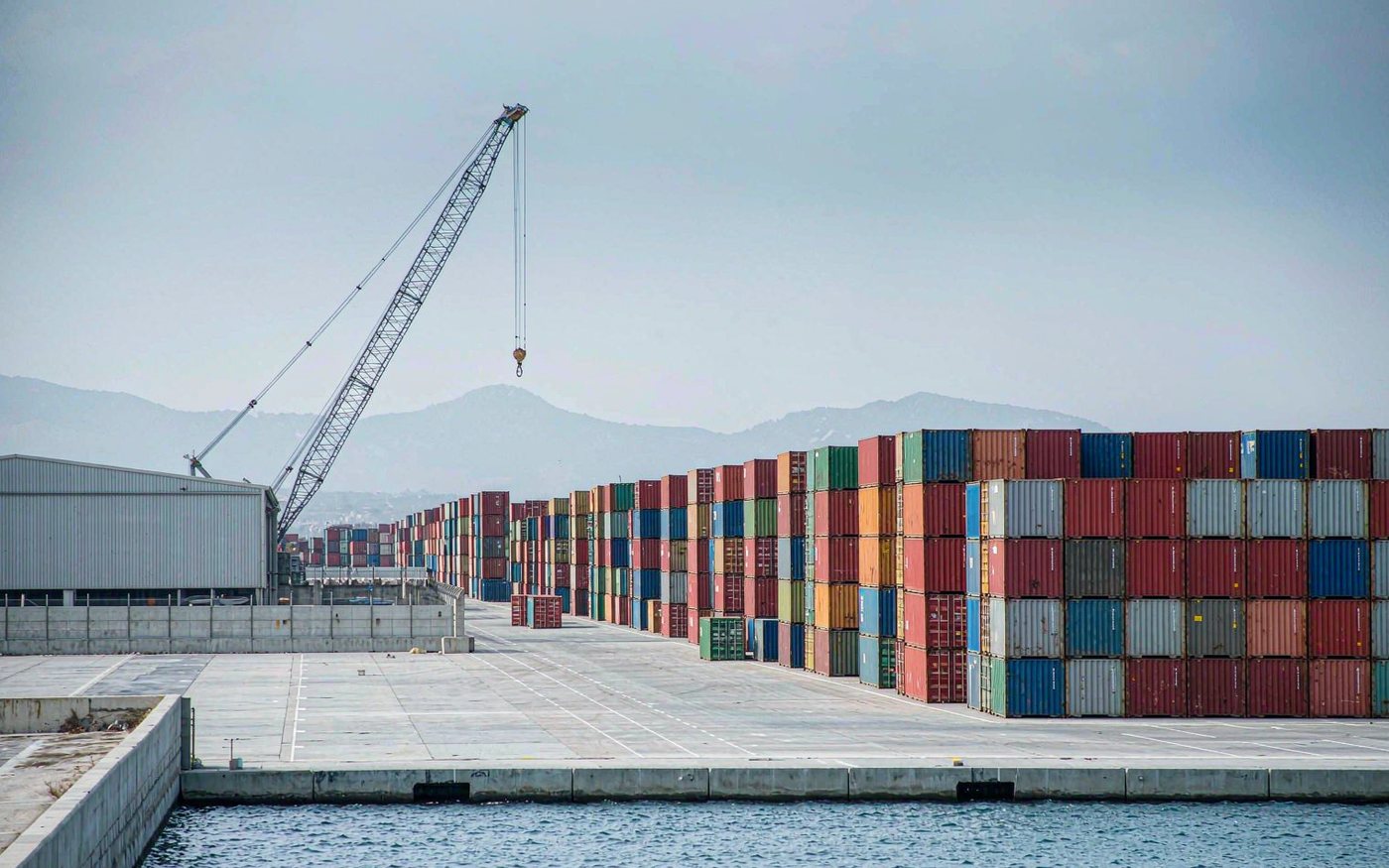
Shipping from China to Haiti, step by step
Goodhope Freight is a licensed NVOCC based in Shenzhen, registered as GD20230925153335, and has been moving cargo out of China since 2012. To Haiti we run full containers and shared containers port-to-port into Port-au-Prince, air freight airport-to-airport into Toussaint Louverture International, and express parcels dispatched from our depot. Every service stops at the port, the airport or the depot. Your consignee arranges import clearance and collection.
Port-au-Prince is the primary seaport and handles the great majority of the country's imports. Cap-Haitien on the north coast and Jacmel on the south coast serve as smaller regional ports for particular cargo types. Most sea freight from China does not sail direct: it relays through Miami or Kingston, and that relay is what sets your arrival window.
The distinctive thing about this lane is not the duty. It is the file. On most Caribbean destinations the value of the goods decides how an entry is handled. In Haiti the decisive questions are whether your consignee holds a current importer's licence and fiscal clearance, and whether a licensed broker has a complete set of documents before the container is opened. Get those right and the clearance is routine. Get them wrong and the cost is measured in weeks of storage.
At a glance
Main port: Port-au-Prince · Secondary ports: Cap-Haitien and Jacmel · Main airport: Toussaint Louverture International (PAP) · Currency: Haitian gourde, with most trade invoiced in US dollars · Duty assessed on the CIF value · Verification fee at 5 per cent of CIF, VAT at 10 per cent, special duty at 1 per cent, plus a contribution on some food lines · A licensed customs broker is required · Physical inspection is normal rather than exceptional
How your cargo moves: China to Haiti
Eight steps from your supplier's door to yours. The last four are the ones shaped by local rules.
- Pickup from your supplierWe collect the goods anywhere in China and bring them to our consolidation point.
- Export clearanceChina customs declaration filed and released before the goods move to the port.
- Loading and departureContainer loaded, sealed and handed to the carrier at the Chinese port.
- Relay through Miami or KingstonMost sea freight tranships before reaching Haiti; air cargo connects through a regional or United States hub.
- Discharge at Port-au-PrinceContainers are worked at the port; air cargo is worked at the PAP cargo terminal.
- Broker files, with the fiscal file in orderYour licensed broker lodges the declaration with the importer's licence, fiscal clearance and the full document set attached.
- Inspection and assessmentPhysical inspection is normal, the container is opened in the presence of the broker and an inspector, and duty, fees and VAT are then assessed.
- Release and collectionOnce the assessment is settled the goods are released to your consignee, who collects from the port or airport. Delivery beyond that point is not included.
Duty rates, VAT rates and clearance times move, and the figure that applies to your goods is the one set for your commodity code on the day of clearance. We check the current position against your code before your goods sail and confirm it to you in writing — ask for that check when you request a quote.
Port-au-Prince, and the relay that gets you there
Port-au-Prince is the primary seaport and the gateway for most of what enters the country. Cap-Haitien on the north coast and Jacmel on the south coast handle smaller regional volumes, and they are worth asking about if your consignee is based well away from the capital, because a long domestic haul from Port-au-Prince is not always the cheaper answer.
Most sea freight from China relays through Miami or Kingston rather than sailing direct, and that relay determines both the transit time and the number of times your cargo is handled. Air freight into Toussaint Louverture connects through a regional or United States hub. We name the relay on the quotation so you are tracking a real routing rather than a generic figure.
Mode by volume, and what you get for the money
Below roughly 15 cubic metres a shared container is the sensible answer, rated by volume with a weight conversion and a one cubic metre minimum. Between about 15 and 28 cubic metres the comparison between a 20GP and a per-cubic-metre rating is worth running both ways. Above that, or for bulky light cargo, a 40GP or 40HC normally wins on cost per unit.
Air freight into PAP suits high-value electronics, pharmaceutical lines, urgent spares and time-critical goods, and works from about 45 kg. Express courier is available for documents and samples and ends at the depot. None of these services include delivery to an address, and on this lane that boundary matters more than usual.
What the entry is actually assessed on
Duty and taxes in Haiti are calculated on the CIF value, meaning the cost of the goods plus insurance plus freight to the port of arrival. Because freight is inside the base, an expensive expedited routing raises the assessment as well as the freight bill, which is worth knowing if you are weighing service levels.
Alongside duty, the charges that routinely appear are a verification fee of 5 per cent of the CIF value, value-added tax at 10 per cent of the transaction value, a special duty of 1 per cent of CIF, and a contribution to territorial collectivities of 2 per cent of CIF on some food products. Excise applies to alcohol, tobacco, petroleum products and motor vehicles.
Why the line is drawn by the file, not by the value
On most destinations the question of whether a shipment goes formal or informal is answered by what it is worth. In Haiti it is answered by whether the importer's paperwork is in order and whether a licensed broker is acting. The formalities required before clearance include a current importer's licence, a notice from the ministry responsible for commerce for each order, and a certificate of fiscal completion or discharge.
That is a higher bar than most first-time importers expect, and it is the single largest source of avoidable delay on the lane. If your consignee does not hold those documents, or holds an expired version of them, no amount of freight planning will get the container released.
The broker, and why you should appoint one early
Commercial imports are cleared by a licensed customs broker, and the broker needs a complete document set before the container is opened. That set includes the customs declaration, the bill of lading or air waybill, the freight cost certificate, a list of products, and the commercial invoice, together with any import permit, phytosanitary, laboratory, weight and quality, fumigation or insurance certificate the commodity requires.
Appoint the broker before the goods sail rather than after they berth. A broker appointed at arrival is working against the clock while storage accrues, and on a lane where assessments take weeks rather than days, that is an expensive way to start.
Physical inspection is normal, so pack for it
Haitian customs does not treat inspection as an exception. On a containerised commercial shipment the container is commonly unsealed in the presence of the broker and an inspector, the boxes are opened and examined, and the goods may be transferred to another container before release. It is a full working day of activity on a loaded container.
Pack for it. Goods should be arranged so they can be examined and put back without damage, with packing lists that let an inspector find a line quickly and cartons that survive being opened and reclosed. Loose, unlabelled or poorly listed cargo turns a routine inspection into a long one.
Free time is the charge that hurts
After the inspection the inspector issues a report and a customs bill is generated, a process that takes weeks rather than days. During that period demurrage, detention and storage accrue if the carrier's free time has been exceeded, and those charges can dwarf the freight on a delayed file.
The mitigation is simple and has to be done before sailing: ask the carrier for an extension of free time on the file, and tell us you want it. It is far easier to agree an extension at booking than to argue about one after the container has been standing for three weeks.
Which goods need a licence, and who issues it
A licence is required for the import of firearms, pharmaceutical products, petroleum products, plant and plant products, and animal and animal products. Pharmaceutical imports also require sanitary registration with the health ministry, and food imports require phytosanitary or zoosanitary certificates from the country of origin together with an import permit from the agriculture ministry, valid for a limited period and issued per shipment.
Those permits are obtained by the importer in Haiti, not by us in China, and they take time. If your commodity sits in any of those categories, confirm the permit position with your consignee before you book the sailing, because a container that arrives before its permit is a container that waits.
Documents, and the one that is uniquely Haitian
- Commercial invoice with specific descriptions, quantities, values and country of origin.
- Freight invoice, or freight cost certificate, showing the carriage cost that forms part of the CIF base.
- Bill of lading for sea freight or air waybill for air freight.
- Packing list and a list of products matching the invoice.
- Certificate of origin, and laboratory, weight and quality, fumigation or insurance certificates where the commodity requires them.
- Import permit and phytosanitary or zoosanitary certificates for regulated goods.
The freight cost certificate is the one that trips up exporters used to other lanes, because the freight figure is part of the assessed value rather than merely a commercial detail between two parties. Ask your supplier or your forwarder for it as a matter of routine.
Timing, and checking operating conditions before you book
Sea freight from the main Chinese ports into Port-au-Prince typically runs 30 to 45 days port-to-port via the relay, and air freight roughly 5 to 10 days terminal to terminal. Clearance then adds its own period, and the assessment stage is measured in weeks.
Because local operating conditions can change, confirm the current position before you commit to a sailing: whether your consignee's broker is operating normally, whether the port is working to schedule, and whether the inland route your consignee intends to use is open. We check what we can see and tell you what we cannot, and we would rather delay a booking than have your container arrive into a closed port.
What we handle, and what sits with your consignee
We handle collection from your supplier, consolidation, export declaration, loading, and the main carriage to Port-au-Prince or to PAP. We issue the transport document, send a pre-alert with the documents attached, and will request an extension of free time at booking if you ask us to.
Your consignee, through a licensed broker, holds the importer's licence and fiscal clearance, files the entry, attends the inspection, settles the assessment and collects. We do not sell door-to-door delivery to Haiti and we do not collect destination charges on the carrier's behalf.
The sequence to follow on a first Haitian shipment
Send us the commodity, the volume and weight, the pickup address in China, and where the goods will be collected in Haiti. Tell us at the same time whether your consignee already holds a current importer's licence and has a broker, because that answer changes the advice we give you more than any other single fact.
If this is your first import here, ask for the sequence in writing and ask us to request extended free time on the file. On a lane where the assessment is slow, free time is the cheapest insurance you can buy.
What we see headed to Haiti
Five shipments bought in China and delivered into Haiti, told end to end — where the order came from, how it moved, where it nearly went wrong, and how it finished. Client names are withheld at their request; the situations and the handling are what we deal with on this lane.
Building materials, 40GP into Port-au-Prince
The purchase. A contractor was importing cement additives, tiles, doors, windows and fixings from suppliers in Foshan and Ningbo for a build outside the capital.
The move. One 40GP consolidated at our Guangdong warehouse, shipped port-to-port to Port-au-Prince via the relay, with the consignee's broker filing on arrival.
Where it nearly went wrong. The container was selected for physical inspection, which is normal here, and the buyer had packed loosely with a single summary packing list. An inspector could not reconcile the boxes against the list, so the examination took far longer than it needed to.
How it finished. We rebuilt the packing list line by line before loading on the next shipment and had the cartons numbered and grouped by invoice line. The following container was inspected and released inside the normal window.
Medical supplies by air into Toussaint Louverture
The purchase. A distributor was importing medical consumables and needed them quickly, with a valid import permit held by the consignee.
The move. Air freight from China, connected through a hub, airport-to-airport into PAP, collected by the consignee's broker from the cargo terminal.
Where it nearly went wrong. Pharmaceutical and medical lines need a licence and, depending on the product, sanitary registration with the health ministry. The buyer had the permit but had not checked that its validity ran to the arrival date.
How it finished. We asked for the permit reference and its validity at booking, flagged the gap before the goods left China, and the buyer renewed in time. The consignment cleared on arrival rather than being held.
A first-time importer without a broker
The purchase. A small retailer placed its first container order from China and assumed the forwarder would handle the clearance at the Haiti end.
The move. The container shipped and arrived at Port-au-Prince, where it waited because no broker had been appointed and no entry had been filed.
Where it nearly went wrong. No importer's licence or fiscal clearance had been arranged either, so there was nothing a broker could have filed even if one had been appointed at the last minute. Storage accrued the whole time.
How it finished. We now ask every first-time shipper on this lane to confirm the broker and the licence before we accept the booking, and we say plainly that our service ends at the port. The retailer's second container cleared without incident.
Food products needing phytosanitary paperwork
The purchase. An importer was bringing in packaged food products and needed the origin certificates and the agricultural permit in place before the sailing.
The move. A shared container out of Guangzhou, relayed and deconsolidated for collection at Port-au-Prince.
Where it nearly went wrong. Food imports need a phytosanitary or zoosanitary certificate from the country of origin plus an import permit from the agriculture ministry, issued per shipment and valid for a limited period. None of it had been started when the order was placed.
How it finished. We identified the requirement at quotation stage and told the buyer to obtain the permit before we booked. The certificates were issued in China and the permit was in hand before the goods sailed, so the shipment was not held.
Solar equipment where free time saved the job
The purchase. An installer was importing panels, inverters and mounting hardware for a commercial project, a shipment with a long assessment ahead of it.
The move. One 40HC shipped port-to-port to Port-au-Prince, with extended free time requested from the carrier at booking.
Where it nearly went wrong. The inspection and assessment ran several weeks, which is normal on this lane. Had the container been on standard free time, demurrage and storage would have exceeded the cost of the freight.
How it finished. We asked for the extension when the booking was made rather than after the container had been standing. The extra free time absorbed the assessment period and the project absorbed the cost it had budgeted.
Why importers use Goodhope on this lane
Six things that are different about working with us on China to Haiti shipments.
Get a quote for Haiti
Tell us the commodity, the volume, the pickup address in China and where the goods will be collected. We will confirm the relay, flag any permit requirement, and quote every charge as a separate line.
Get a quote Talk to usRelated pages
Frequently asked questions
What is the sailing time from China to Port-au-Prince?
Plan on roughly 30 to 45 days port-to-port from the main Chinese ports, usually relaying through Miami or Kingston. Air freight runs roughly 5 to 10 days terminal to terminal. Clearance then adds its own period, and the assessment stage is measured in weeks.
Which port should I ship to in Haiti?
Port-au-Prince is the primary seaport and handles most imports. Cap-Haitien on the north coast and Jacmel on the south coast serve as smaller regional ports, and they are worth considering if your consignee is well away from the capital, because a long domestic haul can cost more than routing differently.
What taxes apply on a Haitian entry?
Duty and taxes are calculated on the CIF value. Alongside duty, the charges that routinely apply are a verification fee of 5 per cent of CIF, value-added tax at 10 per cent of the transaction value, a special duty of 1 per cent of CIF, and a contribution to territorial collectivities of 2 per cent of CIF on some food products.
Does Haiti require a licensed broker?
Yes for commercial imports. A licensed broker files the entry and attends the inspection, and the importer needs a current importer's licence, a notice from the commerce ministry for the order, and a certificate of fiscal completion or discharge. Appoint the broker before the goods sail, not after they berth.
Will my container be inspected?
Assume so. Physical inspection is normal rather than exceptional on containerised commercial shipments: the container is unsealed in the presence of the broker and an inspector, boxes are opened and examined, and the goods may be transferred before release. Pack so that this can be done without damage.
How long does clearance take?
The inspection takes about a working day on a loaded container, and the customs bill then takes weeks to generate. During that period demurrage, detention and storage accrue if the carrier's free time is exceeded, so request an extension of free time at booking.
Which papers does a Haitian clearance need?
A commercial invoice, a freight invoice or freight cost certificate, the bill of lading or air waybill, a packing list and list of products, a certificate of origin, and any import permit, phytosanitary, laboratory, weight and quality, fumigation or insurance certificate the commodity requires.
Do I need an import permit?
For firearms, pharmaceutical products, petroleum products, plant and plant products, and animal and animal products, yes. Pharmaceutical imports also require sanitary registration, and food imports need origin phytosanitary or zoosanitary certificates plus a per-shipment agriculture ministry permit of limited validity.
Will the goods be brought to my consignee?
No. Sea freight and air freight are port-to-port and airport-to-airport, and express courier dispatch ends at the local depot. Your consignee arranges import clearance and collection, and any onward delivery is arranged locally.
What should I check before booking a shipment to Haiti?
Confirm that your consignee holds a current importer's licence and has a licensed broker, confirm any permit the commodity needs, and confirm current operating conditions at the port and on the inland route. Then ask us to request extended free time on the file at booking.