
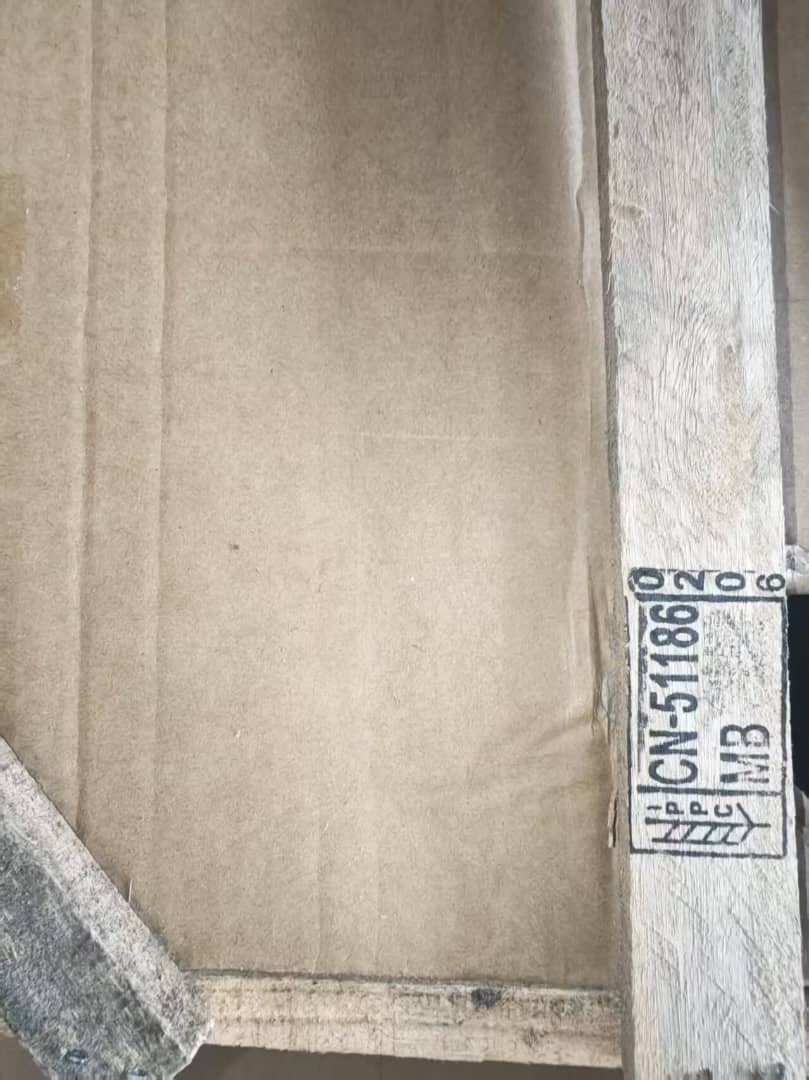
Goodhope Freight handles export quarantine treatment across Hainan: heat treatment (HT) for wood packaging, methyl bromide and sulfuryl fluoride fumigation, dielectric heating, plus IPPC marking and fumigation or disinfection certificates. Working points cover Yangpu (Xiaochantan international container terminal, Shentou terminal), Haikou (Xiuying, Xinhai and Macun terminals), Basuo in Dongfang, Sanya, Wenchang Qinglan and Qionghai. Air cargo is handled around Haikou Meilan (HAK) and Sanya Phoenix (SYX).
The treatment parameters are fixed nationwide. ISPM 15 recognizes a 56°C wood core held for 30 minutes or more; methyl bromide calls for 24 hours of closed exposure at 10°C and above.
What differs here is distance. Factories sit in Danzhou, Chengmai, Ding'an, Wenchang and Ledong, while approved treatment sites cluster in two areas: Haikou and Yangpu. Haikou to Yangpu is 130 km, normally 1.5 to 2 hours. Haikou to Sanya is 280 km, three hours or more. Yangpu to Basuo is 1.5 hours. Dragging a box to the yard and back costs what two cities cost in Guangdong, with an open-and-inspect stop in between.
The second difference is the gate. Since the island-wide customs closure began operating (December 2025), outbound containers pass a “second-line” port. Trucks must book on both the national single window and the port shipping service platform, and only a pass from both lets them into the customs control lane. At the Xiuying container terminal, arrival to release normally takes 10 to 15 minutes — provided the declaration and the treatment certificate agree. One mismatched commodity name, port of departure or treatment date and the box sits at the gate.
Parameters follow ISPM 15 and the published quarantine requirements of destination countries. Terminal allocation, yard slots and gate windows change weekly, so each shipment is confirmed against the current roster.
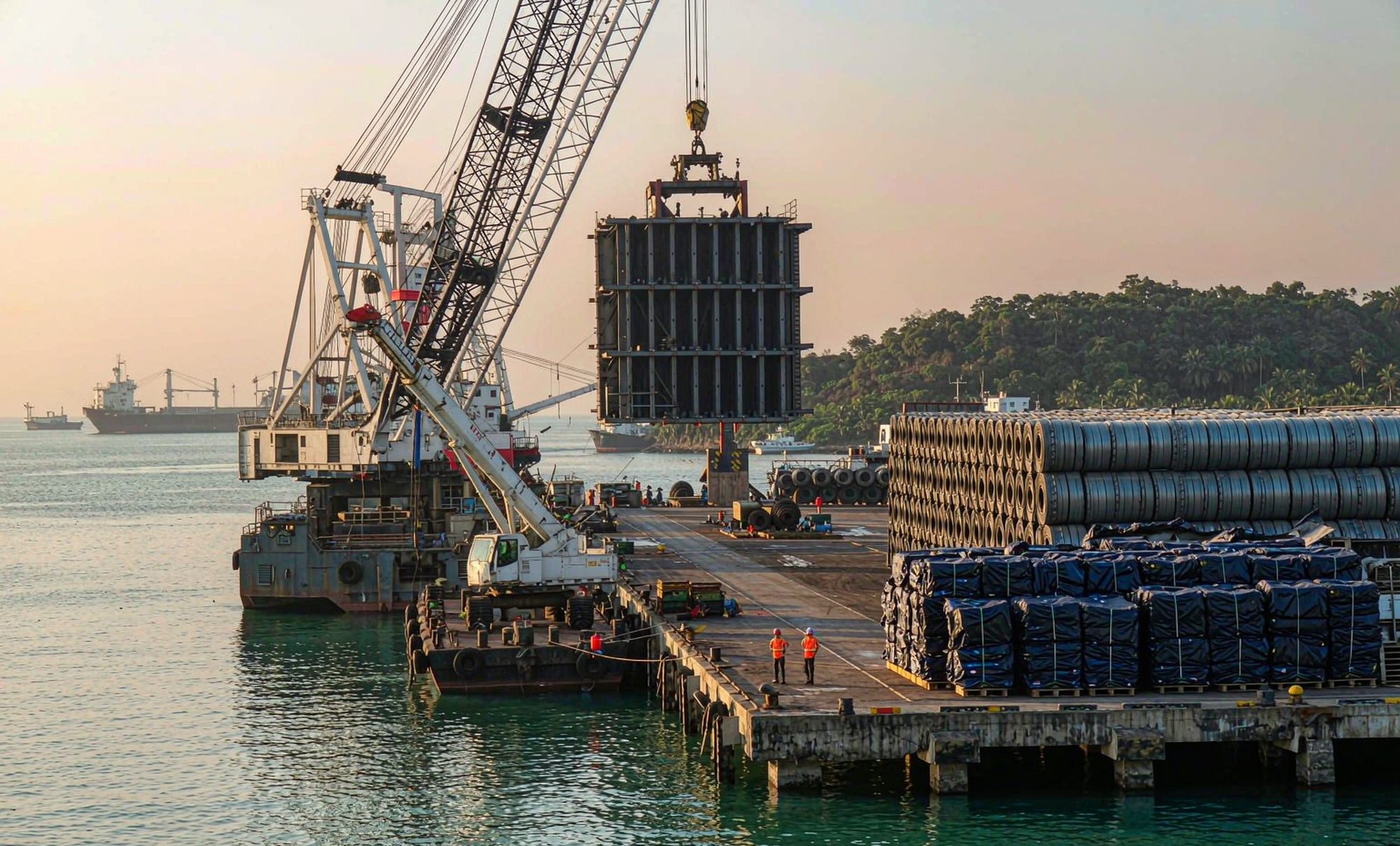
The table lists working points and normal truck times. Actual slots follow the yard roster for the week. Where an island leg runs beyond three hours one way, the usual answer is to treat at the nearer gateway; if cargo must be consolidated in Haikou, move the box over a day earlier.
| City | Port / airport | Yard and treatment mode | Factory to yard | Scheduling note |
|---|---|---|---|---|
| Haikou | Xiuying terminal (containers, ro-ro); Xinhai terminal (passenger and freight ro-ro); Macun terminal; Meilan airport (HAK) | Quarantine yards around Haikou, terminal yards, factory-side work; air cargo treated near Meilan | 40–80 minutes within the city | Xiuying runs the second-line smart gate after the closure: trucks must book on both platforms. Container functions are moving to Macun under the port plan, so confirm the loading terminal before booking. |
| Chengmai | Macun terminal (Haikou port Macun area: containers and breakbulk) | Yards around Macun with treatment sites; breakbulk mostly treated on site | 30–60 minutes around Macun; one hour from Haikou city | Macun phase three is under expansion, so berths and yards are confirmed weekly. Rubber, steel and breakbulk dominate; dunnage and bracing timber must be treated with the cargo. |
| Danzhou (Yangpu) | Yangpu international container terminal (Xiaochantan: six berths, 200,000 dwt berth and deepwater channel); Shentou terminal (oil, gas and chemicals) | Yards around Yangpu, terminal yards, factory-side work | 20–40 minutes inside Yangpu; 1.5–2 hours from Haikou | Yangpu runs 68 services, 38 of them international: weekly Southeast Asia links and direct calls to North America. Mother-vessel cut-off is early, so treatment sits ahead of the drag. Oil, gas and dangerous goods terminals require separate entry filing. |
| Dongfang | Basuo port; Dongfang cargo airport (planned) | Yards around Basuo port; nearby factories treated on site | 30–60 minutes around the port | Cement, fertilizer and ore move as breakbulk, often with timber cases and dunnage in the same lot. Border trade and small exports are scheduled per shipment, not per container. |
| Sanya | Sanya port (including the Nanshan cargo area); Phoenix airport (SYX) | Yards around Sanya and factory-side work; air cargo near the airport | 30–60 minutes within the city; over three hours to Haikou | Cross-island dragging does not pay; treat locally. Phoenix international freight moves mostly in passenger bellies, so whole-lot fumigation has to be booked early. |
| Wenchang | Qinglan port | Yards around Qinglan; coconut and rattan work can be done on site | 30–60 minutes around the port; 1.5 hours to Haikou | Coconut products, rattan and bamboo weaving and seafood sit on quarantine watch lists; whole-lot treatment with a certificate is common. |
| Qionghai | Bo'ao airport (BAR, regional); Longwan port (breakbulk) | Yards around Qionghai and factory-side work | 30–60 minutes around the city; 1.5 hours to Haikou | Bo'ao is mainly passenger traffic with limited freighter capacity, so air cargo usually leaves through Meilan. Breakbulk goes through Longwan, where every timber case is checked for marks. |
Truck times are normal ranges. Typhoons, pre-holiday peaks and highway restrictions stretch them. Peak-season bookings stand or fall on the slots the yard has that week.
The treatment is identical, but FCL, LCL and air cargo run in a different order. Rows below place each step on a day from T-4 to T-0 so they drop straight into a booking sheet. Where an island haul exceeds two hours, pull T-2 and T-1 half a day earlier.
| Milestone | FCL — Yangpu / Macun | LCL — CFS in Haikou or Yangpu | Air cargo — HAK / SYX |
|---|---|---|---|
| T-4 | Confirm destination requirements, container type and the actual loading terminal; book the yard | Confirm per shipment whether the whole lot is fumigated or only pallets and dunnage | Check whether crates and pallets already carry compliant marks; book treatment if not |
| T-3 | Document pre-check: description, packages and volume aligned with the outbound declaration | Confirm the split list and warehouse receiving number; book a CFS slot | Crates moved to a yard near the airport; treatment report issued |
| T-2 | Empty or loaded box into the yard; open and check for bark, soil and mold | Cargo received at the CFS; treated per shipment, cartons pierced and stretch film perforated | Treated crates returned; mark position and treatment code verified |
| T-1 | Dosing, 24 hours closed; concentration read at 2, 4, 12 and 24 hours | Dosed and sealed per shipment; temperature and concentration logged | Whole-lot fumigation completes today, leaving time to ventilate |
| T-0 | Ventilate six hours or more, certificate issued, loaded box through the gate and held for cut-off | Ventilated, then consolidated; certificate handed over with the split list | Ventilated and delivered to the terminal, ahead of cut-off and screening |
| Watch point | A long island leg puts the box at the gate after cut-off | A missed lot discovered after consolidation — the only fix is to deconsolidate | Terminal cut-off is early; a delay loses the flight outright |
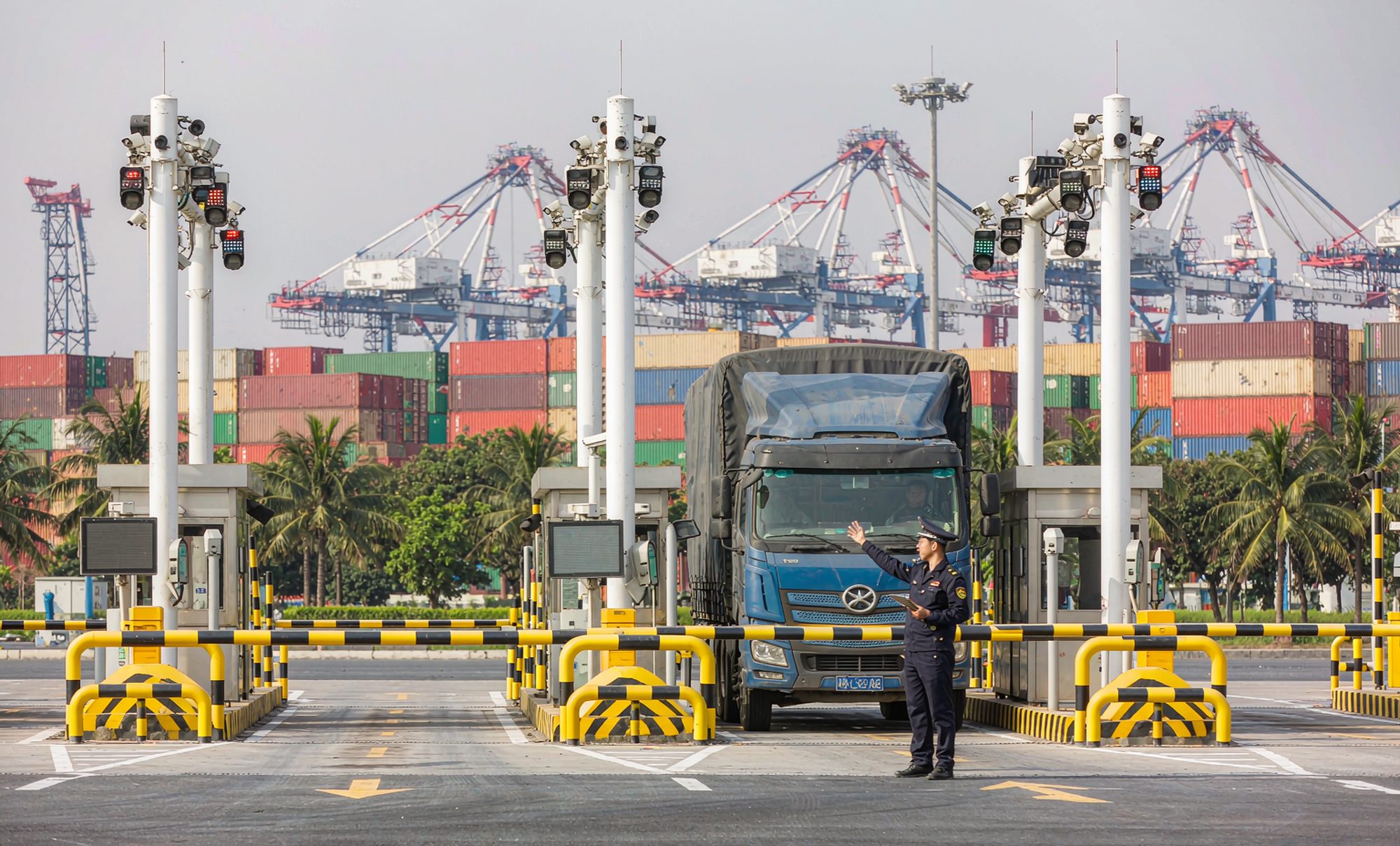
Run a new booking against this table and the answer is usually clear: add marks, issue a certificate, or treat the whole lot.
| Packing or cargo form | US, Canada, EU, UK (ISPM 15 applies) | Australia, New Zealand, selected farm markets | Treatment |
|---|---|---|---|
| Solid wood pallets, crates, skids, dunnage | Treatment required, with IPPC mark applied | Same, and a certificate is often required as well | HT or methyl bromide, plus marking |
| Plywood, particle board, fiberboard pallets | Exempt, no mark needed | Generally no extra requirement | No treatment, provided the whole unit is processed wood |
| Rubberwood furniture, timber products as a lot | Depends on the buyer and the gateway | Mostly whole-lot fumigation with a certificate | Closed treatment of the lot, certificate per shipment; HT first where moisture is high |
| Rattan, willow, bamboo and coconut shell products | Some countries treat them as plant products | Usually treatment plus certificate | Chemical and duration set by the destination protocol |
| Air cargo crates and pallets | IPPC mark required | Depends on the commodity; a certificate may be needed | Mostly HT; whole-lot fumigation booked early |
| Empty container, inner walls, outer packing disinfection | Per buyer and destination requirements | Food-contact surfaces carry separate rules | Disinfection, certified separately from fumigation |
These are the common readings. A specific lot follows the destination's latest official notice, the buyer's clearance requirements and the treatment provider's protocol.
The same dose behaves differently in November and in July. Year-round heat, high humidity and a long typhoon season all push the concentration curve away from the plan.
Yard surfaces run hot by mid-morning and a box interior can pass 45°C. The chemical volatilizes fast: concentration peaks early, then decays quickly. Ventilation time is set by measured residue, not by habit.
Hainan furniture exports are largely rubberwood, typically around 70% moisture and higher in the wet season. Sulfuryl fluoride should not be used above 75% timber moisture; switch to heat treatment, or extend the exposure and test more often.
May through November can bring typhoons. Tarpaulin work follows the wind forecast and normally stops at force 6. Edges must be weighted; a sheet lifted mid-exposure leaks and the treatment has to be repeated.
Most terminal yards in Haikou and Yangpu will not release a work bay for a full daytime occupancy. Night and weekend slots are booked separately and charged as overtime. Ask for the slot before fixing the dosing time.
Cargo pressed against the walls and stacked at the door leaves dead zones where gas never circulates, and the monitoring point fails. Leaving a corridor and air gaps is part of loading.
A treated box left in the open in heat and humidity can be reinfested or come back damp and moldy. This matters most on AU and NZ lanes: keep no gap between treatment and loading.
Issuing the certificate is not difficult. Getting it to line up word for word with the outbound declaration and the bill of lading is. After the closure there is also a gate check, so a mismatch costs more directly than before.
| Field | On the certificate | Outbound declaration / packing list | What has to line up |
|---|---|---|---|
| Description | The specific name of the actual cargo | Declared description matching the HS code | Avoid catch-all wording such as general goods or daily necessities; that is the slowest field to amend |
| Packages | The number actually treated | Package count on the packing list | Estimates get caught when the box is opened at destination |
| Volume / weight | Measured at treatment | Packing list and bill of lading | LCL split lots need particular care; mixed lots fail most often here |
| Port of departure | The gateway and terminal where treatment happened | The port on the outbound declaration | Treated at Macun but shown as Xiuying is a substantive mismatch. Macun sits in Chengmai county but clears under Haikou port. |
| Port of discharge | The final discharge port | Discharge port on the bill of lading | A transshipment port cannot stand in as the destination |
| Treatment date | The day dosing finished | Consistent with the sailing and the 21-day window | A date detached from the sailing gets challenged on AU and NZ lanes |
| Chemical and dose | MB, SF, HT or DH with the dose applied | Consistent with the treatment code on the mark | A mark reading HT with a certificate reading MB contradicts itself |
On Hainan the island trucking usually costs more than the treatment itself. Pricing by segment lets a shipper see which segment is worth removing.
| Charge | Basis | When it arises |
|---|---|---|
| Short haul and container drag | Per truck, per box, by distance | Factory to yard and yard to terminal are charged separately; Haikou–Yangpu and Haikou–Sanya follow actual mileage |
| Yard treatment | Per box, or per shipment by volume | FCL by container type; LCL by cubic meter and shipment count, including bay occupancy |
| Chemical and labor | By container type or volume, and by temperature band | Low temperature and highly adsorbent cargo raise both dose and labor hours |
| Certificate | Per certificate; urgent handling extra | Issued per shipment; amendments and reissues charged as new certificates |
| Mark application | Per piece of wood packaging | When a mark has to be added, re-stamped or verified |
| Overtime and waiting | Per hour | Night or weekend work, or a truck waiting on site for the box to be opened |
Each quotation lists these segments individually. Destination charges and amendment fees caused by incorrect documents are excluded.
Not textbook questions: the ones that surface while scheduling, gating in and amending bookings.
Usually yes, provided 24 hours of closed exposure and at least six hours of ventilation fit before cut-off. Whether the yard accepts it depends on that day's bays and roster, so book a day ahead. Pulling a gated-in box back out adds drag and storage charges.
Under the port plan, Xiuying focuses on cruise tourism and maritime services while breakbulk and container functions move gradually to Macun; Xinhai handles Qiongzhou Strait passenger and freight ro-ro. In practice the carrier decides which terminal it calls, so confirm the loading point at booking and pick the yard after that.
No. There are quarantine yards around Yangpu, and routine heat treatment and methyl bromide fumigation are done locally. Only special methods, or a volume that needs dedicated equipment, justify moving to Haikou — and that adds three to four hours of round-trip trucking.
Outbound containers must be booked on both the national single window and the port shipping service platform. With both clearances, the truck enters the customs control lane, where plate, weight and box number are captured and a release or inspection instruction is issued. The certificate's port of departure, description and date must match the declaration, or the gate will not release the box.
Count one way: Haikou city to Yangpu 1.5 to 2 hours, Haikou to Sanya over three hours, Yangpu to Basuo 1.5 hours. A box going to the yard and back covers both legs, and typhoon warnings or highway restrictions add more. Do not estimate from kilometers.
Haikou and Yangpu both have CFS operations, but sailing density is limited, so small lots often consolidate through Shenzhen or Guangzhou. Where consolidation happens off-island, treatment is done at the Guangdong gateway and the certificate shows Guangdong as the port of departure — not Hainan, which would contradict the declaration.
Neither cargo terminal normally has conditions for a long closed exposure. Whole-lot fumigation is done at yards around the airport; crates and pallets mostly take heat treatment with IPPC marks, finished before the cargo is handed to the terminal so the flight cut-off is not lost.
Heat treatment first. ISPM 15 recognizes a wood core at 56°C for 30 minutes or more; wet timber heats slowly, so extend the hold and measure core temperature rather than surface temperature. Sulfuryl fluoride is not suitable above 75% moisture content; methyl bromide decays fast in heat, so test more frequently.
Follow the wind forecast. Open-air tarpaulin work normally stops at force 6 and moves indoors or is postponed. Sheets need weighted edges; wind lifting one mid-exposure lets the gas out, concentration falls and the treatment has to be redone, along with the sailing.
Yes, with each description on its own line and package counts, volume and weight matching the declaration item by item. If the two commodities need different treatments under the destination protocol, or one is restricted there, they must be treated and certified separately.
The certificate is normally issued 2–3 working days after documents and cargo are ready, then 3–5 days by international courier. Most customers clear customs on a scan and take the original later; where the original must travel with the cargo, those days belong in the booking.
Treatment must fall within 21 days before departure, and marks must sit on at least two opposite faces with nothing covering them. Direct Hainan sailings to AU and NZ are few, so cargo often transships through Hong Kong, Shenzhen or Singapore, and that time counts inside the window. New Zealand inspects wood packaging marks closely: check every piece before loading.
Tell us the commodity, the packing, the container type or volume, the city or county where the factory sits, the loading terminal and the destination port. The reply states which day the box enters the yard, where it is treated, when the certificate issues, and what each segment costs.
Goodhope Logistics (China) Limited
Shenzhen Weihang Yunda International Freight Forwarding Co., Ltd.
NVOCC GD20230925153335
Quotations are itemized. Destination charges, demurrage and amendment fees caused by incorrect documents are excluded.
Request a quotation Call the desk