
Qingdao, Shandong, China · Qianwan Container Terminal · FCL exports
Qingdao Port Container Drayage
GoodHope Freight coordinates container drayage between Qingdao Port and factories or warehouses in Shandong and inland China. Drayage means the short-haul truck move between port and factory: collecting an empty container, taking it to the loading address, and returning the loaded box to the appointed terminal. We align that road leg with the ocean booking, export declaration and terminal receiving instructions.
- 20ft / 40ft / 40ft HC / 45ft HC
- Heavy cargo and dual 20s
- Open top and flat rack
- Reefer, DG and ISO tank
- Shandong and inland pickup
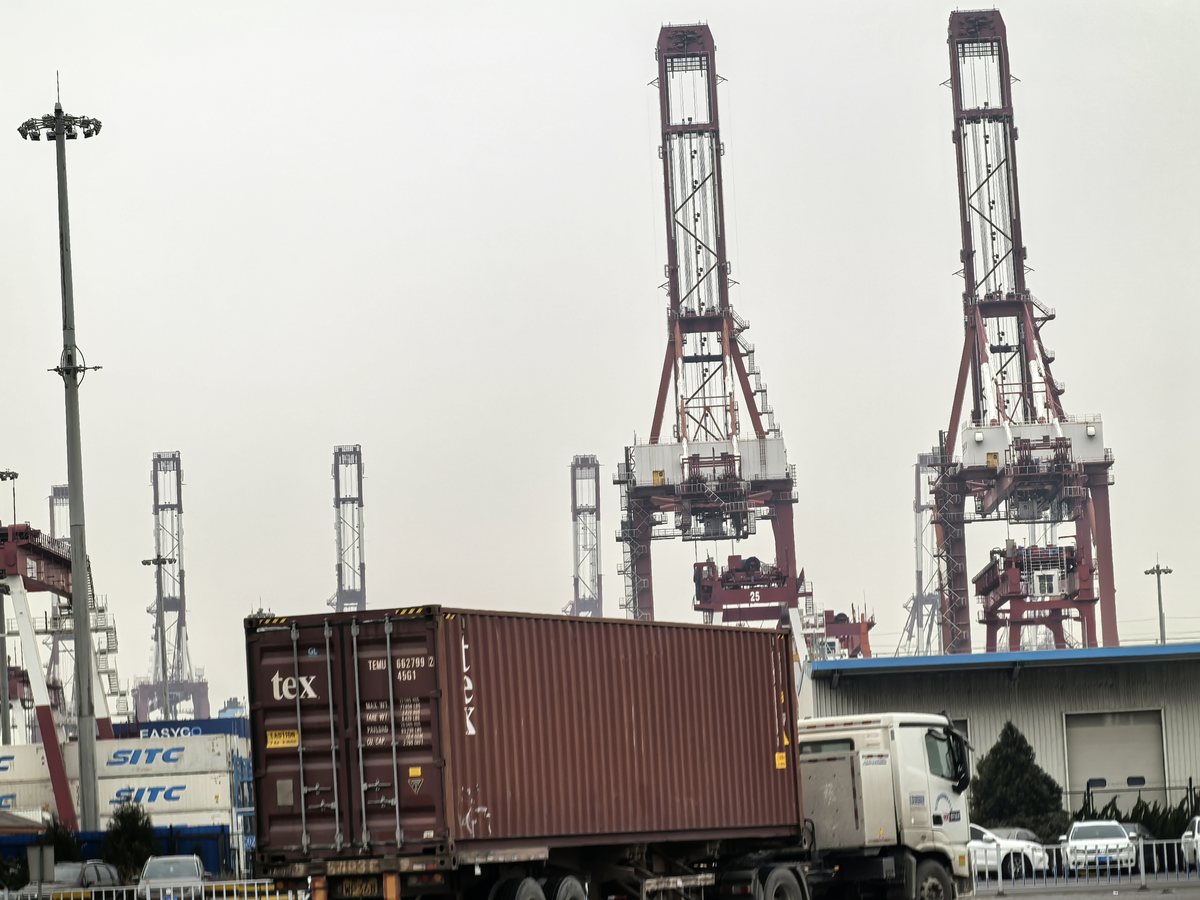
For a US importer buying FOB or FCA, the supplier may handle production while the nominated carrier controls the ocean booking. Neither arrangement automatically reserves a tractor, a suitable chassis or a gate appointment at Qingdao. Our Shenzhen-based forwarding team works on China business hours (GMT+8), collects the loading details from your supplier and keeps the box number, seal, Verified Gross Mass (VGM) and customs status on one dispatch record.
GoodHope Freight is a Shenzhen-based freight forwarder. Our scope covers ocean FCL and LCL on a port-to-port basis, air freight to airport, road transport and in-transit moves to Afghanistan. Drayage on this page is the China-side trucking leg of an ocean FCL shipment through Qingdao.
Which Qingdao Port and factory lanes do we cover?
The booking must name both the exact terminal and the actual loading address. A city name alone is not enough to plan the road leg.
| Pickup area | Examples for address review | Dispatch consideration |
|---|---|---|
| Qingdao and the port district | Huangdao, Jiaozhou, Chengyang, Jimo and Qingdao city districts | Confirm which Qianwan operating terminal appears on the release, then check truck access and the factory loading window. |
| Shandong industrial cities | Weifang, Linyi, Zibo, Jinan, Dongying, Rizhao, Yantai and Weihai | Distance, cargo weight and loading hours determine whether the empty should be pre-pulled or positioned directly. |
| Henan, Hebei and Jiangsu | Inland factory addresses assessed shipment by shipment | Longer inland runs need a route and equipment review. We quote from the street address rather than promise a standard schedule. |
| Warehouse or multi-supplier loading | A consolidation warehouse approved for the shipment | Confirm inbound delivery times, forklift capacity, loading sequence and who records the final seal and VGM. |
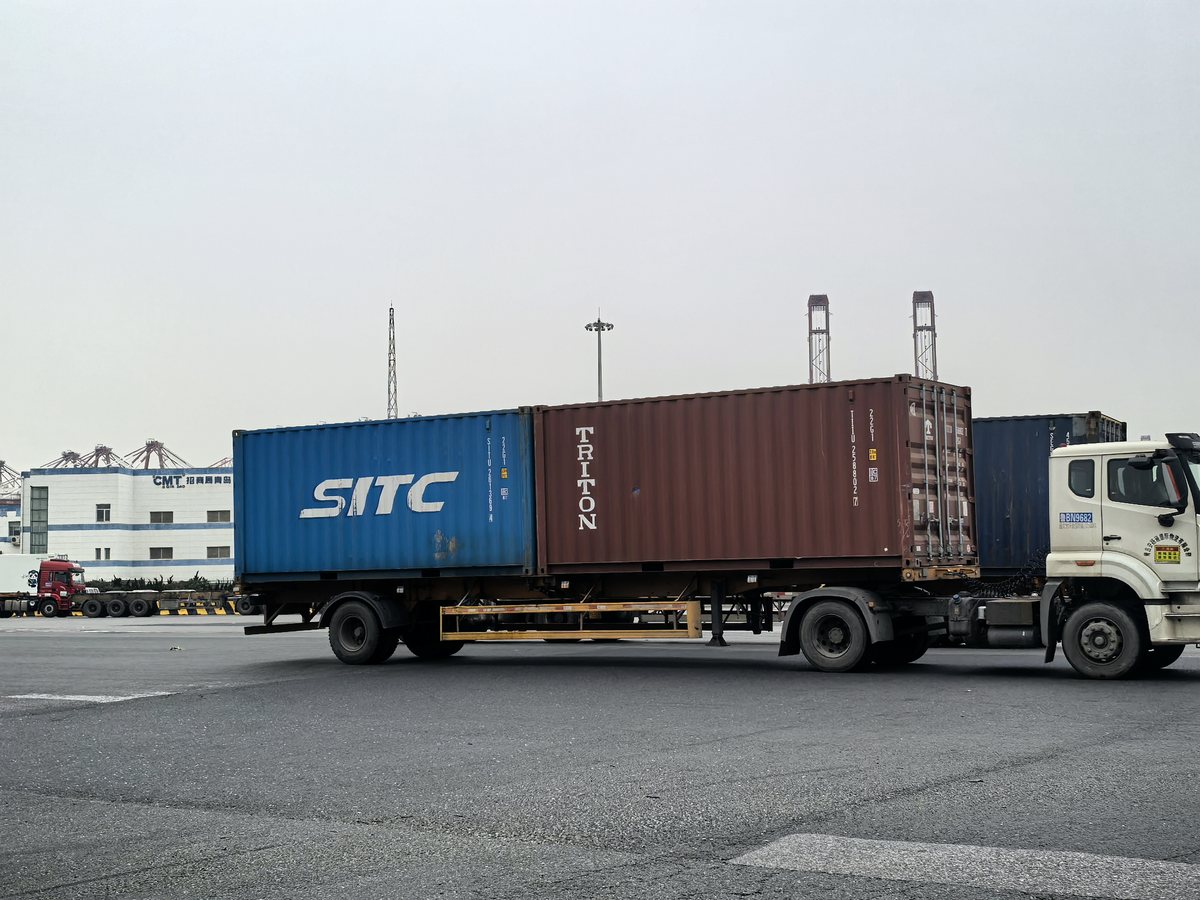
Qingdao Port has several operating areas. Qianwan Container Terminal documents may identify QQCT, QQCTU or QQCTN. Use the entity and location on the carrier release and current terminal notice; do not send the driver to a gate chosen only from a map.
What container equipment can be dispatched?
Container size, cargo density and site access decide the tractor and chassis. The carrier's release must match the equipment ordered.
| Equipment | Common booking code | Typical use | Before dispatch |
|---|---|---|---|
| 20ft dry container | 20GP | Dense parts, packaged industrial goods and general cargo | Review gross weight and axle distribution; a heavy 20ft box needs a suitable chassis. |
| 40ft dry container | 40GP | Furniture, machinery, cartons and palletized freight | Check turning space, dock approach and any local truck restrictions at the plant. |
| 40ft high cube | 40HC or 40HQ | High-volume cargo that needs additional internal height | Confirm empty availability and overhead clearance at the loading site. |
| 45ft high cube | 45HC or 45HQ | Large-volume orders when the carrier releases this equipment | Confirm carrier acceptance, depot stock, chassis compatibility and factory access before release. |
A useful work order includes the complete factory address in English, an on-site contact who can answer the driver, container quantity and size, commodity, estimated and actual gross weight, packaging, vessel and voyage, and the carrier's cut-off. If cargo is palletized, include pallet dimensions and whether a forklift or crane will be available.
For an FOB shipment, agree with the supplier who enters the loading data, who applies the seal and who provides the certified weight. For FCA, also confirm the agreed delivery point and when risk transfers under the sales contract. Those commercial responsibilities do not change the carrier's need for accurate equipment and VGM data.
The shipping order (S/O) is the carrier's booking and release instruction, not proof that a truck or empty container is already available. Dispatch checks the release, equipment and terminal instruction separately.
How do we handle heavy containers and dual 20s?
Weight review before the empty moves
Machinery, metal products, stone and other dense freight can reach a road or equipment limit before the container looks full. We ask for the cargo gross weight, packaging weight and loading distribution before accepting the dispatch plan. The ocean carrier's equipment limit, Chinese road rules and the selected chassis all apply; none should be treated as interchangeable.
After loading, the shipper provides VGM under the SOLAS container-weighing rule. That certified weight must agree with the shipping instruction and export data. If the measured load is not acceptable, the shipment needs a documented correction before gate-in rather than an attempt to enter first and resolve the weight later.
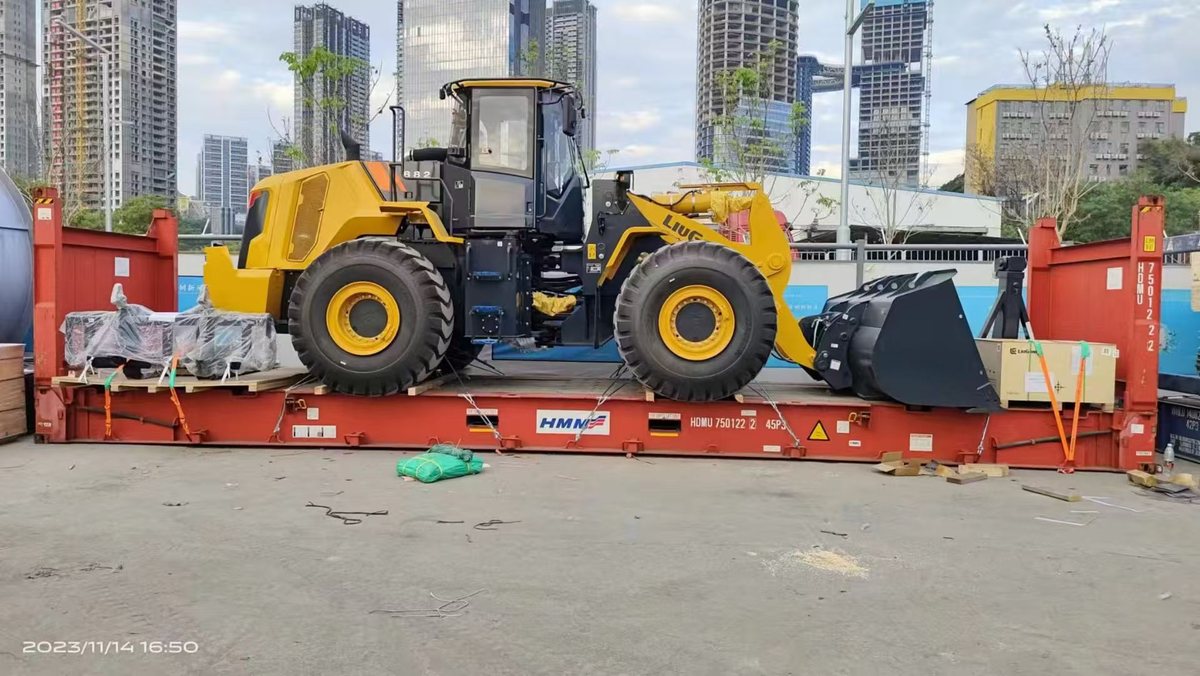
Two 20ft containers on one chassis
Dual 20s means moving two 20ft containers behind one tractor on compatible equipment. It may reduce separate tractor movements, but only after both gross weights, axle loading, release instructions, loading sequence and receiving requirements are reviewed. The two factories also need a workable sequence if they do not share one site. Send both weights and addresses for confirmation; dual 20s is an option, not an automatic assumption.
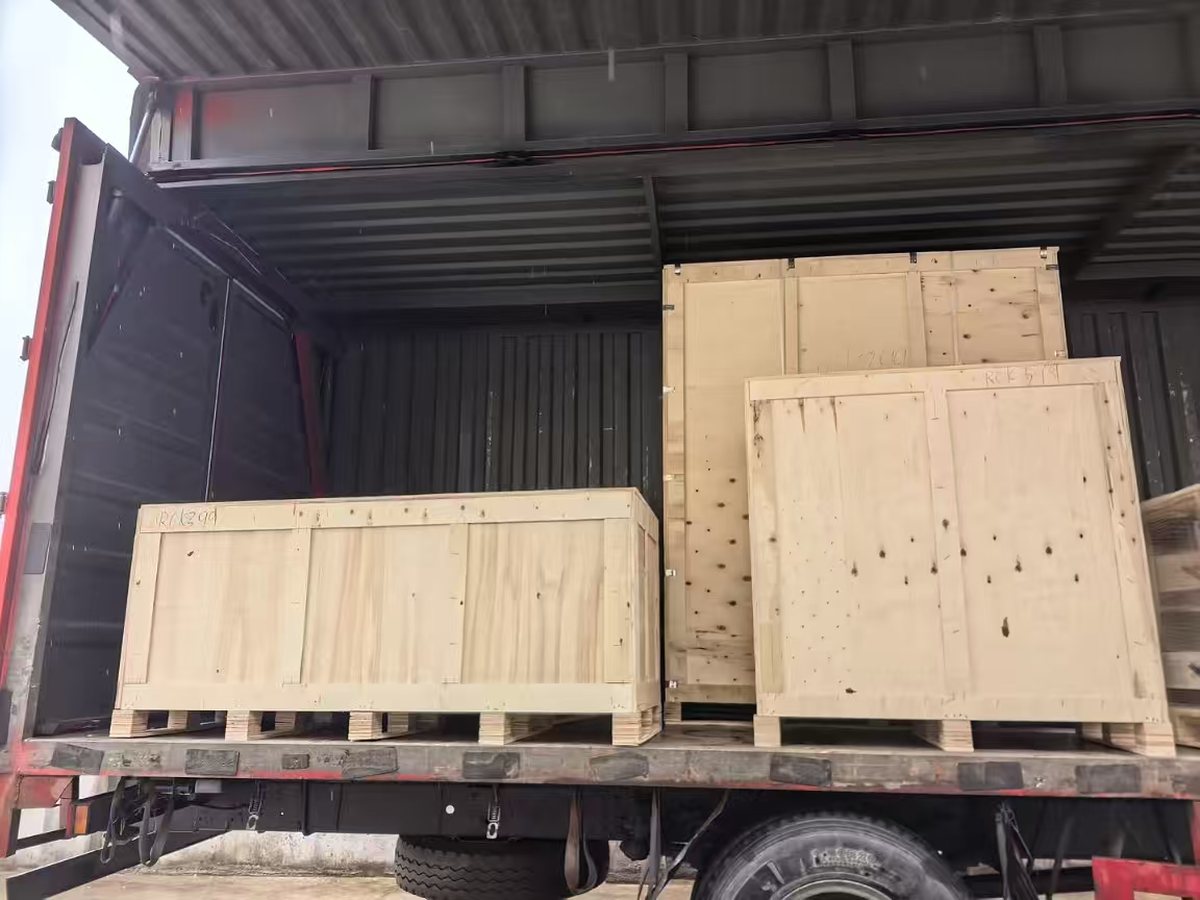
When is an open-top or flat-rack container needed?
Cargo that cannot be loaded through standard container doors may need top or side access, plus a separate out-of-gauge approval.
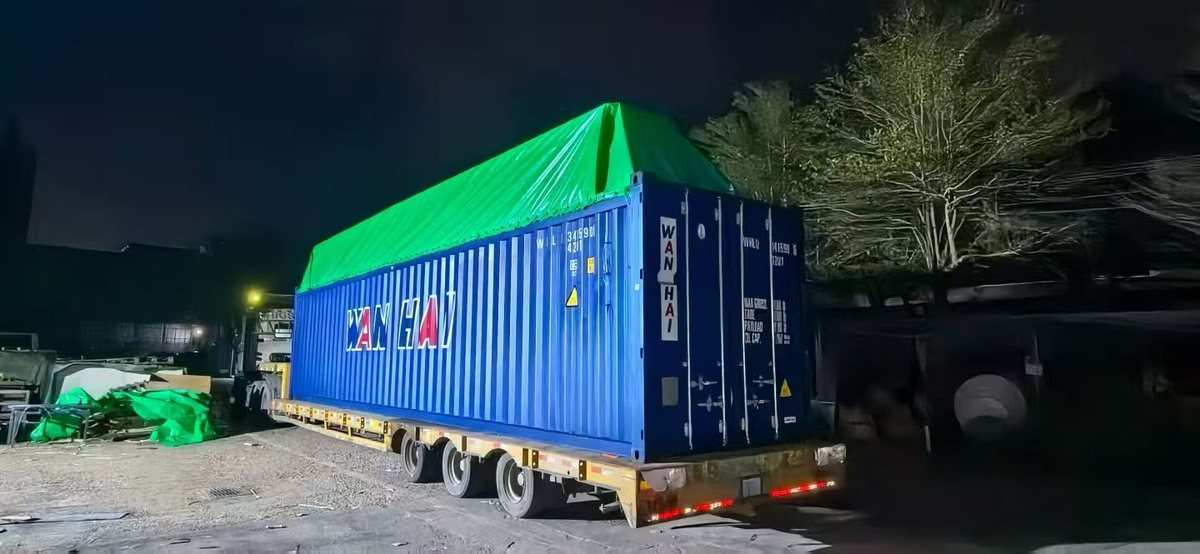
Open-top loading from above
An open-top container has a removable roof and usually a tarpaulin cover. A crane can lower machinery or other tall cargo through the top. The packing plan should show the lifting points, cargo height, support positions and weather protection. Even when the box itself has standard outside dimensions, cargo above the roof can become out-of-gauge (OOG) and affect both carrier acceptance and road clearance.
Flat racks for wide or irregular cargo
A flat rack provides a strong floor and end frames without fixed side walls or a roof. It can accept cargo loaded from the side or above. The shipper should supply dimensions that include every projection, a center-of-gravity mark and suitable lashing points. The ocean carrier approves the OOG booking, while the truck plan addresses road dimensions, securement and terminal handling. These are separate approvals.
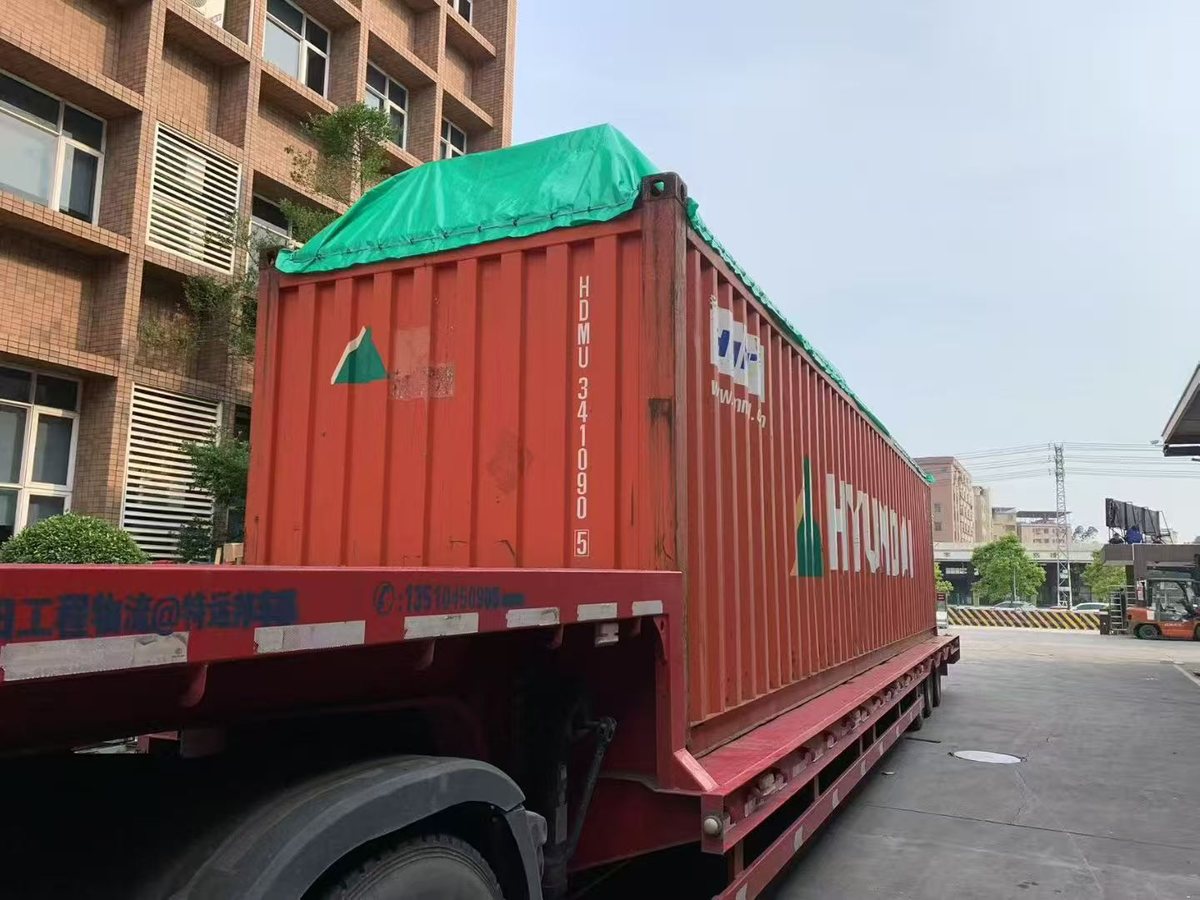
Before release, ask the supplier to measure the cargo in its final export packing, including skids, protruding pipes and protective frames. Photographs alone cannot establish dimensions. The drawing should identify where a crane may lift and where the floor or trailer may bear weight. If the packed measurements change, the carrier booking and truck plan both need another review.
What is required for DG and ISO tank drayage?
Dangerous goods (DG) require a carrier-approved booking and a legally qualified road carrier, vehicle and crew. Dispatch checks the exact UN number, proper shipping name, hazard class, packing group and packaging before the truck is ordered. An ISO tank adds tank-condition and certification requirements for liquid or gas cargo.
| Input | Purpose |
|---|---|
| Safety Data Sheet (SDS) | Match the product, UN classification, handling instructions and emergency information. |
| Dangerous goods packaging evidence | Check that packaging and quantity agree with the declaration and applicable Chinese requirements. |
| Ocean carrier DG acceptance | Confirm the line accepts the commodity, equipment and Qingdao sailing. |
| Vehicle and crew qualifications | Assign road equipment and personnel appropriate to the declared cargo. |
| Terminal receiving instruction | Check the current declaration, appointment and gate conditions for the specific box. |
Battery-powered products, chemicals and tanks should not be booked as ordinary dry cargo while documents are still incomplete. During the QQCT traffic diversion described below, DG vehicles are excepted from the Phase III entry restriction; the driver still follows the current DG instruction and any separate terminal control.
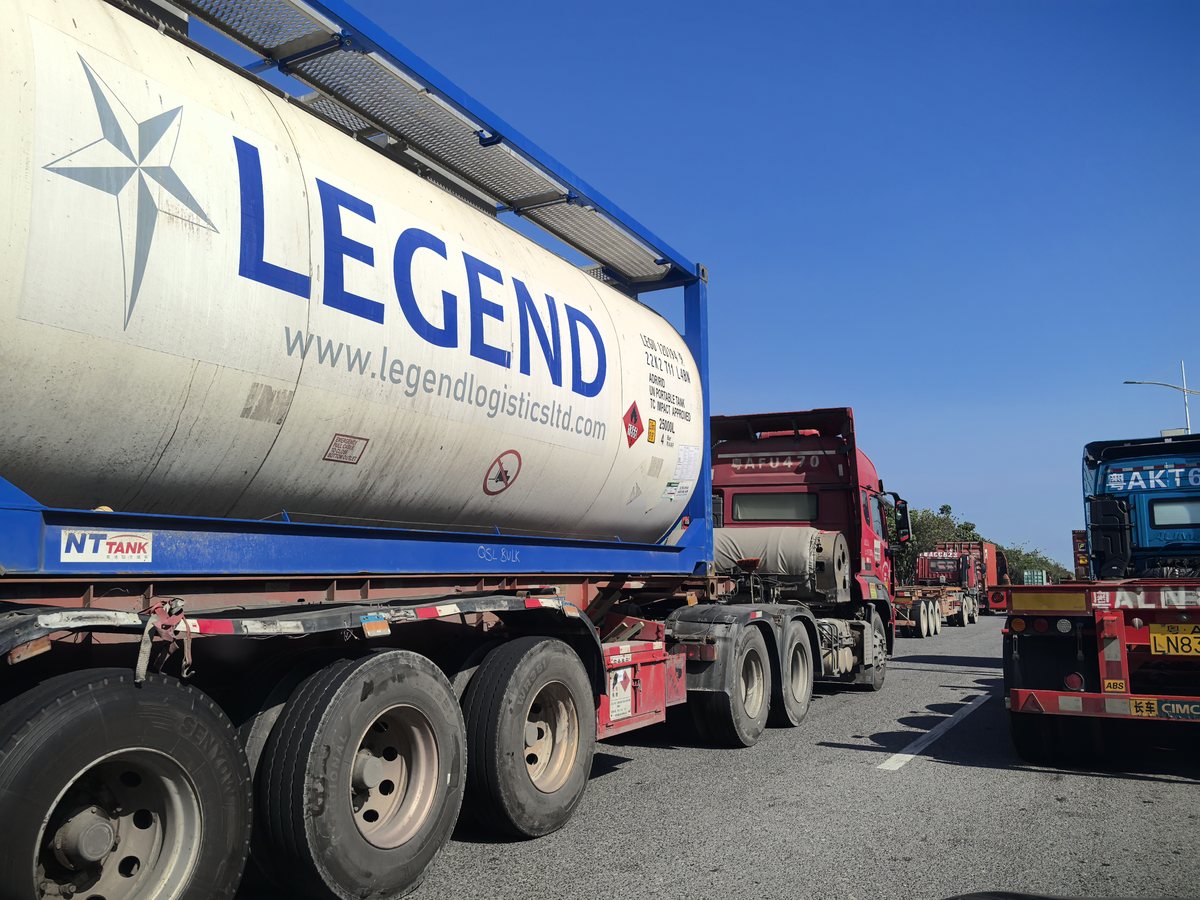
An exception in a traffic notice is not an exemption from DG safety, customs or carrier rules. Recheck all receiving conditions immediately before dispatch.
How is a refrigerated container move planned?
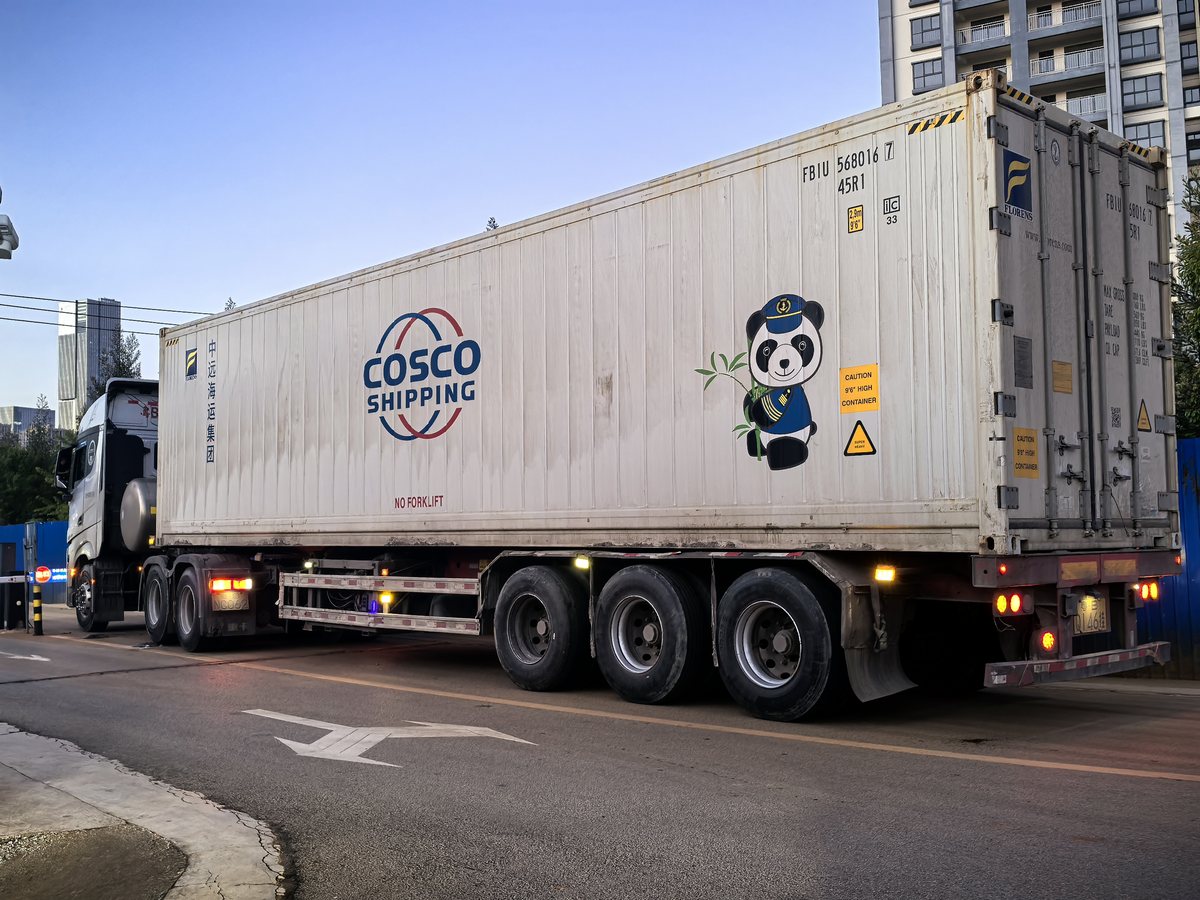
A refrigerated container, or reefer, needs more than a chassis. The order should state the temperature set point, ventilation and humidity requirements where relevant, pre-cooling instructions, cargo condition at loading and how the unit will be powered during the road leg. A genset may be required when continuous power cannot otherwise be maintained.
The factory should know whether cargo is pre-cooled before it reaches the container; loading a warm product into a reefer is not a substitute for product cooling. The dispatch record should preserve the set point and any readings or photographs requested for the shipment. Off-terminal holding also needs an approved power source and a clear free-time arrangement.
QQCT's March 2026 diversion notice lists reefer vehicles among the categories not subject to the Phase III entry restriction. That exception concerns gate routing during the notice period only. Temperature, appointment and receiving requirements remain subject to the carrier and terminal's latest instructions.
Can oversized machinery move by road to Qingdao Port?
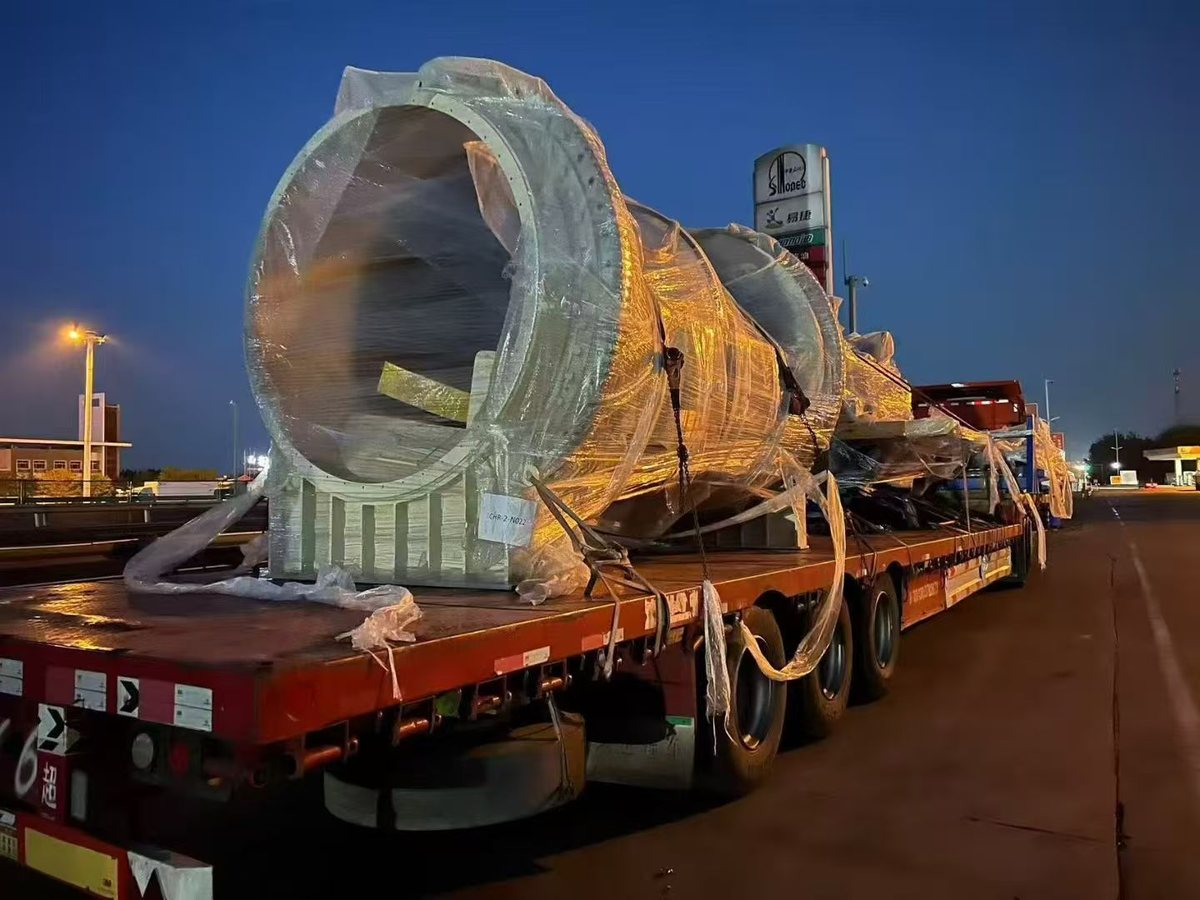
Large machines, tanks, molds and production equipment may require a lowboy, extendable trailer, flat rack or another project-cargo setup. We need finished transport dimensions, gross weight, lifting points, support points and photographs or drawings before selecting equipment. The loading site must also confirm its crane or forklift capacity and the space available for the truck.
The route review considers plant access, overhead obstructions, road restrictions and any permits required for the actual load. Securement is checked against the drawing and photographed after loading. Carrier OOG acceptance does not replace road authorization, and a road permit does not replace terminal acceptance.
OOG vehicles are also listed as excepted from the Phase III entry restriction in the QQCT diversion notice. Because cargo dimensions and receiving arrangements are shipment-specific, dispatch still verifies the instruction for that container before arrival.
What related trucking work can be added?
A Qingdao export movement can include more than one empty pickup and one laden return. Each added handling needs its own instruction and quote line.
Empty pre-pull
Collect the empty before loading and hold it at an agreed location. Confirm the carrier's free time, depot conditions and any later repositioning before authorizing the move.
Empty return after cancellation
If a booking changes after pickup, arrange the return location and condition record with the carrier rather than leaving the box at the factory.
Split depot and terminal moves
When empty pickup and laden return occur at different facilities, quote and schedule both legs against the correct release instructions.
Warehouse transload
Transfer cargo from a domestic vehicle into an export container at a warehouse, with carton counts, loading photographs and seal control agreed in advance.
Rail ramp connection
Coordinate a container between a Qingdao-area facility and an inland rail ramp when the booking uses rail rather than an ocean gateway.
Inspection-related repositioning
If customs selects the container for inspection, arrange any instructed move to an off-terminal examination site and the later return for gate-in.
These services depend on the shipment and the responsible party's instruction. They are not bundled silently into a base drayage rate.
How does a Qingdao export drayage job run?
The dispatcher works backward from the ocean and customs deadlines while checking the physical condition of the box at each handover.
- Review the booking and releaseMatch the S/O, vessel and voyage, equipment, quantity, pickup depot and release validity. Confirm QQCT, QQCTU, QQCTN or another named facility from the actual shipping instruction.
- Arrange the empty pickupUse the required appointment or release process. The driver checks the container number and exterior, interior, doors, floor and odor where accessible, then records exceptions on the Equipment Interchange Receipt (EIR).
- Deliver and load at the factoryConfirm the truck arrival with the site contact. The loader controls weight distribution, blocking, bracing and lashing; dispatch records any delay that could affect the return plan.
- Close the loading recordCapture the seal number, VGM and requested photographs. Check that those details agree with the shipping instruction and China export declaration.
- Coordinate declaration and releaseQingdao supports advance declaration and electronic release workflows. The customs team monitors release while dispatch prepares the physical return, so one completed step is not mistaken for the other.
- Book and verify the gate moveUse the current carrier or terminal appointment process and check the latest traffic notice. The gate verifies the release and container data before admitting the truck.
- Resolve inspection if selectedA customs-controlled box may need to move to an examination site outside the terminal. After inspection, follow the release instruction and arrange a fresh return for terminal receiving.
| Exception | Dispatch response |
|---|---|
| Release or equipment unavailable | Ask the carrier for the correct release or an authorized alternative before moving a truck. |
| Factory not ready | Reconfirm loading status, then review waiting, holding or a revised appointment. |
| Container damage | Photograph and record the issue, then request repair or replacement through the responsible depot or carrier. |
| Weight or seal mismatch | Correct the shipping and declaration data before the box is presented for receiving. |
| Gate routing changes | Check the current terminal notice and send the driver an updated instruction. |
| Customs inspection | Follow the inspection order, preserve the container record and re-plan gate-in after release. |
The importer does not need to follow every local transaction, but the milestone record should make responsibility clear. A carrier release authorizes equipment; an EIR records the interchange; a factory loading record confirms the seal and cargo handling; a customs release addresses the export declaration; a gate event records terminal receiving. Keeping those events separate prevents a screenshot of one status from being read as completion of the entire export move.
No single appointment guarantees the whole movement. Empty availability, factory readiness, customs status, road conditions and terminal receiving all affect the final plan.
How do Qingdao gate appointments and traffic notices work?
The official Qingdao Port online service portal provides vessel schedules, container and gate status, electronic EIR, empty pickup appointments and return appointments. These tools help the dispatcher check the box and the intended transaction. Actual eligibility and receiving rules still follow the ocean carrier and terminal's latest notices.
A QQCT notice dated 31 March 2026 announced traffic diversion during a north-shore road upgrade. During that notice period, vehicles carrying export containers for Phase II receiving and vehicles collecting Phase II containers were directed to enter through the Phase II gate. The Phase III gate restricted those movements.
The same notice excepted DG, reefer and OOG vehicles from that Phase III entry restriction, allowing them to enter through Phase III under the applicable instructions. Exit through the Phase II gate was not restricted. This is a dated traffic notice for a diversion period, not a permanent gate rule. Dispatch must check for an extension, replacement or cancellation before every affected movement.
| Movement in the notice | Direction during the diversion period | Dispatch caution |
|---|---|---|
| Phase II export receiving and container pickup | Enter through the Phase II gate | Confirm that the container and transaction actually belong to Phase II. |
| Those movements at Phase III | Entry restricted by the notice | Do not treat a prior route as current without checking. |
| DG, reefer and OOG vehicles | Excepted from the Phase III entry restriction | Other cargo-specific and terminal requirements still apply. |
| Exit through Phase II | Not restricted by this notice | Follow traffic control and any newer operating instruction. |
For the dispatch file, save the notice date and the transaction details used for the decision. If the carrier changes the receiving facility or customs orders an inspection, the old appointment may no longer describe the intended move. Rechecking is especially important after a vessel schedule update, a weekend traffic adjustment or a change from one Qianwan operating entity to another.
A usable appointment is tied to the correct container, transaction and receiving facility. If a vessel schedule or terminal instruction changes, check the appointment again rather than relying on the earlier screenshot. The portal is an operating tool; it does not override the carrier's release or a customs hold.
What appears on a Qingdao drayage quote?
We issue a line-item quote for the stated lane and shipment. Accessorials are separated so the importer can see what event would trigger them.
| Quote item | Trigger or scope |
|---|---|
| Base drayage line-haul | The confirmed pickup address, container equipment, empty depot and named receiving terminal. |
| Special equipment | Heavy-load chassis, dual 20s, genset, DG vehicle, lowboy or other shipment-specific setup. |
| Driver detention | Waiting beyond the free time stated in the written quote, with the calculation method shown. |
| Overnight hold | The tractor, driver or container remains assigned because loading or return cannot finish as planned. |
| Pre-pull and storage | Early empty pickup, off-terminal holding and any subsequent repositioning. |
| Empty return or split move | A canceled pickup, different pickup and return facilities, or an additional authorized leg. |
| Inspection handling | Terminal-external inspection transport, waiting, handling and re-gating when instructed and approved. |
| Pass-through charges | Documented depot, terminal, weighing, toll or other third-party charges applicable to the job. |
No public rate can cover every Qingdao lane or special move. We do not publish amounts here. Your written quote states inclusions, exclusions, free time and accessorial triggers; changed addresses, cargo details or third-party instructions may require a revised quote.
How are drayage and China export customs coordinated?
Qingdao export shipments can use advance declaration, electronic release and gate verification. Advance filing can start the customs process before the loaded box reaches the terminal, but it does not remove the need for accurate container, seal and VGM data. The terminal's physical receiving and the customs release remain separate checks.
If customs selects a shipment for inspection, the container may be directed to an examination site outside the terminal. Dispatch follows the inspection instruction, records the movement and arranges the return for gate-in after the required release. An earlier terminal appointment may no longer be usable, so the receiving plan is checked again.
Your US customs broker handles the US entry, while the China export declaration belongs to the origin process. The commercial invoice, packing list, commodity description, container number, seal and VGM should agree across the shipping and export records. See China export customs clearance and the export documents checklist.
If a seal is changed during inspection or a damaged box is replaced, do not update only the driver's message. The carrier, customs declarant and importer may all need the revised identifier. Dispatch should record who made the change, which document now carries it and whether the terminal transaction has been refreshed. This avoids a released declaration referring to a container or seal that is no longer physically presented.
Data matched early
Booking, release, invoice, packing list and declaration inputs are reviewed before dispatch.
Physical and customs status separated
Gate receiving, electronic release and any inspection hold are tracked as distinct milestones.
Changes passed to both sides
A new container, seal or VGM goes to the shipping instruction and customs record, not just the driver.
Inspection return planned
After an off-terminal examination, the box is returned under the current release and receiving instruction.
Field notes: nine problems that disrupt a Qingdao move
These field notes describe recurring operating problems rather than named customer stories. Names, vessel dates and outcomes are left out. Each note shows the checks and decisions used to keep the road leg aligned with the shipment record.
The factory finishes after the original return plan
What happens Production or packing slips while the empty is already at the plant. The previous gate appointment and customs timeline may no longer fit the actual loading completion.
What we do We obtain a realistic readiness update, then check carrier receiving, appointment availability and declaration status together. If the move needs holding or a revised booking, the operational choices and charge triggers are presented before the change is authorized.
The loaded weight does not match the plan
What happens Dense machinery or packaged metal cargo produces a measured weight outside the limit used for the booking or the selected road equipment.
What we do Loading pauses for a weight and distribution review. The shipper, carrier and dispatcher agree on cargo adjustment, different equipment or a revised shipping plan, and the VGM and declaration data are corrected before receiving.
The plant can load only during a night shift
What happens A factory has no daytime loading crew, or local access conditions make the planned arrival impractical. The driver could otherwise wait with no one authorized to load.
What we do The work order names the night contact, access procedure, lighting and loading equipment. Any detention or overnight-hold provision is shown in the quote rather than negotiated after the truck arrives.
A multi-supplier load runs into another day
What happens Inbound cartons arrive late at a warehouse or one supplier cannot release its cargo. The container remains open and the return plan loses its original basis.
What we do We compare continued waiting, an overnight hold, a later appointment or a controlled warehouse transload. The customer receives the operational effect and relevant accessorials before selecting the next step.
The release names an unavailable empty
What happens The depot cannot supply the requested size or the release data does not support the intended pickup. This is especially disruptive for less common equipment.
What we do Dispatch returns to the carrier for a valid release, another authorized depot or an approved equipment alternative. The factory and appointment plan are updated only after the new pickup details are clear.
A truck follows an outdated gate route
What happens A driver relies on a previous Qingdao delivery while a traffic diversion or terminal operating notice has changed the intended entry.
What we do The dispatcher checks the latest QQCT, QQCTU or QQCTN instruction for the specific transaction and issues the gate route with the work order. The March 2026 diversion is treated as a dated notice, not permanent routing.
The empty has damage or contamination
What happens A door, floor, roof or frame defect is visible at pickup, or the interior is wet or has an odor that could affect the cargo.
What we do The driver records the condition against the EIR, photographs the issue and requests a replacement or depot instruction before loading. If discovery happens later, repair or transload options require carrier coordination.
Customs selects the box for inspection
What happens The loaded container cannot simply follow its original receiving appointment because an examination has been ordered at a site outside the terminal.
What we do We follow the inspection instruction, arrange the required drayage and preserve the container and seal records. After release, the team checks the current receiving conditions and organizes the return for gate-in.
The terminal transaction does not validate
What happens A box number, release, appointment or electronic record does not match the transaction presented at the gate. Waiting beside the gate does not repair the underlying data.
What we do Dispatch identifies whether the carrier release, EIR, booking, customs status or appointment is wrong. The responsible party corrects that record and the driver receives a revised instruction before another entry attempt.
The same control points apply to a changed factory address, a reefer without a confirmed power plan, an OOG drawing that omits a projection, or a seal revised after declaration. The dispatcher needs the change before the truck reaches the gate.
A tractor cannot resolve an invalid release, a customs hold or an ineligible gate transaction by waiting. Clear ownership of the carrier, factory, customs and terminal updates is the practical way to limit avoidable accessorials.
Why importers use us for Qingdao drayage
Importers need to know who owns each handoff and which events can change the quote. Our dispatch practices focus on the release, factory, customs and terminal records that must agree before a loaded container can be received.
Line-item quotes and visible accessorials
The base lane, equipment, waiting, overnight hold, pre-pull, empty return, split moves and inspection handling are separated where relevant. The quote states assumptions and free time instead of hiding every event inside one rate.
Holiday planning without invented deadlines
Chinese New Year can stop factory production for one to two weeks and pull export demand into the preceding period. We ask for actual production and closure dates, then plan available trucks and appointments without promising an unverified transit time.
Pricing based on the real lane
The loading street address, named Qingdao facility, equipment, cargo weight and added handlings shape the quote. Inland Shandong, Henan, Hebei and Jiangsu moves are assessed individually rather than assigned a generic city rate.
Equipment and cargo checks
The container is checked at pickup, while weight, securement and photographs are recorded as required at loading. DG, reefer and OOG shipments receive a document and equipment review before dispatch.
Milestones tied to the box
Updates can include driver and tractor details, empty pickup, factory arrival, loading completion, seal, VGM, departure, customs exceptions and gate-in. An exception is paired with the next operational decision.
Trucking and export data on one record
Our team can coordinate the road leg with China export declaration work, reducing the risk that a new seal or VGM reaches one party but not the other.
Qingdao and other China gateways
You keep the same forwarding contact when a shipment uses another Chinese port, an inland rail ramp or a warehouse transload. The terminal-specific instructions are still rebuilt for that shipment.
Current notices checked before dispatch
Qingdao terminal routing and receiving can change. We use the official portal and the latest carrier or terminal notice for the transaction instead of treating an older gate instruction as permanent.
Only a written quote for your actual addresses, cargo and sailing defines the agreed scope. Carrier, customs, depot and terminal decisions remain subject to their current rules, and any billable change is identified with its supporting instruction.
Frequently asked questions
Answers to the questions importers ask before booking a Qingdao drayage move.
How much does Qingdao Port container drayage cost?
There is no single rate for every Qingdao move. The written quote uses the actual loading address, container size and count, gross weight, empty depot, receiving terminal and any special equipment or extra handling. It lists the base line-haul and accessorial triggers such as detention, overnight hold, pre-pull, storage, split moves or inspection transport. We do not publish amounts on this page; send the shipment details for a line-item quote.
How much time should I allow for a Qingdao drayage move?
Build the plan from the carrier's current cut-off and the factory's real readiness, not from a generic transit promise. Empty release, pickup appointments, condition checks, road travel, loading, VGM, customs processing and terminal receiving can each change the schedule. Inland addresses and special cargo need individual review. We confirm the operating plan for your shipment without guaranteeing an unverified elapsed time.
What is the difference between QQCT, QQCTU and QQCTN?
These identifiers can appear on Qianwan Container Terminal operating documents. The practical dispatch answer is to follow the exact facility, release and transaction named by the carrier and terminal rather than infer the gate from a general Qingdao Port address. Send the S/O and release with the inquiry so the correct terminal instruction can be checked.
Where can I check Qingdao vessel and container status?
The official Qingdao Port online service portal at https://www.qingdao-port.net/page/index.html provides vessel schedules, container and gate status, electronic EIR, empty pickup appointments and return appointments. The portal supports the operating checks, but the carrier and terminal's latest notice controls the actual release and receiving conditions.
What did the QQCT notice of 31 March 2026 change?
During the north-shore road-upgrade traffic diversion, Phase II export receiving and container pickup vehicles were directed to enter through the Phase II gate, while Phase III restricted those entries. DG, reefer and OOG vehicles were excepted from the Phase III restriction, and Phase II exit was not restricted. It is a dated notice for a diversion period, not a permanent rule; dispatch must recheck the current instruction.
Can two 20ft containers move on one chassis?
Dual 20s may be possible when compatible equipment, both gross weights, axle distribution, loading order and receiving instructions support it. Two separate factory addresses also need a workable sequence. Send both addresses, cargo weights and releases so dispatch can confirm the setup rather than assume that two boxes automatically qualify.
What documents are needed for DG or ISO tank drayage?
The exact requirements depend on the cargo, but the review normally includes the SDS, UN classification, packaging evidence, ocean carrier DG acceptance, qualified road vehicle and crew, and current terminal receiving instructions. ISO tanks also require applicable tank certification and condition records. The traffic-notice exception for DG vehicles does not remove any safety, customs or carrier requirement.
What should I arrange for a reefer container?
Provide the commodity, temperature set point, ventilation or humidity settings where relevant, pre-cooling instruction and power plan. A genset may be needed for the road leg or off-terminal holding. The factory should understand whether product must be pre-cooled before loading. Receiving and appointment details are checked against the current carrier and terminal instructions.
When do I need an open-top or flat-rack container?
An open top allows crane loading through a removable roof and is then covered and secured. A flat rack has a floor and end frames for cargo needing side or top access. Cargo extending beyond the equipment envelope is OOG and needs carrier approval, an accurate packing drawing, securement planning and a road review. QQCT's traffic exception for OOG vehicles does not replace those approvals.
What happens if customs selects my container for inspection?
The container may need to be transported to an examination site outside the terminal under the customs instruction. After examination and the required release, dispatch arranges the return for terminal receiving and checks whether the previous appointment is still usable. Any additional transport, waiting or handling is treated as an identified accessorial rather than silently included in the base rate.
Can you arrange advance export declaration at Qingdao?
Qingdao supports advance declaration, electronic release and gate verification. We can coordinate China export declaration with the truck plan, but accurate invoice, packing list, container, seal and VGM data remain necessary. Advance filing is not a customs-release guarantee, and an inspection or data discrepancy can change the physical receiving plan.
Can I keep my own trucker and use you for export customs?
Yes, provided the handoffs are explicit. Your trucker needs the current release and terminal instruction, while the customs team needs timely container, seal and VGM data. Name a contact on each side for inspection, release or gate exceptions. The physical move and customs record should be updated together when any of those details changes.
What accessorials can appear after dispatch?
Possible items include driver detention beyond quoted free time, overnight hold, pre-pull, storage, empty return after cancellation, split pickup or return, special equipment, inspection-related transport and documented third-party charges. The event and calculation method should appear on the quote. A customer-requested address or cargo change can require a revised quote.
Do you collect from factories outside Shandong?
Factory pickups in Henan, Hebei and Jiangsu can be assessed shipment by shipment, along with addresses across Shandong. Send the complete street address, loading hours, cargo and equipment details. We then review the route, carrier release and Qingdao receiving plan and quote the actual lane; no standard transit time is promised for an unchecked address.
Get a drayage quote for Qingdao
Send the full loading address, container size and count, gross weight, commodity, vessel and voyage, current cut-off and the S/O or release. Tell us whether you need China export customs coordination. DG, reefer, overweight and OOG cargo should include the relevant SDS, temperature instruction or packing drawing. Our Shenzhen team replies during China business hours (GMT+8) with a line-item quote and stated accessorials.
Email sales007@goodhopefreight.com or submit a quote request.
